2027 Is Southeastern Oklahoma State University Good for Transfer Students?

Co-Founder and Chief Data Scientist
Choosing a transfer-friendly university can be challenging for students balancing cost, timelines, and credit recognition. Southeastern Oklahoma State University presents an option for those weighing how many previously earned credits will apply toward a degree and how transfer admissions accommodate nontraditional or returning adult learners. The university's transfer credit policies and cost structures must be examined critically to determine if they support realistic degree completion plans without unexpected delays or expenses.
Transfer enrollment nationwide rebounded by 4.8% recently, reflecting growing demand for flexible pathways and credit mobility. This trend highlights the importance of understanding how Southeastern Oklahoma State University's online and in-person offerings, academic support, and student culture align with transfer students' goals. This article analyzes these factors to clarify if Southeastern Oklahoma State University provides a practical, affordable, and manageable route for transfer students seeking to complete their education efficiently.
Key Points to Know About Southeastern Oklahoma State University for Transfer Students
- Transfer admission requires GED, secondary school records, and TOEFL for nonnative speakers, with moderate ease; AP and competency credits are accepted but dual credit and life experience are excluded, shaping realistic expectations for credit pathways.
- Transfer credits from CLEP, DSST/Dantes, and ACE evaluations are applicable to majors or electives after review, with admissions possible in all terms, enabling tailored academic progress but requiring careful credit audit.
- Cost of attendance is about $17,393 without mandatory computer fees, reflecting moderate affordability for transfer students balancing cost and flexible scheduling options at Southeastern Oklahoma State University.
Is Southeastern Oklahoma State University a Transfer-Friendly College for New Students?
Southeastern Oklahoma State University offers a transfer admission process with relatively low barriers and accepts credits from multiple sources, including CLEP, DSST/Dantes exams, and ACE recommendations. Unlike institutions with limited transfer windows, Southeastern allows enrollment across Fall, Winter, Spring, and Summer terms, improving flexibility. However, transfer advising appears limited in visibility, which may challenge students who need more structured support navigating credit articulation.
Consider a working adult with prior credits earned through standardized exams aiming to finish a degree without repeating coursework. Southeastern's broad credit acceptance can reduce redundant classes and associated costs. National trends showing an 8% growth in transfer enrollment among nontraditional students highlight the importance of such flexible policies. Still, prospective transfers must carefully review how their credits align with chosen programs to avoid unexpected delays or credential risks that could impact employer recognition.
How Easy Is It to Transfer Credits to Southeastern Oklahoma State University?
Transferring credits to Southeastern Oklahoma State University requires careful evaluation of prior coursework against specific degree requirements. The university assesses credits based on official transcripts and course content but lacks a public credit equivalency database. Advisors consider accreditation, grade minimums, and institutional policies to determine whether credits apply to major requirements or only as electives.
About 40% of transfer students nationally lose credits during the transfer process, a trend mirrored at Southeastern. Many courses accepted by Southeastern count toward electives rather than core program needs. This distinction matters for students aiming to avoid extra semesters and additional tuition, as elective credits often do not reduce time-to-degree.
Transfer students must weigh potential credit loss against academic advising support at Southeastern. Advisors play a critical role in guiding realistic expectations and optimizing credit application, but limitations remain, especially for nontraditional credits such as life experience or dual enrollment from high school, which are not recognized.
In practice, a student transferring with many general education credits may face extended time and cost if core program credits do not transfer fully. Navigating these tradeoffs requires assessing credit acceptance in relation to career goals and budgeting for potential extra coursework and tuition expenses beyond initial planning.
What Transfer Admission Requirements Does Southeastern Oklahoma State University Have?
Transfer admission at Southeastern Oklahoma State University demands a strategic approach focused on academic preparedness and credit alignment, not test scores. For example, a community college student with 30 credits and a GPA around 2.7 can expect a more straightforward admission process than a first-time freshman due to the emphasis on prior college work. Transfer applicants should anticipate several clear requirements to navigate the Southeastern Oklahoma State University application process for transfer students effectively. Below are key components to consider when planning a transfer.
- Official Transcripts Required: Applicants must submit official transcripts from all previously attended colleges. Accurate documentation of completed coursework is essential to evaluate credit transfer and ensure prerequisites are met, preventing unexpected course repeats or delays.
- Competitive GPA Threshold: While no fixed minimum exists across all programs, maintaining a GPA between 2.5 and 3.0 is generally necessary. Applicants below this range may face more scrutiny, affecting admission likelihood and transfer credit acceptance.
- Completed College Credits Impact: Transfer students with 24 or more completed credits and a minimum GPA of 2.5 gain roughly a 15% advantage in admission chances, reflecting national patterns highlighted by the National Student Clearinghouse Research Center. This statistic stresses the advantage of sufficient credit accumulation before applying.
- Prerequisite Coursework Alignment: Coursework must align with program-specific prerequisites to avoid additional semesters or increased costs. This factor holds special importance for adult or returning students balancing time-sensitive career transitions.
- SAT/ACT Testing Policies: Southeastern generally waives SAT and ACT requirements for transfer applicants, focusing on college academics instead. Nontraditional or online students benefit from this policy as it reduces barriers linked to outdated or missing high school test scores.
Prospective transfer students may also explore affordable online doctoral programs for flexible, advanced education options after completing undergraduate transfer requirements. Understanding these key factors clarifies the practical realities facing transfer applicants at Southeastern Oklahoma State University and guides informed enrollment decisions.
How Many Credits Can Transfer Students Bring to Southeastern Oklahoma State University?
The credit transfer policy for transfer students in Oklahoma at Southeastern Oklahoma State University sets firm parameters that influence degree timelines and program affordability. Transfer students can bring substantial prior coursework but face defined limits that affect how quickly they complete their degrees. One practical example involves a student transferring from a community college with 80 completed credits, only 75 of which will count toward graduation requirements at Southeastern. The remaining credits may apply as electives or be excluded entirely, potentially extending time to degree. The following list outlines key credit considerations transfer students must assess when planning their transfer to Southeastern Oklahoma State University.
- Maximum Transfer Credit Limit: Southeastern accepts up to 75 semester hours of transfer credit from regionally accredited institutions. This upper limit ensures degree integrity by capping how much external coursework can count toward graduation, benefiting students with moderate prior credits but posing a challenge to those with extensive community college credits.
- Course Level Exclusions: The transfer credit cap excludes remedial or non-college-level courses. Only college-level coursework applies, making lower-division classes from community colleges generally transferable, but non-credit remedial courses cannot be counted, slowing progress for students relying heavily on developmental education.
- Major Requirement Applicability: Transfer credits typically satisfy general education and elective requirements. However, their acceptance toward major-specific courses requires departmental approval and course equivalency. Students with transfer credits not meeting major prerequisites may face additional semesters to complete required coursework.
- Residency Credit Requirement: Southeastern mandates earning at least 30 semester credit hours in residency. This rule limits how much transfer credit counts toward degree completion. Transfer students must plan to fulfill residency hours, which impacts program duration and potentially overall costs.
- Impact of Excess Credits on Graduation: Recent research shows nearly 40% of transfer students nationwide experience graduation delays due to rejected or excess transfer credits. This highlights the practical challenge at Southeastern Oklahoma State University, where unused credits can lengthen degree timelines, underscoring the importance of understanding transfer credit limits and their alignment with program requirements.
Transfer students at Southeastern should weigh transfer credit limits carefully, especially when strategically selecting prior coursework aligned with their major. For those exploring pathways toward careers in lucrative fields, it is wise to review the highest paying majors available and ensure transfer credits support progression in those programs.
Does Southeastern Oklahoma State University Have Transfer Pathways or Community College Agreements?
Southeastern Oklahoma State University offers structured transfer pathways that materially support credit transfer and degree completion but require careful scrutiny by students to avoid unexpected setbacks. With a transfer acceptance rate of 80%, the university has articulated agreements with community colleges designed to minimize common transfer barriers such as credit loss and extended enrollment time. For instance, a student transferring from a local community college with a clear articulation map stands to save both time and tuition costs by ensuring most completed credits apply directly to their chosen major. However, these agreements do not automatically eliminate all credit loss, as degree requirements and course equivalencies evolve. Research from the National Student Clearinghouse Research Center shows that such well-constructed pathways can enhance bachelor's degree completion rates by up to 25% compared to transfer students without formal agreements, highlighting the value of these partnerships when properly utilized.
Below are key elements of Southeastern Oklahoma State University's transfer pathways and agreements that prospective students should consider when planning their transfer strategy.
- Articulation Agreement Framework: SOSU maintains formal agreements with multiple community colleges that align course curricula to reduce redundancy. These agreements help students plan their coursework to meet bachelor's degree prerequisites, primarily benefiting those within commonly transferred majors like business or education.
- Guaranteed Admission Criteria: Certain partnerships guarantee admission to students who meet set academic thresholds. This ensures transfer applicants who satisfy conditions such as GPA minimums can secure a spot without additional uncertainty, which aids in timely program progression.
- Major-Specific Transfer Maps: Transfer pathways often include tailored degree maps for specific majors. These maps clarify which courses from partner institutions will fulfill program requirements at SOSU, enabling students to avoid unnecessary coursework and extend fewer semesters.
- Advising and Credit Evaluation Support: SOSU offers transfer advising to help students interpret how prior credits apply to their degree plan. Personalized advising is crucial because some credits may not transfer cleanly, impacting time-to-degree and tuition costs if unaddressed.
- Reduced Financial and Time Burden: By leveraging articulation agreements and transfer maps, students can reduce the overall cost and duration of their bachelor's degree. This is especially important for nontraditional and cost-conscious students seeking to minimize credit loss and accelerate degree completion.
Is Southeastern Oklahoma State University Affordable for Transfer Students?
Southeastern Oklahoma State University's affordability for transfer students hinges on tuition, fees, and net price after aid. Tuition alone is $22,432, yet total cost of attendance, including housing and fees, is reported at $17,393, reflecting significant institutional aid and discounts. Transfer credit acceptance also influences time to degree and cost.
Transfer students risk credit loss or part-time enrollment extending their studies, raising expenses beyond sticker price. Online learners gain tuition discounts, but program-specific fees or housing needs if moving on-campus can add complexity. Delayed graduation impacts affordability by increasing overall financial burdens and potential debt.
Nearly 40% of transfer students face unexpected costs after aid awards, highlighting the need for clear net price transparency. Confirming transfer credit applicability, scholarship eligibility, and financial aid deadlines upfront can prevent surprises. Assessing program fees and choosing online versus on-campus options carefully will identify the lowest-cost path to degree completion.
One Southeastern graduate recalled, "I almost dropped out because the software licensing fee wasn't in the brochure." Balancing part-time work and incompletely applied transfer credits made budgeting tough. It wasn't until I met with an advisor to verify aid and credit transfer that I could plan realistically. That saved me from costly delays and kept me enrolled."
What Academic Programs at Southeastern Oklahoma State University Are Best for Transfer Students?
Business administration and education stand out among transfer-friendly academic programs at Southeastern Oklahoma State University. These majors have clear prerequisite sequences and structured credit transfer policies that reduce course repetition. For example, transfer students moving from community colleges often benefit from business administration pathways designed to apply a broad range of prior credits efficiently.
Credit applicability significantly influences graduation timelines and total cost. Programs with well-mapped transfer equivalencies help students avoid paying for unnecessary classes, easing their transition. In contrast, specialized majors may entail more restrictive credit policies, extending degree completion and increasing expenses for transfer students. Choosing a major with transparent course sequencing minimizes these risks while aligning with varied workforce demands.
Graduates from business and education at Southeastern generally enter sectors with steady employment and higher median starting salaries compared to many liberal arts fields. For transfer students focused on employability, these degree options often provide a more direct route to work. Additionally, Southeastern's online format adds flexibility, but transfer students must actively engage with academic advising to address prerequisite gaps and confirm transfer credits apply as expected.
Before enrolling, transfer students should verify major requirements and transfer equivalencies with advisors. Proactive planning helps ensure that the chosen program fits both academic credentials and long-term career goals. For those seeking practical alternatives, researching quick certifications that pay well can complement traditional degrees and shorten time to workforce entry.
Does Southeastern Oklahoma State University Offer Online or Flexible Options for Transfer Students?
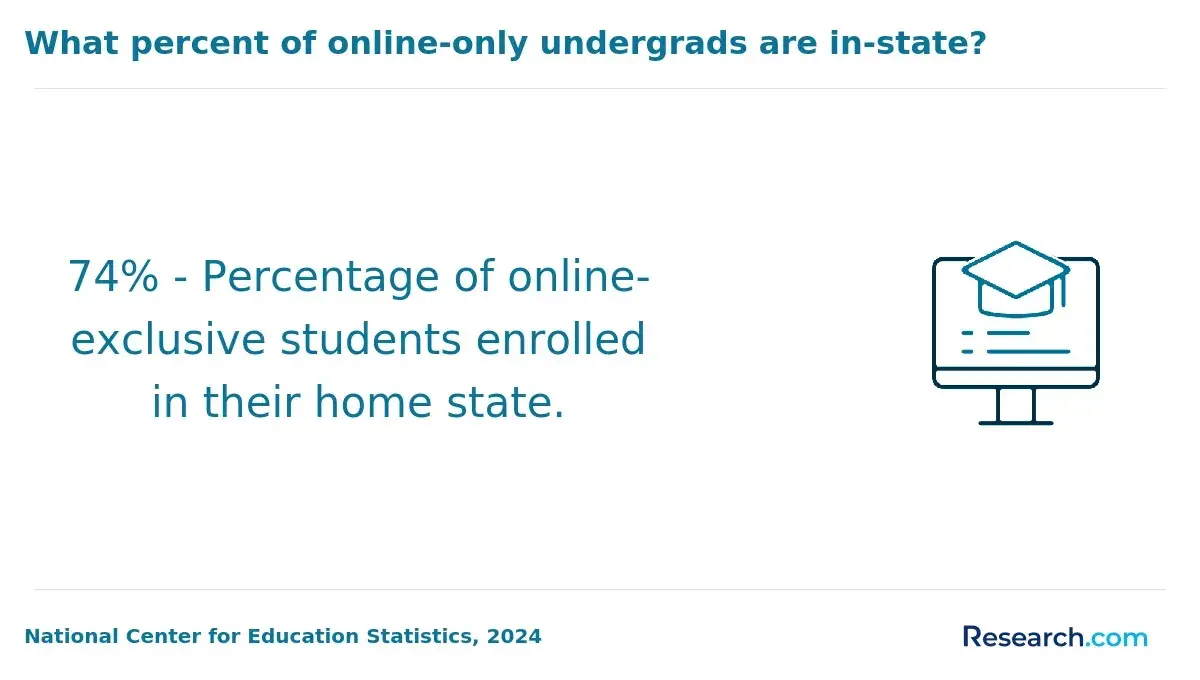
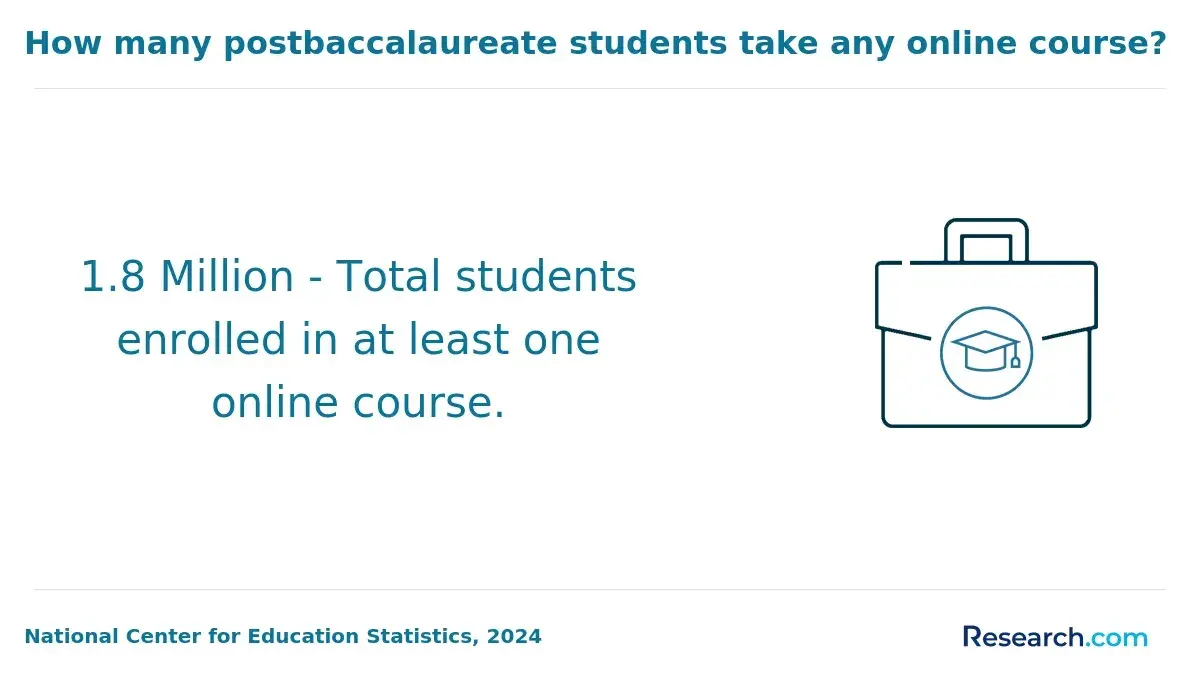
Evaluating online and flexible options at Southeastern Oklahoma State University involves balancing prior credit transfer, work schedules, family obligations, commuting constraints, and part-time enrollment needs. Transfer students must consider how well their credits apply, the availability of fully online or hybrid courses, and whether class sequencing supports timely progression. Graduate outcomes hinge on navigating these factors alongside advising quality and major-specific policies. Southeastern's commitment to flexible formats aims to reduce barriers but requires careful planning around transfer evaluations and course load intensity to avoid extended graduation timelines. A 2024 National Center for Education Statistics report highlights a 22.3% increase in online enrollment among adult learners, illustrating growing demand for options like those Southeastern offers. The following points detail key factors affecting transfer students' ability to complete degrees flexibly at Southeastern Oklahoma State University.
- Fully Online Degree Completion: Southeastern offers several fully online programs that allow transfer students to complete their degrees remotely. This supports those balancing jobs and families, although some majors restrict online availability, requiring review before committing.
- Hybrid and Evening Courses: Hybrid classes combine on-campus sessions with virtual learning, adding scheduling complexity but enabling some in-person engagement. Evening classes help students working daytime jobs but may limit course frequency compared to traditional daytime offerings.
- Transfer Credit Evaluation: Credit evaluations vary by program and can delay registration until finalized. Students must proactively monitor this process to prevent hold-ups affecting course sequencing and graduation milestones.
- Advising Support for Transfer Students: Advising is critical in navigating flexible pathways and aligning prior credits with degree requirements. Southeastern provides transfer-focused advisement, though availability can fluctuate, making early appointments essential.
- Part-Time Enrollment and Course Load Flexibility: The university accommodates part-time status to help working students, but stretching coursework can extend time to degree. Students should weigh cost savings versus longer overall enrollment.
- Scheduling Conflicts and Commuting Constraints: For students reliant on hybrid or on-campus courses, limited class times and commuting distance impose real limits, especially when paired with work or family duties.
- Graduation Timeline Risks: Flexible formats reduce physical attendance but don't guarantee expedited graduation. Transfer students must carefully sequence courses and consider how part-time loads and late credit approvals can prolong completion.
One Southeastern graduate shared their experience managing a full-time retail job and two children while transferring credits from a community college. "I almost dropped out because my transfer credits took weeks to clear, so I couldn't register for the evening classes I depended on. Once sorted, the mix of online courses and night classes was a lifesaver, but I had to plan every semester around work schedules and watch for hidden fees like software licenses. It wasn't perfect, and some classes filled fast, so flexibility sometimes meant juggling stress more than saving time." This firsthand account underscores the practical tradeoffs transfer students face at Southeastern Oklahoma State University despite its online and flexible options.
What Support Services Does Southeastern Oklahoma State University Provide for Transfer Students?
Transfer students at Southeastern Oklahoma State University must confirm how previous credits apply, choose the right remaining courses, manage affordability, and adjust to a new academic environment while avoiding delays to graduation. This process can be complex without effective advising and support. Southeastern's transfer advising focuses on minimizing credit loss and integrating prior coursework efficiently into degree plans. Financial aid counseling is essential, as 95% of students receive some aid, making affordability a key consideration. Orientation programs target transfer-specific needs, helping students navigate campus and academic expectations. Tutoring and career services bolster success and job readiness. A 2024 study in the Journal of Higher Education Administration highlights that institutions with comprehensive transfer advising reduce credit loss by 30%, improving persistence rates and time to degree. Practical, coordinated supports determine how well transfer students progress and complete their degrees. Below are essential services and resources transfer students should evaluate carefully when comparing transfer-friendliness among institutions.
- Transfer Advising and Credit Evaluation: Advising focuses on credit articulation and degree planning to prevent excess credits. Effective transfer advising impacts affordability and timely graduation by preserving previously earned credits and tailoring course selection.
- Transfer Orientation Sessions: These sessions familiarize transfer students with academic policies and resources, addressing challenges common among nontraditional and first-generation students. Orientation eases transition stress and supports persistence.
- Financial Aid Counseling: Given that most students rely on aid, dedicated counseling helps transfer students understand aid options and financial obligations. This service can differentiate Southeastern from other transfer-friendly colleges in cost management.
- Academic Tutoring Services: Targeted tutoring supports academic performance and adjustment to new course demands, enhancing success rates relative to institutions with less tailored support.
- Career Services and Job Placement Assistance: Career counseling helps align academic choices with employment prospects, critical for transfer students balancing education and work responsibilities, and supports long-term economic mobility.
- Individualized Academic Planning Tools: Use of personalized planners helps optimize course sequencing and credit transfer, reducing risks of surplus credits and delayed graduation common among transfers.
- Online and Flexible Learning Options: Flexible course delivery accommodates transfer students' work and life schedules, a vital factor for many nontraditional learners.
Prospective students seeking cost-effective options can also consider online colleges with no application fee, which may offer additional financial relief. Southeastern Oklahoma State University's extensive array of transfer student support services and targeted advising resources form a foundation for practical academic and career success, though outcomes depend heavily on student engagement and proactive use of these tools.
Is Southeastern Oklahoma State University Worth It for Transfer Students Based on Graduation and Career Outcomes?
Southeastern Oklahoma State University presents challenges for transfer students due to its 33% graduation rate, which lags behind national norms. Transfer students, including especially those after the best majors, often face degree completion hurdles even with prior credit. National research shows community college transfers complete bachelor's degrees at about 55% on average, indicating Southeastern's lower rate may reflect retention and support weaknesses affecting student outcomes.
Transfer-credit applicability and program fit are crucial when considering Southeastern Oklahoma State University. For a transfer student with significant credits, uncertainty around credit acceptance and extended time-to-degree can increase total costs, reducing affordability. This makes thorough evaluation of transfer policies and degree alignment key to avoid extra semesters and debt burden.
Career outcomes for transfer graduates are modest, with a median salary of $45,079. This places alumni near regional public university medians but offers limited financial flexibility if debt is present. Career readiness depends heavily on sector choice and use of university career services. Cost-conscious and nontraditional learners should weigh this upfront expense against long-term earnings potential carefully.
Students aiming for advanced degrees or streamlined pathways might explore alternative options, such as programs emphasizing transfer support or specialized tracks. Evaluating doctoral programs online no dissertation may provide pathways beyond traditional limits, enhancing workforce value and personal return on investment.
What Do Graduates Say About Southeastern Oklahoma State University for Transfer Students?
- Wyatt: "When I transferred to Southeastern Oklahoma State University, about 75% of my credits from my community college were accepted, but only half applied directly to my major requirements. The transfer advising was helpful but required persistence to maximize my credit use, which slightly extended my graduation timeline. Overall, the combination of affordable tuition, solid financial aid, and flexible evening courses made it a practical choice that allowed me to finish my degree while working part-time."
- Keenan: "Transferring to Southeastern Oklahoma State University was a mix of streamlined credit transfer and some unexpected challenges with course availability, especially for online classes. While I did lose a few credits, the university's scholarship opportunities and clear degree pathways helped me stay on track. The accessible advising team was instrumental in mapping out a plan that aligned well with my career goals, making the total cost reasonable for the value I received."
- Hakim: "I approached Southeastern Oklahoma State University cautiously, knowing transfer policies can be tricky. Though only about 60% of my transfer credits applied toward my major, their flexible part-time programs and accredited online options fit my schedule perfectly. The financial aid I received balanced out the mandatory fees, and completing my degree here ultimately opened new job opportunities that justified the investment and the slightly longer timeframe."
Other Things You Should Know About Southeastern Oklahoma State University Degrees
Transfer students at Southeastern Oklahoma State University may face limited access to some scholarships that prioritize incoming freshmen, which can affect overall affordability. While federal and state aid remain available, the university's institutional aid pool is smaller for transfers, meaning students should prepare to rely more on external funding or personal resources. Prioritizing FAFSA completion early and exploring outside scholarships is essential to avoid unexpected financial strain during degree completion.
Though Southeastern Oklahoma State University accepts many transfer credits, program structure and course availability can still extend time to graduation for transfer students. Some majors have tightly sequenced courses offered only in certain semesters, so misalignment can force students to enroll longer than anticipated. Transfer students should carefully map remaining coursework with an advisor to minimize delays and budget for potential additional semesters, especially in specialized programs.
Southeastern Oklahoma State University's class schedules tend to favor traditional daytime formats, which can challenge transfer students juggling jobs or family responsibilities. While some evening or weekend classes are offered, limited availability may restrict flexibility and slow progress for students needing nontraditional hours. Those with demanding outside commitments should prioritize programs and advisors familiar with part-time transfer student needs to avoid conflicts and prolonging degree timelines.
Southeastern Oklahoma State University offers a supportive environment where faculty engagement can positively impact transfer students by providing mentorship and networking opportunities that enhance career prospects in 2027.
References
- Oklahoma Public Higher Education Graduates Learn Here, Earn Here - Oklahoma State Regents for Higher Education https://okhighered.org/2024/09/oklahoma-public-higher-education-graduates-learn-here-earn-here-23/
- Southeastern Oklahoma State University (SE) https://www.princetonreview.com/college/southeastern-oklahoma-state-university-1023674
- TRiO Student Support Services https://www.eosc.edu/academics/trio
- Transfer Agreements by Institution https://www.occc.edu/academics/transfer-agreements.html
- Southeastern Oklahoma State University Tuition and Financial Aid https://www.prepscholar.com/sat/s/colleges/Southeastern-Oklahoma-State-University-tuition-financial-aid
- Southeastern Oklahoma State University Acceptance Rate | Clastify https://www.clastify.com/blog/acceptance-rates/southeastern-oklahoma-state-university