2027 Physical Therapy Assistant Admissions Trends Report: Acceptance Rates, GPA Expectations, and Test Policy Changes

Co-Founder and Chief Data Scientist
Admissions standards for physical therapy assistant programs increasingly reflect responses to evolving workforce demands and accreditation pressures rather than simple selectivity metrics. Declining acceptance rates often correspond with program capacity limits and heightened prerequisite course rigor shaped by licensing requirements. GPA expectations and test policies serve as indicators of how institutions balance academic preparedness with practical skills validation amidst workforce shifts.
Recent 2024 data from the Commission on Accreditation in Physical Therapy Education highlight a trend toward more holistic applicant evaluations, impacting standardized testing requirements. The age distribution of enrollees also suggests growing accessibility for nontraditional students, pointing to an expanding and diverse future workforce in the field.
Key Things to Know About Physical Therapy Assistant Admissions Trends
- Acceptance rates for physical therapy assistant programs averaged 45% in 2024, signaling growing competition driven by workforce demand, which forces applicants to differentiate beyond GPA alone.
- Most programs require a minimum GPA around 3.0, reflecting employer preferences for candidates with demonstrated academic consistency, which impacts eligibility and signals candidate reliability in clinical settings.
- Test-optional policies expanded recently, reducing upfront barriers but increasing reliance on holistic reviews, which may lengthen admission timelines and shift applicant focus to experience over exam scores.
- Key Things to Know About Physical Therapy Assistant Admissions Trends Key Things to Know About Physical Therapy Assistant Admissions Trends
- What Are the Current Acceptance Rates for Physical Therapy Assistant Degree Programs? Current Acceptance Rates
- What Is the Average GPA of Accepted Physical Therapy Assistant Students? GPA Requirement
- Are SAT or ACT Scores Still Required for Physical Therapy Assistant Degree Programs? SAT/ACT Requirement
- How Many Physical Therapy Assistant Programs Have Adopted Test-Optional Admissions Policies? Test-Optional Programs
- What Non-Academic Factors Do Physical Therapy Assistant Admissions Committees Consider? What Non-Academic Factors Do Physical Therapy Assistant Admissions Committees Consider?
- Which Types of Schools Are the Most Selective for Physical Therapy Assistant Applicants? Which Types of Schools Are the Most Selective for Physical Therapy Assistant Applicants?
- How Do Admissions Standards Differ Across States and Regions? Admission Standards by State
- How Do Admissions Requirements Compare Between Online and Campus Programs? Online vs On-Campus Admissions
- Is There a Relationship Between Admissions Standards and Student Success? Admission Standards & Student Success
- How Can Students Strengthen a Physical Therapy Assistant Program Application? Program Application Preparation
What Are the Current Acceptance Rates for Physical Therapy Assistant Degree Programs?
Current acceptance rates for physical therapy assistant degree programs typically range from about 30% to 60%, according to recent data compiled by the U.S. Department of Education's College Scorecard and the National Center for Education Statistics (NCES). Some programs, especially those with strong reputations or limited clinical placement capacity, report acceptance rates below 30%, indicating higher selectivity.
These acceptance statistics for physical therapy assistant degrees reflect program capacity constraints, regional applicant pools, and institutional goals. Variability in acceptance rates underscores how supply and demand dynamics vary widely across public, private, and online program formats.
Differences in acceptance rates often correlate with institutional prestige, clinical affiliation networks, and geographic location. Programs in high-demand urban centers or regions with limited expansion opportunities tend to have lower acceptance rates, while those at less competitive institutions or with more flexible online offerings may accept a larger portion of applicants.
Additionally, admissions evaluations increasingly emphasize holistic criteria beyond GPA, including healthcare-related volunteer experience and prerequisite coursework, shaping the competitiveness landscape. Public institutions may face state-mandated enrollment caps, whereas private programs might adjust intake based on market strategy, affecting acceptance outcomes for prospective students.
These trends have practical implications for applicants navigating program selection, as lower acceptance rates can signal greater institutional rigor and potentially stronger job connections but also longer, more competitive admissions cycles. Understanding these acceptance rate distinctions helps applicants position themselves strategically and weigh options in line with their career goals and academic profiles.
For those exploring allied health pathways, combining insights from acceptance data with financial considerations-such as comparing program costs or a healthcare administration degree for broader opportunity-can inform holistic decision-making about training investments and labor market entry.
What Is the Average GPA of Accepted Physical Therapy Assistant Students?
Recent admissions data from institutional fact books and U.S. education reports indicate that the average GPA requirements for physical therapy assistant programs generally cluster between 3.0 and 3.5. This range serves as a benchmark reflecting both academic readiness and the practical demands of core coursework and clinical rotations. Programs admitting students with GPAs just below 3.0 tend to weigh other factors more heavily, such as healthcare experience or demonstrated motivation, highlighting how GPA acts as one element in a holistic selection process.
The presence of competitive programs requiring GPAs near 3.7 illustrates the stratification in selectivity across institutions and emphasizes the value placed on academic rigor within the field.
GPA benchmarks for accepted physical therapy assistant students differ notably based on program type, geographic location, and institutional policies. Public colleges with larger cohorts often show a wider admissions GPA distribution, while private and out-of-state programs typically maintain higher minimum GPA thresholds to manage demand and uphold reputation.
Variations in grading practices and prerequisite coursework standards further complicate comparisons across schools, underscoring that a single GPA metric cannot fully capture candidate quality or program competitiveness. These factors collectively reinforce how GPA operates as a nuanced admissions signal rather than a strict cutoff.
GPA expectations influence applicant behavior, often shaping preparation strategies toward maintaining consistency in relevant science courses like anatomy and physiology. In light of evolving test-optional and test-blind admissions policies, maintaining a strong GPA has become increasingly important to demonstrate academic proficiency and readiness.
Understanding the layered implications of GPA benchmarks helps prospective students, transfer applicants, and advisors navigate program competitiveness and prioritize academic performance alongside practical experience. For those exploring further educational avenues, considering degrees such as masters in healthcare management can complement clinical expertise with administrative insight, broadening career flexibility within healthcare systems.
Are SAT or ACT Scores Still Required for Physical Therapy Assistant Degree Programs?
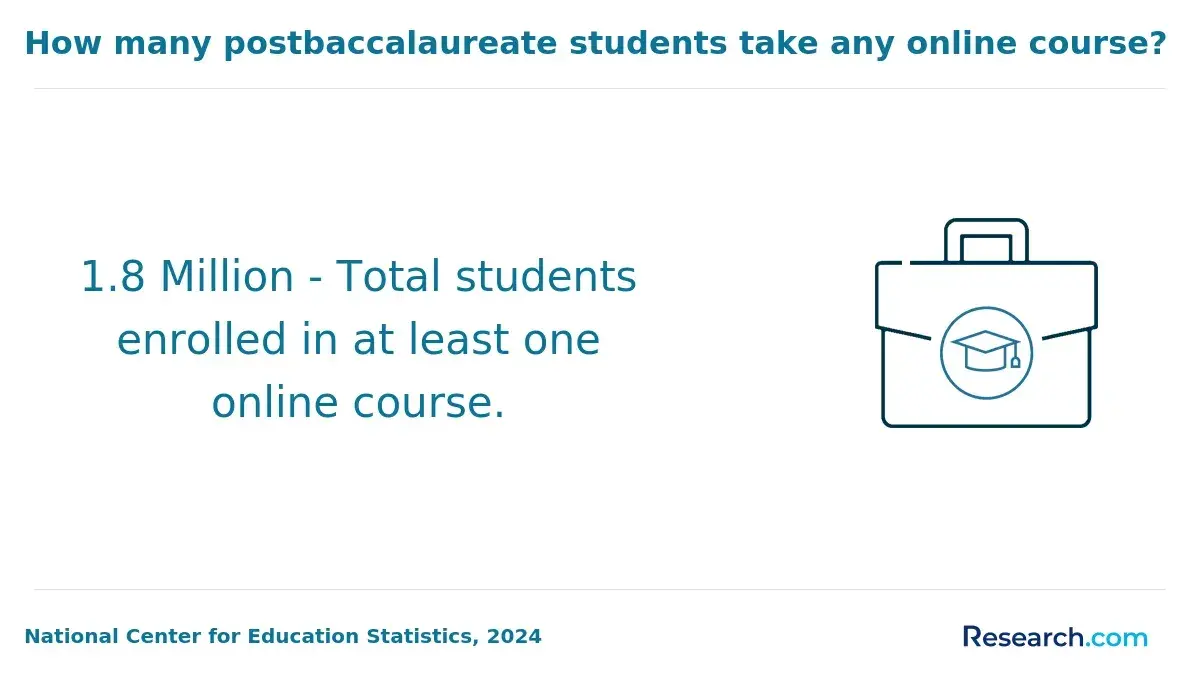
As of 2024, an increasing proportion of physical therapy assistant programs no longer mandate SAT or ACT scores for admissions, reflecting a clear trend toward test-optional or test-blind policies documented by sources such as the National Center for Education Statistics and recent university updates. Approximately two-thirds of these programs have formalized these changes, allowing applicants to submit standardized test results only if they strengthen an application or omitting them entirely without penalty.
Despite this shift, some programs, particularly those with more competitive or specialized tracks, may still require scores, though they represent a shrinking minority. Overall, admissions now emphasize cumulative GPA-especially in science and math prerequisites-and practical experience as better indicators of candidate readiness and success.
The move away from strict testing requirements is influenced by a combination of equity concerns, institutional efforts to widen access, and strategic positioning within higher education rankings and workforce needs. Public programs and those serving diverse or nontraditional student populations are notably quicker to adopt test-optional policies, viewing GPA and hands-on experience as more predictive of clinical competence than broad standardized assessments.
In contrast, some private or highly selective institutions retain test requirements to maintain traditional benchmarks or differentiate applicant pools. This divergence underscores how admissions strategies increasingly balance fairness, academic rigor, and the practical demands of preparing students for a healthcare environment that prioritizes applied skills over standardized test performance.
How Many Physical Therapy Assistant Programs Have Adopted Test-Optional Admissions Policies?
Recent data from sources such as FairTest and the National Center for Education Statistics indicate that between 40% and 50% of accredited Physical Therapy Assistant programs have adopted test-optional admissions policies as of 2024. This adoption rate varies across regions and institution types, with public colleges generally more inclined to waive standardized test requirements than private institutions.
The growing prevalence of test-optional policies signals a substantial shift in admissions philosophy within this field, moving away from a rigid reliance on SAT or ACT scores toward more comprehensive evaluations of applicants.
Key factors driving the move to test-optional policies include a heightened focus on equity and access, which gained urgency during the COVID-19 pandemic when disruptions in standardized testing forced programs to reconsider their criteria. Institutions are also responding to competitive pressures to attract diverse and qualified candidates by placing greater weight on GPA, prerequisite coursework, personal statements, and relevant experience.
This shift aligns with evolving employer expectations that prioritize practical skills and applied knowledge over standardized test performance, especially in healthcare settings where hands-on competencies are critical.
The adoption of test-optional policies has nuanced consequences for application patterns and selectivity. Programs that forgo mandatory test submissions often see increases in application volume, but this can dilute traditional measures of academic preparedness, requiring more holistic review processes that demand greater admissions committee resources.
For prospective students, navigating these policies means carefully assessing how individual programs weigh different application components, as the absence of test requirements does not necessarily equate to lowered standards, but rather a rebalancing of evaluative priorities that may influence admissions outcomes and long-term career readiness.
What Non-Academic Factors Do Physical Therapy Assistant Admissions Committees Consider?
Admissions decisions for physical therapy assistant programs extend beyond GPA and test scores, incorporating a holistic review process that aims to appraise candidates' broader potential. This approach reflects the profession's emphasis on applied skills, interpersonal aptitude, and the ability to navigate complex, patient-centered clinical environments.
Holistic review enables admissions committees to weigh personal attributes, real-world experiences, and contextual factors alongside traditional academic metrics, ensuring a well-rounded student cohort equipped for rigorous training and eventual workforce demands.
- Healthcare Experience: Demonstrated exposure to clinical or rehabilitation settings, often through volunteering or employment, signals familiarity with healthcare workflows and patient interaction challenges. Approximately 68% of programs note this as a priority, recognizing that applicants with healthcare experience tend to perform better in clinical placements, complementing their academic readiness.
- Communication Skills: Evaluated through personal statements, interviews, and recommendations, communication skills provide insight into empathy, professionalism, and teamwork capabilities. These soft skills are critical for success with diverse patient populations and often influence employer hiring priorities, prompting admissions to consider them as heavily as academic credentials.
- Commitment and Motivation: Essays and interviews assess an applicant's dedication to the profession and resilience under demanding conditions. Admissions committees investigate indicators of long-term engagement, such as sustained volunteerism, to gauge likelihood of persistence and program completion beyond academic aptitude alone.
- Diversity and Cultural Competence: Increasingly important in admissions, diversity-related factors reflect a candidate's socio-economic background, first-generation college status, or cross-cultural experience. These elements enrich learning environments and align program outcomes with evolving patient demographics, supporting broader health equity objectives.
- Professional Attitudes and Interpersonal Qualities: Admissions officers look for evidence of maturity, adaptability, and ethical orientation through recommendation letters and interviews. These qualities are essential in clinical settings where teamwork and professional behavior directly impact patient care quality and program cohesion.
- Impact of Well-Crafted Personal Statements: Beyond listing activities, personal statements reveal critical reflection and communication ability, helping admissions gauge alignment between applicants' values and the profession's demands. This nuanced evaluation differentiates candidates who demonstrate meaningful engagement from those with superficial involvement.
Integrating these non-academic factors with GPA expectations and testing policies enables more comprehensive applicant evaluation, reducing reliance on numerical data alone. This is especially relevant as applicants seek to transfer from other health-related fields, sometimes through pathways like RN to BSN online programs, where well-rounded competencies are critical.
Admissions committees view this holistic approach as instrumental in selecting candidates prepared not only academically but also practically and interpersonally for physical therapy assistant roles.

Which Types of Schools Are the Most Selective for Physical Therapy Assistant Applicants?
Admissions selectivity for physical therapy assistant programs varies substantially based on institutional type, reflecting differences in program capacity, applicant demand, and the resources available for clinical training. More selective programs typically arise where reputation and limited seating intersect with rigorous academic prerequisites and employer expectations for clinical preparation.
Conversely, institutions emphasizing accessibility and community responsiveness generally maintain more open admissions to meet local workforce needs, creating a spectrum of competitiveness across enrollment options.
- Private Nonprofit Universities: These institutions usually have the lowest acceptance rates, often ranging between 35% and 45%, driven by smaller cohort sizes and strong reputations for clinical training quality. Their limited program capacity coupled with competitive applicants meeting GPA thresholds around 3.3 or higher creates a bottleneck effect, increasing selection pressure compared to other school types.
- Public State Universities: Featuring moderate selectivity, these universities balance broader accessibility with resource-intensive PTA programs. Acceptance rates near 50% to 60% reflect larger program sizes than private nonprofits but still significant competition, as students must meet moderately high academic standards and navigate prerequisites designed to align with workforce expectations.
- Community Colleges: With acceptance rates frequently above 65% and sometimes exceeding 75%, community colleges offer the most accessible route into physical therapy assistant education. Their emphasis on serving local populations and faster workforce entry relaxes admissions constraints, reflecting larger cohort capacities and more flexible GPA requirements that can start as low as 2.5.
These disparities are influenced not only by institutional mission but also by local and regional healthcare demands, which shape application volumes and funding allocations. The availability of high-quality clinical placements further restricts how many students programs can effectively train at once.
As a result, selectivity in physical therapy assistant admissions is less about arbitrary prestige and more about managing supply and demand while maintaining program rigor aligned with employer expectations.
How Do Admissions Standards Differ Across States and Regions?
Admissions standards for physical therapy assistant programs show considerable variation across U.S. states and regions, influenced by local educational infrastructure and workforce dynamics. Recent data from NCES highlights that programs located in densely populated Northeastern and West Coast areas often enforce more selective admissions, with acceptance rates below 50%, reflecting intense applicant competition and limited institutional capacity.
Conversely, programs in many Southern and Midwestern states generally maintain higher acceptance rates, sometimes exceeding 70%, aligning with broader access goals amid different funding models and regional healthcare demands. These disparities also manifest in academic expectations, where minimum GPA thresholds are typically more stringent in states with larger, research-driven university systems than in regions where expanding enrollment to address workforce shortages is prioritized.
Key factors shaping these divergent admission patterns include differences in public funding allocations, the strength and scale of regional healthcare labor markets, and the distribution of urban versus rural educational settings. States with robust funding and a concentration of accredited programs in metropolitan areas tend to impose stricter selectivity to manage applicant volume and maintain program rigor.
In contrast, states with growing population pressures but fewer institutions may adopt more inclusive criteria to meet healthcare demand, often supplementing academic support to ensure student success. Policymaking at the state level also plays a role, as adjustments to testing requirements and degree pathways reflect local priorities for accessibility versus institutional reputation.
These layered influences create a landscape where the competitiveness and requirements of physical therapy assistant programs cannot be generalized solely by geography but must be understood in the context of complex regional education and workforce ecosystems.
How Do Admissions Requirements Compare Between Online and Campus Programs?
Admissions requirements for physical therapy assistant programs differ notably between online and campus-based options, reflecting evolving models of accessibility and program design. Campus programs typically impose more stringent GPA standards, often requiring a minimum around 3.0, alongside competitive prerequisite coursework in anatomy, physiology, and biology. Testing requirements such as the TEAS remain common, though recent test-optional shifts have moderated this trend in 2024.
In contrast, online programs tend to accept slightly lower GPAs-around 2.5 to 2.8-and emphasize practical healthcare experience or certifications as complementary to academic metrics. Acceptance rates also differ markedly, with many campus programs maintaining selective admission rates near 40-50%, while online cohorts often admit 60-70%. These factors align with broader national data on physical therapy assistant admissions, captured in sources informing education policymakers and institutional planning.
These distinctions arise from institutional goals to balance academic rigor with accessibility. Online programs aim to serve a diverse, often non-traditional student population that includes working adults requiring flexible learning and admission pathways. This demographic orientation supports lowered academic thresholds paired with enhanced orientation and support services to mitigate risks associated with less traditional preparation.
Campus programs, meanwhile, prioritize immersive clinical training with in-person labs and observation, maintaining stricter cutoffs to manage limited cohort sizes and ensure readiness for hands-on skills acquisition.
Program scalability also influences requirements; the technology demands and self-directed learning competencies inherent to online delivery shift admissions criteria away from standardized testing and toward demonstrated experiential qualifications, shaping selective enrollment differently than traditional formats.
These admissions variations have practical implications for prospective students, influencing enrollment patterns and employer perceptions. Many healthcare employers historically favored campus-trained graduates for initial hiring due to perceived hands-on rigor, though this gap narrows as online offerings enhance clinical practicums.
Prospective students reviewing how do physical therapy assistant admissions requirements differ between online and campus programs should consider these tradeoffs in relation to their own academic background, learning preferences, and long-term career goals. Enrollment decisions may also intersect with broader labor market factors, such as the demand described in studies on health information management jobs salary and workforce trends influencing allied health professions.
Is There a Relationship Between Admissions Standards and Student Success?
Recent data from the National Council of State Boards of Physical Therapy (NCSBPT) in 2024 indicates a nuanced impact of admissions criteria on physical therapy assistant student success. Programs with minimum GPA requirements of 3.0 or higher tend to have about a 12% greater first-time pass rate on the PTA licensure exam than those with lower GPA thresholds, suggesting some correlation between physical therapy assistant program selectivity and graduation rates.
However, this statistical association does not capture the entire picture, as student success in licensure, retention, and job placement depends on multiple intertwined factors beyond academic entry standards alone.
The relationship between admissions standards and student outcomes is complicated by variations in student demographics, academic support availability, and program design. Some programs employing more flexible GPA policies but emphasizing clinical experience and tailored academic resources report licensure passage and employment rates comparable to more selective institutions.
Differences in institutional funding and graduation requirements also affect these outcomes, which means that the impact of admissions selectivity on success metrics is neither linear nor universal. This highlights the importance for applicants and advisors to consider both admissions criteria and the broader educational environment when evaluating program quality and student readiness.
For prospective students, relying solely on GPA cutoffs or admissions selectivity as indicators of program quality or future success can be misleading. Practical competence, hands-on experience, and institutional support often matter more in meeting employer expectations and career sustainability.
Those exploring diverse pathways might also consider related options such as online PsyD programs accredited by APA, which reflect broader trends toward holistic admissions that value a wide range of skills and preparation. Ultimately, the complexity of the admissions standards-student success dynamic cautions against overemphasizing selectivity at the expense of real-world readiness and support mechanisms.
How Can Students Strengthen a Physical Therapy Assistant Program Application?
Successful physical therapy assistant program applications merge strong academic foundations, meaningful experiential learning, and clear evidence of alignment with program goals. Admissions committees increasingly prioritize indicators of readiness and fit over mere minimum qualifications. Demonstrating improvement in rigorous prerequisite courses, coupled with relevant hands-on experience, signals commitment and capability in this competitive landscape.
Additionally, holistic reviews give weight to qualitative factors that reflect professional maturity and adaptability, shaping the final admission decisions.
- Academic Performance with Upward Trends: Many programs scrutinize not only GPA but also improvement patterns across core science courses like anatomy and physiology. Admissions committees interpret consistent grade growth as evidence of resilience and mastery, which can offset early academic weaknesses and strengthen candidacy.
- Substantive Clinical or Volunteer Experience: Documenting 50-100 hours of supervised patient interaction in physical therapy or related healthcare settings provides tangible proof of practical skills and professional dedication. This hands-on exposure supports readiness claims and is often viewed as predictive of future success within programs and clinical environments.
- Tailored Personal Statements and Recommendations: Narratives that explicitly reflect understanding of physical therapy assistant responsibilities and healthcare challenges convey professional insight. Admissions teams regard detailed endorsements and thoughtful essays as indicators of genuine motivation and fit, especially in programs emphasizing holistic evaluation.
- Adaptability to Testing Policy Changes: With many programs reducing emphasis on standardized tests, applicants who proactively provide alternative evidence-such as demonstrated clinical competencies or strong academic records-signal flexibility and preparedness, critical traits for navigating evolving admissions criteria.
- Strategic Course Selection in Prerequisites: Prioritizing prerequisite courses aligning closely with PTA curriculum rigor and excelling in them sends a clear message to admissions committees about applicant preparedness. Strong performance in these courses complements experiential and narrative components, reinforcing overall program readiness.
References:
- Advancing Your Therapy Career From PTA to PT https://luvohealthcare.com/advancing-your-therapy-career-from-pta-to-pt/
- Physical Therapist Assistant - MCTC https://www.mctc.edu/programs/physical-therapist-assistant/
- Physical Therapist Assistant Program https://www.collegeofthedesert.edu/students/acad-prog/health-sciences/physical-therapy-asst/default.php
- PTA License Requirements & Application Forms https://physical-therapy-assistant.org/state-pta-license-requirements/
- Financial Planning for Physical Therapists: Debt, Income & Wealth | Elite Learning https://www.elitelearning.com/resource-center/rehabilitation-therapy/physical-therapy/financial-planning-for-physical-therapists-debt-income-wealth/
- Physical Therapist Assistant Admission Requirements https://www.shawnee.edu/areas-study/college-health-human-services/rehabilitation-sciences/physical-therapist-assistant/admission
- Physical Therapist Assistant - CT State https://ctstate.edu/academics/programs/physical-therapist-assistant
- Pre-PT School Hacks: 8 Ways To Increase Your Acceptance Rate https://preptgrind.mykajabi.com/blog/pre-pt-school-hacks-8-ways-to-increase-your-acceptance-rate
- Physical Therapist Assistant vs. Physical Therapist: What’s the Difference? https://blog.methodistcollege.edu/pta-versus-physical-therapist-whats-the-difference
- Average Physical Therapy Student Loan Debt (2026 Data) https://www.highbarhealth.com/average-physical-therapy-student-loan-debt/
Other Things You Should Know About Physical Therapy Assistant
The adoption of test-optional policies has lessened the emphasis on standardized exams but increased the scrutiny of other academic indicators, notably GPA and prerequisite coursework quality. This shift may heighten competition among applicants with similar academic records, making program-specific GPA thresholds and course rigor more decisive. Applicants should prioritize strong performance in science and anatomy courses since these have become critical differentiators in the absence of test scores.
Higher GPA expectations tend to narrow the applicant pool, potentially reducing socioeconomic and educational diversity since students from under-resourced backgrounds often face systemic obstacles in achieving top grades. Programs emphasizing GPA over holistic review risk overlooking applicants who demonstrate strong clinical aptitude or work experience but have lower academic metrics. Advisors should encourage prospective students to seek programs balancing GPA requirements with practical experience, which may better reflect long-term success in clinical settings.
In 2027, new accreditation requirements by the Commission on Accreditation in Physical Therapy Education mandate increased clinical hours and improved faculty qualifications. These changes impact program admissions, ensuring students receive high-quality education aligning with industry demands.
Yes. Many PTA programs still require 20 to 100 hours of supervised observation in a licensed physical therapy setting before admission. Applicants usually document the hours with a signed verification form, and some programs set deadlines several weeks before the application review date.