2027 Top Industries Hiring Physical Therapy Assistant Graduates: Demand, Pay, and Growth Trends

Co-Founder and Chief Data Scientist
Examining employment trends can reveal where market growth aligns with competitive pay and evolving employer expectations. This knowledge enables students to prioritize industries that offer robust career prospects. The following analysis explores the top industries hiring physical therapy assistant graduates, highlights sectors with the highest salaries, identifies areas of fastest job growth, and outlines how to match skills with the most promising opportunities ahead.
Key Things to Know About the Top Industries Hiring Physical Therapy Assistant Graduates
- Rehabilitation and outpatient care employ over 50% of physical therapy assistant graduates, concentrating job availability but intensifying competition for advanced practice settings.
- Higher salaries and fastest career growth appear in home health services due to aging populations, implying strategic focus there can enhance long-term earnings and role advancement.
- Hospital sector demand contracted by 7% in 2023, signaling a strategic shift toward community-based care that graduates must anticipate to align job search effectively.
- Key Things to Know About the Top Industries Hiring Physical Therapy Assistant Graduates Key Things to Know About the Top Industries Hiring Physical Therapy Assistant Graduates
- Which Industries Hire the Most Physical Therapy Assistant Graduates? Top Industries
- Which Industries Offer the Highest Salaries for Physical Therapy Assistant Graduates? Highest Salaries
- Which Industries Have the Fastest Growth for Physical Therapy Assistant Careers? Growth Trends
- Which Employers Commonly Recruit Physical Therapy Assistant Graduates? Top Employers
- Which Skills Are Most In Demand Across Physical Therapy Assistant Industries? In-Demand Skills
- How Do Career Paths Differ Across Industries for Physical Therapy Assistant Graduates? Career Paths
- How Do Industry Trends Affect Future Opportunities for Physical Therapy Assistant Graduates? Industry Trends
- How Can Students Prepare for High-Demand Physical Therapy Assistant Industries? Career Preparation
- How Do Different Physical Therapy Assistant Degree Programs Prepare Students for Industry Careers? How Do Different Physical Therapy Assistant Degree Programs Prepare Students for Industry Careers?
- Which Industry Is the Best Fit for Your Physical Therapy Assistant Career Goals? Which Industry Is the Best Fit for Your Physical Therapy Assistant Career Goals?
Which Industries Hire the Most Physical Therapy Assistant Graduates?
Employment for physical therapy assistant graduates concentrates primarily in a handful of industries where demand is steady or growing due to demographic shifts and evolving healthcare delivery models. The top industries hiring physical therapy assistant graduates adapt differently to economic and geographic variables, influencing job availability and workplace conditions. According to 2024 data from the U.S. Bureau of Labor Statistics, outpatient care centers, skilled nursing facilities, and hospitals account for about 80% of physical therapy assistant job placements. These sectors present distinct environments and patient populations, making them critical for graduates weighing their options. Realistically, a physical therapy assistant entering an outpatient center might find a fast-paced setting focused on post-injury rehabilitation, while those in skilled nursing facilities often work with long-term elderly patients requiring ongoing therapy. Below are the highest demand sectors for physical therapy assistant jobs based on recent employment distribution and industry characteristics:
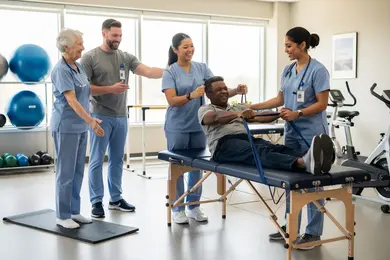
- Outpatient Care Centers: Representing approximately 35% of physical therapy assistant positions, these centers consist of rehabilitation clinics and specialized practices. Assistants support therapists in helping patients regain mobility after surgeries or injuries, working in a fast-paced environment driven by high patient turnover and a growing elderly population seeking less intensive care than inpatient settings.
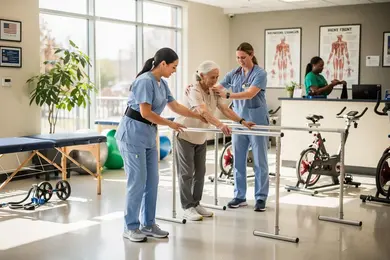
- Skilled Nursing Facilities: Hiring about 25% of graduates, these facilities cater to seniors and individuals with chronic conditions needing extended rehabilitation services. The aging Baby Boomer generation fuels consistent demand here, as physical therapy assistants help maintain or improve patient functionality over longer care periods, providing a stable employment option in this traditionally residential care setting.
- Hospitals: Comprising roughly 20% of employment, hospitals offer diverse clinical experiences, often attracting assistants interested in complex cases. Although the shift toward outpatient and home healthcare has reduced hospital roles somewhat, these positions may feature higher wages due to case complexity. Assistants here support both inpatient and outpatient care within medical centers.
- Home Healthcare Services: A growing segment as many patients prefer receiving treatment at home, assistants in this industry provide therapy in clients' residences. This setting appeals to professionals valuing flexibility and personalized care, although it may involve travel and less predictable schedules compared to facility-based roles.
Evaluating these options realistically requires understanding how geographic location, employer size, and specialization opportunities impact demand and growth. For those considering career entry or transition, balancing job availability with personal preferences-including preferred patient populations and work environment-is essential. Additionally, exploring pathways through easy nursing schools to get into or similar programs can facilitate timely entry into these in-demand industries.
Which Industries Offer the Highest Salaries for Physical Therapy Assistant Graduates?
Salary variations across industries for physical therapy assistant graduates arise from differences in specialization, patient demographics, and operational complexity. To enter the workforce and qualify for entry-level roles more rapidly, many students enroll in accelerated college programs to earn their associate degree and sit for licensing exams. Sectors that handle more complex cases or offer greater autonomy often reward assistants with higher wages, reflecting enhanced skill requirements and labor market pressures.
Conversely, settings with higher patient volumes but more routine care typically provide lower pay but may offer more job stability. Understanding these dynamics helps graduates align their career choices with earning potential and job satisfaction. Below are industries that generally pay the highest salaries for physical therapy assistant graduates.
- Outpatient Care Centers: These centers, including specialized rehabilitation clinics, offer median salaries exceeding $68,000, surpassing the national average. The higher pay stems from the demand for specialized rehabilitative skills aimed at surgical recovery and chronic condition management. Assistants often engage with more complex cases requiring adaptability and advanced patient interaction, justifying the premium salary.
- Home Healthcare Services: Home healthcare ranks closely behind outpatient centers, with median wages around $65,000. This sector benefits from an aging population preferring in-home care and advances in remote therapy technologies. Physical therapy assistants here typically enjoy greater autonomy and varied caseloads, factors that contribute to elevated compensation levels compared to traditional institutions.
- Specialized Rehabilitation Facilities: Facilities focused exclusively on conditions like neurological rehabilitation or pediatric therapy often provide above-average pay due to the niche expertise required. These roles demand continuous professional development and the ability to handle complex treatment protocols, which influence salary offers positively.
- Federal Government Healthcare Programs: Employment through federal healthcare initiatives in veterans' hospitals or specialized clinics often offers competitive salaries reflective of both the complexity of care and stable funding. While not always the highest payer, these roles combine respectable wages with robust benefits and job security.

Which Industries Have the Fastest Growth for Physical Therapy Assistant Careers?
Evaluating industry growth is critical for physical therapy assistant graduates aiming to secure stable and rewarding careers over time. Rapid sector expansion often signals increased job openings, potentially higher wages, and opportunities to develop specialized skills. Conversely, industries with limited growth may offer fewer prospects or demand adaptability to shifting conditions. According to the U.S. Bureau of Labor Statistics' 2024 projections, employment for physical therapy assistants is expected to increase by approximately 25% over the next decade, highlighting the importance of targeting industries that not only grow but align with broader healthcare trends. The following industries exhibit the strongest long-term demand for physical therapy assistants.
- Outpatient Care Centers:This sector is expanding swiftly due to a nationwide push for less invasive treatments and shorter hospital stays. Physical therapy assistants here support rehabilitative therapies that enable quicker patient recovery and reduce healthcare costs, positioning this industry as a hub for innovation and growing employment opportunities.
- Home Healthcare Services:Driven by the aging population's preference for receiving care at home, this industry demands physical therapy assistants capable of working independently and customizing treatments to varied home environments. The growth reflects both demographic shifts and a policy focus on community-based care alternatives.
- Specialized Rehabilitation Facilities:Facilities focusing on complex or chronic conditions require higher skill levels and offer comparatively higher wages. Expansion in this sector is fueled by advancements in treatment technologies and an emphasis on patient-centered care models.
- Nursing Care Facilities:Employment growth here is more modest due to regulatory and funding challenges, but opportunities exist in regions with aging populations and specialized programs. Physical therapy assistants in this setting often deal with long-term care patients requiring ongoing rehabilitative support.
A physical therapy assistant graduate recounts weighing options after finishing their program. Initially drawn to nursing homes due to local availability, they hesitated because of stagnant wage growth and limited professional development. After researching outpatient centers, they accepted a position where they assist post-surgical patients recovering faster thanks to cutting-edge protocols. Reflecting on that decision, they note the outpatient environment's dynamic pace offered both better compensation and daily variety, confirming the value of prioritizing sectors with robust expansion and innovation.
Which Employers Commonly Recruit Physical Therapy Assistant Graduates?
Recognizing which types of employers actively recruit physical therapy assistant graduates helps students tailor their education and internship choices toward the sectors with the most reliable job openings and growth potential. Hiring patterns often shift based on specialization, local demographics, and evolving healthcare demands, so aligning training with employers' specific needs enhances employability. For instance, a graduate targeting outpatient rehabilitation clinics should prioritize skills in post-surgical care and outpatient therapy modalities, which these employers emphasize. Below are some of the key employer categories routinely seeking physical therapy assistants as of 2024, according to the U.S. Bureau of Labor Statistics and industry analyses.
- Outpatient Care Centers: These settings, including rehabilitation clinics and specialty therapy providers, lead employment opportunities due to rising demand for non-invasive and recovery-focused treatments. Physical therapy assistants here often support post-operative rehabilitation and ongoing chronic condition management, making these centers attractive for those wanting hands-on therapeutic practice.
- Skilled Nursing Facilities: Aging populations increase reliance on long-term care centers where physical therapy assistants help manage chronic illnesses and mobility challenges. These facilities frequently offer stable employment with roles centered on improving patients' daily function and quality of life over extended periods.
- Hospital Systems: Both acute care and specialty units within hospitals employ physical therapy assistants for inpatient rehabilitation needs. These roles demand adaptability to diverse patient cases, ranging from trauma recovery to neurological rehabilitation, offering a dynamic and fast-paced work environment.
- Home Healthcare Services: With advancements in mobile health technology and a preference for in-home care, this sector is expanding. Physical therapy assistants in this domain deliver personalized therapy in patients' residences, requiring strong autonomy and flexible scheduling capabilities.
- School-Based and Pediatric Clinics: Increasing awareness of early intervention in child development drives demand in educational and pediatric therapy settings. Assistants working here contribute to developmental milestone support, blending healthcare with educational objectives.
Which Skills Are Most In Demand Across Physical Therapy Assistant Industries?
Across the diverse settings that employ physical therapy assistants, the core career skills that drive success often remain consistent despite industry-specific nuances. These foundational competencies allow graduates to navigate clinical environments from outpatient clinics to sports facilities effectively, ensuring adaptability and sustained employability. Employers value a mix of technical expertise and transferable skills, as these together support patient outcomes and foster collaboration in multidisciplinary teams. The following list highlights crucial skills that consistently enhance job prospects and long-term career flexibility in various physical therapy assistant industries.
- Technical proficiency: Mastery of therapeutic exercise techniques and modalities is essential. Physical therapy assistants develop this skill through rigorous hands-on training, enabling them to implement treatment plans and safely operate rehabilitation equipment. This technical foundation is a prerequisite for employment across all healthcare settings, as reflected in growing demand data from the U.S. Bureau of Labor Statistics.
- Patient documentation expertise: Accurate record-keeping and comfort with electronic health records (EHR) systems ensure compliance and efficient communication. Exposure to healthcare technology during training prepares students to fulfill administrative requirements and collaborate effectively with healthcare teams, a critical skill in fast-paced clinical environments.
- Effective communication: Clear verbal and nonverbal communication supports patient assessment, education, and teamwork. Developing empathy and active listening during practical experiences enhances therapeutic relationships and patient satisfaction, traits highly valued across multiple physical therapy assistant employers.
- Critical thinking and problem-solving: The ability to adjust treatment plans based on patient progress or unforeseen complications sets exceptional assistants apart. These cognitive skills, honed through case study analysis and supervised clinical practice, empower professionals to respond dynamically to diverse patient needs.
- Adaptability and cultural competence: Ability to work in varied environments under supervision-and with diverse populations-builds resilience. Graduates who demonstrate professionalism under pressure and cultural sensitivity meet industry demand for inclusive patient care and efficient teamwork in settings ranging from nursing homes to hospitals.
- Professionalism and teamwork: Consistently displaying accountability, reliability, and collaboration supports integration within multidisciplinary teams. Hands-on internships and group learning foster these traits, essential for thriving in evolving clinical contexts where coordinated care is paramount.
- Transferable soft skills: Empathy, patience, and professionalism enhance patient outcomes while strengthening employer confidence. These interpersonal skills, developed through direct patient contact and mentorship, provide a competitive advantage in the job market.
Recent reports emphasize the surge in demand for physical therapy assistant essential skills for industry employers, with employment growth outpacing many allied health professions. For prospective students balancing healthcare education paths, exploring online BSN programs for non nurses can also offer parallel career opportunities that share overlapping skill sets in patient care and communication.

How Do Career Paths Differ Across Industries for Physical Therapy Assistant Graduates?
Selecting an industry after earning a physical therapy assistant degree can shape career growth as much as the education itself. Different sectors emphasize unique skills, offer varied responsibilities, and align differently with individual ambitions. For example, those drawn to specialized rehabilitation might flourish in outpatient settings, while others valuing broad clinical experience could prefer hospital environments. Understanding these distinctions helps students make informed choices that align with evolving professional goals. Below are key ways career paths diverge based on the industry.
- Wage Growth Potential: Outpatient care centers generally provide higher starting salaries-often 10-15% above national averages-and faster wage increases tied to specialized certifications. In contrast, hospitals typically exhibit steady but slower pay progression due to standardized scales, while skilled nursing and home care sectors tend to offer lower initial wages with modest salary growth.
- Advancement Opportunities: Physical therapy assistants in outpatient settings have about a 20% greater chance of moving into supervisory or lead roles within five years, reflecting industry demand for specialized expertise. Hospitals, meanwhile, support lateral mobility, allowing cross-training in acute and pediatric therapies that broaden clinical skills but may delay formal promotion.
- Scope of Responsibilities: Outpatient roles often focus on targeted rehabilitation techniques, requiring familiarity with orthopedic or neurological protocols. Hospital positions involve diverse caseloads and collaboration across multiple disciplines, enriching clinical knowledge but potentially limiting autonomy. Skilled nursing settings prioritize continuity of care and patient relationships but assign more routine tasks.
- Professional Development Paths: Hospitals encourage ongoing education leading toward healthcare administration or advanced certifications, leveraging interdepartmental exposure. Outpatient centers reward specialization certifications, enhancing clinical complexity and job stature. Skilled nursing and home health emphasize long-term patient care skills, with fewer formal educational advancement incentives.
- Work Environment Dynamics: Hospitals foster interdisciplinary teamwork and often include rotating shifts, which may appeal to those seeking varied clinical challenges. Outpatient centers offer more predictable schedules and focused therapy sessions, while skilled nursing and home care provide higher autonomy yet less structured environments.
- Job Stability and Demand: Skilled nursing and home healthcare industries exhibit slower but steady employment growth, providing reliable demand but limited dynamism. Conversely, outpatient centers are growing rapidly with expanding specialized services, attracting assistants aiming for quicker career momentum.
- Long-Term Career Satisfaction: Graduates prioritizing rapid advancement and higher earnings often gravitate toward outpatient settings, whereas those valuing diverse clinical exposure or patient continuity may prefer hospitals or nursing care. Personal work style, professional goals, and willingness to pursue certifications play crucial roles in determining satisfaction.
How Do Industry Trends Affect Future Opportunities for Physical Therapy Assistant Graduates?
Industry trends are crucial in determining the trajectory of career opportunities for physical therapy assistant graduates. Changes in population demographics, healthcare technology, and reimbursement policies shape where demand grows and what skills will be most valuable. Graduates who align their training and expectations with these shifts will have a competitive advantage. Data from the U.S. Bureau of Labor Statistics in 2024 indicates healthcare jobs, including for physical therapy assistants, will expand by more than 17% over the next decade, reflecting a strong labor market. Below are key trends expected to guide future employment landscapes for physical therapy assistants.
- Aging Population:The rising number of older adults increases demand for rehabilitation services to maintain mobility and independence, especially in skilled nursing facilities. Physical therapy assistants should build competencies in geriatrics and chronic condition management to remain relevant.
- Shift to Outpatient Care:With a move away from lengthy hospital stays, outpatient centers are scaling up to meet rehabilitation needs. This trend favors assistants skilled in outpatient protocols and adaptable to faster patient turnover.
- Growth of Home Health Services:More patients prefer therapy at home, supported by telehealth technologies and portable equipment. Assistants prepared to work independently in varied home environments will find growing opportunities in this sector.
- Technological Integration:Advancements such as tele-rehabilitation and data-driven patient monitoring require physical therapy assistants to embrace new tools and ongoing learning to improve treatment outcomes and accessibility.
One physical therapy assistant graduate recalled facing a crossroads when a traditional hospital job offer was delayed. Recognizing the rapid growth in home health care, they pursued certification in telehealth support, which landed them a position working remotely with rural patients. This pivot not only provided immediate employment but also opened prospects for specialization rarely available in hospital settings, illustrating how responsiveness to industry trends can reshape career paths. The experience underscored that staying informed about evolving demands allows graduates to navigate uncertainty and find rewarding roles aligned with their strengths and market needs.
How Can Students Prepare for High-Demand Physical Therapy Assistant Industries?
Students aiming for high-demand physical therapy assistant roles must adopt a multifaceted preparation approach that goes beyond classroom learning. The U.S. Bureau of Labor Statistics and the American Physical Therapy Association's 2024 workforce report highlight that clinical experience, targeted certifications, and interpersonal skills are the strongest predictors of job placement success. For example, students who complete internships in outpatient orthopedic clinics or skilled nursing facilities often develop the adaptability and patient-management skills employers seek. Below are key preparation strategies grounded in current research and practical application.
- Clinical Experience: Gaining hands-on experience through internships or externships is critical. It allows students to apply theoretical knowledge in real settings, improving technical skills and adaptability to the specific demands of diverse patient populations common in industries with robust hiring.
- Specialized Certification: Obtaining credentials in geriatrics, pediatrics, or cardiopulmonary therapy elevates employability and salary prospects. Data from the National Board for Certification of Physical Therapy Assistants shows graduates with specialty credentials earn 10-15% more and experience faster job growth.
- Soft Skills Development: Communication, teamwork, and problem-solving skills shape patient outcomes and workplace success. Engaging in volunteer work and collaborative projects during training can significantly enhance these abilities, making candidates more competitive.
- Continuing Education: Staying current with treatment protocols and regulatory changes is essential. Active engagement in continuing education ensures graduates remain knowledgeable about innovations critical to maintaining industry relevance.
- Networking Opportunities: Participation in professional associations and conferences expands career insights and job leads, providing a competitive edge in fields with dynamic demand.
- Industry-Specific Focus: Tailoring experience and learning to match the demands of targeted sectors-such as rehabilitation hospitals or outpatient clinics-helps align skills with employer expectations and job market trends.
- Career Path Exploration: Investigating related fields like becoming a certified professional coder can broaden opportunities and provide valuable cross-disciplinary competencies.
Integrating these strategies fosters readiness for industries exhibiting high demand, attractive pay, and promising career trajectories for physical therapy assistant graduates, consistent with insights about the best physical therapy assistant programs for industry readiness and the skills needed for high-demand physical therapy assistant jobs.
How Do Different Physical Therapy Assistant Degree Programs Prepare Students for Industry Careers?
Physical therapy assistant degree programs vary significantly in how they prepare students for diverse healthcare environments. The curriculum design, clinical experience quality, and integration of emerging technologies strongly influence graduates' adaptability and employment outcomes. For instance, a graduate aiming to work in outpatient sports medicine will need targeted communication skills and hands-on exposure to therapeutic modalities distinct from those required in a skilled nursing facility. A 2024 study by the National Center for Education Statistics found that programs with rich clinical internships improve employer satisfaction by up to 30%, underscoring the real-world value of practical experience. Key factors to compare when evaluating PTA educational pathways for industry careers include the following:
- Curriculum Depth: Programs differ in their coverage of anatomy, physiology, and therapeutic techniques. A comprehensive, balanced curriculum encourages cross-industry readiness, but students should align course strength with their intended sector.
- Clinical Placement Quality: The extent and diversity of internships vary widely. Extensive clinical exposure fosters adaptability and hands-on skills critical in fast-paced settings like hospitals or home health care.
- Technology Integration: Incorporation of telehealth and advanced modalities in coursework prepares students for evolving healthcare landscapes, especially relevant for outpatient and remote care roles.
- Communication Training: Programs emphasizing interprofessional collaboration equip students to navigate interdisciplinary teams effectively, a must for environments such as rehabilitation centers and sports medicine clinics.
- Accreditation and Industry Alignment: CAPTE accreditation ensures consistent standards, but programs closely tied to local industry needs may offer better employment prospects and networking opportunities.
- Graduate Outcomes: Employment rates, salary benchmarks, and employer feedback provide measurable indicators of a program's effectiveness tailored to career goals.
- Flexibility and Support: Program structure, including part-time options and mentoring, can influence persistence and success, particularly for career changers balancing other commitments.
Students pursuing physical therapy assistant degree program curriculum should also consider how much additional practical experience they must seek beyond class hours-for example, researching easy LPN programs to get into can provide contextual insights into manageable health education pathways. Ultimately, no single program suits all ambitions equally; evaluating these factors against one's career intentions and learning preferences will guide optimal program selection.
Which Industry Is the Best Fit for Your Physical Therapy Assistant Career Goals?
Determining the best industry for your physical therapy assistant career hinges on your unique priorities rather than a simple ranking of options. Key considerations include your preferred work environment, ambitions for specialization or certification, salary expectations, lifestyle preferences, and the type of impact you want to make. For example, one graduate may choose outpatient care centers for their steady schedules and focus on specialty treatments, while another might prefer hospitals offering varied patient populations and extensive clinical training despite irregular hours. Both decisions can be valid reflections of differing professional goals.
To make an informed choice, investigate employer demands, industry growth projections, required skills, and internship or mentorship opportunities available in each sector. Data from the U.S. Bureau of Labor Statistics and the American Physical Therapy Association highlights that healthcare remains the foremost employer, with outpatient centers and nursing care facilities growing rapidly through 2030. Reflecting on your strengths and interests alongside this evidence will help ensure that your career path aligns realistically with both market opportunities and your individual ambitions. Successful careers emerge when personal objectives and industry dynamics are thoughtfully matched-not simply from chasing the highest pay or fastest growth.
References
- Physical Therapy Career Guide https://ptedsolutions.com/physical-therapy-career-guide/
- Physical Therapist (PT) Career Guide & Job Description https://www.trustedhealth.com/allied-career-guide/physical-therapy
- Physical Therapist Assistants and Aides: Salary, career path, job outlook, education and more - RaiseMe https://www.raise.me/careers/healthcare/physical-therapist-assistants-and-aides/
- 10 Careers You Can Pursue With a Physical Therapist Assistant Degree https://blog.stanbridge.edu/jobs-you-can-get-with-a-pta-degree/
- How to Become a Physical Therapist Assistant (PTA) | EduMed.org https://www.edumed.org/how-to-become/physical-therapist-assistant/
- Physical Therapy & Assistant Jobs - Soliant Health https://www.soliant.com/therapy-jobs/physical-therapy-jobs/
- Verifying that you are not a robot... https://pioneer-healthcare.com/blog/exploring-the-high-demand-for-physical-therapist-assistant-jobs/
- Physical Therapist Assistant and Aide Career | Explore Careers in Physical Therapy Assistance https://explorehealthcareers.org/careers/physical-therapy/physical-therapist-assistant/
- Physical Therapy Assistant https://skillpointe.com/careers/healthcare/physical-therapy-assistant
- Where Physical Therapy Assistants Work and Career Options https://www.cbd.edu/blog/physical-therapist-assistant/where-physical-therapy-assistants-work/
Other Things You Should Know About Physical Therapy Assistant
Smaller outpatient clinics often provide more personalized learning experiences and closer mentorship but might have higher staff turnover or financial instability. Larger hospital systems usually offer greater job security and benefits but can involve more rigid protocols and less individual autonomy. Graduates should prioritize work environments aligning with their desire for hands-on learning versus long-term stability, recognizing that smaller facilities may require adaptability to fluctuating workloads and resources.
Industries like home health care can offer flexible schedules and rising pay over time but demand high physical exertion and travel, impacting work-life balance. Conversely, school-based roles might have more predictable hours but slower salary increases. Graduates focused on immediate earning potential should consider industries with higher initial pay even if workload is intense, while those valuing sustainable routines might prioritize consistent yet gradual income growth.
Some top hiring industries expect new graduates to quickly handle independent caseloads, requiring robust clinical reasoning and time management skills from day one. This can create steep learning curves affecting job satisfaction and retention. Graduates should seek programs or internships emphasizing real-world clinical exposure to better match employer demands and improve transition confidence in fast-paced settings.
While specializing in populations such as geriatrics or pediatrics may increase short-term job prospects within certain industries, it can limit flexibility if market demand shifts. Graduates should consider a broad foundational skillset early in their careers and pursue specialization only after gaining diverse experience, ensuring adaptability to changing industry needs and wider employment opportunities.