2027 Physical Therapy Assistant Degree Program Availability Report: Which States and Schools Offer the Most Options

Co-Founder and Chief Data Scientist
The concentration of physical therapy assistant degree programs reveals nuanced connections between regional healthcare demands, institutional capacity, and workforce preparedness. In 2024, the U. S. Bureau of Labor Statistics projects a 20% growth rate for physical therapy assistants through 2032, placing considerable pressure on states with fewer accredited programs to meet employer needs. This disparity in program availability often reflects state-level investment in allied health education and local market absorption capabilities.
Understanding which states and schools provide the most options offers insight into how educational access aligns with labor market shifts and whether supply effectively supports emerging healthcare trends and patient care requirements. This report examines those availability patterns to clarify institutional priorities and practical outcomes within the physical therapy assistant discipline.
Key Benefits of States and Schools That Offer the Most Physical Therapy Assistant Degree Program Options
- Greater program availability often means more diverse curricular focuses, but navigating varied accreditation standards can complicate program comparability and impact licensure portability decisions.
- Employers in states with multiple program options report broader graduate skill sets, reflecting curricula responsiveness to evolving clinical demands and increasing competitive hiring criteria.
- Expanded program selections correlate with shorter wait times for enrollment, reducing student delayed entry but potentially increasing tuition variability, requiring careful financial and timeline planning.
- Key Benefits of States and Schools That Offer the Most Physical Therapy Assistant Degree Program Options Key Benefits of States and Schools That Offer the Most Physical Therapy Assistant Degree Program Options
- Which States Offer the Most Physical Therapy Assistant Degree Programs? Top States
- Why Do Some States Have More Physical Therapy Assistant Programs Than Others? Physical Therapy Assistant Programs
- Which Colleges Offer the Largest Number of Physical Therapy Assistant Degree Options? Top Schools
- How Do Online Programs Improve Access in States With Limited Options? Online Program Access
- How Much Does Physical Therapy Assistant Program Tuition Vary by State? Physical Therapy Assistant Program Tuition
- How Does Physical Therapy Assistant Program Demand Affect Admissions Decisions? Program Demand
- How Do Physical Therapy Assistant Specialization Options Vary by Region? Specialization Options
- How Does Regional Employer Demand Affect Career Outcomes? Employer Demand
- What Factors Matter Most When Comparing Physical Therapy Assistant Programs Across States? Key Comparison Factors
- Which Regions May See the Fastest Growth in Physical Therapy Assistant Education? Fastest Growing Region
Which States Offer the Most Physical Therapy Assistant Degree Programs?
Program availability for physical therapy assistant degrees aligns strongly with regional healthcare needs, institutional investment, and population concentrations. Larger states with diverse healthcare networks and extensive community college systems tend to support the greatest number of PTA programs. This distribution reflects workforce demand patterns where a high volume of healthcare providers and aging populations require robust allied health education pathways. The density and variety of programs also influence curriculum breadth, giving students access to specialized clinical experiences and flexible scheduling that accommodate diverse learner profiles.
- California: With over 30 distinct physical therapy assistant programs, California's scale mirrors its population and healthcare market size. Community colleges and technical schools anchor these programs, often partnering with major hospitals and rehabilitation centers to provide varied clinical placements. This ecosystem benefits students by offering a wide range of practical training opportunities and strong employer networks within urban and suburban healthcare sectors.
- Texas: Rapid healthcare sector growth combined with a robust community college infrastructure positions Texas near the top in physical therapy assistant program availability. Many programs are oriented to serve both urban and rural areas, reflecting regional employment demands. Flexible class formats and multiple campuses support non-traditional students managing work and family commitments while pursuing education.
- Florida: Driven by its large retiree population and consequent rehabilitation needs, Florida hosts numerous programs emphasizing hands-on skill development and extensive clinical hours. Partnerships with established rehab centers translate into practical training that improves graduate readiness for local job markets. This concentration helps meet specific labor demands while providing students with direct pathways into age-focused healthcare roles.
Other states like New York and Ohio also rank high due to their metropolitan community college systems but focus heavily on aligning programs with employer competency requirements through state oversight. Prospective students evaluating which states have the highest number of physical therapy assistant degree programs should consider how institutional density, regional healthcare ecosystems, and program quality affect long-term employability and training depth. For those balancing work and education, exploring a nurse practitioner school comparison may offer additional insight into managing career pathways within allied health fields.
Why Do Some States Have More Physical Therapy Assistant Programs Than Others?
Physical therapy assistant program availability varies widely across states due to differences in higher education infrastructure and the regional demand for graduates. States with robust community college systems and health sciences departments tend to develop more programs, responding directly to local healthcare labor market needs. This variation aligns closely with demographic concentration, as regions with larger populations see greater demand for health services and therefore sustain a broader range of accredited PTA programs to supply that workforce. In fact, data from the American Physical Therapy Association (2024) indicate that states with the highest physical therapy assistant program availability also tend to report stronger employment rates for graduates, highlighting the interdependence of program presence and labor market absorption.
Key drivers of this distribution include state funding priorities that allocate resources toward allied health education, which influence institutional capacity for program expansion. Universities and colleges with established research and clinical partnerships are better positioned to maintain and grow PTA programs, benefiting from expertise and infrastructure investment in health sciences. Additionally, states with prominent healthcare industry clusters and dense hospital networks generate persistent employer demand, encouraging academic institutions to prioritize program offerings in these fields. Regulatory landscapes also play a role, with states exhibiting licensure frameworks conducive to flexible scope of practice fostering greater program development. These factors collectively contribute to the regional factors influencing physical therapy assistant program distribution, demonstrating how education policy, economic capacity, and healthcare market dynamics intertwine.
Such disparities have meaningful implications for student access and regional healthcare workforce development. Students in states with limited local PTA programs often face choices between long commutes, relocation, or seeking online program alternatives, which are growing but not universally available for hands-on clinical training requirements. This uneven distribution affects regional capacity to meet increasing demand across healthcare systems, potentially constraining workforce supply in underserved areas. As state and institutional priorities evolve, understanding the systemic education distribution patterns behind program availability is essential for aligning physical therapy assistant training with both present and future labor market needs, ensuring workforce readiness and reducing geographic barriers for prospective students seeking quality education. Those wondering if do all nursing schools require the TEAS may find parallels in how program accessibility and entry criteria impact broader allied health education opportunities.
Which Colleges Offer the Largest Number of Physical Therapy Assistant Degree Options?
The number of physical therapy assistant degree options available at a given college often hinges on the institution's scale, funding mechanisms, and academic structure rather than geographic location alone. Larger institutions or those with substantial research activity frequently offer a wider array of specialized tracks, delivery formats, and interdisciplinary programs. These factors allow them to cater more flexibly to different student needs and regional workforce demands.
- Public Community Colleges: These institutions typically provide the greatest volume of physical therapy assistant program choices, driven by extensive statewide systems and partnerships with local healthcare providers. For example, California's community college network offers more than 50 distinct program options, leveraging broad funding sources and responsive curriculum updates to meet local labor market needs.
- Technical and Vocational Colleges: Focused on practical, accelerated training, technical colleges offer certificate and diploma pathways suited for nontraditional students or career changers. Their program diversity arises from a mission to rapidly supply allied health workers, often with flexible delivery modes like evening classes or hybrid formats.
- Large State Universities with Allied Health Departments: These universities can offer multiple program formats by integrating physical therapy assistant education within broader health sciences departments. They tend to balance rigorous academic content with workforce-oriented certificates or associate degrees, expanding options through interdisciplinary collaboration and online course availability.
- Four-Year Research Universities: While less prolific in direct physical therapy assistant degrees, research-intensive institutions sometimes provide preparatory or combined bachelor's pathways linked to physical therapy licensure. Their program diversification stems from specialized research centers and advanced clinical training opportunities, although offerings for assistant-level credentials remain limited.
Data from the U.S. Department of Education and CAPTE in 2024 highlight that program proliferation is most significant in states with decentralized public systems, where economies of scale and policy incentives enable multiple program variants. This structural dynamic supports greater accessibility and alignment with workforce demand but requires students to weigh breadth against educational depth and long-term career flexibility depending on institution type.
How Do Online Programs Improve Access in States With Limited Options?
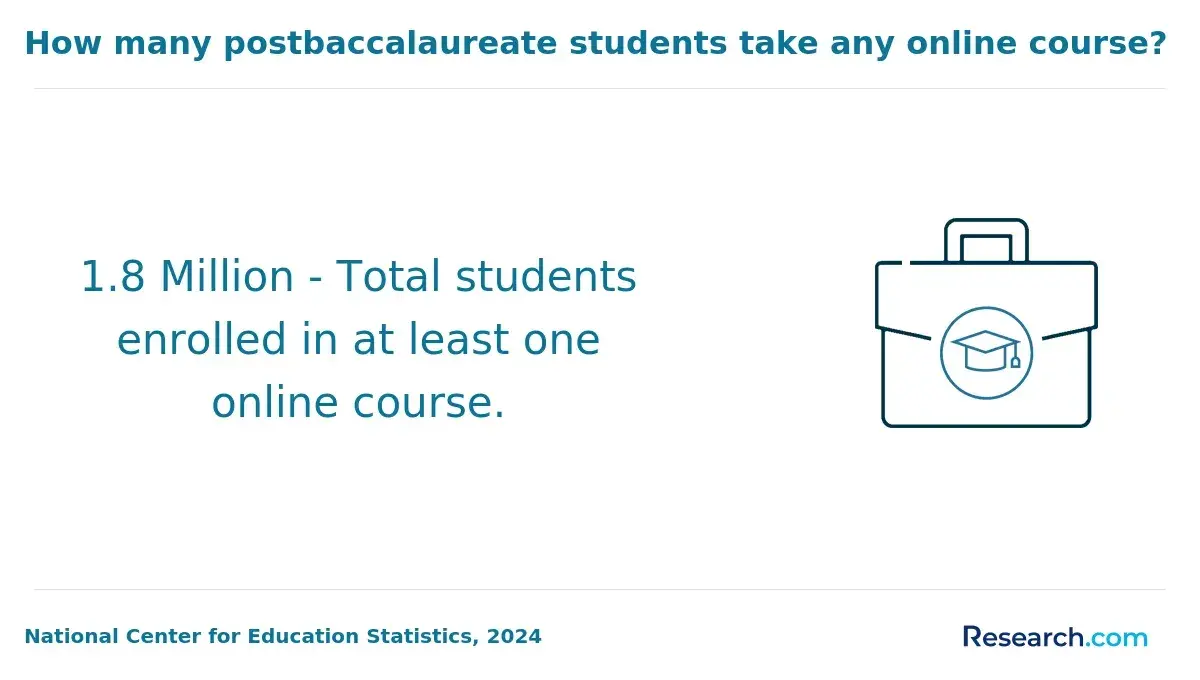
In regions where physical therapy assistant programs are scarce or nonexistent, online degree options dismantle traditional geographic barriers that once restricted student access. These programs enable learners residing in states with limited onsite offerings to engage in accredited coursework without relocating, addressing a longstanding mismatch between demand and educational supply. According to a 2024 report by the U.S. Department of Education, enrollment in remote healthcare-related programs surged by 18% from 2022 to 2024, indicating growing reliance on digital formats where physical campuses remain sparse. This shift is particularly meaningful in rural and underserved areas, where the absence of proximal PTA schools historically constrained both student enrollment and workforce replenishment.
Key to this expansion are asynchronous course designs and flexible delivery models that allow students to balance education alongside personal and professional responsibilities without rigid scheduling conflicts. Online programs also bypass state and institutional boundaries, permitting cross-state enrollment and enabling institutions to scale their reach far beyond localized campuses. This reduces dependence on a handful of physical universities and allows a broader range of faculty expertise and resources to be accessible digitally. Moreover, virtual simulations and integrated remote labs preserve essential clinical preparation elements, ensuring that the quality of instruction meets accreditation standards despite the spatial decentralization of the programs.
This structural expansion of program availability carries significant implications for regional workforce development. By enabling a more geographically diverse cohort of graduates, online PT assistant programs contribute to mitigating provider shortages in areas previously underserved by healthcare professionals. The ease of access fosters greater student mobility-not through physical relocation but via digital enrollment-thereby intensifying competition among institutions to attract learners across state lines. These dynamics reshape higher education markets as well as healthcare staffing patterns, reinforcing the strategic importance of online delivery in addressing systemic geographic inequities.
One graduate recalled navigating the admission process with a sense of urgency mixed with uncertainty due to rolling admissions and delayed response times. Initially hesitant to commit, the student juggled preparation for prerequisite exams while awaiting admission decisions from multiple online PTA programs available statewide. The flexibility of online options allowed the individual to pivot quickly when an offer finally arrived, highlighting how remote programs accommodate fluctuating timelines and decision-making complexities faced by candidates from regions lacking local institutions.
How Much Does Physical Therapy Assistant Program Tuition Vary by State?
Tuition for physical therapy assistant program degrees varies widely across U.S. states due to differences in public funding levels, institutional types, and residency-based tuition policies. States with larger public university systems or more substantial state subsidies typically offer lower in-state tuition, reflecting regional commitments to workforce development. Conversely, private institutions and out-of-state students face significantly higher costs because their pricing models rely less on direct subsidies and more on tuition revenue. This structure means that where a program is located-and whether a student qualifies for in-state rates-plays a critical role in the overall affordability of physical therapy assistant education.
The average cost of physical therapy assistant degrees across US states ranges notably, with in-state tuition often falling between $5,000 and $15,000 for public programs, while private institutions or out-of-state tuition can exceed $20,000, sometimes nearing $40,000. Midwestern and Southeastern states tend to have more affordable options, especially through community colleges where many programs reside, supporting cost-conscious students. For example, states like Ohio and Florida frequently report tuition below $10,000 at these institutions. In contrast, states like California and Massachusetts generally embody higher tuition structures, driven by regional economic factors and the predominance of private institutions. This tuition variance reflects broader state higher education finance systems rather than arbitrary price setting. Prospective students should compare not only tuition figures but also program length, curriculum demands, and clinical training costs that affect overall expenses in different states.
These disparities in tuition influence student mobility, program selection, and access to physical therapy assistant programs. Lower tuition states may attract budget-sensitive students but sometimes face limitations in advanced clinical placements or employer recognition in competitive job markets. Higher tuition programs might offer better clinical opportunities and stronger career networks, justifying costs for some candidates. Balancing affordability with program quality and practical outcomes is essential. Additionally, for those interested in allied health fields, exploring complementary options such as online registered dietitian programs may provide alternative or supplementary career pathways within health services education.
How Does Physical Therapy Assistant Program Demand Affect Admissions Decisions?
Rising demand for physical therapy assistant programs directly intensifies selectivity in admissions, pushing institutions to tighten acceptance criteria. As more applicants compete for limited slots, programs often raise minimum GPA thresholds, require healthcare-related experience, or add specific entrance exams to differentiate candidate quality. These adjustments aim to manage enrollment numbers without compromising regulatory standards, while addressing increasingly competitive applicant pools originating from diverse academic backgrounds.
This heightened selectivity stems largely from constrained program capacity including limited faculty availability, clinical placement spots, and accreditation-mandated cohort sizes. Institutions face balancing acts between maintaining quality education and meeting workforce needs intensified by growing labor demand for licensed physical therapy assistants. The interplay of these factors means programs frequently implement multi-faceted admissions criteria, such as situational assessments or interviews, designed to forecast both academic success and professional readiness within a regulated enrollment framework.
Consequently, escalating demand shapes not only who gains admission but also how applicants prepare, pushing them to accumulate relevant experience or excel in standardized testing early. It may also reinforce reputational distinctions among programs, concentrating applicants toward schools with more flexible enrollment or geographic accessibility. Over time, sustained oversubscription risks limiting access for qualified candidates in regions with fewer accredited programs, influencing long-term diversity and availability in the physical therapy workforce pipeline.
One graduate recalled submitting applications to multiple programs while juggling work and volunteer hours, noting how acceptance decisions arrived unevenly due to rolling admissions. The unpredictability meant waiting several weeks before finalizing a plan, during which they intensified efforts to improve clinical experience and test scores. This applicant observed firsthand how program demand shaped timelines and admissions outcomes, making early, strategic preparation essential for securing a spot amid stiff competition and fluctuating capacity constraints.
How Do Physical Therapy Assistant Specialization Options Vary by Region?
Specialization options within physical therapy assistant programs are closely tied to regional economic priorities and the makeup of local healthcare markets. Urban centers with extensive healthcare infrastructure, such as California, New York, and Texas, typically offer a wider array of specialized tracks reflecting their diverse patient populations and advanced clinical settings. These programs often prioritize emphases like pediatrics, geriatrics, orthopedics, and neurologic rehabilitation to align with industry needs in metropolitan areas. According to the 2024 Commission on Accreditation in Physical Therapy Education report, around 65% of programs in such urban markets provide multiple specialization options, underscoring the link between economic complexity and educational variety.
Variation in specialization availability is driven by factors including dominant regional industries, the research focus of local educational institutions, employer collaborations, and state workforce demands for specific skills. In the Midwest and Mountain West, for example, the emphasis remains on generalist physical therapy assistant training to meet the requirements of outpatient and long-term care settings prevalent in less densely populated areas. States in the South often concentrate on geriatric specialization due to demographic trends, though pediatric and neurologic options are relatively limited outside major health systems. Employer preferences and regional health system needs further influence curricula by encouraging programs to integrate targeted certifications or clinical hours to meet local labor market expectations.
These regional distinctions have meaningful implications for student decision-making and workforce mobility. Pursuing specialized physical therapy assistant education in a locale with strong industry alignment can enhance employability in niche fields but may also restrict flexibility in other markets. Conversely, a generalist education suitable for rural or underserved areas might offer broader versatility but less opportunity for targeted clinical advancement. Understanding how specialization options reflect local labor structures and institutional strengths is critical for prospective students seeking to strategically match program choices with long-term professional objectives.
How Does Regional Employer Demand Affect Career Outcomes?
Regional employer demand strongly shapes job availability and early career opportunities for Physical Therapy Assistant graduates. Areas with dense healthcare facility networks and rehabilitation centers tend to offer faster job placement and more abundant openings immediately after program completion. This regional physical therapy assistant career opportunities dynamic means graduates near metropolitan hubs or states with expansive outpatient services generally access higher employment rates and broader specialization options. Conversely, regions with fewer employers may pose longer job searches, limiting initial wage growth and requiring a more generalist skill set to accommodate local labor market needs.
The mechanisms behind these outcomes include the concentration of healthcare industry clusters and close employer partnerships with educational programs, which often facilitate smoother transitions from training to employment. Wage competition is typically more intense in regions rich with healthcare employers, pushing starting salaries upward-sometimes by as much as 15-20% compared to rural or economically challenged areas. Specialized hiring ecosystems focused on pediatric or orthopedic physical therapy also influence curriculum emphasis at regional schools, aligning graduate skills with employer demand. These factors collectively explain the evident state-by-state physical therapy assistant employment trends, reflecting how localized labor market structures dictate career trajectory variability.
Decisions around geographic mobility are critical, as regional demand not only impacts immediate job prospects but also the scope of long-term professional growth and earnings potential. While remote work expansion affects some healthcare roles, physical therapy assistants often remain tied to local clinical environments, reinforcing the importance of understanding regional market nuances. Students and researchers analyzing program availability should thus weigh labor market geography and workforce supply-demand alignment carefully. For integrated insights into healthcare specialization pathways linked to such regional trends, resources on becoming a functional medicine nurse provide useful parallels in specialized healthcare training and employer expectations.
What Factors Matter Most When Comparing Physical Therapy Assistant Programs Across States?
Comparing physical therapy assistant programs across states requires evaluation beyond simple availability. Differences in state-level tuition, access to diverse program formats, and local employer demand create significant variation in the overall value and practical outcomes of these programs. Regional infrastructure supporting clinical training and specialization options further shapes both educational quality and career-readiness. Prospective students must consider not only where programs exist but how state-specific conditions impact affordability and long-term employability in this workforce segment.
- Accreditation and Licensure Pass Rates: Accreditation by CAPTE or equivalent bodies ensures programs meet nationally recognized educational standards critical for licensure eligibility. States with multiple accredited programs tend to maintain higher licensure exam pass rates; for example, a 2024 National Board of Certification in Physical Therapy report highlights that programs exceeding an 85% pass rate often produce graduates who better meet employer expectations.
- Clinical Internship Availability: The density and quality of clinical internship placements vary widely by state, influencing real-world experience exposure. States with integrated healthcare networks and affiliated facilities generally provide richer environments for hands-on training, a decisive factor in skill acquisition and readiness for immediate employment.
- Program Format Flexibility: Availability of part-time, hybrid, or evening physical therapy assistant program options is uneven across regions. This flexibility affects accessibility for students balancing employment or familial obligations, impacting who can realistically pursue and complete the credential without sacrificing financial stability or academic success.
- Tuition Costs Relative to Employment Outcomes: Tuition fees vary markedly by state and institution. Students should weigh these costs against local demand for physical therapy assistants and median salaries, especially in areas with specialized clinical needs or higher employment growth. A nuanced assessment of cost-effectiveness must include projected licensing success and job placement potential rather than cost alone.
- Specialization and Regional Health Priorities: Some states offer programs with specific clinical emphases aligned with regional health trends, such as geriatrics or pediatric rehabilitation. Selecting programs with relevant specialization options can enhance employability in local labor markets where employer demand varies by community health profiles.
Physical therapy assistant program availability by state is inherently linked to these factors, making a purely geographic comparison insufficient without deeper inspection of program robustness and regional workforce dynamics. Students exploring these pathways might also consider how physical therapy assistant credentials interface with other growing healthcare fields, particularly through adaptable routes such as online medical programs that broaden educational access beyond traditional campus boundaries.
Which Regions May See the Fastest Growth in Physical Therapy Assistant Education?
Growth in Physical Therapy Assistant education is highly correlated with regions experiencing simultaneous increases in employer demand, demographic shifts, and investments in higher education infrastructure. These factors create conditions prompting educational institutions to expand or launch new programs that align with local workforce needs. Economic development and healthcare system expansion also shape where program availability and specialization options proliferate.
Regions such as the Midwest and Northeast have steadier growth, reflecting mature educational ecosystems and slower demographic shifts, which typically translates to less program diversification but potentially more stable clinical placement networks. Understanding these structural factors aids prospective students and researchers in identifying where the widest array of Physical Therapy Assistant educational opportunities will likely be found over the next decade.
References:
- Exploring Physical Therapy Assistant Benefits – The Praxis Institute https://praxis.edu/what-are-the-key-benefits-of-a-physical-therapist-assistant-program/
- Physical Therapist Assistant http://www.olympic.edu/academics/academic-pathways/healthcare/physical-therapist-assistant
- 25 Best Physical Therapist Assistant Programs | Become With Lantern https://www.learnhowtobecome.org/best-physical-therapist-assistant-programs/
- Physical Therapist Assistant vs. Physical Therapist: What’s the Difference? https://blog.methodistcollege.edu/pta-versus-physical-therapist-whats-the-difference
- Employment Outlook for Physical Therapist Assistants 2025 https://sabercollege.edu/employment-outlook-for-pta/
- Where Physical Therapy Assistants Work and Career Options https://www.cbd.edu/blog/physical-therapist-assistant/where-physical-therapy-assistants-work/
- Advancing Your Therapy Career From PTA to PT https://luvohealthcare.com/advancing-your-therapy-career-from-pta-to-pt/
- what schools offer physical therapy assistant programs https://campaigns.dmu.edu/Resources/OAqFym/0AD023/what-schools-offer__physical-therapy_assistant_programs.pdf
- Top States for PTA Jobs: Salary, Employment Rate, Availability https://www.masmedicalstaffing.com/blog/top-states-for-pta-jobs/
- what schools offer physical therapy assistant programs https://jobs.jacksonms.gov/uploaded-files/Oq08t1/7OK131/what__schools_offer__physical-therapy-assistant-programs.pdf
Other Things You Should Know About Physical Therapy Assistant
States with a high concentration of physical therapy assistant programs often face competition among students for limited clinical placement sites, which are essential for practical training. This can lead to variability in the quality of hands-on experience, as some clinical sites may become overstretched or limited to shorter rotations. Prospective students should carefully evaluate how programs manage clinical placements and consider those with established partnerships to ensure comprehensive practical learning rather than simply relying on program density as a positive indicator.
Larger numbers of physical therapy assistant programs in a state do not necessarily correlate with smaller class sizes or individualized attention. Programs in states with many options might have more students per instructor, which can affect mentorship quality and contact hours with experienced faculty. Students prioritizing close faculty engagement and more tailored instruction may need to weigh program availability against program scale and faculty resources when choosing where to study.
Employers often have varying levels of recognition or preference for degrees based on program reputation and consistency of graduate readiness rather than just program count in the state. In regions saturated with programs, competition can be stiffer, and employers may favor candidates from schools with rigorous clinical training or strong community ties. Students should focus on programs with demonstrable outcomes and employer feedback to improve their hiring prospects rather than assuming more programs equal better local recognition.