2027 Physical Therapy Assistant Skills Gap Analysis: What Employers Want vs What Degree Programs Teach

Co-Founder and Chief Data Scientist
Many prospective physical therapy assistant students or recent graduates face uncertainty when transitioning from academic programs to the workforce. Despite completing degree requirements, they often find that employer demands do not perfectly align with the skills emphasized during training. This disconnect can create challenges in meeting job expectations, adapting to clinical environments, and securing desirable positions.
Programs may focus heavily on theoretical knowledge and basic clinical skills, while employers seek proficiency in areas like patient communication, technology use, and real-world problem-solving. Understanding these gaps is crucial for improving employability and long-term career success. This article analyzes the differences between what employers want and what degree programs teach, offering insights to help readers bridge the divide and enhance their workforce readiness.
Key Things to Know About Physical Therapy Assistant Skills Gap
- Employer surveys show a 35% gap between physical therapy assistant degree curricula and practical skills needed, indicating programs often underemphasize patient communication and adaptive interventions crucial in fast-paced clinics.
- Graduates frequently must acquire advanced manual therapy and electronic documentation skills post-graduation, reflecting evolving clinical demands beyond standard coursework, impacting early-career competence and job retention.
- Engaging in clinical externships focused on diverse patient populations before graduation significantly enhances readiness, reducing onboarding time and aligning graduate capabilities with employer expectations in 2024 healthcare settings.
- Key Things to Know About Physical Therapy Assistant Skills Gap Key Things to Know
- What Skills Do Employers Expect From Physical Therapy Assistant Graduates? Employer Expectations
- What Do Physical Therapy Assistant Degree Programs Typically Teach? Program Curriculum
- Where Is the Biggest Skills Gap Between Physical Therapy Assistant Programs and Employers? Biggest Skills Gap
- Which Technical Skills Are Most Important for Physical Therapy Assistant Careers? Technical Skills
- Which Workplace Skills Matter Beyond Technical Knowledge? Workplace Skills
- How Do Internships and Real-World Experience Improve Career Readiness? Career Experience
- How Can Students Close the Physical Therapy Assistant Skills Gap Before Graduating? Closing Skills Gap
- How Is the Physical Therapy Assistant Job Market Changing Employer Skill Requirements? Job Market
- How Do Different Physical Therapy Assistant Programs Compare in Career Preparation? Career Preparation
- How Should Students Choose a Physical Therapy Assistant Program That Builds Career-Ready Skills? Choosing a Program
What Skills Do Employers Expect From Physical Therapy Assistant Graduates?
Employers hiring physical therapy assistant graduates in 2024 prioritize a blended skill set that extends beyond academic knowledge. Labor market data from Lightcast and LinkedIn reveal that technical skills, including hands-on proficiency with rehabilitation techniques and therapeutic equipment, remain essential.
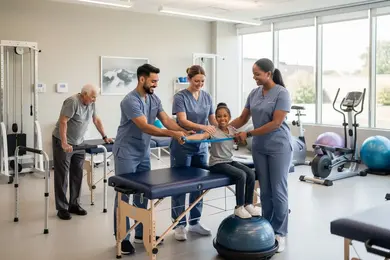
However, equally important are interpersonal and organizational abilities that enable efficient and compassionate patient care. For instance, a physical therapy assistant in a busy outpatient clinic must quickly adjust therapy plans when a patient reports new pain symptoms, requiring both critical thinking and clear communication with supervising therapists.
Below are the essential physical therapy assistant employer skills based on current job market demands:
- Technical Proficiency: Employers expect comfort with rehabilitation equipment and electronic health records (EHR) systems to increase accuracy and timeliness in patient care documentation. These skills are typically developed through clinical practica and simulation labs during training, enabling graduates to function effectively in fast-paced healthcare settings.
- Communication and Teamwork: Effective collaboration with therapists, patients, and multidisciplinary teams is critical. Graduates who can convey treatment plans clearly and demonstrate empathy improve patient engagement and treatment adherence, a competence often enhanced through targeted workshops and real-world internships.
- Time Management and Adaptability: Physical therapy assistants must prioritize competing tasks and adapt to shifting treatment schedules or patient needs. Education programs that simulate clinical pressures help students develop these traits, which directly impact operational efficiency in healthcare environments.
- Critical Thinking and Problem-Solving: Customizing therapy plans and responding to unexpected patient responses requires analytical skills. Employers value graduates who can assess evolving situations calmly and make sound decisions, capabilities refined through case studies and hands-on training.
- Digital Literacy: With telehealth and digital documentation becoming standard, proficiency in healthcare technology and understanding data privacy protocols are increasingly needed. Comfort with these tools enhances both care delivery and administrative workflows.
- Empathy and Patient Education: Supporting patients' mental and emotional well-being while educating them on treatment goals can improve outcomes. Experience gained through patient interaction during clinical rotations strengthens these interpersonal skills.
While some employers may emphasize certain skills over others, the 2024 labor analyses confirm that these top skills required for physical therapy assistant jobs consistently influence employability and career longevity. For students looking to supplement their learning, exploring adjunct healthcare fields like billing and coding classes can provide valuable cross-disciplinary knowledge that supports administrative efficiencies and broadens workforce readiness.
What Do Physical Therapy Assistant Degree Programs Typically Teach?
Physical therapy assistant degree curriculum is designed to develop a strong foundation in clinical skills and patient care, but the real challenge lies in preparing students for the complexities of modern healthcare settings. With evolving employer expectations and shifting patient demographics, programs increasingly focus on practical competencies rather than solely theoretical knowledge.
For example, a graduate may find themselves quickly adapting treatments for older adults with multiple chronic conditions, requiring both precise manual therapy skills and effective interdisciplinary communication. Such scenarios underscore why curricula emphasize a blend of technical proficiency and professional adaptability. Below are key areas typically covered in these programs.
- Patient Care Techniques: Students learn hands-on skills for assisting licensed physical therapists in delivering treatments, including therapeutic exercises and modalities. Mastery in this area supports safe practice and effective rehabilitation outcomes, crucial for workplace readiness.
- Anatomy and Physiology: A solid understanding of the musculoskeletal and neuromuscular systems underpins all clinical interventions. This knowledge is vital not just for accuracy but for adapting care plans to diverse patient needs.
- Therapeutic Modalities: Programs train students in the use of modalities such as ultrasound, electrical stimulation, and heat/cold therapy. Competence here enhances treatment variety and responsiveness to patient progress.
- Professional Ethics and Communication: Given the collaborative nature of physical therapy, ethical decision-making and clear communication with patients and healthcare teams are emphasized. These skills reduce errors and improve patient outcomes over a career.
- Clinical Reasoning and Problem Solving: Most programs incorporate simulation labs to develop critical thinking in applying treatments. Such training helps bridge the gap between classroom learning and real-world clinical judgment, which 65% of CAPTE-accredited programs prioritized by 2024.
- Documentation and Emerging Technologies: While less consistently covered, some curricula now introduce electronic health records (EHR) management and telehealth platforms to prepare students for modern workflows. This area remains a noted gap that can affect employability and long-term adaptability.
- Exposure to Diverse Patient Populations: Including pediatrics and geriatrics, this broad training helps students handle varied clinical demands. Given demographic changes, this flexibility is increasingly valued by employers but may require supplemental learning outside core programs.
The evolving balance of skills taught in physical therapy assistant programs reflects ongoing curriculum refinement, but students should be aware that program format-online, hybrid, or campus-can influence their exposure to hands-on practice and interprofessional collaboration opportunities. Prospective students may also explore resources like the cheapest RN to BSN online offerings to compare cost-effective pathways for allied health careers with similarly rigorous practical components.
Where Is the Biggest Skills Gap Between Physical Therapy Assistant Programs and Employers?
The most significant disparities between physical therapy assistant programs and employer expectations center on the depth of hands-on clinical expertise and adaptive problem-solving within dynamic patient care. According to the 2024 Workforce Readiness Report from the National Board for Certification of Physical Therapy Assistants, approximately 65% of hiring managers identify gaps in practical judgment and complex case management in recent graduates.
These gaps often stem from academic programs prioritizing structured learning over exposure to the unpredictable realities of clinical practice. Below are key areas where these skills shortfalls are most evident:
- Advanced Clinical Reasoning: Graduates frequently enter the workforce with solid technical knowledge but limited experience managing patients presenting multiple, interacting conditions. This constraint arises because many programs emphasize standardized protocols rather than fostering critical thinking under pressure. Students can mitigate this by seeking internships that expose them to diverse case mixes and simulated emergency scenarios.
- Patient Communication Nuances: While basic communication skills are covered, employers report deficiencies in tailoring interactions to complex needs such as elderly patients with cognitive impairment or those experiencing pain-related anxiety. This gap impacts care quality and rapport building. Engaging in mentorships or volunteer roles within geriatric or neurorehabilitation settings helps students develop these interpersonal competencies.
- Integration of Rehabilitation Technology: Many programs lag behind in teaching emerging digital tools and electronic records management, placing new assistants at a disadvantage. As healthcare pivots toward tech-enabled care, proficiency with these systems is crucial. Supplementing coursework with certifications in electronic health records and practical exposure to therapeutic technologies can bridge this divide.
- Independent Decision-Making in Unpredictable Contexts: Employers emphasize the importance of real-time judgments in fast-evolving clinical situations. The limited duration of supervised clinical rotations means students often lack experience reacting to unexpected complications or adjusting treatment plans promptly. Volunteering in high-volume clinics and participating in advanced simulation labs can improve these adaptive skills.
Which Technical Skills Are Most Important for Physical Therapy Assistant Careers?
Technical skills form the bridge between theoretical knowledge and effective performance in physical therapy assistant roles. As healthcare evolves, these competencies must adapt to shifts in technology, patient care protocols, and regulatory standards. Physical therapy assistant students and graduates who understand and build these skills are better positioned to meet employer demands and navigate career challenges.
According to the American Physical Therapy Association's 2024 workforce analysis, employers increasingly expect proficiency in both hands-on techniques and digital tools. Below are several key technical skills that consistently distinguish competent physical therapy assistants in the workforce.
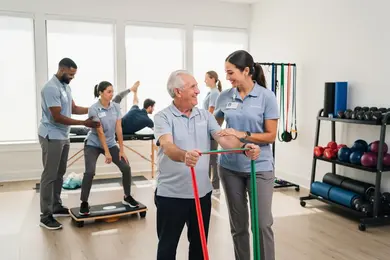
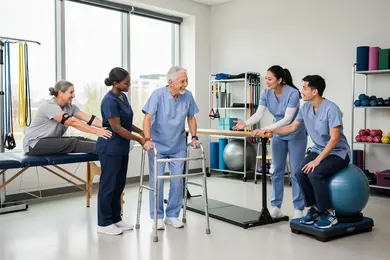
- Therapeutic Techniques: Mastery of exercises like gait training and manual therapy is fundamental. These skills, developed through supervised clinical practice, allow assistants to directly support patient recovery and tailor interventions, which employers prioritize for improving treatment outcomes.
- Assistive Technology Use: Familiarity with devices such as electrical stimulation and ultrasound equipment is essential. Training programs that incorporate hands-on labs give students the confidence to operate these tools safely and effectively, meeting employer needs for advanced therapeutic capabilities.
- Electronic Health Records (EHR) Navigation: Proficiency with EHR systems is critical for accurate documentation and interdisciplinary communication. Practical coursework involving popular healthcare software equips students to maintain compliance and streamline patient data management, which employers cite as a skill gap in many programs.
- Patient Monitoring: The ability to assess vital signs and respond to patient conditions during therapy sessions reflects necessary clinical vigilance. These observational skills are refined during clinical rotations and are linked to enhanced patient safety and quality care, a top priority for hiring managers.
- Adaptive Treatment Planning: Employers demand flexibility in modifying therapy based on patient progress or setbacks. This dynamic problem-solving ability stems from experience and critical thinking applied during hands-on clinical scenarios, preparing graduates to handle real-world unpredictability.
- Digital Literacy in Emerging Technologies: As telehealth and patient engagement platforms gain prominence, understanding their operation becomes increasingly relevant. Programs that integrate these components produce graduates capable of supporting evolving healthcare models and meeting future employer expectations.
Which Workplace Skills Matter Beyond Technical Knowledge?
Success as a physical therapy assistant requires more than just mastering technical procedures; it hinges on developing durable workplace skills that enhance adaptability and effectiveness in diverse clinical settings. Employers increasingly report that graduates struggle when strong professional competencies are lacking, even if their technical knowledge is sound.
For example, in a busy outpatient clinic, an assistant must not only perform treatments correctly but also handle sudden changes to a patient's condition or coordinate with other healthcare providers smoothly. To excel long term, students must complement their technical training with critical soft skills. Below is a distilled list of top workplace skills that matter most beyond technical expertise.
- Effective Communication: Clear dialogue and empathetic listening help physical therapy assistants explain treatment plans understandably while responding to patient concerns. Strong communication reduces errors and fosters patient trust, which improves compliance and outcomes. Students can develop this through role-playing exercises and clinical simulations embedded in their programs.
- Critical Thinking: Assistants must evaluate when to adapt standard protocols due to patient responses or complications, requiring sound clinical judgment. Enhancing critical thinking through case study analyses and reflective coursework prepares graduates to support therapists more effectively across complex scenarios.
- Adaptability and Resilience: Healthcare environments rapidly change, especially post-pandemic, demanding assistants who embrace new tools and policies with flexibility. Programs that include varied clinical experiences expose students to such unpredictability, strengthening their ability to manage shifting priorities without losing focus.
- Interdisciplinary Collaboration: Physical therapy assistants often work alongside nurses, physicians, and other aides. Building skills in teamwork enables smooth coordination, reducing delays and improving patient care flow. Group projects and interprofessional education opportunities cultivate this essential competency.
- Empathy and Patient-Centered Care: Beyond mechanics, showing genuine concern helps assistants engage patients holistically, addressing emotional as well as physical needs. Training that integrates behavioral health principles supports students in fostering these connections.
- Time Management: Balancing multiple patients and duties requires prioritizing tasks efficiently. Incorporating time management strategies into curricula aids students in developing this skill, which directly impacts productivity and job satisfaction.
- Technological Literacy: Increasing use of digital health records and therapy devices means assistants must be comfortable with emerging technologies. Hands-on training with tech platforms ensures graduates are prepared to handle these tools confidently.
Data from 2024 reports by the U.S. Bureau of Labor Statistics and the Commission on Accreditation in Physical Therapy Education (CAPTE) indicate sustained employer demand for these soft skills among physical therapy assistant graduates. Addressing this gap can improve workforce readiness and patient outcomes. Prospective students might also explore programs that emphasize experiential learning beyond technical skills, much like those recommended for masters in dietetics, where practical competency integrates both science and soft skill development.
Incorporating workplace skills for physical therapy assistants strategically throughout education aligns better with real-world clinical expectations and supports long-term career sustainability in this dynamic healthcare role.
How Do Internships and Real-World Experience Improve Career Readiness?
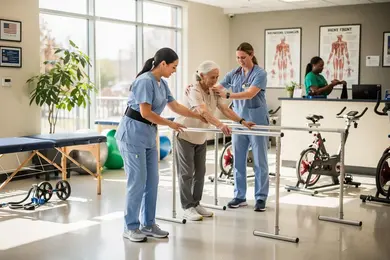
Relying solely on classroom instruction often leaves physical therapy assistant students underprepared for the realities of clinical work. Academic settings tend to focus on foundational knowledge but may not capture the complexity and variability of real patient care. Practical experiences such as internships enable students to translate theory into applied skills, fostering confidence and sound professional judgment. For instance, encountering a patient with atypical recovery progress during a clinical placement challenges a student to adapt treatment plans critically, a nuance rarely captured in textbooks.
Internships and other hands-on learning opportunities cultivate essential competencies beyond the technical, including effective communication, time management, and understanding workplace culture. They also facilitate networking with professionals and provide clearer insight into career trajectories. That said, the quality and availability of these experiences can differ significantly across programs, with those embedded in well-structured, supervised internships yielding stronger employment outcomes. Recent data from the National Center for Education Statistics show that students completing such experiential learning demonstrate a 28% higher employment rate within six months post-graduation compared to peers lacking this exposure.
To optimize the benefits of experiential learning, students should pursue internships early and engage deeply in applied projects, using these moments to build professional ties and sharpen reflective practices. Linking hands-on experiences explicitly to long-term goals enhances skill development and mitigates the gap between academic preparation and employer expectations. Ultimately, internships are a critical complement to rigorous coursework and ongoing career planning, together forming a foundation for workplace readiness in the evolving healthcare environment.
How Can Students Close the Physical Therapy Assistant Skills Gap Before Graduating?
Students no longer need to wait until graduation to develop the skills employers expect from physical therapy assistants. Building hands-on competence alongside academic learning can significantly improve job prospects and ease the transition into the workforce. Proactively engaging with practical experiences cultivates adaptability and confidence employers increasingly demand.
A 2024 report from the National Center for Education Statistics highlights that students completing supervised clinical internships have substantially higher placement rates within six months compared to peers without such exposure. Below are practical ways students can close the skills gap before finishing their programs.
- Early Clinical Internships: Securing internships during the program offers immersive patient interaction and real-time application of therapeutic techniques. This on-the-job exposure addresses the common curricular limitations and helps students build communication and technical skills critical to employer readiness.
- Project-Based Learning: Participating in multidisciplinary cases or rehabilitation projects hones analytical thinking and collaborative problem-solving. These experiences simulate workplace complexity, better preparing students to tackle unexpected challenges in clinical settings.
- Industry Certifications: Pursuing credentials like CPR or specialized modalities such as kinesiology taping provides verifiable expertise that sets candidates apart. Though these require extra time and often fees, certifications can boost confidence and starting salaries, partially compensating for curricular gaps.
- Simulation Training: Using advanced simulation tools or labs allows students to practice clinical scenarios without patient risk. This controlled environment builds technical proficiency and decision-making skills while reducing anxiety before actual clinical placements.
- Networking with Employers: Engaging with professionals and hiring managers through informational interviews or job fairs offers insights into employer expectations. Early relationship-building can uncover hidden opportunities and enhance students' understanding of evolving workplace demands.
- Time Management Strategies: Balancing coursework, internships, and certifications requires disciplined scheduling. Effective time management ensures students can maximize experiential learning without compromising academic success, fostering resilience valued by employers.
How Is the Physical Therapy Assistant Job Market Changing Employer Skill Requirements?
Technological advances and shifting healthcare priorities are redefining the skill set employers seek in physical therapy assistants. Innovations in telehealth, electronic health records, and healthcare informatics demand proficiency not only in foundational clinical skills but also in digital literacy and data management. According to the U.S. Bureau of Labor Statistics and labor market analytics from Lightcast, this evolving physical therapy assistant employer skills landscape emphasizes adaptability and familiarity with new technologies alongside traditional competencies. For instance, a physical therapy assistant working in a telehealth setting must efficiently use virtual platforms while maintaining patient rapport, illustrating a practical intersection of technical and interpersonal demands.
This evolution extends beyond technical skills to include enhanced professional capabilities. The World Economic Forum highlights a growing emphasis on managing complex, chronic cases through multidisciplinary collaboration and patient education. LinkedIn's 2024 data further shows employers valuing critical thinking, cultural competence, and emotional intelligence, pointing to a comprehensive skill set that integrates hard and soft skills. The gap between current job market requirements for physical therapy assistants and academic curricula reveals a need for continuous learning, experiential education, and targeted upskilling, especially in interprofessional communication and healthcare technology.
To align with these changing expectations, students and career changers should combine strong academic preparation with practical experience through internships, clinical rotations, and applied projects. Engaging in certification programs and professional networking can also support skill development over time. For those seeking accelerated pathways, programs like the accelerated exercise science degree online offer a focused curriculum that aligns well with workforce demands in evolving healthcare environments.
How Do Different Physical Therapy Assistant Programs Compare in Career Preparation?
Career preparation in physical therapy assistant programs depends on more than just the degree title. Real-world readiness reflects how well a program balances theoretical knowledge with hands-on clinical experience and aligns with evolving healthcare employer demands. A degree from one program may not equate to the same job preparedness as another, even if both award similar credentials.
For instance, a graduate from a program with limited clinical exposure may face longer onboarding periods compared to peers trained with extensive internships. Recent 2024 data from accredited education research highlights that programs emphasizing competency-based learning and integrated clinical practice produce graduates with measurably higher employability and confidence.
Here are key factors to evaluate when comparing physical therapy assistant program career readiness:
- Clinical Experience Depth: Programs vary widely in the extent and quality of hands-on training. Strong clinical placement components and partnerships with healthcare providers expose students to diverse patient populations and real-world problem-solving scenarios, essential for smooth employment transitions and reduced employer retraining costs.
- Competency-Based Curriculum: A focus on mastery of practical skills rather than just credit accumulation better aligns with employer expectations. Curricula that prioritize measurable competencies help graduates demonstrate readiness in emerging rehabilitation technologies and communication skills.
- Interprofessional Collaboration: Programs that integrate teamwork and communication training with other healthcare disciplines reflect broader industry trends. This experience prepares graduates to function effectively in multidisciplinary care settings, an ever more critical aspect of physical therapy assistant roles.
- Program Accreditation and Outcomes Transparency: Accreditation rigor and availability of graduate employment rates allow students to assess program quality objectively. Programs accredited by recognized bodies typically maintain up-to-date clinical tools and evidence-driven pedagogies that support workforce readiness.
Prospective students should balance these factors against their individual career goals and learning styles. For those researching options, resources like online PsyD programs accredited by APA illustrate the importance of accreditation and outcome-based comparisons for informed decision-making. Considering these elements will better position students for success in competitive healthcare job markets.
How Should Students Choose a Physical Therapy Assistant Program That Builds Career-Ready Skills?
Choosing between online, hybrid, and campus physical therapy assistant programs involves weighing long-term benefits against inherent trade-offs. Clinical exposure and skill development, strongly linked to graduate success according to 2024 analyses from CAPTE and the U.S. Bureau of Labor Statistics, vary significantly across formats.
Below are key considerations to help prospective students assess how each pathway aligns with their career readiness and personal circumstances.
- Clinical Experience Quality: Campus programs typically offer the most diverse, hands-on patient care exposure, fostering stronger workforce adaptability. Hybrid formats blend in-person labs with remote study, balancing flexibility with critical clinical practice, while purely online paths may limit real-world patient interaction, potentially delaying skill mastery for some learners.
- Networking Opportunities: On-campus environments encourage richer interpersonal connections with faculty and peers, benefiting long-term professional support. Hybrid formats provide moderate engagement, whereas online students must proactively seek networking, which can impact job placement success post-graduation.
- Flexible Scheduling: Online and hybrid programs offer superior adaptability for working adults or those with caregiving duties, enabling steady progress without sacrificing income. However, this flexibility might reduce immediate immersion, potentially elongating the transition into full clinical competence.
- Curriculum Integration: Programs combining simulation labs, interdisciplinary teamwork, and emerging technology instruction-as seen in top campus and hybrid models-boost critical thinking and adaptability valued by employers. Online formats sometimes struggle to replicate these integrated learning experiences effectively.
- Graduation and Employment Rates: Data from 2024 workforce studies indicate that programs with strong employer connections and transparent outcomes, common in campus and hybrid tracks, yield higher employment within six months. Online programs demonstrate variable results, often depending on supplemental clinical partnerships.
- Self-Motivation Demands: Online learners must maintain discipline without continuous in-person oversight, which strengthens independent problem-solving but may challenge students needing structured support. Hybrid and campus students benefit from routine accountability but might face less flexibility.
- Long-Term Career Adaptability: Graduates from comprehensive campus or hybrid programs tend to report better preparedness for diverse work settings, thanks to varied clinical experiences and soft skills training. Online graduates can excel if programs prioritize hands-on internships, but some may face steeper learning curves initially.
References:
- Physical Therapy Assistant - PTA Careers & Job Overview | Confluent Health https://confluenthealth.com/careers/physical-therapy-assistant/
- Physical Therapist Assistant vs. Physical Therapist: What’s the Difference? https://blog.methodistcollege.edu/pta-versus-physical-therapist-whats-the-difference
- Physical Therapy Assistant https://skillpointe.com/careers/healthcare/physical-therapy-assistant
- 25 Best Physical Therapist Assistant Programs | Become With Lantern https://www.learnhowtobecome.org/best-physical-therapist-assistant-programs/
- Verifying that you are not a robot... https://pioneer-healthcare.com/blog/exploring-the-high-demand-for-physical-therapist-assistant-jobs/
- Physical Therapist Assistant | MATC https://www.matc.edu/course-catalog/healthcare/physical-therapist-assistant.html
- Physical therapists: 7 Effective Strategies to Optimize Your Time https://kinvent.com/blog/physical-therapists-7-effective-strategies-for-optimizing-your-time/
- Physical Therapy Assistant https://epicspecialeducationstaffing.com/best-pta-jobs/
- Physical Therapist Assistant (AS) | New England Institute of Technology Academic Catalog https://catalog.neit.edu/curriculum/physical-therapist-assistant-as/
- PTA Curriculum https://www.mclennan.edu/health-professions/physical-therapist-assistant/curriculum.html
Other Things You Should Know About Physical Therapy Assistant
Employers increasingly emphasize adaptability due to varied patient populations and evolving care protocols. Degree programs often focus on standardized techniques, leaving less room to develop flexible problem-solving or rapid adjustment skills. Prioritizing clinical experiences that expose students to a broad spectrum of cases can better prepare graduates to meet real-world variability, which employers rate highly when hiring. Programs should therefore integrate adaptive decision-making exercises alongside technical training to bridge this gap effectively.
Extended clinical placements immerse students in workplace realities that cannot be fully replicated in classroom settings. Although this may reduce time spent on theoretical coursework, employers value graduates who demonstrate hands-on competence and familiarity with clinical workflows. Students aiming for immediate employability should weigh programs' practical exposure heavily, as this experience often translates into smoother transitions, higher job confidence, and quicker mastery of workplace expectations.
Some programs emphasize the latest digital tools and electronic health record systems, but employers note that not all clinical sites have uniform technology adoption levels. Overemphasis on advanced tech in education without parallel training in fundamental manual skills or manual documentation can limit readiness in less tech-enabled environments. Students should seek programs blending technology use with solid traditional skill sets to ensure versatility across varied employer settings.
Soft skills like communication, teamwork, and emotional intelligence are critical but often receive less formal emphasis compared to technical competencies. Employers consistently report that graduates who excel in soft skills enhance patient compliance and workplace cohesion, contributing to better long-term outcomes. Students should therefore prioritize programs that integrate interpersonal skill-building into their curriculum, as this investment significantly improves employability and job performance beyond technical prowess alone.