2027 Physical Therapy Assistant Degree Popularity by Gender, Region, and Degree Level

Co-Founder and Chief Data Scientist
A prospective physical therapy assistant student comparing programs across states may notice sharply contrasting enrollment patterns that raise questions about program quality and workforce demand. For instance, in 2024, women comprised over 70% of enrollees nationally, yet some regions report near gender parity, reflecting localized recruitment strategies or cultural factors. These disparities affect peer networks, shaping learning environments and professional support systems.
Moreover, degree-level trends reveal shifts toward associate degrees in some areas while bachelor's completions grow elsewhere, influencing access and career trajectories. Interpreting these patterns critically can clarify where opportunities and challenges lie.
This article examines physical therapy assistant degree popularity by gender, region, and degree level to support more informed educational and career decisions.
Key Things to Know About Physical Therapy Assistant Degree Popularity by Gender, Region, and Degree Level
- Women comprise over 85% of physical therapy assistant enrollees as of 2024, reflecting gendered workforce expectations that may limit male participation despite labor market need for diverse providers.
- Enrollment is highest in the South and Midwest regions, signaling regional healthcare infrastructure demands but potentially constraining program accessibility in rapidly growing Western markets.
- Associate degrees dominate due to shorter duration and cost, creating an entry-level tradeoff where fewer graduates pursue bachelor's credentials valued by some employers for leadership and specialization roles.
- Key Things to Know About Physical Therapy Assistant Degree Popularity by Gender, Region, and Degree Level Key Things to Know About Physical Therapy Assistant Degree Popularity by Gender, Region, and Degree Level
- How Does Job Market Demand Influence Physical Therapy Assistant Degree Popularity? Market Demand and Degree Popularity
- How Does Online Physical Therapy Assistant Degree Enrollment Compare to Traditional Campus Programs? Online vs. Campus Enrollment
- What Degree Level Is Most Common Among Physical Therapy Assistant Students? Most Common Degree Levels
- How Do Enrollment Trends Differ Between Associate, Bachelor's, Master's, and Doctoral Physical Therapy Assistant Degrees? Enrollment Trends by Degree Level
- How Popular Is the Physical Therapy Assistant Degree Compared to Other College Majors? Degree Popularity vs. Other Majors
- Why Is the Physical Therapy Assistant Degree More Popular in Certain States and Regions? Regional Popularity Drivers
- What Demographic Groups Are Driving Growth in Physical Therapy Assistant Degree Programs? Growth by Demographic Groups
- What Is the Future Outlook for Physical Therapy Assistant Degree Enrollment by Gender, Region, and Degree Level? What Is the Future Outlook for Physical Therapy Assistant Degree Enrollment by Gender, Region, and Degree Level?
- How Have Physical Therapy Assistant Degree Enrollment Trends Changed Over the Past Decade? How Have Physical Therapy Assistant Degree Enrollment Trends Changed Over the Past Decade?
- Where Is the Physical Therapy Assistant Degree Most Popular Across the United States? Geographic Popularity Analysis
How Does Job Market Demand Influence Physical Therapy Assistant Degree Popularity?
Employer demand strongly shapes physical therapy assistant degree popularity, but the relationship is tempered by regional workforce dynamics and credentialing frameworks. For example, states like Florida and California, with aging populations and expanding healthcare systems, report acute shortages of physical therapy assistants, encouraging robust enrollment in local programs.
Yet these surges often coincide with capacity limits and geographic accessibility issues, which means prospective students in underserved regions may face barriers or opt for alternative healthcare careers. Notably, male and female enrollment patterns may diverge slightly in response to local labor market cues and perceptions about the role's physical demands and work environment.
Degree level selection within physical therapy assistant program enrollment reflects both employer expectations and evolving occupational niches. While an associate degree remains the standard credential aligned with state licensing requirements, a small but growing share of students pursue bachelor's degrees linked to administrative functions or specialized clinical roles.
This underscores how labor market segmentation influences educational pathways, where those seeking advancement or differentiation weigh the tradeoff between additional time investment and potential role expansion. Prospective students should also consider how these enrollment trends, while informed by regional labor demand impact on physical therapy assistant program enrollment, may not guarantee job placement due to local saturation or wage stagnation.
Understanding these complexities is vital for those weighing the long-term relevance of a physical therapy assistant degree, especially as labor demand fluctuates across gender, regions, and degree levels. Labor market signals often fail to translate directly into degree popularity because factors like program capacity, wage conditions, and alternative healthcare options intervene.
Students evaluating their options might also explore pathways such as the RN to BSN with no clinical hours programs for broader flexibility, reflecting the market's layered and sometimes uneven response to healthcare workforce needs.
How Does Online Physical Therapy Assistant Degree Enrollment Compare to Traditional Campus Programs?
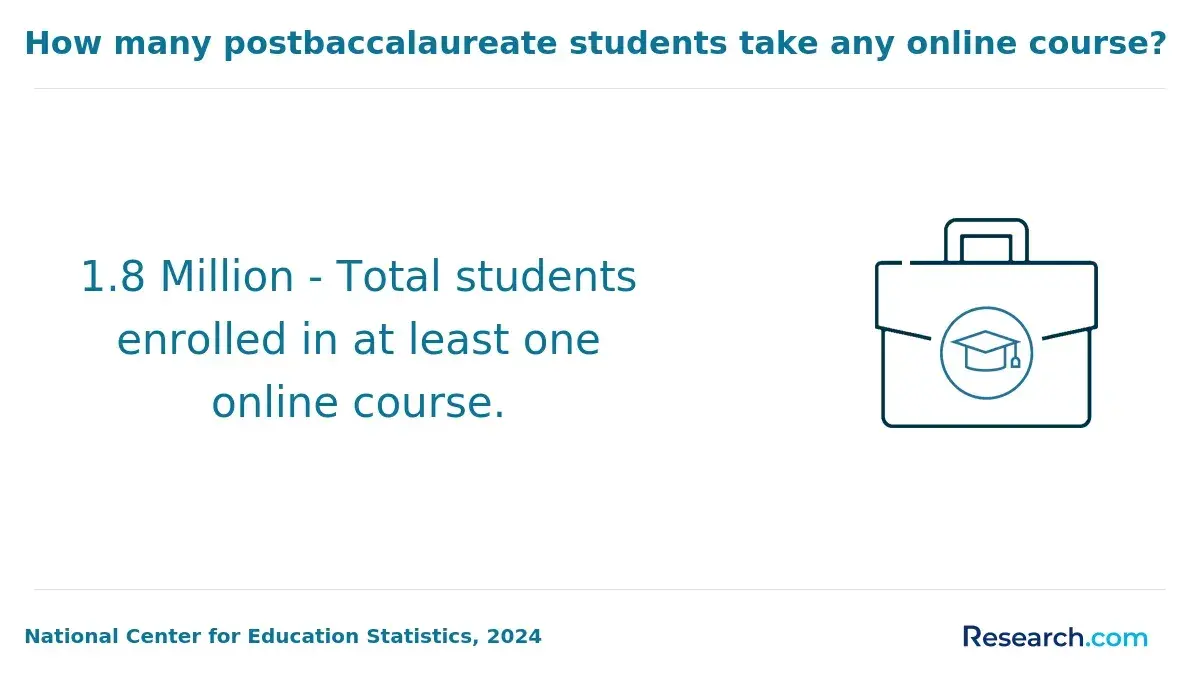
Online physical therapy assistant programs have begun to reshape enrollment landscapes by attracting older, nontraditional students and those in rural or underserved areas who require flexible, location-independent learning options. According to the 2024 National Center for Education Statistics update, online cohorts are growing annually at a rate exceeding 8%, surpassing the slower growth of traditional campus programs.
This reflects a distinct divergence: while campus-based programs primarily draw younger students seeking hands-on clinical experience and immersive environments, online formats expand access for those balancing work, family, or geographic constraints. Additionally, traditional campuses often provide pathways to bachelor's degrees and integrated clinical placements, which may influence long-term career mobility but limit accessibility for many prospective students.
Demographically, traditional physical therapy assistant programs still maintain a slightly higher proportion of female students, though this gap narrows as flexible online options increasingly appeal to women managing multiple responsibilities. Degree level is another decisive factor; most online programs focus on associate-level credentials aligning closely with entry-level workforce needs, whereas campus programs sometimes offer more advanced degree progression.
Despite modest differences in completion and on-time graduation rates—with campus programs generally performing better—the improvements in virtual advising and hybrid clinical opportunities have helped online programs gain ground in student persistence. Employer acceptance largely hinges on accreditation and clinical training reputation rather than delivery mode, though clinical readiness perceptions can influence workforce integration.
An enrolled physical therapy assistant student from a rural community described the decision-making challenges posed by geography and scheduling limitations. Without accessible nearby campus options, the student initially hesitated to pursue an online program, doubting if it would be favored by employers or provide adequate peer interaction.
However, the flexibility to study while working and the program's growing reputation for comprehensive clinical practicum provided reassurance. This experience underscores how evolving enrollment patterns relate directly to practical considerations, putting online pathways within reach for those previously excluded by traditional program structures.
What Degree Level Is Most Common Among Physical Therapy Assistant Students?
The overwhelming preference for associate degrees among physical therapy assistant students reflects both practical workforce demands and educational design. Over 90% of graduates complete associate-level programs, according to recent data from the National Center for Education Statistics and IPEDS. This dominance is linked to the profession's emphasis on hands-on clinical training and accelerated pathways that align closely with employer accreditation standards, making associate degrees the most efficient and recognized credential for entry-level roles.
Bachelor's and graduate degrees remain uncommon and typically serve specialized purposes such as research, administration, or transitional roles toward becoming physical therapists, rather than direct preparation for assistant duties. The tradeoff for students centers on balancing time, cost, and clinical experience-associate programs generally require less time and financial investment while maintaining necessary practical components, whereas higher degrees often extend educational timelines without proportionate improvements in assistant-level employment prospects.
Consequently, despite the rise of hybrid and online learning options, the need for local clinical labs sustains strong enrollment in associate programs across diverse demographics and geographies.
How Do Enrollment Trends Differ Between Associate, Bachelor's, Master's, and Doctoral Physical Therapy Assistant Degrees?
The dominance of associate physical therapy assistant degree enrollment trends reflects a workforce reality: most states mandate an associate degree for licensure, making it the practical entry choice for aspiring assistants. Approximately 80% of students enroll at this level, as it directly aligns with employer expectations for hands-on clinical roles. In contrast, bachelor's programs attract a smaller but growing segment, often those seeking expanded foundational knowledge or a pathway toward becoming licensed physical therapists rather than assistant roles.
Master's and doctoral physical therapy assistant degree popularity remains limited, collectively representing less than 5% of enrollment, due to the minimal demand from employers who prioritize certification and clinical experience over graduate-level credentials. These advanced degrees are typically pursued by licensed assistants aiming for specialization or academic progression but do not significantly influence frontline hiring practices. Demographically, associate programs tend to exhibit higher female participation and greater regional diversity, reflecting their broader accessibility.
Students evaluating degree options must weigh the clear tradeoffs between immediate workforce entry and long-term academic goals, especially since bachelor's and higher degrees often serve as stepping stones outside typical assistant roles. These enrollment patterns suggest practical implications for educational planning, emphasizing the value of associate degrees in meeting current job market demands. Those interested in career pathways with diverse remuneration potential may consider exploring the highest paying jobs with a biology degree for related insights.
How Popular Is the Physical Therapy Assistant Degree Compared to Other College Majors?
The relative popularity of the physical therapy assistant degree signals its niche status within allied health education, balancing moderate enrollment with focused workforce demand rather than broad appeal. Compared to majors like business or nursing, physical therapy assistant programs graduate far fewer students-approximately 8,000 to 10,000 annually according to National Center for Education Statistics data-reflecting concentrated specialization rather than mass-market draw.
Growth at roughly 3% annually points to increasing interest largely fueled by demographic factors such as an aging population, but limited program availability and smaller class sizes mean prospective students may encounter fewer institutional choices and tighter peer networks than in more common health fields.
Regionally and demographically, the degree attracts mainly female students in urban centers with established healthcare infrastructures, a pattern consistent with allied health professions but influenced by local labor markets and educational access. The dominance of associate-level credentials aligns with employer expectations for entry-level roles but may restrict upward academic mobility compared to bachelor's-heavy majors.
These enrollment dynamics suggest that while physical therapy assistant degrees offer practical, targeted training with solid job prospects, their specialized scale impacts program diversity and student experience, requiring careful consideration for those weighing educational pathways within the broader healthcare sector.
One former student recalled noticing the physical therapy assistant program's relatively small class compared to other majors during orientation, which initially sparked uncertainty about the degree's market presence. Conversations with advisors confirmed the program's intentional scale and steady, if modest, growth.
While some peers chose broader majors with larger networks, the student appreciated the focused training and regional job prospects even as they grappled with the degree's lesser-known status in comparison to more populous fields.

Why Is the Physical Therapy Assistant Degree More Popular in Certain States and Regions?
The demand for a physical therapy assistant degree by state is strongly correlated with local healthcare infrastructure and workforce policies, rather than mere population size. States like California and Florida illustrate how a robust network of hospitals and outpatient facilities drives employers to seek more credentialed assistants, establishing a feedback loop that fuels enrollment.
This creates practical implications for students and graduates: those trained in high-demand areas may benefit from richer clinical experiences and stronger hiring networks, but they also face competitive markets and potential saturation, highlighting the need to carefully evaluate local industry dynamics when choosing programs and locations.
Regional factors influencing physical therapy assistant popularity also include educational accessibility and demographic trends. The availability of hybrid or online formats, such as those akin to an online accredited nutrition degree, allows students in underserved areas to enter the field despite fewer nearby institutions.
Meanwhile, aging populations in states like Arizona intensify healthcare demand, indirectly shaping student decisions toward allied health degrees with perceived employment stability. However, disparities in educational funding and workforce policies may limit access in rural or economically disadvantaged regions, affecting not only enrollment but also the broader distribution of physical therapy assistant professionals across varying degree levels.
What Demographic Groups Are Driving Growth in Physical Therapy Assistant Degree Programs?
The persistent dominance of women, who constitute about 85% of enrollees in physical therapy assistant programs, reflects enduring gender roles within allied health yet also influences cohort dynamics and peer learning environments, often shaping communication styles and support networks. Growth concentrated in the Southeast and Midwest corresponds to regional aging trends driving employer demand for outpatient and elder care, which encourages programs in these areas to tailor curricula toward geriatric rehabilitation and workforce readiness.
These geographic and demographic shifts also affect how institutions allocate resources, often expanding flexible and hybrid learning options to accommodate an increasingly adult learner population balancing education with existing job and family commitments.
Adult learners, including many returning students over 25, disproportionately fuel enrollment increases due to their need for adaptable schedules and practical training that align with career transitions; this trend suggests future programs must maintain or enhance online accessibility without compromising clinical preparedness.
Meanwhile, modest but meaningful rises in first-generation college students and underrepresented racial groups highlight improving diversity, though these populations still face retention and completion challenges that impact long-term workforce diversity. The predominance of associate degrees persists because they balance credential requirements with shorter timeframes, yet a gradual interest in bachelor's degrees signals expanding roles requiring broader healthcare knowledge, which may complicate direct employability but open advanced pathways within multidisciplinary teams.
What Is the Future Outlook for Physical Therapy Assistant Degree Enrollment by Gender, Region, and Degree Level?
Enrollment in physical therapy assistant degree programs is expected to rise steadily, driven largely by workforce demand linked to an anticipated 21% job growth through 2032, according to the U.S. Bureau of Labor Statistics and CAPTE. This growth will not be uniform; regions with aging populations, particularly in the Southeast and Western states, will see stronger enrollment increases due to heightened service needs. However, areas facing population stagnation or limited educational infrastructure may experience constrained growth, underscoring the importance of geographic context in program selection and future employment prospects.
Gender representation among physical therapy assistant students shows a nuanced shift, with women currently comprising over 70% of enrollees but male participation rising gradually, reflecting broader diversification efforts in healthcare. Despite this change, males remain a minority, which may influence cohort dynamics and workplace culture. The ongoing predominance of associate degree pathways aligns with employer preferences and CAPTE accreditation norms, while emerging bachelor's degree options introduce complexities in academic planning without yet altering enrollment patterns substantially.
Students and graduates should weigh these degree-level distinctions against long-term goals, as associate credentials remain the practical entry standard, whereas bachelor's pathways may suit those targeting advanced clinical or leadership roles.
Expanding online and hybrid physical therapy assistant programs are reshaping access by mitigating geographic barriers, although this shift raises institutional capacity issues and potential impacts on program quality and clinical training opportunities. Prospective students must consider how delivery mode intersects with local labor market demands and personal circumstances.
Overall, enrollment trends reflect interconnected demographic shifts, educational policy adaptations, and labor market signals that together shape practical decision-making for all stakeholders involved in physical therapy assistant education.
How Have Physical Therapy Assistant Degree Enrollment Trends Changed Over the Past Decade?
Enrollment patterns in physical therapy assistant degree programs over the past decade have underscored significant shifts tied to workforce demands and educational accessibility. Growth of about 20% from 2014 to 2024 reflects increased interest driven by a healthcare system emphasizing outpatient and rehabilitative services. Notably, hybrid and online learning models have expanded participation opportunities, especially for non-traditional students balancing work and study, yet program availability remains uneven across regions, affecting prospective students' options depending on location.
Gender disparities persist, with women constituting approximately 85% of enrollees, revealing structural norms within the field despite slight increases in male participation. Enrollment spikes in the Southern and Western United States highlight responses to healthcare workforce shortages and targeted regional educational efforts, influencing program capacity and student competition differently across states. These regional trends intersect with evolving accreditation standards and employer emphasis on clinical proficiency, impacting how students and graduates evaluate the relevance and rigor of their credentials.
For those comparing educational paths or assessing career strategy within allied health, these enrollment dynamics carry practical consequences. Understanding how physical therapy assistant degree enrollment trends in the United States fluctuate by gender and region clarifies workforce forecasting and educational planning. Stakeholders reviewing program effectiveness or deciding on future training can explore variables like student retention and clinical hour requirements for a well-rounded perspective. Resources addressing comparative educational quality, such as which school is better snhu vs WGU, further assist students navigating program choices amid these evolving trends.
Where Is the Physical Therapy Assistant Degree Most Popular Across the United States?
Physical therapy assistant degree popularity in the United States clusters notably in states with strong healthcare infrastructure, aging populations, and educational institutions that support these programs. Regions like the South and Northeast exhibit higher enrollment due to concentrated healthcare employment opportunities and demographic factors creating sustained demand for rehabilitation professionals.
This uneven distribution means students in high-population states benefit from greater program availability, more robust clinical placement options, and richer professional networks, which can enhance both training quality and post-graduation employment prospects.
States including Florida, Texas, and New York consistently rank as the most enrolled states for physical therapy assistant programs, reflecting the interplay between state-specific workforce needs and institutional resources. Areas with multiple accredited community colleges and vocational programs sustain enrollment by providing accessible, localized education aligned with regional labor markets.
Conversely, rural and certain Western states face challenges with enrollment and program visibility, complicating student choice and potentially limiting local rehabilitation workforce growth. Understanding these geographic dynamics is essential for prospective students comparing program value and realistic job placement outcomes.
The demographic makeup, industry demand, and educational landscape together drive degree popularity patterns that shape career trajectories in physical therapy assistance. Those pursuing credentials in states with established healthcare hubs may find better alignment between training and employer expectations.
Additionally, exploring outcomes such as job placement rates is crucial-resources like top online PMHNP programs demonstrate how clinical placement success influences program reputation and student decision-making across health fields, underscoring the importance of informed choices when selecting a program by region.
References
- Physical Therapy Statistics https://www.magnetaba.com/blog/physical-therapy-statistics
- Physical Therapist Assistant A.A.S. Degree and Program https://mcckc.edu/programs/physical-therapist-assistant/index.aspx
- What is PTA? https://www.wallacestate.edu/programs/health-division/physical-therapist-assistant/what-is-pta.html
- PT vs. PTA vs. Aide: A Guide to Physical Therapy Careers https://www.georgefox.edu/physical-therapy/resources/pt-pta-aide.html
- Physical Therapist Assistant vs. Physical Therapist: What’s the Difference? https://blog.methodistcollege.edu/pta-versus-physical-therapist-whats-the-difference
- Growth Projections of PTAs https://slchc.edu/physical-therapy/working-as-a-physical-therapy-assistant/growth-projections-of-ptas/
- Top States for PTA Jobs: Salary, Employment Rate, Availability https://www.masmedicalstaffing.com/blog/top-states-for-pta-jobs/
- Advancing Your Therapy Career From PTA to PT https://luvohealthcare.com/advancing-your-therapy-career-from-pta-to-pt/
- Where Physical Therapy Assistants Work and Career Options https://www.cbd.edu/blog/physical-therapist-assistant/where-physical-therapy-assistants-work/
Other Things You Should Know About Physical Therapy Assistant
Programs with a majority of female students, which is common in the physical therapy assistant field, often experience collaborative and communicative classroom environments aligned with industry expectations for teamwork and patient empathy. Male students in these environments might face subtle social dynamics that influence participation or comfort levels, potentially affecting their engagement. Institutions should consider these gender compositions when designing peer learning strategies or mentorship opportunities to ensure inclusive experiences that maximize learning outcomes for all.
Choosing a program in a region where the physical therapy assistant degree is less popular can mean fewer local clinical placement opportunities, which are critical for hands-on experience and employability. However, students might benefit from smaller class sizes and potentially closer faculty interaction, which can enhance skill development. Prospective students should prioritize programs with strong industry connections or regional healthcare partnerships that support diverse clinical experiences, even if the overall enrollment is low.
Associate degree programs, being the most common, typically have standardized pacing focused on foundational skills, which suits students seeking quicker entry into the workforce. Less popular bachelor's pathways may involve a broader curriculum and greater academic demands, potentially lengthening time to completion but offering enhanced theoretical grounding that some employers favor for advanced clinical roles. Students should align their choice with their capacity for workload intensity and long-term career goals, recognizing that degree level impacts both educational depth and clinical preparedness.
Higher enrollment regions often correlate with greater availability of clinical placements and stronger employer networks, which can significantly influence job placement success post-graduation. However, saturation in popular areas might increase competition for positions and internships, potentially extending job search times. Students should balance the benefits of abundant training resources against market saturation by researching local employment trends and considering mobility flexibility to optimize career outcomes.