2027 How Long Does It Take to Earn an Online Construction Management Degree?

Co-Founder and Chief Data Scientist
Choosing an online construction management degree is partly an academic decision and partly a scheduling decision. The program length affects when you can qualify for new roles, how much you may pay over time, how many courses you can handle while working, and whether an accelerated format is realistic for your life.
Online construction management programs can serve several types of students: trade professionals moving into supervision, working adults seeking a bachelor’s degree, career changers who need construction business fundamentals, and current managers preparing for larger projects or leadership roles. According to the U.S. Bureau of Labor Statistics, employment in construction management is projected to grow 11% from 2022 to 2032, which makes timing an important part of the return-on-investment calculation.
This guide explains how long online construction management degrees usually take, what can shorten or extend your timeline, how credits and course schedules work, and what graduates can expect after completion. Use it to compare program formats before enrolling, not after you have already committed to a pace that may not fit your work, budget, or career goals.
Key Benefits of Online Construction Management Degree
- Most online construction management degrees can be completed in 2 to 4 years depending on whether students attend full-time or part-time, offering flexibility to balance work and study.
- Accelerated programs allow completion in as little as 18 months by taking condensed courses throughout the year, which is ideal for motivated professionals seeking a faster timeline.
- Self-paced learning options enable students to progress based on their individual schedules, with some finishing within 1 year if they transfer prior credits or increase course loads.
What is the Average Completion Time for Online Construction Management Programs?
Most online construction management programs take between one and four years, but the realistic timeline depends on the credential level, whether you study full time or part time, and how many credits you can transfer. A short certificate may help you build a specific skill quickly, while a bachelor’s degree usually requires a longer commitment because it includes general education, business, technical construction, and management coursework.
| Program type | Typical full-time completion time | Best fit |
| Certificate program | Eight weeks to one year | Professionals who need focused training in an area such as safety, estimating, BIM, or contract administration |
| Associate degree | About two years | Students seeking entry-level knowledge, a transfer pathway, or advancement from a trade role |
| Bachelor's degree | Around four years | Students preparing for supervisory, project coordination, estimating, or management-track roles |
| Master's degree | About two years | Professionals seeking advanced leadership, risk management, sustainable construction, or executive-level preparation |
- Associate degree: An online associate degree in construction management is commonly completed in about two years of full-time study. It usually covers construction methods, drawings, safety, estimating, and introductory project management. Students who want a shorter undergraduate option can compare this route with top associate degrees in 6 months online, though construction management programs may still require technical sequencing that limits how much they can be compressed.
- Bachelor's degree: A bachelor’s degree generally takes around four years for students beginning without prior college credit. Learners who already hold an associate degree or have substantial transfer credits may finish in 18 to 36 months, depending on the school’s transfer policy, course availability, and major requirements.
- Master's degree: A master’s degree usually takes about two years for full-time students. Many online master’s programs are built for working professionals, so part-time enrollment is common and may extend the timeline based on course load.
- Certificate programs: Certificates are the shortest option, often lasting between eight weeks and one year. They are useful when you do not need a full degree but want proof of training in a targeted area, such as construction safety, project scheduling, cost control, or green building practices.
The fastest program is not automatically the best one. If you are new to construction, you may benefit from a longer curriculum with stronger fundamentals. If you already have jobsite experience, transfer credits, or a related degree, an accelerated or completion-based format may be more efficient.
What Factors Can Affect How Long It Takes to Earn an Online Construction Management Degree?
The advertised program length is only a starting point. Your actual completion time depends on how many credits you need, how often required courses are offered, whether you can maintain steady enrollment, and how well the program supports online learners. Before applying, ask the school to map your likely timeline in writing based on your transcripts and intended course load.
- Enrollment status: Full-time enrollment is the fastest standard path. Full-time students often finish in about four years at the bachelor’s level, while part-time learners may take six years or more. Part-time study can be the better choice if you work long hours, travel between jobsites, or have family responsibilities, but it requires careful planning to avoid losing momentum.
- Course scheduling flexibility: Online programs may use asynchronous courses, synchronous meetings, or a mix of both. Asynchronous courses offer more control over when you study, while synchronous courses may provide more structure. Flexible scheduling can help you accelerate, but it can also make it easier to delay assignments if you do not have a weekly routine.
- Work and personal commitments: Many online construction management students are already employed. Overtime, seasonal workload changes, family care, and jobsite travel can all reduce available study time. A sustainable course load is often better than repeatedly withdrawing or failing because the schedule was unrealistic.
- Academic preparedness and transfer credits: Transfer credits for online construction management degree programs can shorten your path substantially. Credits from an associate degree, prior college coursework, military training, professional training, or relevant experience may reduce the number of required classes. Students who need remedial work, prerequisite math, or foundational business courses may need more time.
- Financial resources: Limited funding can force students to take fewer courses per term, pause enrollment, or work more hours. Because pauses can delay graduation, review tuition, fees, textbooks, software requirements, and financial aid options before choosing a pace.
- Program structure and student support: Programs with clear degree maps, proactive advising, transfer-credit reviews, tutoring, and career support tend to make on-time completion easier. Weak advising can create avoidable delays, especially if required courses are offered only in certain terms.
Students who need a highly flexible academic model may also want to review top programs for older adults online, since those programs often highlight support features that matter to learners balancing school with work, caregiving, or a return to college after time away.
What Are the Different Types of Online Construction Management Programs Available?
Online construction management programs are not all designed for the same student. Some build entry-level technical knowledge; others prepare experienced professionals for leadership, estimating, risk management, or sustainability-focused roles. The right choice depends on your current education, construction experience, career target, and how quickly you need a credential.
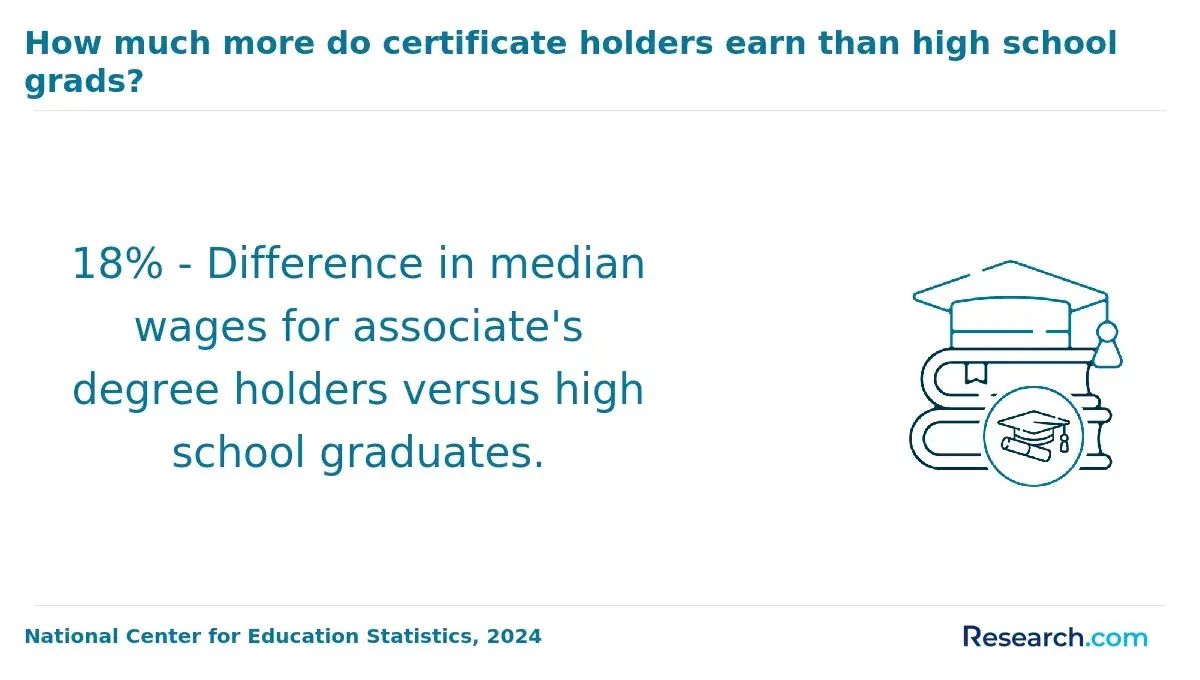
- Associate Degree in Construction Management: This entry-level option typically takes two years and focuses on core construction knowledge, including project planning, materials, basic building systems, and construction processes. It can help trade workers move toward coordination or supervisory roles and may also serve as a transfer pathway into a bachelor’s program.
- Bachelor's Degree in Construction Management: A bachelor’s degree is the most common option for students seeking broader management preparation. The curriculum usually includes construction law, cost estimating, scheduling, safety management, business fundamentals, and technical construction coursework. Many programs also include projects, simulations, internships, or capstone experiences tied to real-world decision-making.
- Master's Degree in Construction Management: A master’s degree is designed for students who already have an undergraduate degree and want advanced preparation. Programs often emphasize leadership, risk management, sustainable construction, project delivery systems, and strategic decision-making. Part-time and accelerated schedules are common because many students are already working in the field.
- Certificate Programs: Certificates are shorter and more targeted than degrees. They may focus on construction safety, BIM technology, contract management, estimating, scheduling, or green building. A certificate can be useful for updating skills, qualifying for a new responsibility, or testing the field before committing to a full degree.
- Project Management Concentration: A project management track focuses on planning, budgeting, scheduling, communication, risk control, and team leadership. It is especially relevant for students who want roles coordinating subcontractors, timelines, procurement, and client expectations.
- Sustainable Construction Focus: A sustainability-focused track emphasizes green building practices, energy-conscious design, responsible material choices, and environmentally aware construction methods. This path may appeal to students interested in innovation, compliance, and long-term building performance.
How to choose among program types
If you do not yet have college credit, compare associate and bachelor’s programs based on transferability, not just speed. If you already have a bachelor’s degree, a certificate or master’s program may be more efficient than starting another undergraduate degree. If you already work in construction, ask whether the school evaluates professional experience or industry training for credit.
How Many Credit Hours Are Required for an Online Construction Management Degree?
Credit hours are one of the clearest indicators of program length. A shorter term calendar can help you move faster, but you still need to complete the required credits unless the school accepts transfer credit, grants credit for prior learning, or offers an approved waiver. Always compare both the total credit requirement and the number of credits you personally have left after transfer evaluation.
| Degree level | Typical credit requirement | Planning note |
| Associate degree | 60-66 credit hours | Usually designed for about two years of full-time study |
| Bachelor's degree | 120-125 credit hours | May be shortened by transfer credits; some schools accept up to 75% transfer credits |
| Master's degree | 30-36 credit hours beyond the bachelor's degree | Often completed in one to two years full time, with part-time options extending up to three years |
| Doctoral degree | 60-72 credit hours after a bachelor's or 30-42 after a master's degree | Less common online and usually includes research and a dissertation |
- Associate degree: An associate degree typically requires 60-66 credit hours. Full-time students often finish in about two years, while part-time students may need longer. These programs generally include general education and foundational construction coursework.
- Bachelor's degree: A bachelor’s degree usually requires 120-125 credit hours. Full-time completion commonly takes four years. Transfer credits can reduce the remaining requirement, and some schools accept up to 75% transfer credits, but major courses, residency requirements, and upper-division requirements may still limit how quickly you can finish.
- Master's degree: A master’s degree generally requires 30-36 credit hours beyond the bachelor's degree. Full-time students may complete the program in one to two years, while part-time students may take up to three years. Some programs may offer accelerated pathways or credit waivers based on relevant professional experience.
- Doctoral degree: Online doctoral options in construction management are less common. These programs generally require 60-72 credit hours after a bachelor's or 30-42 after a master's degree. Completion varies widely because doctoral study includes advanced coursework, research, and a dissertation.
One graduate described the credit plan as a balancing act. They worked around job and family responsibilities by choosing course sequences carefully, using transfer credits where available, and avoiding terms that would overload them. That kind of planning can be the difference between steady progress and repeated delays.
What Courses Are Included in a Standard Online Construction Management Curriculum?
A strong online construction management curriculum combines technical construction knowledge with business, leadership, legal, and safety training. The goal is not only to understand how projects are built, but also how they are estimated, scheduled, staffed, documented, inspected, and delivered within budget and contract requirements.
- Introduction to construction management: Covers project delivery methods, construction phases, stakeholder roles, and the responsibilities of managers across a project life cycle.
- Construction materials and methods: Explains how materials such as concrete, steel, and wood are selected and used, and how construction methods affect cost, scheduling, quality, and sustainability.
- Construction documents and graphics: Teaches students to read and interpret drawings, blueprints, specifications, and construction documents so they can communicate accurately with designers, contractors, and clients.
- Building codes and inspection: Introduces local and national building codes, inspection processes, compliance expectations, and safety-related documentation.
- Construction estimating: Builds skills in estimating labor, materials, equipment, overhead, and project costs. This course is especially important for bidding, budgeting, and cost control.
- Construction planning and scheduling: Covers scheduling methods and tools such as CPM and Gantt charts. Students learn how to sequence activities, allocate resources, and monitor timeline risks.
- Construction safety: Focuses on OSHA regulations, hazard identification, safety planning, reporting, and the manager’s role in preventing incidents on the jobsite.
- Construction laws and contracts: Explains contract types, legal responsibilities, claims, dispute resolution, risk allocation, and documentation practices that protect project stakeholders.
- Mechanical and electrical systems: Introduces HVAC, plumbing, electrical, and related building systems so managers can coordinate trades and understand system impacts on scheduling and quality.
- Productivity and cost control: Examines labor productivity, budget tracking, variance analysis, and corrective action when projects are trending over budget or behind schedule.
- Green building trends and technology: Covers sustainable practices, emerging construction technologies, and concepts related to LEED certification and environmentally conscious building.
- Construction project management capstone: Uses an applied project, simulation, or case-based assignment to connect estimating, scheduling, contracts, safety, and team coordination in a realistic construction scenario.
- Business and management fundamentals: May include accounting, leadership, human resources, communication, organizational behavior, and decision-making courses that support advancement into management roles.
What to look for in the curriculum
Review whether the program includes software exposure, applied projects, current code and safety content, and assignments that mirror actual construction documents. A curriculum that is too theoretical may be less useful for students trying to move quickly into project coordination, estimating, or field supervision.
How Often Do Online Construction Management Programs Start During the Year?
Online construction management programs may start once per semester, several times per year, or on a rolling basis. More start dates can help you begin sooner, but they do not always mean you will graduate faster. The real question is whether required construction management courses are available often enough for you to maintain your preferred pace.
- Traditional academic calendar with multiple terms: Many universities use fall, spring, and summer terms, sometimes with additional sessions inside those terms. Students may choose standard 15-week courses or shorter sessions lasting around 7.5 weeks. This format works well for students who want predictable deadlines and a familiar academic rhythm.
- Accelerated, year-round enrollment: Some programs offer several start dates annually and accelerated sessions as short as 5 weeks. This structure can help motivated students maintain continuous progress, especially when summer and winter terms are available.
- Monthly or flexible start dates: Certain institutions use rolling admissions or monthly start dates. This can be useful if you want to begin soon rather than wait for the next semester, but you should confirm how quickly you can access major-specific courses.
- Semester-based multiple starts: Some programs follow fall, spring, and summer starts while still offering online flexibility and weekly faculty interaction. This option may be a good middle ground for students who want structure without giving up online access.
Questions to ask before choosing a start date
- Are construction management core courses offered every term or only once per year?
- Can new students begin with major courses, or must they complete general education first?
- Are accelerated sessions available for upper-division courses?
- What happens if you need to pause for a term because of work or family obligations?
How Much Faster Can You Complete an Accelerated Online Construction Management Degree?
An accelerated online construction management degree can shorten the path substantially, but the exact time savings depend on transfer credits, course intensity, and whether required classes are available year-round. Some students benefit most from acceleration because they already know the field; others may find the pace too demanding if they are also learning construction fundamentals for the first time.
- Shorter course terms: Accelerated programs often use 5 to 8 weeks instead of the usual 15 weeks. This allows students to complete more courses across a year. In some cases, students may graduate in as little as 12 to 18 months, compared with the standard four years for a bachelor's degree.
- Year-round enrollment: Programs with summer and winter terms reduce downtime between courses. Continuous enrollment can speed completion, but it also leaves fewer breaks for demanding work seasons or personal obligations.
- Transfer credits: Prior college coursework, professional training, military experience, or work history may be evaluated for credit. This can sharply reduce the remaining course load and sometimes enable degree completion in as little as two years for undergraduates and 18 months or less for master's students.
- Dual-degree and graduate credit options: Some pathways let students apply graduate-level coursework toward undergraduate requirements. This can shorten the time to earn both degrees by up to a full academic year.
- Self-paced and competency-based learning: These models allow students to advance by demonstrating mastery rather than spending a fixed amount of time in each course. They can be efficient for experienced learners but require discipline, documentation, and consistent progress.
If speed is your main priority, compare credit-transfer rules, term length, course sequencing, and workload expectations against an accelerated construction management degree online resource before assuming the shortest advertised timeline will apply to you.
One graduate of an online accelerated construction management degree described the experience as both practical and demanding. Self-paced courses made it possible to keep working full time, but overlapping course terms required strict weekly planning. The faster format was worthwhile because the skills were immediately useful at work, yet the graduate noted that success depended on staying organized without the routine of in-person class meetings.
Does Finishing an Online Construction Management Degree Faster Save You Money?
Finishing faster can save money, but it is not guaranteed in every case. The savings are strongest when acceleration reduces the number of terms you pay fees for, helps you avoid tuition increases, lets you keep working, and moves you into higher-paying roles sooner. However, an accelerated schedule can become costly if it leads to failed courses, withdrawals, or reduced work income that you did not plan for.
- Lower tuition costs: Many programs charge tuition by credit hour, so acceleration does not always reduce the base tuition for required credits. However, finishing faster can reduce the number of semesters enrolled, limit recurring fees, and reduce exposure to yearly tuition increases. This is where tuition reduction by completing construction management degree faster may occur.
- Reduced living expenses: Online students may avoid relocation and commuting costs, but they still pay for housing, utilities, technology, and daily expenses. Finishing sooner can reduce the number of months spent budgeting around school obligations.
- Earlier entry into the workforce: Graduates who complete sooner may enter or advance in the workforce earlier. Median salaries for construction managers often exceeding $90,000 per year can make timing meaningful, especially for students moving from hourly trade work or lower-paying support roles into management-track positions.
- Less time off work: A well-designed accelerated program may allow students to keep working while studying. If the pace forces you to reduce hours or take unpaid leave, the financial benefit may shrink. Compare the cost savings of accelerated online construction management degree completion with any potential lost wages.
Students comparing fast graduate pathways in other fields may also find it useful to review programs described as the easiest PhD without dissertation online, though construction management students should focus first on accreditation, transfer policy, curriculum fit, and employer relevance.
How Soon Can Graduates Start Working After Earning Their Online Construction Management Degree?
Graduates can often begin applying for construction management, project coordination, estimating, scheduling, or assistant project manager roles before they finish the degree. The transition is usually fastest for students who already have construction experience, internships, employer connections, or a portfolio of applied coursework. How quickly can you get a construction management job after graduation depends less on the online format and more on your experience, location, network, and ability to show practical project skills.
Online programs can be helpful because many students continue working, interning, or networking while enrolled. That means they may graduate with both a credential and recent field exposure. Programs from institutions like Northern Michigan University encourage practical experience that complements academic learning, which can support stronger online construction management degree job prospects.
Ways to shorten the job-search timeline
- Use course projects to build examples of estimates, schedules, safety plans, and construction documentation.
- Ask instructors, employers, or internship supervisors for references before graduation.
- Apply for assistant-level and coordinator roles while completing the final term.
- Track software tools, project types, and field experience clearly on your resume.
- Verify whether roles in your state or specialty require additional licenses, certifications, or experience beyond the degree.
Students comparing cost-conscious pathways can start by reviewing affordable online universities that accept FAFSA, then narrowing options by construction management curriculum, student support, transfer credit, and employer recognition.
How Much Do Online Construction Management Graduates Earn on Average?
Online construction management graduates in the United States typically earn between $66,000 and $107,000 per year, depending on experience, role, employer, location, and specialization. The diploma format matters less than the graduate’s skills, project experience, software familiarity, leadership ability, and fit for the local construction market.
- Entry-level roles: Graduates starting as assistant construction managers or project engineers typically earn $66,000 to $74,000 annually. Location, employer size, internships, trade experience, and technical skills can influence starting pay.
- Mid-career professionals: With several years of experience, construction managers may move into project manager or site supervisor roles earning between $80,000 and $98,000. Strong scheduling, budgeting, communication, and problem-solving skills often support advancement.
- Specialized positions: Professionals focused on cost estimation, scheduling, or contract administration earn an estimated $72,000 to $90,000. Pay can vary by niche expertise and sector, including commercial versus residential construction.
- Leadership roles: Experienced construction managers overseeing large projects earn median annual wages of about $106,980 as of 2024. Compensation may be higher at major firms or in high-growth regions, especially when bonuses and profit sharing are part of the package.
- Industry variations: Graduates may also work in related areas such as technology or infrastructure project management, with median salaries near $99,000. Construction management degree salaries by state can differ significantly because wages are tied to local demand, project scale, cost of living, and regional development activity.
Completing a degree faster can move you toward these earnings sooner, but salary growth still depends on performance and experience. Students who want to broaden their qualifications may compare dual degree programs online to see whether combining construction management with business, engineering management, sustainability, or project management aligns with long-term career goals.
Here's What Graduates of Online Construction Management Programs Have to Say About Their Degree
Graduate experiences can reveal what program brochures often leave out: the workload, the value of applied assignments, the importance of time management, and the way online study fits around job and family responsibilities. The following comments highlight common benefits and trade-offs reported by online construction management students.
- Sean: "Finishing my online construction management degree gave me the flexibility to balance work, family, and education without sacrificing quality. The program's hands-on approach and knowledgeable instructors prepared me to confidently lead projects right after graduation. It was truly rewarding to see theory come alive through virtual simulations and real-world case studies. I now work as a project manager and feel equipped to tackle any challenge that comes my way."
- Ejay: "The experience of earning an online construction management degree was transformational both personally and professionally. Navigating coursework remotely forced me to develop stronger time management and communication skills, which are invaluable on construction sites today. I appreciate how the program integrated sustainability-focused modules, inspiring me to contribute to greener building practices in my community. This degree has opened doors for career advancement and meaningful impact in urban development."
- Jhonny: "As someone coming from a non-traditional background, enrolling in an online construction management program was a game-changer. The ability to learn at my own pace while maintaining a full-time job allowed me to build competencies without financial strain. The curriculum emphasized leadership and risk assessment, which helped me secure a supervisory role within months of graduating. It's exciting to work in an industry where I can lead projects that shape our city's future."
Other Things You Should Know About Online Construction Management Degree Programs
To enroll in an online Construction Management degree program, applicants typically need a high school diploma or equivalent. Some programs may require prerequisite courses in mathematics or physical science. Check the specific entry requirements of the institution for details.
Many programs use virtual simulations, case studies, and interactive projects to replicate practical experiences. Some may also offer optional on-site internships or partnerships with local construction firms to provide real-world exposure.
Yes, online Construction Management degrees should be accredited by recognized bodies such as the American Council for Construction Education (ACCE) in 2027. Accreditation ensures that the program meets industry standards and enhances the degree's credibility and acceptance in the professional field.
The duration of an online Construction Management degree in 2027 depends on factors like full-time or part-time study, course load per semester, prior credits transferred, and the institution's curriculum design. Typically, these programs can range from 18 months to 4 years.
References
- Construction Management https://cpe.ucdavis.edu/subject-areas/construction-management
- Online Construction Management Degrees: Everything You Need To Know https://www.forbes.com/advisor/education/engineering/construction-management-degree/
- Bachelor of Science in Construction Management https://degree.astate.edu/online-programs/undergraduate/organizational-leadership/bs-construction-management/
- How to Get Started in Construction Management After Graduating https://aic-builds.org/how-to-get-started-in-construction-management-after-graduating/
- How to Get an Online Construction Management Degree https://www.evergladesuniversity.edu/blog/how-to-get-an-online-construction-management-degree/
- Online Construction Management Program | Technology and Occupational Sciences https://nmu.edu/tos/construction-online
- Online Construction Management Degree https://online.lsu.edu/online-degree-programs/undergraduate/bs-construction-management/
- Construction Technology Degree https://www.pennfoster.edu/programs/trades/construction-technology-associate-degree