2027 Online vs On-Campus Construction Management Degree Programs: Pros & Cons

Co-Founder and Chief Data Scientist
Choosing between an online and an on-campus construction management degree is really a choice about how you want to build career-ready skills: through a flexible digital format, a more structured campus environment, or a blend of both. The decision matters because construction management is an applied field. Employers expect graduates to understand scheduling, estimating, contracts, safety, leadership, project controls, and jobsite coordination—not just theory.
The growth of online construction management degrees reflects a larger shift in higher education, with enrollment in online programs increasing by over 20% in recent years according to the National Center for Education Statistics. For working adults, military students, parents, and students far from a campus, online study can make a degree possible. For students who want in-person labs, campus recruiting, and frequent face-to-face collaboration, on-campus study may still be the stronger fit.
This guide compares online and on-campus construction management programs across structure, admissions, support, completion time, cost, financial aid, credibility, employer perception, salary outcomes, and student fit. The goal is not to declare one format universally better, but to help you choose the option that matches your schedule, budget, learning style, and career plans.
Key Benefits of Online vs On-Campus Construction Management Degrees
- On-campus construction management degrees facilitate direct, hands-on experience with industry-standard equipment and in-person networking, which 80% of graduates say improves job placement rates.
- They often provide access to diverse course offerings and instructors nationwide, enhancing learning opportunities beyond local limitations reported by 65% of online learners.
- Online construction management programs offer flexibility for working professionals, allowing them to balance studies with job responsibilities, a factor cited by 70% of students as crucial for enrollment.
Are Online vs. On-Campus Construction Management Programs Structured the Same Way?
Online and on-campus construction management programs usually cover similar academic ground, but they are not structured the same way. Both formats may include courses in construction methods, estimating, scheduling, safety, contracts, building systems, project management, and leadership. The main difference is how students complete the work, interact with others, and gain applied experience.
For many students, this structural difference is the most important factor. A strong online program can be academically rigorous, but it requires more self-direction. A campus program offers more built-in routine and in-person access, but it requires students to live near campus or commute regularly.
- Course delivery: Online programs typically use learning management systems, recorded or live lectures, virtual assignments, discussion boards, and digital project tools. On-campus programs rely more on classroom instruction, labs, studio-style work, site visits, and in-person group activities.
- Schedule design: Online courses are often asynchronous, meaning students can complete weekly work at times that fit their schedule. Some programs also offer accelerated or self-paced options. On-campus programs usually follow a fixed semester calendar with scheduled class meetings, labs, and exams.
- Faculty and peer interaction: Online students communicate through video meetings, email, chat, forums, and shared project platforms. This can work well for disciplined students but may feel less spontaneous. Campus students can ask questions before or after class, join informal study groups, and build relationships through repeated in-person contact.
- Applied learning: Construction management is practical, so field exposure matters. On-campus programs may have easier access to labs, site visits, campus-based equipment, and regional employer partnerships. Online programs may use simulations, case studies, software-based assignments, and locally arranged internships or field experiences.
- Student independence: Online students usually carry more responsibility for time management, technology setup, and arranging local experiences when required. On-campus students receive more structure, but less flexibility.
Students who want flexibility without giving up degree-level preparation may want to compare a construction management degree online with local campus options before deciding which format fits their responsibilities and career timeline.
Are Admission Requirements the Same for Online vs On-Campus Construction Management Degree Programs?
Admission requirements are often similar because colleges generally hold online and on-campus construction management students to the same academic standards. A degree should represent the same level of preparation regardless of delivery format. However, online programs may evaluate applicants more closely for independent learning readiness, transfer history, and professional experience.
The biggest differences tend to appear in programs designed for adult learners, degree-completion students, or working professionals. These programs may offer more flexible testing policies, broader transfer credit review, or additional pathways for applicants with industry experience.
- Academic qualifications: Undergraduate programs typically require a high school diploma or GED. Graduate programs generally require a bachelor's degree. Minimum GPA expectations often fall around 3.0, although exact requirements vary by institution and program level.
- Standardized test scores: SAT or ACT scores may be required for undergraduate admission in both formats, but some online programs waive these requirements for adult or transfer applicants. Graduate programs may request GRE or GMAT scores, though waivers may be available based on prior academic performance or work experience.
- Work experience: Most traditional bachelor's programs do not require construction experience. However, online bachelor's completion programs and some master's programs may prefer or require relevant professional experience because they are often designed for students already working in construction, engineering, architecture, facilities, or project coordination.
- Application materials: Both formats commonly require transcripts, application forms, essays or statements of purpose, and sometimes letters of recommendation. Online programs may use essays or interviews to assess whether students understand the discipline, can manage deadlines, and are comfortable with technology-supported learning.
- Transfer credit policies: Online programs frequently serve transfer and returning students, so they may have more flexible credit evaluation processes. Students with prior college coursework should ask how many credits can transfer, whether technical credits count, and whether credits must come from regionally accredited institutions. This flexibility can support accelerated online undergraduate degrees for working adults.
Before applying, compare the admission checklist, transfer limits, test policies, and accreditation status for each program. A program that looks convenient may not be the best option if it accepts few transfer credits or lacks the academic recognition needed for your career goals.
Do Online Construction Management Students Receive the Same Academic Support as On-Campus Students?
Online construction management students can receive academic support comparable to on-campus students, but the delivery method is different. The quality of support depends less on whether the program is online and more on how well the institution has designed advising, tutoring, faculty access, career services, and technical help for remote learners.
A good online program should not leave students to figure everything out alone. Before enrolling, ask whether services are available after normal business hours, whether advisors understand construction management requirements, and whether online students can access the same career resources as campus students.
- Tutoring services: Both formats may provide tutoring in math, writing, estimating, scheduling, project management, and software-related coursework. Online tutoring is often delivered through video calls, chat, shared screens, or appointment-based platforms. Campus tutoring may be easier for students who prefer face-to-face help.
- Academic advising: Online students should have access to advisors who can help with course sequencing, transfer credits, prerequisite planning, and graduation requirements. On-campus students may be able to drop in for advising more easily, but strong online programs offer scheduled virtual appointments and responsive communication.
- Career counseling: Career services may include resume reviews, interview preparation, job boards, employer events, and internship support. Online students may attend virtual workshops and remote advising sessions, while campus students may have more frequent access to in-person career fairs and recruiter visits.
- Library access: Digital libraries give both online and on-campus students access to e-books, journals, databases, research guides, citation tools, and librarian support. On-campus students may also use physical study spaces and print collections.
- Faculty interaction: Online communication usually happens through video conferencing, discussion boards, email, and messaging tools. On-campus students can meet faculty during office hours, after class, or at department events. In either format, students should look for faculty with relevant academic and industry experience.
- Peer collaboration: Construction management coursework often includes group estimates, scheduling exercises, project plans, safety analyses, and case studies. Online students collaborate through shared documents and virtual meetings, while campus students may benefit from more natural in-person teamwork.
- Technical support: Online students depend heavily on reliable platforms, software access, and help desk support. Ask whether technical assistance is available when assignments are due, not only during standard office hours.
The best way to evaluate support is to ask specific questions: How quickly do faculty respond? Are tutoring appointments available remotely? Do online students receive internship help? Are construction management software tools included? Clear answers are a sign that the program is built for online learners rather than simply posting campus courses online.
Completion time depends on degree level, transfer credits, enrollment intensity, course availability, and whether the program follows a traditional semester calendar or a more flexible online schedule. Many bachelor's programs are designed around a four-year timeline, but online students may have more options to accelerate or slow down depending on work and family obligations.
The format can affect pace in practical ways. Online programs may offer more start dates, year-round courses, and asynchronous schedules. On-campus programs may provide more predictable sequencing but less flexibility if required courses are offered only during certain semesters.
- Online Construction Management Degree: Most online programs allow completion in about four years on average, but accelerated tracks enable students to finish sooner, even within six months per semester depending on their study pace. Online programs may also allow year-round enrollment, heavier course loads, and continued study while working full time. This format can be especially useful for students who already have transfer credits or construction experience.
- On-Campus Construction Management Degree: Traditional on-campus degrees generally require four full academic years of study and follow fixed academic terms. Students attend scheduled classes, labs, and campus activities. Some colleges offer summer courses, transfer credit options, or year-round attendance, but the standard path remains more structured than many online accelerated options.
Faster is not always better. Construction management students should avoid overloading themselves if they are also working on jobsites, managing family responsibilities, or taking technical courses that require substantial practice. A realistic pace improves retention, performance, and completion odds.
A professional who completed an online Construction Management degree described program length as one of the biggest advantages. While working full time and managing family responsibilities, he used the self-paced structure to adjust his course load around busy periods at work. “I was able to tailor my course load to fit busy periods at work and slow down when necessary,” he explained. Instead of following a strict campus calendar, he completed courses as his schedule allowed and finished the degree in just under three years, faster than the standard four-year timeline he expected. He added, “The ability to manage my own pace without sacrificing quality made all the difference in finishing the program efficiently and confidently.”
Online construction management programs are often cheaper in total cost, but they are not always cheaper in tuition. The main savings usually come from avoiding housing, meal plans, commuting, parking, relocation, and some campus-based fees. Students should compare the full cost of attendance, not just the posted tuition rate.
Cost differences can be especially important for students who plan to keep working while enrolled. An online program may reduce both direct education costs and indirect costs, such as lost income from leaving a job or moving to campus.
- Tuition and fees: Online construction management programs usually charge between $119 and $900 per credit hour, with annual tuition often ranging from $6,000 to $28,000. Some online programs offer flat-rate tuition regardless of residency, which can help out-of-state students. Other universities charge similar tuition for online and campus students, so direct comparison is necessary.
- Living expenses: On-campus students may need to pay for room and board, meal plans, commuting, parking, and relocation. These costs can add thousands of dollars annually. Online students usually avoid most of these expenses by studying from home.
- Technology costs: Online students need a dependable computer, stable internet, webcam access, and sometimes specific software. They may also pay technology, online course, or proctoring fees. These costs matter, but they are usually smaller than campus housing and relocation expenses.
- Course materials and campus fees: Some online programs include digital textbooks or learning materials in tuition. Campus students may pay separately for books, lab materials, student activities, and facility fees. Online learners should still check for hidden fees tied to software, exams, or remote proctoring.
- Financial aid availability: Students in accredited online and on-campus programs may qualify for federal financial aid, scholarships, and grants. However, some aid may be limited by enrollment status, residency, degree level, or program approval. Always confirm eligibility before assuming a lower-cost program will be affordable after aid.
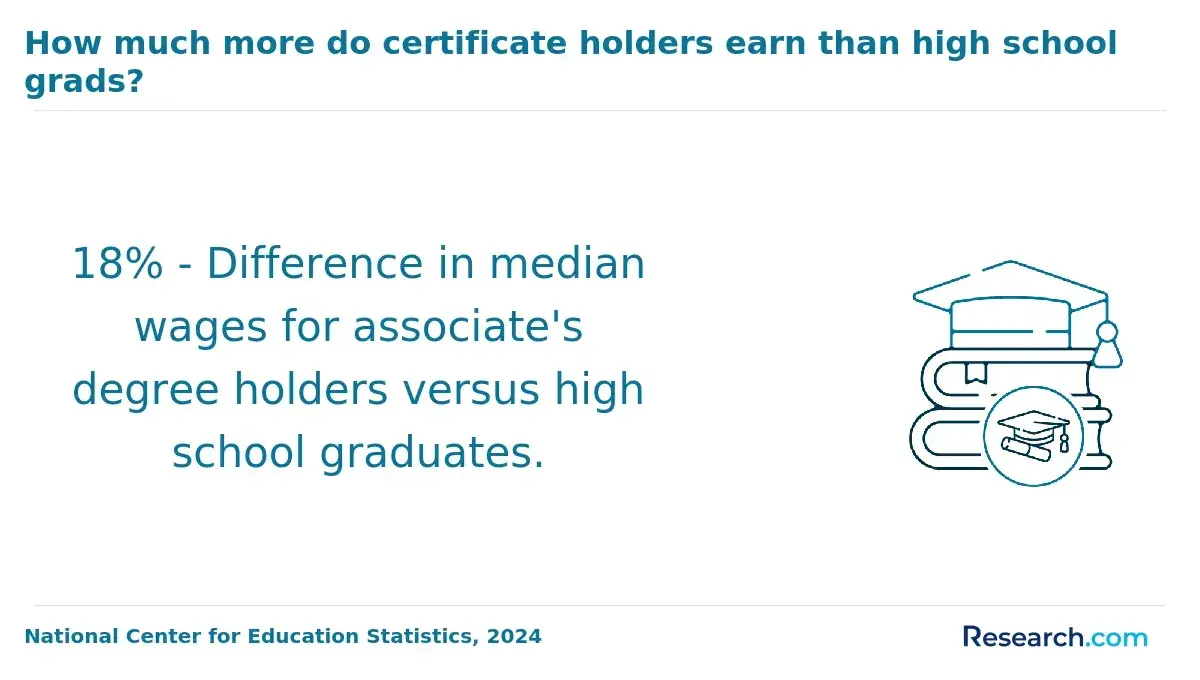
Online degrees from accredited institutions are increasingly accepted by employers, especially when the curriculum, faculty, and learning outcomes match campus standards. Students who need a shorter credential before committing to a full degree may also compare fast certificate programs that pay well with degree options, but certificates and degrees serve different career purposes.
Financial aid options can be similar for online and on-campus construction management students, as long as the school and program meet eligibility requirements. The key issue is not simply whether the program is online. Students need to verify accreditation, degree status, enrollment intensity, residency rules, and whether the institution participates in federal aid programs.
Before choosing a program, request a full aid estimate and compare net price after grants, scholarships, loans, employer reimbursement, and required fees. A lower tuition rate is helpful, but the best financial choice is the program you can complete without taking on unnecessary debt.
- Federal Financial Aid: Students in accredited online and on-campus construction management programs usually qualify for federal aid such as Pell Grants, work-study opportunities, and federal student loans by submitting the FAFSA. Some online programs, especially those without regular degree-granting status or full accreditation, may restrict federal aid eligibility. Verification is essential before enrollment.
- State Financial Aid: State grants and scholarships often depend on residency, institution approval, and enrollment in an eligible program. On-campus students attending public institutions in their home state may have more straightforward access. Online students living out-of-state should ask whether they qualify for state aid tied to either their residence or the school’s location.
- Scholarships and Grants: Both online and on-campus students can apply for scholarships from universities, construction associations, foundations, employers, and community organizations. Some awards are limited to campus students or specific departments, while others are open to online learners nationwide. Review eligibility details carefully.
- Employer Tuition Reimbursement: Construction companies, contractors, engineering firms, public agencies, and facilities organizations may reimburse employees for job-related education. Online programs can be attractive for working professionals because students can continue working while completing coursework. Employer policies may require minimum grades, continued employment, or approval before registration.
- Private Student Loans: Private lenders may offer loans to students in accredited online and on-campus programs. Because private loans vary widely in rates, repayment terms, and borrower protections, they should be compared carefully with federal loan options.
Students researching affordable online education can also review cheap online doctorate options to understand how online program structures, tuition models, and aid policies may differ across degree levels.
Online construction management programs can be as credible as on-campus programs when they are offered by reputable institutions, use qualified faculty, meet recognized academic standards, and hold appropriate accreditation. Credibility comes from program quality and outcomes, not from the classroom format alone.
Accreditation is especially important. Programs recognized by the American Council for Construction Education (ACCE) must meet defined standards for curriculum, faculty, assessment, and learning outcomes. Accreditation helps signal that students are studying core construction management competencies, including project planning, estimating, scheduling, safety, contracts, leadership, and technical construction knowledge.
Many universities now use the same faculty, curriculum, course outcomes, and degree title for online and on-campus students. In those cases, the online format changes how students access instruction but not necessarily what they are expected to learn. Students should confirm whether the diploma or transcript identifies the delivery format and whether the online program is housed in the same academic department as the campus version.
Employers, licensing-related entities, and graduate schools typically pay close attention to the institution, accreditation, curriculum, and demonstrated skills. The mode of delivery may matter less when the program is properly accredited and connected to real construction practice. However, students should be cautious with programs that lack transparency about accreditation, faculty credentials, internship expectations, or graduate outcomes.
Advances in virtual learning, project simulations, construction software, remote collaboration tools, and industry partnerships have improved the credibility of online construction management education. Some institutions report job placement rates exceeding 90% within nine months of graduation for all formats, but students should ask how placement is measured and whether the figure applies to their specific program.
Many employers now view accredited online and on-campus construction management degrees as comparable, especially when the degree comes from a recognized college or university with a strong industry reputation. Hiring decisions usually depend more on skills, experience, internships, references, software proficiency, communication ability, and leadership potential than on whether courses were completed online or in person.
Research indicates that 61% of human resource managers perceive online learning quality to be on par with or better than traditional formats, with 92% favoring online degrees if they are issued by established brick-and-mortar schools. This distinction matters. A degree from a known institution with a physical campus may carry more employer confidence than one from an institution operating exclusively online.
Degrees from institutions operating exclusively online tend to receive less favorable consideration, with only about 42% of employers willing to consider those applicants. That does not mean all online-only institutions lack value, but it does mean students should evaluate reputation, accreditation, career outcomes, and employer recognition carefully before enrolling.
The growth of remote and hybrid work has also changed employer attitudes. Surveys show that over 70% of organizations have employed candidates with online degrees within recent years. Still, applicants should be prepared to show evidence of job-ready ability through internships, portfolios, capstone projects, field experience, certifications, software skills, and strong references.
For construction management graduates, the strongest hiring signal is often applied competence. Employers want people who can coordinate teams, read plans, understand budgets, manage schedules, communicate with owners and subcontractors, and respond to jobsite problems. A well-designed online program can build those skills, but students may need to be more intentional about gaining field exposure and networking.
One professional who entered the workforce with an online construction management degree said accreditation and industry connections mattered most during her job search. “My degree was online, but the emphasis was always on practical skills and real-world projects, which employers recognized immediately.” She added that networking opportunities through the program helped her secure an internship that became a full-time position. Her experience shows that program quality and demonstrated competence can reduce concerns about delivery format.
Online and on-campus construction management graduates can earn similar salaries when they graduate from comparable accredited programs and have similar experience, location, skills, and employer access. Salary differences are usually driven less by format and more by the graduate’s work history, role, region, employer type, program reputation, and ability to manage real projects.
Students should be careful when comparing salary claims. A campus program with strong regional employer relationships may produce strong entry-level outcomes. An online program may enroll working professionals who already have construction experience and use the degree to move into management, which can also lead to strong earnings.
- Employer perception of online degrees: Accredited online degrees are widely accepted when they come from reputable institutions. Employers generally focus on whether graduates can perform the work, communicate effectively, and contribute to projects, rather than on the delivery format alone.
- Accreditation and program reputation: Degrees from accredited and well-regarded programs—whether online or on campus—can support better hiring and advancement opportunities. Accreditation reassures employers that the curriculum meets recognized standards.
- Work experience and networking: On-campus programs may offer easier access to internships, job fairs, student chapters, and local employer events. Online students may already be employed in the field and may bring practical experience that improves salary prospects. Both pathways can be effective, but the route to opportunity may differ.
- Geographic flexibility and cost savings: Online students can often remain employed while studying, avoiding relocation and reducing income disruption. This can improve their overall financial position even if starting salaries are similar to those of campus graduates.
- Salary data and career outcomes: National median wages for construction managers do not significantly differ based on degree format. Entry-level salaries range from $60,000 to $75,000, with degree holders earning substantially more than non-degree holders. Job market data show no statistically meaningful salary gap when accounting for school reputation and accreditation.
Students comparing return on investment should look beyond first-year salary. Consider tuition, debt, lost wages, internship access, promotion potential, employer reimbursement, and whether the degree helps you qualify for the roles you actually want. Prospective students can also review the most affordable online colleges when trying to balance program cost with long-term earning potential.
The right format depends on your schedule, learning preferences, finances, location, and career stage. Online programs are often best for students who need flexibility, already work in construction, or cannot relocate. On-campus programs may be better for students who want a structured environment, frequent in-person collaboration, and easier access to campus facilities and local recruiters.
Use the following factors to make a practical decision:
- Learning style: Choose on-campus study if you learn best through live discussion, immediate feedback, hands-on labs, and face-to-face accountability. Choose online study if you are self-directed, organized, comfortable with digital tools, and able to complete work without a fixed classroom schedule.
- Schedule and responsibilities: Online degrees offer more flexibility for working adults, parents, military students, and students with irregular schedules. On-campus programs require more predictable availability for classes, labs, commuting, and campus activities.
- Budget and total cost: Online programs may reduce housing, transportation, parking, and relocation costs. On-campus programs may cost more overall but can provide stronger access to campus-based resources. Compare net price after financial aid, not just tuition.
- Field experience: Construction management requires practical exposure. If you study online, ask how internships, site visits, labs, simulations, and local field experiences are handled. If you study on campus, ask which employers recruit from the program and how students secure internships.
- Networking opportunities: Campus students may have more natural access to classmates, faculty, alumni, recruiters, and student organizations. Online students should look for programs that offer virtual networking, career events, employer connections, mentorship, and active alumni engagement.
- Technology and software access: Construction management students may need estimating, scheduling, project management, collaboration, or design-related tools. Ask whether software is included, whether remote access is available, and whether training is built into coursework.
- Accreditation and reputation: Do not choose a program based on convenience alone. Verify institutional accreditation, construction-specific accreditation where relevant, faculty qualifications, curriculum quality, and graduate outcomes.
If you want to compare specific schools, a list of nationally accredited colleges can help you begin identifying programs that meet recognized quality standards.
Here's What Graduates of Online vs On-Campus Construction Management Programs Have to Say About Their Degree
-
: "The hybrid construction management program was the right balance for me. I could meet classmates, faculty, and industry guests during campus sessions, then complete online coursework around my work schedule. That mix helped me build professional confidence while staying employed. It also gave me the flexibility to keep contributing to sustainable building projects in my community.
—Carmen"
-
: "Studying construction management on campus gave me a sense of community that shaped how I learned. Working with classmates in labs and on construction-related projects helped me build practical confidence. I also valued learning directly from industry professionals and making connections that still support my career. The hands-on environment helped prepare me for leadership responsibilities early on.
—Emily"
-
: "Completing my construction management degree online made it possible to balance work, family, and school without putting my career on hold. The virtual classroom was more engaging than I expected, and my instructors were accessible even from a distance. The degree helped me move toward project management roles, and my employer recognized the discipline and time-management skills I developed through online learning.
—Jose"
Other Things You Should Know About Online & On-Campus Construction Management Degree Programs
In 2027, online construction management programs often struggle with issues like maintaining engagement without face-to-face interaction, ensuring practical, hands-on experience, and internet connectivity concerns that can disrupt learning. Finding programs that balance these challenges while offering flexibility and comprehensive digital resources is crucial.
The learning experience differs mainly in interaction and flexibility. On-campus programs offer face-to-face interactions with peers and instructors, while online programs provide flexible schedules and digital communication tools. Each format offers unique advantages suited to different learning styles and personal circumstances.
- BSc (Hons) Construction Management https://www.ube.ac.uk/undergraduate/construction-management/
- Online Education vs. On-Campus Tuition: How ACE Online Degree Programs Help Keep Your Costs Down | ACE Blog https://ace.edu/blog/online-education-vs-on-campus-tuition-how-ace-online-degree-programs-help-keep-your-costs-down/
- Construction Management Bachelor's Degree https://ccaps.umn.edu/construction-management-bachelors-degree
- Online Vs On-Campus Learning: Which Mode Of Study Suits You Better? https://www.unicaf.org/online-university-vs-on-campus/
- Online and on-campus colleges | University of Phoenix https://www.phoenix.edu/blog/cost-of-online-vs-traditional-college.html
- Construction Management Certificate vs Degree https://online.lsu.edu/newsroom/articles/a-construction-management-certificate-vs-degree/
- How to Get an Online Construction Management Degree https://www.evergladesuniversity.edu/blog/how-to-get-an-online-construction-management-degree/
- Online Degree vs On-Campus Degrees https://www.online.drexel.edu/news/online-degree-vs-traditional-degree.aspx
- What Employers Really Think about Your Online Degree https://bachelors-completion.northeastern.edu/knowledge-hub/are-online-degrees-respected/