2027 Return on Investment (ROI) of a Construction Management Degree Program

Co-Founder and Chief Data Scientist
A construction management degree can pay off, but only if the cost, schedule, credential quality, and likely career outcomes make sense for your situation. The decision is not simply whether construction is a growing field; it is whether the degree helps you earn more, move into management faster, or qualify for roles you could not reasonably reach through experience alone.
According to the U. S. Bureau of Labor Statistics, employment in construction management is projected to grow 11% from 2022 to 2032, faster than the average for all occupations. That demand can strengthen the value of a degree, especially for students aiming for project management, estimating, superintendent, safety, infrastructure, or owner-representative roles. Still, ROI varies widely based on tuition, debt, work experience, program format, location, and employer expectations.
This guide explains how to evaluate the financial return of a construction management degree, including program costs, financial aid, completion time, online versus on-campus formats, salary expectations, promotions, high-ROI industries, accreditation, and graduate perspectives.
Key Things to Know About Construction Management Degree ROI
- Graduates in construction management typically see a median salary of approximately $97,000 annually, reflecting a competitive earning potential compared to other industry roles.
- Career advancement is robust, with many professionals progressing to project manager or executive positions within 5-7 years, increasing long-term income significantly.
- The construction industry's consistent demand offers strong job stability and flexibility, as skills apply across commercial, residential, and infrastructure projects nationwide.
How Is ROI Calculated for a Construction Management Degree Program?
ROI for a construction management degree compares what you spend and give up to earn the credential against the additional income and career mobility it may create after graduation. A useful ROI estimate should include both visible costs, such as tuition, and less obvious costs, such as lost income if you reduce work hours while studying.
Simple ROI formula: compare total degree-related costs with the increase in earnings you expect after graduation. The stronger the salary gain and the lower the cost, the faster the degree can pay for itself.
- Tuition and fees: Include tuition, university fees, books, materials, software, and required academic expenses. These are the most direct costs you must recover through future earnings.
- Opportunity cost: If you leave a job, reduce hours, or delay advancement while enrolled, that lost income is part of the investment. This is especially important for students who already work in construction.
- Time to completion: A shorter path can improve ROI because you return to full earning potential sooner. A longer path may still be worthwhile if it lets you keep working and avoid excessive debt.
- Post-graduation salary: Starting pay matters, but ROI should also consider how quickly the degree helps you move into higher-responsibility roles.
- Long-term advancement: The degree may have its strongest value when paired with field experience, leadership ability, estimating skills, scheduling knowledge, and safety or project controls expertise.
Students comparing ROI across education paths should use the same framework for every option: total cost, time out of the workforce, debt burden, job-market demand, and realistic earnings. For example, affordability-focused resources such as online BCBA program comparisons can show how other fields weigh cost against career outcomes.
How Much Does a Construction Management Degree Program Cost?
The true cost of a construction management degree is more than the tuition listed on a program page. A realistic budget should include academic expenses, living or commuting costs, financing costs, and any income you may lose while enrolled. With the average graduate student debt in the U.S. surpassing $66,000, students should estimate total cost before committing to a program.
The main cost categories include:
- Tuition and fees: Public and private institutions can differ substantially in price. In-state tuition, online tuition policies, and per-credit fees can also change the final amount.
- Books and materials: Construction management students may need textbooks, estimating tools, scheduling software, plan-reading resources, safety materials, or technical subscriptions.
- Living, commuting, or relocation expenses: On-campus students may need to pay for housing, transportation, parking, or relocation. These costs can materially change ROI even when tuition appears affordable.
- Opportunity cost: Students who study full time may lose wages or delay promotions. Working students may protect income but take longer to graduate.
- Hidden or indirect costs: Technology fees, lab fees, exam costs, software licenses, graduation fees, and certification-related expenses can add up.
How to estimate your real cost
Before enrolling, ask the school for a full cost of attendance and compare it with your own budget. Include debt repayment, not just the amount borrowed. A lower-cost program may produce better ROI if it is accredited, respected by employers, and flexible enough to let you keep working.
A recent construction management graduate described the cost issue clearly: tuition was predictable, but software licenses, certification-related fees, and reduced work hours created pressure throughout the program. His biggest lesson was to budget for the entire student experience, not just the bill from the college.
What Financial Aid Is Available for Construction Management Degree Programs?
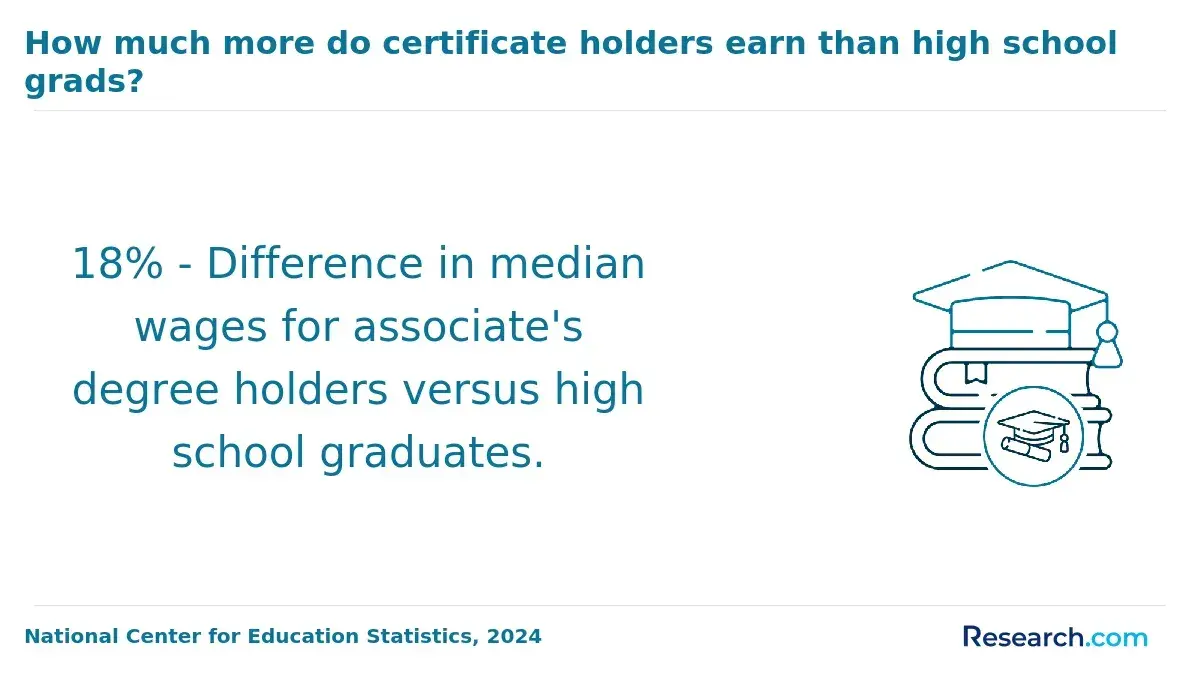
Financial aid can improve ROI by reducing the amount you pay out of pocket or borrow. Recent studies show that nearly 70% of graduate students utilize some form of financial support, which makes aid planning a practical part of the degree decision rather than an afterthought.
Common financial aid options include:
- Scholarships: Scholarships may be based on academic achievement, financial need, professional goals, military status, employer affiliation, or construction-industry involvement. Because they do not require repayment, they directly improve ROI.
- Grants: Grants are often need-based and can reduce the net cost of attendance. Students should check institutional, state, and federal eligibility requirements.
- Fellowships: Fellowships may cover tuition, provide stipends, or support research or professional development. They are often competitive but can substantially lower costs.
- Employer Tuition Assistance: Construction firms, engineering companies, public agencies, and related employers may help pay tuition for workers pursuing relevant degrees. Review repayment conditions, service commitments, grade requirements, and eligible programs before relying on this benefit.
- Federal Student Loans: Federal loans must be repaid with interest, but they may offer protections and repayment options that private loans do not. Borrow only what you need and estimate monthly payments before enrolling.
Financial aid questions to ask before choosing a program
- Is the institution eligible for federal financial aid?
- Are construction management students eligible for department-specific scholarships?
- Can employer tuition assistance be used for online, part-time, or accelerated formats?
- Will aid continue if you reduce your course load?
- How much debt would you have at graduation, and what salary would make that debt manageable?
The best financial aid package is not always the largest upfront award. The strongest ROI usually comes from a combination of reasonable tuition, grant or scholarship support, manageable borrowing, and a schedule that protects your earning ability.
How Long Does It Take to Complete a Construction Management Degree?
Completion time affects ROI because every additional term can increase costs and delay the full earnings benefit of the degree. However, the fastest route is not automatically the best route. Students already employed in construction may earn a stronger return by studying part time while continuing to gain experience and income.
- Full-time vs. part-time enrollment: Full-time study can shorten the timeline and help students enter management-track roles sooner. Part-time study may take longer, but it can reduce opportunity cost for working adults.
- Program format: Online and accelerated formats may reduce commuting time and offer more scheduling flexibility. Students comparing flexible formats may also want to review an online construction management degree if speed and work compatibility are priorities.
- Transfer credits: Prior college credits can shorten the path and reduce tuition, but schools vary in how they evaluate transfer work.
- Internship or thesis requirements: Internships can improve job readiness, but they may affect scheduling. Thesis or capstone requirements can also extend completion if not planned early.
- Scheduling flexibility: Evening, weekend, hybrid, and asynchronous courses can help working students stay enrolled, but limited course availability may slow progress.
How to choose the right pace
If you are new to construction, a full-time program with internships may offer the fastest route into the field. If you already work in construction, a part-time or online format may produce better ROI because you can apply coursework immediately and avoid stepping away from income.
One graduate who completed the degree while working full time said the part-time schedule extended her timeline but made the investment more manageable. She found the internship periods difficult to coordinate with work, yet the practical experience helped her connect classroom concepts to jobsite decisions. Her experience shows why time to completion should be evaluated alongside career readiness, not in isolation.
Is ROI Higher for Online or On-Campus Construction Management Programs?
ROI can be higher for either online or on-campus construction management programs depending on the student. Online programs often reduce opportunity cost because students may keep working while enrolled. On-campus programs may offer stronger in-person networking, lab access, site visits, and employer engagement. With online enrollment in higher education rising by more than 20% over the past five years, students now have more format choices, but the best option depends on cost, flexibility, and career goals.
| Factor | Online programs | On-campus programs |
| Cost control | May reduce commuting, relocation, and schedule-related costs | May involve housing, commuting, parking, or relocation expenses |
| Work flexibility | Often better for students who need to remain employed | May be harder to balance with full-time construction work |
| Networking | Depends heavily on virtual career services and local industry connections | Often stronger for campus recruiting, faculty access, and peer relationships |
| Hands-on learning | Can be strong if the program integrates fieldwork or employer-based projects | May provide easier access to labs, site visits, and in-person collaboration |
| Employer perception | Strongest when accredited and offered by a reputable institution | May be familiar to employers that recruit from specific regional schools |
Students should not assume that online automatically means lower quality or that on-campus automatically means better outcomes. The more important questions are whether the program is accredited, whether faculty understand current industry practice, whether career services support construction roles, and whether the schedule helps you finish without excessive debt.
If you are comparing online education models across fields, resources such as an accelerated online social work degree overview can provide useful context on how flexibility, speed, and career outcomes affect ROI in different professions.
What Is the Average Salary After Earning a Construction Management Degree?
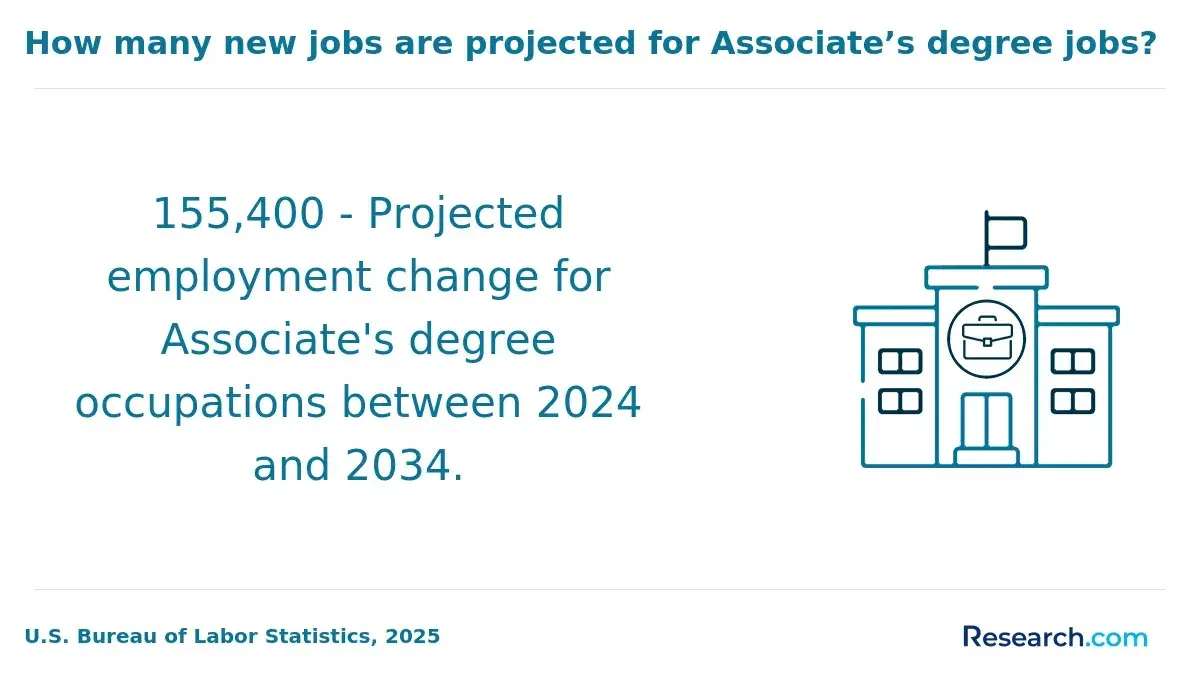
Salary is one of the largest drivers of construction management degree ROI. Average starting salaries for construction management graduates in the U.S. range from $55,000 to $75,000 annually, with experienced professionals often earning between $80,000 and $120,000. The degree may be most valuable when it helps graduates move beyond entry-level coordination into project leadership, estimating, scheduling, safety management, or operations roles.
Salary outcomes depend on several factors:
- Industry: Commercial construction, infrastructure, industrial facilities, and energy-related projects may offer stronger compensation than smaller residential or local projects, depending on market conditions.
- Geographic location: Pay is typically higher in large urban markets and regions with strong construction demand, including the West Coast and Northeast.
- Prior experience: Internships, trade experience, military construction experience, or field supervision experience can strengthen starting offers.
- Specialization: Skills in cost estimating, scheduling, project controls, safety, building information modeling, contracts, and procurement can improve earning potential.
- Career level: Compensation often rises as graduates move into assistant project manager, project manager, superintendent, senior project manager, or executive roles.
How to interpret salary ranges
Do not evaluate ROI using only the highest salary figures. A realistic estimate should consider your region, experience level, employer type, and willingness to travel or work on large projects. Students who already have construction experience may see faster salary gains than those entering the field for the first time.
Students comparing salary-driven ROI in other disciplines may find that an online psychology master's degree resource illustrates how graduate-level cost, licensure pathways, and career outcomes can vary by field.
Does a Construction Management Degree Lead to Promotions?
A construction management degree can support promotions, especially when paired with proven jobsite performance. Employers often look for managers who understand scheduling, estimating, contracts, safety, communication, risk, and team leadership. A degree can signal that a worker is prepared for broader responsibility, but it does not replace experience or results.
The degree may improve promotion potential in several ways:
- Credential requirements: Some supervisory, project management, or corporate roles prefer or require a formal degree, particularly in larger firms or public-sector organizations.
- Leadership preparation: Coursework in project management, communication, law, finance, and operations can help workers move from task execution to project oversight.
- Employer tuition support: Employees pursuing a relevant degree may qualify for tuition reimbursement, which can lower personal cost and signal commitment to advancement.
- Promotion policies: Internal promotion systems may favor candidates with both field experience and formal education.
- Experience synergy: The strongest candidates often combine classroom training with hands-on knowledge of crews, schedules, budgets, materials, and client expectations.
When the degree has the biggest promotion value
The degree tends to deliver the strongest promotion ROI for workers who are already close to the next level but need formal education to compete. For example, a foreman, assistant superintendent, project coordinator, or estimator may use the credential to qualify for project management or operations-track roles.
Students who need flexible pacing while working may also compare broader options such as accelerated online bachelor degree programs to understand how schedule design affects the balance between education and career progress.
Which Industries Offer the Best ROI for Construction Management Graduates?
ROI for construction management graduates varies by industry because project size, complexity, funding, risk, and labor demand affect compensation and advancement. Graduates should compare industries not only by starting pay, but also by promotion speed, stability, travel expectations, and long-term specialization value.
- Commercial Construction: Large office, retail, healthcare, education, and mixed-use projects can offer strong advancement because they require coordination among owners, architects, engineers, subcontractors, and regulatory stakeholders.
- Infrastructure and Civil Engineering: Transportation, water, utilities, and public works projects can provide steady demand and long project timelines, which may support stable career growth.
- Residential Development: This sector can be cyclical, but strong markets may create opportunities for managers who can control cost, schedule, quality, and subcontractor performance.
- Industrial and Manufacturing Facilities: These projects often require technical coordination, safety discipline, and precise scheduling, which can raise the value of experienced construction managers.
- Energy and Utilities: Long-term projects, regulatory requirements, and complex stakeholder coordination can support high-value management roles.
How to choose a high-ROI industry
Look for industries where your skills match employer demand. A student with trade experience may thrive in commercial or industrial construction, while someone interested in public service may prefer infrastructure. Students with strong analytical skills may pursue estimating, project controls, or scheduling across several sectors.
For readers comparing education paths across different levels of difficulty and flexibility, an online degree comparison resource can help frame how program format and academic demands influence ROI decisions.
Does Accreditation Affect ROI for a Construction Management Degree?
Yes. Accreditation can affect ROI because it helps confirm that a construction management program meets recognized academic standards. It can also influence financial aid eligibility, credit transfer, employer confidence, and, in some cases, preparation for professional credentials or licensure-related pathways.
Students should evaluate both institutional accreditation and any relevant program-level recognition. Institutional accreditation matters for federal financial aid and academic legitimacy. Program-level accreditation or recognition can be especially valuable when employers want assurance that graduates have studied construction methods, estimating, scheduling, safety, contracts, ethics, and project management in a structured curriculum.
Why accreditation matters financially
- Employer trust: Employers may be more comfortable hiring or promoting graduates from programs that meet recognized standards.
- Financial aid access: Accreditation is often tied to eligibility for many forms of aid, which can reduce out-of-pocket cost.
- Credit transfer: Accredited coursework may transfer more smoothly if you change schools or pursue additional education.
- Credential and licensure pathways: Some professional pathways may require or favor education from accredited institutions.
- Lower risk: A degree from a poorly recognized program can weaken ROI if employers question its quality.
Before enrolling, verify accreditation through official school and accreditor sources. Do not rely only on marketing language. If a program is expensive, lacks clear accreditation information, or cannot explain how its graduates perform in the job market, the financial risk is higher.
Is a Construction Management Degree Worth It?
A construction management degree can be worth it for students who want to move into project leadership, qualify for management-track roles, or strengthen their earning potential in a growing field. The best ROI usually comes when the program is accredited, reasonably priced, flexible enough to limit lost income, and connected to employers in construction-related industries.
Program value depends on personal circumstances. Completing a bachelor's degree typically takes around four years, though accelerated or online formats can shorten the timeline. Graduates often earn competitive salaries, with median annual wages close to $97,000, but not every graduate immediately earns enough to offset high tuition or heavy debt.
The degree may be worth it if:
- You want to move from field or coordination work into project management, estimating, superintendent, or operations roles.
- Your employer values or requires a degree for promotion.
- You can reduce costs through financial aid, transfer credits, employer support, or online study.
- The program has strong construction-specific coursework and career support.
- You are prepared to combine the degree with internships, field experience, or industry certifications where relevant.
The ROI may be weaker if:
- You choose a high-cost program without clear salary or promotion benefits.
- You already have access to advancement without needing the credential.
- You must stop working and take on substantial debt.
- The program lacks accreditation, employer recognition, or practical construction coursework.
The strongest decision is based on a personal ROI estimate: total program cost, expected debt, time to completion, current income, likely salary after graduation, and the roles you want. For many students, the degree is most valuable when it accelerates a career already connected to construction.
What Graduates Say About The ROI of Their Construction Management Degree
- : "Choosing a construction management degree was a strategic move for me, especially considering the average cost of around $30,000 to $50,000 for a traditional program. The price felt significant at first, but the degree helped me compete for leadership opportunities and manage projects with more confidence. — Otis"
- : "When I enrolled in an online construction management program, I was cautious about the cost versus benefit since online courses typically range near $20,000 to $40,000. Looking back, the flexibility mattered as much as the price because I could keep earning while studying. The degree helped me move toward project management roles I could not access as easily before. — Ronan"
- : "As a part-time construction management student, I found the cost manageable compared to full-time studies, usually between $15,000 and $35,000 depending on the school. Working while studying made the timeline longer, but it also helped me apply what I learned immediately. That combination has been valuable in moving toward senior responsibilities. — Brooks"
Other Things You Should Know About Construction Management Degrees
Non-financial benefits such as job satisfaction, professional growth, and networking opportunities enhance the ROI of a construction management degree by contributing to personal and career fulfillment. While difficult to quantify, these intangible factors can lead to increased job stability and long-term career advancement, indirectly boosting financial ROI.
A construction management degree often pays for itself in about 3 to 6 years when graduates enter roles such as project coordinator or assistant project manager. That estimate uses a common earnings premium of roughly $10,000 to $20,000 per year over nondegree construction jobs, after tuition and fees are deducted.
The ROI varies depending on regional construction activity and labor market demand. Areas with booming commercial development or infrastructure projects tend to offer more job opportunities and higher salaries for construction management graduates. Conversely, regions with limited construction growth may see lower employment rates and slower salary increases.
References
- Construction Tech ROI: Is This Thing Worth It? https://www.fieldwire.com/blog/construction-tech-roi/
- eLCOSH https://www.elcosh.org/document/1561/d000132/Return-on-Investment+%2528ROI%2529+Analysis+of+Education+and+Training+in+the+Construction+Industry.html
- What Is a Construction Managerâs Salary? https://www.coursera.org/articles/construction-manager-salary
- CourseCareers https://coursecareers.com/compare/college
- FULL-TIME | WINNIPEG LOCATIONS CONMF-DG Construction Management https://catalogue.rrc.ca/Programs/WPG/Fulltime/CONMF-DG
- 3 Construction Industry Career Paths That Offer Steady Growth https://aic-builds.org/3-construction-industry-career-paths-that-offer-steady-growth/
- Training Program ROI: How Fast Can You Recoup Your Investment? - Associated Training Services https://www.operator-school.com/blog/training-program-roi-how-fast-can-you-recoup-your-investment/
- What Can You Do With a Construction Management Degree? https://www.constructionplacements.com/what-can-you-do-with-a-construction-management-degree/
- ROI in Construction: How to Measure and Improve Your Profitability https://cortex-dm.com/blog/roi-in-construction-how-to-measure-and-improve-your-profitability