2027 Berkley School of Nursing at Georgetown University Online BSN to MSN - Family Nurse Practitioner: Cost, Admissions, Curriculum, and Career Paths

Co-Founder and Chief Data Scientist
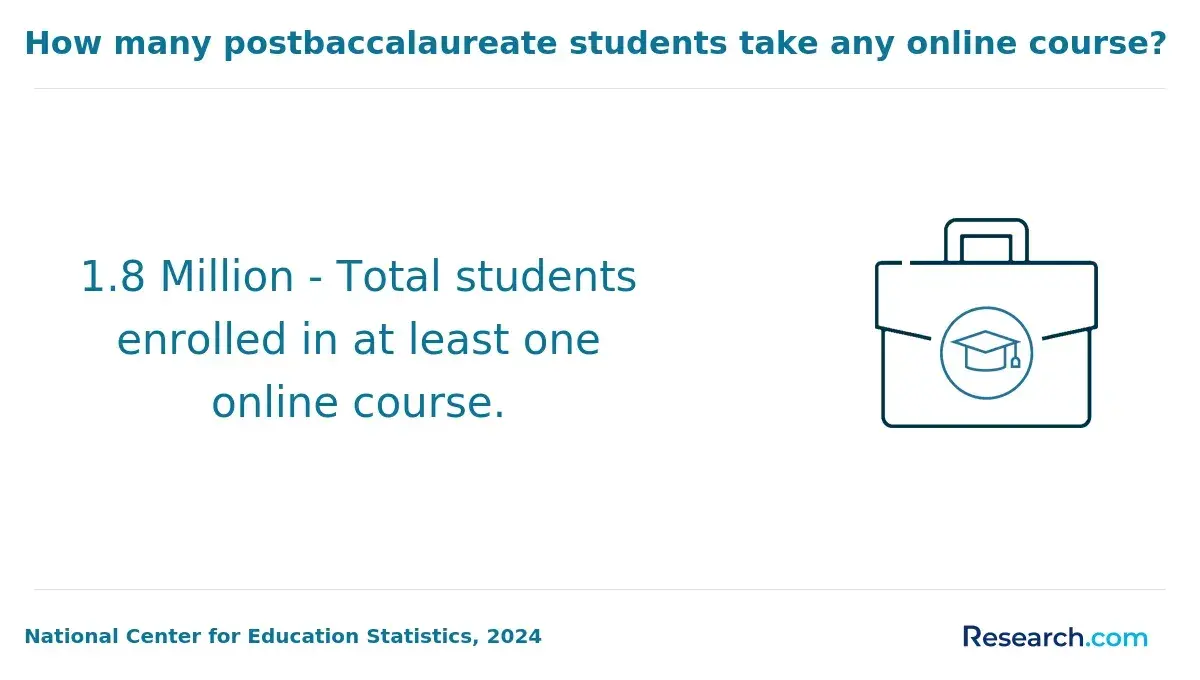
Choosing an online BSN to MSN - Family Nurse Practitioner program involves balancing educational quality, flexibility, and career outcomes. Students considering the berkley school of nursing at georgetown university online program face questions about admission criteria, curriculum rigor, and alignment with workforce demands. Recent data from the National Center for Education Statistics shows a 12% increase in enrollment in online graduate nursing programs in 2024, reflecting broader trends toward flexible, accessible education for working adults. This growth highlights shifting student priorities toward programs that offer both convenience and comprehensive training. This article examines cost, curriculum, admissions, and career outcomes to help prospective students assess this program's fit for their goals.
Key Points About Berkley School of Nursing at Georgetown University's BSN to MSN - Family Nurse Practitioner Program
- The 13% acceptance rate at Berkley School of Nursing at Georgetown University highlights a competitive admissions environment, requiring candidates to have strong academic and clinical backgrounds before consideration.
- Graduates from the BSN to MSN - Family Nurse Practitioner program are well-positioned for leadership and advanced clinical roles, reflecting employer demand for practitioners with combined expertise and credentials.
- The tuition cost of $67,791 demands that prospective students weigh financial investment against potential career gains, especially given the program's selective nature and outcome expectations.
What can students expect from Berkley School of Nursing at Georgetown University's online BSN to MSN - Family Nurse Practitioner curriculum?
Prospective students should recognize that the BSN to MSN - family nurse practitioner curriculum at Berkley School of Nursing at Georgetown University aligns closely with national standards but demands significant integration of clinical judgment and holistic care skills. For example, a nurse preparing to transition into family practice will find that theoretical lessons are tightly coupled with practical application, requiring adaptability across settings from pediatrics to geriatrics.
The program's design mirrors the operational realities faced by family nurse practitioners, ensuring students gain competencies critical for the complex environments typical in Washington DC nursing programs.
Below are key curriculum components and their workforce impact:
- Advanced Physiology and Pathophysiology: This coursework compels students to master the functioning and dysfunction of body systems across the lifespan. Detailed understanding here not only underpins clinical reasoning but is crucial for diagnosing multifaceted family health issues in real-world ambulatory and inpatient environments.
- Clinical Assessment and Diagnostic Reasoning: Students are required to hone skills in patient evaluation, employing evidence-based tools to inform treatment plans. This segment emphasizes the synthesis of data for decision-making, preparing graduates for the urgent diagnostic demands commonly faced in primary care.
- Healthcare Policy and Ethics: Rigorous exploration of healthcare systems, regulatory frameworks, and ethical dilemmas equips students to navigate policy influences on practice and advocate effectively for diverse patient populations.
The curriculum integrates essential clinical practicums that foster direct patient care experience under supervision, a non-negotiable credentialing requirement. While mirroring robust FNP educational standards nationwide, the program's emphasis on breadth-from clinical knowledge to ethical practice-positions graduates to meet certification benchmarks and workforce demands.
For nurses weighing online family nurse practitioner courses in Washington DC nursing programs, the choice involves balancing theoretical depth with immersive clinical hours. This balance extends beyond academics, honing the resilience and critical thinking sought by healthcare employers.
For students aiming to align their nursing education with emerging workforce needs and assess the viability of different career pathways, resources listing top degrees for the future can provide further context.
What are Berkley School of Nursing at Georgetown University's admission requirements for online BSN to MSN - Family Nurse Practitioner program?
Admission to the Berkley School of Nursing at Georgetown University's online BSN to MSN - Family Nurse Practitioner program demands a thorough demonstration of academic readiness and professional promise, reflecting the program's selective nature. For example, an applicant with solid clinical experience may still find the lack of explicit standardized test score benchmarks a practical challenge, requiring careful preparation to meet other qualitative elements the admissions committee values.
The following points summarize the core admissions criteria candidates should be ready to address.
- Secondary Education: Applicants must have completed high school or hold an equivalent GED credential, ensuring foundational academic competence. The program expects a strong secondary school record, although specific GPA thresholds are not publicly disclosed, emphasizing consistent academic performance over isolated scores.
- Standardized Testing: While SAT or ACT minimum scores are not specified, submission of admission test results is required. Optional assessments like the Wonderlic or WISC-III may be recommended but are not compulsory, which can affect candidates' strategies when presenting their academic profiles.
- Letters of Recommendation: These are essential to provide insight into applicants' suitability for a demanding nursing curriculum, offering a qualitative perspective on character, work ethic, and potential beyond grades and test results.
- Credit Policies: Advanced placement (AP) credits are accepted, which can shorten the pathway for students with prior coursework, but dual credit and life experience credits are rejected. Transfer policies lack clarity, so students considering credit transfers must proactively engage with admissions for case-by-case evaluation.
Is it difficult to get admitted to Berkley School of Nursing at Georgetown University's online BSN to MSN - Family Nurse Practitioner program?
Admission to most BSN to MSN - Family Nurse Practitioner programs is competitive due to limited clinical spots and growing demand for advanced nursing roles. Applicants frequently compete on academic metrics, clinical experience, and personal statements, requiring a strong overall profile to stand out in a crowded field. This intensifies when programs have constrained enrollment capacity aligned with clinical supervision availability.
At Berkley School of Nursing at Georgetown University, this dynamic is pronounced. The program's acceptance rate of just 13% out of 25,485 applicants annually reflects a highly selective process. Only 3,334 candidates are admitted, highlighting that even strong applicants face significant odds.
Required SAT scores range from 700 to 770 in verbal and 690 to 780 in math, or ACT scores from 32 to 34, underscoring that academic excellence is a baseline expectation rather than a differentiator.
What is the cost of attending an online BSN to MSN - Family Nurse Practitioner program at Berkley School of Nursing at Georgetown University?
Tuition for the online BSN to MSN - Family Nurse Practitioner program at Berkley School of Nursing at Georgetown University is notably higher than many comparable programs, with base tuition and fees totaling $65,081 annually. Additional costs such as books and supplies add roughly $1,000 per year, bringing the total annual cost close to $67,791.
These figures reflect the premium often associated with private institutions and the comprehensive nature of this advanced nursing curriculum. The school's fees do not vary by residency status nor do they include publicly listed additional technology fees specific to online learners.
For students evaluating the tuition and fees for Berkley School of Nursing at Georgetown University online family nurse practitioner program, it's important to consider that this cost is above average compared to national norms. Many programs offering BSN to MSN - Family Nurse Practitioner pathways across the country come with lower tuition rates, particularly at public institutions or through less comprehensive online formats.
This premium pricing may weigh heavily on those who must finance their education out-of-pocket or seek quicker return on investment given the nursing workforce's competitive salary structures.
The cost breakdown of online BSN to MSN family nurse practitioner program at Berkley School of Nursing at Georgetown University indicates that students do not benefit from flat-rate in-state tuition, which some online programs provide to residents. This uniform tuition policy limits financial advantages that might come with state residency.
Practical implications include higher upfront debt loads, which can affect early-career financial stability for nurses transitioning into family nurse practitioner roles.
When weighing options in nursing education, students might also explore accredited pathways that balance cost with educational quality, such as an accelerated bachelor's degree online accredited. Strategic program selection can optimize both affordability and market alignment, especially as healthcare employers increasingly seek graduates with verified competencies alongside advanced degrees.
Are there financial aid options for online BSN to MSN - Family Nurse Practitioner students at Berkley School of Nursing at Georgetown University?
Financial aid for students enrolled in the online BSN to MSN - family nurse practitioner at Berkley School of Nursing at Georgetown University can substantially influence decisions about program affordability and debt management. Given the program's intensity and the extended timeline typical of nurse practitioner tracks, securing aid is a significant factor for working nurses balancing education with financial obligations.
The availability of various funding options can ease the financial burden but also requires navigating eligibility criteria and commitment tradeoffs, such as maintaining academic progress or employment status.
Below is an overview of key financial aid pathways accessible to these students.
- Institutional Scholarships: Merit- and need-based awards specifically targeting nursing students help reduce out-of-pocket costs. These scholarships often require a competitive application and demonstration of academic achievement or financial need.
- Federal Loans: Direct Stafford and Grad PLUS Loans are available to qualified students who meet federal enrollment and progress standards. These loans provide necessary funds but come with obligations for repayment and interest accrual.
- Veteran Benefits: Students with military service may apply veteran education benefits toward tuition and fees, which can significantly offset expenses for eligible applicants.
- Corporate Tuition Reimbursement: Employed nurses can leverage tuition reimbursement programs offered by healthcare employers. Participation often requires ongoing employment with the provider and may limit flexibility if changing jobs during the program.
- Grants and External Scholarships: Various organizations offer targeted grants and scholarships, often based on demographic factors or clinical specialization, which supplement institutional aid but typically demand separate application processes.

What learning resources are available to online BSN to MSN - Family Nurse Practitioner students at Berkley School of Nursing at Georgetown University?
Access to specialized learning resources plays a critical role in bridging the gap between theoretical knowledge and practical responsibility in online BSN to MSN - Family Nurse Practitioner pathways. In real-world healthcare environments, where clinical skills and timely decision-making are paramount, the ability to engage with tailored academic supports and technology platforms often determines how effectively students can adapt to complex patient care demands.
For example, students who leverage comprehensive virtual simulations may enter clinical settings better prepared to handle diverse scenarios, an advantage noted by many employers prioritizing demonstrable clinical readiness. The Berkley School of Nursing at Georgetown University integrates several resources designed to address these challenges and facilitate student success.
Key components include:
- Digital Infrastructure: A sophisticated online platform that grants seamless access to course materials and virtual simulations, enabling students to interact with dynamic content essential for developing clinical reasoning remotely.
- Technical Support: Dedicated help desks and IT services provide timely assistance through email, phone, and live chat, minimizing disruption due to technological issues and allowing students to sustain focus on complex coursework.
- Academic Advising and Tutoring: Personalized support services that help students navigate the rigors of graduate nursing education by honing critical thinking, research capabilities, and specialized nursing skills aligned with current clinical practices.
- Faculty Mentorship: Direct interaction with experienced nursing faculty offers guidance on both academic and professional development, fostering a collaborative environment despite the virtual format that facilitates meaningful mentorship connections.
- Professional Placement Networks: Partnerships with healthcare facilities and clinical sites provide access to internships and job opportunities, enhancing students' transition into family nurse practitioner roles by leveraging institutional industry relationships.
Does Berkley School of Nursing at Georgetown University's online BSN to MSN - Family Nurse Practitioner program have in-person clinicals or practicums?
Many Family Nurse Practitioner programs mandate extensive in-person clinical experiences to bridge theoretical knowledge with practical skills-a factor that directly influences employability and readiness for advanced practice roles. The Berkley School of Nursing at Georgetown University online BSN to MSN clinical requirements similarly reflect this industry norm, emphasizing supervised, hands-on training within real healthcare settings to meet accreditation and professional standards.
Specifically, the family nurse practitioner program in-person practicum georgetown university requires students to complete clinical hours at approved facilities under qualified preceptors. This involves patient assessment, diagnosis, treatment, and management across various care environments such as hospitals and community clinics.
While coursework is delivered online to offer flexibility, this hybrid format demands significant in-person commitment, making it unsuitable for those unable to access or dedicate time to clinical placements.
Balancing remote learning with in-person clinicals can affect scheduling, employment, and geographic considerations for students. This model, however, aligns with employer expectations prioritizing practical, supervised patient care experience. For candidates evaluating educational paths in nursing, understanding these tradeoffs and the role of hands-on clinicals is essential-especially compared to programs offering more limited or simulated practicums.
For additional context on workforce-focused program choices, consider exploring short certificate programs that pay well.
What careers can graduates of online BSN to MSN - Family Nurse Practitioner at Berkley School of Nursing at Georgetown University secure?
Graduates of the online BSN to MSN - family nurse practitioner program at Berkley School of Nursing at Georgetown University gain access to career paths that directly reflect advanced clinical skills and leadership readiness. The true value of such a program lies in its capacity to prepare nurses for roles with tangible patient impact and professional growth, particularly in primary care settings.
This is critical given ongoing demands for healthcare providers capable of serving diverse populations, including underserved communities. Below are some specific career functions typically pursued by program alumni, reflecting real-world employment outcomes and workforce relevance:
- Family Nurse Practitioner Roles: Graduates often become family nurse practitioners delivering comprehensive care across age groups. Their ability to perform diagnostic tests, prescribe medications, and manage chronic conditions places them in high demand, with median salaries reflecting advanced practice status.
- Primary Care Providers: Many secure positions in outpatient clinics and private practices where they fill essential gaps in primary care. This role demands adaptability to diverse patient needs, balancing preventive care with acute treatment.
- Healthcare Leadership and Policy: Some alumni transition into administrative or policy-focused roles, leveraging clinical insight to influence care standards and organizational strategies within healthcare systems.
- Community Health Specialists: Graduates can also work in community health centers, focusing on expanding access to quality care for marginalized populations, a critical workforce niche with growing institutional support.
For those evaluating accelerated academic pathways aligned with nursing career advancement, the inclusion of evidence-based practice and leadership in the curriculum complements the practical skill set needed in these roles. Considering alternatives in the context of accelerated career programs can provide insight into how this option compares regarding time investment and career readiness.
What is the salary outlook for online BSN to MSN - Family Nurse Practitioner graduates?
Graduates of the online BSN to MSN - Family Nurse Practitioner program at Berkley School of Nursing at Georgetown University face a salary outlook shaped by both advanced clinical responsibilities and evolving healthcare demands. In practical terms, families and clinics increasingly rely on Family Nurse
Practitioners to deliver comprehensive care, positioning these graduates for salaries that surpass many other nursing and health-related roles. This premium compensation reflects their ability to manage patient care autonomously and address primary care shortages in diverse settings.
From a financial perspective, alumni in nursing fields such as Registered Nursing and Nursing Administration earn a median salary of $77,671, while the broader graduate median in specialized programs, including Family Nurse Practitioner roles, reaches $103,494. This differential illustrates the tangible value added through graduate-level nursing preparation relative to roles with narrower scopes, such as Health and Medical Administrative Services ($56,838) or Psychology ($45,936). The salary gains validate the investment decision in more clinically intensive programs focused on advanced practice.
Considering the program's online format and the reputation of Berkley School of Nursing at Georgetown University, students benefit from flexibility alongside access to a growing job market where Family Nurse Practitioners fill critical gaps.
For prospective students weighing their options, exploring online schools with multiple start dates can offer additional entry points, but the strong earning trajectory remains an important factor in assessing the worth of this specific BSN to MSN - Family Nurse Practitioner career path in the United States.
How do you know if Berkley School of Nursing at Georgetown University's online BSN to MSN - Family Nurse Practitioner program is the right choice for you?
Choosing whether the Berkley School of Nursing at Georgetown University's online BSN to MSN - Family Nurse Practitioner program fits your career and personal circumstances requires a nuanced evaluation of how its structure and outcomes align with your priorities. The real question is how this program balances professional demands, educational rigor, and post-graduation readiness.
Below are key criteria to consider when assessing its appropriateness:
- Program Flexibility And Format: Examine if the hybrid model's mix of online coursework and local clinical practicums accommodates your work schedule and geographic location. Flexibility is critical for employed nurses, but practical access to clinical sites can vary regionally and may affect your learning experience.
- Accreditation And Certification Eligibility: Confirm the curriculum meets national standards for FNP certification. This determines your qualification to sit for licensure exams and impacts employability in clinical settings with strict credential requirements.
- Faculty Access And Peer Support: Assess the availability of faculty mentors and the strength of student networks. A collaborative environment can significantly influence your professional confidence and opportunities for interprofessional development.
- Alignment With Career Goals: Consider whether the program prepares you for the scope of practice you seek-especially if leadership, patient advocacy, and interprofessional collaboration are priorities beyond technical proficiency.
What Graduates Say About Berkley School of Nursing at Georgetown University's BSN to MSN - Family Nurse Practitioner Program
- John: "Studying at Berkley School of Nursing at Georgetown University really sharpened my clinical decision-making and exposed me to a diverse range of patient scenarios through their virtual simulations. The BSN to MSN - Family Nurse Practitioner program emphasized evidence-based practice, which helped me build a strong portfolio that employers actually valued beyond just the licensure. While entering the job market, I noticed how competitive it was, especially for roles at well-known clinics, but the program's focus on practical skills gave me an edge during interviews and helped me secure a position faster than I anticipated."
- Colin: "What stood out about Berkley School of Nursing at Georgetown University was the program's flexibility, allowing me to balance coursework while working part-time in a hospital setting. The BSN to MSN - Family Nurse Practitioner curriculum included internships that provided real-world exposure, a crucial factor when I was applying for remote work opportunities afterward. Although salary growth can be gradual without additional certifications, this program laid a solid foundation for me to plan my career trajectory more realistically and seek specialized credentials aligned with my professional goals."
- Ian: "Reflecting on my time in the BSN to MSN - Family Nurse Practitioner program at Berkley School of Nursing at Georgetown University, the most valuable takeaway was the emphasis on interdisciplinary collaboration, which mimics real workplace dynamics. Despite the program's rigor, it prepared me well for navigating hiring challenges where experience sometimes outweighs degrees. I found that beyond licensure, the ability to demonstrate teamwork and adaptability during my clinical rotations made a significant difference when competing for roles, steering my career into a leadership track that I hadn't initially considered."
Other Things You Should Know About Degrees
The BSN to MSN - Family Nurse Practitioner program at Berkley School of Nursing at Georgetown University offers some flexibility with part-time enrollment and asynchronous coursework. However, clinical placements and certain synchronous sessions require fixed scheduling, which can challenge students managing unpredictable work hours or caregiving duties. Prospective students should prioritize clear communication with advisors early on to strategically plan their course load alongside personal commitments.
While the program prepares students clinically and theoretically, the jump to a Family Nurse Practitioner role often requires significant adaptability, especially in independent decision-making and patient management. Graduates may find that the program's academic environment does not fully replicate the time pressures or emotional demands of real-world primary care settings. Graduates should consider seeking supplemental clinical experience in diverse settings post-graduation to build confidence and ease this transition.
Berkley School of Nursing at Georgetown University's program equips students with clinical knowledge applicable nationwide, but it does not specifically focus on rural health challenges or underserved populations in its curriculum. For students whose primary goal is to work in these areas, supplementing the degree with targeted community health experiences or certifications is advisable. Prioritizing programs or clinical rotations that focus on social determinants of health may better prepare these students for such environments.
References
- The Complete Guide to MSN Programs: Online, Campus, and Hybrid https://www.onlinefnpprograms.com/guides/guide-to-msn-programs/
- Best FNP Programs | Family Nurse Practitioners https://www.familynursepractitioners.org/program/fnp
- Online Resources & Scholarships for Nurse Practitioner Students https://www.edumed.org/financial-aid/scholarships/nurse-practitioner-programs/
- Berkley School of Nursing - Wikipedia https://en.wikipedia.org/wiki/Berkley_School_of_Nursing
- MSN - Family Nurse Practitioner https://www.herzing.edu/nursing/msn-family-nurse-practitioner-program
- How to Get Into NP School: What Nurse Practitioner Programs Look For https://www.bartonassociates.com/blog/3-things-np-programs-look-for-in-applicants/
- Georgetown University Online NP Programs: Nursing@Georgetown https://www.npschools.com/profiles/georgetown-university
- The Top 10 Best Online Master's in Nursing Degree Programs (MSN) https://www.bestnursingmasters.com/top/online-masters-in-nursing-programs/
- How Much More Can I Earn with a DNP? https://www.doctorofnursingpracticednp.org/how-much-more-can-i-earn-with-a-dnp/
- Most Affordable Online RN To MSN Programs In 2021 | Grad School Hub https://www.gradschoolhub.com/affordable/online/masters/rn-msn/