2027 Accredited Online Community Health Degree Programs for Working Adults: Flexible, Part-Time, and Self-Paced Options

Co-Founder and Chief Data Scientist
Choosing an accredited online community health degree while working full time is mainly a scheduling, cost, and credibility decision. The need is timely: the U. S. Bureau of Labor Statistics projects 7% growth for health education specialists and community health workers from 2023 to 2033, faster than the average for all occupations. This guide is for adults comparing flexible, part-time, asynchronous, and self-paced programs. You'll learn how accreditation, tuition, transfer credits, workload, practicums, and career outcomes affect whether a program fits your life and long-term goals.
Key Things You Should Know
- Accreditation is nonnegotiable: choose an institution recognized by the U.S. Department of Education or CHEA, and check whether public health-related programmatic accreditation matters for your career goal.
- Part-time online study usually means 6 to 9 credits per term and about 12 to 27 hours of weekly coursework; many bachelor's programs may accept 60 to 90 transfer credits, which can substantially shorten the path.
- Published 2024-25 tuition benchmarks show wide cost differences, with public in-state four-year tuition far below private nonprofit pricing, so net price after aid matters more than sticker price.
What Is an Accredited Online Community Health Degree Program and Why Does Accreditation Matter?
An accredited online community health degree is a college program that prepares students to improve health outcomes at the population, neighborhood, school, workplace, or nonprofit level. Coursework commonly covers health promotion, epidemiology basics, program planning, cultural competence, health communication, grant writing, evaluation, and social determinants of health. Online programs may lead to an associate, bachelor's, or master's degree, but working adults most often compare bachelor's-completion and master's programs because these align with advancement into health education, outreach coordination, public health programming, or nonprofit leadership.
Accreditation matters because it is the quality-control system employers, graduate schools, licensing-related bodies, and federal financial aid programs use to judge whether a school meets recognized academic standards. Institutional accreditation is the first thing to verify. Programmatic accreditation, such as Council on Education for Public Health recognition for some public health programs, can also matter if you plan to pursue certain public health roles, graduate study, or professional certification.
The table below separates the accreditation checks that affect most working adults from the specialized checks that depend on career goals. Use it before you compare tuition or course schedules, because an inexpensive program with weak accreditation can create problems later.
| Accreditation or approval item | What it means | Why it matters for working adults |
| Institutional accreditation | The college or university is reviewed by a recognized accrediting agency. | Usually required for federal financial aid, transfer credit review, and graduate school consideration. |
| Programmatic accreditation | A specific public health or health-related program meets field-specific standards. | Useful for students targeting public health graduate study, certain employers, or certification pathways. |
| State authorization for online learning | The school is allowed to enroll online students in your state. | Important if you live outside the school's home state, especially for programs with field placements. |
| Employer recognition | Your employer accepts the degree for promotion, tuition benefits, or salary-step purposes. | Prevents paying for a credential that does not support your workplace advancement goal. |
A practical way to verify legitimacy is to search the school in the U.S. Department of Education's accreditation database, confirm the accreditor on the school's own site, and ask admissions whether the program has any state authorization limits for your location. Do not rely only on phrases such as "nationally recognized," "career ready," or "industry aligned." Those statements can be marketing language rather than formal accreditation.
Which Flexible Community Health Degree Formats Are Best for Working Adults: Part-Time, Full-Time, or Self-Paced?
The best format depends on how predictable your work schedule is, how quickly you need the credential, and how much structure you need to stay on track. "Online" does not automatically mean self-paced; many online community health programs still use weekly deadlines, group projects, live sessions, and fixed term dates.
The table below compares common online formats from the perspective of a working adult. Focus on workload and control over deadlines, not just whether classes are delivered online.
| Format | Typical pace | Best fit | Main trade-off |
| Part-time asynchronous | Often 1 to 3 courses per term with weekly deadlines | Full-time workers, parents, caregivers, and students with rotating schedules | Slower completion than full-time enrollment |
| Full-time online | Usually 4 or more courses in a standard term | Students with lighter work hours, strong support at home, or a need to finish quickly | Higher weekly workload and less room for work emergencies |
| Self-paced or competency-based | Progress depends on completing assessments within school rules | Experienced adults who can study independently and already know some content | Requires strong self-management; term limits and assessment rules still apply |
| Synchronous online | Live virtual classes at scheduled times | Students who want real-time discussion and instructor accountability | Less flexible for evening shifts, travel, or unpredictable family obligations |
| Hybrid online | Mostly online with occasional campus or site requirements | Students near campus or those who benefit from in-person networking | Travel requirements can create conflicts with work schedules |
Part-time asynchronous study is often the safest default for adults working full time because it preserves flexibility while still providing structure. Self-paced study can be faster for highly organized students, but it is not always easier. It usually works best when you can create a weekly study plan, tolerate less instructor prompting, and complete major assignments without frequent reminders.
Before choosing a format, ask the school to define flexibility in operational terms. These questions reveal whether the program actually fits your schedule:
- Are courses asynchronous, synchronous, or a mix of both?
- Are exams proctored at fixed times, or can they be scheduled within a window?
- How many hours per week do students usually spend in a 3-credit course?
- Are group projects required, and do they require live meetings?
- Can you reduce your course load for one term without losing financial aid eligibility or program standing?
- Does the program offer multiple start dates, or only fall and spring admission?
If your work schedule changes often, prioritize asynchronous courses, rolling or multiple start dates, and clear leave-of-absence policies. If your main challenge is motivation, a scheduled cohort may be better than a self-paced model even if it gives you less freedom.
What Are the Admission Requirements for Accredited Online Community Health Degree Programs?
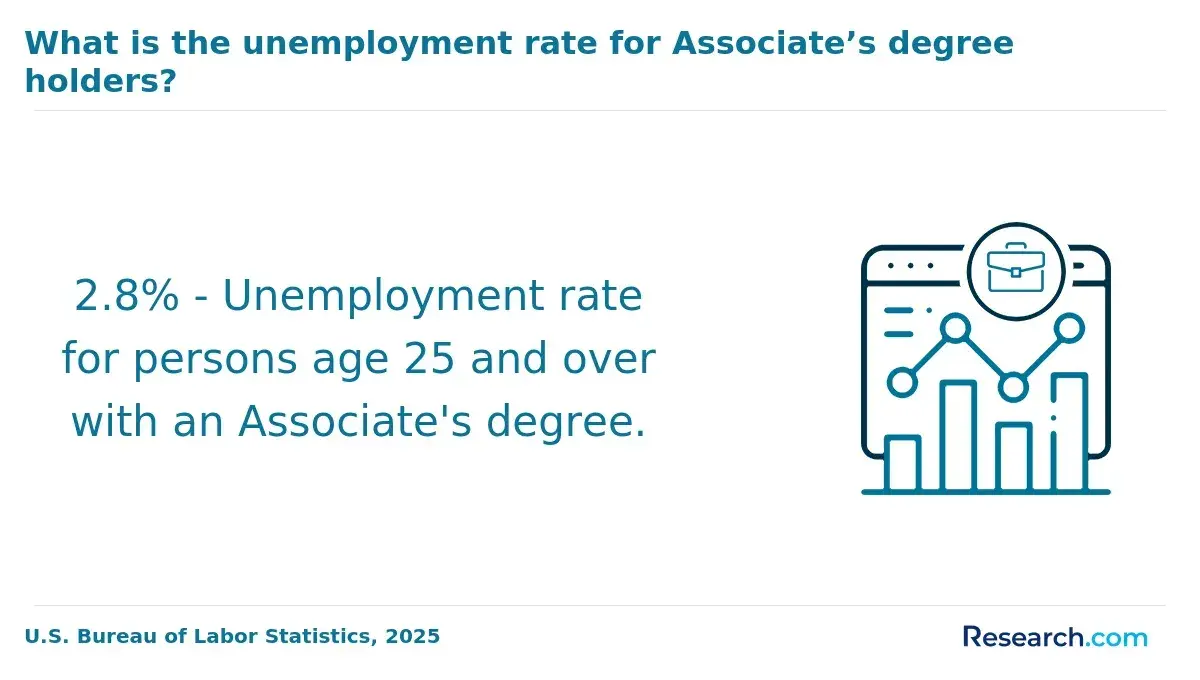
Admission requirements vary by degree level, but accredited online community health programs typically review academic readiness, prior college credit, and fit with the program's professional focus. Bachelor's-completion programs often serve adults who already have general education credits, an associate degree, military training, or prior healthcare experience.
Most schools will ask for a combination of academic records and basic enrollment documents. Review these requirements early because transcript delays are a common reason adult students miss a preferred start date.
- Official transcripts from every college previously attended, even if credits were not completed or grades were low.
- High school transcript or GED documentation for first-time undergraduate applicants.
- Minimum GPA, often with conditional admission options for applicants below the standard threshold.
- Personal statement or short essay explaining interest in community health, public health, or health promotion.
- Resume, especially for degree-completion or graduate programs serving working adults.
- Prerequisite coursework in areas such as composition, statistics, biology, sociology, or psychology, depending on the program.
- English proficiency documentation for applicants whose prior education was not in English.
Graduate-level community health or public health programs may also ask for a bachelor's degree, professional references, a statement of purpose, and evidence of quantitative readiness. Many online programs have moved away from standardized test requirements, but policies vary by school and should be verified directly.
Working adults should pay special attention to transfer and re-entry policies. If you previously started college, ask whether older credits expire, whether grades below a C transfer, and whether professional certifications or military training can be evaluated for credit. Applicants comparing health-related alternatives, including nursing, public health, or healthcare administration, may also want to review cheap nursing programs if clinical licensure is part of their long-term plan rather than community health education or outreach.
How Much Does an Online Community Health Degree Cost, and What Financial Aid Options Are Available?
The cost of an online community health degree depends on school type, residency status, transfer credits, course load, fees, and whether the program charges per credit, per term, or a flat online rate. According to the College Board's 2024 Trends in College Pricing, published tuition and fees for 2024-25 show a large gap between public and private options:
- $11,610 for in-state students at public four-year institutions
- $30,780 for out-of-state students at public four-year institutions
- $43,350 for private nonprofit four-year institutions
Those are published tuition and fee benchmarks, not guaranteed program prices. Online students may pay technology fees, distance learning fees, proctoring fees, background check costs for practicums, graduation fees, and textbook or software costs. The most useful number is the net price after grants, scholarships, employer benefits, and transfer credits are applied.
Financial aid can make a major difference for eligible students. The maximum Federal Pell Grant for the 2024-25 award year is $7,395, which can reduce out-of-pocket costs for qualifying undergraduates. Adult learners should complete the FAFSA even if they assume they earn too much, because schools may use it to determine state grants, institutional aid, work-study, and federal loan eligibility.
Use this checklist to compare real affordability rather than sticker price. It is especially important if you plan to attend part time, because some aid programs require a minimum credit load.
- Ask for total program cost after transfer credits, not only cost per credit.
- Confirm whether tuition differs for in-state, out-of-state, and online-only students.
- Request a list of mandatory fees, including online, technology, lab, placement, and graduation fees.
- Check whether part-time enrollment changes scholarship, Pell Grant, or loan eligibility.
- Ask your employer whether tuition assistance applies to community health, public health, or health education degrees.
- Compare subscription or term-based self-paced pricing carefully, because delays can increase total cost.
For many working adults, the best-value program is not necessarily the cheapest per credit. A slightly higher tuition rate may be worth it if the school accepts more transfer credits, offers stronger advising, has convenient practicum support, or reduces time away from work.
How Long Does It Take to Complete an Online Community Health Degree, and Can Transfer Credits Help You Graduate Faster?
Completion time depends on degree level, credits required, transfer credits accepted, and course load. A bachelor's degree generally requires about 120 credits, but adults who enter with an associate degree or substantial prior coursework may need far fewer credits at the new school.
The table below shows realistic planning ranges. Actual timelines vary by calendar system, course availability, and whether required courses are offered every term.
| Starting point | Common remaining credits | Likely pace for working adults | Planning note |
| No prior college credit | About 120 credits | 4 or more years part time; about 4 years full time | Best for students starting fresh, but workload is substantial alongside full-time work. |
| Some prior college credit | Often 60 to 90 credits remaining | 2 to 4 years depending on course load | Transcript review is critical before estimating cost or graduation date. |
| Associate degree completed | Often about 45 to 60 credits remaining | 18 months to 3 years | Works well when the associate degree satisfies general education requirements. |
| Master's in community health or public health-related area | Often 36 to 48 graduate credits | 18 months to 3 years | Part-time graduate study is common for employed health professionals. |
Transfer credits can be the single biggest accelerator for adult learners, but policies differ widely. Some schools are transfer-friendly and evaluate prior learning, while others require a larger share of credits to be completed in residence.
Take these steps before enrolling, not after you are admitted. They can prevent surprise graduation delays:
- Collect official transcripts from every institution you attended.
- Ask for a written transfer-credit evaluation before committing to the program.
- Confirm how many credits can apply to general education, major, elective, and upper-division requirements.
- Ask whether professional licenses, certificates, military training, or portfolio-based prior learning can be evaluated.
- Check residency requirements, such as the minimum number of credits that must be completed at the school granting the degree.
- Build a term-by-term graduation plan with an advisor and verify when required courses are offered.
If your main priority is speed, compare community health programs with other fast track career programs, but be cautious: accelerated schedules can be difficult if you work overtime, travel frequently, or have caregiving responsibilities.
What Should You Look for When Comparing Accredited Online Community Health Degree Programs?
When comparing accredited online community health degree programs, look beyond the homepage language. The strongest program for a working adult is one that combines recognized accreditation, realistic scheduling, transparent cost, career-relevant coursework, and strong support when life interrupts the semester.
The table below summarizes the comparison factors that most directly affect fit, risk, and return on investment. Use it to narrow your list before speaking with admissions teams.
| Comparison factor | What to look for | Red flag |
| Accreditation | Recognized institutional accreditation and any relevant programmatic accreditation. | The school avoids naming its accreditor or uses vague quality claims. |
| Schedule flexibility | Asynchronous options, evening support, multiple start dates, and predictable deadlines. | "Flexible" means only that lectures are online, while exams and meetings are fixed. |
| Transfer policy | Clear maximum transfer credits and written degree audit before enrollment. | You must enroll before learning which credits count. |
| Cost transparency | Total estimated program cost, fees, and aid eligibility explained in writing. | Only per-credit tuition is advertised, with no fee details. |
| Career alignment | Courses in program planning, evaluation, communication, epidemiology, and community engagement. | The curriculum is too general to support your target roles. |
| Field experience | Local practicum options or clear support for arranging approved sites. | The school requires placement but gives little guidance on finding one. |
Common mistakes are avoidable if you ask direct questions before applying. These are the issues that most often create problems for working adults:
- Assuming online means self-paced, when many programs still use weekly deadlines and scheduled exams.
- Choosing the lowest tuition without comparing transfer-credit acceptance and mandatory fees.
- Ignoring practicum requirements until the final year, when work schedules are harder to adjust.
- Assuming every community health degree leads to clinical licensure, which it typically does not.
- Overestimating how many courses you can take while working full time.
- Failing to confirm whether the program is authorized to enroll students in your state.
Program quality also depends on curriculum fit. If your interests lean more toward healthcare data, privacy, coding, and records systems than community outreach or health education, an HIM degree online may be a better match than a community health major.
What Career Opportunities and Salary Potential Can You Expect With a Community Health Degree?
A community health degree can support roles focused on education, outreach, program coordination, prevention, advocacy, and population health improvement. It is generally not a clinical licensure degree, so it is best for students who want to work with communities, programs, data-informed interventions, and public-facing health initiatives rather than provide direct medical care.
BLS May 2024 wage data provides a useful salary benchmark, but it should not be read as a promise for any individual graduate. Pay varies by region, employer type, experience, degree level, language skills, grant funding, and whether the role is government, nonprofit, hospital-based, or corporate wellness-related.
| Role | Typical responsibilities | Salary context |
| Community health worker | Connect residents with services, provide basic health education, support outreach, and help reduce access barriers. | BLS reported a median annual wage of $49,900 for community health workers in May 2024. |
| Health education specialist | Design, deliver, and evaluate health education programs for schools, employers, agencies, or nonprofits. | BLS reported a median annual wage of $62,860 for health education specialists in May 2024. |
| Community outreach coordinator | Organize events, partnerships, screenings, volunteer programs, and public health campaigns. | Pay depends heavily on employer and funding source; experience and bilingual skills may matter. |
| Program coordinator or assistant program manager | Track outcomes, coordinate grants, manage participant communication, and support evaluation reports. | Advancement may require a bachelor's degree, master's degree, or experience with grant-funded programs. |
| Public health project assistant | Support data collection, communication, training materials, and community-based interventions. | Entry requirements vary; graduate education may improve competitiveness for analyst or manager roles. |
The career outlook is positive but not unlimited. The BLS projects 7% employment growth for health education specialists and community health workers from 2023 to 2033, which suggests steady demand for prevention, outreach, and health navigation work. However, local hiring can be shaped by public funding, hospital community benefit priorities, Medicaid programs, school health initiatives, and nonprofit grant cycles.
This degree may be worth it if you want nonclinical health work, already work in social services or healthcare support, or need a bachelor's credential for advancement. It may be a poor fit if your primary goal is becoming a registered nurse, nurse practitioner, physician assistant, therapist, or other licensed clinician. Those paths require separate clinical programs, and advanced nursing routes such as the shortest DNP program online are designed for nurses who already meet prior licensure and degree requirements.
How Can Working Adults Balance a Community Health Degree With Full-Time Work and Family Responsibilities?
Balancing a community health degree with full-time work and family responsibilities is possible, but it requires treating school like a recurring commitment rather than an occasional task. A 3-credit online course often requires several hours each week for reading, discussion posts, lectures, assignments, and projects. Taking two or three courses can quickly become the equivalent of a part-time job.
The most sustainable plan starts with a realistic course load. Adults with unpredictable shifts, young children, eldercare duties, or seasonal overtime should begin with one or two courses, then increase only after they understand the program's rhythm.
Use this planning sequence before your first term begins. It turns flexibility into a concrete weekly system:
- Map fixed obligations first, including work shifts, commute time, childcare, medical appointments, and sleep.
- Reserve study blocks at the same times each week, including one backup block for emergencies.
- Tell family members or housemates which hours are school hours and what support you need.
- Review every syllabus during the first week and add major due dates to one calendar.
- Complete discussion posts and readings early in the week so work emergencies do not cause late submissions.
- Contact instructors before deadlines if a work or family crisis affects your ability to submit assignments.
Self-paced students need even more structure because the program may not create weekly urgency. Set personal milestones, use advisor check-ins, and track progress toward assessment deadlines. If you repeatedly need external reminders, a structured asynchronous program with weekly deadlines may be a better fit than a fully self-paced model.
One useful rule is to protect your "minimum viable progress." During difficult weeks, completing one reading, one quiz, or one discussion post keeps you connected to the course. Small consistent progress is usually better than disappearing from the learning platform until you have a full free weekend.
What Student Support Services and Online Learning Resources Should You Expect From a Community Health Degree Program?
Online student support can determine whether a working adult persists through a difficult term. A strong community health program should provide support during evenings or through flexible appointment scheduling, not only during traditional business hours.
Look for services that match the realities of adult online learning. These resources are especially important when courses involve writing-heavy assignments, statistics, group projects, or fieldwork planning.
- Dedicated academic advisor who understands part-time degree plans and transfer-credit pathways.
- Online tutoring for writing, statistics, research methods, and health science coursework.
- Library access with remote research help, public health databases, and citation support.
- Career services for resumes, internship searches, interview preparation, and public health job boards.
- Technology support available outside standard weekday hours.
- Accessibility services for documented disabilities, temporary medical issues, or testing accommodations.
- Faculty office hours offered virtually, with options that fit working students.
- Practicum or field placement coordination for students who cannot relocate or leave employment.
Ask whether online students receive the same advising, career services, and library access as campus students. Also ask how quickly instructors typically respond to messages, because delayed communication can be stressful when assignments are due around work schedules.
Support needs may change as your career goals evolve. For example, a community health student who later decides to pursue advanced clinical nursing would need a very different academic pathway; options such as a post masters FNP certification are intended for nurses who already hold advanced nursing preparation, not for students entering community health from scratch.
Do Online Community Health Degree Programs Include Internships, Practicums, or Other Hands-On Learning Requirements?
Many online community health degree programs include hands-on learning, even when all lectures and assignments are online. Internships, practicums, capstones, service-learning projects, and community assessments help students apply classroom concepts to real organizations and populations.
Hands-on requirements vary by school and degree level. Some bachelor's programs require a practicum near the end of the major, while others use a capstone project based on a community health problem. Graduate programs are more likely to require applied practice experiences, especially if they are closely tied to public health professional preparation.
Before enrolling, clarify the fieldwork rules because they can affect your work schedule, transportation, background checks, and eligibility to use your current workplace. Ask these questions in writing:
- Is an internship, practicum, capstone, or service-learning project required?
- How many hours are required, and can they be completed during evenings or weekends?
- Can you complete fieldwork at your current employer if the duties are different from your regular job?
- Does the school help secure placements, or are students responsible for finding approved sites?
- Are background checks, immunizations, liability insurance, or drug screening required?
- Can remote or project-based placements satisfy the requirement?
- What happens if your work schedule changes during the placement term?
Working adults should treat fieldwork as part of the total time commitment, not as a minor final step. A program that looks flexible during regular coursework may become difficult if the practicum requires daytime hours. The best programs explain placement expectations early and help students identify options that align with local community organizations, health departments, nonprofits, hospitals, schools, or workplace wellness programs.
Other Things You Should Know About Community Health
They overlap, but they are not identical. Public health is the broader field focused on population health, policy, epidemiology, prevention, and systems. Community health is often more focused on local outreach, education, program delivery, and connecting people with services.
Possibly. Eligibility for the CHES exam depends on your completed coursework and the certification body's current requirements. If certification is a goal, ask the program to identify which required courses map to CHES responsibility areas before you enroll.
Not always. Many undergraduate programs accept students without healthcare experience. Experience in social services, education, nonprofits, customer service, military service, caregiving, or volunteer outreach can still strengthen your application and help you connect coursework to real community needs.
Important skills include communication, cultural humility, program planning, basic data interpretation, writing, public speaking, collaboration, documentation, and ethical decision-making. Bilingual ability and experience working with underserved communities can also be valuable in many roles.
References
- Public Health Online | Online Public Health Degrees https://www.publichealthonline.org/
- Worried About Career Options? Here’s What You Can Do with a Health & Social Care Degree https://olceurope.com/blog/worried-about-career-options-here-s-what-you-can-do-with-a-health-social-care-degree
- 15 Best Online Bachelor's Degrees in Health Services 2019 - Healthcare Administration Degree Programs https://www.healthcare-administration-degree.net/best-online-bachelors-degrees-in-health-services/
- Online Bachelor’s Degree in Community Health and Wellness https://www.monroeu.edu/academics/undergraduate-programs/school-allied-health-professions/online-bachelors-degree-community
- Online Public Health Degrees https://online.tulane.edu/public-health
- Top 25 Online MPH Community Health Degree Programs - MPH Online https://www.mphonline.org/best-online-mph-community-health/
- Top 10 Online Bachelor’s Degree Public Health Programs https://www.masterspublichealth.net/best/online-bachelors-public-health/
- The Best Online Degrees for Working Adults [Complete Guide] https://beal.edu/best-online-degrees-for-working-adults/