2026 Sustainability Degree Wage Advantage by Region: Where Graduates Gain the Biggest Earnings Edge

Co-Founder and Chief Data Scientist
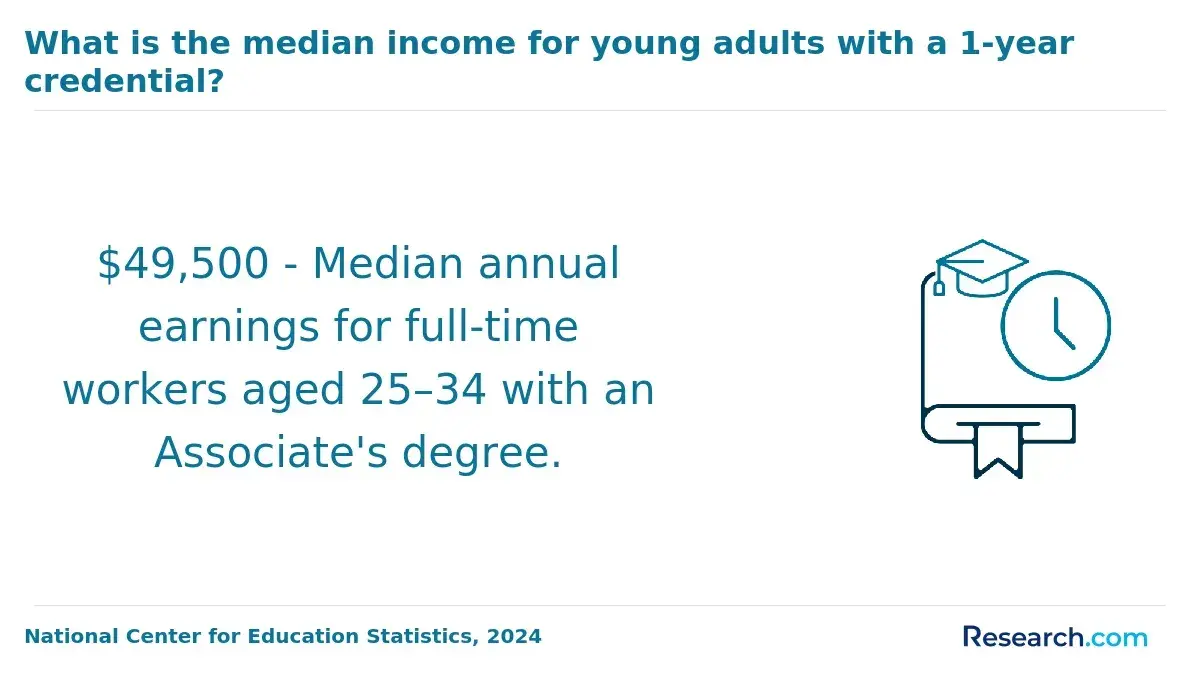
Choosing where to work can change the payoff of a sustainability degree as much as choosing the degree itself. The latest BLS wage data places median pay for environmental scientists and specialists at $80,060, compared with $49,500 for all occupations, showing a real earnings premium in relevant roles.
This guide is for students, graduates, and career changers comparing regions, salaries, living costs, and industry demand. You will learn where the wage edge is strongest and how to decide whether relocation, specialization, or staying local makes better financial sense.
Key Things You Should Know
- The national wage advantage is meaningful: the BLS median for environmental scientists and specialists is $80,060, about $30,560 above the $49,500 median for all occupations.
- The biggest nominal salary advantages usually appear in the West Coast, Northeast, and Mid-Atlantic, but lower-cost Mountain, Midwest, and Southern markets can produce stronger real purchasing power.
- The highest regional premiums tend to come from sustainability roles tied to environmental engineering, energy, climate risk, ESG reporting, supply chain decarbonization, and data analytics.
- Key Things You Should Know
- What Is the Regional Wage Advantage for Sustainability Graduates?
- Which U.S. Regions Offer the Highest Salaries for Sustainability Graduates?
- How Does Cost of Living Affect the Value of Sustainability Salaries by Region?
- How Do Entry-Level and Experienced Sustainability Salaries Compare by Region?
- Which Regions Deliver the Best Return on Investment for a Sustainability Degree?
- Should Sustainability Graduates Relocate for Higher-Paying Career Opportunities?
- Which Skills Increase the Regional Wage Advantage for Sustainability Graduates?
- Which Regions Are Expected to See the Fastest Salary Growth for Sustainability Careers?
- How Should Students Choose the Best Region for Their Sustainability Career Goals?
- Top Trending Sustainability Rankings
What Is the Regional Wage Advantage for Sustainability Graduates?
The regional wage advantage is the extra earning power a sustainability graduate may gain in one location compared with another after accounting for local salaries, cost of living, industry concentration, and advancement potential. It is not a single official government statistic because "sustainability graduate" can lead to many occupations, including environmental scientist, sustainability analyst, energy analyst, ESG reporting associate, environmental engineer, urban planner, supply chain analyst, and climate risk consultant.
A practical way to measure the wage advantage is to compare pay for sustainability-relevant roles against the local baseline for all jobs or for similar bachelor's-level professional roles. For example, the national BLS median for environmental scientists and specialists is well above the all-occupation median, which suggests that sustainability-related work can carry a wage premium when graduates enter roles requiring technical, regulatory, or analytical expertise.
Use this sequence when comparing regions because salary alone can be misleading:
- Identify the specific sustainability role you are targeting, such as environmental scientist, energy analyst, ESG analyst, sustainability manager, or environmental engineer.
- Compare the region's pay for that role with the region's all-occupation median or with comparable professional roles.
- Adjust for rent, transportation, taxes, student loan payments, and healthcare costs.
- Look at industry concentration, because a region with many energy, consulting, manufacturing, government, or technology employers may offer faster promotions.
- Check whether the role requires licensure, fieldwork availability, specialized software, or graduate education.
The main takeaway is that the biggest advantage is not always in the region with the highest advertised salary. A $90,000 sustainability role in a very expensive metro can leave less disposable income than a $78,000 role in a lower-cost market with strong employer demand.
Which U.S. Regions Offer the Highest Salaries for Sustainability Graduates?
The highest salaries for sustainability graduates tend to cluster where regulation, corporate headquarters, infrastructure spending, clean energy investment, and technical consulting overlap. The West Coast and Northeast often lead in nominal pay, while the Mid-Atlantic performs well because of federal agencies, contractors, policy organizations, and infrastructure employers.
The table below summarizes the salary signals by broad U.S. region. It is best used as a decision filter, not as a promise of income, because actual pay depends on occupation, degree level, internship experience, employer size, and whether the role is technical or program-focused.
| Region | Salary outlook for sustainability graduates | Common high-paying hubs | Why the wage advantage can be strong |
| West Coast | Very high nominal salaries | California, Washington, Oregon | Clean technology, corporate ESG teams, climate policy, utilities, environmental consulting, and technology employers create demand for analytical sustainability roles. |
| Northeast | Very high nominal salaries | Massachusetts, New York, New Jersey, Connecticut | Corporate headquarters, finance, real estate decarbonization, climate risk, and public-sector environmental regulation support premium roles. |
| Mid-Atlantic | High salaries with strong policy and contractor demand | Washington, D.C. area, Maryland, Virginia, Pennsylvania | Federal agencies, infrastructure contractors, nonprofits, defense contractors, and policy organizations employ sustainability and environmental professionals. |
| Mountain West | Moderate to high salaries with improving real value | Colorado, Utah, Nevada, Arizona | Renewable energy, water management, mining transition, urban growth, and resilience planning create specialized opportunities. |
| Midwest | Moderate salaries with strong cost-adjusted potential | Illinois, Minnesota, Michigan, Ohio | Manufacturing, agriculture, logistics, utilities, and corporate operations create demand for emissions reduction and supply chain sustainability. |
| South | Variable salaries with strong growth pockets | Texas, North Carolina, Georgia, Tennessee, Florida | Energy, batteries, data centers, manufacturing, transportation, and infrastructure investment are expanding the need for sustainability talent. |
For a new graduate, a region with online colleges with structured analyst programs and many employers may be more valuable than a region with a few very high-paying senior jobs. For an experienced professional, the highest wage advantage usually comes from moving into management, engineering, finance, energy, or climate risk roles rather than staying in general sustainability coordination.
How Does Cost of Living Affect the Value of Sustainability Salaries by Region?
Cost of living can completely change the answer to "which region pays best." A higher salary in San Francisco, Seattle, Boston, New York, or Washington, D.C. may still be attractive if it comes with faster promotions, specialized experience, or stock-based compensation, but it may not produce the highest short-term disposable income.
When comparing offers, adjust salary for the expenses that vary most by region. Housing is usually the largest factor, followed by transportation, taxes, insurance, and student loan repayment pressure.
| Regional salary pattern | Cost-of-living effect | Best fit for graduates | Main caution |
| High salary, high cost | Strong career exposure but lower short-term savings | Graduates targeting elite consulting, climate tech, finance, or policy roles | Do not assume a high salary automatically improves take-home value. |
| Moderate salary, moderate cost | Often the best balance of income, rent, and mobility | Graduates who want stable advancement without extreme housing pressure | Check whether there are enough employers to support job changes. |
| Lower salary, low cost | Can produce strong purchasing power if the job has advancement paths | Graduates with local networks, lower debt, or interest in government and utilities | Promotion opportunities may be narrower in smaller markets. |
| Rapid-growth market | Salary growth may improve over time as employers compete | Graduates interested in energy, manufacturing, batteries, water, or infrastructure | Early salaries may lag behind established coastal markets. |
A common mistake is comparing gross salary without estimating monthly savings. Before relocating, calculate rent, commuting costs, expected taxes, student loan payments, and the cost of returning home for family obligations. Students comparing sustainability degrees with other education investments, such as a masters human resources, should use the same cost-adjusted method rather than comparing only advertised salaries.
Which Industries Drive the Highest Sustainability Salaries Across Different Regions?
The industry often matters more than the region. Sustainability graduates usually earn more when their work is tied directly to revenue, compliance risk, capital projects, engineering decisions, financial disclosure, or operational efficiency. Roles focused only on awareness campaigns or general coordination may offer valuable experience but typically have less wage leverage.
The table below shows which industries tend to create the strongest wage premiums in different parts of the U.S. Use it to match your region choice with the kind of work you actually want to do.
| Industry | Regions where it is especially relevant | Common roles | Why it can pay more |
| Environmental engineering and consulting | West Coast, Northeast, Mid-Atlantic, Mountain West | Environmental consultant, remediation specialist, permitting analyst, environmental engineer | Technical expertise, regulatory deadlines, and client billing rates can support higher compensation. |
| Energy and utilities | Texas, California, Mountain West, Midwest, Southeast | Energy analyst, renewable project analyst, grid planning associate, utility sustainability specialist | Energy transition projects require quantitative, regulatory, and infrastructure knowledge. |
| Finance, insurance, and real estate | Northeast, Mid-Atlantic, West Coast | Climate risk analyst, ESG reporting analyst, green building analyst | Climate risk and disclosure work affects lending, insurance pricing, investment decisions, and asset valuation. |
| Manufacturing and supply chain | Midwest, South, Texas, Georgia, Tennessee, North Carolina | Supply chain sustainability analyst, emissions analyst, circular economy associate | Companies need measurable reductions in energy use, waste, supplier emissions, and compliance exposure. |
| Government and infrastructure | Mid-Atlantic, West Coast, Northeast, state capitals | Planner, resilience analyst, environmental program specialist | Federal, state, and local climate adaptation, transportation, and water projects create steady demand. |
For students, the smartest move is to choose coursework and internships that align with a high-value industry cluster. For example, someone in the Midwest may gain more wage leverage from life-cycle assessment, manufacturing emissions, and supply chain analytics than from a broad sustainability communications role.
How Do Entry-Level and Experienced Sustainability Salaries Compare by Region?
Entry-level sustainability pay varies widely because job titles are inconsistent. A "sustainability coordinator" role may focus on reporting, events, or internal programs, while an "environmental analyst" or "energy analyst" role may require technical modeling, compliance work, or data analysis. Experienced professionals typically gain the largest regional wage advantage when they move from support roles into management, consulting, engineering, risk, or strategy.
The table below compares how regional value changes by career stage. It focuses on decision-making rather than exact salaries because entry-level and senior roles differ sharply by employer and specialization.
| Career stage | Best regional strategy | Strong-fit regions | What to prioritize |
| Entry-level graduate | Choose regions with many employers, internships, and analyst-level openings | West Coast, Northeast, Mid-Atlantic, Midwest metros, fast-growing Southern metros | Training, mentorship, job mobility, and technical experience |
| Early-career professional | Move toward specialized roles tied to data, compliance, energy, or operations | Mountain West, Texas, Midwest, California, Northeast | Certifications, software skills, project ownership, and measurable outcomes |
| Experienced specialist | Target industries where sustainability decisions affect capital, risk, or regulation | Northeast, West Coast, Texas, Mid-Atlantic | Management responsibility, client exposure, regulatory depth, and budget authority |
| Manager or director | Compare headquarters markets and regions with major infrastructure or energy investment | New York, California, Washington, D.C. area, Texas, Illinois, Massachusetts | Executive visibility, cross-functional leadership, and strategic reporting |
The BLS median for environmental engineers is higher than the median for many broader environmental roles, which illustrates why technical pathways can raise lifetime earnings. However, an engineering role may require an ABET-accredited engineering degree and, for some responsibilities, professional licensure, so students should not assume all sustainability degrees lead to the same job options.
Which Regions Deliver the Best Return on Investment for a Sustainability Degree?
The best ROI region is usually the one that balances salary, living costs, debt, job availability, and advancement. A sustainability degree can pay off differently depending on whether the student earns a bachelor's degree, a master's degree, an engineering credential, a public policy degree, an MBA concentration, or a certificate layered onto another major.
Use this ROI checklist before choosing a region or accepting an offer:
- Compare the expected salary with local rent and transportation costs, not just with national averages.
- Check whether the region has multiple employers in your target industry so you are not dependent on one company.
- Estimate how long it will take to recover tuition, fees, relocation costs, and lost income if you attended school full time.
- Look for internships, co-ops, capstone projects, and employer partnerships because they reduce the risk of graduating without relevant experience.
- Evaluate whether a graduate degree is required for the roles you want or whether certificates, software skills, or field experience would be more cost-effective.
For many students, the strongest ROI comes from a moderate-cost region with a dense employer base, especially if they can complete internships while studying. Students comparing sustainability graduate school with other accelerated education paths, including shortest doctoral programs, should focus on the credential actually required for their target role rather than assuming a longer or higher degree automatically improves earnings.
A red flag is enrolling in an expensive program without checking job placement by region. A sustainability degree with strong local employer connections may outperform a more recognizable program if it leads to paid internships, applied projects, and direct hiring pipelines in the region where you plan to work.
Should Sustainability Graduates Relocate for Higher-Paying Career Opportunities?
Relocation can be worthwhile, but only when the higher salary improves your total career and financial position. Moving for a first job may make sense if the region offers specialized experience you cannot easily get locally, such as climate finance in New York, clean technology in California, federal environmental contracting in the Washington, D.C. area, energy transition work in Texas, or water and resilience planning in the Mountain West.
Before relocating, compare the offer against these practical factors:
- Net monthly income after rent, taxes, insurance, commuting, and loan payments
- Number of similar employers within commuting distance or remote-friendly reach
- Promotion speed and whether the role builds transferable technical skills
- Relocation assistance, signing bonus, hybrid-work policy, and expected travel
- Risk of being locked into a narrow niche that is hard to transfer to another region
Relocation is less attractive when the salary bump disappears after housing costs, when the employer base is thin, or when the role is general enough that similar experience is available locally. Career changers should also compare sustainability relocation against other mission-driven fields; for example, someone weighing environmental work against counseling or family systems careers might separately review an LMFT program online because licensure rules and regional wage dynamics work very differently.
A smart compromise is to target hybrid roles, regional offices of national firms, or two-step moves. For example, a graduate might start in a lower-cost Midwest manufacturing sustainability role, build emissions accounting and supplier engagement experience, and later compete for higher-paying national corporate roles.
Which Skills Increase the Regional Wage Advantage for Sustainability Graduates?
The skills that raise salaries are the ones employers can connect to measurable risk reduction, compliance, savings, financing, or operational improvement. General passion for sustainability helps, but wage premiums usually come from technical fluency and the ability to translate environmental goals into business decisions.
These skills are especially useful across regions because they travel well from one market to another:
- Greenhouse gas accounting, including Scope 1, Scope 2, and Scope 3 emissions concepts
- Data analysis using Excel, SQL, Python, Tableau, Power BI, R, or geographic information systems
- Life-cycle assessment, carbon accounting platforms, and environmental impact measurement
- Energy modeling, utility data analysis, building performance, and renewable energy project basics
- Regulatory research, permitting, environmental compliance, and climate disclosure familiarity
- Supply chain sustainability, supplier engagement, procurement analytics, and circular economy planning
- Project management, stakeholder communication, and the ability to present business cases to nontechnical leaders
AI and automation are changing the skill mix. Tools can help summarize policies, process utility data, draft reports, and identify anomalies, but employers still need people who can verify data quality, understand local regulations, interpret environmental trade-offs, and defend recommendations. Graduates who combine sustainability knowledge with data literacy are better positioned in both high-salary coastal markets and cost-effective industrial regions.
Certifications can help, but they should match the target role. LEED credentials may matter for buildings and real estate; energy certifications may help with utilities and facility roles; project management credentials may help coordinators move into implementation; and engineering licensure may be important for specific technical responsibilities.
Which Regions Are Expected to See the Fastest Salary Growth for Sustainability Careers?
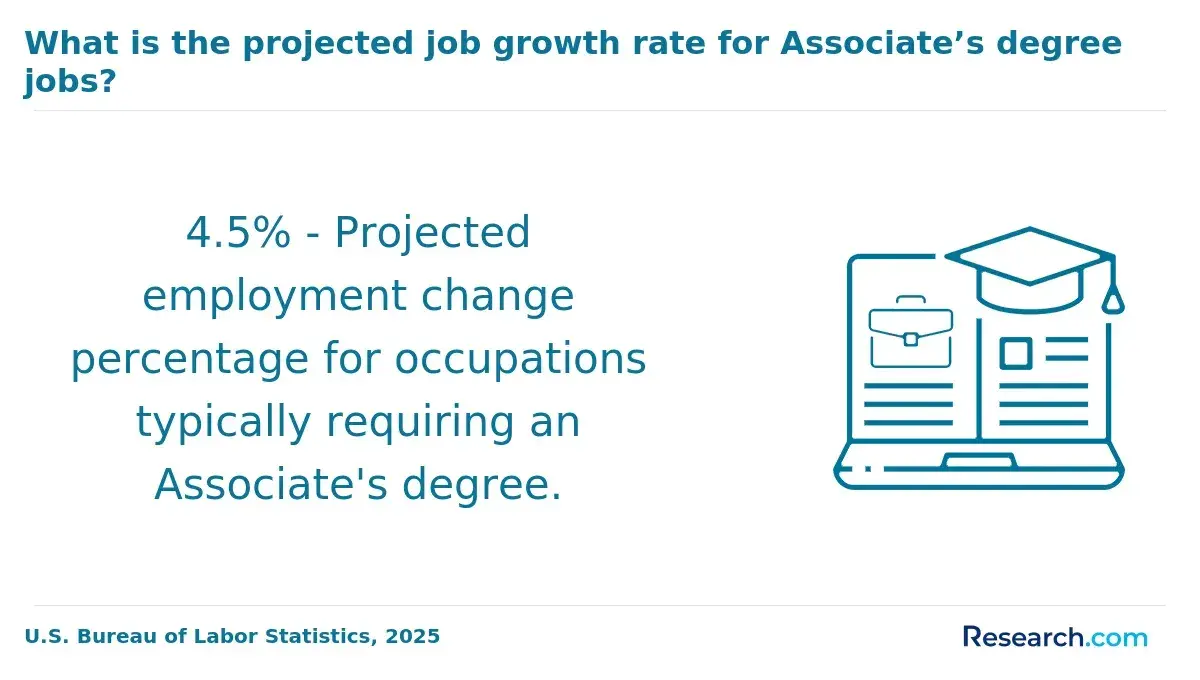
Salary growth is likely to be strongest where employer demand is expanding faster than the local talent supply. BLS projections published for the current decade show environmental scientists and specialists growing faster than the average for all occupations, which supports a positive national outlook, but regional wage growth will depend on local investment and industry mix.
The table below highlights regions with strong salary-growth potential and the forces behind them. These are not guaranteed outcomes; they are practical signals to watch when comparing job markets.
| Region or market type | Growth signal | Sustainability roles likely to benefit | What students should monitor |
| Texas and energy-transition markets | Energy, grid, carbon management, hydrogen, and industrial decarbonization activity | Energy analyst, environmental compliance specialist, carbon analyst, utility sustainability specialist | Whether employers are hiring for long-term transition roles or short-term project support |
| Southeast manufacturing corridors | Battery plants, EV supply chains, advanced manufacturing, logistics, and data centers | Supply chain sustainability analyst, emissions analyst, facilities sustainability associate | Whether salaries rise as competition for technical talent increases |
| Mountain West growth metros | Water stress, population growth, renewable energy, resilience planning, and land-use pressure | Water analyst, planner, resilience analyst, renewable project associate | Housing affordability and whether public-sector salaries keep pace with living costs |
| Northeast and Mid-Atlantic climate-risk hubs | Finance, insurance, infrastructure, real estate, and public policy demand | Climate risk analyst, ESG reporting analyst, resilience consultant | Competition from graduates with finance, policy, data, or engineering backgrounds |
| West Coast clean technology markets | Climate tech, software, corporate sustainability, regulation, and venture-backed firms | Product sustainability analyst, carbon data analyst, sustainability program manager | Layoff risk, startup volatility, and cost-of-living pressure |
A fast-growing region can be better than a currently high-paying region if it lets you enter early, build scarce expertise, and move up quickly. However, do not confuse economic headlines with job availability. Always check current postings, employer diversity, and whether the skills requested match your degree plan.
How Should Students Choose the Best Region for Their Sustainability Career Goals?
Students should choose a region by matching career goal, cost tolerance, degree type, and industry cluster. A student who wants climate finance should not use the same regional strategy as someone who wants habitat restoration, environmental engineering, sustainable agriculture, or corporate supply chain decarbonization.
A strong decision process looks like this:
- Choose a target role first, then identify the regions where that role is common.
- Compare at least three regions using salary, rent, employer count, internship availability, and advancement pathways.
- Review job postings to identify recurring skills, software, certifications, and degree requirements.
- Ask programs for regional placement data, internship partners, alumni employers, and career services outcomes.
- Estimate ROI using tuition, aid, debt, relocation costs, expected salary range, and likely time to promotion.
- Build a backup plan in a related field, such as environmental compliance, operations, planning, analytics, or project management.
Who should prioritize high-salary regions? Students with strong technical skills, low geographic constraints, interest in consulting or corporate roles, and tolerance for high housing costs may benefit from West Coast, Northeast, and Mid-Atlantic markets. Who should prioritize cost-adjusted value? Students with higher debt, family obligations, or interest in manufacturing, utilities, public agencies, or regional planning may find better ROI in the Midwest, Mountain West, Texas, or selected Southern metros.
Adult learners and career changers should be especially careful about time-to-completion and opportunity cost. Someone comparing a sustainability credential with faster online options, including one year degrees for seniors, should ask whether the program leads to a specific role in the region where they intend to work.
The biggest mistake is treating "sustainability" as one job market. The better approach is to pick a problem you want to solve, such as energy use, climate risk, water, waste, buildings, supply chains, or policy, and then choose the region where employers pay for that solution.
Other Things You Should Know About Sustainability
It can be worth it when the program builds marketable skills, connects students with employers, and leads to roles in analytics, compliance, energy, engineering, planning, or corporate sustainability. ROI is weaker when tuition is high and the program lacks internships, technical training, or regional placement data.
The best entry-level region is usually one with many employers and internship pipelines, not just the highest salaries. West Coast, Northeast, Mid-Atlantic, Midwest manufacturing metros, Texas, and fast-growing Southern markets can all be strong depending on the target role.
Not always. Many analyst, coordinator, compliance, and operations roles are available with a bachelor's degree plus internships and technical skills. A master's degree may help for policy, planning, research, management, climate risk, or specialized technical roles, but students should verify job requirements before enrolling.
The biggest mistake is choosing a region based only on gross salary. Graduates should compare take-home pay, rent, job density, promotion paths, industry mix, and whether the role builds transferable skills.
Top Trending Sustainability Rankings
References
- 10 green jobs with strong growth potential | U.S. Green Building Council https://www.usgbc.org/articles/10-green-jobs-strong-growth-potential
- Policy Framework and the Economic and ... https://oipub.com/papers/399500670
- Future Skills Centre • Centre des Compétences futures https://fsc-ccf.ca/projects/sos-sustainable-jobs/
- Transferring to the website... https://www.sid.ir/paper/1404991/en
- Careers in Sustainability: A 2026 Guide to Sectors, Roles, Salaries and How to Start https://sumas.ch/blog/careers-in-sustainability/
- Salary Insights for Environment Consultants https://theenvironmentconsultant.com/2025/02/04/salary-insights-for-environment-consultants/
- The 11 Highest-Paying Careers in Sustainability https://www.sustainabilitydegrees.com/blog/highest-paying-careers-in-sustainability/
- 6 Sustainability Manager Salary Insights: What top companies Pay in 2026 https://ecoskills.academy/6-sustainability-manager-salary-insights/