2027 Fastest Online Bachelor's in Environmental Science Degree Programs Ranking in the USA

Co-Founder and Chief Data Scientist
Choosing the right online bachelor's degree in environmental science can be overwhelming. To help simplify this important decision, our article presents the 2027 Fastest Online Bachelor's in Environmental Science Degree Programs Ranking in the USA.
This ranking was developed by the Research.com team of data scientists, providing reliable information so you can find programs that match your goals and lifestyle.
By exploring this guide, you'll discover options that offer quality education and flexibility, empowering you to advance your career in a field that impacts the planet's future.
Key benefits of getting online environmental science degree in America
- Environmental science degree graduates often pursue roles like environmental scientists, who earn a median annual wage of around $76,000 in the US, offering a rewarding and stable income.
- Graduates can explore diverse career paths such as conservation, policy advising, and sustainability consulting, inspired by successful alumni from leading universities like University of California, Berkeley.
- Completing an online environmental science degree offers flexibility and convenience, allowing students from anywhere to balance studies with personal commitments, as demonstrated by graduates from Arizona State University's online programs.
- 2027 Fastest Online Bachelor's in Environmental Science Degree Programs Ranking in the USA
- What can I expect from online environmental science degree in America?
- Where can I work with online environmental science degree in America?
What can I expect from online environmental science degree in America?
Imagine balancing your passion for environmental science while keeping your budget in check-online programs across America make this possible with a wide pricing range. Graduates often recall their experience at state universities where in-state tuition can be surprisingly affordable, sometimes comparable to a semester's worth of groceries, offering an accessible gateway to earning their degree without overwhelming debt. On the flip side, private colleges with renowned environmental faculties might ask for a loftier investment, but many students celebrate the financial aid and scholarships that soften the cost, turning dreams into reality.
One alum from a major public university described how competitive in-state rates allowed them to study full-time without sacrificing weekend hikes or internships. Another from a well-known private institution spoke enthusiastically about how targeted scholarships-especially for sustainability majors-transformed what seemed like a steep tuition cost into a manageable journey. Public universities remain the sweet spot for those seeking quality education paired with affordability, all while preparing to tackle issues like climate change and conservation.
Where can I work with online environmental science degree in America?
Graduates from online environmental science programs at renowned American universities often find themselves weaving through a tapestry of career opportunities that feel less like jobs and more like missions. Picture yourself collaborating with the Environmental Protection Agency in Washington, analyzing real-time pollution data, or joining a bustling green tech startup in Silicon Valley, turning solar dreams into tangible energy solutions. These roles are more than paychecks-they're daily victories against climate chaos.
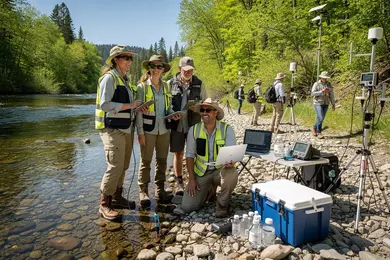
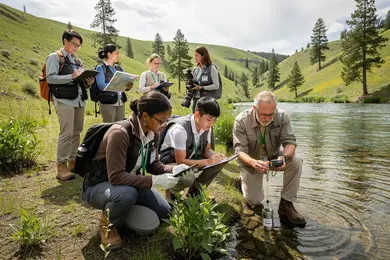
Imagine a graduate from a top public university who spent the summer aiding a state environmental agency, monitoring water quality while soaking in the natural beauty of local rivers. Another might thrive as a consultant in Chicago's manufacturing district, innovating sustainability strategies that reshape heavy industry from the inside out.
Then there are the quiet heroes in non-profits and academic labs across the country, turning data into stories that spark community change or guiding field research that fuels cutting-edge discoveries. The U.S. job market sings for environmental scientists-from government agencies to renewable energy hubs-offering meaningful work and a paycheck near $78,000. It's a journey where passion meets purpose, powered by knowledge earned through trusted online degrees.
Graduates earning an online environmental science degree in America can anticipate starting salaries generally between $50,000 and $60,000, a solid launchpad for their careers. Imagine a graduate from a respected university like Oregon State University landing an entry-level environmental technician role-this range reflects real-world beginnings, where hands-on fieldwork and data collection become day-to-day adventures.
With time, these salaries can climb toward and beyond the median benchmark of around $76,530 reported by the U.S. Bureau of Labor Statistics for environmental scientists and specialists. Picture a graduate from the University of Wisconsin stepping into a consulting role in urban sustainability and encountering salary growth as they sharpen GIS and data analytics skills, turning passion into profit.
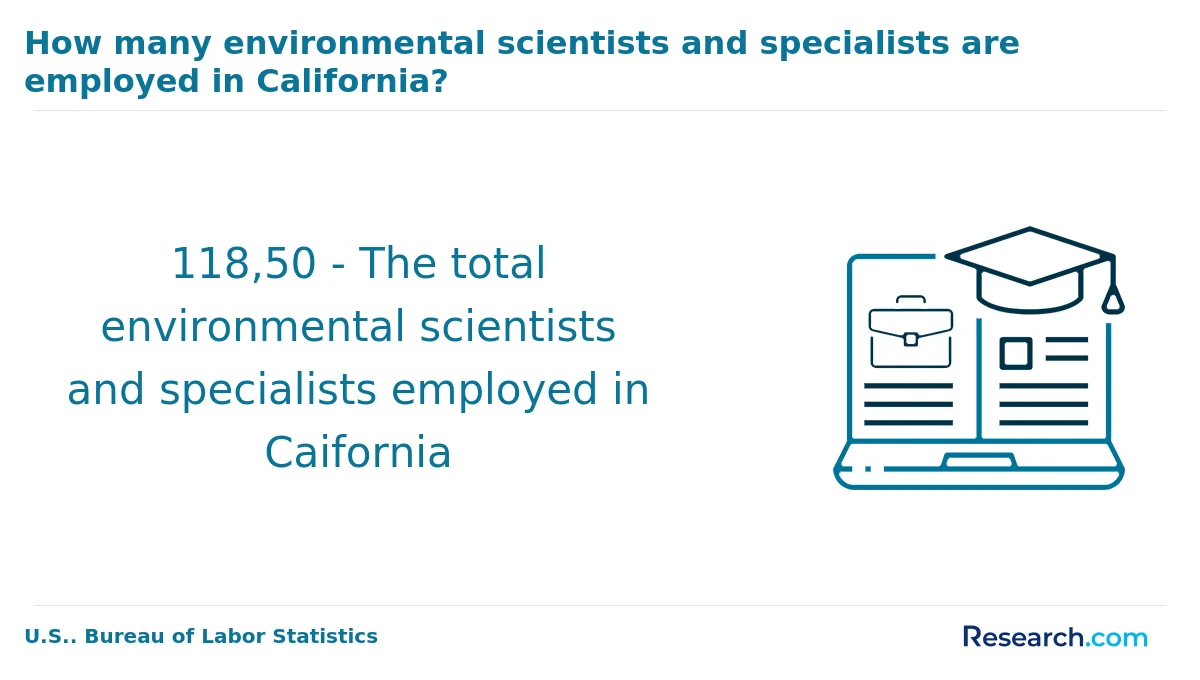
States like California, Washington, and Massachusetts act like magnets for environmental pros, offering paychecks often topping $90,000 due to the thriving green economy and high cost of living there. Alumni from universities such as UCLA or University of Washington feel this effect firsthand, enjoying competitive compensation coupled with meaningful work fighting climate change.
Advanced degrees or certifications amplify earning potential, catapulting some into managerial roles that can easily exceed $100,000 annually. This trajectory is not just about numbers but about translating educational investment into impactful careers, where graduates shape a greener future while earning respect and rewarding salaries.
- Online environmental science bachelor's degrees typically take four years and cover biology, chemistry, geology, and environmental policy.
- The total cost usually ranges from $40,000 to $70,000, with public universities offering lower tuition, especially for in-state students.
- Graduates start with an average salary around $50,000, and experienced professionals can earn between $70,000 and $90,000 annually.
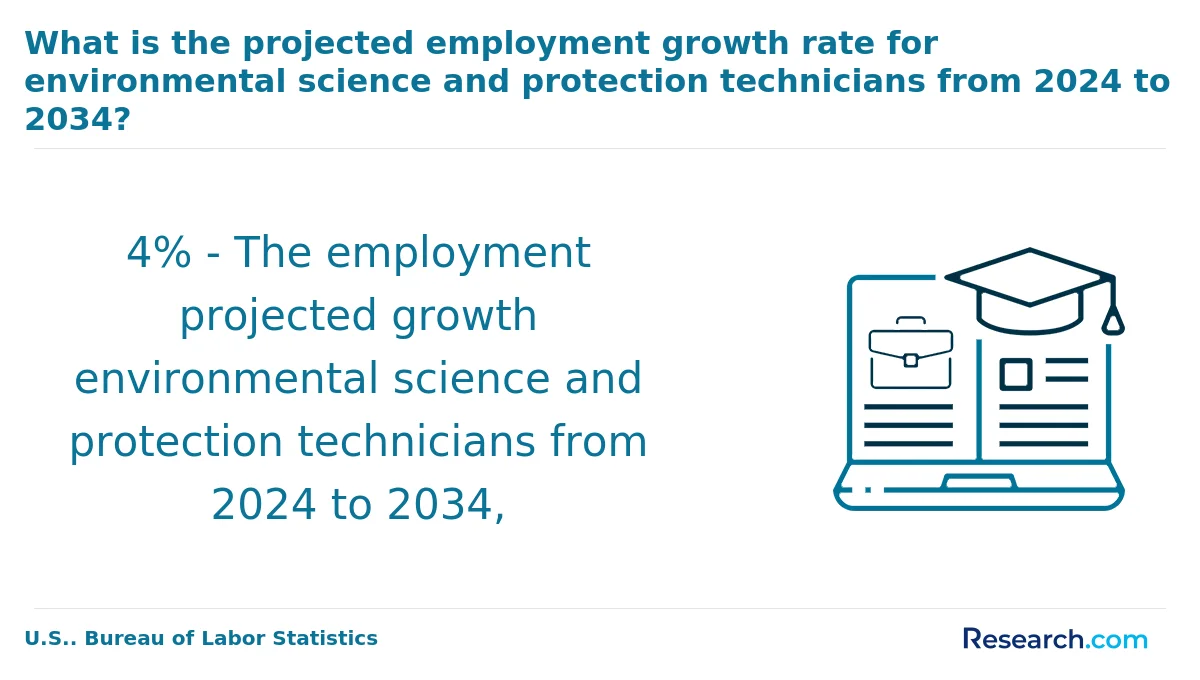
- The job market is expected to grow about 8% over the next decade, driven by climate change and sustainability efforts.
- Important program features include courses in GIS, environmental law, data analysis, and opportunities for internships or practicum experiences.
- Regional accreditation is crucial to ensure quality education and alignment with career goals in consulting, policy, or research.
Completing an online environmental science degree in America often feels like embarking on a customized expedition rather than a fixed trek. Most full-time explorers, studying at well-known institutions like Oregon State University or University of Florida, chart their course over about four years-mirroring traditional campus timelines but with the freedom to learn in pajama armor.
Picture a graduate juggling late-night lectures with weekend hikes through local parks, chipping away at 12 to 15 credit hours each semester, weaving ecology, conservation, and sustainability into their academic toolkit. Some adventurers speed up their journey, tackling heavier course loads or enrolling in accelerated programs that slice the timeline down to three years, like catching a strong tailwind on their educational voyage.
Others take a leisurely, part-time path-perhaps balancing work, family, or electric car experiments-stretching their studies to five years or more, gaining wisdom with every step. Transfer credits act as secret shortcuts, shaving months off the quest, fueled by prior college credits or real-world environmental work.
So while the average American bachelor's degree might take over five years, the flexible online environmental science route offers a personalized rhythm aligned with dreams, endurance, and life's ever-changing adventure.
Imagine walking through the lush grounds of the University of California, Berkeley, crunching leaves underfoot as you join a professor for hands-on soil testing-that tactile immersion is the heartbeat of on-campus environmental science degrees. Graduates rave about the electric buzz of field labs or collaborating with peers in real time, reveling in the sensory richness of studying ecosystems up close. In contrast, many online students at institutions like Colorado State University harness virtual reality field trips and interactive simulations to traverse ecosystems from their own living rooms-a web of pixels replacing mud and tree bark.
Scheduling is a dance of contrasts: on-campus learners synchronize with fixed class hours, creating a rhythm of structured momentum, while online learners compose their own melodies, balancing coursework around jobs or family life. One graduate shares how this flexibility transformed her path, allowing her to study environmental policies after the kids were asleep. The financial landscape mirrors these differences; while public in-state tuition hovers between $7,000 and $10,000 annually, online programs sometimes pare down costs by trimming commuting and housing expenses but watch for hidden fees.
Despite the virtual divide, the core remains steady-regionally accredited degrees signal that whether you're leaning into Berkeley's forest trails or your own kitchen table desk, the academic standards and value resonate equally across America's environmental science programs.
Crunching the numbers for the average cost of online environmental science degree in America reveals a landscape both challenging and hopeful. The median total cost hovers around $52,800, with out-of-state students facing a slightly steeper climb near $59,880. In-state attendees breathe a bit easier with median costs around $56,880, reflecting the advantage of public universities' friendlier pricing. Graduates from well-known institutions often recall balancing their budgets between tuition and the extra expenses unique to environmental science, such as specialized lab kits or data analysis software.
Imagine a student enrolled at a top-tier public university, navigating coursework while incorporating fieldwork assignments that require a lab kit. These small but specific fees add layers to the total expenses for online environmental science bachelor's program 2027, often overlooked yet impactful when tallying the full journey cost. This financial mosaic resonates strongly with those eyeing programs like those at flagship state universities or private colleges known for robust environmental departments.
Beyond tuition, the personal stories of emerging environmental scientists echo the importance of accessible online resources. Many cherish the digital libraries and affordable textbook options that ease the burden without compromising quality. Prospective students who explore aid options and scholarships, especially within the framework of respected programs, find pathways to fund their passions more sustainably.
For those checking out an environmental sustainability major, being strategic about these costs is vital. Embracing the total financial picture prepares future graduates not just academically but equips them with savvy budgeting skills, turning their educational investment into a meaningful, manageable venture.
Imagine landing an online environmental science degree from a top school like Oregon State University or the University of Florida without watching your bank account shrivel. Many graduates share stories of unlocking federal treasures like Pell Grants, which hand out up to $7,395 a year, easing the sting of tuition that can climb above $35,000 at private institutions. These grants feel like unexpected gifts, no strings attached.
Others describe juggling Direct Subsidized or Unsubsidized Loans, borrowing wisely to keep pace with the passion for sustainability. Half-time enrollment is the golden ticket to these government loans, with manageable interest rates and income-driven repayment tangoing in the background.
Then there are state-sponsored programs acting like secret allies, especially for students rooted in environmental hotspots, offering scholarships or loan forgiveness for pursuing green careers. Think of attending the University of North Carolina and finding a state-backed scholarship tailored just for eco-warriors.
A chorus of private scholarships from groups like the National Environmental Health Association often echoes in the backgrounds of hopefuls, offering merit-based awards that lift ambitious students closer to their dreams. Employers sometimes step in too, turning tuition bills into faded memories through generous reimbursements tied to sustainability roles.
Military-connected students frequently tap into the GI Bill or Tuition Assistance, wielding these benefits as powerful tools to navigate the cost jungle while studying environmental science online. Each of these opportunities crafts a personalized financial path, making education in America's environmental fields a reachable reality filled with optimism.
Imagine gearing up for an online environmental science journey through a university like Oregon State or the University of Florida. Your ticket in? A high school diploma or GED, sprinkled with a solid science and math foundation - think biology, chemistry, physics, algebra, even some calculus. Graduates often recall how mastering these subjects felt like unlocking the toolkit for decoding nature's puzzles.
Some schools still ask for SAT or ACT scores, though many embrace a test-optional vibe, easing the path forward. Letters of recommendation and personal essays become your chance to share the spark that drives your passion for the planet-echoing the heartfelt statements from grads who turned their love for hiking or ocean conservation into academic fuel.
Transfer students find their previous biology or environmental courses handy, speeding up progress at places such as the University of Wisconsin. Digital fluency is a must-picture tackling complex data sets or streaming lectures uninterrupted, highlighting why steady internet and basic computing skills are non-negotiable.
Imagine diving into Environmental Chemistry at a top online program, where graduates from well-known American universities describe it as unraveling the invisible chemical dance of pollution and ecosystems. Courses like Ecology bring you face-to-face with the delicate balance between creatures and their habitats, as if hiking through a virtual forest teeming with life right from your laptop.
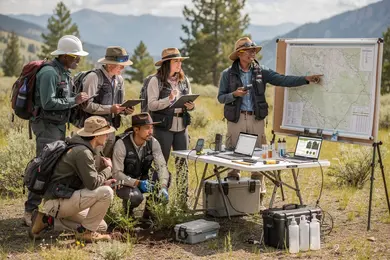
GIS classes turn you into a digital cartographer, mapping real-world environmental changes with tools that graduates say feel like wielding a superpower in environmental justice. When tackling Environmental Policy and Law, students find themselves navigating the complex maze of American regulations protecting lands and waters, a challenge that alumni often recall with a sense of mission and empowerment.
Sustainability Practices and Climate Change Science courses translate abstract concepts into vivid realities, inspiring learners to imagine greener cities and cooler planet futures. Conservation Biology threads a narrative of hope, teaching how to protect endangered species-something graduates recount as both humbling and exhilarating. These courses together animate the commitment and excitement of studying environmental science online in America.
Diving into online environmental science specializations USA means exploring vibrant pathways like Environmental Policy and Management, designed for those dreaming of shaping green laws in government halls or grassroots campaigns. Graduates from notable schools rave about blending theory with action, crafting policies that dance between regulations and real-world impact. Conservation Biology calls to those passionate about wildlife and ecosystems, where students from top American universities recount their thrill in restoring habitats and saving endangered species through hands-on virtual labs.
Another realm, Environmental Chemistry, invites learners to decode nature's complex chemical puzzles-graduates speak of analyzing pollution with precise digital tools, feeling the weight of their efforts on cleaner air and water.
Sustainability Studies lights up minds focused on pioneering corporate social responsibility and green innovation; some students navigate the cheapest bachelor degree sustainability options while leading eco-friendly business ventures.
Lastly, GIS and Remote Sensing transform tech-savvy learners into map wizards, interpreting spatial data to protect landscapes-a skill applauded by graduates working in consultancies.
Choosing a direction within environmental science degree focus areas America helps you craft a tailored adventure grounded in meaningful change and professional growth.
Imagine navigating the vast green landscape of online environmental science degrees like a modern-day explorer seeking the perfect map. Graduates from universities like Oregon State and Arizona State often share how crucial accreditation was for their journey-knowing their credits and efforts would be valued nationwide. When choosing, dive into programs offering a rich core curriculum with electives that spark your passion, whether it's climate change or environmental law; these weave a personalized tapestry of knowledge.
Cost shouldn't stop your adventure-seek out affordable environmental science bachelor programs America offers, including public institutions with flexible tuition and payment plans. One graduate fondly recalls balancing night shifts with asynchronous classes, proving flexibility is a hidden gem. Don't overlook the power of career support and internships-these practical footholds transform theory into impactful action.
For those wanting broader horizons, exploring mba programs with sustainability focus can amplify your impact after an online environmental science degree in America.
Graduates equipped with an online environmental science degree in America often find themselves stepping into dynamic roles that shape the planet's future. Imagine consulting firms where you, as an environmental consultant, evaluate the heartbeat of local ecosystems, ensuring that sprawling development projects don't choke natural habitats. Many graduates from renowned institutions like the University of Arizona relish the variety found in regulatory affairs, navigating complex environmental laws that safeguard our air and water.
Others draw inspiration from careers in renewable energy analytics, taking positions with forward-thinking companies in California's Silicon Valley or the Midwest's burgeoning wind farm sectors. These jobs feel less like work and more like a purposeful adventure into sustainability. Graduates from universities popular for environmental science might even collaborate with nonprofits, channeling passion into conservation efforts, community education, or championing climate advocacy. These pathways highlight the breadth of online environmental science careers USA offers.
For students curious about their options, exploring programs noted for affordability and flexibility can expand horizons. Discovering an easy environmental science degree online can turn aspirations into action while balancing life and learning.
Graduates stepping into the job market with an online environmental science degree in America find themselves on a rising tide of opportunity. With the country's increasing focus on sustainability, careers flourish across government agencies, nonprofits, and private sectors in cities known for strong environmental programs like those near the University of California system or Colorado State University. Those who earned their degrees online often share stories of balancing coursework with current jobs, unlocking pathways into roles such as environmental consultant or sustainability coordinator without uprooting their lives. This flexibility enhances the appeal of online environmental science degree jobs USA, especially for career changers.
Salary expectations ride the wave of experience and specialty, starting near $45,000 but climbing with expertise in fields like hazardous waste management. Graduates often emphasize how certifications like GIS or HAZWOPER boosted their employability and real-world impact. For anyone wondering how long does it take to become an environmental biologist, this journey is as much about passion as practical preparation.
2027 Fastest Online Bachelor's in Environmental Science Degree Programs Ranking in the USA
Investing in your education is a significant decision that can shape your future, and the Research.com team understands the importance of making informed choices. To assist prospective students, we have meticulously crafted the "2027 Fastest Online Bachelor's in Environmental Science Degree Programs Ranking in the USA." Our commitment to quality, credibility, and accuracy is reflected in the extensive research and analysis conducted to compile this ranking.
We utilized the following reputable data sources to ensure a comprehensive evaluation of environmental science programs:
By exploring this ranking, readers will gain valuable insights into the fastest online environmental science degree programs across the USA, helping them make informed decisions about their educational paths. For more details on our methodology, please visit our Research.com methodology page.


# 3 position
Western Kentucky University
Bachelor of Health Science (Environmental Health Science concentration)

# 4 position
University of Maryland Global Campus
Bachelor of Environmental Health & Safety




Frequently Asked Questions About environmental science
Online environmental science degree students in America can maximize their learning by actively engaging with course materials and faculty. Regular participation in virtual discussions helps deepen understanding and builds connections with peers and professors. Utilizing university resources, such as virtual labs and libraries, can enhance practical skills and access to scientific data. Students should seek internships or volunteer opportunities with organizations like the EPA or local conservation groups to gain hands-on experience. According to the U.S. Bureau of Labor Statistics, practical experience significantly improves job prospects in environmental science fields. Time management and disciplined study routines are also critical for success in online programs.
Emerging niches within the environmental science field in the United States reflect growing concerns around climate change, sustainability, and technological innovation. Areas such as climate adaptation and resilience focus on preparing communities for environmental impacts. According to the U.S. Bureau of Labor Statistics, jobs in environmental science are expected to grow 8% from 2022 to 2032, faster than average for all occupations.
Another expanding niche is environmental data analysis, leveraging big data and GIS technology to monitor ecosystems and pollution. Renewable energy management is also gaining traction, driven by federal initiatives aiming for carbon neutrality by 2050. These niches offer promising career paths for students pursuing online environmental science degrees.
Graduates with an online environmental science degree in America should focus on building practical skills to improve job prospects. Many employers value hands-on experience, so completing internships or volunteering with organizations like the Environmental Protection Agency (EPA) can be crucial. According to the U.S. Bureau of Labor Statistics, the environmental science field is expected to grow 8% from 2022 to 2032, faster than the average for all occupations, highlighting increasing job opportunities.
Networking is also vital. Joining professional groups such as the Ecological Society of America provides access to job boards and mentorship. Additionally, obtaining certifications in Geographic Information Systems (GIS) or environmental compliance can enhance a resume significantly.
Employers in the United States highly value environmental science graduates who possess strong analytical and critical thinking skills. These abilities enable graduates to assess environmental data effectively and develop innovative solutions to ecological problems.
Proficiency in Geographic Information Systems (GIS) is increasingly important; according to the U.S. Bureau of Labor Statistics, GIS skills can significantly enhance job prospects in this field. Additionally, knowledge of environmental regulations and policy frameworks is essential for compliance and sustainable planning roles.
Strong communication skills, both written and oral, allow graduates to convey complex scientific concepts to diverse audiences. Collaboration and project management are also key, reflecting the interdisciplinary nature of environmental science work in America.
Finding internships in America relevant to an environmental science degree involves leveraging university career services, online job platforms, and professional networks. Many colleges partner with organizations like the Environmental Protection Agency (EPA) and the National Oceanic and Atmospheric Administration (NOAA) to offer internship opportunities. According to the EPA, their internship programs provide hands-on experience in policy, research, and fieldwork. Students can also use websites like USAJOBS.gov to find government internships specifically in environmental fields.
Networking through professional groups such as the Ecological Society of America can increase chances. Additionally, reaching out directly to local environmental agencies and nonprofits often uncovers unadvertised positions. Early applications are advisable since environmental internships are competitive and limited.
Obtaining an online environmental science degree in America can significantly enhance career mobility and advancement. According to the U.S. Bureau of Labor Statistics, employment in environmental science-related jobs is projected to grow 8% from 2022 to 2032, faster than the average for all occupations. This growth creates new opportunities for graduates with specialized knowledge.
Many online programs incorporate up-to-date training in climate policy, GIS technology, and sustainability practices, skills highly valued by employers across government agencies, NGOs, and private sectors. An accredited degree from a recognized U.S. institution also provides professional credibility.
Flexible online study options allow working professionals to advance their qualifications without interrupting their careers. This combination of accessibility and market relevance supports faster promotion potential and entry into leadership roles in environmental science fields.
Studying for an environmental science degree in America equips students with a broad understanding of natural and social sciences. This multidisciplinary approach combines biology, chemistry, geology, and policy studies, preparing graduates to address complex environmental challenges.
Online programs often include courses in environmental law, sustainability, and data analysis, fostering skills applicable across sectors like government, industry, and nonprofits. According to the U.S. Bureau of Labor Statistics, the demand for environmental scientists is expected to grow 8% from 2022 to 2032, reflecting the value of interdisciplinary expertise.
This training enables students to collaborate with professionals in economics, engineering, and public health, essential for solving today's environmental problems.
Choosing between a thesis and a non-thesis environmental science degree program in America depends largely on your career goals. A thesis option involves conducting original research and writing a substantial paper. It suits students aiming for research roles or graduate study. According to the National Center for Education Statistics, thesis programs typically take longer to complete but provide deeper expertise.
The non-thesis path focuses on coursework and practical skills, ideal for those pursuing immediate employment in environmental consulting, policy, or management. Many online programs offer flexible pacing for non-thesis students, helpful for working professionals.
Consider your preference for research intensity and future plans when deciding.
American students seeking to study environmental science abroad through online programs have limited direct options, as most accredited U.S. universities offer their environmental science degrees domestically. However, some U.S.-based institutions collaborate with international universities, creating hybrid programs or exchange opportunities that blend in-person and remote learning. These partnerships occasionally allow students to engage with global environmental issues while earning a U.S. degree.
According to the National Center for Education Statistics, about 20% of U.S. higher education students participate in study abroad programs, though purely online foreign degrees in environmental science remain uncommon. Students can also explore international research projects or internships facilitated online, expanding their global perspective without relocating.
Part-time job opportunities that complement an environmental science degree in America often include roles in environmental consulting, laboratory technician positions, and GIS (Geographic Information Systems) assistant jobs. According to the U.S. Bureau of Labor Statistics, employment in environmental science fields is expected to grow 8% from 2022 to 2032, creating more opportunities for students.
Internships or entry-level roles at government agencies like the Environmental Protection Agency (EPA) can also provide relevant experience. Additionally, roles in renewable energy firms or conservation organizations allow students to apply academic knowledge practically while balancing studies.
Such jobs enhance skills like data analysis, field research, and report writing, which are vital in environmental science careers.
Online environmental science students in America have growing opportunities to build professional networks despite distance learning. Many accredited programs partner with industry organizations such as the National Environmental Education Foundation and the Environmental Careers Organization to offer virtual events, webinars, and job fairs.
Students can also join specialized LinkedIn groups and forums focused on environmental science, which facilitate connections with alumni, faculty, and professionals nationwide. According to the National Association of Environmental Professionals, over 75% of environmental scientists find jobs through networking, highlighting its importance for career advancement.
Additionally, some universities encourage participation in local internships or research projects, enabling online learners to gain in-person experience and contacts. These combined efforts help bridge the gap between online education and the competitive US environmental job market.
Alumni networks play a crucial role for students pursuing online environmental science degrees in America. These networks provide valuable professional connections, often leading to internships and job opportunities in government agencies, non-profits, and private sector firms focused on sustainability. According to the National Association of Colleges and Employers, 80% of jobs are filled through networking, which highlights the importance of alumni engagement.
Many environmental science programs maintain active online communities where graduates share industry insights and resources. This ongoing support helps students stay updated on evolving environmental policies and technologies. Additionally, alumni often mentor current students, offering career advice and guidance tailored to the environmental sector's unique challenges.
Many online environmental science degree programs in America offer flexibility to tailor studies according to individual career goals. Students can often choose from various elective courses or specialized tracks such as ecology, sustainability, or environmental policy. This customization helps align education with specific industry needs, whether in government, nonprofit, or private sectors.
Additionally, some programs provide internship or research opportunities, allowing students to gain practical experience remotely. According to the U.S. Bureau of Labor Statistics, roles in environmental science are expected to grow 8% from 2022 to 2032, highlighting the value of relevant, focused training. Utilizing academic advisors can further refine degree plans to match evolving career objectives.
Online environmental science students in America often face unique challenges related to the nature of the discipline. A major difficulty is access to hands-on laboratory and fieldwork experiences, which are crucial for understanding ecological processes and environmental testing. Many programs try to address this through virtual labs or local partnerships, but the quality can vary significantly.
Time management is another common issue, as students must balance coursework with personal and professional responsibilities. According to the National Center for Education Statistics, nearly 30% of online learners in STEM fields cite scheduling conflicts as a barrier.
Additionally, students may experience limited interaction with faculty and peers, which can hinder networking and mentorship opportunities essential for career growth in environmental science.
With an online environmental science degree in the United States, graduates can pursue several professional certifications that enhance career opportunities. One widely recognized credential is the Certified Environmental Scientist (CES), awarded by the National Association of Environmental Professionals (NAEP). This certification validates expertise in environmental regulations and scientific principles.
Another popular option is the Registered Environmental Manager (REM), administered by the American Academy of Environmental Engineers and Scientists (AAEES), focusing on environmental compliance and sustainability management. Additionally, the Certified Hazardous Materials Manager (CHMM) is valuable for professionals working in waste management or remediation.
According to the Bureau of Labor Statistics, employment in environmental science is projected to grow 8% from 2022 to 2032, making these certifications useful for career advancement.
To write a winning application for an online environmental science program in America, start by clearly demonstrating your passion for environmental issues. Admissions committees appreciate candidates who connect personal experiences with broader environmental challenges. Include specific examples, such as volunteer work or internships, to highlight your commitment.
Focus on your academic record, especially in relevant subjects like biology, chemistry, and geography. According to the National Center for Education Statistics, strong STEM backgrounds improve admission chances in science programs.
Craft a compelling personal statement that outlines your career goals and how the program fits these aims. Additionally, secure recommendations from professors or professionals familiar with your scientific aptitude.
Finally, adhere strictly to each program's application requirements to avoid disqualification.
Environmental science careers are increasingly valued worldwide due to growing concerns about climate change and resource management. In the United States, the Bureau of Labor Statistics projects a 5% growth for environmental scientists and specialists from 2022 to 2032, reflecting steady demand. Globally, professionals in this field address diverse issues like sustainability, pollution control, and conservation efforts, which vary based on regional environmental challenges.
Many countries collaborate through international agreements, such as the Paris Agreement, highlighting a global commitment to environmental solutions. For U.S.-based students, pursuing an online environmental science degree can provide the knowledge needed to engage with both domestic and international environmental policies and practices.
This broad perspective emphasizes the importance of interdisciplinary skills, combining science, policy, and technology. Graduates are prepared to work in government agencies, private industry, and nonprofits addressing global and local environmental concerns.
Gaining practical experience while studying for an online environmental science degree in America is essential for career success. Many programs encourage internships with government agencies such as the Environmental Protection Agency (EPA) or state environmental departments. These internships provide hands-on learning in areas like conservation and environmental policy.
Additionally, virtual labs and project-based courses enable students to apply theoretical knowledge in real-world scenarios. According to the National Center for Education Statistics, about 65% of environmental science programs in the US offer experiential learning components.
Joining professional organizations like the Ecological Society of America can also connect students to research opportunities and networking events.
Choosing the right concentration within an online environmental science degree program in America starts with understanding your career goals. The U.S. Bureau of Labor Statistics reports that environmental science jobs are expected to grow 8% from 2020 to 2030, making specialized skills valuable. Common concentrations include ecology, environmental policy, and sustainability. Research job openings in your preferred field to identify in-demand skills.
Consider the curriculum offered by universities: some emphasize technical skills like GIS mapping, while others focus on regulatory frameworks. Accreditation is important; programs accredited by recognized bodies ensure quality education. Additionally, look for programs that offer internships or partnerships with U.S. agencies like the EPA to gain practical experience.
- Most Popular Online Environmental Science Degrees 2025 https://www.onlineu.com/degrees/environmental-science
- CES - Certified Environmental Scientist https://www.nrep.org/certifications/certified-environmental-scientist-ces
- Graduate Schemes and Internships - Green Jobs for Nature https://greenjobsfornature.org/get-that-green-job/graduate-schemes-and-internships/
- How to Find Entry Level Jobs with an Environmental Science Degree https://facs.com/blog/how-to-find-entry-level-jobs-with-an-environmental-science-degree/
- Explore Environmental Career Profiles | ECO Canada https://eco.ca/career-profiles-index/
- How Study Abroad Benefits Environmental Science Majors | Maximo Nivel https://maximonivel.com/study-abroad-environmental-science/
- Environmental Science Internships | Intern Abroad HQ https://www.internhq.com/industries/environmental-sciences/
- What Can You Do With an Environmental Science Degree? https://willamette.edu/academics/college/environmental-science/career-options
- Online Environmental Science Degree | BS Environmental Science | University of Phoenix https://www.phoenix.edu/online-liberal-arts-degrees/environmental-science-bachelors-degree.html
- Imperative for Change: Integrating Environmental Science in Education | STEM Greenhouse https://stemgreenhouse.org/imperative-for-change-integrating-environmental-science-in-education/