2027 Most Valuable Online Environmental Science Degree Programs Ranking in Alabama

Co-Founder and Chief Data Scientist
If you're considering a future in environmental science, choosing the right program matters. This article introduces the 2027 Most Valuable Online Environmental Science Degree Programs Ranking in Alabama, a helpful guide created by the Research.com team of data scientists.
Our goal is to make your decision easier by highlighting programs that offer real value and strong potential for your career. Earning an environmental science degree can open doors to meaningful work protecting our planet.
Explore this ranking to find online options that fit your needs and goals with confidence.
Key benefits of getting online environmental science degree in Alabama
- Environmental science graduates in Alabama can expect competitive salaries averaging around $50,000 to $70,000 annually in related environmental technician and specialist roles, reflecting solid earning potential in this growing field.
- Graduates from universities like the University of Alabama often pursue careers in environmental consulting, wildlife management, or sustainability roles, showcasing diverse and impactful job opportunities.
- Online degrees from institutions such as Auburn University offer flexibility and affordability, enabling students to balance studies with work or family while gaining the same respected qualifications as traditional programs.
- 2027 Most Valuable Online Environmental Science Degree Programs Ranking in Alabama
- What can I expect from online environmental science degree in Alabama?
- Where can I work with online environmental science degree in Alabama?
What can I expect from online environmental science degree in Alabama?
The average cost of an online environmental science degree in Alabama typically ranges between $15,000 and $30,000 for the entire program. Graduates from prominent institutions such as the University of Alabama and Auburn University often report that this investment aligns well with the quality of education and flexible learning options offered. Many appreciate programs that balance affordability with accredited coursework tailored to Alabama's unique ecosystems.
Students frequently highlight the convenience of online classes that enable them to maintain full-time employment while pursuing their degree. This flexibility is especially valuable for those managing work and family commitments. Graduates speak positively about access to virtual lab simulations and research projects related to Alabama's environmental challenges, which provide practical experience despite the remote format.
Financial aid options and scholarships are also commonly utilized to reduce overall expenses. Those completing their degrees emphasize the long-term career benefits, recalling how the affordable cost combined with comprehensive curriculum prepared them for roles in state agencies and local environmental organizations.
Where can I work with online environmental science degree in Alabama?
Graduates with an online environmental science degree in Alabama can pursue diverse career paths across government, private, non-profit, and energy sectors. Many find rewarding positions with the Alabama Department of Environmental Management (ADEM), working as environmental specialists or compliance officers, helping to maintain the state's air and water quality standards. Graduates from institutions like Auburn University often highlight the practical skills gained through research collaborations that prepare them for roles focused on wildlife management and community sustainability projects.
Private consulting firms in Birmingham, Huntsville, and Mobile also employ environmental analysts and project managers who support businesses in meeting regulatory requirements and conducting environmental impact assessments. Those passionate about conservation may join non-profits or research organizations specializing in ecological studies, benefiting from Alabama's rich natural landscapes. Additionally, the expanding renewable energy sector offers environmental health and safety coordinator roles, where graduates contribute to sustainability efforts in manufacturing and energy facilities.
The practical, hands-on experience that students from Alabama's top environmental science programs gain positions them well to enter a growing job market with a positive outlook and meaningful impact on the state's environmental future.
Graduates with an online environmental science degree in Alabama generally see starting salaries between $45,000 and $50,000 annually, often filling roles such as field technicians or junior environmental analysts. Over time, as professionals gain experience, salaries typically rise to the $65,000-$80,000 range in positions like environmental scientists or compliance managers.
Many graduates from well-regarded Alabama institutions find rewarding opportunities working for agencies like the Alabama Department of Environmental Management or in regional manufacturing sectors. These roles frequently offer salaries from $55,000 to $75,000, reflecting the state's economic landscape.
Those with advanced degrees or certifications such as the Board Certified Environmental Scientist (BCES) often surpass $85,000 annually, especially when working in specialized fields like renewable energy or hazardous waste management. Alumni report that universities with strong industry ties and internships help secure these higher-paying roles by providing practical experience alongside academic learning.
The environmental sector in Alabama is projected to grow steadily, so graduates from online programs in Alabama can look forward to stable careers with rewarding salaries aligned with their education and dedication.
- Online environmental science degrees in Alabama are offered by accredited schools with programs covering ecology, conservation, policy, and sustainability.
- In-state tuition for online bachelor's programs ranges from $8,000 to $12,000 per year, which is generally lower than out-of-state tuition costs.
- Graduates can expect starting median salaries between $45,000 and $50,000, with experienced professionals earning $70,000 to $80,000 annually.
- Job growth in Alabama's environmental science sector is projected at around 8% over the next decade, focusing on natural resource management, consulting, and government roles.
- State policies support environmental protection and renewable energy, increasing demand for careers involving climate resilience and water management.
In Alabama, completing an online environmental science degree typically takes about four years for full-time students, aligning with the standard duration at established institutions like the University of Alabama and Auburn University. These programs generally require between 120 and 130 credit hours, encompassing core science classes such as ecology, chemistry, and environmental policy. Graduates often recall that balancing these rigorous courses with personal commitments was manageable due to the flexibility of online formats.
Part-time students, including working adults and professionals, frequently take five to six years to finish their degrees. This extended timeline is a positive trade-off, allowing them to maintain employment while progressing steadily toward their goals. Many alumni appreciate that this adaptable pacing helped them sustain motivation and deepen their understanding.
Some Alabama schools facilitate accelerated pathways by accepting transfer credits or Advanced Placement results, enabling dedicated students to shorten their time frame. Overall, the mix of flexible scheduling and comprehensive coursework at Alabama's online programs provides a realistic and rewarding journey to degree completion.
Online environmental science degree programs in Alabama offer unmatched flexibility, allowing students to juggle work or family while progressing through coursework. Graduates from programs like those at the University of Alabama praise the convenience of video lectures and digital collaboration, enabling study without relocating. However, practical elements such as labs or fieldwork may require local arrangements or occasional campus visits, which can pose logistical challenges.
Conversely, on-campus students at institutions like Auburn University benefit from direct access to cutting-edge labs and immersive field experiences. These hands-on opportunities foster deeper engagement and build valuable professional networks through internships and in-person mentorship. Many on-campus graduates describe a strong sense of community and real-time interaction that enhances motivation and learning.
Cost differences are nuanced: online programs might reduce campus fees but sometimes add technology charges, while on-campus students incur costs for housing and commuting. In both cases, Alabama's accredited programs ensure comparable academic rigor with courses covering ecology, geology, and environmental policy, meeting regional standards.
The average cost of an online environmental science degree in Alabama is approximately $14,820 in total, reflecting a more affordable option compared to national averages. Many graduates from well-regarded public universities in the state have shared that this cost allows them to balance their educational goals with financial responsibilities, making their pursuit of an environmental science career both feasible and rewarding. Public institutions offering Alabama online environmental science degree tuition fees typically provide in-state discounts that reduce costs significantly, an appealing factor for local students aiming to minimize debt.
While private universities in Alabama may have higher tuition rates, the majority of online environmental science students choose public universities where tuition typically ranges between $8,000 and $15,000 per year for in-state learners. These rates, combined with additional fees for materials and technology, result in a total expense that remains manageable for many. Completing the degree online also eliminates commuting and housing costs, further easing financial strain for students focused on their studies.
Graduates often highlight the value of their education from popular Alabama institutions renowned for strong environmental programs, which balance quality with affordability. Cost-effective access to quality education encourages prospective students to explore pursuing a bachelor's degree in sustainability or environmental science online, confident in the investment they are making towards a meaningful career devoted to environmental stewardship.
Students pursuing online environmental science degrees in Alabama can access a variety of financial aid options to ease educational expenses. Completing the FAFSA is a crucial first step, unlocking eligibility for federal aid such as Pell Grants, which for the 2023-2024 year can provide up to $7,395 without repayment. Graduates from prominent Alabama schools like the University of Alabama at Birmingham have spoken positively about how these grants significantly lowered their tuition burden.
State-specific programs further support learners; for instance, the Alabama Student Grant offers up to $2,500 annually to residents attending state colleges, including online students at institutions like Auburn University. The Alabama Competitive Scholarship also rewards academically strong students demonstrating financial need, helping them continue their studies with confidence.
Additionally, institutional scholarships and tuition discounts tailored for STEM or environmental majors are available at many Alabama universities. Federal Direct Loans provide flexible borrowing options, though graduates recommend mindful borrowing to avoid high debt levels, which average around $28,000 in the state.
Work-study opportunities aligned with environmental organizations or university research centers offer not only financial support but valuable hands-on experience, enhancing both finances and career prospects.
Enrollment in online environmental science degree programs in Alabama typically requires applicants to hold a high school diploma or its equivalent, such as a GED. Graduates from popular Alabama universities often recall that a strong foundation in biology, chemistry, and mathematics was essential to meet admission benchmarks and confidently handle coursework.
Additionally, many programs expect prospective students to demonstrate proficiency in English or communication skills, which is crucial for writing reports and research papers common in environmental studies. Exposure to earth sciences or environmental topics during high school can further enhance an application, reflecting genuine interest and preparedness.
While some Alabama institutions request SAT or ACT scores, recent graduates emphasize the advantage of test-optional policies, facilitating access for motivated students regardless of standardized testing performance. Application materials like letters of recommendation and personal statements provide opportunities to showcase passion and relevant experience, such as volunteering with local conservation projects, which alumni often credit for enriching their educational journeys.
Students appreciate that these prerequisites not only streamline admissions but also lay the groundwork for academic success in the evolving field of environmental science within Alabama.
Online environmental science degree programs in Alabama include a well-rounded mix of core and specialized courses designed to equip students with practical and theoretical knowledge. Graduates from institutions like the University of Alabama and Auburn University often praise foundational classes in general biology, chemistry, and earth sciences for establishing a solid scientific base.
More focused coursework covers environmental chemistry, where students analyze chemical processes shaping natural and impacted ecosystems. Other key classes involve environmental policy and regulation, emphasizing Alabama's specific laws, which graduates find invaluable for local industry and government roles.
Practical skills are developed through courses such as Geographic Information Systems (GIS) and remote sensing, which many students say are career game-changers, offering hands-on virtual lab experiences that simulate real-world environmental monitoring tasks.
Additional studies typically include ecology and ecosystem dynamics, soil science and hydrology, environmental ethics and sustainability, conservation biology, and climate change science, all forming a comprehensive curriculum tailored to Alabama's environmental challenges.
Online environmental science specializations Alabama programs typically include focused areas such as Ecology and Conservation Biology, Environmental Policy and Management, Natural Resource Management, Environmental Health and Safety, and Renewable Energy and Sustainability. These specializations address regional priorities by integrating Alabama's diverse ecological zones like the Appalachian foothills and coastal wetlands, offering students practical, localized perspectives essential for career readiness.
Graduates from popular colleges in Alabama often reflect on the value of hands-on learning within these tracks, noting enhanced engagement when studying subjects like water quality monitoring or sustainable forestry, both critical to the state's economy. Students pursuing the Alabama online environmental degree focus areas appreciate how coursework aligns with real-world regulatory frameworks and environmental challenges prevalent in the Southeast.
Prospective students searching for affordable online environmental science degrees can explore options at various institutions, benefitting from competitive tuition and specialized training. Many turn to resources such as affordable online environmental science listings to find suitable programs that balance cost with comprehensive specialization options.
When choosing the best online environmental science degree in Alabama, prioritize programs accredited by reputable bodies such as the Southern Association of Colleges and Schools Commission on Colleges (SACSCOC). Graduates from popular institutions in Alabama often highlight how accreditation facilitated credit transfers and financial aid access, making their educational journey smoother. The curriculum should reflect your career ambitions-whether that involves ecosystem management of Alabama's Gulf Coast or environmental policy tailored to Appalachian regions. Students from well-known Alabama colleges emphasize how specialized coursework enhanced their understanding of local environmental challenges.
Affordability is essential; many seek affordable environmental science programs Alabama offers that combine quality with reasonable tuition. Alumni frequently mention the value of programs balancing cost with robust faculty expertise, especially professors engaged in regional research. Finally, look for programs with strong student support services and opportunities for remote internships, which graduates say significantly enriched their practical experience. For comprehensive guidance on selecting quality programs, consult environmental science online resources.
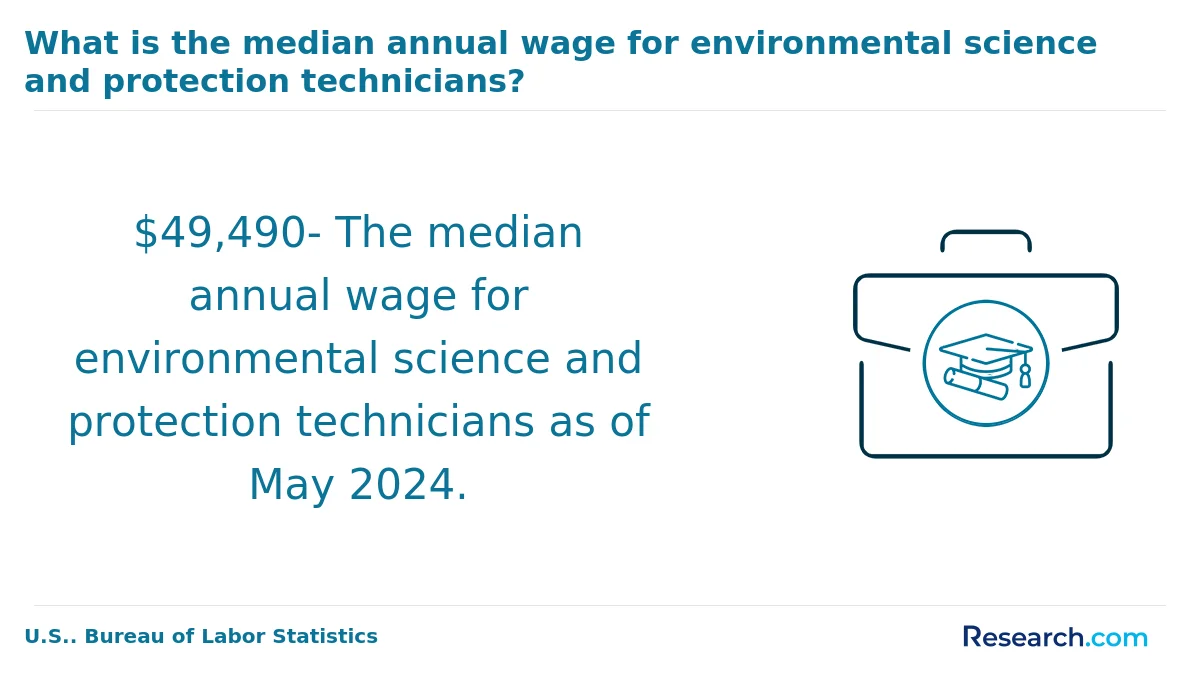
Graduates holding an online environmental science degree in Alabama find diverse career opportunities suited to their skills and passion for sustainability. Many alumni from prominent institutions like the University of Alabama and Auburn University have successfully entered roles as environmental scientists or specialists. These positions involve data analysis and ecosystem protection, directly impacting Alabama's rich natural environments. An increasing number of graduates pursue careers as environmental consultants, where they assist local businesses in adhering to environmental regulations and conducting impact assessments, applying knowledge specific to Alabama's legal frameworks.
Career opportunities with environmental science degree Alabama also include specialized roles such as wildlife biologists and conservationists, focusing on preserving the state's biodiversity, or environmental health and safety officers ensuring regulatory compliance at workplaces. Graduates feel fulfilled working as renewable energy analysts, supporting Alabama's shift towards sustainable energy sources, or as water resource specialists managing critical aquatic systems. Some choose government jobs at agencies like the Alabama Department of Environmental Management or EPA. Those interested in leadership roles can explore cso requirements, enhancing their career trajectory in sustainability management.
The job market for graduates with an online environmental science degree in Alabama is steadily expanding due to growth in industries such as manufacturing, aerospace, agriculture, and energy. These sectors increasingly require professionals capable of addressing environmental challenges, making Alabama a promising location for careers in environmental consulting, conservation, and policy development. Graduates from well-regarded programs at Alabama colleges often find fulfilling employment working with government agencies or private firms in cities like Birmingham and Huntsville.
Many students pursuing online environmental science degree jobs Alabama appreciate the flexibility of programs that incorporate practical experience or internships locally, which strengthens their employability. Entry-level salaries in Alabama for environmental scientists are competitive relative to the national average, particularly as professionals build expertise. Graduates frequently express enthusiasm about contributing to renewable energy projects and pollution control efforts in the state's diverse economic environment.
Those interested in the field can benefit from understanding environmental biologist job requirements to align their skills with employer expectations and enhance their career prospects in Alabama's growing environmental sector.
2027 Most Valuable Online Environmental Science Degree Programs Ranking in Alabama
Investing in your education is a significant decision that can profoundly impact your career and future, and the Research.com team recognizes the importance of making well-informed choices. To support prospective students in Alabama, we have carefully developed the "2027 Most Valuable Online Environmental Science Degree Programs Ranking in Alabama." Our dedication to quality, credibility, and accuracy is demonstrated through thorough research and detailed analysis to produce this ranking.
We utilized the following reputable data sources to ensure a comprehensive evaluation of environmental science programs:
By reviewing this ranking, readers will gain insightful guidance on the top online environmental science degree programs in Alabama, enabling them to choose the best fit for their educational and professional goals. For more information on how this ranking was created, please visit our Research.com methodology page.

# 2 position
Columbia Southern University
Master of Occupational Safety and Health/Environmental Management

# 3 position
Columbia Southern University
Bachelor of Environmental Management/Environmental Engineering
Frequently Asked Questions About environmental science
Students pursuing online environmental science degrees in Alabama can maximize their learning by actively engaging with local environmental issues. Alabama hosts diverse ecosystems, such as the Mobile-Tensaw River Delta, offering unique case studies relevant to coursework. Utilizing resources from Alabama's public universities, including online libraries and faculty office hours, strengthens understanding. Participating in virtual internships with state agencies like the Alabama Department of Environmental Management provides practical experience.
Joining professional organizations such as the Alabama Environmental Council offers networking opportunities. Leveraging online discussion boards and study groups enhances collaboration skills. Staying informed through reports from the U.S. Environmental Protection Agency (EPA) regional office in Atlanta ensures awareness of current regulations affecting Alabama.
The field of environmental science is evolving rapidly, with several emerging niches gaining attention. One notable area is climate resilience, focusing on adapting communities and ecosystems in Alabama to increasing weather extremes. Coastal restoration is critical here, given Alabama's vulnerable Gulf Coast, which faces erosion and habitat loss.
Another growing niche is sustainable agriculture. Alabama's agricultural sector requires solutions to reduce environmental impact while maintaining productivity, leading to demand for experts skilled in soil health and water management.
Additionally, renewable energy technology, particularly solar and biomass, is expanding in Alabama. Specialists in these fields help transition the state's energy usage toward cleaner sources, reflecting national trends.
Professionals versed in environmental data analytics are also sought after, as agencies rely more on big data to monitor natural resources and pollution levels efficiently.
After completing an online environmental science degree in Alabama, it is essential to build a strong professional network. Joining organizations like the Alabama Environmental Council or the Alabama Association of Environmental Professionals can provide valuable contacts and job leads.
Gaining practical experience through internships or volunteering with local agencies such as the Alabama Department of Environmental Management improves job prospects. These experiences help students apply their knowledge and demonstrate commitment to employers.
Alabama's environmental sector, which includes forestry, water management, and pollution control, is expected to grow in the coming years, with a projected 5% increase in related jobs by 2028 according to the U.S. Bureau of Labor Statistics.
Certification programs like the Certified Environmental Scientist (CES) offered by the National Association of Environmental Professionals can enhance credibility and marketability in this competitive field.
Employers in Alabama highly value environmental science graduates who demonstrate strong analytical and problem-solving skills. These abilities are essential for addressing the state's diverse ecological challenges, from coastal management to industrial pollution.
Proficiency in data analysis and Geographic Information Systems (GIS) is increasingly important, as Alabama agencies and private companies rely on spatial data to make informed decisions. According to the Alabama Department of Environmental Management, familiarity with regulatory compliance and environmental laws is also critical.
Communication skills are another key asset. Graduates must effectively present technical information to both scientific and non-expert audiences.
Hands-on experience through internships or research projects boosts employability, according to reports from Alabama's workforce development offices.
Finding internships in Alabama related to environmental science begins with exploring opportunities offered by local government agencies such as the Alabama Department of Environmental Management. They frequently provide internships focused on water quality, air monitoring, and land use. Universities with environmental science programs often partner with regional organizations, which can be valuable networks for students. Additionally, nonprofit groups like the Cahaba River Society and Mobile Baykeeper offer hands-on projects and internships.
Online job platforms, including USAJobs.gov, also list environmental internships within Alabama's federal and state agencies. According to the Alabama Workforce Development report (2023), environmental science roles have grown by 8% statewide, increasing internship availability.
Students should consult their program advisors and career services for tailored guidance to local placements relevant to their online studies.
Obtaining an online environmental science degree significantly enhances career mobility and advancement opportunities in Alabama. The state's growing focus on sustainable energy and conservation projects creates demand for qualified professionals. According to the Alabama Department of Labor, employment in environmental science-related fields is projected to grow by 8% through 2030, faster than average for many occupations.
An online degree offers flexibility for working adults, allowing them to gain relevant skills while maintaining their current jobs. Many Alabama employers recognize accredited online programs, which helps graduates access roles in government agencies, consulting firms, and industry.
Additionally, professionals with degrees in environmental science often experience higher earning potential and access to supervisory or specialist positions, aligning with Alabama's emphasis on environmental regulation and resource management.
Studying for an online environmental science degree in Alabama equips students with a strong interdisciplinary foundation. Programs often integrate biology, chemistry, geology, and policy analysis, reflecting the diverse challenges of environmental work. This preparation aligns well with the growing demand in Alabama for professionals who can navigate complex issues like coastal conservation and industrial regulation.
Alabama's environmental science curriculum frequently emphasizes teamwork and communication skills, crucial for working across sectors. According to the Alabama Department of Environmental Management, collaboration among scientists, engineers, and policymakers is vital to address local concerns such as water quality and air pollution.
Graduates are thus positioned to engage effectively in roles that require broad knowledge and cooperative problem solving, benefiting state environmental initiatives and private industry alike.
Choosing between a thesis and a non-thesis environmental science degree in Alabama depends on your career goals and learning preferences. A thesis program emphasizes research, requiring a significant project that develops analytical and writing skills, ideal for those aiming at doctoral studies or research roles. Non-thesis programs typically focus more on coursework and practical skills, suitable for students targeting professional practice or government jobs.
According to the Alabama Commission on Higher Education, research positions in environmental science often prefer candidates with thesis experience. However, many state agencies, like the Alabama Department of Environmental Management, value practical knowledge, often offered through non-thesis tracks.
Students based in Alabama who want to study environmental science abroad through online programs have several options. Many U.S. universities collaborate with international institutions, allowing students to enroll in joint or dual degree programs accessible online. These programs often provide a global perspective on environmental issues while meeting American accreditation standards.
Alabama students can also consider accredited U.S. universities offering international fieldwork opportunities or virtual exchange programs, which add an international dimension without leaving home. According to the National Center for Education Statistics, about 15% of environmental science students participate in study abroad or exchange initiatives, including virtual ones.
Most online degrees in this field align with guidelines from regional accrediting bodies like SACSCOC, ensuring quality education recognized both in Alabama and abroad.
Part-time jobs in Alabama that complement an online environmental science degree often involve fieldwork and data analysis. Positions such as environmental technician, research assistant, or conservation aide provide hands-on experience with local ecosystems. For example, the Alabama Department of Environmental Management offers seasonal internships and part-time roles that focus on water quality and pollution control.
Many students find work with non-profit organizations like the Cahaba River Society, contributing to watershed restoration projects. Additionally, academic institutions such as the University of Alabama frequently hire part-time lab assistants to support environmental research.
These roles help build practical skills important for careers in environmental consulting, wildlife management, and natural resource conservation.
Online environmental science students in Alabama have several networking opportunities to enhance their academic and professional growth. Many universities offering these programs encourage participation in virtual student organizations and clubs focused on sustainability and ecology. For example, Alabama's Society of Environmental Professionals hosts events and webinars accessible to online learners.
Additionally, students can connect through statewide conferences like the Alabama Environmental Council's annual meeting, which brings together industry experts, researchers, and policy makers from across the state. Such events provide valuable chances to build relationships within Alabama's growing green job market, which expanded by 8% between 2020 and 2023 according to the U.S. Bureau of Labor Statistics.
Students can also benefit from internships arranged through university partnerships with organizations such as the Alabama Department of Environmental Management, offering remote or local placements. Professional platforms like LinkedIn serve as another key tool, helping students to engage directly with Alabama's environmental science employers.
Alumni networks offer significant benefits to students pursuing online environmental science degrees in Alabama. These networks provide access to experienced professionals working within the state's environmental sector. According to the Alabama Department of Environmental Management, there is growing demand for qualified experts in areas like water quality and natural resource management.
Through alumni connections, students can find mentorship opportunities, internships, and job referrals that are tailored to the Alabama job market. Alumni often share insights about local regulations and projects, enhancing practical knowledge beyond the classroom. Networking can also lead to collaboration in research related to Alabama's unique ecosystems, such as the Gulf Coast wetlands.
Moreover, alumni events and online forums help maintain valuable professional relationships, which are crucial in a competitive field. These networks strengthen career development by providing ongoing support and industry updates within the environmental science community.
Alabama students pursuing an online environmental science degree can often personalize their education by selecting electives aligned with specific career goals. Many programs offer concentrations in areas such as conservation, environmental policy, or sustainability. This flexibility allows learners to develop skills tailored to roles in government agencies, private environmental consulting, or non-profits.
Advisors usually help students create a plan that fits their interests and professional aims. Internship and research opportunities, sometimes available remotely or locally in Alabama's diverse ecosystems, also enhance practical experience.
According to the Alabama Commission on Higher Education, tailoring coursework can improve job readiness in the state's growing environmental sector, where environmental analysts earn a median salary around $65,000 annually.
Online environmental science students in Alabama often face challenges related to access to local resources. Many programs require fieldwork or lab components that can be difficult to complete remotely. Alabama's diverse ecosystems, including coastal and forest environments, offer valuable hands-on learning opportunities that may not be fully replicated online (Alabama Department of Environmental Management, 2023).
Additionally, students sometimes encounter limited availability of internships or research placements within the state specific to environmental science, which can hinder practical experience. Connectivity issues in rural areas of Alabama also pose a significant barrier, affecting access to lectures and online materials (Pew Research Center, 2022). Time management and balancing work or family commitments remain common hurdles across all online studies.
With an online environmental science degree in Alabama, graduates can pursue several professional certifications to enhance their career prospects. One widely recognized credential is the Certified Environmental Professional (CEP) offered by the Academy of Board Certified Environmental Professionals. This certification validates expertise in environmental regulations and science, useful for state and federal work in Alabama's industrial and natural resource sectors.
Professionals may also seek the Registered Environmental Manager (REM) certification, which is valuable for roles in environmental compliance and sustainability. Additionally, becoming a Certified Hazardous Materials Manager (CHMM) is beneficial due to Alabama's ongoing industrial activities.
These credentials improve job marketability in Alabama's growing environmental consulting and government agencies, according to the Alabama Department of Labor statistics.
To write a winning application for an online environmental science program in Alabama, start by clearly demonstrating your passion for environmental issues relevant to the region. Alabama faces unique challenges such as water quality management in the Tennessee River and coastal ecosystem preservation along the Gulf of Mexico, so referencing these can strengthen your application.
Highlight any relevant academic background, work, or volunteer experience related to environmental science. Admissions committees value practical knowledge and community involvement, especially in state-specific contexts.
Strong letters of recommendation from educators or employers familiar with your commitment to environmental topics can make your application stand out.
Finally, craft a well-organized personal statement that connects your career goals with the program's strengths and Alabama's environmental priorities.
Environmental science careers today are shaped by global challenges like climate change, resource management, and sustainability. Professionals in this field are increasingly expected to address issues that cross national borders, involving international cooperation and policies.
In the U.S., including Alabama, the Bureau of Labor Statistics projects a 5% growth in environmental science jobs from 2022 to 2032, reflecting strong demand. Globally, jobs often require understanding diverse ecosystems and regulatory frameworks, highlighting the value of a broad education.
Online degrees from Alabama institutions can prepare students to engage in global dialogues, combining local environmental knowledge with worldwide perspectives. This makes graduates valuable in multinational companies and agencies focused on global environmental solutions.
Students pursuing an online environmental science degree in Alabama can gain practical experience through several avenues. Many programs encourage internships with state agencies such as the Alabama Department of Environmental Management, offering hands-on work in water quality, air monitoring, and waste regulation. Students may also participate in research projects led by faculty at Alabama universities, even remotely, focusing on topics like coastal restoration or forestry management.
Volunteering with local environmental organizations provides additional experience and networking opportunities. Alabama's growing emphasis on environmental sustainability ensures these options align well with coursework and career goals.
Choosing the right concentration within an online environmental science degree program in Alabama depends on your career goals and local environmental priorities. Alabama's economy and environment are shaped by industries like forestry, agriculture, and coastal management, so concentrations tied to natural resource management or marine ecosystems may offer strong regional job prospects.
Research available concentrations at Alabama schools accredited by the Southern Association of Colleges and Schools (SACS). Review Alabama labor market data from the U.S. Bureau of Labor Statistics to identify growing fields such as environmental compliance or sustainability.
Consider programs offering practical skills in GIS, water quality, or environmental policy, as these areas align with state environmental challenges. Also, examine if the curriculum balances theoretical knowledge with hands-on remote labs or internships.
- Environmental Certifications for entry-level and career changers https://www.theenvironmentalcareercoach.com/certification-links
- Environmental Scientist Cover Letter Examples https://www.careerfaqs.com.au/careers/resumes-cover-letters/environmental-scientist-cover-letter-example
- Dr. Zubair Khalid | Veterinary Virologist & Bioinformatician https://www.zubairkhalid.com/blog/careers/environmental-science-fields-a-guide-to-specializations-and-careers
- CES - Certified Environmental Scientist https://www.nrep.org/certifications/certified-environmental-scientist-ces
- The Biggest Environmental Problems Of 2021 https://earth.org/the-biggest-environmental-problems-of-our-lifetime/
- Most Popular Online Environmental Science Degrees 2025 https://www.onlineu.com/degrees/environmental-science
- Environmental Science Courses & Degrees https://www.open.edu.au/study-online/science/environmental-science
- Top Trending Research Topics in Environmental Science - Agriculture Journal IJOEAR Blog https://ijoear.com/blog/top-trending-research-topics-in-environmental-science
- Explore Environmental Career Profiles | ECO Canada https://eco.ca/career-profiles-index/
- How To Get Environmental Science Work Experience https://www.savemyexams.com/learning-hub/careers/environmental-science-work-experience/