2027 Most Valuable Online Environmental Science Degree Programs Ranking in West Virginia

Co-Founder and Chief Data Scientist
Choosing the right environmental science degree program can feel overwhelming, especially with so many options available online. This article introduces the 2027 Most Valuable Online Environmental Science Degree Programs Ranking in West Virginia, created by the Research.com team of data scientists to guide students in making informed decisions.
By exploring this ranking, you'll discover top programs that combine quality education with promising career prospects. Pursuing an environmental science degree opens doors to meaningful work protecting our planet, making a positive impact on future generations.
Take this first step toward a rewarding academic journey tailored for West Virginia students.
Key benefits of getting online environmental science degree in West Virginia
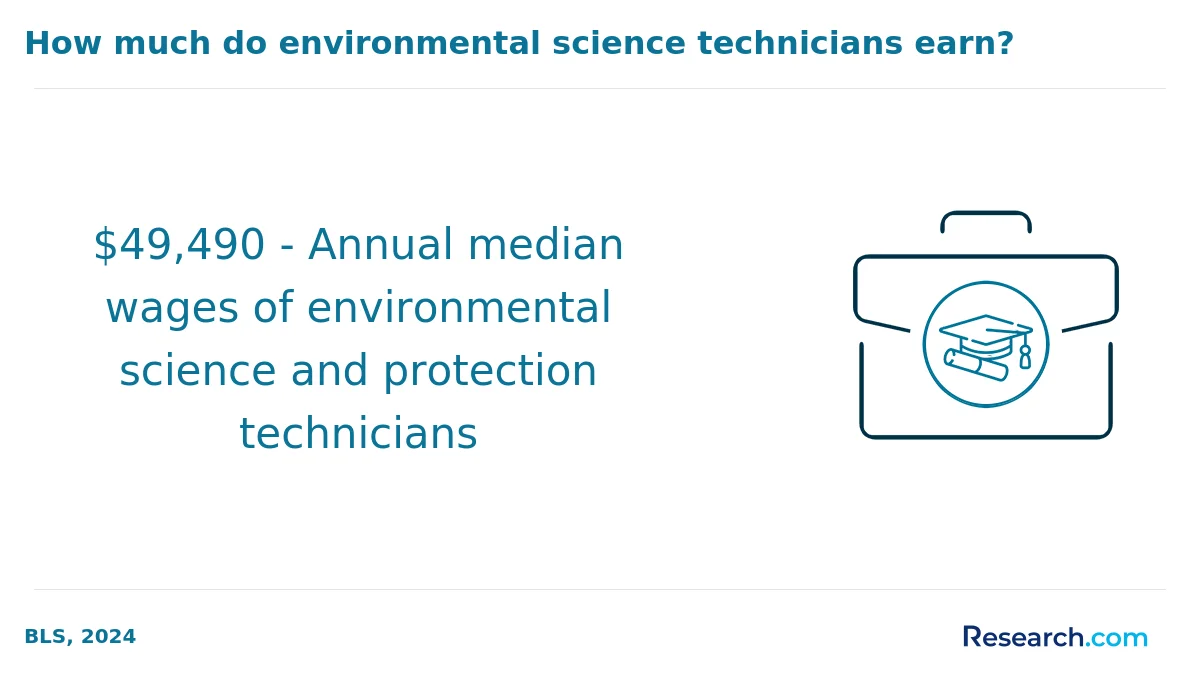
- Graduates with environmental science degrees in West Virginia can expect competitive salaries, with related environmental science technician roles earning around $50,000 per year nationally, offering a stable income in a growing field.
- Career paths often include working in state parks, environmental consulting, or with government agencies, as illustrated by graduates from West Virginia University who find rewarding opportunities protecting natural resources locally.
- Online environmental science degrees provide flexibility for busy students, allowing graduates from programs like those at West Virginia State University to balance work and study while gaining the same valuable skills as traditional students.
- 2027 Most Valuable Online Environmental Science Degree Programs Ranking in West Virginia
- What can I expect from online environmental science degree in West Virginia?
- Where can I work with online environmental science degree in West Virginia?
What can I expect from online environmental science degree in West Virginia?
The average cost of an online environmental science degree in West Virginia varies, but many public universities in the state offer competitive in-state tuition rates even for online students. Graduates from these programs often highlight the affordability as a key advantage, emphasizing that lower tuition fees combined with financial aid opportunities make their education accessible without overwhelming debt. For example, students at respected West Virginia institutions have reported that in-state tuition discounts substantially reduce overall expenses compared to out-of-state rates, making the pursuit of an environmental science degree financially feasible.
In addition to tuition, graduates frequently point to scholarship programs tailored to environmental studies, which help further ease financial burdens. These scholarships often support learners committed to tackling the state's distinct environmental challenges, such as reclamation of mining sites or Appalachian conservation efforts.
Many graduates appreciate that the ability to apply local knowledge through practicums or internships within West Virginia is combined with reasonable tuition costs, creating a balanced, practical, and affordable learning experience.
Where can I work with online environmental science degree in West Virginia?
Graduates from online environmental science programs at institutions like West Virginia University often find rewarding career opportunities throughout the state's diverse environmental sector. Many secure positions with the West Virginia Department of Environmental Protection, where they apply knowledge gained in their studies to monitor air and water quality or participate in mine reclamation projects, directly contributing to the stewardship of the state's natural resources.
Others join federal agencies such as the U.S. Geological Survey or the Environmental Protection Agency's local offices, engaging in crucial research on land use and ecosystem health. These roles allow graduates to work on impactful conservation efforts essential to West Virginia's ecology.
Environmental science alumni also thrive in the private sector, often within consulting firms where they assist energy and manufacturing companies in maintaining compliance with environmental regulations. This hands-on work offers graduates a chance to develop solutions for real-world environmental challenges, delivering a strong sense of purpose and achievement.
Nonprofits focused on river protection and environmental advocacy provide additional pathways, enabling graduates to champion sustainability through education and policy. Across all these sectors, graduates frequently express pride and fulfillment in contributing to West Virginia's environmental future.
Graduates holding an online environmental science degree in West Virginia typically earn between $68,000 and $72,000 annually, reflecting regional factors such as lower living costs and local demand. Entry-level graduates from institutions like West Virginia University often start with salaries ranging from $45,000 to $55,000, gaining valuable hands-on experience in data collection and environmental impact reporting.
With several years of experience and professional certifications, salaries can rise significantly. For instance, environmental managers overseeing projects related to mine reclamation or pollution control can expect earnings between $75,000 and $90,000. Many graduates find rewarding careers within the West Virginia Department of Environmental Protection or private consulting firms, where expertise directly influences compensation.
Job stability and benefits may vary between public and private sectors, but steady demand for environmental expertise offers graduates from regional programs a promising career pathway with the opportunity to contribute meaningfully to West Virginia's natural resource management.
- The cost for a bachelor's degree in environmental science online in West Virginia ranges from $20,000 to $35,000, with lower rates for in-state public university students.
- Entry-level graduates earn around $45,000 annually, with potential salaries rising to $65,000-$75,000 as experience grows.
- Programs often include internships or practicums to provide local work experience and enhance job opportunities.
- Degrees meet accreditation standards and prepare students for certifications like EPA compliance and Certified Environmental Scientist credentials.
- The job market in West Virginia supports steady growth in natural resource management, environmental consulting, and government roles.
Completing an online environmental science degree in West Virginia typically takes about four years for full-time students, mirroring the timeline of traditional on-campus programs at institutions like West Virginia University or Marshall University. Graduates often describe balancing coursework with personal commitments as challenging yet rewarding, appreciating the flexibility offered by the online format.
Many students studying part-time due to work or family responsibilities extend their studies to five or six years. This approach allows students to progress steadily without compromising quality, a common experience among those enrolled in programs at Shepherd University or Fairmont State University. Transfer students with prior credits frequently reduce their completion time to two or three years, accelerating their path to degree conferral.
Graduate-level environmental science programs in West Virginia typically require 30 to 40 credit hours and can be completed in 18 to 24 months online, providing motivated students opportunities to advance rapidly. The availability of accelerated courses lasting 7 to 8 weeks further enables learners to finish sooner, fostering a sense of achievement and momentum throughout their educational journey.
Online environmental science degrees in West Virginia, such as those offered by West Virginia University, provide students with remarkable flexibility. Graduates often appreciate how asynchronous classes and remote access allow them to balance coursework with work or family commitments without the stress of daily commuting. This format suits those living in rural areas or with unpredictable schedules, enabling study from any location in the state or beyond.
Conversely, on-campus programs emphasize immersive, hands-on learning experiences. Students report that direct interactions with professors and access to well-equipped laboratories deepen their understanding of complex environmental concepts. Fieldwork opportunities, abundant in West Virginia's diverse natural landscapes, help cultivate practical skills essential for careers in forestry management, water quality assessment, and ecosystem research.
While tuition fees remain comparable, on-campus students often bear higher living and transportation costs, whereas online learners benefit from reduced expenses. Both formats carry accreditation by recognized West Virginia educational authorities, ensuring that graduates enter the workforce with respected credentials and meaningful local career prospects.
The average cost of an online environmental science degree in West Virginia varies notably by residency and institution type. In-state students pursuing online degrees at popular institutions such as West Virginia University and Marshall University typically face a median total tuition of about $20,484. This affordability allows graduates to manage costs effectively while benefiting from high-quality education tailored to the region's environmental challenges. Conversely, out-of-state students often encounter higher tuition, with median costs around $50,112, reflecting the increased rate applied to non-residents. These figures help clarify typical West Virginia online environmental science degree tuition and fees, which include additional expenses like technology fees and course materials.
Graduates frequently report a positive experience balancing the comprehensive curriculum with flexible schedules, highlighting that the tuition investment matches the value of gaining expertise relevant to West Virginia's natural landscape. For many, the reasonable cost combined with financial aid programs makes this degree accessible, reducing financial stress and enhancing academic focus.
It is also important to recognize that West Virginia's tuition rates compare favorably on a national scale, where total costs can exceed $100,000 for private universities. Students interested in affordable, reputable programs often explore these options while researching the best environmental sustainability degree online.
Students pursuing an online environmental science degree in West Virginia frequently rely on a combination of federal and state financial aid to offset tuition costs. Federal programs such as Pell Grants, which provide up to $7,395 annually, and Direct Subsidized and Unsubsidized Loans are central to many affordability strategies. Graduates from well-known institutions like West Virginia University often highlight how completing the FAFSA early unlocked access to these essential funds, enabling them to focus on their studies without excessive financial stress.
State-specific aid programs also play a crucial role. The West Virginia Higher Education Grant (WVHEG) offers up to $2,800 for in-state students demonstrating need, while the PROMISE Scholarship can cover full tuition for qualifying students with a 3.0 GPA or higher. Many online learners reflect on how these scholarships, available at schools like Marshall University, made pursuing environmental science practical and rewarding.
Additionally, specialized departmental scholarships linked to environmental programs recognize academic excellence and community engagement. Working students often benefit from employer tuition reimbursement programs, which many graduates credit for helping them balance career and education effectively.
Engaging early with university financial aid offices has proven invaluable for students at these West Virginia institutions, ensuring they secure all eligible resources to successfully complete their degrees.
To enroll in an online environmental science degree program in West Virginia, students must typically present a high school diploma or an equivalent credential such as a GED. For undergraduate programs at colleges like West Virginia University or Fairmont State University, candidates often need to demonstrate proficiency in foundational science and mathematics through completed coursework in biology, chemistry, and algebra or pre-calculus. Many graduates recall that meeting a minimum GPA requirement of around 2.5 was a key step, reflecting their readiness for the rigorous scientific material ahead.
Applicants are generally required to submit official transcripts. Though standardized tests like the SAT or ACT are increasingly optional, some programs continue to request them. For those pursuing a master's degree in environmental science online, holding a relevant bachelor's degree is essential along with supporting documents such as letters of recommendation or a statement of purpose.
Students often appreciate how West Virginia's programs balance academic standards with affordability, enabling locals to access quality education without excessive financial burden. Some programs incorporate in-person labs or fieldwork to provide hands-on environmental experience, which graduates find invaluable for real-world ecological analysis and professional confidence.
Online environmental science degree programs in West Virginia typically include core courses that build a solid foundation in understanding environmental systems, scientific methods, and regulatory frameworks. Graduates from prominent state institutions often highlight comprehensive classes such as Environmental Biology or Ecology, where they learn firsthand about ecosystems and conservation efforts relevant to West Virginia's diverse landscapes.
Chemistry courses focus on the chemical interactions affecting air, water, and soil quality-a crucial area for students passionate about tackling pollution challenges seen in areas near coal mining sites. Geology and Earth Science classes provide insight into local rock formations and soil management, directly connecting lessons to the Appalachian region's natural features.
Courses in Environmental Policy and Regulation prepare students to navigate state and federal laws, including those unique to West Virginia's forestry and mining industries. Many students appreciate statistics and data analysis classes that equip them with skills to interpret environmental data effectively, essential for informed decision-making in careers or advanced studies.
Specialized offerings like Environmental Toxicology and GIS give hands-on experience with real environmental problems, making classroom learning feel immediately relevant and empowering for those eager to make a tangible impact.
Online environmental science specializations in West Virginia typically include focused areas such as Environmental Policy and Management, Ecology and Conservation, Environmental Chemistry, Geographic Information Systems (GIS) and Remote Sensing, and Renewable Energy and Sustainability. Graduates from popular universities and colleges in West Virginia often remark on how Environmental Policy and Management helped them engage with regional regulatory frameworks, especially in states with active coal mining industries. Specializing in Ecology and Conservation allows students to address West Virginia's rich biodiversity and forest preservation, making their studies feel immediately relevant to local ecosystems.
Many students pursuing the best environmental science degree concentrations West Virginia offers choose Environmental Chemistry to analyze pollution challenges directly impacting communities near mining sites. Practically minded learners often value GIS and Remote Sensing for their role in resource monitoring and disaster planning.
Programs sometimes incorporate Renewable Energy and Sustainability, appealing to students hopeful about contributing to West Virginia's economic diversification. For those concerned about affordability, online options maintain costs within national norms, and resources like the affordable bachelor degree sustainability guide can be invaluable.
Choosing the best online environmental science degree West Virginia students will appreciate involves verifying program accreditation by agencies like the Higher Learning Commission to ensure quality and recognition. Graduates from well-known institutions in the state often highlight the value of curricula that include regional specialties, such as Appalachian mining impact and water quality management, which provide relevant expertise and deepen engagement. Affordability is critical; many choose affordable online environmental science programs West Virginia offers with tuition comparable to in-state rates yet flexible fee structures, sometimes supplemented by scholarships dedicated to environmental studies. Faculty with strong local research ties offer unique learning opportunities, enriching student experience through virtual internships and project-based networking. Additionally, robust online platforms and dedicated career services improve outcomes for working adults. For practical career advice, students often explore resources like the best mba for sustainability, which complements environmental degrees seeking interdisciplinary growth.
Graduates pursuing online environmental science careers in West Virginia find diverse opportunities that align with the state's ecological and industrial landscape. Many secure roles in environmental consulting, assessing impacts for coal mining and energy companies, reflecting the region's historical reliance on these sectors. Graduates from institutions like West Virginia University often share how their education empowered them to confidently support environmental compliance efforts, a rewarding experience tied to tangible community benefits.
Others enter natural resource management, working with agencies such as the West Virginia Division of Natural Resources on wildlife preservation and forestry projects. These positions offer graduates a meaningful connection to Appalachia's unique biodiversity. Numerous alumni report satisfaction in contributing directly to sustainability initiatives while applying skills gained through research and fieldwork during their studies.
Environmental science degree job opportunities West Virginia also extend to government roles at local and federal levels, including the EPA and state environmental protection departments. Graduates frequently highlight the fulfillment derived from enforcing environmental laws and enhancing public health. For those inclined toward education and research, online programs prepare students for university or organizational roles focused on Appalachian ecosystems and climate adaptation.
Students interested in practical experience find entry-level environmental technician roles available, which serve as crucial steps to advanced careers. The practical training offered in West Virginia's popular programs helps graduates feel prepared and optimistic about their futures. For a broader overview, prospective students may explore the easiest environmental science degree online options suited to busy professionals balancing work and study.
The job market for graduates with an online environmental science degree in West Virginia reflects steady growth supported by regional ecological priorities and expanding industries. Many alumni from well-known institutions in the state find employment in diverse settings, such as the West Virginia Department of Environmental Protection and private sector firms specializing in environmental consulting and renewable energy. These graduates often cite the rewarding nature of contributing to real-world challenges like water quality management and forest conservation, integral to West Virginia's environmental policies.
Employment prospects align with the broader trends in online environmental science jobs West Virginia, with a projected growth rate of approximately 5% through 2031. Graduates benefit from local expertise combined with accessible online education, preparing them for roles in government agencies, nonprofits, and renewable energy companies enhancing wind and solar initiatives within the state.
Many students pursuing these degrees appreciate the competitive average salary near $62,000, balanced by lower living costs. Financial assistance options also ease the burden of tuition. Those interested in career advancement may explore career opportunities with an mba in sustainability as a complementary pathway for growth.
Overall, West Virginia environmental science degree careers offer a meaningful avenue for graduates to engage in ecological stewardship while experiencing steady professional demand.
2027 Most Valuable Online Environmental Science Degree Programs Ranking in West Virginia
Investing in your education is a significant decision that can shape your future, and the Research.com team fully appreciates the importance of making well-informed choices. To support prospective students in West Virginia, we have carefully developed the "2027 Most Valuable Online Environmental Science Degree Programs Ranking in West Virginia." Our dedication to quality, credibility, and accuracy is demonstrated through thorough research and analysis behind this ranking.
We utilized the following reputable data sources to ensure a comprehensive evaluation of environmental science programs:
By reviewing this ranking, readers will gain valuable insights into the most worthwhile online environmental science degree programs in West Virginia, empowering them to make sound educational decisions. For a deeper understanding of how this ranking was created, please visit our Research.com methodology page.


Frequently Asked Questions About environmental science
Students pursuing online environmental science degrees in West Virginia can maximize their learning by actively engaging with local environmental issues relevant to the state, such as Appalachian coal mining impacts and river conservation efforts. Supplementing coursework with virtual internships or volunteer work with organizations like the West Virginia Department of Environmental Protection provides practical experience.
Taking advantage of online resources and webinars hosted by the West Virginia University Extension Service enhances understanding of regional ecological challenges. Additionally, forming or joining study groups with peers fosters collaboration and deeper knowledge retention.
Access to databases such as the West Virginia GIS Technical Center supports research skills crucial in environmental science careers.
Emerging niches within the environmental science field reflect the growing complexity of ecological challenges, especially in states like West Virginia. One significant area is the study of Appalachian ecosystem restoration, focusing on reversing mining impacts and preserving biodiversity. Another promising niche is environmental data analysis, where professionals use advanced software to monitor air and water quality, aligned with increasing digitalization in environmental management.
Renewable energy development, particularly in wind and solar power, also stands out. West Virginia's coal transition has sparked interest in clean energy research and policy. Additionally, environmental health is gaining traction, linking pollution to public health outcomes. According to the West Virginia Department of Environmental Protection, job growth in these emerging areas is projected at 8% through 2030, signaling expanding opportunities for degree holders.
After completing an online environmental science degree in West Virginia, graduates should focus on building practical experience. Internships or volunteer positions with state agencies like the West Virginia Department of Environmental Protection provide valuable hands-on skills and networking opportunities. According to the U.S. Bureau of Labor Statistics, environmental scientists in the region earn an average annual wage of about $58,000, but gaining relevant experience can improve job prospects and salary potential.
Additionally, obtaining certifications such as the Certified Environmental Professional (CEP) can strengthen resumes. Joining professional organizations like the West Virginia Environmental Council helps graduates stay informed about local job openings and industry trends. Strong communication and data analysis skills are also essential in this field.
Employers in West Virginia seek specific skills from graduates with environmental science degrees, particularly those earning online. Analytical abilities rank high, as professionals must interpret data related to the region's unique ecosystems and coal mining impacts. Communication skills are equally essential, enabling clear reports for regulatory agencies and community stakeholders. Technical expertise in Geographic Information Systems (GIS) is frequently required, reflecting the growing need for spatial analysis in environmental planning.
Problem-solving aptitude is critical for addressing challenges such as water quality issues in West Virginia's Appalachian Basin. According to the West Virginia Department of Environmental Protection, 65% of jobs demand proficiency in environmental regulations and compliance. Strong teamwork and adaptability also enhance employability in this evolving field.
Finding internships in West Virginia related to an online environmental science degree requires strategic planning and research. Many state agencies, such as the West Virginia Department of Environmental Protection (WVDEP), offer internship programs focused on environmental conservation and regulation. Additionally, organizations like The Nature Conservancy in West Virginia frequently provide hands-on opportunities for students.
Students can also explore internships through West Virginia University's Career Services, which partners with local businesses and environmental nonprofits. Networking at virtual career fairs and joining professional groups like the West Virginia Environmental Council can increase internship prospects. According to the Bureau of Labor Statistics, internships improve job placement rates by up to 60% in related fields.
An online environmental science degree can significantly enhance career mobility and advancement in West Virginia by providing essential skills aligned with the state's growing focus on natural resource management and sustainability. According to the West Virginia Department of Environmental Protection, there is increasing demand for professionals skilled in environmental monitoring and compliance.
Graduates with such degrees can pursue roles in state agencies, consulting firms, or nonprofit organizations focused on forestry, water quality, and reclamation projects. The flexibility of online programs also allows working professionals in West Virginia to upskill without relocating, making career advancement more accessible.
Furthermore, a degree in environmental science supports eligibility for certifications that employers value, such as Certified Environmental Scientist (CES), which can lead to higher salaries and leadership opportunities.
Studying for an environmental science degree online in West Virginia equips students with the skills necessary for interdisciplinary roles by integrating biology, chemistry, geology, and policy studies. Programs often emphasize the region's unique Appalachian ecosystems and energy challenges, preparing graduates to address complex environmental issues.
Courses typically cover data analysis, environmental law, and sustainable resource management, fostering collaboration skills essential for diverse professional settings. According to the West Virginia Higher Education Policy Commission, many institutions partner with local agencies, giving students practical experience.
This blend of scientific knowledge and policy insight positions students for careers in government, industry, and nonprofit sectors focused on environmental solutions.
When choosing between a thesis and a non-thesis environmental science degree program in West Virginia, consider your career goals and learning preferences. Thesis programs require conducting original research and writing a detailed paper, which is ideal for students aiming for doctoral studies or research-oriented careers. Non-thesis programs focus more on coursework and practical skills, appealing to those pursuing immediate employment in industry or government.
West Virginia's emphasis on natural resource management means thesis students might study regional issues like Appalachian coal mining impacts or forest conservation. According to the West Virginia Higher Education Policy Commission, hands-on research experience can enhance job prospects in the state's environmental sector.
Additionally, thesis programs often take longer to complete, while non-thesis tracks might allow faster entry into the workforce, a crucial factor for professionals balancing work and study.
Students based in West Virginia who wish to study environmental science abroad have limited direct options for fully online international degrees due to certification and accreditation standards tied to U.S. institutions. Most international programs require residency or study visas, which complicate fully remote learning.
Instead, West Virginia students often pursue study abroad experiences through U.S.-based universities with strong exchange partnerships. Such programs allow temporary study in countries known for environmental science research, like Canada or the UK, while continuing progress toward their U.S. degree.
The West Virginia Higher Education Policy Commission offers guidance and support for these international opportunities, ensuring credit transferability and academic rigor. In addition, online courses from certified U.S. programs often include comparative environmental studies with global perspectives.
According to the U.S. Bureau of Labor Statistics, environmental science careers are expected to grow 8% nationally through 2032, underlining the value of diverse academic exposure for students planning future work in global environmental issues.
Part-time job opportunities in West Virginia that complement an environmental science degree include roles such as environmental technician, wildlife or forestry assistant, and sustainability consultant intern. These positions provide practical experience aligned with coursework. According to the U.S. Bureau of Labor Statistics, West Virginia's employment in environmental science-related fields is expected to grow moderately, offering local opportunities.
Students can also find work with state agencies like the West Virginia Department of Environmental Protection, assisting in data collection and compliance monitoring. Nonprofits focused on Appalachian ecological restoration offer internships and part-time roles beneficial for skill development.
These jobs enhance understanding of regional environmental challenges while supporting academic progress.
Online environmental science students in West Virginia benefit from several networking opportunities that help bridge the gap between virtual learning and professional engagement. Many state universities with online programs, such as West Virginia University, facilitate connections through virtual career fairs and alumni events. These platforms allow students to interact with environmental professionals and potential employers.
Additionally, statewide organizations like the West Virginia Environmental Council and local chapters of national groups, such as the Sierra Club, offer online seminars, volunteer activities, and discussion forums focused on regional environmental issues. Participation in these networks can enhance professional relationships and career prospects.
According to the Bureau of Labor Statistics, environmental science jobs in West Virginia are expected to grow steadily, increasing the importance of active networking to secure positions in government, non-profits, or industry.
Alumni networks provide significant benefits to students pursuing online environmental science degrees in West Virginia. These networks offer valuable connections to professionals working in local industries such as energy, forestry, and water resource management, fields vital to West Virginia's economy. Through alumni events and online platforms, students can access mentorship, internships, and job opportunities that might not be publicly advertised.
Strong alumni communities also enable knowledge sharing about regional environmental challenges like Appalachian coal mining impacts and watershed restoration projects. According to the West Virginia Department of Environmental Protection, workforce connections often accelerate employment outcomes for graduates in this sector.
Customizing an online environmental science degree in West Virginia allows students to align their education with specific career goals. Many programs offer elective courses in areas such as water resource management, sustainable energy, or environmental policy. Choosing relevant electives helps build expertise suited to local industries, including mining and forestry, which are significant in West Virginia.
Students can also select internships or research projects focused on regional environmental concerns, enhancing hands-on experience. Additionally, some programs provide concentration tracks or certificates in specialized fields, which support career advancement in public agencies or private sector roles.
Advisors typically assist students in tailoring programs using West Virginia-specific environmental challenges and job market trends from sources like the West Virginia Department of Environmental Protection and the U.S. Bureau of Labor Statistics.
Online environmental science students in West Virginia often face several notable challenges. Limited access to reliable high-speed internet can hinder participation in virtual labs and real-time discussions, especially in rural areas. According to the West Virginia Broadband Enhancement Council, about 25% of residents lack sufficient internet speed, impacting educational access.
Another difficulty is gaining practical experience. Environmental science relies heavily on fieldwork, which can be hard to replicate online. Many programs try to offset this with local internships, but availability may vary across the state.
Time management is also a common issue, as students frequently balance studies with work or family commitments. Furthermore, some report limited interaction with faculty and peers, which can affect motivation and networking opportunities.
With an online environmental science degree, students in West Virginia can pursue several professional certifications to enhance their careers. A common option is the Certified Environmental Scientist (CES) credential, which validates expertise in environmental principles and practices. Another valuable certification is the Registered Environmental Manager (REM), awarded by the National Registry of Environmental Professionals.
Many graduates also consider certifications related to hazardous materials management, such as the Hazardous Waste Operations and Emergency Response (HAZWOPER) certification. Additionally, earning a Geographic Information Systems Professional (GISP) certification can be beneficial, especially since GIS skills are in demand in West Virginia's energy and conservation sectors. According to the U.S. Bureau of Labor Statistics, certification often leads to higher salaries and better job prospects.
To write a winning application for an online environmental science program in West Virginia, start by highlighting your passion for local environmental issues, such as Appalachian ecosystems or coal mining impacts. Admissions committees value applicants who understand regional challenges. Include any relevant volunteer work or internships in West Virginia's environmental agencies or nonprofits, as practical experience strengthens your candidacy.
Showcase your academic readiness by providing strong transcripts, particularly in science and math courses. Many programs require a minimum GPA of around 3.0. Submit well-crafted personal statements that clearly explain your goals and fit with the program.
West Virginia University, a leading state institution, often requires letters of recommendation-choose referees familiar with your academic or environmental work. Demonstrating knowledge of state environmental policies can make your application stand out.
Environmental science careers are increasingly viewed through a global framework due to the worldwide impact of climate change and natural resource management. In the United States, including West Virginia, demand for environmental scientists is expected to grow by 8% from 2022 to 2032, according to the U.S. Bureau of Labor Statistics. This growth reflects international efforts to address sustainability and environmental protection.
West Virginia's focus on industries like coal mining and forestry places environmental science professionals at the intersection of local economic and global ecological challenges. Professionals trained online in environmental science can join global networks addressing air and water quality, biodiversity, and climate resilience.
Globally, environmental science careers offer diverse roles in policy, research, and conservation, emphasizing interdisciplinary skills. This global perspective enhances the value of degrees obtained through West Virginia's online programs.
While pursuing an online environmental science degree in West Virginia, gaining practical experience is essential to complement academic knowledge. Many universities encourage students to engage in local internships with state agencies like the West Virginia Department of Environmental Protection. These opportunities allow students to work on real-world projects involving water quality, air monitoring, and land conservation.
Students can also participate in virtual labs and remote fieldwork, which simulate hands-on activities using data from West Virginia's diverse ecosystems. Additionally, joining environmental research programs at regional universities can enhance skills and networking. Community service projects focusing on local environmental issues provide further practical exposure while studying online.
Choosing the right concentration within an online environmental science degree program in West Virginia involves assessing your career goals and local environmental challenges. Concentrations often include water resources, natural resource management, or environmental policy, each aligning with different job markets.
West Virginia's economy relies heavily on forestry, mining, and water resource management, making these areas relevant for specialization. According to the West Virginia Department of Environmental Protection, water quality and reclamation are critical regional priorities, reflecting job opportunities in those fields.
Research local job trends and consult resources like the U.S. Bureau of Labor Statistics to identify growing roles. Consider how each concentration matches your interests, whether focused on fieldwork, policy, or research. Ensure the program offers faculty expertise and connections in your chosen area to support your success.
- 7 Environmental Sciences Courses at West Virginia ... https://www.hotcoursesabroad.com/study/degrees/us-usa/environmental-sciences-courses-at-west-virginia-university/loc/211/cgory/b3-3/sin/ct/cid/72197/programs.html
- Environmental Certifications for entry-level and career changers https://www.theenvironmentalcareercoach.com/certification-links
- Top skills employers look for in Ecology job candidates - Jobs in Ecology https://www.jobsinecology.co.uk/resources/blog/2025/04/top-skills-employers-look-for-in-ecology-job-candidates/
- NETWORKING FOR SUCCESS: HOW TO SHINE IN ENVIRONMENTAL JOBS - Step(h) into Nature https://stephintonature.com/all-environmental-conservation-travel-blogs/environmental-jobs-networking
- Environmental Science (M.S.) Non-Thesis Track https://www.towson.edu/fcsm/departments/environsci/grad/science/non-thesis-track.html
- CES - Certified Environmental Scientist https://www.nrep.org/certifications/certified-environmental-scientist-ces
- Sustainability Degrees in West Virginia https://www.sustainabilitydegrees.com/degrees/west-virginia/
- Environmental Scientist Cover Letter Examples https://www.careerfaqs.com.au/careers/resumes-cover-letters/environmental-scientist-cover-letter-example
- Environmental Science Internships | Intern Abroad HQ https://www.internhq.com/industries/environmental-sciences/
- SEEDS Summer 2026 Internships | TREES DLA https://www.trees-dla.ac.uk/seeds-summer-2026-internships