2027 Fastest Online Environmental Science Degree Programs Ranking in the USA

Co-Founder and Chief Data Scientist
Choosing the right environmental science degree can shape your future and impact our planet positively. This article presents the 2027 Fastest Online Environmental Science Degree Programs Ranking in the USA, thoughtfully created by the Research.com team of data scientists.
By exploring this ranking, you'll find programs that fit your pace and goals, helping you make an informed decision. Whether you're starting your journey or advancing your career, earning an environmental science degree opens doors to meaningful opportunities. Dive in to discover fast, reputable options tailored for busy students like you.
Key benefits of getting online environmental science degree in America
- Environmental science graduates often pursue roles in environmental consulting or science, where the mean hourly wage can be around $30 to $40, offering a competitive income for impactful work.
- Career paths include environmental consultant, conservation scientist, and sustainability specialist, as shown by graduates from universities like the University of California, Berkeley, who find diverse opportunities in both private and public sectors.
- Online degrees provide flexible schedules and lower costs, enabling students from busy lives or remote areas to earn their environmental science degree without compromising quality, as experienced by alumni from Oregon State University's online program.
- 2027 Fastest Online Environmental Science Degree Programs Ranking in the USA
- What can I expect from online environmental science degree in America?
- Where can I work with online environmental science degree in America?
What can I expect from online environmental science degree in America?
The average cost of an online environmental science degree in America can vary widely but often falls between $15,000 and $40,000 for a full bachelor's program. Many students find this investment reasonable compared to traditional on-campus tuition, especially when factoring in savings on housing and commuting. Graduates from respected institutions like Oregon State University or the University of Florida frequently share how financial aid and scholarships made this attainable, easing anxiety about balancing education and life expenses.
Looking ahead, rising demand for flexible, skilled environmental professionals may encourage more competitive pricing and innovative funding options. Imagine a student at Arizona State University, who, while completing a GIS module remotely, feels confident the affordable tuition paired with career services is a solid return on investment. These programs often include access to federal aid tailored to STEM fields, increasing access for motivated learners nationwide.
As environmental challenges grow more complex, the value of an affordable, quality online education rises, offering students pathways not just to degrees but to meaningful, impactful careers.
Where can I work with online environmental science degree in America?
Graduates with an online environmental science degree in America often find themselves working for leading government agencies like the Environmental Protection Agency or state environmental departments, where they monitor pollution levels and influence policy. Many share their excitement about contributing to real change, applying knowledge gained at universities such as Oregon State or the University of Florida. These roles go beyond desk work, involving field research and hands-on conservation projects that keep them engaged and motivated.
Others dive into private sector careers, joining environmental consulting firms or renewable energy companies. For example, graduates from Arizona State's well-known program highlight how consulting jobs let them help corporations meet sustainability goals, turning abstract laws into practical solutions. The sense of accomplishment from protecting natural habitats and communities fuels their passion.
Nonprofits and educational institutions also emerge as fulfilling options. Alumni from schools like the University of Michigan report rewarding experiences managing climate awareness campaigns or teaching the next generation. Advanced study often leads to research roles focused on evolving environmental challenges, showing a career trajectory rich with impactful opportunities.
Graduates with an online environmental science degree in America can anticipate starting salaries generally ranging from $50,000 to $60,000 annually, especially those entering roles at government agencies or consulting firms. For instance, many graduates from well-known programs at universities like Oregon State or Arizona State University share that early positions often involve hands-on environmental assessments, offering both fulfilling work and steady pay.
As experience grows, mid-career environmental scientists in urban centers such as California or Washington often see salaries rise between $70,000 and $90,000. These graduates frequently highlight expanded opportunities in sustainability consulting or regulatory compliance, where their online education has equipped them to meet evolving industry demands.
Senior roles in corporate environmental management or specialized sectors like waste management can exceed $100,000 annually. Graduates report that pursuing certifications alongside their degree significantly boosts their earning potential, reflecting the growing value of advanced credentials in competitive markets.
Looking ahead, the demand for skilled environmental professionals trained through flexible online programs is expected to increase, driven by expanding environmental policies and corporate responsibility trends across the U.S.
- Online environmental science degrees cover topics like ecology, geology, policy, and sustainability, allowing students to study flexibly alongside work and family.
- Bachelor's degree tuition at public universities ranges from $25,000 to $40,000, while private schools may charge over $50,000; master's programs cost between $30,000 and $60,000.
- Starting salaries for graduates average $50,000 to $55,000 annually, with mid-career salaries increasing to $70,000 to $80,000 and advanced roles exceeding $90,000.
- The job market for environmental scientists is expected to grow by 8% from 2022 to 2032, driven by concerns about pollution and climate change.
- Career options include government, consulting, non-profits, and private industry, with data analysis and communication skills in high demand.
- Accreditation and certifications like the Certified Environmental Scientist (CES) improve job prospects and access to federal aid.
Online environmental science degrees in America typically take between two to four years, though this timeframe is becoming increasingly flexible as universities innovate. Graduates from institutions like Oregon State University and Colorado State University often share how accelerated courses and year-round enrollment helped them finish faster, even while balancing work and family.
Many programs now allow students to transfer previous college credits or take extra courses each semester, enabling completion in as little as two years for an associate degree or three years for a bachelor's. Others who prefer part-time schedules find they can extend their studies up to six years without losing momentum, reflecting a personalized pace that fits diverse lifestyles.
Future trends hint at more adaptive learning models and competency-based assessments, which could let students progress based on mastery rather than time spent, shortening the path to a degree. Online platforms at top schools like Penn State leverage these innovations to create engaging, efficient, and motivating experiences that empower students to graduate sooner while maintaining high-quality education.
Graduates from popular American universities recall how on-campus environmental science programs immerse them in hands-on activities like soil sampling and wetland field studies, providing direct contact with ecosystems through university labs and local nature preserves. This tactile experience builds confidence and deepens understanding, which many find inspiring and motivating.
Meanwhile, online students appreciate the flexibility to juggle work or family while studying institutions such as Arizona State University or Oregon State's virtual programs. One alum shared that virtual labs and strategic local partnerships enabled them to conduct fieldwork nearby without uprooting their life. This adaptability reduces stress and fosters a strong sense of control, making the learning journey enjoyable and manageable.
Both formats in the U.S. maintain rigorous accreditation standards, yet future trends point toward hybrid models combining in-person ecological excursions with advanced digital simulations. This blend could offer students the best of both worlds-hands-on immersion complemented by interactive online tools-making environmental science degrees even more accessible and engaging nationwide.
The average cost of an online environmental science degree in America varies notably depending on factors like residency and institution type. Median in-state students looking at popular universities might expect to pay around $37,440 in total, which aligns with many graduates who express satisfaction with this more affordable path. Out-of-state attendees, on the other hand, often face roughly $56,880, reflecting the premium for broader access.
Many students pursuing one of the affordable online environmental science programs 2027 find that these figures help them plan realistically for their education budgets. Graduates from well-regarded public universities often praise not only the cost-effectiveness but also the practical flexibility of earning a degree online, managing work and study without excessive financial strain.
Stories from those completing programs at institutions with strong environmental focus often mention the combination of quality curricula and supportive online communities allowing engagement with current environmental issues. This balance is critical for students aiming to contribute meaningfully post-graduation.
For students interested in a tailored academic journey, exploring options like a bachelor in sustainability can provide an insightful crossover into economics, policy, and science while staying within a reasonable financial range. The journey through these programs often leaves graduates feeling hopeful and prepared for a career addressing urgent environmental challenges.
Those researching the average cost of online environmental science degree USA emphasize that transparent cost expectations and available financial aid can make this path feel not only feasible but exciting in shaping future environmental solutions.
Many online environmental science students in America find financial aid essential to pursuing their degrees without overwhelming debt. Graduates from well-known schools like Oregon State University and the University of Florida often share how completing the FAFSA unlocked access to Pell Grants, covering up to $7,500 annually and easing their tuition expenses significantly.
State-specific grants are another hopeful avenue, especially for residents studying sustainability at public institutions. For instance, students in Washington or California might receive targeted scholarships aimed at advancing environmental careers, which former students say made education feel more accessible and aligned with their values.
Scholarships from organizations like the Environmental Protection Agency or professional societies frequently energize applicants, who describe the financial relief as motivating them to focus fully on studies. Emerging trends suggest employers will increasingly offer tuition reimbursement to support online students balancing work and learning, fostering optimism among many environmental science candidates nationwide.
Online environmental science degree programs in America typically require applicants to have a high school diploma or GED, along with strong foundations in math, biology, chemistry, and earth sciences. Graduates from renowned institutions often recall how their early coursework in these subjects shaped their enthusiasm and prepared them well for the interdisciplinary challenges ahead. For graduate-level programs, holding a bachelor's degree-often in biology, geology, or chemistry-is commonly expected.
Many students at universities known for environmental science, such as the University of California or Michigan State University, share how submitting transcripts, letters of recommendation, and a thoughtful personal statement helped highlight their passion and relevant experiences. Some admit that internships at environmental agencies boosted their confidence and strengthened their applications.
Emerging trends point towards increasing flexibility, where programs value diverse backgrounds and work experience as equally important. Accredited online programs remain crucial to ensuring degrees hold professional respect and open doors for future career growth.
Online environmental science degree programs in America typically include courses such as Introduction to Environmental Science, Environmental Chemistry, Ecology and Biodiversity, Environmental Policy and Regulation, Geographic Information Systems (GIS), and Soil Science and Hydrology. Graduates from well-known universities describe how these courses provide a solid foundation while encouraging hands-on learning through virtual labs and real-world case studies. For example, studying GIS allows students to analyze spatial data, imagining themselves working on conservation projects across diverse American ecosystems.
Emerging trends in these programs focus on climate change science and renewable energy technologies, reflecting the urgent environmental challenges facing the US. Many American colleges integrate project-based learning, allowing students to simulate environmental impact assessments or develop sustainability plans, which graduates find both exciting and meaningful. This practical approach helps students feel confident about their future roles in environmental consulting or policy-making.
The blend of scientific knowledge, policy understanding, and tech skills in these online courses appeals to students striving to make a real difference, especially those balancing studies with work or family life, thanks to the flexible formats typical of American institutions.
Online environmental science degree specializations in America offer diverse pathways that reflect both current priorities and future challenges. Graduates from institutions such as Colorado State University and Oregon State University often share how specializations like Environmental Policy and Management prepare them to influence impactful legislation and corporate sustainability efforts. Others find the Environmental Science and Sustainability track deeply rewarding, studying cutting-edge renewable energy solutions and conservation strategies that anticipate growing industry demands.
Real-life experiences reveal that concentrations like Natural Resource Management resonate strongly with students aiming to work hands-on with forests, water, or wildlife in agencies such as the EPA. Increasingly, Climate Science and Adaptation is gaining traction-students engage with climate data modeling to craft innovative responses to global warming, fueling optimism about making tangible environmental change.
Many students exploring the best environmental science concentrations in America turn to specialized online programs combining rigorous science with practical application, enhancing their future career prospects. For those seeking cost-effective options, reviewing affordable environmental science online degrees is a practical step toward aligning passion with affordability and quality.
Choosing the best online environmental science degree in America increasingly means seeking programs that blend rigorous academics with real-world impact. Graduates from leading universities often describe how courses combining biology, policy, and fieldwork prepared them to tackle pressing environmental challenges. Flexibility remains key, as many students balance careers or family while earning degrees; asynchronous classes paired with occasional hands-on lab sessions at local sites offer an optimal model.
Affordability drives many decisions too. Prospective students often weigh the benefits of accredited public universities with competitive tuition against private colleges known for specialized faculty expertise. A focus on affordable environmental science programs America-wide reveals that transparent costs and potential hidden fees can dramatically affect long-term satisfaction.
Looking ahead, immersive technologies and virtual internships may become standard, enhancing curriculum quality and engagement. Prospective learners should explore options thoroughly, such as through environmental science bachelor degree online listings, to find the best online environmental science degrees USA that align with personal goals and emerging industry demands.
Graduates who earn an online environmental science degree in America are discovering dynamic career paths that blend science, policy, and innovation. Those from renowned institutions like Oregon State University or Penn State often land roles as environmental scientists or specialists, where they analyze vital data to shape regulations that protect public health. Many find fulfillment working in adaptable consulting positions, helping industries meet sustainability goals amid evolving environmental laws. This is a prime example of online environmental science career opportunities USA expanding in response to rising corporate responsibility.
Others pursue natural resource management, engaging in tangible conservation efforts through federal agencies or private organizations. Graduates reflect positively on the balance of fieldwork and advocacy roles, which channel their passion for environmental education and community outreach. Emerging trends identify increasing needs for specialists with expertise in renewable energy coordination or as environmental health and safety officers, creating new avenues to apply skills.
Those interested in leadership might explore how certifications and ongoing training qualify them for roles highlighted in chief sustainability officer qualifications. Real-life graduates from top American colleges describe their confidence and job satisfaction growing from these diverse opportunities, illustrating the vibrant possibilities linked to an environmental science degree jobs in America.
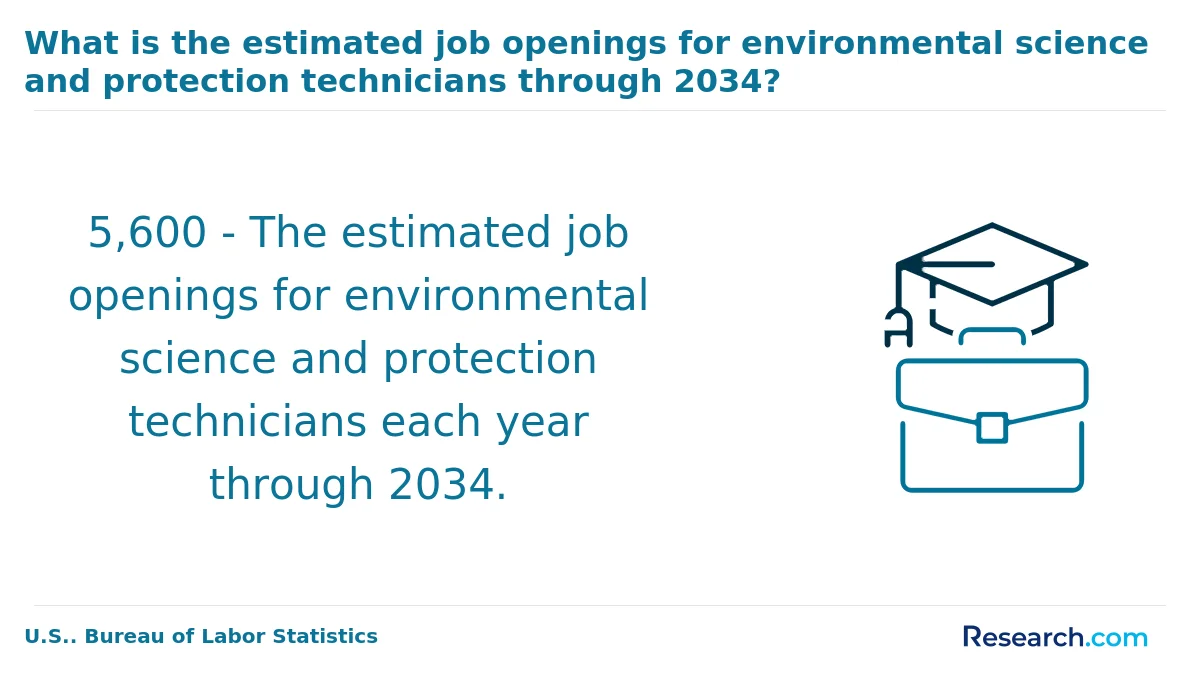
The job outlook for environmental science degree graduates in the USA reflects a dynamic and expanding field driven by urgent environmental challenges. Graduates from online programs at well-known institutions, such as the University of Florida or Oregon State University, often share stories of landing roles with government agencies or renewable energy firms, finding their expertise sought after in sustainability projects and compliance monitoring.
Online environmental science career opportunities in America continue to grow as businesses and regulators increasingly value professionals who blend scientific knowledge with practical skills. Many graduates appreciate how their programs integrate internships or real-world case studies, preparing them to navigate the evolving environmental landscape. This hands-on experience complements their degree and boosts employability. For those interested in accelerating their training, pursuing an accelerated environmental management online mba can provide a competitive edge in leadership roles.
2027 Fastest Online Environmental Science Degree Programs Ranking in the USA
Investing in your education is a significant decision that can shape your future, and the Research.com team understands the importance of making informed choices. To assist prospective students interested in environmental science, we have meticulously developed the "2027 Fastest Online Environmental Science Degree Programs Ranking in the USA." Our commitment to quality, credibility, and accuracy is reflected in the thorough research and analysis conducted to compile this ranking.
We utilized the following reputable data sources to ensure a comprehensive evaluation of online environmental science degree programs:
By exploring this ranking, readers will gain valuable insights into the fastest and most efficient online programs available, empowering them to make confident, well-informed decisions about their educational journey. For more details on our methodology, please visit our Research.com methodology page.
# 1 position
Louisiana State University and Agricultural & Mechanical College
Master of Environmental Sciences


# 3 position
University of Illinois at Urbana-Champaign
Master of Natural Resources and Environmental Sciences


# 6 position
Western Kentucky University
Master of Social Responsibility and Sustainable Communities

# 7 position
University of Maryland Global Campus
Master of Environmental Management



# 10 position
Western Kentucky University
Bachelor of Health Science (Environmental Health Science concentration)
# 11 position
University of Maryland Global Campus
Bachelor of Environmental Health & Safety

# 14 position
Texas Tech University
Master of Environmental Sustainability and Natural Resource Management





Frequently Asked Questions About environmental science
Online environmental science students in America can maximize their learning by actively engaging with course materials and participating in virtual discussions. Research from the National Center for Education Statistics shows that students who frequently communicate with instructors and peers tend to perform better. Utilizing campus resources like online libraries and tutoring services also enhances understanding of complex topics.
Practical experience is vital. Students should seek internships or volunteer opportunities related to environmental work, as the U.S. Bureau of Labor Statistics emphasizes real-world skills in this field. Time management and setting a regular study schedule help maintain consistent progress.
Emerging niches within the environmental science field are rapidly shaping the future job market in America. One key area is climate resilience and adaptation, where professionals design strategies to minimize climate change impacts on communities. According to the U.S. Bureau of Labor Statistics, this niche is projected to grow significantly through 2031.
Another growing sector is environmental data science, which integrates big data and AI to analyze ecological trends. This field is crucial for informed policy making and natural resource management.
Additionally, green infrastructure and sustainable urban planning focus on creating eco-friendly cities, responding to increased urbanization challenges.
After earning an online environmental science degree in America, preparing for the job market involves building practical skills and networking. Many employers value internships or volunteer work related to environmental conservation or policy. According to the U.S. Bureau of Labor Statistics, environmental science jobs are expected to grow 8% from 2022 to 2032, emphasizing demand for qualified candidates.
Students should also develop proficiency in data analysis software, GIS mapping, and environmental regulations. Joining professional organizations such as the National Association of Environmental Professionals can provide valuable contacts and job leads. Additionally, obtaining relevant certifications may improve employability in this competitive field.
Employers in the United States seek environmental science graduates who possess strong analytical and problem-solving skills. According to the U.S. Bureau of Labor Statistics, the ability to interpret scientific data and use geographic information systems (GIS) is highly valued. Communication skills, both written and verbal, are crucial for sharing complex environmental findings with diverse audiences.
Technical proficiency in laboratory procedures and environmental regulations is also important. Many employers prioritize candidates familiar with the Environmental Protection Agency's (EPA) standards and practices. Additionally, teamwork and project management qualities enhance employability, as collaborative efforts drive most environmental initiatives.
Finding internships in America relevant to an online environmental science degree involves strategic research and networking. Many universities collaborate with government agencies like the Environmental Protection Agency (EPA) or nonprofit organizations, providing opportunities tailored for environmental science students.
Students should use platforms such as the EPA's internship page or programs like the National Oceanic and Atmospheric Administration (NOAA) internships, which offer hands-on experiences in environmental research and policy.
Additionally, job boards like USAJobs.gov list paid internships with federal agencies. Local environmental groups and private companies often advertise positions specifically geared toward degree candidates.
Building connections through professors or alumni networks can further enhance internship prospects, as 70% of internships are found via referrals, according to the National Association of Colleges and Employers (NACE).
Obtaining an online environmental science degree in America can significantly enhance career mobility and advancement. According to the U.S. Bureau of Labor Statistics (BLS), employment in environmental science-related occupations is projected to grow 8% from 2022 to 2032, faster than the average for all occupations. This growth increases job opportunities in government, private sector, and non-profits.
Online degrees offer flexibility, allowing working professionals to upskill without pausing their careers. Many employers recognize accredited online degrees equally to traditional ones, enabling graduates to compete effectively for promotions or specialized roles.
Furthermore, skills gained through such programs-like data analysis, environmental regulations knowledge, and sustainability practices-are in high demand, supporting upward mobility within environmental policy, consulting, and research fields.
Studying for an environmental science degree in America equips students with a broad knowledge base that spans biology, chemistry, geology, and social sciences. This interdisciplinary approach is critical because environmental challenges require solutions that integrate multiple fields. For instance, the U.S. Bureau of Labor Statistics highlights that environmental scientists often collaborate with engineers, policymakers, and health experts to address issues like pollution and climate change.
Online programs emphasize real-world applications, such as data analysis and environmental policy, preparing graduates for diverse roles. According to the National Science Foundation, interdisciplinary skills improve employability by 15% in environmental sectors.
Choosing between a thesis and a non-thesis environmental science degree program in America depends largely on your career goals and interests. Thesis programs typically require original research and a formal defense, preparing students for research roles or doctoral studies. These programs may take longer but provide valuable experience in scientific inquiry and critical thinking.
Non-thesis programs focus more on coursework and practical skills, ideal for professionals aiming to enter or advance in environmental agencies, consulting, or policy roles. According to the Environmental Protection Agency (EPA), hands-on skills remain highly sought after in the U.S. job market.
Consider time commitment and your preferred learning style when making your choice.
American students seeking to study environmental science abroad have several options through online degree programs. Many U.S. universities partner with international institutions, offering joint or exchange programs that include online coursework. This approach allows students to gain global perspectives without relocating.
Additionally, some American schools provide fully online environmental science degrees with curricula designed to reflect global environmental challenges. According to the National Center for Education Statistics, 37% of U.S. higher education students took at least one online course in 2022, showing growing acceptance of remote learning.
Students can also participate in virtual internships with international organizations focused on sustainability, enriching their practical experience. These options offer flexibility while maintaining U.S. accreditation, which is crucial for future employment in the environmental sector.
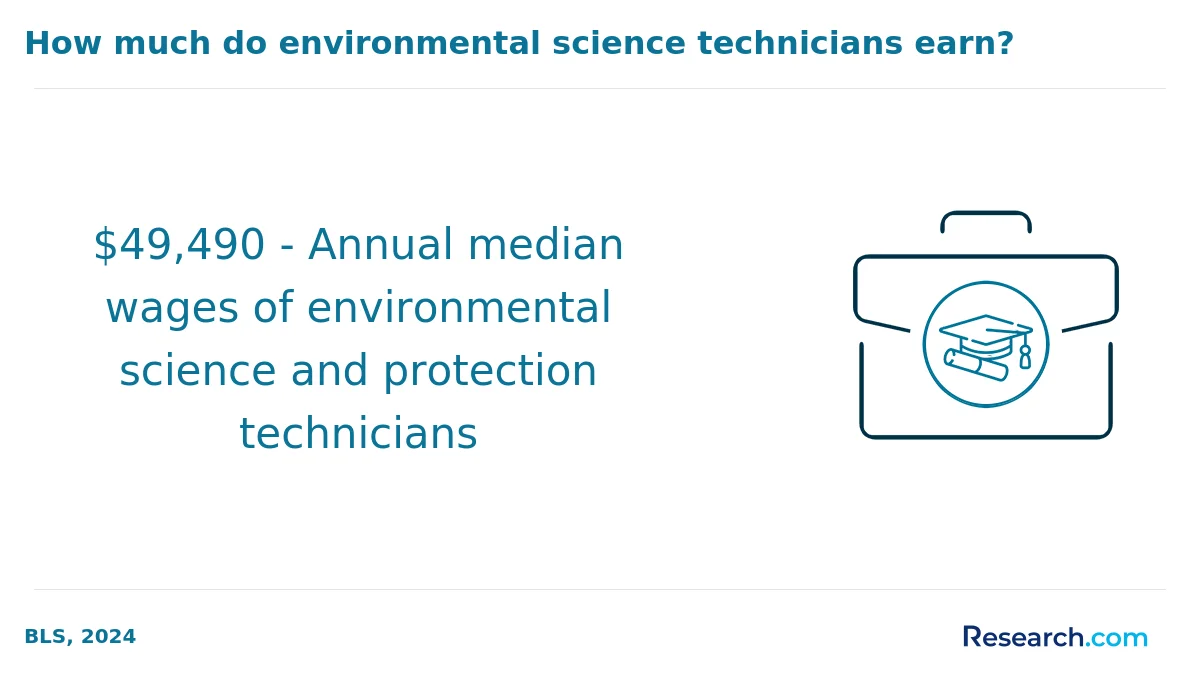
Part-time jobs that complement an online environmental science degree in America often involve roles such as environmental technician, research assistant, or sustainability intern. These positions offer practical experience that aligns with academic studies. According to the U.S. Bureau of Labor Statistics, environmental science technicians earn a median hourly wage of about $21, making this a feasible part-time option.
Many universities coordinate internships or work-study programs with government agencies like the EPA or local conservation groups. These positions can provide students hands-on exposure to data collection, pollution analysis, or habitat restoration.
Additionally, freelance roles in environmental data entry or GIS mapping support remote work opportunities. This flexibility benefits students pursuing degrees online while gaining relevant work experience valuable for future employment in the field.
Online environmental science students in America have growing networking opportunities despite physical distance. Many accredited programs collaborate with professional organizations like the Ecological Society of America (ESA) and the National Association of Environmental Professionals (NAEP), providing students access to conferences, webinars, and online forums.
Students can join virtual career fairs and alumni groups promoted by their universities, helping connect with industry professionals and potential employers. According to the National Center for Education Statistics, over 60% of online students participate in such virtual networking events.
Additionally, internships and research projects often facilitate direct contact with environmental agencies like the EPA, expanding practical networks beyond the classroom.
Alumni networks offer significant advantages to students pursuing online environmental science degrees in America. These networks connect current students with professionals who have experience in government agencies, environmental consulting, and non-governmental organizations. According to the Environmental Protection Agency (EPA), networking can increase job placement success by up to 25% in environmental fields.
Strong alumni connections provide mentorship opportunities, helping students navigate career paths and refine skills specific to environmental science. Additionally, alumni often share industry insights and job openings not widely advertised, fostering valuable professional growth.
Institutions in the U.S. with established environmental science alumni networks can enhance employment prospects for graduates, supporting a sector that the U.S. Bureau of Labor Statistics projects will grow by 8% through 2031.
Customizing an online environmental science degree in America allows students to align education with specific career goals. Many universities offer elective courses or specializations such as conservation, sustainability, or environmental policy. For example, selecting a focus on ecological restoration can prepare students for roles in habitat management or environmental consulting.
Students can also tailor their programs by choosing research projects, internships, or capstone experiences that relate directly to their areas of interest. According to the National Center for Education Statistics, 67% of environmental science graduates pursue graduate studies or employment in specialized fields. Thus, customization enhances both expertise and job readiness.
Additionally, some programs provide options for certificates in data analysis or GIS technology, skills highly valued by employers in government agencies and private firms, such as the EPA or environmental NGOs.
Online environmental science students in America often face significant challenges related to the hands-on nature of the field. Many programs require lab work, field studies, or internships that can be difficult to complete remotely. According to the National Center for Education Statistics, about 30% of environmental science courses include lab components, which may necessitate local partnerships or travel.
Another challenge is staying engaged through virtual formats, as students must be self-motivated to keep up with complex topics like ecology, data analysis, and environmental policy. Limited interaction with faculty and peers can impact learning and networking opportunities crucial for future careers.
Access to up-to-date technology and reliable internet is also essential. The Pew Research Center reports roughly 15% of U.S. households lack high-speed internet, potentially affecting participation and access to digital resources. These factors combined create hurdles for many pursuing online environmental science degrees in America.
Graduates with an online environmental science degree in America can pursue several professional certifications to enhance their career prospects. One common option is the Certified Environmental Scientist (CES) credential offered by the National Association of Environmental Professionals (NAEP). This certification validates expertise in environmental regulations and science.
Another widely recognized certification is the Certified Environmental Professional (CEP), which requires both academic qualifications and relevant work experience. The American Academy of Environmental Engineers and Scientists administers this credential, emphasizing environmental management skills.
Additional certifications include those in hazardous waste management and water quality, which are valuable in government and private sector roles. These certifications typically require passing an exam and ongoing education.
Writing a winning application for an online environmental science program in America requires clear focus and preparation. Start by crafting a personal statement that highlights your passion for environmental issues and illustrates any relevant experiences, such as internships or volunteer work. Admissions committees value applicants who demonstrate commitment and practical engagement. Include specific goals showing how the degree aligns with your career plans in fields like sustainability, conservation, or environmental policy.
Highlight your academic readiness by submitting transcripts that reflect strong performance in science and math courses, which are essential for success in environmental science.
Standardized test requirements vary but check each institution's policy, especially since many schools have adopted test-optional admissions.
Finally, secure strong letters of recommendation, ideally from professionals or professors familiar with environmental science or your work ethic, to bolster your application.
Environmental science careers are increasingly valued worldwide due to rising concerns about climate change, sustainability, and natural resource management. In the United States, the Bureau of Labor Statistics projects a 5% growth in environmental science jobs from 2021 to 2031, reflecting similar trends internationally.
Global collaboration on environmental issues highlights the importance of cross-cultural knowledge and diverse skill sets. Professionals often work on challenges like pollution control, conservation, and renewable energy, which require understanding both local and international policies.
Because of this, American online environmental science degrees emphasize global perspectives to prepare students for interconnected roles abroad or with multinational organizations.
Gaining practical experience while studying for an online environmental science degree in America is essential for career readiness. Many programs incorporate virtual labs and simulation tools that mimic real-world environmental data analysis. Additionally, students can seek internships with government agencies like the Environmental Protection Agency (EPA) or local conservation organizations, which often offer remote or flexible opportunities.
Fieldwork is sometimes required, and schools may partner with nearby institutions or sites to provide optional on-site experiences. Volunteering with environmental nonprofits can also enhance practical skills and networking, improving job prospects after graduation.
According to the U.S. Bureau of Labor Statistics, about 13% of environmental scientists engage in fieldwork, emphasizing its importance.
Choosing the right concentration within an online environmental science degree in America depends on your career goals and interests. Common specializations include environmental policy, conservation, sustainability, and environmental technology. According to the U.S. Bureau of Labor Statistics, environmental scientists and specialists are expected to see a 8% job growth from 2022 to 2032, highlighting demand in areas like environmental compliance and natural resource management.
Consider concentrations that align with industries you want to enter. Those interested in government or regulatory roles may prefer environmental policy, while conservation focuses on ecosystem and wildlife protection.
Review each program's curriculum carefully and check if it includes hands-on experiences or partnerships with U.S. agencies like the EPA. Also, examine faculty expertise and accreditation to ensure quality education tailored to your ambitions.
- Networking Strategies for Environmental Professionals https://www.nrep.org/blog/environmental-professional-networking-strategies
- Environmental Science (M.S.) Non-Thesis Track https://www.towson.edu/fcsm/departments/environsci/grad/science/non-thesis-track.html
- Environmental Certifications for entry-level and career changers https://www.theenvironmentalcareercoach.com/certification-links
- Alumni Put Environmental Science Degrees to Work at Chesapeake Watershed Initiative https://www.fandm.edu/stories/alumni-put-environmental-science-degrees-to-work.html
- Data show today's environmental science grads have more diverse job prospects https://www.onlineu.com/magazine/environmental-science-majors-career-outcomes
- Environmental Science Courses & Degrees https://www.open.edu.au/study-online/science/environmental-science
- NETWORKING FOR SUCCESS: HOW TO SHINE IN ENVIRONMENTAL JOBS - Step(h) into Nature https://stephintonature.com/all-environmental-conservation-travel-blogs/environmental-jobs-networking
- Environmental Scientist Cover Letter Examples https://www.careerfaqs.com.au/careers/resumes-cover-letters/environmental-scientist-cover-letter-example
- Application Letter to Master's Program in Environmental Science in Germany https://essayforum.com/letters/application-master-program-environmental-86188/
- Explore Environmental Career Profiles | ECO Canada https://eco.ca/career-profiles-index/