2027 Best Online Bachelor's in Environmental Science Degree Programs Ranking in the South

Co-Founder and Chief Data Scientist
Choosing the right online environmental science degree can feel overwhelming, especially with so many options in the South. That's why the Research.com team of data scientists created the 2027 Best Online Bachelor's in Environmental Science Degree Programs Ranking in the South. This article makes it easier for you to find programs that truly stand out.
Exploring these top-ranked degrees can open doors to exciting career paths while allowing you to study flexibly from home. Pursuing an environmental science degree is a meaningful step toward making a positive impact on the planet and your future.
Key benefits of getting online environmental science degree in the South
- Environmental science graduates in the South can expect competitive salaries, with related US jobs often earning around $60,000 to $70,000 annually, providing strong financial motivation for pursuing this field.
- A graduate from a well-known Southern university can explore diverse careers such as environmental consulting, natural resource management, or sustainability coordination, offering exciting opportunities to make a real impact locally and beyond.
- Online degrees from respected Southern schools offer flexibility, allowing you to balance work, family, and studies while gaining the same quality education as traditional programs, making it easier to advance your career on your own terms.
- 2027 Best Online Bachelor's in Environmental Science Degree Programs Ranking in the South
- What can I expect from online environmental science degree in the South?
- Where can I work with online environmental science degree in the South?
What can I expect from online environmental science degree in the South?
Online environmental science degrees in the South generally offer competitive tuition compared to other regions. Graduates from universities in states like North Carolina, Georgia, and Texas report that in-state tuition often ranges from around $6,000 to $12,000 per year, while out-of-state online learners might pay slightly more but still benefit from reduced rates compared to traditional on-campus costs. This affordability makes it practical for working adults balancing jobs and families to pursue these degrees without excessive debt.
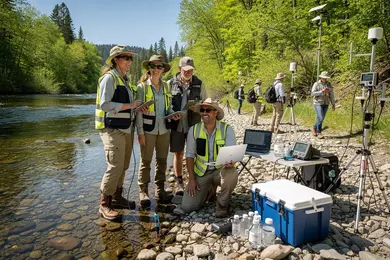
Many students appreciate that these programs include flexible, asynchronous courses, allowing them to manage studies around real-life commitments. Graduates recall valuing programs from well-known southern institutions where they gained hands-on experience with regional issues-such as studying Gulf Coast hurricane impacts or managing Appalachian forest resources-without sacrificing financial stability.
To maximize cost-effectiveness, students often research specific universities' residency policies and available scholarships targeted at online learners, ensuring they select programs that suit both their budget and career goals in southern environmental science fields.
Where can I work with online environmental science degree in the South?
Graduates with an online environmental science degree from Southern universities like the University of Florida or Texas A&M often find themselves working in practical, impactful roles within government agencies. For instance, many secure positions at EPA regional offices in Atlanta or state environmental quality departments in Florida and North Carolina, where they monitor air and water quality, spearhead pollution control initiatives, and support wildlife conservation projects.
Others take advantage of the South's thriving environmental consulting sector, collaborating with energy or manufacturing firms to conduct site remediation and environmental impact assessments. These roles provide hands-on opportunities to apply scientific knowledge directly, helping companies meet regulatory standards.
Nonprofit organizations and research institutions also attract graduates who want to engage in field studies or coordinate community-based environmental programs. Popular Southern colleges prepare students for these roles by emphasizing local ecosystems like wetlands and coastal regions, making their work feel immediately relevant and rewarding.
With renewable energy expanding rapidly in Southern states, many alumni find meaningful work in solar and wind energy development, where they analyze environmental impacts and contribute to sustainability efforts-an exciting career path for those passionate about green solutions.
Graduates holding an online environmental science degree in the South can expect starting salaries around $45,000, especially when working in rural areas or smaller towns. For example, graduates from well-regarded Southern institutions often begin their careers in entry-level environmental consulting roles, earning close to this figure. With several years of experience, especially in urban centers like Atlanta or Houston, salaries can rise significantly, frequently surpassing $75,000.
Those who pursue additional certifications such as the Certified Environmental Scientist (CES) often report salary boosts between 10% to 20%, enhancing their earning potential in competitive markets. Graduates working for private industry or federal agencies in states like Texas and Florida typically see the higher end of the regional salary range, which can reach up to $80,000 annually.
Environmental science students from Southern universities benefit from strong local industry ties in renewable energy and sustainability sectors, making steady income growth realistic when combining hands-on experience with credentials. This practical approach to career planning helps graduates confidently navigate the evolving job market across the South.
- Tuition for online environmental science bachelor's programs in the South ranges from about $7,000 to $20,000 per year for in-state students.
- Many Southern schools offer lower tuition rates for online students and provide financial aid options like federal aid and scholarships.
- Entry-level environmental scientists in the South typically earn between $45,000 and $55,000 annually, with potential to earn $70,000 or more after 10 years.
- States like Texas, Florida, and North Carolina have strong job markets in coastal management, agricultural sustainability, and energy sectors.
- Southern universities often have partnerships with local industries and government agencies, offering internships and networking opportunities for online students.
- Programs are accredited by bodies such as SACSCOC, ensuring quality and credit transferability.
Completing an online environmental science degree in the South usually takes around four years when enrolled full-time, with most programs requiring 120 to 130 credit hours. For example, graduates from the University of North Carolina at Wilmington often share how sticking to a full-time schedule helped them finish on time while balancing part-time work.
Flexibility is key for many. Students at Florida Atlantic University, for instance, have found that part-time enrollment suits their busy lives but can extend study time to five or six years. Choosing part-time allows you to manage work, family, and school without burnout, making progress steady and achievable.
If you have prior coursework, transferring up to 60 credits can cut your timeline in half. Graduates who transferred community college credits frequently highlight how this option saved both time and money. Accelerated tracks, available at some Southern universities, can reduce completion to three years but require a demanding course load and strong commitment.
Ultimately, your pace depends on your personal schedule, transfer credits, and program format. Planning ahead and choosing the right balance can make the journey rewarding and manageable.
When choosing between online and on-campus environmental science degrees in the South, consider how each fits your lifestyle and goals. Online programs, popular among students from Texas, Florida, and Georgia, offer flexible schedules that help balance work and family. Graduates from Southern online programs often praise the convenience of accessing lectures and virtual labs anytime, avoiding relocation to campuses like those at the University of Florida or Texas A&M.
On the other hand, on-campus degrees provide hands-on experiences and face-to-face interaction, which many students find motivating. Attending a school like the University of North Carolina allows you to engage directly with professors involved in local research and gain access to fieldwork and campus labs. This immersion can be essential for careers requiring technical skills and networking.
Cost is another factor: on-campus tuition in Southern public universities ranges from $8,000 to $12,000 annually, plus housing and transport. Online programs often have lower tuition and no commuting expenses, though technology fees apply. Practical graduates value these differences and choose based on their personal needs and ambitions.
The average cost of an online environmental science degree in the South typically centers around $51,072 in total, with in-state students paying about $47,160 and out-of-state students facing closer to $58,380. Graduates from popular programs at public universities such as the University of Florida and Texas A&M often share that managing tuition within this range felt achievable with careful planning. These institutions exemplify affordable online environmental science programs southern states offer, balancing quality education with cost-effectiveness.
Many students report that understanding residency status beforehand is a key step-establishing in-state residency can lower tuition considerably. For example, a student in Georgia pursuing an online degree at a state university saw their overall costs drop by thousands simply by meeting residency requirements. It's also wise to anticipate additional expenses like technology fees and course materials, which can add to your budget annually, even if many digital resources help reduce textbook costs.
Financial aid plays a crucial role in real-life affordability. Students often combine scholarships, employer tuition assistance, and state-specific financial aid programs to lower their net price. Those looking to extend their career prospects are encouraged to explore career outcomes linked to their degree, as seen through data on master's in sustainability job salary. This practical approach ensures that the investment made in an online environmental science degree in the South aligns with both personal growth and financial goals.
Students pursuing online environmental science degrees in the South often start by completing the FAFSA to unlock key federal aid options. For many, qualifying for Pell Grants offers immediate relief-one graduate at the University of Florida recalled how a $7,395 Pell Grant covered nearly half of their tuition, making online classes affordable without jeopardizing their job.
Federal student loans, including Direct Subsidized and Unsubsidized Loans, are also typical choices but require mindful planning due to interest. Another graduate from Louisiana State University emphasized budgeting carefully to manage loan repayment alongside living expenses.
State scholarships add another layer of support. In Tennessee, the HOPE Scholarship helped a persistent learner reduce tuition significantly while studying remotely at the University of Tennessee. Similarly, North Carolina's Education Lottery Scholarship benefited a student balancing work and online studies at North Carolina State University.
Merit-based scholarships and nonprofit awards targeted to environmental science students are practical avenues too. For example, some received funding through EPA's Greater Research Opportunities, easing costs while gaining valuable research experience.
Finally, many Southern schools offer payment plans or employer tuition assistance programs that graduates recommend for spreading costs and maximizing workplace benefits, allowing students to focus on their studies without constant financial stress.
To enroll in an online environmental science degree program in the South, you'll first need a high school diploma or its equivalent. Many popular Southern universities expect applicants to have completed core science courses like biology, chemistry, and math. One graduate from a well-known Southern college shared how strong foundations in these subjects made her feel confident tackling online ecosystem dynamics classes.
Standardized test scores such as the SAT or ACT may be required, though some schools in states like Georgia and North Carolina have adopted test-optional policies, which eases the pressure for many applicants. Still, competitive programs often prefer scores to assess readiness.
Maintaining a minimum GPA around 2.5 to 3.0 is common; this reflects steady academic performance. Letters of recommendation and personal statements explaining your passion for environmental science can also boost your application. Returning students or those transferring credits may face prerequisites at the college level, but bridge courses offered by several Southern institutions help fill knowledge gaps smoothly. Many who've navigated these steps describe a rewarding sense of preparedness and enthusiasm as they begin their studies.
Online environmental science degrees in the South typically include courses that build a strong foundation in both natural science and policy, tailored to regional challenges like hurricanes and coastal erosion. Graduates from Southern universities often highlight how introductory classes such as Introduction to Environmental Science helped them understand ecosystem dynamics and human impacts using relevant local case studies.
Core science courses usually cover Environmental Chemistry, Ecology, and Geology, focusing on soil, air, and water quality issues common in Southern environments. Students appreciate that labs may be virtual or occasionally require in-person fieldwork, offering a practical balance for remote learners.
Quantitative skills emerge from courses like Statistics for Environmental Science and Geographic Information Systems (GIS). Many Southern students find GIS training invaluable for mapping and managing agricultural lands and coastal zones, translating directly to job-ready expertise.
Policy and management classes, including Environmental Policy and Regulation and Sustainability Practices, prepare students to navigate complex regulations affecting Southern industries such as petrochemicals and farming. This blend of science and policy equips graduates to contribute effectively to local environmental solutions.
Online environmental science specializations in the South commonly include Environmental Policy and Management, Ecology and Conservation, Environmental Health and Safety, Renewable Energy and Sustainability, and Geospatial Analysis and Environmental Technology. These tracks respond directly to the South's unique needs, such as addressing pollution from industries or preserving wetlands and forests. Graduates from Southern universities often share how focusing on Environmental Policy helped them influence regulations in states with strong agricultural and energy sectors.
Many Southern colleges tailor these specializations for working adults, offering flexible schedules and practical projects that reflect real regional challenges. For example, students studying Renewable Energy and Sustainability find it rewarding to contribute to local solar and biomass initiatives, enhancing the green energy footprint across Southern states.
When exploring Southern region environmental science degree options, consider programs recognized by SACSCOC to ensure quality education relevant to local industries. For those seeking to expand skills in sustainability management, pairing these options with an online mba in sustainability can be an effective next step in advancing your career.
Start by confirming the program's regional accreditation, such as from the Southern Association of Colleges and Schools Commission on Colleges (SACSCOC). Graduates from well-known Southern universities often share how this ensures their degree is respected by employers and graduate schools. Next, check if the curriculum balances core environmental science topics with flexible specialization options-some schools allow you to focus on sustainability or resource management, which aligns well with current regional environmental challenges.
Look for affordable online environmental science programs southern US that offer in-state tuition rates for online students, as this can ease financial pressure without sacrificing quality. Graduates appreciate programs that incorporate practical experiences, like virtual labs or projects partnered with local conservation agencies. These real-world connections bring learning to life, mirroring scenarios graduates faced when working with state parks or environmental nonprofits.
Finally, review job placement and graduation rates to gauge outcomes. Many Southern environmental science graduates report strong median salaries and relevant jobs related to sustainability, reinforcing that careful choices about programs pay off professionally.
Graduates with an online environmental science degree in the South find diverse job opportunities with environmental science degree Southern US offers, ranging from environmental consulting to renewable energy. Many start their careers assessing project impacts on coastal habitats or urban ecosystems, using skills learned at universities like the University of Florida or Texas A&M. These positions involve helping businesses meet regulatory standards and protect sensitive areas.
Several graduates pursue conservation roles, working with agencies such as the South Carolina Department of Natural Resources to preserve wildlife and educate communities-a rewarding path that combines fieldwork with meaningful public service. Others leverage their training in environmental health by monitoring pollution and water quality issues critical to southern states' growing populations.
Renewable energy sectors, especially wind and solar in Texas and Georgia, offer expanding opportunities for recent graduates who want to contribute to a sustainable future. For those considering academia or research, institutions like Duke and UNC provide pathways to advanced study and scientific careers. To understand timing and educational requirements, explore how long does it take to be an environmental scientist.
The job market for online environmental science careers in the South is solid and expected to grow about 8% over the next decade, matching the national average. Graduates from universities popular for environmental science degrees in the region often find roles as environmental consultants, conservation scientists, or sustainability coordinators, particularly in states like Texas and Florida. Many report that combining their online degree with internships or field experience significantly boosted their opportunities.
Entry-level salaries generally range from $45,000 to $60,000 annually, depending on the state and employer. For example, graduates in Texas often enjoy slightly higher wages than those in Alabama or Mississippi. The affordability of online programs-typically between $15,000 and $40,000 tuition-makes earning a degree while working in the South accessible. When considering career expansion, students also explore emerging sectors like renewable energy and climate resilience planning, which create even more demand.
To strengthen your position in this competitive market, supplement your degree with certifications and keep an eye on local labor trends. Many graduates find additional value by reviewing resources on jobs with an mba in sustainability, which opens further pathways in this growing field.
2027 Best Online Bachelor's in Environmental Science Degree Programs Ranking in the South
Investing in your education is a significant decision that can shape your future, and the Research.com team understands the importance of making informed choices. To assist prospective students in the South, we have meticulously crafted the "2027 Best Online Bachelor's in Environmental Science Degree Programs Ranking in the South." Our commitment to quality, credibility, and accuracy is reflected in the extensive research and analysis conducted to compile this ranking.
We utilized the following reputable data sources to ensure a comprehensive evaluation of environmental science programs:
By exploring this ranking, readers will gain valuable insights into the best online environmental science degree programs in the South, helping them make well-informed decisions about their educational journey. For more details on our methodology, please visit our Research.com methodology page.

# 2 position
Western Kentucky University
Bachelor of Health Science (Environmental Health Science concentration)



# 5 position
University of Maryland Global Campus
Bachelor of Environmental Health & Safety

Frequently Asked Questions About environmental science
Students pursuing online environmental science degrees in the South can maximize their learning by engaging deeply with both coursework and regional environmental issues. Many Southern universities emphasize local ecosystems like wetlands and coastal zones, which represent 30% of U.S. wetland habitats according to the U.S. Fish & Wildlife Service. Students should take advantage of virtual labs and simulation tools, which reinforce concepts through practical application.
Networking with regional environmental organizations offers hands-on experience that complements online study. Resources such as the Southern Environmental Law Center provide internship opportunities valuable for career growth.
Additionally, managing time effectively and participating actively in discussion forums enhances comprehension and retention. Utilizing these strategies leads to a richer, more practical education tailored to the South's unique environmental landscape.
The environmental science field is rapidly evolving, with several emerging niches gaining importance. One key area is climate resilience and adaptation, especially vital in Southern states prone to hurricanes and flooding. Experts predict jobs in this sector will grow by over 10% through 2030, according to the U.S. Bureau of Labor Statistics.
Another niche is sustainable agriculture, which addresses food security and eco-friendly farming-important in the South, where agriculture is a major economic driver. Additionally, environmental data analysis using GIS and remote sensing technology is expanding, allowing better resource management and policy development.
These specializations reflect growing regional and national priorities in environmental protection.
Graduates with an online environmental science degree in the South should focus on practical experience to improve employability. Internships and volunteer work with local agencies such as the EPA or regional conservation groups provide valuable hands-on skills. According to the Bureau of Labor Statistics, the Southeast is projected to grow in environmental science jobs by about 8% through 2031, emphasizing the need for relevant experience.
Networking is essential. Joining professional organizations like the Southern Environmental Law Center or the National Association of Environmental Professionals helps connect with regional employers. Additionally, pursuing relevant certifications such as the Certified Environmental Professional (CEP) can strengthen a resume.
Strong communication skills and proficiency in data analysis tools like GIS are highly valued by Southern employers, making them important areas to develop during and after degree completion.
Employers in the Southern United States value environmental science graduates who possess strong analytical and problem-solving skills. According to the U.S. Bureau of Labor Statistics, proficiency in data analysis and Geographic Information Systems (GIS) is increasingly important for addressing regional environmental challenges.
Communication skills are crucial, as graduates often collaborate with government agencies, nonprofits, and private sector partners. Effective writing and presentation abilities help in explaining complex environmental data clearly.
Additionally, knowledge of local ecosystems, environmental regulations specific to Southern states, and experience with field research bolster a candidate's competitiveness in the job market.
Finding internships in the South for environmental science students involves leveraging regional resources and networks. Many Southern states have strong environmental agencies and research centers offering internships, such as the Texas Commission on Environmental Quality and the Florida Department of Environmental Protection. Universities often partner with local organizations to provide practical opportunities for students.
Students should explore online internship databases like the Southern Environmental Education Alliance and USAJOBS for federal internships in the region. According to the U.S. Bureau of Labor Statistics, environmental science jobs in the South are projected to grow by 8% through 2030, indicating increasing internship availability.
Networking through professional groups such as the Southeastern Association of Environmental Professionals can also help students access local internships.
Obtaining an online environmental science degree in the South can significantly enhance career mobility and advancement opportunities. The Southern U.S. has seen a growing demand for environmental professionals, driven by industries like energy, agriculture, and government agencies focused on sustainability. According to the U.S. Bureau of Labor Statistics, environmental science jobs in states like Texas, Florida, and North Carolina are projected to grow faster than the national average over the next decade.
Online degrees offer flexibility, enabling working professionals to upskill without interrupting their careers. Many employers in the South recognize accredited online programs, making graduates more competitive for promotions and higher-paying roles.
Furthermore, graduates with online environmental science degrees often qualify for certifications such as the Certified Environmental Scientist (CES), which can further accelerate career growth in the region's expanding green job market.
Studying for an environmental science degree online in the South equips students with skills that cross disciplinary boundaries. Southern programs often integrate courses in biology, chemistry, policy, and geography, reflecting the region's diverse ecosystems, from wetlands to mountain ranges. This broad approach prepares graduates to address complex environmental challenges collaboratively.
Institutions emphasize practical application, using local case studies to teach how social, economic, and scientific factors intersect. For example, programs might focus on coastal management, a critical issue in Southern states like Florida and Louisiana, where rising sea levels demand interdisciplinary solutions.
According to the U.S. Bureau of Labor Statistics, environmental science roles are projected to grow 8% by 2031, reflecting increasing demand for professionals who can navigate multiple fields. Southern schools often partner with government agencies and industry, giving students experience that supports varied careers in research, policy, and conservation.
Choosing between a thesis and a non-thesis environmental science degree program in the South depends largely on your career goals and learning preferences. Thesis programs require original research, which suits students aiming for scientific careers or graduate study. Non-thesis options focus more on coursework and practical skills, ideal for those pursuing immediate employment in fields like environmental policy or consulting.
Southern universities often offer flexible online formats due to high demand; for example, the Southern Regional Education Board highlights growing online enrollments in STEM fields including environmental science. Consider if you prefer independent research or applied learning when deciding between these paths.
Financial aid and program length might also vary, so review each school's offerings carefully. Overall, your choice should align with your professional ambitions and learning style.
Students based in the South who wish to study environmental science abroad face limited options for fully online international degree programs. While many U.S. institutions offer strong online programs, few provide complete environmental science degrees from foreign universities accessible remotely. However, some Southern universities have partnerships with global institutions, enabling study abroad credit transfers or hybrid experiences.
Popular destinations for studying environmental science abroad include Canada and the United Kingdom, but these often require in-person attendance, which complicates access for remote learners.
According to the Southern Regional Education Board, less than 10% of Southern colleges offer formal exchange programs in environmental science with international partners.
Students pursuing online environmental science degrees in the South can find valuable part-time jobs that enhance their education and employability. Positions such as research assistants at universities or environmental nonprofits offer hands-on experience in data collection, analysis, and fieldwork. According to the U.S. Bureau of Labor Statistics, the South has a growing demand for environmental professionals due to its expanding industries and increasing focus on sustainability.
Other opportunities include roles in local government agencies, where students can assist with environmental compliance and public education programs. Additionally, internships with conservation organizations provide practical insights into habitat restoration and pollution control. These jobs help build relevant skills while accommodating flexible schedules.
Online environmental science students in the South have multiple networking opportunities despite the remote format. Many Southern universities offering online programs host virtual career fairs and webinars connecting students with regional employers and alumni. Professional organizations like the South Atlantic Environmental Law Center and the Southeastern Universities Environmental Coalition provide student memberships, offering access to conferences, workshops, and internships. According to the Southern Regional Education Board, about 60% of Southern online students participate in these events annually. Additionally, LinkedIn groups focused on Southern environmental issues help students engage with local professionals and stay informed on job openings and community projects.
Alumni networks offer significant advantages for online environmental science degree students in the South by providing valuable connections in a specialized field. Graduates often share job openings, internships, and research opportunities tailored to environmental concerns prevalent in southern states, such as coastal management and biodiversity conservation. According to the Southern Regional Education Board, alumni connections increase employment rates by up to 20% in STEM fields, including environmental science.
Networking through these alumni groups also facilitates mentorship, helping students adapt academic knowledge to real-world environmental challenges. This is especially useful given the region's growing focus on sustainable energy and climate resilience.
Students pursuing online environmental science degrees in the South can tailor their programs by selecting specialized courses aligned with their career interests. Many Southern universities offer concentrations such as environmental policy, conservation, or sustainability management. For example, institutions in states like Florida and Texas often include coursework addressing regional issues like coastal ecosystems or energy resource management. Additionally, some programs provide options for internships or research projects with local agencies or businesses, enhancing real-world experience.
Customizing electives allows students to focus on areas like environmental law or geographic information systems (GIS), skills in demand in the Southern job market. According to the U.S. Bureau of Labor Statistics, environmental science jobs in the South are growing at an above-average rate, emphasizing the value of targeted expertise. Evaluating accreditation, faculty expertise, and partnerships with local industries can further help students align their education with professional goals.
Online environmental science students in the South often face unique challenges related to regional infrastructure and resources. According to the Federal Communications Commission, many rural areas in Southern states still experience limited broadband access, which can disrupt online learning.
Additionally, programs in the South may have fewer opportunities for local, hands-on fieldwork compared to northern or coastal regions. Environmental science relies heavily on field experience, and adapting this to a virtual format can be difficult for both students and institutions.
Financial concerns are also common, as Southern states typically have lower average incomes and less educational funding, impacting students' ability to afford technology and course materials.
Finally, balancing work and study remains a significant hurdle, especially for adult learners who make up a large portion of online program enrollees in this field.
With an online environmental science degree, graduates in the South can pursue several professional certifications to enhance their careers. A widely recognized option is the Certified Environmental Professional (CEP) credential, which demonstrates expertise in environmental regulations and practices. Another valuable certification is the Certified Hazardous Materials Manager (CHMM), relevant for roles involving waste management and pollution control.
Additionally, the Leadership in Energy and Environmental Design (LEED) Accredited Professional certification is popular, especially in Southern states investing in sustainable development. These certifications often require a combination of education, work experience, and passing an exam, helping graduates stand out in the job market according to the Southern Environmental Education Alliance.
Crafting a winning application for an online environmental science program in the South requires clear demonstration of your commitment to the field. Highlight relevant academic achievements, such as strong grades in biology, chemistry, and earth sciences. Many programs value applicants with hands-on experience, so include internships, volunteer work, or related job roles.
Tailor your personal statement to address regional environmental challenges like coastal erosion or wetland conservation, which are significant in Southern states. According to the Southern Regional Education Board, applicants who show awareness of these issues stand out. Also, prepare for any required standardized tests, as some Southern institutions still consider SAT or ACT scores.
Letters of recommendation should come from science instructors or employers familiar with your environmental interests. Lastly, check each school's specific application guidelines carefully to ensure all documents meet deadlines and format requirements.
Environmental science careers increasingly emphasize global perspectives, reflecting worldwide efforts to address climate change, pollution, and resource management. In the South, online degree programs often incorporate international case studies to prepare students for challenges beyond regional boundaries.
The U.S. Bureau of Labor Statistics projects a 7% growth in environmental science jobs by 2032, influenced by global environmental policies and agreements. Graduates from Southern universities gain skills applicable in international organizations, government agencies, and private firms focusing on sustainable development.
Furthermore, many Southern institutions collaborate with global research networks, giving students exposure to international data and strategies. This approach ensures that graduates understand both local ecosystems and their connection to broader global environmental systems.
Gaining practical experience while pursuing an online environmental science degree in the South is essential to build relevant skills. Many Southern universities offer internship opportunities with local agencies, such as state environmental departments or conservation organizations. These internships often focus on topics like water quality, forestry, and wildlife management, reflecting regional environmental priorities documented by the Southeastern Environmental Research Center.
Students may also engage in virtual labs and fieldwork simulations designed by their programs, allowing hands-on learning remotely. Participation in community-based projects or volunteering with groups like the Southern Environmental Law Center adds valuable real-world insights.
Research shows that practical experience improves job prospects for Southern graduates in environmental careers by nearly 40%, according to a 2023 study from the National Environmental Education Foundation.
Choosing the right concentration within an online environmental science degree in the South depends on your career goals and regional environmental challenges. Common focuses include ecology, natural resource management, and environmental policy, each addressing specific job markets.
For example, Southern states like Florida and Louisiana deal heavily with coastal issues and wetland preservation, making concentrations in marine science or conservation particularly relevant. According to the U.S. Bureau of Labor Statistics, environmental scientists in these states often work with water resource management and climate impact adaptation.
Consider programs that offer specializations aligned with regional industries, such as agriculture or energy. Online programs accredited by the Southern Association of Colleges and Schools Commission on Colleges ensure quality education suited to Southern environmental priorities.
- Networking Strategies for Environmental Professionals https://www.nrep.org/blog/environmental-professional-networking-strategies
- Environmental Science (M.S.) Non-Thesis Track https://www.towson.edu/fcsm/departments/environsci/grad/science/non-thesis-track.html
- How to Become an Environmental Scientist: 8 Steps to Success - Prereqcourses https://www.prereqcourses.com/environmental-scientist/
- Most Popular Online Environmental Science Degrees 2025 https://www.onlineu.com/degrees/environmental-science
- How to Find Entry Level Jobs with an Environmental Science Degree https://facs.com/blog/how-to-find-entry-level-jobs-with-an-environmental-science-degree/
- Alumni Put Environmental Science Degrees to Work at Chesapeake Watershed Initiative https://www.fandm.edu/stories/alumni-put-environmental-science-degrees-to-work.html
- Is an Environmental Science Degree Right for You? · PrepScholar https://blog.prepscholar.com/environmental-science-degree-jobs
- What Can You Do With an Environmental Science Degree? https://willamette.edu/academics/college/environmental-science/career-options
- SEEDS Summer 2026 Internships | TREES DLA https://www.trees-dla.ac.uk/seeds-summer-2026-internships
- Environmental Certifications for entry-level and career changers https://www.theenvironmentalcareercoach.com/certification-links