2027 Fastest Online Master's in Environmental Science Degree Programs Ranking in the South

Co-Founder and Chief Data Scientist
If you're considering advancing your career with an online master's in environmental science, choosing the right program is key. This article introduces the 2027 Fastest Online Master's in Environmental Science Degree Programs Ranking in the South, created by the Research.com team of data scientists.
Designed to help you make an informed decision, this ranking highlights programs that combine quality education with flexible online options.
Whether you want to protect the environment or expand your expertise, earning this degree can open rewarding opportunities and make a real impact.
Key benefits of getting online environmental science degree in the South
- Environmental science graduates in the South often pursue jobs like environmental technicians or specialists, with median hourly wages around $27, reflecting promising earning potential in this field.
- A graduate from a Southern university might explore careers in conservation, environmental consulting, or natural resource management, offering diverse opportunities to make a real impact.
- Online environmental science degrees provide flexibility for working students, as demonstrated by graduates from Southern universities who balance study and life while gaining the same respected credentials as traditional programs.
- 2027 Fastest Online Master's in Environmental Science Degree Programs Ranking in the South
- What can I expect from online environmental science degree in the South?
- Where can I work with online environmental science degree in the South?
What can I expect from online environmental science degree in the South?
On average, the total cost for an online environmental science master's degree from Southern institutions ranges between $15,000 and $35,000. Graduates from universities like the University of Florida or Texas A&M report that tuition fees reflect the blend of rigorous academic content and hands-on virtual learning experiences tailored to regional environmental issues.
Many students appreciate the value of programs integrating subjects such as GIS and environmental data analysis with southern ecosystem studies, justifying the investment. The flexible structure-typically 30 to 36 credit hours completed over 1.5 to 3 years-allows part-time learners to balance work and study without excessive financial strain, often aided by scholarships and assistantships focused on conserving the Gulf Coast or Appalachian habitats.
Feedback from alumni highlights a strong sense of accomplishment when applying course knowledge to local projects, reinforced by active online engagement through webinars and faculty support. This practical, regionally relevant approach enhances long-term career prospects, making the cost a worthwhile commitment for those passionate about Southern environmental challenges.
Where can I work with online environmental science degree in the South?
Graduates with an online environmental science degree in the South find opportunities across diverse sectors driven by the region's unique ecosystems. Employers seek skills in natural resource management, environmental policy, and sustainability planning, essential in states like Florida, Texas, and Louisiana.
Many graduates secure positions in state and local government agencies such as the Florida Department of Environmental Protection or the Texas Commission on Environmental Quality. Roles often include field monitoring and regulatory compliance, reflecting real-world impact on environmental quality.
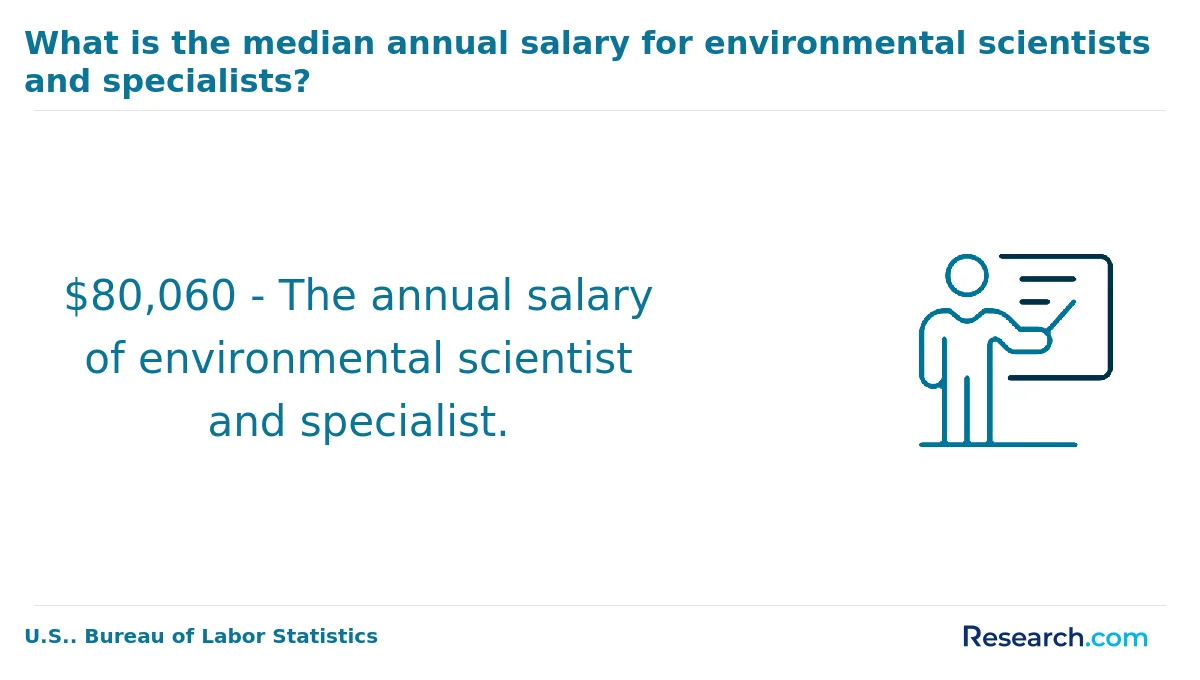
Energy companies in the South employ environmental scientists for pollution control and impact assessments. For example, graduates working in Texas report median salaries around $82,000 (BLS 2023), illustrating robust demand.
Nonprofits and universities like the University of Georgia and North Carolina State University attract graduates eager to engage in conservation, research, and community outreach, blending scientific knowledge with communication skills.
Corporate sustainability roles in agriculture and manufacturing are expanding, offering graduates pathways to implement eco-friendly practices, aligning career goals with environmental stewardship.
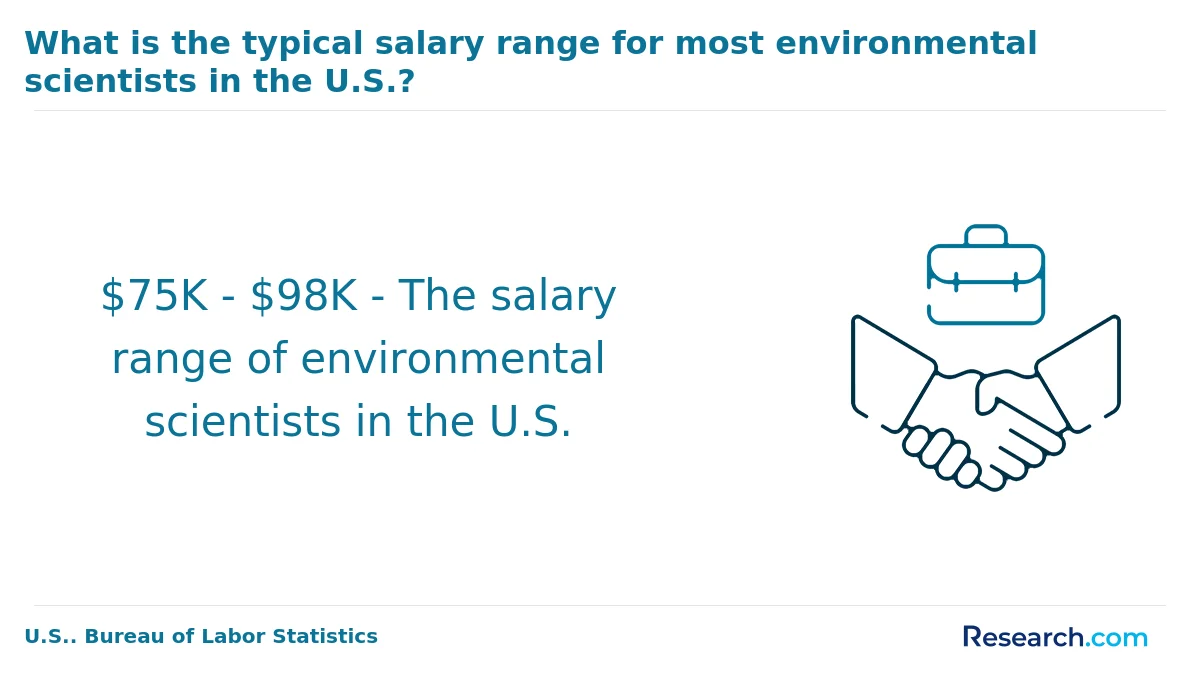
Graduates with an online environmental science degree in the South typically see starting salaries around $55,000, especially in states like Texas, Florida, and North Carolina where environmental sectors are actively growing. Those from well-known Southern universities report entering fields such as environmental consulting, water resource management, and sustainability analysis, with experienced professionals earning between $80,000 and $95,000. For instance, mid-career graduates in Texas benefit from the state's strong industrial base, often commanding salaries near $90,000.
In Florida, environmental science graduates working in coastal conservation or marine research typically earn between $60,000 and $82,000, reflecting the state's focused ecological priorities. Meanwhile, North Carolina's clean energy initiatives align with salaries of $70,000 to $90,000, rewarding graduates involved in renewable energy projects or environmental policy development.
Obtaining additional certifications like GIS and project management enhances earning potential further, making graduates from Southern universities competitive in the regional market. Positive feedback from recent graduates highlights how their education supports rewarding careers with solid financial prospects.
- Tuition for online environmental science degrees in the South ranges from $12,000 to $25,000 per year, which is below the national average.
- Entry-level salaries for graduates start around $45,000 to $50,000 annually, with median salaries reaching $65,000 to $75,000 after 5 to 10 years.
- High demand for environmental science jobs exists in states like Texas, Florida, and North Carolina, especially in urban planning, water management, and consulting.
- Many programs are accredited by the Southern Association of Colleges and Schools Commission on Colleges (SACSCOC), ensuring quality and potential federal financial aid eligibility.
- Most master's degrees take two to three years to complete, offering part-time options and virtual labs or local fieldwork for hands-on experience.
Completing an online environmental science degree in the South typically aligns with national trends, with full-time bachelor's students at popular southern institutions spending about four years to finish the required 120 to 130 credit hours. Graduates from universities like the University of North Carolina system often appreciate the structured pace combined with the flexibility to manage work and family commitments.
Part-time students, commonly balancing jobs or childcare, usually extend their studies to five or six years, reflecting a practical choice for many working professionals in the region. This extended timeline still offers the satisfaction of steady progress without sacrificing other life priorities.
Accelerated programs offered by several southern colleges provide a more intense, focused path-often allowing motivated learners to graduate in two and a half to three years by including summer terms and year-round courses. Alumni frequently share how this option helped them advance career goals faster.
For those pursuing a master's degree online, completion times range from one and a half to three years depending on enrollment status and any research or internship requirements, which enrich real-world skills relevant to southern environmental challenges.
- Full-time bachelor's degree: roughly 4 years (120-130 credit hours)
- Part-time bachelor's degree: 5 to 6 years or longer
- Accelerated bachelor's degree: approximately 2.5 to 3 years
- Online master's degree: 1.5 to 3 years
Online and on-campus environmental science degrees in the South differ primarily in delivery and experiential opportunities. Graduates from Southern public universities like the University of Florida often highlight the convenience of online programs, which utilize video lectures and virtual discussions, allowing them to balance studies with work or family life without relocating.
In contrast, on-campus programs at schools such as Appalachian State University emphasize hands-on fieldwork and lab experiences, offering direct access to local ecosystems like the Appalachian Mountains. These immersive settings foster collaboration with peers and professors, enriching learning through in-person interaction.
Cost is also a key factor. On-campus degrees can range from $8,000 to over $30,000 annually, while many Southern online programs offer in-state tuition with lower overall expenses by eliminating commuting and housing costs. Graduates appreciate the financial flexibility online studies provide.
Support systems differ too: on-campus students benefit from immediate campus resources and networking events, whereas online learners rely on forums and virtual office hours, which requires strong self-motivation. Both formats maintain rigorous accreditation and curriculum standards suitable for environmental science careers in the Southern region.
The average cost of an online environmental science degree in the South centers around $18,216, with notable variations based on residency and institution type. For instance, students attending public universities in the region often experience more affordable tuition, especially if they qualify as in-state residents, whose median total cost typically hovers near $19,494. Out-of-state students, however, face higher expenses, with median costs soaring to approximately $36,918, reflecting the additional fees charged to non-residents.
Graduates from prominent Southern universities report that understanding these distinctions can make a significant difference in financial planning. Many pursue online degrees at well-known institutions where tuition per credit hour varies, particularly in graduate programs. These programs often price tuition around $400 to $700 per credit hour, contributing to the total tuition and fees for Southern online environmental science master's degrees ranging from $12,000 to $25,000 depending on program length and credit requirements.
Students preparing for their online studies, similar to those pursuing a bachelor in sustainability, emphasize the importance of accounting for additional expenses such as technology fees and course materials. These typically add only a few hundred dollars but can impact overall budgeting. Many find themselves empowered to manage costs effectively through scholarships, financial aid, or employer tuition assistance, making the prospect of a degree more accessible and rewarding.
Prospective enrollees should explore specific programs thoroughly, as the average cost of online environmental science degree in the South can vary substantially based on institution and resident status. Careful research into tuition structures facilitates clear expectations and a smoother educational journey, aligning with personalized financial situations and academic goals.
Students pursuing an online environmental science degree in the South often navigate a range of financial aid options to manage tuition costs, which typically range from $6,000 to $15,000 per year at public universities according to NCES data. Many graduates recall successfully leveraging federal aid programs, including Pell Grants that offer up to $7,895 annually, and federal Direct Loans with favorable terms that make funding manageable over time.
Residents benefit from state-specific grants like Texas's Tuition Equalization Grant for private colleges or Georgia's HOPE Scholarship, which many Southern environmental science students use to reduce expenses significantly. For instance, graduates from universities such as the University of Florida and North Carolina State University have cited these local awards as vital financial support.
Merit scholarships offered by universities frequently reward strong academic records and commitment to sustainability, motivating students through recognition and financial relief. External scholarships from organizations like the EPA provide additional funding, often requiring early applications and personalized essays.
Employer tuition reimbursement programs also represent a practical resource, especially for students already employed in environmental fields, cutting costs and enhancing career growth simultaneously.
Enrolling in online environmental science degree programs in the South typically requires a bachelor's degree from an accredited institution, often in environmental science, biology, chemistry, or geology. Graduates from well-known Southern universities share that this foundation made advanced topics more approachable and helped them engage confidently with complex research. Many programs ask for a minimum GPA around 3.0, signaling readiness for graduate-level coursework, though some admit students with slightly lower GPAs who compensate through professional experience or strong recommendations.
Standardized tests like the GRE have become less universally required, especially in popular Southern schools adopting test-optional policies post-COVID-19. However, applicants should verify each school's stance to avoid surprises. International students must prove English proficiency through TOEFL or IELTS scores, ensuring smooth communication in virtual classrooms.
Beyond academics, Southern programs often expect familiarity with scientific computing, statistics, and environmental regulations. Graduates recall how mastering these skills in online courses from Southern institutions empowered them to excel in roles across agriculture, energy, and conservation sectors.
Online environmental science degree programs in the South commonly include courses that blend fundamental science with regional environmental concerns. Graduates from institutions like the University of Florida or Texas A&M often recount how core subjects such as environmental chemistry, ecology, and geology laid the groundwork for understanding complex natural processes, from coastal erosion to soil health in agricultural lands.
Practical coursework typically involves Environmental Data Analysis and Geographic Information Systems (GIS), enabling students to interpret real-world data on hurricane impact or habitat changes. Sustainable Development and Environmental Planning classes focus on balancing growth with conservation in rapidly changing southern cities.
Students appreciate studying Environmental Impact Assessment and Risk Management, applied directly to local industries such as energy production and coastal management. Courses in Wildlife Conservation and Habitat Restoration help graduates feel prepared to protect biodiversity hotspots unique to southern ecosystems.
Additionally, Climate Change Science and Mitigation Strategies address urgent regional challenges, empowering students to contribute effectively to community resilience. This mix of theory and application makes southern online programs both relevant and motivating for students aiming to make a real difference.
Online environmental science specializations South programs often include focused tracks such as Environmental Policy and Management, which equips students to analyze and implement laws impacting local and regional resources. Another popular specialization is Wildlife and Conservation Biology, favored by graduates passionate about protecting ecosystems and endangered species, particularly in biodiversity-rich states like Florida and North Carolina. Sustainability and Renewable Energy remains a critical concentration, addressing renewable technologies and sustainable development strategies seen in Texas programs adapting to energy industry trends.
Environmental Health and Toxicology also features prominently, teaching students to assess pollutant impacts on human health, crucial for coastal communities facing chemical exposure risks. Additionally, Geographic Information Systems (GIS) and Remote Sensing are emphasized for spatial data analysis, vital in southern urban planning and resource management efforts. Many Southern universities tailor these specializations to local environmental challenges, such as hurricane mitigation and wetland preservation, giving students practical, relatable training.
For prospective students seeking affordability and quality, exploring affordable environmental science online degrees in the Southern US environmental science degree options offers valuable pathways to align educational goals with regional needs.
Choosing the best online environmental science degree in the South begins with verifying program accreditation, such as from the Southern Association of Colleges and Schools Commission on Colleges (SACSCOC). Graduates from well-accredited Southern public universities often express confidence that their degrees are respected by employers regionally and nationally. Affordability plays a critical role; many affordable online environmental science programs southern US offer tuition under $10,000 annually for in-state students, supplemented by financial aid and scholarships to reduce debt burden. Curriculum relevance also matters-programs that integrate Southern ecosystem studies and practical virtual field experiences provide graduates with applicable skills for local environmental challenges.
Flexibility is key for working professionals balancing responsibilities. Programs with asynchronous courses and multiple start dates receive positive feedback for accessibility. Additionally, faculty engaged in regional environmental research enhance learning, offering students opportunities to contribute to climate change and agriculture projects impacting Southern communities. For those comparing program options, tools like the environmental science bachelor degree online listings provide data-driven insights to make informed decisions aligned with Southern students' goals.
Graduates with an online environmental science degree in the South encounter a range of career paths tailored to the region's unique ecosystems and growing commitment to sustainability. Prominent roles include environmental consultant, where professionals analyze data and help businesses meet regulatory standards while reducing ecological impacts. Demand for these consultants is projected to grow 8% nationally through 2032, making this a promising field for graduates.
Natural resource management is another key opportunity, with many working alongside state environmental or forestry departments in Southern states like Georgia and Texas. These positions typically involve protecting water quality and wildlife habitats, tasks that graduates from universities in the South find highly rewarding as they directly impact local environments.
Renewable energy project management has grown rapidly in Southern metropolitan areas, boosted by a 40% increase in solar capacity since 2020. Graduates often oversee solar and wind projects, contributing to the region's energy transition. Many students appreciate how this sector combines science with active project leadership.
Additionally, roles in environmental education and advocacy allow graduates to engage communities on climate issues. Online environmental science careers in the South prepare students for such impactful positions, often through partnerships with nonprofits and educational institutions.
Southern graduates also benefit from affordable tuition ranging from $10,000 to $25,000 annually, encouraging widespread access to these career tracks. For those aiming higher, understanding chief sustainability officer qualifications can be a strategic next step toward leadership in sustainability.
The job market for graduates holding an online environmental science degree in the South is robust and expanding, driven by regional needs in sustainability and environmental management. Southern employers are actively recruiting professionals skilled in Geographic Information Systems (GIS), data analysis, and environmental regulations to tackle challenges in coastal management, agriculture, and energy sectors. Graduates from universities known for strong environmental programs report favorable employment outcomes, often securing positions within state environmental agencies or renewable energy companies.
For those exploring online environmental science jobs in the South, typical starting salaries range from $50,000 to $75,000 annually, increasing with experience and specialization. Many students appreciate the flexibility of online programs, which lets them balance work with education while gaining relevant technical skills. Popular institutions provide connections to regional employers, facilitating smooth transitions into the workforce.
Students interested in advancing their careers further often pursue an accelerated environmental management online mba, enhancing their leadership and business expertise to meet growing demand for management roles in environmental sectors.
2027 Fastest Online Master's in Environmental Science Degree Programs Ranking in the South
Investing in your education is a significant decision that can shape your future, and the Research.com team understands the importance of making informed choices. To assist prospective students in the South, we have meticulously crafted the "2027 Fastest Online Master's in Environmental Science Degree Programs Ranking in the South." Our commitment to quality, credibility, and accuracy is reflected in the extensive research and analysis conducted to compile this ranking.
We utilized the following reputable data sources to ensure a comprehensive evaluation of environmental science programs:
By exploring this ranking, readers will gain valuable insights into the fastest online master's degree options available in Environmental Science across the South, aiding them in making well-informed educational decisions. For more details on our methodology, please visit our Research.com methodology page.
# 1 position
Louisiana State University and Agricultural & Mechanical College
Master of Environmental Sciences


# 5 position
Western Kentucky University
Master of Social Responsibility and Sustainable Communities

# 6 position
University of Maryland Global Campus
Master of Environmental Management

# 7 position
Texas Tech University
Master of Environmental Sustainability and Natural Resource Management


Frequently Asked Questions About environmental science
Online environmental science degree students in the South can maximize their learning by engaging actively with regional ecological issues. The Southeastern United States faces unique challenges such as coastal erosion, water pollution, and biodiversity loss, making local case studies highly relevant. Students should take advantage of virtual internships and partnerships with regional organizations like the Southern Environmental Law Center or local wildlife agencies to gain practical experience.
Additionally, leveraging online resources from Southern universities that specialize in environmental studies can deepen understanding. The U.S. Bureau of Labor Statistics highlights an anticipated 8% growth in environmental science jobs by 2030, emphasizing the importance of up-to-date skills.
Consistent communication with professors and peers through online platforms also strengthens comprehension and networking.
Emerging niches within environmental science are rapidly evolving, especially in the Southern United States. One key area is climate resilience and adaptation, focusing on mitigating regional climate impacts such as hurricanes and rising sea levels. According to the U.S. Environmental Protection Agency, Southeastern states face increasing risks from extreme weather events, creating demand for experts in this niche.
Another growing field is environmental technology, emphasizing renewable energy and pollution control. The South's expanding solar and wind industries offer practical applications for graduates.
Additionally, urban ecology is gaining traction, addressing challenges tied to rapid urbanization and habitat conservation in metropolitan areas like Atlanta and Miami.
Graduates with online environmental science degrees in the South should emphasize practical experience alongside their academic credentials. Securing internships or volunteer positions with local environmental agencies can significantly improve employment prospects. According to the U.S. Bureau of Labor Statistics, environmental science jobs in states like Texas and Florida are expected to grow by over 8% from 2022 to 2032, highlighting regional demand.
Networking is also vital. Joining professional organizations such as the Southeastern Environmental Education Alliance can provide valuable connections and career resources. Additionally, obtaining certifications like the Certified Environmental Scientist (CES) credential, recognized nationally, helps demonstrate expertise to employers.
Strong communication and technical skills, including GIS proficiency, are frequently requested by Southern employers in this field. Continuous learning and staying current with federal and state environmental regulations will aid in competitive positioning in the job market.
Employers in the South increasingly seek environmental science graduates with strong analytical skills. Proficiency in data analysis and geographic information systems (GIS) is essential, as these tools support critical decision-making in areas like coastal management and pollution control. Communication skills are equally important; candidates must clearly present scientific findings to diverse stakeholders.
Knowledge of regional environmental regulations, such as those enforced by the Southeastern states, is highly valued. Project management abilities enable graduates to lead sustainability initiatives effectively. According to the U.S. Bureau of Labor Statistics, environmental science roles in Southern states are expected to grow by 8% through 2031, highlighting a rising demand for these competencies.
Finding internships in the South for environmental science students often begins with connecting to regional organizations focused on environmental issues. States like Georgia, North Carolina, and Texas host numerous agencies and nonprofits offering internships related to conservation, water quality, and sustainability.
Students should explore opportunities with the U.S. Environmental Protection Agency's Southeast regional offices and state departments of environmental protection. Universities in the South also frequently post internship listings exclusive to their students, so online learners should inquire if they can access these resources.
Professional groups such as the Southern Environmental Education Alliance and local chapters of the Ecological Society of America provide networking events and internship listings specifically for the region.
According to the National Association of Environmental Professionals, internships in the South often emphasize coastal and wetland management due to the region's geography, offering practical experience unique to the area's ecosystems.
Online environmental science degrees offer significant career mobility and advancement opportunities in the Southern United States. According to the U.S. Bureau of Labor Statistics, jobs related to environmental science in the South are expected to grow by 8% from 2022 to 2032, faster than the average for all occupations. Earning a master's degree online provides flexibility for working professionals while meeting regional industry demands in sectors like renewable energy, conservation, and environmental consulting.
Employers in Southern states often prioritize advanced degrees for leadership roles. An online degree from an accredited institution can help graduates qualify for management positions and specialized jobs. Furthermore, Southern states, including Texas, Florida, and Georgia, have invested heavily in green infrastructure projects, benefiting degree holders by expanding job prospects.
Studying for an environmental science degree online in the South equips students with interdisciplinary skills needed for diverse roles in industry, government, and research. Southern programs often emphasize regional environmental challenges like coastal management, biodiversity conservation, and sustainable agriculture, providing practical, place-based knowledge. According to the U.S. Bureau of Labor Statistics, the Southern states have a growing demand for environmental scientists due to increased focus on climate resilience and energy innovation.
Curriculums integrate biology, chemistry, policy, and geospatial technologies, helping students understand complex environmental systems. Collaboration across these fields prepares graduates for roles requiring broad expertise, such as environmental consulting or resource management.
When choosing between a thesis and a non-thesis environmental science degree program in the South, consider your career goals. Thesis programs require original research and can prepare students for PhD studies or research-intensive roles. Non-thesis programs often focus on coursework and practical skills, ideal for those seeking immediate employment or management positions.
Southern universities typically reflect these options, with thesis tracks offering collaboration opportunities in regional issues like coastal management or air quality monitoring. According to the Southern Regional Education Board, about 40% of environmental science master's students in the South choose thesis options, indicating strong interest in research.
Reflect on your schedule too; thesis programs often demand more time commitment, which might affect working professionals seeking online flexibility.
Students based in the South seeking to study environmental science abroad have several online options from U.S. institutions offering global perspectives. Many Southern universities provide online master's degrees with curricula that include international case studies and research collaborations. This approach helps students understand global environmental challenges while remaining in the U.S.
Programs from schools such as the University of Florida and North Carolina State emphasize sustainable solutions relevant both domestically and internationally. These programs often include virtual exchanges or fieldwork options abroad for hands-on experience. According to the Southern Regional Education Board, over 30% of Southern universities offer fully online graduate environmental science programs with international components.
Using online courses designed to meet regional accreditation standards allows Southern students to pursue global environmental studies without relocating, making these programs accessible and cost-effective.
Part-time job opportunities in the South that complement online environmental science degrees include roles such as environmental technician, research assistant, and sustainability coordinator. According to the U.S. Bureau of Labor Statistics, states like Texas, Florida, and Georgia show strong growth in environmental science jobs due to expanding industries focused on renewable energy and conservation.
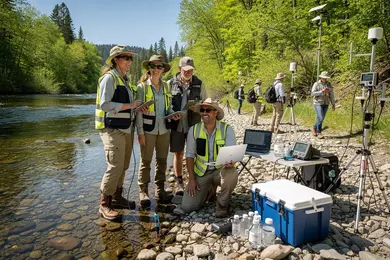
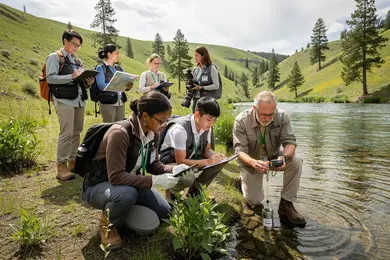
Environmental technicians often assist with field data collection and pollution monitoring, gaining hands-on experience relevant to coursework. Research assistants, frequently available through universities or nonprofits, contribute to studies on local ecosystems and support data analysis. Sustainability coordinators work with organizations to develop eco-friendly policies, providing practical exposure to environmental management.
These positions offer flexibility for students balancing education and work, and build skills attractive to employers in the growing Southern environmental sector.
Online environmental science students in the South benefit from multiple networking opportunities despite their remote status. Many universities offer virtual career fairs and alumni networking events connecting students with regional employers in fields like conservation, energy, and sustainability. For example, Southeastern universities partner with organizations such as the Southern Environmental Law Center and state environmental agencies, providing students access to internships and projects.
Professional groups like the South Eastern Ecological Science Society host online webinars and conferences, supporting graduate-level connections. Additionally, LinkedIn groups focused on southern environmental science can help students build local networks and discover job openings.
Alumni networks play a crucial role for online environmental science students in the South by providing valuable connections in a competitive job market. These networks often include professionals working in regional environmental agencies, private industry, and nonprofit organizations, offering students opportunities for internships and employment. According to the Southern Regional Education Board, over 70% of graduates find their first job through alumni referrals or connections.
Students gain access to mentorship from experienced alumni who understand the unique environmental challenges in Southern states, such as coastal erosion and agricultural sustainability. This guidance enhances career growth and practical knowledge relevant to the region's industries.
Alumni events and online communities foster collaboration and knowledge sharing, helping students stay updated on local environmental policies and innovations. In a field driven by community engagement and regional ecosystems, these connections are especially beneficial.
Customizing an online environmental science degree in the South allows students to align their studies with specific career objectives. Many Southern universities offer elective courses in areas such as conservation, sustainability, or environmental policy. This flexibility helps students develop expertise that matches local industry demands. For example, coastal management is critical in states like Louisiana and Florida, so courses in this niche can enhance job prospects.
Additionally, students can often select research projects related to regional environmental challenges, providing practical experience. Internship opportunities with regional agencies or NGOs further customize learning. According to the U.S. Bureau of Labor Statistics, Southern states see growing careers in environmental consulting and renewable energy, supporting diverse specialization options.
Online environmental science students in the South often face unique challenges related to access and curriculum demands. Limited broadband availability in rural areas affects about 22% of Southern households, making stable internet connections difficult for many learners.
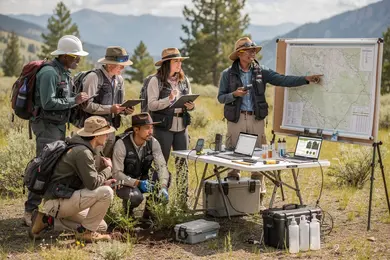
Hands-on experience is another hurdle. Environmental science relies on fieldwork and lab access, which are harder to replicate remotely, potentially impacting skill development. Some programs mitigate this with local partnerships, but opportunities vary.
Additionally, balancing work and family commitments remains a significant issue, as many students in the region juggle full-time jobs while studying. According to the National Center for Education Statistics, about 60% of Southern online learners are part-time students, intensifying time management challenges.
Course availability and program specialization can also be limited compared to traditional campuses, making it important for students to research options carefully.
With an online environmental science degree, students in the South can pursue several respected professional certifications to enhance their careers. One widely recognized option is the Certified Environmental Scientist (CES) credential offered by the National Association of Environmental Professionals. This certification validates expertise in environmental regulations and management.
Another valuable certification is the Certified Hazardous Materials Manager (CHMM), which focuses on hazardous waste and safety compliance. According to the U.S. Bureau of Labor Statistics, environmental science jobs in Southern states like Texas and Georgia are growing faster than the national average, making certifications a useful advantage.
Additionally, the Certified Environmental Professional (CEP) designation is available for those seeking advanced recognition in environmental consulting and policy enforcement roles.
Crafting a successful application for an online environmental science program in the South begins with thorough research. Focus on programs accredited by the Southern Association of Colleges and Schools Commission on Colleges (SACSCOC), ensuring quality and recognition. Highlight any relevant experience, such as internships or volunteer work related to regional environmental issues, which are significant in Southern states facing challenges like coastal erosion and biodiversity loss.
Strong letters of recommendation from academic or professional mentors familiar with your commitment to environmental sustainability can boost your profile. Tailor your personal statement to reflect your passion for solving Southern environmental problems, referencing data from sources like the U.S. Environmental Protection Agency's region-specific reports. Clear communication about your goals and how the program fits your career plans is essential.
The global outlook on environmental science careers reflects growing demand for skilled professionals who can address pressing issues like climate change and sustainability. In the U.S., especially in the South, students pursuing online environmental science degrees benefit from a region with diverse ecosystems and increasing investment in green technologies.
According to the U.S. Bureau of Labor Statistics, environmental science jobs are projected to grow 8% from 2022 to 2032, faster than the average for all occupations. This trend aligns with global priorities emphasizing clean energy, natural resource management, and environmental policy development.
Southern states such as North Carolina and Georgia are leaders in environmental research and green job creation, often offering collaborative opportunities between universities and local industries. This regional emphasis complements global needs for environmental experts who understand localized challenges within international frameworks.
Gaining practical experience while pursuing an online environmental science degree in the South is achievable through several hands-on opportunities. Many Southern universities partner with local organizations, offering internships or fieldwork that complement online coursework. These experiences expose students to region-specific challenges such as coastal erosion in Louisiana or water quality issues in the Appalachian region.
Students can also participate in virtual labs and simulation projects, which are increasingly utilized in online programs to provide real-world problem solving. According to the Southern Regional Education Board, over 70% of online environmental science students engage in internships or service learning during their studies.
Additionally, joining regional environmental groups or volunteering with agencies like the U.S. Environmental Protection Agency's local offices helps build practical skills and professional networks important in this field.
Choosing the right concentration within an online environmental science degree in the South involves assessing regional environmental challenges and career goals. Southern states face unique issues like coastal erosion, hurricanes, and biodiversity conservation, making concentrations in coastal ecology or environmental policy particularly relevant. According to the U.S. Bureau of Labor Statistics, environmental science jobs in the South are expected to grow by 8% through 2031, especially in areas involving sustainability and water resource management.
Students should also consider the curriculum focus and faculty expertise of programs, as well as internship or research opportunities tied to Southern ecosystems. Researching state-specific environmental concerns helps align academic concentrations with local workforce needs.
- Dr. Zubair Khalid | Veterinary Virologist & Bioinformatician https://www.zubairkhalid.com/blog/careers/environmental-science-fields-a-guide-to-specializations-and-careers
- Environmental Scientist Cover Letter Examples https://www.careerfaqs.com.au/careers/resumes-cover-letters/environmental-scientist-cover-letter-example
- Environmental Sciences Abroad https://uceap.universityofcalifornia.edu/environmental-sciences-abroad
- MESPOM Alumni Association https://mespom.eu/mespom-alumni-association
- How to Become an Environmental Scientist: 8 Steps to Success - Prereqcourses https://www.prereqcourses.com/environmental-scientist/
- CES - Certified Environmental Scientist https://www.nrep.org/certifications/certified-environmental-scientist-ces
- Careers in Environmental Science? Learn About Environmental Science Jobs https://facs.com/blog/careers-in-environmental-science-learn-about-environmental-science-jobs/
- Environmental Science Degree Jobs | University of Phoenix https://www.phoenix.edu/articles/environmental-science/environmental-science-degree-jobs.html
- Top Trending Research Topics in Environmental Science - Agriculture Journal IJOEAR Blog https://ijoear.com/blog/top-trending-research-topics-in-environmental-science
- 2025 Most Affordable Online Environmental Science Degrees https://www.onlineu.com/most-affordable-colleges/environmental-science-degrees