2027 Most Valuable Online Environmental Science Degree Programs Ranking in the USA

Co-Founder and Chief Data Scientist
Choosing the right environmental science degree program can feel overwhelming, especially with so many options available online. To help you navigate this, the Research.com team of data scientists created the 2027 Most Valuable Online Environmental Science Degree Programs Ranking in the USA.
This article highlights programs that stand out for their quality, flexibility, and career potential. Whether you want to protect natural resources or influence environmental policy, earning a degree in this field opens exciting opportunities.
Explore the ranking to make an informed choice and take a confident step toward a rewarding future in environmental science.
Key benefits of getting online environmental science degree in America
- Environmental science graduates in the US can expect median salaries around $75,000 per year, with some roles offering higher earning potential depending on specialization and experience.
- Graduates often find diverse career paths including environmental consulting, conservation work, and government research, as seen with many alumni from leading schools like the University of California, Berkeley.
- Online degrees offer flexibility and accessibility, allowing students from anywhere to earn their degree while balancing work or family commitments, a benefit noted by graduates from institutions like Oregon State University's online program.
- 2027 Most Valuable Online Environmental Science Degree Programs Ranking in the USA
- What can I expect from online environmental science degree in America?
- Where can I work with online environmental science degree in America?
What can I expect from online environmental science degree in America?
The average cost of an online environmental science degree in America usually ranges between $15,000 and $40,000 for a full bachelor's program, depending on the institution. Graduates from well-known public universities often share how this investment felt manageable thanks to flexible payment plans and financial aid, allowing them to focus on courses without constant financial stress. Private colleges might ask for higher tuition, but students appreciate the smaller class sizes and personalized support that enhance their learning experience.
Many students find value in the balance of affordable pricing with practical, real-world applications embedded in their programs. For instance, graduates from popular state universities have recounted engaging in virtual labs and GIS projects that mirror professional environmental consulting work. These hands-on opportunities make the cost worthwhile by preparing them for solid career prospects.
Looking ahead, emerging trends suggest increasing affordability as more public colleges expand online options, while employers continue to recognize the value of online credentials in sustainability and conservation careers nationwide.
Where can I work with online environmental science degree in America?
With an online environmental science degree in America, graduates often step into dynamic roles across government, private industry, and nonprofit sectors. Imagine working with agencies like the EPA or state environmental departments, where you might conduct crucial environmental assessments or help shape policies that protect natural resources. Graduates from well-known programs at universities such as Arizona State or Oregon State frequently share how hands-on projects prepared them to confidently navigate these roles.
In the private sector, opportunities abound in consulting, manufacturing, and energy companies, where environmental scientists analyze and improve sustainability practices. Many find satisfaction working on real-world projects that reduce pollution or evaluate the impact of industrial operations, often recalling their coursework's practical approach that bridged theory and fieldwork.
Emerging fields like renewable energy invite environmental science graduates to contribute to solar, wind, and bioenergy projects. The excitement of helping to build a clean energy future resonates strongly with students from schools known for innovation, who appreciate how their education prepares them for these cutting-edge challenges.
Higher education and research remain viable paths, too, where graduates engage in environmental research or teaching, expanding knowledge and inspiring the next generation.
Graduates with an online environmental science degree in America often start their careers earning between $48,000 and $60,000 annually, figures that align with reports from those who completed programs at well-known institutions like Arizona State University or Oregon State University. Many alumni describe landing entry-level roles at consulting firms or government agencies where hands-on internships reinforced their classroom knowledge, making the transition seamless and rewarding.
As these professionals gain experience, salaries typically increase to a range of $70,000 to $90,000 per year. Graduates from online programs frequently share stories of moving into specialized fields such as sustainability management or environmental compliance, where their practical skills and academic background from respected online colleges boost their earning potential.
Advanced roles, often held by those who continue education or accumulate extensive field experience, offer salaries exceeding $100,000. Graduates envision exciting growth opportunities, especially in regions like California or New York, where higher living costs correspond to higher compensation. This upward mobility reflects a growing demand for environmental expertise amid evolving ecological challenges.
- Online environmental science degrees typically cost between $15,000 and $50,000, depending on whether the school is public or private.
- Programs cover subjects like ecology, conservation, environmental policy, and data analysis.
- Jobs for environmental scientists and specialists are expected to grow 8% from 2022 to 2032.
- Starting salaries usually range from $50,000 to $60,000, with mid-career pay between $75,000 and $90,000.
- Many online degrees have regional or specialized accreditation to ensure quality and employer recognition.
- Internships or practicums are often available to provide hands-on experience despite the online format.
Completing an online environmental science degree in America typically spans around four years for most bachelor's students, mirroring on-campus timelines at well-known institutions like Oregon State University and the University of Florida. Graduates often share how balancing coursework with work or family life extends their studies, yet the flexibility allows them to maintain motivation and focus. Some ambitious students accelerate their journey, finishing in three years by taking extra courses during summer sessions, feeling a strong sense of achievement.
Master's students at universities such as Colorado State University often finish their online programs within 1.5 to 2 years of full-time study. They appreciate how shorter, concentrated courses allow them to quickly apply new skills to environmental challenges they face in their careers.
Looking ahead, emerging hybrid models and personalized learning paths might enable future students to tailor their pace even more, turning the typical 4-year span into a customizable experience that better suits individual goals and life demands.
Graduates from top environmental science programs in America often recall how online degrees offered unmatched flexibility, allowing them to juggle family, jobs, and studies without sacrificing quality. For example, students from well-known universities like Oregon State or the University of Florida appreciate accessing lectures and materials anytime, which fits perfectly into their busy lives. On the other hand, those who studied on-campus at schools such as the University of California, Berkeley, cherish the spontaneous lab discussions and face-to-face mentoring that ignited their passion in ways virtual settings sometimes can't fully replicate.
Looking ahead, hybrid models might bridge these differences, combining virtual coursework with localized fieldwork partnerships, creating a balanced experience. Imagine completing advanced ecology theory online while engaging in community-based environmental projects nearby, integrating hands-on learning with flexible schedules. Many graduates express excitement about how technology could soon expand virtual reality labs and real-time collaborative research, dissolving distance barriers yet preserving the rich, interactive elements of campus life.
Ultimately, online environmental science degrees in America are evolving beyond mere convenience to become dynamic, integrative platforms that inspire and prepare students just as effectively as traditional programs.
The average cost of a online environmental science degree in America reflects a range shaped by residency and institution type, with median totals around $27,120 nationally. In-state students at well-regarded public universities often find the most budget-friendly paths, typically investing closer to $37,440 for their full degree, which many graduates describe as a rewarding balance of quality education and affordability. On the other hand, out-of-state students may expect higher total costs near $56,880, a reality echoed by those who chose reputable universities outside their home states but found the deeper understanding of environmental challenges well worth the expense.
For those considering future tuition and fees for online environmental science programs in the USA in 2027 and beyond, trends hint at a sustained investment in flexibility and specialized learning tools, potentially impacting net costs. Graduates from popular colleges often share positive reflections on the cutting-edge coursework and access to expert faculty, reinforcing the value of their degrees despite the financial commitment.
Many students find that exploring options like scholarships or federal aid can alleviate some financial pressure. For anyone unsure about program options, it's helpful to research specific offerings, such as the environmental sustainability degree program online, which also complements environmental science interests.
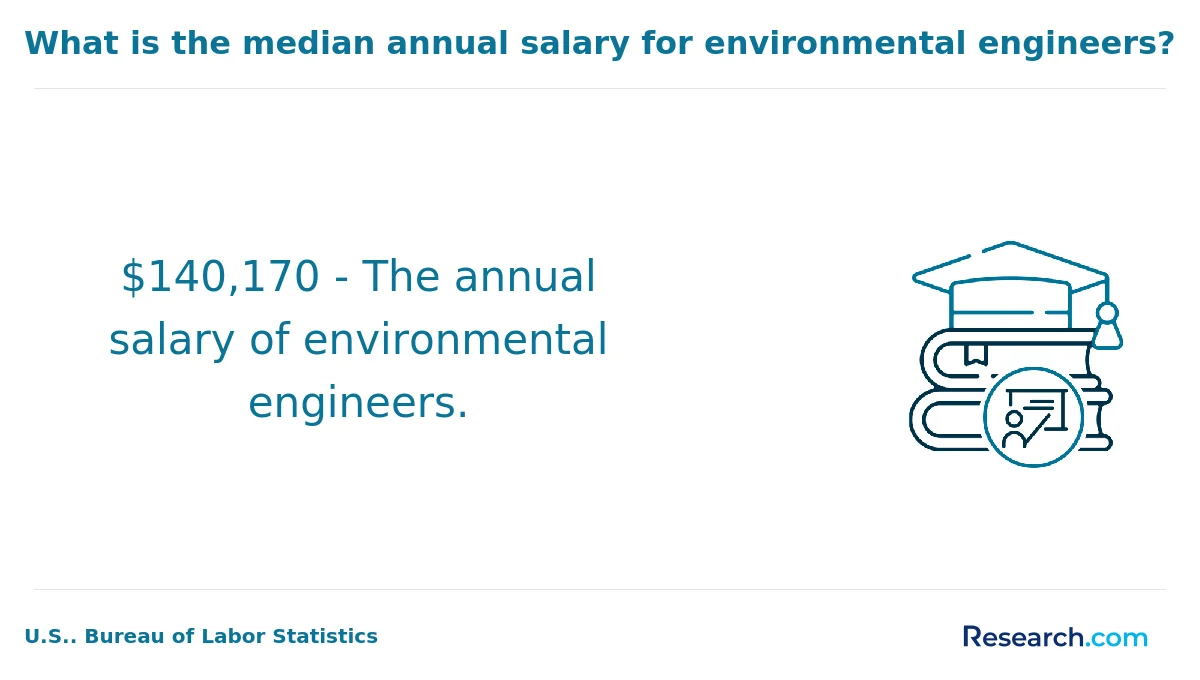
Students pursuing online environmental science degrees in America increasingly rely on a mix of federal aid and scholarships tailored to this growing field. Graduates from well-known programs at universities like Oregon State or Colorado State have shared how applying early for FAFSA unlocked access to Pell Grants-offering up to $7,395 annually-which eased the burden of tuition fees ranging up to $40,000. These grants felt like a lifeline, empowering them to focus more on mastering sustainability rather than finances.
Many students also tap into state-specific grants, especially when enrolled in in-state public universities known for environmental studies. One graduate described receiving a scholarship from a regional environmental foundation, providing $3,000 yearly that made advanced classes accessible without overwhelming debt.
Beyond traditional aid, employer tuition reimbursement is becoming more common. Those working in eco-conscious companies find motivation knowing their tuition for online degrees in environmental management might be covered, fueling both career growth and personal passion for the planet's future.
Veterans and active military personnel may benefit from specialized programs like the GI Bill, further broadening access. As environmental challenges intensify, financial assistance aligned with sustainability fields is likely to expand, giving more students hope and opportunity to contribute meaningfully.
Enrolling in an online environmental science degree in America typically begins with fundamental academic prerequisites designed to ensure student readiness. Graduates from universities well-known for their environmental programs, such as those in California and the Northeast, often recall needing a solid grounding in biology, chemistry, and mathematics, sometimes verified by high school coursework or equivalent qualifications. Many undergraduates share how submitting SAT or ACT scores felt like a straightforward step, though schools increasingly waive these as they adapt to new testing norms post-pandemic.
At the graduate level, students emphasize the importance of holding a bachelor's degree in a related field and maintaining a competitive GPA, usually around 3.0. Letters of recommendation and personal statements are vital, offering a chance to showcase passion and career goals in real-world environmental challenges. Some programs still request GRE scores, yet many are moving toward more holistic admissions processes, reflecting a future where adaptability matters as much as test results.
Several online learners highlight how programs integrate lab or field components through local partnerships, blending virtual learning with hands-on experience. This balance prepares students for evolving environmental roles and instills confidence, making the pursuit of an online degree both practical and inspiring.
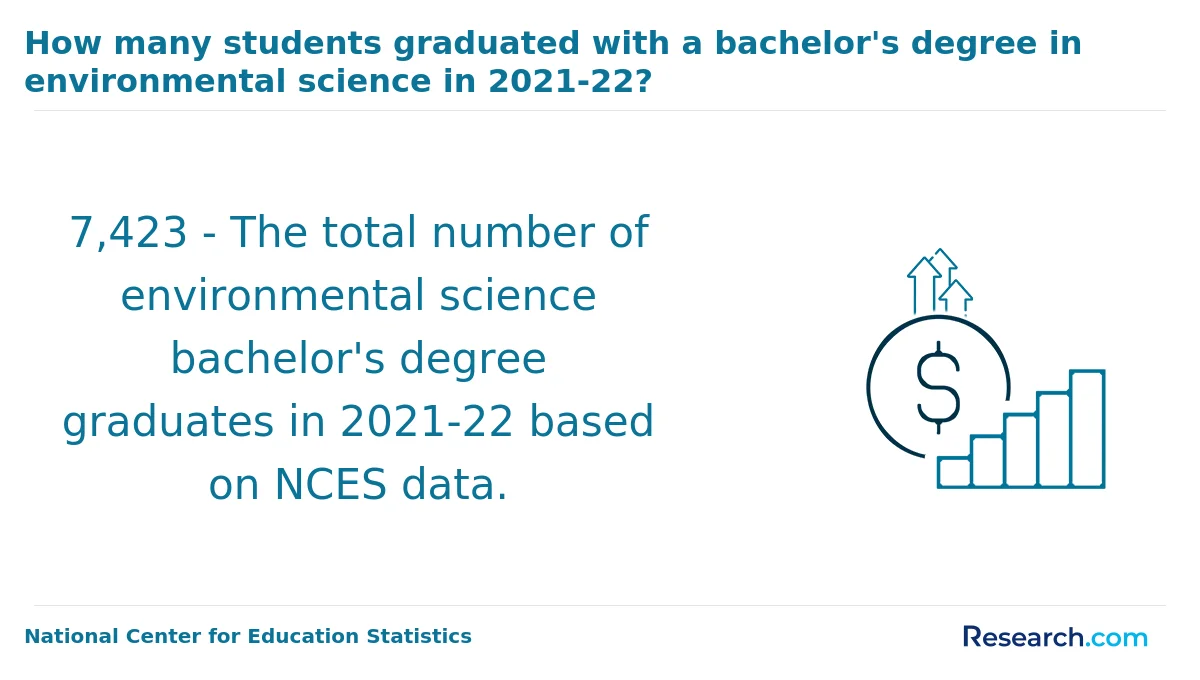
Courses in Environmental Chemistry and Geology equip students to understand pollutant impacts and Earth's physical systems, essential for tackling real-world environmental issues. Popular programs also emphasize data-driven skills through Statistics and Geographic Information Systems (GIS), allowing learners to analyze spatial data effectively-skills graduates find invaluable in roles with government agencies or conservation nonprofits.
Policy-focused classes such as Environmental Law and Sustainability Management encourage students to think critically about societal impacts and ethical responsibilities. Many graduates from top American colleges appreciate how these courses link science with real-world decision-making, giving them confidence to influence environmental policies.
Emerging trends show increased integration of remote sensing and climate change science, reflecting the growing demand for technology-savvy environmental professionals ready to innovate in a rapidly evolving landscape.
Online environmental science specializations USA continue to evolve, reflecting critical areas like Environmental Policy and Management, where graduates often find rewarding roles influencing laws and sustainability practices. Many students at well-known American universities share how this focus helped them confidently navigate policy and regulatory challenges.
Environmental Monitoring and Data Analysis is gaining momentum, leveraging big data and GIS technologies that make real-world problem-solving more precise. Graduates from these programs often describe the excitement of using cutting-edge tools to track pollution and conserve resources, enhancing their career prospects in a data-driven market.
Environmental science degree focus areas America also include Natural Resource Management and Conservation, which resonates deeply with those passionate about protecting ecosystems. Students express great satisfaction working alongside agencies like the U.S. Forest Service or dedicated NGOs.
Emerging trends point toward Renewable Energy and Sustainability as a fast-growing specialization, responding to America's push for clean energy solutions. Many graduates celebrate the meaningful impact they can make in this vibrant sector.
For those exploring options, affordability matters too. Finding an affordable sustainability bachelor degree has become a priority for many aspiring environmental scientists balancing quality with cost.
Choosing the best online environmental science degree in America increasingly depends on finding programs that blend rigorous academics with real-world application. Graduates from well-known universities, such as those popular for environmental studies, often highlight how curricula emphasizing sustainability, data analysis, and emerging technologies prepared them for dynamic careers. Many students seek affordable accredited environmental science programs America-wide, which not only reduce debt but provide access to internships and hands-on projects crucial for practical learning.
Flexibility remains essential. Learners juggling work or family appreciate programs offering strong support services and faculty engagement, fostering confidence and motivation. Some graduates recall how their schools' industry connections led to pivotal internships, launching fulfilling jobs aligned with fast-growing environmental sectors. As environmental challenges evolve, students might also explore interdisciplinary paths, such as an mba in sustainability, adding valuable skills that distinguish their profile in a competitive job market. Ultimately, choosing the right program means balancing cost, accreditation, and career support to thrive in the expanding field of environmental science.
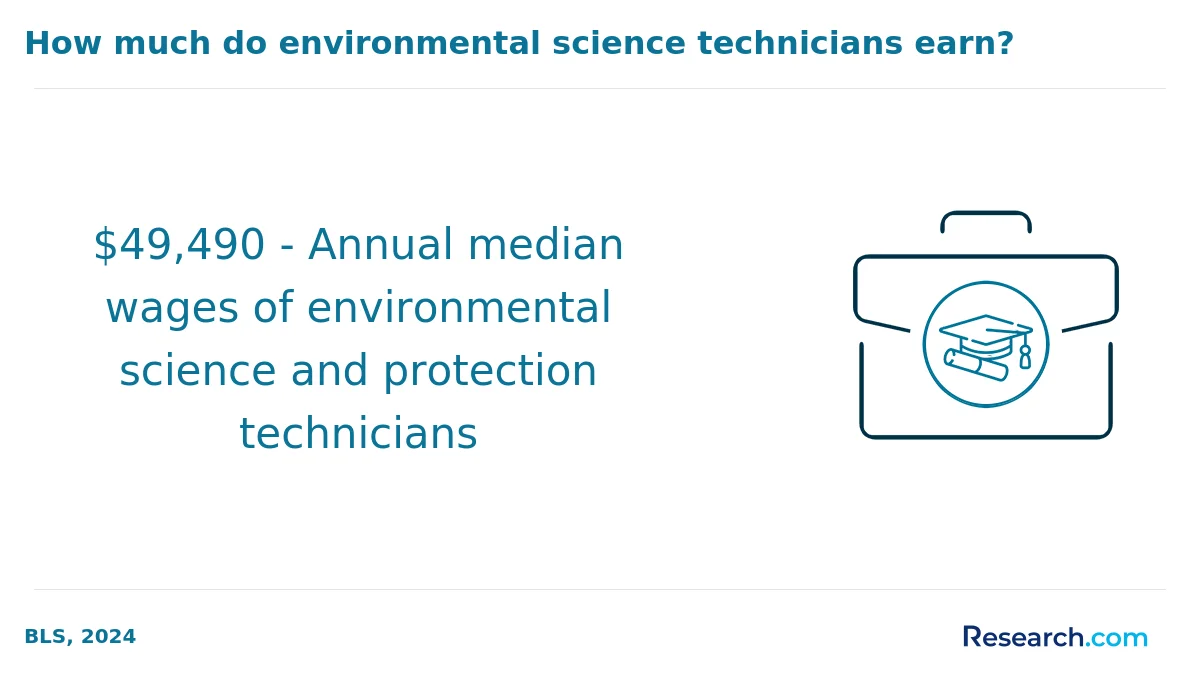
Graduates with an online environmental science degree in America find expanding opportunities across diverse sectors, fueled by growing environmental awareness and innovation. Many start as environmental scientists or specialists, working with agencies like the EPA to tackle pollution and sustainability challenges. Students from well-known institutions in America share stories of landing roles as renewable energy specialists, helping to advance solar and wind projects that drive the nation toward a cleaner future.
Others embrace careers as environmental consultants or policy analysts, shaping development guidelines that balance growth and conservation. Popular colleges often highlight graduates who succeed in environmental education, inspiring communities through outreach and advocacy. These real-life outcomes make environmental science degree jobs America a dynamic and hopeful field.
With the rise of urban sustainability projects, another growing path includes roles in urban planning and conservation science. For students aiming to blend flexible study with career growth, exploring the easiest online degree environmental science options available in America paves a strategic route into these prosperous careers.
The job market for graduates with an online environmental science degree in America is expanding, driven by growing demand for expertise in sustainability and climate action. Many graduates from well-known universities have found rewarding roles in government agencies, consulting firms, and environmental non-profits, where they apply skills like GIS technology and data analysis to real-world problems. These students often appreciate the flexibility of online programs, which allow them to balance study with work while preparing for diverse opportunities in environmental science career opportunities America.
With an 8% projected growth rate over the next decade, prospects look robust, especially for those holding certifications such as HAZWOPER. Graduates share that early-career salaries starting at around $48,000 can grow significantly, reflecting increasing responsibilities and specialized expertise in high-demand areas. The typical tuition range from $15,000 to $40,000 for online programs keeps these degrees accessible for many.
For those seeking advanced roles, gaining practical experience through internships is crucial. Ambitious students often explore jobs in sustainability after mba programs to broaden their impact and open new pathways in the evolving green economy.
2027 Most Valuable Online Environmental Science Degree Programs Ranking in the USA
Investing in your education is a significant decision that can shape your future, and the Research.com team understands the importance of making informed choices. To assist prospective students, we have meticulously crafted the "2027 Most Valuable Online Environmental Science Degree Programs Ranking in the USA." Our commitment to quality, credibility, and accuracy is reflected in the extensive research and analysis conducted to compile this ranking.
We utilized the following reputable data sources to ensure a comprehensive evaluation of environmental science programs:
By exploring this ranking, readers will gain valuable insights into the most valuable online environmental science degree programs in the USA, empowering them to make well-informed decisions about their educational and career paths. For more details on our methodology, please visit our Research.com methodology page.

# 2 position
University of Illinois at Urbana-Champaign
Master of Natural Resources and Environmental Sciences

# 3 position
Louisiana State University and Agricultural & Mechanical College
Master of Environmental Sciences


# 8 position
Western Kentucky University
Master of Social Responsibility and Sustainable Communities


# 11 position
Texas Tech University
Master of Environmental Sustainability and Natural Resource Management

# 12 position
Western Kentucky University
Bachelor of Health Science (Environmental Health Science concentration)




# 18 position
University of Maryland Global Campus
Master of Environmental Management


Frequently Asked Questions About environmental science
Online environmental science students in America can maximize their learning experience by actively engaging with interactive course materials and virtual labs. According to the National Center for Education Statistics, students who participate in discussion forums and group projects tend to perform better academically. Seeking internships or volunteer opportunities related to environmental science provides practical experience and networking connections, essential in a field expected to grow by 8% through 2030, per the US Bureau of Labor Statistics.
Utilizing university resources such as tutoring and career services also enhances understanding and job readiness. Staying current with developments through professional organizations like the Ecological Society of America can deepen knowledge and professional engagement.
The field of environmental science in the United States is expanding into specialized niches due to growing concerns about climate change and sustainability. Emerging areas include environmental data analysis, which uses big data to track ecological changes, and renewable energy management focusing on solar and wind power integration. Another key niche is environmental health and toxicology, addressing how pollutants impact human health. Additionally, conservation technology, including drone surveillance and GIS mapping, is becoming crucial. According to the U.S. Bureau of Labor Statistics, jobs in environmental science are projected to grow 8% from 2022 to 2032, highlighting these evolving specialties.
After earning an online environmental science degree in America, preparing for the job market requires strategic planning. First, gaining practical experience through internships is crucial. According to the Bureau of Labor Statistics, hands-on experience can increase employability in environmental science fields by up to 20%.
Networking is another vital step. Joining professional organizations such as the National Association of Environmental Professionals helps graduates connect with industry leaders. Additionally, earning certifications like the Registered Environmental Professional (REP) credential can boost credibility.
Finally, staying current with environmental regulations and advances through continued education enhances job readiness in this evolving sector.
Employers in America seek several key skills from graduates of environmental science degree programs, especially those earned online. Critical thinking and problem-solving are essential, as environmental challenges often require innovative, interdisciplinary approaches. According to the National Association of Environmental Professionals, communication skills-both written and verbal-are highly valued for conveying complex data effectively.
Proficiency in data analysis and GIS (Geographic Information Systems) software is increasingly important, with the U.S. Bureau of Labor Statistics highlighting these technical skills as drivers of job growth in environmental science sectors. Knowledge of environmental regulations and sustainability practices is also crucial for compliance and policy roles.
Teamwork and project management abilities round out the top skills expected by employers, reflecting the collaborative nature of most environmental projects in the U.S.
Finding internships in America relevant to an environmental science degree often begins with exploring university career centers, which frequently partner with organizations focusing on sustainability and environmental conservation. Many online programs include internship directories or connections with agencies such as the Environmental Protection Agency (EPA) or local state environmental departments.
Additionally, websites like USAJOBS.gov list federal internships in environmental fields, offering paid opportunities with government agencies. According to the National Association of Colleges and Employers (NACE), about 60% of environmental science students secure internships before graduation, enhancing employment prospects.
Professional groups such as the Ecological Society of America also provide internship resources and networking opportunities specific to this sector.
Online environmental science degrees in America offer significant career mobility and advancement opportunities. According to the U.S. Bureau of Labor Statistics, environmental scientists and specialists have a job growth rate of 8% from 2022 to 2032, faster than the average for all occupations. Earning a degree online provides flexibility, allowing students to balance work and study while gaining relevant skills.
Many employers recognize accredited online programs, especially those aligned with Council on Education for Public Health (CEPH) or the Environmental Protection Agency (EPA) standards. Graduates often qualify for roles in government agencies, research firms, and private industry, increasing upward mobility.
Moreover, holders of a bachelor's or master's degree in environmental science can expect higher median salaries, ranging from $60,000 to over $90,000 annually, depending on experience and location, supporting financial advancement in their careers.
Studying for an online environmental science degree in America equips students with a broad understanding of natural and social sciences. Programs often include courses in biology, chemistry, geology, and policy analysis, reflecting the multidisciplinary nature of environmental challenges. The U.S. Bureau of Labor Statistics highlights that environmental scientists frequently collaborate with specialists in engineering, law, and public health, requiring versatile skills.
Online degrees provide flexible access to diverse coursework and often feature practical projects and case studies. These experiences prepare students to address complex problems like climate change and resource management from multiple perspectives.
Many American programs also emphasize data analysis and communication, critical for interdisciplinary teamwork in government agencies, NGOs, and private sectors.
Choosing between a thesis and a non-thesis environmental science degree program in America depends largely on your career goals and time commitment. Thesis programs focus on original research, requiring students to complete a significant project under faculty supervision. This path suits those aiming for PhD studies or research-based careers.
Non-thesis programs emphasize coursework and practical skills, often incorporating internships or capstone projects. These options appeal to students seeking direct entry into environmental consulting, policy, or management roles.
The U.S. Department of Education reports that about 40% of environmental science graduates choose thesis tracks, highlighting its role in academia and research fields.
Students in America interested in studying environmental science abroad through online programs have several options. Many U.S. universities offer partnerships with international institutions, allowing students to earn credits from foreign universities while staying enrolled in their home school.
Additionally, some American institutions provide fully online environmental science degrees featuring global case studies and faculty with international expertise. However, fully foreign online degrees recognized in the U.S. are scarce due to varying accreditation standards.
The Council for Higher Education Accreditation (CHEA) advises students to verify the accreditation status of any international program. According to the National Center for Education Statistics, over 30% of environmental science students engage in study abroad or international collaborations, highlighting growing interest.
This hybrid or collaborative approach offers access to diverse ecological perspectives without the challenges of relocating abroad.
Part-time jobs that complement environmental science degrees in America often involve hands-on research, data analysis, and community outreach. Students can find roles as environmental technicians, assisting with field sampling and lab work. According to the U.S. Bureau of Labor Statistics, these jobs typically offer flexible hours and direct exposure to environmental data.
Internships and assistantships at local government agencies or nonprofit organizations provide valuable experience managing sustainability projects or educating the public. Many universities also list opportunities as research assistants in faculty-led environmental studies, which build critical skills for future careers.
These positions enhance practical knowledge and support academic learning, improving employment prospects after graduation.
Online environmental science students in America have several valuable networking opportunities despite the virtual format of their studies. Many universities offer dedicated online forums and discussion boards where students can connect with peers and faculty. These interactions foster collaboration and professional relationships.
Organizations like the National Council for Science and the Environment (NCSE) provide access to webinars, conferences, and virtual career fairs specifically for environmental professionals and students. According to the NCSE, participation in such events can increase job placement rates by up to 30%.
Additionally, LinkedIn groups focused on environmental science, such as the Environmental Professionals Network, provide direct access to industry experts and potential employers across the United States.
Alumni networks play a crucial role for online environmental science degree students in America by providing strong professional connections after graduation. These networks offer access to job opportunities, internships, and mentorship programs specifically tailored to environmental careers.
Many universities report that up to 85% of job openings in the environmental sector are filled through networking, according to the National Environmental Education Foundation. Through alumni events, online platforms, and industry partnerships, graduates can connect with experts, policymakers, and researchers.
This engagement enhances career growth and supports continuous learning in a rapidly evolving field like environmental science.
Many American universities offer flexible online environmental science degrees that allow students to tailor their coursework to specific career goals. Specializations often include fields like sustainability, ecology, environmental policy, or geographic information systems (GIS).
Students can choose electives aligning with industries such as government, consulting, or renewable energy sectors. Approximately 65% of employers in environmental fields value practical skills, so programs with hands-on virtual labs or internships are advantageous, according to the National Environmental Education Foundation.
Additionally, accredited programs recognized by bodies like the Council for Environmental Education ensure curriculum quality. Students should also consider certificates or minors available online, such as energy management or public health, to further customize their degree.
Online environmental science students in America often face unique challenges related to the practical nature of their field. Many programs require hands-on lab work or field studies, which can be difficult to replicate remotely. While some universities provide virtual labs or local partnerships, not all students have easy access to these resources.
Another common challenge is staying engaged in a subject that heavily relies on collaboration and interdisciplinary learning. The remote format can limit direct interaction with peers and faculty, impacting networking opportunities and group projects.
Technical issues also pose barriers; reliable internet and up-to-date software are essential but not always guaranteed, especially in rural areas.
According to the National Center for Education Statistics, only about 15% of environmental science graduates in the U.S. complete their studies fully online, highlighting the field's hands-on requirements.
With an online environmental science degree in America, graduates can pursue several professional certifications that enhance their career prospects. One widely recognized certification is the Certified Environmental Scientist (CES) offered by the National Association of Environmental Professionals (NAEP). This credential validates expertise in environmental regulations and science.
Another important certification is the Registered Environmental Manager (REM) from the National Registry of Environmental Professionals. The REM highlights skills in environmental management and compliance.
For those interested in hazardous materials, the Certified Hazardous Materials Manager (CHMM) is a valued certification endorsed by the Institute of Hazardous Materials Management.
Obtaining these certifications often requires a combination of education, professional experience, and passing an exam. According to the U.S. Bureau of Labor Statistics, environmental science careers are projected to grow 8% from 2022 to 2032, indicating strong demand for certified professionals.
To write a winning application for an online environmental science program in America, start by clearly demonstrating your passion for environmental issues. Highlight any relevant experience, such as internships, volunteer work, or projects related to sustainability or conservation.
Admissions committees often look for strong academic records, especially in science and math courses. Ensure your transcripts reflect this strength. According to the National Center for Education Statistics, environmental science programs in the U.S. typically require a solid foundation in biology, chemistry, and statistics.
Personal statements should focus on your career goals and how the program aligns with them. Use specific examples that showcase your commitment and understanding of current environmental challenges.
Finally, secure strong letters of recommendation from professors or professionals familiar with your work in science or environmental fields, as these can significantly strengthen your application.
Environmental science careers hold a growing global significance as climate change and sustainability become urgent priorities worldwide. In the United States, the Bureau of Labor Statistics projects a 7% growth in environmental science jobs through 2031, reflecting increasing demand for expertise in pollution control, natural resource management, and environmental policy.
Internationally, knowledge of global ecosystems and cross-border environmental challenges is essential. US graduates with online environmental science degrees often engage in multinational projects or research focused on climate agreements such as the Paris Accord, which influence workplace expectations.
Understanding diverse environmental laws and international standards enhances job competitiveness for American professionals in this field. Global perspectives shape curriculum design in many US programs to prepare students for these realities.
Gaining practical experience during an online environmental science degree in America is essential for career readiness. Many programs offer virtual labs and simulation tools to develop skills remotely. Additionally, students can seek local internships with agencies like the Environmental Protection Agency (EPA) or nonprofit organizations focused on conservation.
Fieldwork opportunities may be available through partnerships between universities and regional environmental projects. According to the National Center for Education Statistics, over 70% of online environmental science students participate in internships or project-based learning.
Networking with local professionals and joining associations such as the Ecological Society of America can also provide hands-on experience and mentorship.
When choosing a concentration within an online environmental science degree in America, start by considering your career goals. Different concentrations, such as sustainability, ecology, or environmental policy, lead to varied job opportunities. According to the U.S. Bureau of Labor Statistics, jobs in environmental science and protection are expected to grow by 8% from 2021 to 2031, indicating rising demand for specialized skills.
Research program curriculums closely. Ensure they cover key topics relevant to your interests, such as climate change, natural resource management, or environmental law.
Also, look at faculty expertise and partnerships with organizations for internships or research. Accredited programs by agencies like the Higher Learning Commission ensure quality education.
- Environmental Science Internships | Intern Abroad HQ https://www.internhq.com/industries/environmental-sciences/
- 14 Entry Level Environmental Science Cover Letter Examples: Plus Recruiter Insights (Updated for 2025) https://resumeworded.com/cover-letter-samples/entry-level-environmental-science
- Guide to Environmental Internships | Higherin https://higherin.com/career-guides/science-research/environmental-internships
- How Study Abroad Benefits Environmental Science Majors | Maximo Nivel https://maximonivel.com/study-abroad-environmental-science/
- CES - Certified Environmental Scientist https://www.nrep.org/certifications/certified-environmental-scientist-ces
- SEEDS Summer 2026 Internships | TREES DLA https://www.trees-dla.ac.uk/seeds-summer-2026-internships
- 2025 Most Affordable Online Environmental Science Degrees https://www.onlineu.com/most-affordable-colleges/environmental-science-degrees
- Explore Environmental Career Profiles | ECO Canada https://eco.ca/career-profiles-index/
- How to Become an Environmental Scientist: 8 Steps to Success - Prereqcourses https://www.prereqcourses.com/environmental-scientist/
- MESPOM Alumni Association https://mespom.eu/mespom-alumni-association