2027 Easiest Online Environmental Science Degree Programs Ranking in Maryland

Co-Founder and Chief Data Scientist
Choosing the right environmental science degree program can feel overwhelming, especially when searching for options in Maryland. This article introduces the 2027 Easiest Online Environmental Science Degree Programs Ranking in Maryland, developed by the Research.com team of data scientists to guide you through the best choices.
By exploring this ranking, you'll gain insight into programs that balance quality and accessibility, helping you make an informed decision. Pursuing an environmental science degree opens doors to meaningful careers and positive impact on our planet.
Discover programs suited to your lifestyle and goals with confidence.
Key benefits of getting online environmental science degree in Maryland
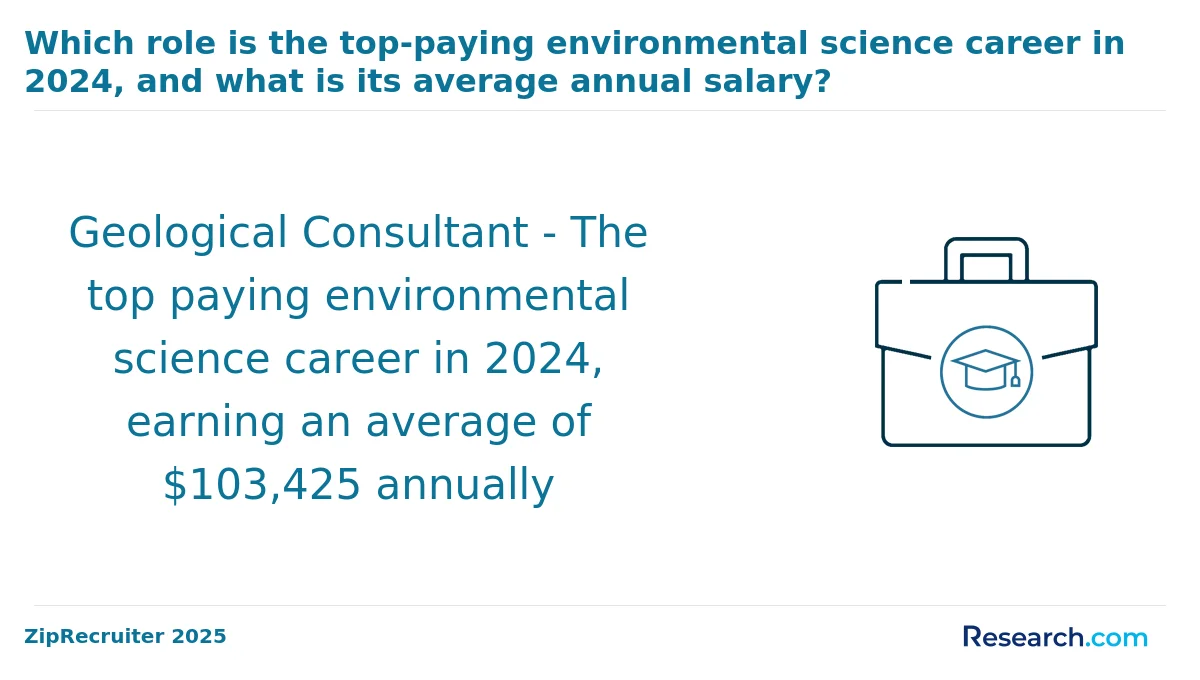
- Environmental science graduates in Maryland can expect competitive salaries, with many professionals in related fields earning between $50,000 and $70,000 annually nationwide, reflecting a strong potential for financial stability.
- A graduate from the University of Maryland might pursue careers such as environmental consultant, wildlife specialist, or sustainability coordinator, offering diverse and rewarding opportunities to make an impact.
- Online degrees, like those offered by Towson University, provide flexibility for students balancing work or family while still gaining quality education and practical skills that employers value.
- 2027 Easiest Online Environmental Science Degree Programs Ranking in Maryland
- What can I expect from online environmental science degree in Maryland?
- Where can I work with online environmental science degree in Maryland?
What can I expect from online environmental science degree in Maryland?
The average cost of an online environmental science degree in Maryland varies widely depending on the institution and residency status. Many students from well-known Maryland universities find that, when factoring in in-state tuition, their investment ranges from approximately $10,000 to $20,000 per year. This affordability, combined with the ability to access scholarships or employer tuition assistance, makes pursuing these degrees feasible for a diverse range of students.
Graduates often reflect on the valuable balance between cost and quality, appreciating programs that integrate Maryland's environmental priorities, such as Chesapeake Bay conservation, into the curriculum. The flexibility of online study enables them to maintain jobs or family responsibilities, reducing financial stress while gaining skills in GIS, environmental law, and data analysis.
Students frequently share that the real-world internships and virtual labs offered by institutions like the University of Maryland or Towson University deeply enhance the learning experience. These opportunities connect theory with Maryland's environmental challenges, making the tuition expenses feel truly worthwhile.
Where can I work with online environmental science degree in Maryland?
Graduates with an online environmental science degree from institutions like the University of Maryland often find themselves stepping into meaningful roles within Maryland's vibrant public and private sectors. Many speak of how their coursework, combined with the state's rich ecological context near the Chesapeake Bay, prepared them for careers focused on water quality and ecosystem management.
Several alumni recall working with agencies such as the Maryland Department of the Environment, where they ensure compliance with key laws like the Clean Water Act. Others find satisfaction in federal roles at the EPA or NOAA, engaging in research or policy development related to climate and atmospheric science. These opportunities showcase how an online degree opens doors to impactful jobs close to home.
The private sector also offers exciting career paths, from environmental consulting to renewable energy firms, where graduates apply their skills to tackle pollution control and sustainability challenges. Those who studied at colleges like Towson University emphasize how local conservation groups have provided enriching roles in environmental restoration and education.
For many Maryland students, the degree is more than credentials; it's a gateway to purposeful work serving both the environment and their communities, with entry-level salaries reflecting the value of their expertise.
Graduates of online environmental science programs in Maryland often find their starting salaries in the $50,000 to $60,000 range, reflecting roles involving field data collection and environmental monitoring. Many alumni from institutions like the University of Maryland or Towson University share experiences of securing entry-level positions that blend practical skills with regulatory compliance tasks.
With several years of experience, salaries tend to climb to between $70,000 and $85,000, especially in consulting firms or government positions such as with the Maryland Department of the Environment. Graduates express satisfaction in contributing to meaningful projects while enjoying competitive compensation that outpaces some national averages.
For those pursuing advanced expertise or certifications, especially in sustainability or hazardous waste management, earnings often exceed $90,000. Proximity to Washington, D.C. enhances these opportunities by offering access to policy-driven roles and consulting practices. This layered salary progression illustrates how Maryland's vibrant environmental sector rewards growing expertise and local networking.
- Tuition for online environmental science degrees in Maryland ranges from $8,000 to $20,000 per year, depending on the institution.
- Entry-level environmental scientists in Maryland earn about $50,000 annually, with salaries rising to $80,000-$90,000 over time.
- Approximately 7,000 environmental scientists work in Maryland, with a projected job growth of 5% in the next decade.
- Online programs in Maryland are accredited and often provide internship opportunities with local environmental organizations.
- Many online courses offer asynchronous learning, allowing students to study at their own pace while focusing on regional environmental issues.
Completing an online environmental science degree in Maryland usually spans two to four years, but this timeline can flex based on your own pace and goals. Many graduates from institutions like the University of Maryland Global Campus recall how balancing work and study made part-time enrollment necessary, extending their journey to about five or six years-but the flexibility allowed them to keep advancing professionally without pressure. Others, especially full-time students at Towson University, appreciated how structured online programs enabled them to finish their bachelor's degrees in just four years by taking summer courses and extra credits.
For associate degrees, learners often finish within two years, gaining foundational skills quickly, while master's students at Johns Hopkins find the 18- to 24-month track ideal for deepening expertise without pausing careers. Many graduates emphasize that recognizing prior work experience or accelerated options can make completion feel rewarding rather than overwhelming.
Ultimately, Maryland's online programs offer adaptable timelines that harmonize with diverse lifestyles and aspirations, making environmental science accessible and achievable for many.
The primary distinction between online and on-campus environmental science degrees in Maryland lies in the learning environment and daily experience. Graduates from the University of Maryland often reflect warmly on the hands-on nature of on-campus programs-spending afternoons in labs analyzing soil samples or participating in field studies around Chesapeake Bay. These moments create a tangible connection to the subject that many find deeply rewarding.
Conversely, alumni from online programs appreciate the flexibility to balance studies with work or family responsibilities. They describe the rhythm of setting their own pace, engaging with virtual simulations, and completing local field assignments that bring real-world relevance despite the physical distance from campus.
Both paths are supported by Maryland institutions adhering to consistent academic standards, ensuring respected credentials. Yet the choice boils down to whether you thrive in immersive, shared campus settings or prefer a self-directed, adaptable schedule with digital resources and occasional hands-on engagements.
The average cost of an online environmental science degree in Maryland is around $41,800, with in-state students typically paying closer to $28,000. These figures reflect median tuition fees across both public and private institutions offering such programs. For many Maryland residents pursuing environmental science online, affordability is a key consideration, especially when balancing work, family, and study commitments.
Graduates often share how attending institutions like the University of Maryland Global Campus helped them manage expenses effectively while accessing quality education. With tuition roughly $312 per credit hour there, the program's costs remain reasonable compared to private universities where fees may be two to three times higher. This affordability combined with online flexibility allows students to invest in their future without overwhelming financial strain.
Maryland online environmental science degree tuition fees typically include additional costs such as technology fees and materials, which may add several hundred dollars per semester. Still, many students find comfort in the availability of scholarships, financial aid, and payment plans that some schools provide, making this academic path more accessible.
For those eager to accelerate their studies, exploring accelerated sustainability bachelor programs could be a strategic choice. These programs cater to driven learners who want to complete their degrees faster while staying within a manageable budget.
Students pursuing an online environmental science degree in Maryland often find relief in the diverse financial aid options available. Graduates from institutions like the University of Maryland or Towson University frequently share how federal aid, especially Pell Grants, made a tangible difference-covering significant tuition portions without repayment pressure. For many, submitting the FAFSA early unlocked access to these valuable funds, easing anxiety about costs.
State-specific support is another vital resource. Programs such as the Maryland Educational Assistance Grant help bridge tuition gaps for in-state online learners. Maryland residents attending schools known for strong environmental programs often describe this grant as a crucial element in their financial planning, reducing reliance on loans.
Institutional scholarships also play a key role. Colleges frequently award merit or need-based scholarships aimed at students committed to environmental studies, providing an encouraging incentive to focus deeply on the field. Many graduates recall how these awards acknowledged their hard work and passion.
Finally, external scholarships from organizations tied to environmental careers offer hopeful students additional backing, demonstrating a community invested in nurturing future environmental leaders in Maryland.
Enrolling in an online environmental science degree in Maryland begins with meeting foundational academic requirements like a high school diploma or GED, which many graduates found was crucial for building confidence early on. Students from institutions like the University of Maryland often share how having completed courses in biology, chemistry, and math helped them grasp complex environmental concepts more easily. These core subjects serve as a strong base, reflecting the real-world challenges tackled in their studies.
Many online programs request transcripts to verify this preparation, making it important to keep records well-organized. Some schools may also ask for SAT or ACT scores, though recent graduates appreciate the growing flexibility of test-optional policies, especially since 2020, easing stress during admission.
Beyond academics, submitting thoughtful application materials such as personal statements and recommendation letters can truly highlight your passion and readiness. Several alumni recount how sharing their volunteer work in local environmental projects resonated with admissions committees, offering a meaningful glimpse into their commitment. For Maryland transfer students, official college transcripts help streamline credit evaluation, accelerating progress toward graduation.
Online environmental science degrees in Maryland typically include courses that build a strong foundation in both the natural sciences and environmental policy. Graduates from well-regarded institutions like the University of Maryland often mention how courses such as Environmental Biology and Introduction to Environmental Science helped them understand real ecosystems, making topics like biodiversity come alive through virtual labs and interactive assignments.
Many students find value in chemistry classes-especially General Chemistry and Environmental Chemistry-which demystify how pollutants affect air and water quality. These courses serve as a key to unlocking practical solutions in environmental consulting roles.
Graduates also highlight the importance of mastering spatial analysis skills through Geographic Information Systems (GIS) courses. These classes provide hands-on experience to map environmental data, a critical tool they use in careers involving land use planning and conservation.
Additionally, courses covering Environmental Policy and Regulation prepare students to navigate the legal frameworks that govern sustainability efforts in Maryland, where local and federal laws intersect uniquely.
Students often describe feeling inspired by classes on Sustainability Practices, where they learn how to implement renewable energy projects or sustainable agriculture techniques, translating theory into meaningful action.
The blend of science, technology, and policy in these online programs offers a relatable and rewarding path for Maryland students eager to impact their communities positively.
Students pursuing an online environmental science degree in Maryland often find a rich array of specializations reflecting the region's strong environmental identity. Popular areas include Environmental Policy and Management, where graduates engage deeply with sustainable policies impacting local and state governance. Conservation Biology is another path, emphasizing the protection of Maryland's unique ecosystems and wildlife, aligning well with the state's commitment to preserving its diverse natural landscapes.
Other graduates dive into Environmental Health, addressing challenges like pollution's effects on communities around the Chesapeake Bay. Marylands students also benefit from specializations in Geospatial Analysis and Remote Sensing, gaining hands-on experience with GIS technologies, crucial for analyzing environmental data that informs real-world decision-making. Renewable Energy and Sustainability appeal to those passionate about clean energy solutions, a growing field especially welcomed by Maryland's coastal and urban areas.
This variety in online environmental science specializations Maryland programs offers allows students to tailor their studies to career goals vividly illustrated through Maryland's coastal ecology projects or urban sustainability efforts. Many find these concentrations both inspiring and practical, supported by universities known for integrating data-driven research with fieldwork experience. For those concerned with affordability, exploring affordable sustainability masters programs can be a smart step toward achieving these focused, impactful career paths.
Choosing the best online environmental science degree in Maryland means looking beyond rankings and focusing on programs that resonate with local environmental challenges. Graduates from popular universities in Maryland often praise curricula that emphasize Chesapeake Bay conservation, water quality, and coastal ecosystems as crucial to their learning experience. Such targeted knowledge not only enhances their connection to the region but also prepares them for impactful careers in Maryland's unique ecological context.
Affordability plays a major role in decision-making. Many students find that affordable environmental science programs Maryland offer competitive tuition rates along with financial aid, making quality education more accessible. Flexibility is another key factor-graduates frequently highlight the value of asynchronous classes that fit around work and family commitments, allowing them to maintain balance without sacrificing progress.
Lastly, engaging in internships or virtual labs connected to local agencies enriches practical skills. If you aim to grow in areas like environmental policy or ecosystem management, understanding the skills needed to be a sustainability manager can further guide your path toward meaningful employment.
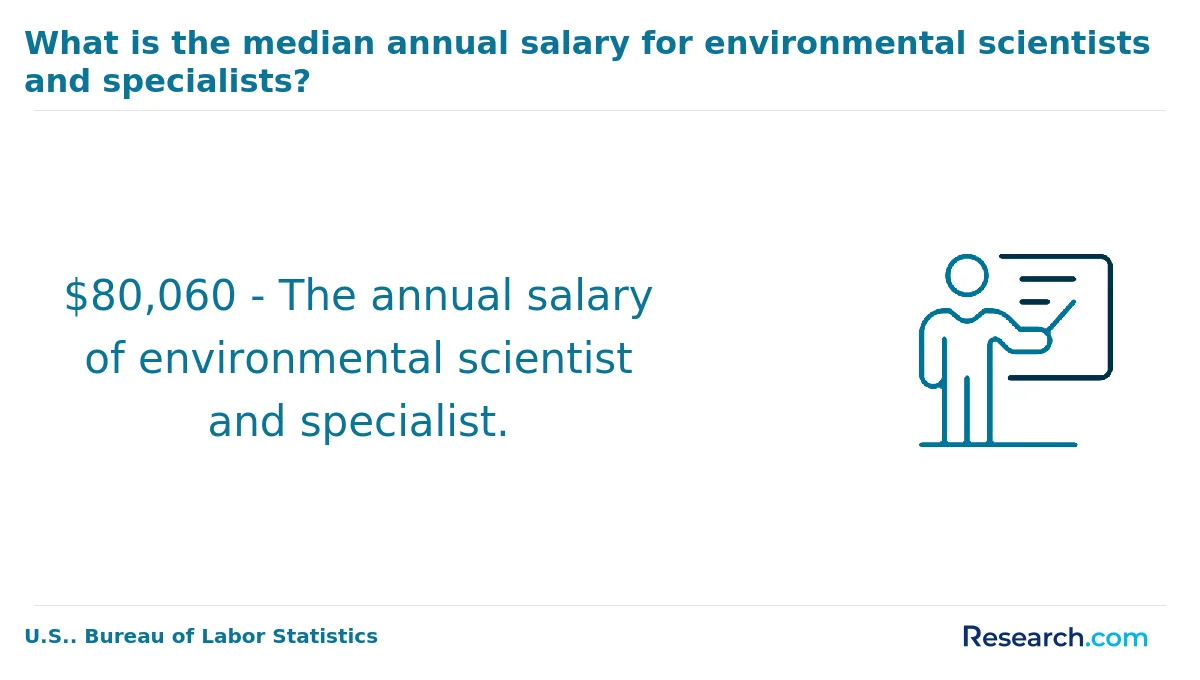
Graduates with an online environmental science degree in Maryland often find rewarding career opportunities across government, nonprofit, private, and academic sectors. Many alumni from popular institutions like the University of Maryland and Towson University share how their work with agencies such as the Maryland Department of the Environment or the EPA allows them to directly impact pollution control and policy enforcement. These roles foster a deep sense of purpose, knowing their efforts support the health of Chesapeake Bay and urban ecosystems. When exploring career opportunities for environmental science degree Maryland graduates, others highlight fulfilling work within nonprofits dedicated to local conservation, where community engagement and habitat protection create meaningful change.
Private sector positions also attract graduates who enjoy applying science to sustainability challenges, acting as consultants or sustainability coordinators guiding cleaner business practices. Some choose to pursue advanced study and research, enriching their expertise for academic or innovative climate-related roles. Considering costs, students often look to options like online environmental engineering degrees that align with Maryland's educational offerings, making these career trajectories accessible and inspiring for hopeful candidates studying online environmental science jobs Maryland.
The job market for online environmental science degree holders in Maryland remains promising, with steady demand driven by the state's unique blend of urban and natural environments. Graduates from popular Maryland institutions often find roles as environmental consultants, natural resource managers, or policy analysts, positions that allow them to engage directly with local sustainability projects and regulatory efforts. Many graduates recall their internships with Maryland-based agencies or consulting firms where hands-on experience complemented their coursework, enhancing their confidence and employability.
Maryland's focus on clean energy and environmental conservation fuels emerging career paths in renewable energy consulting and climate change initiatives. Entry-level salaries typically start between $50,000 and $60,000, reflecting a solid return on investment for those navigating the online environmental science jobs Maryland landscape. Prospective students benefit from choosing accredited programs, which align closely with employer expectations and open doors to a diverse range of public and private sector opportunities.
To better understand the variety of roles available, consider exploring environmental jobs examples that highlight career diversity and growth potential in this field.
2027 Easiest Online Environmental Science Degree Programs Ranking in Maryland
Investing in your education is a significant decision that can shape your future, and the Research.com team understands the importance of making informed choices. To assist prospective students in Maryland, we have meticulously crafted the "2027 Easiest Online Environmental Science Degree Programs Ranking in Maryland." Our commitment to quality, credibility, and accuracy is reflected in the extensive research and analysis conducted to compile this ranking.
We utilized the following reputable data sources to ensure a comprehensive evaluation of online environmental science programs:
By exploring this ranking, readers will gain valuable insights into the easiest and most accessible online environmental science degree programs in Maryland, helping them make well-informed decisions about their academic and professional futures. For more details on our methodology, please visit our Research.com methodology page.
# 1 position
University of Maryland Global Campus
Master of Environmental Management


# 3 position
University of Maryland Global Campus
Bachelor of Environmental Health & Safety
Frequently Asked Questions About environmental science
Online environmental science students in Maryland can maximize their learning by actively engaging with their coursework and faculty. Participating in virtual discussions and group projects helps deepen understanding of local environmental issues, such as Chesapeake Bay restoration efforts, which are central to Maryland's ecosystem. Utilizing resources from Maryland's Department of the Environment and local universities enhances practical knowledge.
Additionally, seeking internships or volunteer opportunities with Maryland-based organizations provides real-world experience. According to the Maryland Higher Education Commission, Maryland offers supportive online platforms and access to state environmental databases, which students should leverage to stay informed about current environmental policies and practices in the region.
The environmental science field is rapidly evolving, with several emerging niches gaining prominence. In Maryland, growing sectors include climate resilience and urban sustainability, driven by the state's vulnerability to sea-level rise along the Chesapeake Bay. These areas focus on developing adaptive strategies to protect communities and natural habitats.
Another key niche is environmental data science, where professionals analyze large datasets to monitor pollution and natural resource management. This specialty aligns with Maryland's investment in technology and research institutions.
Additionally, renewable energy management is expanding, reflecting Maryland's commitment to increasing solar and wind energy capacity. According to the Maryland Department of the Environment, jobs in these niches grew by over 8% between 2019 and 2023.
After completing an online environmental science degree in Maryland, preparing for the job market involves strategic steps. Graduates should pursue internships or volunteer opportunities with Maryland agencies like the Maryland Department of the Environment, which provides practical experience and networking connections. According to the U.S. Bureau of Labor Statistics, environmental science jobs in Maryland are projected to grow by 8% through 2030, indicating promising employment prospects.
Building strong technical skills in GIS software and data analysis is crucial, as employers often seek candidates proficient in these areas. Joining professional organizations such as the Maryland Association of Environmental Professionals can also enhance job prospects through workshops and job boards.
Employers hiring graduates with online environmental science degrees in Maryland prioritize several key skills. Critical among these is proficiency in data analysis, as environmental scientists often interpret complex datasets related to air, water, and soil quality. According to the U.S. Bureau of Labor Statistics, strong analytical skills improve job prospects significantly in this sector.
Knowledge of Geographic Information Systems (GIS) is also highly valued. Maryland's environmental agencies use GIS extensively for mapping and managing natural resources, making this skill vital for local employment.
Effective communication skills are essential. Employers expect graduates to clearly present technical information to both experts and the public.
Understanding regional environmental regulations is another important asset. Maryland's Department of the Environment highlights compliance knowledge as a top priority for environmental science roles statewide.
Finally, practical fieldwork experience enhances employability, reflecting the state's diverse ecosystems and conservation programs.
Finding internships in Maryland relevant to an environmental science degree involves targeting local organizations focused on conservation, sustainability, and natural resources. The state hosts numerous agencies like the Maryland Department of the Environment and nonprofit groups such as the Chesapeake Bay Foundation, which frequently offer internships.
Students can also explore opportunities through university career centers and statewide job portals like Maryland Workforce Exchange. Connecting with professional networks, like the Maryland Association for Environmental and Outdoor Education, can provide internship leads.
Internships often require application during the academic year, so it's important to plan ahead. According to the U.S. Bureau of Labor Statistics, Maryland's environmental science sector is projected to grow by 5% through 2030, increasing internship availability.
An online environmental science degree in Maryland can significantly enhance career mobility and advancement opportunities. Maryland's growing commitment to sustainability and environmental protection creates demand for skilled professionals. According to the Maryland Department of Labor, environmental science roles in the state are projected to grow by 8% through 2030, faster than the national average.
Completing a degree online offers flexibility, allowing working professionals to upskill without interrupting their careers. Maryland employers often value accredited degrees that cover local environmental regulations and practices, which many online programs emphasize.
Additionally, graduates gain access to Maryland's strong network of government agencies, nonprofit organizations, and private firms focused on environmental issues, which can facilitate job placement and promotions. Higher degrees correlate with increased salaries and leadership roles, as reported by the U.S. Bureau of Labor Statistics.
Studying for an environmental science degree in Maryland equips students with a broad knowledge base crucial for interdisciplinary roles. Maryland's programs often integrate biology, chemistry, geology, and policy studies, reflecting the state's diverse ecosystems and environmental challenges.
Online degrees emphasize practical skills, such as data analysis and GIS mapping, which are valuable across sectors like urban planning and resource management. The Chesapeake Bay, a key regional focus, provides real-world case studies guiding collaboration among scientists, policymakers, and community leaders.
According to the Maryland Higher Education Commission, nearly 60% of environmental science graduates work in roles requiring cross-disciplinary expertise. This training helps students meet the demands of careers addressing complex environmental problems.
Choosing between a thesis and a non-thesis environmental science degree program in Maryland depends on your career goals and learning preferences. Thesis programs typically require original research and a written dissertation. This path suits students aiming for research roles or pursuing doctoral studies. Non-thesis programs focus on coursework and practical skills, often preferred by professionals targeting immediate job readiness.
In Maryland, where environmental science jobs grew by 5% over five years according to the Bureau of Labor Statistics, both options are valuable. Thesis students build deeper analytical skills, while non-thesis students often complete internships or capstone projects. Consider your future plans, time commitment, and interest in research when deciding.
Students in Maryland seeking to study environmental science abroad through online programs have several options, though direct international online degrees are limited. Many U.S. universities with global partnerships allow Maryland students to participate in exchange programs or earn credits transferable to their home degree. For example, some American institutions collaborate with European universities offering joint environmental science courses.
Additionally, accredited U.S. schools providing online environmental science degrees often include global perspectives in their curriculum, preparing students for international environmental challenges.
Maryland students should consult resources like the Maryland Higher Education Commission and university study abroad offices for specific program availability and credit transfer policies.
Maryland offers several part-time job opportunities that can complement an online environmental science degree. Student researchers often find work with the Maryland Department of the Environment, assisting in data collection and analysis related to water quality and air pollution. These roles provide practical experience aligned with degree coursework. Additionally, environmental consulting firms in Baltimore and the Washington metropolitan area frequently hire part-time interns to support site assessments and environmental reporting.
Local nonprofits focused on Chesapeake Bay conservation also seek part-time workers for community outreach and habitat restoration projects. According to the U.S. Bureau of Labor Statistics, Maryland's environmental science sector is expected to grow by 8% through 2031, emphasizing growing job availability.
Online environmental science students in Maryland have several networking opportunities despite studying remotely. Many Maryland universities offer virtual events, webinars, and discussion groups that connect students with faculty and peers. Organizations such as the Maryland Association for Environmental and Outdoor Education provide statewide networking occasions and resources for students.
Additionally, students can join regional chapters of national environmental groups like the Sierra Club or the Chesapeake Conservation Corps. These connect students with professionals working on local issues, including the Chesapeake Bay restoration efforts.
The state's focus on environmental policies and sustainability initiatives also fosters internship opportunities that help online students build their professional networks.
Alumni networks provide valuable support to online environmental science degree students in Maryland by facilitating professional connections. Graduates often share job leads, internships, and research opportunities within Maryland's environmental sector.
These networks can connect students to Maryland-based employers such as the Department of Natural Resources and Chesapeake Bay Foundation. According to the Maryland Higher Education Commission, 70% of graduates find employment through alumni referrals.
Moreover, alumni often mentor current students, offering insights on navigating careers in environmental science. This guidance can be especially helpful for online learners who lack on-campus networking.
Such connections strengthen students' chances of success within Maryland's growing environmental industry.
Customizing an online environmental science degree in Maryland involves selecting electives and concentrations that align with your career goals. Many Maryland institutions offer specialization options such as sustainability, environmental policy, or natural resource management. This allows students to tailor their studies based on interests and job market demands.
Internships and research projects are also valuable ways to customize your education. Maryland's proximity to Chesapeake Bay provides unique opportunities for hands-on experience in aquatic ecosystems and conservation.
According to the Maryland Department of Labor, environmental science jobs are expected to grow by 7% through 2030, emphasizing the importance of relevant, specialized skills.
Online environmental science students in Maryland often face challenges related to balancing coursework with personal and professional responsibilities. Many pursue degrees while working, which can create time-management difficulties. Maryland's unique coastal environment also makes it important for students to gain practical, hands-on experience; however, online programs may limit access to fieldwork opportunities crucial for understanding local ecosystems and regulations.
Connectivity and technology issues are another common hurdle, especially in rural areas where internet access may be unreliable. Additionally, collaboration and networking can be limited in virtual settings, which affects peer learning and professional growth.
According to the National Center for Education Statistics, about 30% of Maryland students experience difficulties related to online coursework engagement, a figure that underscores these challenges.
With an online environmental science degree, Maryland students can pursue several valuable professional certifications to enhance their careers. Common options include the Certified Environmental Scientist (CES) credential, recognized nationally and offered by the National Association of Environmental Professionals (NAEP). This certification confirms expertise in environmental regulations and science.
Additionally, the Maryland Department of the Environment supports certifications like the Certified Hazardous Materials Manager (CHMM), important for roles in pollution control and remediation. The demand for such certifications aligns with Maryland's commitment to environmental protection, noted in reports from the Chesapeake Bay Foundation.
Other respected certifications include the Registered Environmental Manager (REM) and LEED Accredited Professional, useful in sustainability and clean energy sectors growing in Maryland.
Applying to an online environmental science program in Maryland requires careful preparation. Start by researching programs accredited by recognized agencies, like the Middle States Commission on Higher Education, as Maryland schools often follow these standards.
Highlight your academic background, especially in biology, chemistry, or geology, since Maryland's environmental challenges-from Chesapeake Bay restoration to urban pollution-demand strong scientific knowledge. Including relevant volunteer or work experience related to local environmental efforts can strengthen your application.
Maryland's Department of the Environment offers valuable statistics and reports; referencing this data can showcase your understanding of regional issues. Personal statements should clearly explain your goals and how the program aligns with Maryland's sustainability priorities.
Environmental science careers offer a broad, global outlook, reflecting worldwide concerns about climate change, pollution, and sustainability. Professionals trained in Maryland's online environmental science programs contribute to solving these issues at local, national, and international levels. According to the U.S. Bureau of Labor Statistics, the environmental science field is projected to grow 8% from 2022 to 2032, faster than average for all occupations.
Maryland, home to the Chesapeake Bay, serves as a crucial region for environmental research and policy. Graduates often engage in efforts that support global sustainability goals established by the United Nations. Employers value skills in data analysis, environmental regulations, and conservation, which are emphasized in accredited US programs.
Thus, an environmental science degree from Maryland prepares students for careers addressing global challenges through scientific expertise and policy understanding.
Gaining practical experience while studying for an online environmental science degree in Maryland is essential for building career-ready skills. Many programs encourage students to participate in internships with local organizations such as the Maryland Department of the Environment or Chesapeake Bay Foundation. These internships often provide hands-on work in environmental monitoring, policy, and conservation.
Additionally, students can engage in virtual labs and projects through their university's online platforms. Some Maryland schools also partner with regional agencies to offer field-based learning opportunities, even for remote students. According to Maryland Higher Education Commission, nearly 60% of environmental science graduates complete at least one practicum experience before finishing their degree.
Choosing the right concentration within an online environmental science degree program in Maryland requires understanding your career goals and local environmental challenges. Maryland's diverse ecosystems, including the Chesapeake Bay watershed, offer concentrations such as ecology, water resources, or environmental policy. According to the Maryland Department of the Environment, water quality and coastal management are top priorities, influencing demand for specialists in these areas.
Consider programs that offer courses aligned with state issues, like climate resilience or sustainable agriculture. Reviewing faculty expertise and research opportunities at Maryland institutions can also guide your decision. Additionally, align your choice with job trends reported by the U.S. Bureau of Labor Statistics for Maryland's environmental sector, which emphasizes resource management and environmental compliance.
- 14 Entry Level Environmental Science Cover Letter Examples: Plus Recruiter Insights (Updated for 2025) https://resumeworded.com/cover-letter-samples/entry-level-environmental-science
- Online Master's Degree: Environmental Management https://www.umgc.edu/online-degrees/masters/environmental-management
- How Study Abroad Benefits Environmental Science Majors | Maximo Nivel https://maximonivel.com/study-abroad-environmental-science/
- Networking Strategies for Environmental Professionals https://www.nrep.org/blog/environmental-professional-networking-strategies
- Application Letter to Master's Program in Environmental Science in Germany https://essayforum.com/letters/application-master-program-environmental-86188/
- How to Find Entry Level Jobs with an Environmental Science Degree https://facs.com/blog/how-to-find-entry-level-jobs-with-an-environmental-science-degree/
- Online Courses from University of Maryland Center for Environmental Science https://www.edx.org/school/umces
- Search Environmental Science Graduate Programs in Maryland https://www.cjbnetwork.com/search/category/environmental-science/location/maryland
- Graduate Programs - University of Maryland Center for Environmental Science https://www.umces.edu/education/graduate-programs/
- MESPOM Alumni Association https://mespom.eu/mespom-alumni-association