2027 Best Online Master's in Environmental Science Degree Programs Ranking in the South

Co-Founder and Chief Data Scientist
Choosing the right online master's program in environmental science can shape your future and impact the world around you. This article introduces the 2027 Best Online Master's in Environmental Science Degree Programs Ranking in the South, developed by the Research.com team of data scientists. It's designed to help you confidently explore top programs that fit your goals and lifestyle.
Whether you're advancing your career or starting fresh, discovering the right program can open doors to meaningful work. Dive in to find options that inspire and prepare you for success in this vital field.
Key benefits of getting online environmental science degree in the South
- Environmental science graduates in the South often start with salaries around $50,000 annually, with potential to grow as they gain experience in roles like environmental specialists and conservation scientists.
- A degree opens doors to diverse careers such as environmental consulting, wildlife management, and sustainability planning, as shown by graduates from universities like the University of Florida.
- Online degrees offer flexibility and convenience, enabling students to balance work or family life while earning their credential, as demonstrated by graduates from institutions like Florida State University's online programs.
- 2027 Best Online Master's in Environmental Science Degree Programs Ranking in the South
- What can I expect from online environmental science degree in the South?
- Where can I work with online environmental science degree in the South?
What can I expect from online environmental science degree in the South?
The average cost of an online environmental science degree in the South varies mainly based on residency status and institution type. Many public universities in states like Texas and Florida offer competitive in-state tuition rates, making it significantly more affordable for local students. Graduates from these programs often mention how paying in-state rates at well-known Southern universities helped ease financial stress, allowing them to focus on coursework about regional topics like coastal ecosystems and wetland restoration.
Out-of-state tuition and private schools can be considerably higher, but numerous students find value in scholarships and financial aid targeted specifically at environmental studies. For example, some Southern colleges offer grant programs that reward commitment to local environmental issues, which can reduce overall expenses.
When budgeting, consider that flexible course schedules and online formats reduce costs usually associated with commuting or relocating. Alumni frequently highlight the practicality of learning remotely while maintaining work or family responsibilities, making education financially and logistically manageable.
Where can I work with online environmental science degree in the South?
Graduates with an online environmental science degree in the South can find rewarding careers in government agencies such as state environmental departments or the EPA's regional offices. These roles involve practical work like monitoring air and water quality and enforcing regulations. Many alumni from programs at universities like the University of Florida have shared how this path offers a stable start with clear impact in public health and safety.
Private environmental consulting firms also hire graduates to conduct environmental impact assessments and help businesses comply with laws. For example, graduates from Texas A&M have praised the dynamic, project-driven nature of consulting jobs, especially given the rapid industrial growth across Texas and Georgia.
The expanding renewable energy sector-supported by investments in solar and wind projects in North Carolina and Florida-provides positions where graduates evaluate ecological effects and assist in sustainable development planning. Southern graduates often speak enthusiastically about hands-on roles with energy companies or conservation nonprofits.
Academia and research institutions, including that at Clemson University and similar schools, offer opportunities to contribute to climate studies or coastal ecosystem projects. Graduates appreciate the collaborative environment and funding growth that support long-term career development.
Lastly, conservation groups and wildlife agencies offer fulfilling work in habitat restoration and environmental education-areas where Southern Environmental Law Center recruits knowledgeable graduates to protect regional biodiversity and foster community engagement.
Graduates with an online environmental science degree in the South typically start with salaries between $50,000 and $60,000, especially those from well-regarded programs at universities like the University of North Carolina or Texas A&M.
With five to ten years of experience, many professionals see their earnings climb to around $70,000, reflecting their growing expertise in practical environmental solutions. For example, a graduate working as an environmental project manager in Atlanta might easily surpass $85,000 annually, benefiting from the city's expanding sustainability projects.
Industry plays a significant role in earnings. Graduates employed by government agencies or non-profits can expect stable incomes generally from $55,000 to $80,000, providing consistent growth and valuable experience. Those entering private sectors such as environmental consulting or energy often enjoy higher pay, sometimes exceeding six figures when they acquire specialized skills.
Many graduates from Southern institutions appreciate how the region's lower cost of living enhances their effective income, allowing for a comfortable lifestyle even in entry-level roles. The flexibility of online degrees also empowers them to pursue career advancements without geographic constraints.
- Online environmental science degrees in the South cost between $15,000 and $35,000, varying by institution and credit load.
- Public universities in North Carolina, Georgia, and Texas offer lower tuition rates for in-state students, even for online programs.
- Entry-level salaries for graduates typically range from $50,000 to $60,000 per year, with potential to exceed $80,000 over time.
- Job opportunities include roles in government, private consulting, and nonprofit sectors focused on environmental protection and climate challenges.
- Online programs provide networking, internships, and partnerships with local employers to support career growth for students.
Completing an online environmental science degree in the South typically takes about four years for full-time bachelor's students. Graduates from schools like Texas A&M or the University of Florida often share how balancing coursework with personal life requires solid planning, especially when enrolled full-time. Part-time students usually extend their studies to five or six years, allowing flexibility for work or family responsibilities.
For those pursuing a master's degree, full-time study generally lasts around two years. Many southern programs offer accelerated options that allow motivated students to finish in as little as 18 months by taking courses year-round. Graduates frequently mention how these accelerated paths demand commitment but provide a rewarding sense of accomplishment without the traditional semester breaks.
Factors such as transfer credits, course availability, and thesis or capstone projects can influence your timeline. Understanding these details upfront-based on choices at institutions well-known in the region-will help you confidently tailor your study plan to fit your schedule and financial goals.
Choosing between online and on-campus environmental science degrees in the South hinges on how you prefer to learn and live. Online programs offer flexibility that works well if you're juggling a job or family. Many Southern students appreciate being able to study at their own pace without leaving places like rural Georgia or Texas. Graduates often mention how this setup helped them stay consistent and focused despite busy schedules.
On the other hand, attending universities with strong field research programs, such as those in North Carolina or Florida, means direct hands-on experience. Working in labs, conducting ecosystem sampling, or participating in site visits builds practical skills hard to replicate online. Graduates from these campuses recall the excitement of real-world experiments and face-to-face mentoring that deepened their understanding.
Cost also matters-online degrees in the South often reduce expenses by cutting out relocation and commuting. Whether you choose flexible online classes or immersive campus life, both paths lead to recognized, accredited degrees valuable for your career.
The average cost of an online environmental science degree in the South typically falls around $18,216 for total tuition and fees. This median figure balances between in-state and out-of-state costs, with in-state students generally paying closer to $19,494 and out-of-state students facing higher expenses averaging $36,918. Graduates from popular Southern institutions like the University of North Carolina system often reflect positively on managing costs by qualifying for in-state rates or utilizing financial aid.
For many Southern students, understanding the total tuition and fees for Southern online environmental science masters programs is crucial for effective budgeting. Public universities offer more affordable options, with in-state tuition generally ranging from $7,000 to $15,000 annually, making it a practical choice for residents. Out-of-state students or those attending private universities might encounter tuition between $20,000 and $35,000 yearly, but scholarships and assistantships can ease this burden, as seen by alumni who balanced work and study through employer tuition reimbursement.
When planning your financial investment, consider additional costs such as technology fees and course materials. Many Southern students at Texas A&M and similar schools emphasize that these expenses, while real, are manageable when combined with flexible online schedules. Exploring resources like the Southern Regional Education Board can offer deeper insights into reasonable expectations for your educational spending. If you're curious about your future opportunities, see what jobs can you get with a masters in sustainability to align your investment with potential career outcomes.
Students pursuing online environmental science degrees in the South can often rely first on federal aid by completing the FAFSA. This grants access to Pell Grants worth up to $7,395 annually, which recipients at schools like the University of Florida or North Carolina State University have found essential in reducing tuition burdens. Beyond grants, federal Direct Loans provide flexible low-interest options when needed.
State scholarships also play a key role. Many Southern states offer targeted awards, such as the Georgia HOPE Scholarship, which previous enrollees at the University of Georgia have credited with making in-state tuition manageable. These programs reward both merit and financial need, easing the path for residents.
Institutional scholarships from universities like Clemson University often recognize environmental science majors specifically, based on academic merit or application essays. Graduates frequently mention how these awards made advanced study possible without overwhelming debt.
Lastly, researching external fellowships from organizations involved in sustainability or environmental research can open doors to additional support, while employer tuition reimbursement programs provide practical support for working students balancing careers and studies.
To enroll in an online environmental science degree in the South, you'll need a bachelor's degree-ideally in environmental science, biology, chemistry, geology, or a related field. Many Southern universities, like the University of Florida or North Carolina State University, expect applicants to have foundational coursework completed before starting the program. This usually means courses in biology, chemistry, mathematics (including statistics or calculus), and earth sciences or geology.
Graduates from these programs often share how this solid scientific background helped them confidently tackle complex ecological topics in their advanced studies. Meeting a minimum GPA around 3.0 on a 4.0 scale is common, serving as a practical marker of your preparedness for graduate work.
Letters of recommendation and statements of purpose are typical requirements, giving you the chance to showcase your passion and relevant environmental experience. While many Southern programs don't require GRE scores, double-check with each school as some may ask for them during admissions.
Online environmental science degree programs in the South typically include essential courses designed to build practical knowledge relevant to local ecosystems and policies. Graduates from universities like the University of Florida or Texas A&M report that foundational classes such as Environmental Policy and Regulation are critical-they explain how state and federal laws directly affect industries and communities in Southern states.
Courses like Ecology and Environmental Biology bring to life the unique habitats found in areas such as Georgia's coastal plains or the wetlands of Louisiana. Students learn about the balance and challenges faced by these environments, often relating assignments to real-world conservation efforts.
Technical subjects like Environmental Chemistry and Geographic Information Systems (GIS) are also staples, giving students hands-on experience with pollution analysis and mapping natural resources. Soil Science and Hydrology provide a clear understanding of how local water cycles and soil properties impact agriculture and urban planning in the South.
By focusing on these core areas, students gain confidence applying their skills to regional issues, ensuring they're ready for careers that make a real difference.
Online environmental science specializations in the South commonly include practical focuses such as Natural Resource Management, which addresses maintaining the region's rich forests and waterways. Environmental Policy and Planning is another key area, helping students understand how Southern legislation shapes sustainable development. Graduates from popular universities in the South often appreciate how Ecological Restoration prepares them to tackle real-world issues like hurricane damage, a common environmental challenge in the region. Programs also emphasize Environmental Health and Toxicology, teaching how to evaluate pollution risks in industrial areas.
Many students find Sustainability and Renewable Energy particularly motivating, given the South's growing solar and wind energy projects. Geospatial Technologies and Environmental Modeling are also popular, as they equip learners to use GIS and remote sensing tools relevant to Southern landscapes. Prospective students should explore offerings at institutions known for online access and real-life application, which eases balancing work and study while focusing on regional environmental science degree focus areas southern US.
For those considering additional credentials, a top online sustainability mba can complement these specializations effectively.
Begin by confirming the program's regional accreditation to guarantee your degree holds value and credits transfer smoothly. Graduates from popular Southern colleges often praise how this opens doors to internships and job opportunities in local agencies. Next, assess whether the curriculum addresses both broad environmental science topics and Southern-specific challenges like coastal erosion and Appalachian ecosystems, crucial for real-world relevance. Many students find programs that blend theory with regional case studies more engaging and practical.
Cost is a big factor; affordable online environmental science programs South typically range between $7,000 and $15,000 per year for in-state students, with scholarships providing extra relief. Graduates recommend checking for assistantships or targeted funding to ease financial pressure. Also, consider program flexibility-part-time or asynchronous formats help balance work and study, a common path for many Southern environmental science students building careers while earning their degree.
Finally, leverage career support services. Programs tied to regional nonprofits or agencies enhance networking and job placements, crucial to a smooth transition into the workforce. For example, some graduates found their path expedited through connections aligned with the rising sustainability sector, where competitive sustainability salary prospects await.
Graduates holding an online environmental science degree in the South often pursue roles such as environmental consultants or specialists, particularly in states like Texas and Florida where industry impact is significant. These positions require practical skills in assessing environmental risks and crafting sustainability strategies, as many graduates from universities popular in the region attest. Another common career path includes wildlife biologists and ecologists who work closely with local ecosystems to support conservation efforts impacting Southern habitats.
Many graduates also find opportunities as environmental health and safety officers or natural resource managers, overseeing pollution control and sustainable use of land and water-a crucial role given the South's extensive agricultural industries. Environmental educators are in demand too, connecting communities with important conservation messages. South-based graduates report a strong sense of purpose in these roles, blending science with community engagement.
For students still navigating their options, understanding what education do you need to be an environmental scientist is key to matching their skills and career goals. Overall, environmental science careers in the South offer practical, rewarding job opportunities for those ready to contribute locally and sustainably.
The job market for online environmental science degree graduates in the South reflects solid growth, driven by expanding sectors like renewable energy, coastal management, and government environmental agencies. Graduates from popular Southern universities often find themselves well-prepared for roles with agencies such as the EPA or in private companies dealing with waste management and consulting. Those pursuing online environmental science jobs in the South appreciate the flexibility of distance learning combined with targeted regional knowledge.
For instance, graduates from public universities in Texas or Florida have reported landing roles connected to oil and gas remediation or coastal preservation, fields directly influenced by Southern regional needs. These experiences highlight the relevance of curricula tailored to state-specific challenges, enhancing employability and job satisfaction.
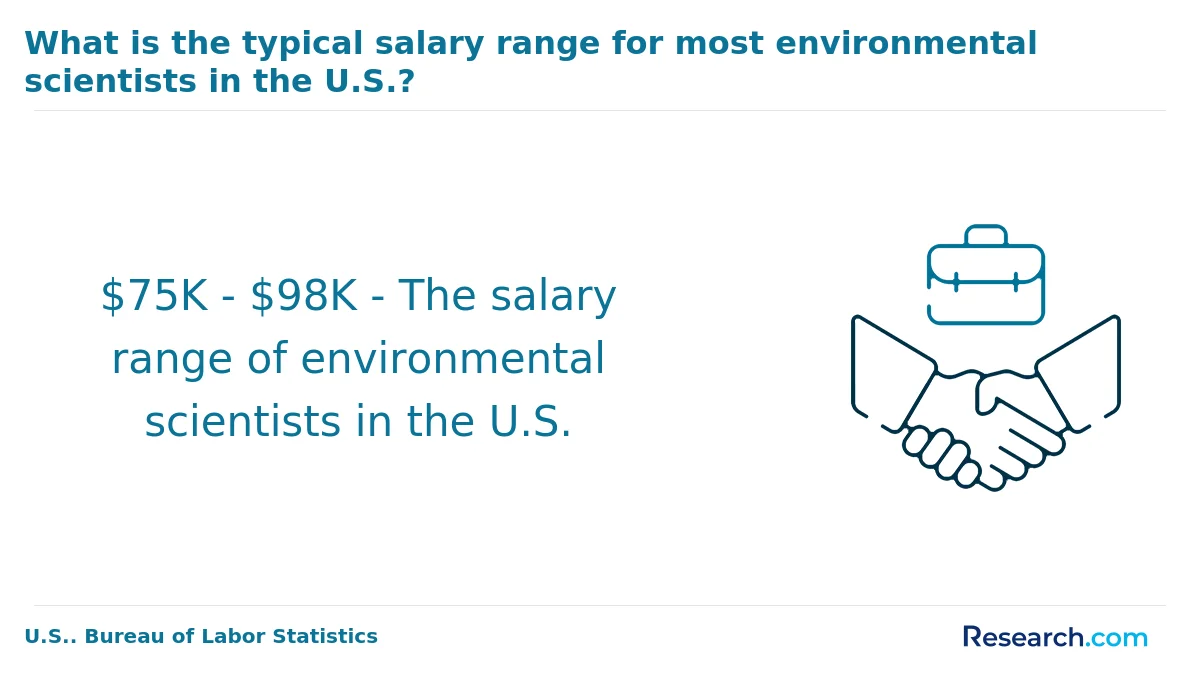
Median salaries in the region range from about $58,000 to $75,000, reflecting entry-level positions starting near $50,000 and growth potential in specialized roles. Cost-effective tuition combined with strong local demand makes the South a strategic choice for students seeking environmental careers. To explore the types of environmental jobs available, consider which sectors align best with your skills and interests.
2027 Best Online Master's in Environmental Science Degree Programs Ranking in the South
Investing in your education is a significant decision that can shape your future, and the Research.com team understands the importance of making informed choices. To assist prospective students in the South region, we have meticulously crafted the "2027 Best Online Master's in Environmental Science Degree Programs Ranking in the South." Our commitment to quality, credibility, and accuracy is reflected in the extensive research and analysis conducted to compile this ranking.
We utilized the following reputable data sources to ensure a comprehensive evaluation of environmental science programs:
By exploring this ranking, readers will gain valuable insights into the best online environmental science master's degree programs in the South, helping them make well-informed decisions about their educational paths. For more details on our methodology, please visit our Research.com methodology page.

# 2 position
Louisiana State University and Agricultural & Mechanical College
Master of Environmental Sciences


# 5 position
Western Kentucky University
Master of Social Responsibility and Sustainable Communities

# 6 position
Texas Tech University
Master of Environmental Sustainability and Natural Resource Management


# 8 position
University of Maryland Global Campus
Master of Environmental Management


Frequently Asked Questions About environmental science
Online environmental science degree students in the South can enhance their learning by actively engaging with regional environmental issues such as coastal erosion, hurricane impacts, and biodiversity conservation specific to the Southeastern United States. Utilizing resources from local universities and organizations like the Southern Environmental Law Center provides valuable context.
Joining virtual study groups and professional networks focused on Southern ecosystems fosters collaboration and practical insights. Additionally, students should prioritize participating in internships or fieldwork opportunities offered by regional agencies, improving both skills and employability.
Accessing up-to-date research from platforms like the U.S. Environmental Protection Agency and state environmental departments ensures studies reflect current challenges and policies affecting the South.
The field of environmental science is rapidly evolving, with several emerging niches gaining attention nationwide, including in the Southern United States. One key growth area is renewable energy, especially solar and wind technologies, which the South is increasingly adopting due to its favorable climate. According to the U.S. Department of Energy, southern states like Texas and Florida lead in solar job growth.
Another important niche is climate resilience and adaptation, especially relevant to the South's vulnerability to hurricanes and flooding. Universities are incorporating these topics into their online programs to prepare experts who can develop sustainable solutions.
Environmental data analytics is also expanding, as big data helps monitor ecosystems and pollution more effectively. This focus equips students with skills valuable in both research and policy roles across southern industries.
After earning an online environmental science degree in the South, preparing for the job market involves combining academic knowledge with practical experience. Many graduates find internships or part-time roles with local agencies like the Environmental Protection Agency's regional offices or state-level departments of environmental quality. Building a professional network through organizations such as the Southeastern Environmental Education Alliance can open noteworthy job opportunities.
According to the U.S. Bureau of Labor Statistics, environmental science employment is projected to grow 8% from 2022 to 2032, particularly in the South due to increasing focus on coastal resilience and renewable energy.
Certifications like the Certified Environmental Scientist (CES) credential can strengthen a resume. Additionally, mastering geographic information systems (GIS) software is highly valued among Southern employers.
Employers in the South seeking environmental science graduates consistently emphasize strong analytical skills. Graduates must be proficient in data interpretation, geographic information systems (GIS), and environmental modeling, as these tools are vital for addressing regional challenges like coastal erosion and water quality.
Communication skills also rank highly. Ability to convey complex scientific findings clearly to policymakers and the public is essential, given increasing environmental regulations in Southern states.
Hands-on experience through internships or research projects is often preferred. According to the Southern Environmental Education Alliance, 78% of surveyed employers prioritize practical knowledge alongside academic credentials.
Adaptability and familiarity with regional ecosystems, such as wetlands and diverse forestry systems, are additional valued competencies.
Finding internships in the South relevant to an environmental science degree requires targeted research and networking. Start by exploring opportunities with state environmental agencies like the Georgia Department of Natural Resources or the North Carolina Department of Environmental Quality. These organizations often offer internships focused on conservation, water quality, and sustainability.
Universities in the region frequently partner with local nonprofits and businesses for internship programs. For example, institutions such as the University of Florida and Texas A&M University regularly provide listings of internships through their career centers.
Additionally, professional networks like the Southeastern Environmental Education Alliance can connect students to regional opportunities. According to the U.S. Bureau of Labor Statistics, environmental science job growth in Southern states is projected to increase by 8% through 2030, indicating rising internship availability.
Online environmental science degrees in the South significantly enhance career mobility and advancement. The region's growing emphasis on sustainable industries and environmental protection creates increased demand for qualified professionals. According to the U.S. Bureau of Labor Statistics, environmental scientist jobs in southern states like Texas, Florida, and North Carolina are projected to grow by about 8% through 2030, faster than the national average.
Employers often prioritize candidates with master's degrees, especially those with flexible online education that allows working professionals to upgrade skills without relocating. Graduates gain access to government agencies, consulting firms, and nonprofits focused on climate resilience and conservation.
Online programs from accredited southern universities also offer networking opportunities critical to career growth in this region.
Studying for an environmental science degree online in the South equips students with a comprehensive interdisciplinary foundation. Southern universities often integrate coursework in ecology, policy, geography, and technology to reflect real-world complexity.
Many programs emphasize regional environmental challenges such as coastal management, climate adaptation, and sustainable agriculture, providing practical context. According to data from the Southern Environmental Education Alliance, over 65% of programs in the region include applied research projects involving collaboration with local agencies.
This approach prepares graduates for roles that require cross-sector coordination, such as environmental consulting, resource management, and policy development, by combining scientific knowledge with regulatory and social insights.
Choosing between a thesis and a non-thesis environmental science degree program in the South depends largely on your career goals and learning preferences. Thesis programs emphasize research, requiring students to conduct original studies, which suits those aiming for doctoral study or research roles. Non-thesis options focus more on coursework and practical skills, ideal for professionals targeting immediate employment in environmental consulting or policy.
Southern universities offering online master's programs, such as those in Texas and North Carolina, often align thesis work with faculty-led research projects on regional issues like coastal ecosystem management or air quality.
According to the Southern Association of Colleges and Schools, thesis options usually take longer but provide deeper expertise needed in academia or scientific fields.
Students in the South seeking to study environmental science abroad through online programs have several options. Many US universities offer partnerships with international institutions, enabling students to take courses abroad or participate in virtual exchange programs. These programs often focus on global environmental challenges, providing a broader perspective.
According to the Southern Regional Education Board, over 30% of Southern universities incorporate study abroad components within their environmental science curricula. Online master's programs may also include international case studies and collaborations with researchers from other countries.
This approach allows Southern students to gain global experience without relocating, which is cost-effective and flexible for working professionals.
Part-time job opportunities in the South that complement environmental science education often include roles such as environmental technician, research assistant, and conservation aide. Many state agencies, like the Texas Commission on Environmental Quality, offer seasonal or part-time positions perfect for students. These roles provide hands-on experience with fieldwork, data collection, and environmental compliance.
Private companies and nonprofit organizations in states like Florida and Georgia also hire interns for sustainability projects, wildlife management, and environmental outreach. According to the U.S. Bureau of Labor Statistics, these positions can improve practical skills and expand professional networks in the environmental sector.
Online environmental science students in the South benefit from several robust networking opportunities. Many Southern universities offer access to regional professional organizations, such as the Southeastern Division of the American Association of Geographers, which hosts annual conferences and workshops. These events provide chances to connect with experts and peers.
Additionally, online students can engage in virtual career fairs focused on environmental fields tied to Southern industries like agriculture and coastal management. Some programs also facilitate mentorships with faculty active in regional research projects, boosting local professional connections. According to the Southern Regional Education Board, such networks improve job placement rates for graduates.
Alumni networks play a crucial role in supporting online environmental science degree students in the South. These networks offer valuable connections with professionals active in regional industries such as forestry, water management, and conservation. According to the Environmental Protection Agency, the Southern U.S. employs over 500,000 people in environmental science-related jobs, emphasizing the importance of local connections.
Through alumni events, online groups, and mentorship programs, students access job leads, internships, and career advice tailored to this specific geographic area. Networking enhances employment prospects by linking graduates with employers familiar with local environmental issues and regulations.
Moreover, alumni often collaborate on research and community projects, providing additional practical experience beyond coursework.
Customizing an online environmental science degree program in the South allows students to tailor their education to specific career goals. Many Southern colleges offer concentrations such as natural resource management, environmental policy, or GIS (Geographic Information Systems). Selecting electives aligned with your interests can enhance expertise in fields like conservation or environmental consulting.
Internship opportunities and research projects are often flexible, enabling students to gain experience through local agencies or organizations focused on Southern ecosystems. According to the Southern Regional Education Board, over 60% of regional institutions provide online options with customizable tracks.
Advisors can guide course choices to reflect emerging regional issues like coastal resilience and climate adaptation, ensuring relevance and practical skills for the Southern job market.
Online environmental science students in the South often face challenges related to limited access to high-quality internet, especially in rural areas where broadband infrastructure can be insufficient. According to the Federal Communications Commission, about 22% of rural southern households lack reliable internet, impacting students' ability to stream lectures and submit assignments on time.
Additionally, hands-on learning is a core part of environmental science, but remote students may have difficulties completing lab work or field studies virtually. Some programs partially address this by offering local partnerships or intensive on-campus sessions.
Time zone differences and balancing work or family commitments also affect many Southern students, making asynchronous course designs essential.
With an online environmental science degree, graduates in the South can pursue several professional certifications that enhance career opportunities. One common certification is the Certified Environmental Scientist (CES) offered by the National Association of Environmental Professionals, which validates expertise in managing environmental projects.
Another valuable credential is the Certified Hazardous Materials Manager (CHMM), recognized nationwide and useful for those working with waste management or regulatory compliance in Southern states. Additionally, the Registered Environmental Manager (REM) is a credential that focuses on environmental leadership and sustainability practices.
Data from the Southern Environmental Education Alliance shows demand for certified professionals rose by 12% between 2019 and 2023, reflecting growing environmental challenges in the region.
Writing a winning application for an online environmental science program in the South requires clarity and focus. Start with a strong personal statement explaining your passion for environmental issues relevant to the region, such as coastal resilience or sustainable agriculture. Programs often seek applicants with a clear understanding of Southern ecological challenges.
Highlight any relevant experience, including internships or volunteer work with local organizations like the Southern Environmental Law Center. Providing strong academic records and recommendations from professors familiar with your scientific abilities strengthens your case.
Lastly, research each program's specific admission criteria carefully and tailor your application accordingly to increase your chances.
Environmental science careers have a strong global significance, addressing challenges like climate change, resource management, and pollution. In the United States, especially in the South, there is growing demand for experts who understand both local ecosystems and international environmental policies. According to the U.S. Bureau of Labor Statistics, jobs in environmental science are projected to grow 8% from 2022 to 2032, faster than average.
Many Southern states participate in international environmental agreements, requiring professionals well-versed in global standards. Online degrees offer flexibility for those balancing work and study, enabling students to contribute to local and global sustainability efforts.
Gaining practical experience while studying for an online environmental science degree in the South is essential for career readiness. Many programs encourage internships with regional agencies such as the U.S. Environmental Protection Agency's Southern Regional Office or local state departments of natural resources. These internships provide valuable hands-on work related to conservation, pollution control, and resource management.
Additionally, students can engage in virtual labs and field projects coordinated by Southern universities, often using data from local ecosystems like the Everglades or Appalachian Mountains. According to the Southern Regional Education Board, 65% of environmental science students in the South complete at least one practical placement during their studies, enhancing their job prospects.
Volunteering with organizations like The Nature Conservancy's Southern region chapter also offers fieldwork opportunities. For students balancing work and study, these experiences build practical skills while accommodating flexible schedules.
Choosing the right concentration in an online environmental science degree in the South involves aligning your interests with regional environmental challenges. For example, concentrations like coastal ecology or water resource management are highly relevant due to the South's extensive coastline and frequent droughts, according to the U.S. Environmental Protection Agency. Other popular areas include sustainable agriculture and renewable energy, reflecting the South's growing focus on green technologies. Consider your career goals and check if the program offers specialized courses, internships, or partnerships with local agencies. Reviewing faculty expertise and job placement rates can also help determine if a concentration suits your professional ambitions.
- MESPOM Alumni Association https://mespom.eu/mespom-alumni-association
- NETWORKING FOR SUCCESS: HOW TO SHINE IN ENVIRONMENTAL JOBS - Step(h) into Nature https://stephintonature.com/all-environmental-conservation-travel-blogs/environmental-jobs-networking
- Environmental Science Internships | Intern Abroad HQ https://www.internhq.com/industries/environmental-sciences/
- Graduate Schemes and Internships - Green Jobs for Nature https://greenjobsfornature.org/get-that-green-job/graduate-schemes-and-internships/
- SEEDS Summer 2026 Internships | TREES DLA https://www.trees-dla.ac.uk/seeds-summer-2026-internships
- How Study Abroad Benefits Environmental Science Majors | Maximo Nivel https://maximonivel.com/study-abroad-environmental-science/
- How To Get Environmental Science Work Experience https://www.savemyexams.com/learning-hub/careers/environmental-science-work-experience/
- Environmental Certifications for entry-level and career changers https://www.theenvironmentalcareercoach.com/certification-links
- Environmental Sciences Abroad https://uceap.universityofcalifornia.edu/environmental-sciences-abroad
- What Can You Do With an Environmental Science Degree? https://willamette.edu/academics/college/environmental-science/career-options