2027 Best Online Bachelor's in Environmental Science Degree Programs Ranking in the USA

Co-Founder and Chief Data Scientist
Choosing the right online bachelor's degree in environmental science can shape your future and open doors to impactful careers. This article introduces the 2027 Best Online Bachelor's in Environmental Science Degree Programs Ranking in the USA, crafted by Research.com's team of expert data scientists to guide you in making informed decisions.
Exploring this ranking helps you find programs that fit your goals, combining quality education with flexible learning. Pursuing an environmental science degree means joining a growing field dedicated to protecting our planet, offering meaningful opportunities and personal growth.
Key benefits of getting online environmental science degree in America
- Environmental science degree graduates in the US can expect an average salary around $60,000 annually, offering a solid starting point for a rewarding career in a growing field.
- Graduates from top universities often pursue diverse careers such as environmental consultants, conservation scientists, or sustainability specialists, providing many fulfilling opportunities to make a positive impact.
- Online environmental science degrees offer flexibility and convenience, enabling students to balance studies with work or family, often resulting in a smooth transition to real-world environmental roles.
- 2027 Best Online Bachelor's in Environmental Science Degree Programs Ranking in the USA
- What can I expect from online environmental science degree in America?
- Where can I work with online environmental science degree in America?
What can I expect from online environmental science degree in America?
The average cost of an online environmental science degree in America typically floats around $20,000 to $40,000 for the entire program, depending on whether you tap into public universities or private colleges. Imagine a graduate from a well-known state university who juggled work and study with the flexibility of virtual labs, delighted that their tuition fit within a reasonable budget. Many students rave about this balance, feeling empowered rather than overwhelmed by costs.
Consider the scenario of a learner from a respected public college where the tuition per credit hour is affordable, especially after financial aid and scholarships. Their wallet breathes easier while they dive deep into climate adaptation modules or renewable energy topics. Meanwhile, graduates from private institutions often speak of the added investment as a worthwhile channel to personalized mentoring and cutting-edge digital simulations.
This price range mirrors a practical gateway for ambitious environmental stewards eager to transform passion into career without sacrificing financial stability or their enthusiasm for making a difference in America's future.
Where can I work with online environmental science degree in America?
Picture a graduate from a top online program at a university like Arizona State or Oregon State stepping into the bustling halls of the Environmental Protection Agency, armed with knowledge of GIS mapping and pollution control. Here, they translate data into policies that guard America's forests and waterways, feeling the thrill of real-world impact.
Others find themselves navigating the fast-paced world of sustainability consulting, partnering with engineering giants or innovative startups across California's Silicon Valley. Their days pulse with crafting eco-friendly solutions, turning complex regulations into practical victories for businesses.
Then there are those drawn to nonprofit adventures, collaborating with groups like The Nature Conservancy or local environmental coalitions, spreading awareness and rallying communities to protect fragile ecosystems. The sense of purpose here is palpable, fueled by shared passion and tangible progress.
Meanwhile, online grads from schools such as the University of Florida land roles in university labs or research centers, diving into climate change models and renewable energy projects. The excitement of discovery and contribution keeps their curiosity alive and their careers budding.
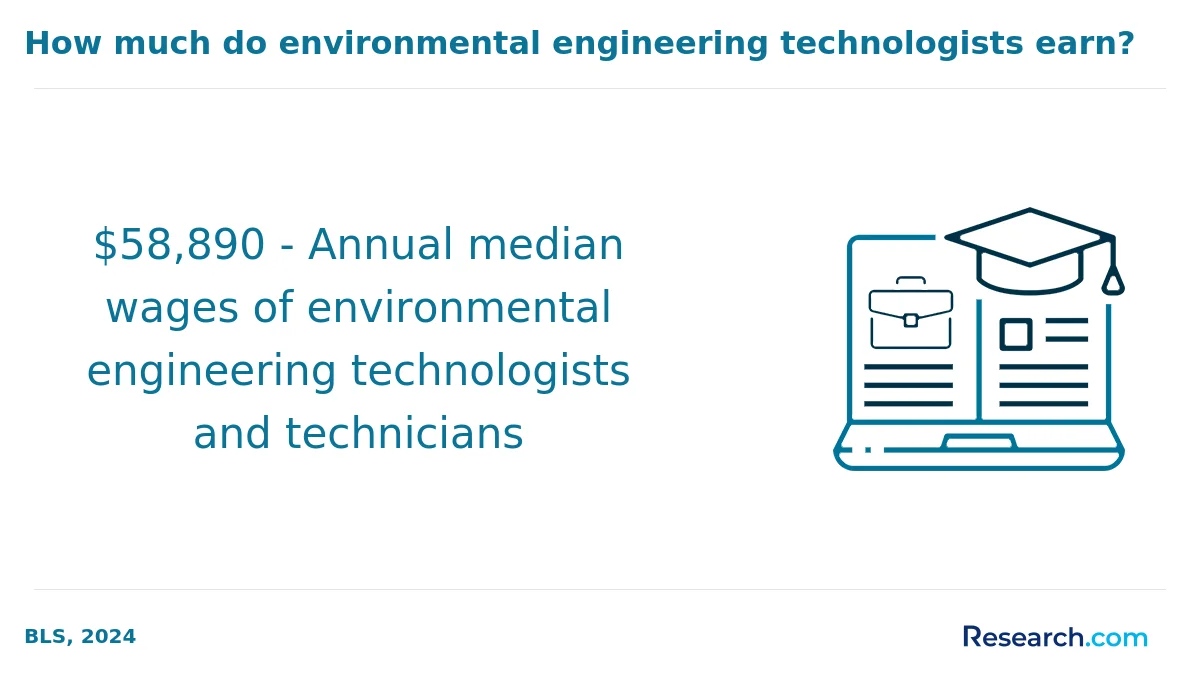
Graduates from online environmental science programs in America often find themselves stepping into a salary world that starts from the $50,000 to $60,000 range, perfect for those eager to dive into roles like environmental technician or research assistant. Imagine a recent graduate from Arizona State University online, thrilled to land a role at a nonprofit, earning a steady wage while gaining the experience that could catapult them forward.
Local vibes heavily color paychecks. Picture a grad from the University of Florida joining a consulting firm in vibrant California, where the average wage surpasses $90,000-a testament to strong demand in green-conscious states. This leap often sparks feelings of accomplishment and motivates further growth.
As grads gather hours and certifications, like the Certified Environmental Scientist credential, salaries can blossom beyond six figures, especially within consulting or federal jobs. The journey through online courses at schools like Oregon State University becomes not just about knowledge but a gateway to rewarding careers enriched by real-world experience and palpable optimism.
- Online environmental science bachelor's degrees are widely available from accredited universities, allowing flexible study from anywhere.
- Public universities charge between $8,000 and $15,000 per year for in-state students, while private and out-of-state tuition can reach $20,000 to $40,000 annually.
- Starting salaries for graduates typically range from $50,000 to $55,000 per year, with mid-career salaries rising to $75,000-$85,000.
- Employment in environmental science is expected to grow by 8% through 2030, faster than the average for all jobs.
- Accreditation, virtual labs, fieldwork, internships, and networking are important for career success after graduation.
Yet, not everyone marches to the same beat. Some students, weaving studies around jobs or family, take a more leisurely five to six years-like a dancer finding their own pace. These part-timers, perhaps studying through Colorado State University's flexible program, savor each topic thoroughly, blending online classes with weekend expeditions.
Accelerated paths offer sprints. Graduates tapping into transfer credits from prior college adventures or military service can slice months or even years off the journey. Institutions known for innovation, like the University of Florida, champion these adaptive routes, letting students leap ahead in their environmental mission.
Ultimately, completing an online environmental science degree in America is a personalized voyage-one shaped by ambition, life's demands, and a dash of academic magic.
Imagine juggling a job in bustling Seattle while earning your environmental science degree from the University of Washington-online. You tune into lectures at midnight, sipping coffee, tracing ecosystems through virtual labs on your screen. That's the online experience: total flexibility, tailored to your life's rhythm, without the commute or campus fees. Yet, a student walking the tree-lined paths of UC Berkeley experiences the tactile thrill of field trips, digging into soil samples, face-to-face with professors and peers. In America, this hands-on immersion fuels practical skills hard to replicate online.
Despite divergent delivery, both paths demand rigor. Accredited programs across institutions like Colorado State or Florida State maintain standards ensuring graduates land roles in environmental consulting or sustainability. Online learners cherish the freedom to balance family while mastering data analysis, whereas on-campus peers treasure spontaneous hallway debates that spark fresh ideas. Both become environmental champions, shaped by either digital landscapes or vibrant campus ecosystems-each route sculpted by choice, circumstance, and ambition.
Studying for an online environmental science degree in America often comes with an investment that hovers around $52,800 for the full program, bridging the gap between passion and profession. Many graduates from renowned public universities recall juggling work and studies, grateful for tuition that averaged about $56,880 for in-state students. These costs reflect the blend of affordability grounded in state support while nurturing the drive to impact the planet positively. For those stepping beyond state lines, the median out-of-state total cost climbs to nearly $59,880, a premium for access to institutions with leading-edge research and expert faculty deeply engaged in environmental challenges.
Imagine a student from a bustling metropolitan area enrolled in a top-tier environmental science online degree program, marveling at how technology fees were often less than expected, allowing them to streamline expenses while connecting with peers across the nation. The environmental sustainability degree program online options offer pragmatic financial planning, supported by scholarships and grants that soften the journey's weight. Private colleges, with their hands-on approach and smaller class sizes, typically range higher-sometimes up to $60,000 or more-yet many graduates celebrate the personalized mentorship that fosters their future careers.
Understanding the average cost of online environmental science degree USA programs helps ambitious learners envision pathways that balance the dream of environmental stewardship with practical budgeting. The total tuition fees for environmental science bachelor's online in the USA serve as more than numbers; they map out a journey where environmental passion meets economic reality head-on, lighting the way for hopeful students to thrive.
Imagine snagging a Pell Grant that feels like a friendly hand from the government, offering up to $7,395 a year to lighten the financial load while you dive into your environmental science courses at a university like Oregon State or the University of Florida. Online learners often share how completing the FAFSA opens doors to these federal treasures-grants that don't need repaying, making them a true blessing.
Then there are federal student loans, like subsidized loans where the government quietly covers interest as you tackle ecology and conservation from your laptop. Graduates from schools such as the University of Washington praise this option for bridging funding gaps with manageable repayment plans.
State grants add another ray of sunshine; picture a kid from California drawing on a Cal State scholarship aimed at environmental majors, easing costs while staying grounded in local ecosystems. Institutional scholarships at places renowned for environmental science also shine-a merit-based boost or need-based helping hand, sometimes stretching far enough to cover full tuition.
Don't overlook fellowships from agencies like the EPA or the National Environmental Education Foundation, where competition breeds opportunity. Plus, working professionals studying online cheer for employer tuition reimbursement programs, transforming career ambitions into tangible degrees without draining savings.
Imagine stepping into the shoes of a passionate environmental science student at a renowned online program like those offered by Arizona State University or the University of Florida. Before unlocking those digital doors, you'll need to show you've got the basics down-a high school diploma or GED, with transcripts flaunting your prowess in biology, chemistry, algebra, and physics. Many graduates recall how these core subjects became their trusty compass, guiding them through complex ecosystems and chemical cycles.
Standardized tests like the SAT or ACT often play their part too, with scores typically needing to hit around 1050-1300 for the SAT or 20-28 on the ACT. Yet, some schools soften this requirement, embracing test-optional policies to welcome diverse learners who shine in other ways. Supporting documents-recommendation letters, personal statements, and resumes-act as reflections of your genuine passion for the environment, painting a portrait of your commitment beyond grades.
For transfer students, showing off completed college-level courses in introductory biology or chemistry with a GPA roughly between 2.5 and 3.0 becomes essential. This foundation helps you hit the ground running, just like many online students describe feeling ready for hands-on virtual labs and research projects, often enhanced by special software or lab kits provided by their programs.
Ultimately, these prerequisites ensure you're not just prepared academically but emotionally engaged, ready to dive into the interdisciplinary magic that environmental science in America offers online.
Imagine diving into online courses where your screen transforms into a gateway through biology's forests, chemistry's lab benches, and the shifting plates of earth science. At well-known American institutions, environmental science students eagerly unwrap foundational courses like Introduction to Ecology or Environmental Chemistry, feeling the thrill of decoding nature's secrets from their own home. Graduates often share how tackling Geology and Earth Systems helped them see the planet's layers come alive in their minds.
Then come the tech-savvy classes-GIS (Geographic Information Systems) and Remote Sensing-where students become digital explorers, mapping landscapes or monitoring forests through satellite data streams. The excitement of transforming raw environmental data into actionable insights is a common highlight among online learners across the U.S.
Courses in Environmental Policy and Law and Natural Resource Management invite students to step into the shoes of decision-makers, debating ethical dilemmas and charting strategies for sustainability. Many cherish the challenge, knowing their efforts echo in future policies.
An online degree from popular colleges brings these worlds together, blending science, technology, and society into a vibrant curriculum that sparks curiosity, purpose, and connection to real-world change.
Online environmental science degree specializations USA come alive through vibrant pathways that spark passion and purpose. Imagine diving into Environmental Policy and Management, where graduates from renowned colleges craft regulations to safeguard America's natural heritage, blending sharp legal minds with environmental zeal. Another realm, Natural Resources and Wildlife Conservation, has alumni reveling in the rich biodiversity of American landscapes, honing skills in ecology and habitat stewardship that translate into exciting conservation careers.
Picture students from top public universities engaging deeply in Environmental Science and Sustainability, learning to engineer solutions for climate challenges through innovative sustainable energy projects. These specialized environmental science programs America champions also include Environmental Health and Safety, addressing vital links between human health and the environment, and Geospatial Analysis, which transforms raw environmental data into powerful GIS-driven insights.
For those drawn to this diverse field, exploring an affordable sustainability bachelor degree online can open doors to engaging, hands-on learning experiences that make protecting the planet feel as thrilling as solving an intricate puzzle.
Choosing the best online environmental science degree in America feels like stitching together a tapestry of discovery, networking, and future-proof skills. Imagine a graduate from a renowned university in California sharing how the program's real-world projects-like analyzing water samples from local wetlands-sparked a passion deeper than any textbook. Accredited programs ensure your degree carries weight, especially those recognized by the U.S. Department of Education, so your hard-earned credits aren't mere digital pixels but stepping stones toward a thriving career.
Affordability matters too. Many seekers of top affordable environmental science degrees America-wide balance dreams and budgets, finding surprise gems in public universities offering rich curricula around $10,000 a year. Meanwhile, graduates celebrate courses that blend science with policy and data analysis, honing skills that the job market craves.
Flexibility is the secret sauce; asynchronous classes helped one working student in New York juggle full-time jobs and late-night labs, making the program feel tailor-made. Programs with strong faculty who are also active researchers transform learning into a vibrant, engaging voyage.
For students ready to dive deeper, programs linked to industry leaders or government agencies amplify opportunities. Exploring a mba in sustainability could also widen your horizon beyond science into innovation-driven leadership.
Seek out these best online environmental science programs USA to feel confident you're not just studying, but stepping into a future where your impact is as real as your degree.
Imagine graduates of online environmental science degree programs from universities across America stepping confidently into roles that shape the planet's future. Whether it's advising corporations on greener manufacturing processes or working with the EPA to craft innovative pollution controls, these professionals embrace the challenge of sustainability with passion. Many find themselves in careers as environmental consultants, wildlife biologists, or environmental health specialists-each role a unique puzzle piece in the larger ecological picture. The energy sector attracts a wave of graduates eager to reinvent how America powers its cities, blending science and technology to champion renewable resources.
For those drawn to the academic heartbeat of the environment, pursuing research at leading colleges opens doors to study climate effects or steer nonprofit campaigns. A favorite anecdote centers on students balancing coursework from renowned schools with real-world projects, so their degrees aren't just theoretical but a toolkit for immediate impact. If you seek pathways that match your lifestyle and ambitions, exploring the easiest online degree environmental science options available in America can be a practical first step toward these inspiring careers.
The landscape of online environmental science careers USA is vibrant, with opportunities spanning government, private sectors, and grassroots movements. Each job is a story of dedication to the planet, fueled by the education foundations laid out in popular American universities.
The job market for graduates with an online environmental science degree in America glimmers with opportunity as the nation's focus sharpens on sustainability and climate action. Imagine graduates from renowned schools like the University of California or the University of Florida stepping into roles at EPA offices or innovative consulting firms, driven by a passion to reshape how industries handle environmental impact. This surge in demand creates dynamic careers that blend fieldwork, data analysis, and policy advocacy with rewarding salaries typically starting between $50,000 and $65,000, climbing with experience.
Real-world stories from graduates portray mornings filled with GIS mapping in bustling urban agencies or afternoons advising companies on green compliance, all while enjoying the flexibility that online education offers. In the competitive world of online environmental science degree jobs USA, those who pair their studies with internships and certifications often find themselves sprinting ahead on a career path illuminated by rapid growth projections.
For those curious about further mingling business and sustainability, exploring jobs in sustainability after mba reveals exciting expansions beyond traditional roles, signaling a hopeful horizon for environmental stewards.
2027 Best Online Bachelor's in Environmental Science Degree Programs Ranking in the USA
Investing in your education is a significant decision that can profoundly impact your future, and the Research.com team is committed to helping you make well-informed choices. To support prospective students interested in environmental science, we have carefully developed the "2027 Best Online Bachelor's in Environmental Science Degree Programs Ranking in the USA." Our dedication to quality, credibility, and accuracy is evident through the rigorous research and analysis behind this ranking.
We utilized the following reputable data sources to ensure a comprehensive evaluation of environmental science programs:
By consulting this ranking, readers will gain valuable insights into the top online environmental science bachelor's programs across the USA, enabling them to choose the path best suited to their goals. For more information about our ranking methodology, please visit our Research.com methodology page.



# 4 position
Western Kentucky University
Bachelor of Health Science (Environmental Health Science concentration)




# 10 position
University of Maryland Global Campus
Bachelor of Environmental Health & Safety

Frequently Asked Questions About environmental science
Online environmental science degree students in America can maximize their learning by actively engaging with course materials and participating in virtual discussions. Research from the U.S. Department of Education suggests that students who communicate regularly with instructors and peers typically perform better in online programs. Using university-provided resources, such as virtual labs and digital libraries, enhances understanding of technical subjects like ecology and sustainability.
Additionally, students should seek internships or volunteer opportunities with local environmental agencies to gain practical experience. According to the Bureau of Labor Statistics, hands-on skills increase employability in growing fields such as environmental consulting and conservation. Staying organized and managing time effectively also supports academic success in flexible online formats.
The environmental science field in America is rapidly evolving, with several emerging niches gaining attention. One key area is climate change adaptation, where professionals develop strategies to reduce risks related to rising temperatures and extreme weather events. According to the U.S. Bureau of Labor Statistics, jobs in environmental science are expected to grow 8% between 2022 and 2032, partly driven by this focus.
Another niche is environmental data analysis, which applies big data and GIS technology to manage natural resources more effectively. Renewable energy, including solar and wind, continues to expand, creating demand for experts in sustainable energy systems.
Preparing for the job market after earning an online environmental science degree in America involves multiple strategic steps. First, gaining relevant experience through internships or volunteering is crucial. According to the U.S. Bureau of Labor Statistics, environmental science jobs are expected to grow 8% from 2022 to 2032, highlighting increasing opportunities for qualified graduates.
Building a professional network by joining organizations like the National Association of Environmental Professionals can provide valuable connections. Additionally, developing skills in data analysis, GIS, and environmental regulations enhances employability. Certification options such as the Certified Environmental Scientist (CES) credential further validate expertise to potential employers.
Employers in America seek environmental science graduates with strong analytical and problem-solving skills. According to the U.S. Bureau of Labor Statistics, proficiency in data interpretation and environmental regulations is crucial for effective decision-making. Graduates should demonstrate the ability to use Geographic Information Systems (GIS) and statistical software, which are widely applied in environmental research and policy development.
Communication skills rank highly as well, since professionals often collaborate with government agencies, businesses, and communities. Adaptability and project management expertise also increase employability, given the evolving nature of environmental challenges. These skills prepare graduates to meet both scientific and regulatory demands across various sectors.
Finding internships in America relevant to an environmental science degree involves using multiple strategies. Start by exploring university career centers, which often have partnerships with local environmental agencies and nonprofits. Many schools also provide online internship databases accessible to their students.
Professional organizations such as the Ecological Society of America and the National Association of Environmental Management frequently share internship opportunities. According to the U.S. Bureau of Labor Statistics, internships help build skills essential for the 8% projected job growth in environmental science jobs from 2022 to 2032.
Networking through LinkedIn and attending environmental conferences can also increase chances. Federal agencies like the EPA offer paid internships, which provide valuable government experience. Applying early and preparing a tailored resume are key to standing out.
An online environmental science degree in America can significantly enhance career mobility by providing flexible access to quality education without geographical constraints. According to the U.S. Bureau of Labor Statistics, employment in environmental science and protection fields is projected to grow 8% from 2022 to 2032, faster than average. This growth creates more opportunities for professionals to advance or switch roles within sectors like government, consulting, and non-profits.
Online degrees increasingly gain recognition from employers, especially if earned from accredited institutions. Graduates often acquire skills in data analysis, environmental policy, and sustainability practices, which are highly valued. Earning such a degree can lead to higher-level positions, with median annual wages for environmental scientists reaching approximately $76,000 as of 2023.
This pathway enables working adults to upskill without career interruption, aiding promotions, specialization, or entry into competitive fields such as environmental law or renewable energy. Institutions like the National Association of Environmental Professionals endorse online learning's role in career development.
Studying for an environmental science degree in America equips students with a strong interdisciplinary foundation, combining biology, chemistry, geology, and social sciences. According to the National Center for Education Statistics, over 120 U.S. institutions offer such programs, often with courses addressing policy, technology, and sustainability.
These programs emphasize analytical skills and practical experience through research projects, internships, and case studies. Students learn to tackle complex environmental challenges by integrating scientific data with economic and legal considerations.
This broad training prepares graduates for diverse roles in government agencies, consulting firms, and nonprofit organizations focused on climate change and resource management.
When choosing between a thesis and a non-thesis environmental science degree program in America, consider your career goals. A thesis option requires conducting original research and writing a comprehensive paper, which is valuable if you plan to pursue graduate study or research roles.
Non-thesis tracks typically focus on coursework and practical applications, appealing to students aiming for immediate entry into environmental consulting, policy, or management jobs. According to the National Center for Education Statistics, about 60% of environmental science bachelor's graduates enter the workforce rather than continue with advanced degrees.
Thesis programs may take longer and demand strong research skills, while non-thesis degrees often offer more flexibility for working professionals. Evaluate your interests, time availability, and career plans carefully before deciding.
American students interested in studying environmental science abroad have several options through online degree programs and exchange partnerships. Many U.S. universities offer virtual cooperative programs with international institutions, allowing students to take specialized courses abroad without relocating.
According to the Institute of International Education, over 300,000 American students participated in study abroad programs in 2022, with environmental studies growing in popularity. Online degrees often include fieldwork components that can be completed internationally, providing practical experience in diverse ecosystems.
Moreover, students can enroll in U.S.-based online environmental science programs accredited by organizations like ABET, which sometimes provide global research opportunities. These pathways ensure that American students gain international perspectives while maintaining access to affordable, quality education consistent with U.S. standards.
Students pursuing online environmental science degrees in America often seek part-time jobs that complement their studies and build relevant skills. Opportunities include working as research assistants in university labs, where students gain hands-on experience with data collection and analysis-a key part of environmental science education.
Environmental consulting firms also hire part-time interns for fieldwork and environmental assessments. According to the U.S. Bureau of Labor Statistics, such roles help students understand regulatory compliance and sustainability practices in real-world settings.
Other common jobs include roles with local government agencies or non-profits dealing with conservation, waste management, and environmental outreach. These positions enhance knowledge of policy and community engagement, both important in this field.
Online environmental science students in America have access to a variety of networking opportunities designed to connect them with peers, professionals, and potential employers. Many universities partner with prominent organizations such as the Ecological Society of America (ESA) and the National Association of Environmental Professionals (NAEP), allowing students to join virtual conferences, seminars, and workshops.
Additionally, online programs often incorporate group projects and discussion forums, fostering peer-to-peer connections. LinkedIn groups dedicated to environmental science also serve as vital platforms for students to share resources and job leads.
According to the U.S. Bureau of Labor Statistics, effective networking increases career opportunities in environmental roles projected to grow by 8% through 2030, highlighting its importance.
Alumni networks provide significant benefits to online environmental science degree students in America. These networks connect current students with graduates who work across diverse sectors, including government agencies, non-profits, and private companies focused on sustainability. According to the National Association of Environmental Professionals, around 80% of jobs in this field are found through networking. Alumni can offer mentorship, career advice, and job leads that enhance students' professional opportunities.
Many universities maintain active online platforms and local chapters, enabling remote students to engage meaningfully. This support is crucial, as environmental science careers often rely on collaboration and connections.
Customizing an online environmental science degree in America allows students to align their education with specific career goals. Many programs offer elective courses or concentrations, such as environmental policy, conservation biology, or sustainable energy, enabling focused expertise. Some universities provide capstone projects or internships that give practical experience relevant to students' interests.
Students can also tailor their studies by selecting courses that meet professional certification requirements, like those from the National Association of Environmental Professionals. According to the U.S. Bureau of Labor Statistics, careers in environmental science are projected to grow 8% from 2022 to 2032, emphasizing the importance of relevant skills and specialization.
This flexibility helps graduates be competitive in areas such as environmental consulting, resource management, or governmental agencies.
Online environmental science students in America often face challenges related to the hands-on nature of the field. Many programs require laboratory work, field studies, or internships that are difficult to replicate virtually. According to the National Center for Education Statistics, 42% of science and engineering degree students report concerns over limited practical experience.
Access to reliable technology and stable internet is another common barrier, particularly in rural areas where connectivity can be inconsistent. This impacts participation in live lectures and submitting assignments on time.
Time management is critical, as online students frequently balance coursework with work or family commitments. A 2022 survey by the Online Learning Consortium found that 60% of online learners struggle with maintaining consistent study routines.
With an online environmental science degree in the USA, graduates can pursue several respected professional certifications that enhance career prospects. One popular option is the Certified Environmental Scientist (CES) credential, offered by the National Association of Environmental Professionals (NAEP). This certification demonstrates advanced knowledge in environmental science and compliance.
Another common certification is the Registered Environmental Manager (REM), provided by the American Academy of Environmental Engineers and Scientists (AAEES). It focuses on environmental management and regulatory affairs. According to the U.S. Bureau of Labor Statistics, certified professionals often experience better job security and higher wages.
Additional options include certifications in hazardous waste management and sustainability.
To write a winning application for an online environmental science program in America, start by highlighting your passion for sustainability and relevant experiences. Emphasize any volunteer work, internships, or projects related to environmental issues. Admissions committees value applicants who demonstrate genuine commitment beyond academics.
Clearly explain your career goals and how the program aligns with them. According to the U.S. Bureau of Labor Statistics, jobs in environmental science are expected to grow 8% from 2022 to 2032. Show awareness of this growth to underline your motivation.
Strong letters of recommendation and a well-crafted personal statement tailored to the specific program improve your chances significantly. Be concise and focus on achievements that showcase your analytical and problem-solving skills.
The global demand for environmental science professionals is rising as countries address climate change and sustainability. In the United States, the Bureau of Labor Statistics projects a 5% growth in environmental scientist jobs from 2021 to 2031, reflecting increasing domestic focus on environmental policies.
Internationally, environmental challenges require collaboration, positioning U.S. degree holders to work on global projects. Many American programs emphasize global environmental issues, preparing students for careers that span borders.
Graduates with online environmental science degrees often find roles in government agencies, nonprofits, or private sectors engaged in worldwide conservation and resource management efforts.
Gaining practical experience while studying for an online environmental science degree in America is essential for career readiness. Many programs encourage internships with government agencies like the Environmental Protection Agency (EPA) or local conservation groups. According to the U.S. Bureau of Labor Statistics, internships boost employment prospects by 20% in environmental fields. Students can also participate in virtual labs and remote fieldwork projects that simulate real-world data collection and analysis. Additionally, joining professional organizations such as the National Association of Environmental Professionals offers networking and volunteering opportunities. These hands-on experiences complement online coursework and develop critical skills employers seek.
Choosing the right concentration within an online environmental science degree program in America begins with understanding your career goals. Environmental science covers diverse fields such as ecology, environmental policy, and sustainable management, each offering different job prospects. According to the U.S. Bureau of Labor Statistics, environmental scientists and specialists have a median annual wage of $76,530 with job growth projected at 8% from 2022 to 2032.
Consider concentrations aligned with industries growing in your region or nationally, like renewable energy or climate science. Accredited programs often provide detailed course descriptions and outcomes-review these carefully. Specializing in applied environmental technology or policy analysis can lead to roles in governmental agencies or private consulting.
Lastly, assess your personal interests and strengths. Programs accredited by bodies like the Accreditation Board for Engineering and Technology (ABET) maintain rigorous standards, ensuring relevant expertise. Utilizing resources such as the National Environmental Education Foundation can deepen your understanding of concentration options available.
- SEEDS Summer 2026 Internships | TREES DLA https://www.trees-dla.ac.uk/seeds-summer-2026-internships
- How to Become an Environmental Scientist: 8 Steps to Success - Prereqcourses https://www.prereqcourses.com/environmental-scientist/
- CES - Certified Environmental Scientist https://www.nrep.org/certifications/certified-environmental-scientist-ces
- Top Trending Research Topics in Environmental Science - Agriculture Journal IJOEAR Blog https://ijoear.com/blog/top-trending-research-topics-in-environmental-science
- Strong Programs in Environmental Studies https://toptieradmissions.com/strong-programs-in-environmental-studies/
- 2025 Most Affordable Online Environmental Science Degrees https://www.onlineu.com/most-affordable-colleges/environmental-science-degrees
- Imperative for Change: Integrating Environmental Science in Education | STEM Greenhouse https://stemgreenhouse.org/imperative-for-change-integrating-environmental-science-in-education/
- Environmental Sciences Abroad https://uceap.universityofcalifornia.edu/environmental-sciences-abroad
- Environmental Science Internships | Intern Abroad HQ https://www.internhq.com/industries/environmental-sciences/
- Explore Environmental Career Profiles | ECO Canada https://eco.ca/career-profiles-index/