2027 Easiest Online Environmental Science Degree Programs Ranking in the Midwest

Co-Founder and Chief Data Scientist
Choosing the right environmental science degree program can feel overwhelming, especially with so many options available online. That's why we created the 2027 Easiest Online Environmental Science Degree Programs Ranking in the Midwest. This ranking, developed by the Research.com team of data scientists, helps you discover programs that balance accessibility and quality.
Our article guides you through the options, so you can confidently find a program that fits your lifestyle and goals. Pursuing an environmental science degree opens doors to meaningful careers making a real impact on our planet.
Key benefits of getting online environmental science degree in the Midwest
- Environmental science graduates in the Midwest can expect competitive salaries, with related careers like environmental specialists earning about $73,000 annually on average in the US, reflecting a promising financial future.
- Career paths often include roles in environmental consulting, conservation, and government agencies, as shown by alumni from the University of Michigan who work in diverse, impactful positions protecting natural resources.
- Online environmental science degrees, like those from the University of Illinois, offer flexibility and the chance to balance work or family while gaining the same respected education as traditional programs.
- 2027 Easiest Online Environmental Science Degree Programs Ranking in the Midwest
- What can I expect from online environmental science degree in the Midwest?
- Where can I work with online environmental science degree in the Midwest?
What can I expect from online environmental science degree in the Midwest?
The average cost of an online environmental science degree in the Midwest can be pretty budget-friendly, especially compared to traditional on-campus programs. For example, students at places like the University of Illinois Springfield or Ohio University often find tuition more affordable if they're in-state. Graduates often mention that with some smart financial aid use-like scholarships or employer tuition help-the overall price feels manageable and worth it, especially when balancing work and studies.
Many Midwest programs keep costs competitive without sacrificing quality, since they're accredited by the Higher Learning Commission. That gives students confidence they're getting solid training on things like ecology, policy, and GIS without breaking the bank. Plus, the shorter master's programs can sometimes be finished in under two years, which helps cut down on expenses and time away from earning money.
Because of this, many students feel relieved knowing they can chase their passion for environmental science without massive debt hanging over their heads, making the experience both practical and exciting.
Where can I work with online environmental science degree in the Midwest?
If you earn an online environmental science degree in the Midwest, you've got a bunch of cool job options waiting for you. Graduates from schools like the University of Illinois or Michigan State often land jobs with state or local agencies, working on stuff like pollution monitoring or managing natural resources. Imagine spending your days helping protect the Great Lakes or making sure farms follow environmental rules-pretty rewarding, right?
Other grads jump into environmental consulting gigs in cities like Chicago or Minneapolis, where they get to crunch data, assess environmental impacts, and plan sustainability projects. A lot of students say this mix of fieldwork and tech keeps their work exciting and meaningful.
Plus, if you're into farming or green energy, the Midwest's massive agriculture and booming wind industry offer sweet roles developing sustainable farming practices or supporting renewable energy projects. Nonprofits focused on conservation and community education also love hiring grads who want to make a real difference.
These career paths aren't just jobs-they're chances to protect and improve the environment you grew up around, which makes it feel personal and pretty awesome.
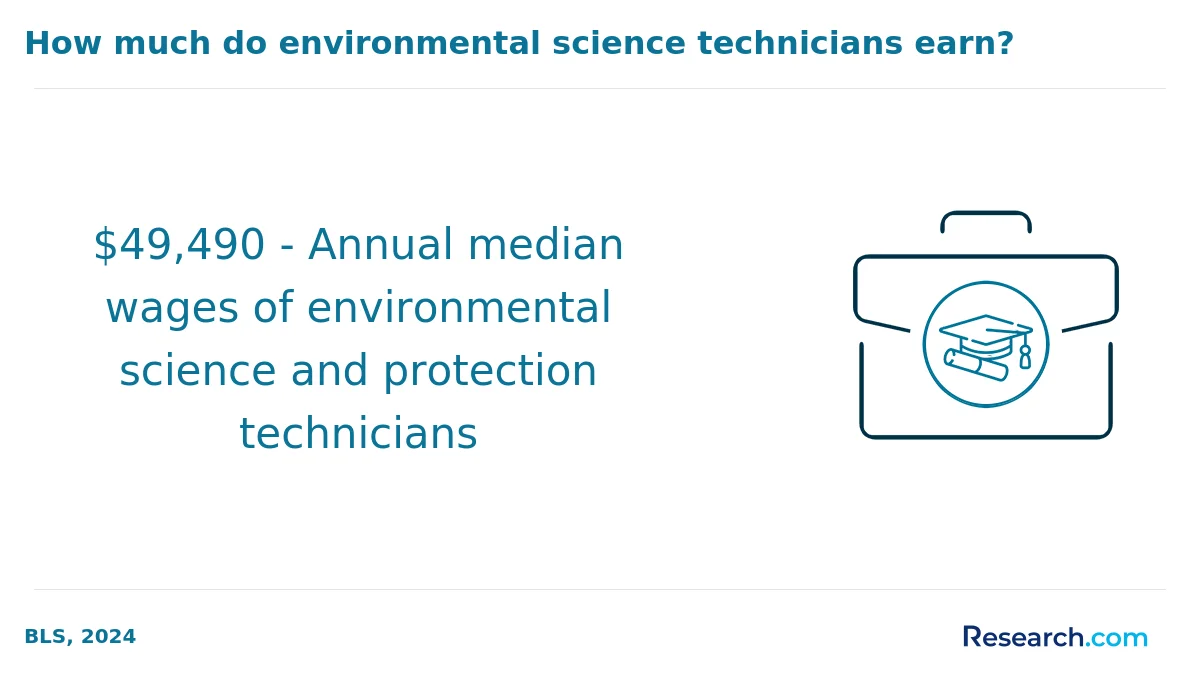
If you're figuring out how much you can make with an online environmental science degree in the Midwest, here's the scoop. Graduates around Illinois, Ohio, and Michigan typically start out earning between $45,000 and $55,000 a year, which is pretty solid for entry-level gigs. For example, many grads from well-known schools like the University of Illinois or Ohio State University find themselves landing roles in cities like Chicago or Columbus where demand is high.
As you gain experience, you can expect salaries to bump up to around $75,000 or more. Mid-career pros often share how moving into management or consulting roles boosts their paycheck even further. Environmental consultants, in particular, tend to do well, making between $60,000 and $85,000 annually, which is great motivation to specialize or gain certifications.
Plus, these jobs often come with nice extras, like loan repayment help-something grads appreciate when juggling student debt. So, earning a degree online from a Midwest college isn't just convenient; it sets you up with a promising career path that can pay off pretty well.
- Public universities in the Midwest charge between $8,000 and $15,000 per year for in-state online tuition, while private schools cost $20,000 to $30,000 annually.
- Entry-level environmental science jobs in the Midwest typically pay $45,000 to $55,000 per year; mid-career salaries range from $70,000 to $80,000.
- Industries like agriculture, manufacturing, and renewable energy in Midwestern states such as Illinois, Ohio, Michigan, and Minnesota actively hire environmental science graduates.
- Most online environmental science programs in the Midwest are accredited by regional bodies like the Higher Learning Commission, which affects financial aid and certification eligibility.
- Programs often offer part-time and full-time options with virtual labs or local fieldwork to meet practical experience requirements.
If you're thinking about how long it takes to finish an online environmental science degree in the Midwest, it usually ranges from two to four years. Most folks at places like Iowa State University or the University of Missouri find themselves wrapping up a bachelor's degree in about four years of full-time study, but there's plenty of wiggle room.
Some graduates talk about speeding things up by taking summer classes or piling on extra credits each semester, cutting their completion time to around three years. On the flip side, part-time students-maybe juggling a job or family-often take closer to six years, which still feels doable when you're balancing life.
For those starting with an associate degree at a community college, it's about two years, and then you can transfer to a four-year program to finish up. Plus, many programs use 7- or 8-week terms to help motivated students power through faster, making the whole journey feel flexible and personalized to your pace.
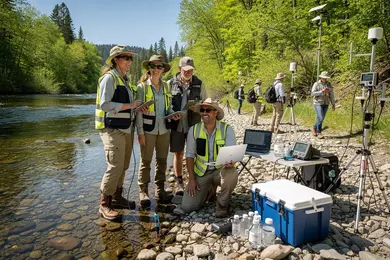
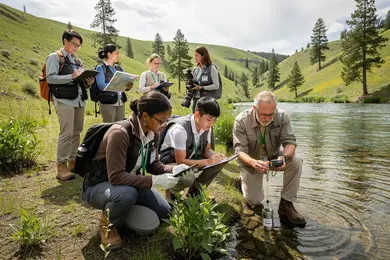
If you're looking at environmental science degrees in the Midwest, the biggest difference between online and on-campus programs is how you experience the learning. Graduates from places like the University of Wisconsin or Michigan State often talk about how the on-campus vibe lets you jump straight into labs and local field trips, which makes understanding ecosystems way more hands-on and real. You're out there collecting soil samples or testing water quality with your classmates, which is pretty awesome if you learn best by doing.
On the flip side, online students enjoy a lot more freedom. For example, a grad from an online program through a Midwestern public university shared how they balanced studying with a full-time job and family life. They loved being able to access lectures anytime without worrying about a set schedule. Sure, online courses try to replicate lab work with virtual tools or at-home experiments, but it's not quite the same as being there in person.
Cost-wise, many find online degrees a bit lighter on the wallet since some Midwest schools charge the same tuition but save you daily commute costs. Either way, both routes generally have strong accreditation, so employers respect the degree, but you might miss those in-person networking moments if you study online.
If you're thinking about getting an online environmental science degree in the Midwest, you'll find the average cost usually hovers around $26,000 for the entire program. This number gives you a solid idea of what to expect, but keep in mind tuition rates can vary quite a bit depending on whether you're attending a public or private university, your residency status, and the length of your program.
Many graduates from popular Midwest schools like the University of Iowa share how paying roughly $9,000 per year as a resident made their online degree affordable and manageable alongside work or family. That balance is a big win for students juggling life's responsibilities. Illinois State University students often mention the $350 per credit hour rate for in-state learners, which feels fair given the quality and flexibility they get with online courses.
Because you're exploring online environmental science degree tuition and fees Midwest, don't forget additional expenses like tech fees or materials which can add up, but are often worth the convenience and accessibility. Kansas State's online program costs about $555 per credit hour, so completing the usual 60 credits could bring the total close to $30,000, still a reasonable investment for many.
Thinking about career outcomes? Plenty of graduates find that their degree opens doors to exciting opportunities, and for those wondering about what's next, jobs with a masters in sustainability often expand the path even further. You can get a glimpse of these options at jobs with a masters in sustainability.
In the end, your total wallet impact depends on your school choice and aid options, but these averages make the dream of studying environmental science online in the Midwest feel totally achievable.
If you're thinking about an online environmental science degree in the Midwest, you'll be happy to know there's a solid mix of financial aid options to ease the cost. Many students find federal grants like the Pell Grant super helpful-it can chip away up to $7,395 a year for those who qualify, which really takes a big bite out of tuition. Schools like the University of Minnesota even offer their own scholarships, such as an Environmental Science Scholarship for students who show academic spark or financial need.
Loans are another option, with low-interest federal loans giving you a manageable way to cover expenses. Plus, a lot of schools participate in Federal Work-Study programs, letting you work part-time while gaining hands-on experience related to the field - something recent grads often say helped them land their first environmental jobs.
On top of that, state programs like Illinois MAP or Michigan's Competitive Scholarship are great for residents, providing extra cash just for sticking close to home. Veterans also have options like the GI Bill, which some nontraditional students have successfully used to make online studies affordable and flexible.
If you're thinking about diving into an online environmental science degree in the Midwest, you'll usually need a high school diploma or something equivalent to get started. Most programs also expect you to have basic classes under your belt-think biology, chemistry, math, and sometimes physics. Graduates from schools like the University of Illinois or Michigan State often say having a solid grip on algebra or statistics really helped when they started handling data analysis.
Some colleges ask for SAT or ACT scores, but a lot have moved to test-optional policies lately, especially for online students, making it easier to apply. If you're transferring from another college, be ready to show official transcripts, and keep in mind that many schools look for a GPA around 2.5 to 3.0 to make sure you're ready for the tougher course load ahead.
Also, having some prior experience-whether it's a related course or even work in environmental fields like geology or ecology-can really boost your confidence and readiness. Lots of online students mention this made a big difference when jumping into more advanced classes at places like Ohio State.
When you dive into an online environmental science degree in the Midwest, you're signing up for a well-rounded mix of courses that cover everything from the basics of ecosystems to how laws shape environmental protection. Graduates from midwestern schools often talk about how starting with classes like Introduction to Environmental Science really helped them understand the way ecosystems work and how human activities impact nature right around them.
Expect to dig into Environmental Biology and Ecology next, where you'll learn about species interactions and biodiversity - stuff that's super relevant when thinking about conservation across the region's farms and forests. Geology courses like Environmental Geology and Soil Science give you a hands-on feel for how the earth's systems operate, which hits close to home for students near the Great Lakes or the agricultural belt.
Many Midwest programs throw in practical pieces too, like GIS training and Environmental Policy and Law, so you're not just learning science but also how to apply it to real-life environmental challenges, like tackling water quality issues caused by farm runoff. Graduates often say these courses helped them look at regional problems with fresh eyes and gave them the skills to make a real difference.
If you're diving into an online environmental science degree in the Midwest, you'll find plenty of cool specializations designed with the region's unique challenges in mind. Graduates from popular Midwestern universities often share how specializing in areas like Environmental Policy and Management helped them land jobs in local government or nonprofits focused on sustainable land use. Others loved focusing on Conservation Biology and Ecology, which is perfect for those passionate about protecting wildlife or restoring habitats around places like the Great Lakes.
Another favorite among students is Natural Resource Management-great if you want to work in forestry or agriculture, especially since these are big industries in states like Iowa and Missouri. Then there's Environmental Health and Toxicology, which looks at the impact of pollution on health-a real concern in many industrial parts of the Midwest. Don't forget Geospatial Science and Environmental Informatics, where grads get hands-on with GIS and remote sensing to tackle environmental problems with cutting-edge tech.
With such a range, it's no surprise many find these online programs suit their career goals perfectly. If you want to explore more options or think about combining sustainability with business skills, check out mba sustainability online programs for flexible pathways. These specializations really highlight how Midwest environmental science program concentrations online can be tailored to fit what you're passionate about.
When picking the best affordable online environmental science degrees Midwest has to offer, start by checking if the program is accredited by trusted bodies like the Higher Learning Commission. Graduates from popular Midwest schools often share how this assurance made transferring credits stress-free when life threw curveballs. Cost matters too-public universities around here usually charge between $10,000 and $12,000 for in-state tuition, but online programs might have unique pricing. Some students found it helpful to calculate all expenses, including tech fees, when deciding.
Think about what excites you most: Are you drawn to environmental policy, scientific research, or management? Folks from top accredited Midwest environmental science programs online often mention how their courses matched their career goals perfectly, making studies more enjoyable. Flexibility is huge-many appreciate asynchronous classes that fit around jobs or family life. Also, programs with local internship options give that real-world edge that stands out on a resume.
Lastly, knowing the job market helps a ton. Environmental science grads in the Midwest report median salaries from $55,000 to $70,000, and programs with strong career support can really boost your chances. If you're curious about careers, check out the highest paying sustainability jobs to see where you could end up!
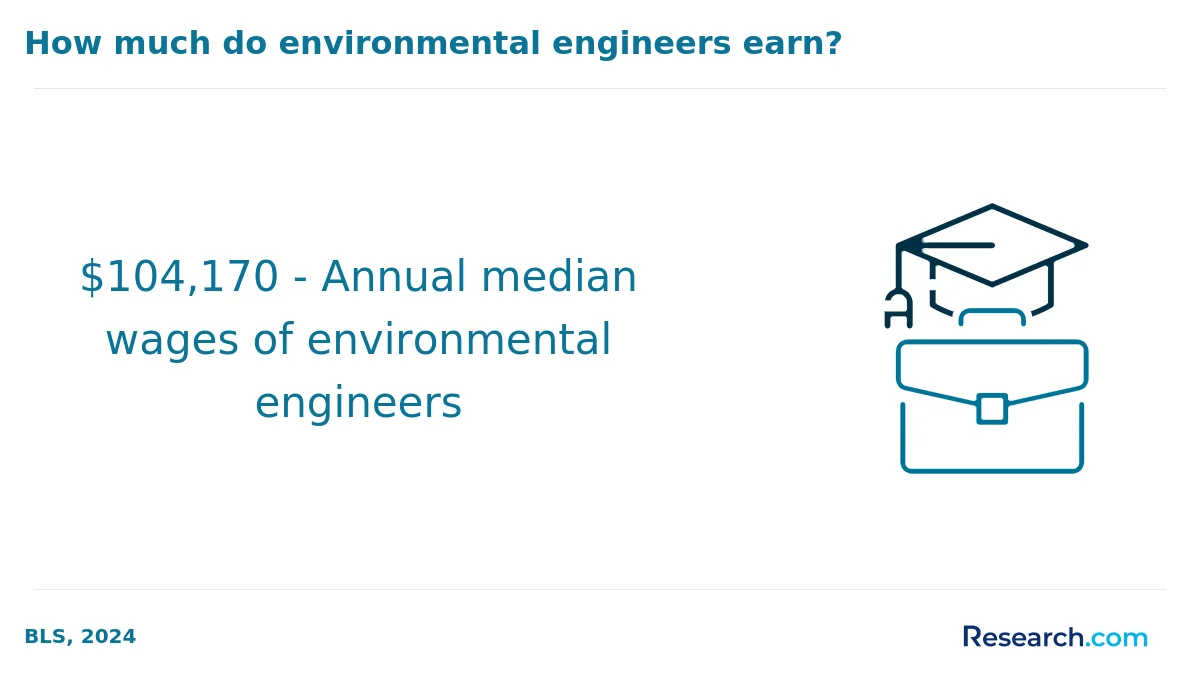
If you're earning an online environmental science degree in the Midwest, you've got a bunch of cool career paths ahead. Many grads from Midwest favorites like the University of Illinois or Michigan State find themselves becoming environmental scientists or specialists. They're out there in the field or lab, tracking pollution and brainstorming ways to protect the environment. Some jump into environmental consulting, helping local companies make sure they're following all the rules and staying green. It's a rewarding gig, especially in places where industries like agriculture and manufacturing are huge.
Public sector roles are another solid option. Think of working for state agencies or nonprofits, pushing for conservation and teaching communities why sustainability matters. Growing renewable energy projects in the region also open doors to energy management jobs, where grads get to coordinate wind and solar initiatives. Many students pursuing environmental science careers in the Midwest mention how practical their online degree is for these roles, blending real-world skills with flexible study. If you want to dive deeper into the science side, check out this environmental scientist school requirements to map your route.
If you're exploring online environmental science jobs Midwest, you'll find the outlook pretty bright thanks to growing demand for sustainability experts. Graduates from popular schools in the region, like the University of Illinois or Michigan State, often share how their online degrees open doors in government agencies, consulting firms, and even manufacturing where tackling water quality and soil issues is key.
Many grads find themselves working on exciting projects, like helping Midwestern cities improve green infrastructure or advising on wind energy's environmental impact. Since states like Ohio and Illinois are pushing stricter environmental regulations, there's a growing need for smart, adaptable professionals who know their stuff. Plus, an online degree offers flexibility, especially if you're balancing work and studies.
For those curious about what's out there in terms of work, checking out environmental careers can give you a great sense of the opportunities and skills in demand.
Midwest environmental science degree career outlook looks promising, especially if you're into blending tech skills like GIS with environmental policy. You can expect entry-level salaries between $45,000 and $60,000, which many graduates find a solid start after finishing their degree online from a regional institution.
2027 Easiest Online Environmental Science Degree Programs Ranking in the Midwest
Investing in your education is a significant decision that can shape your future, and the Research.com team understands the importance of making informed choices. To assist prospective students in the Midwest, we have meticulously crafted the "2027 Easiest Online Environmental Science Degree Programs Ranking in the Midwest." Our commitment to quality, credibility, and accuracy is reflected in the extensive research and analysis conducted to compile this ranking.
We utilized the following reputable data sources to ensure a comprehensive evaluation of environmental science programs:
By exploring this ranking, readers will gain valuable insights into the easiest online environmental science degrees in the Midwest, helping them find programs that best fit their educational needs and career goals. For more details on how this ranking was created, please visit our Research.com methodology page.




Frequently Asked Questions About environmental science
Online environmental science students in the Midwest can maximize their learning by engaging with regional environmental issues. Focusing on local ecosystems such as the Great Lakes and Midwestern prairies offers practical relevance. Universities like the University of Illinois and Ohio State provide access to faculty involved in area-specific research, enhancing student understanding.
Participating in virtual internships or remote fieldwork programs helps apply theory to real-world challenges, critical for career readiness. Utilizing resources from organizations like the Environmental Protection Agency's Midwest office can deepen contextual knowledge. Additionally, joining student groups and professional networks fosters collaboration and knowledge sharing, important for personal and academic growth.
Emerging niches within the environmental science field in the Midwest reflect the region's unique ecological challenges and economic priorities. One growing area is sustainable agriculture, focusing on reducing chemical usage and improving soil health to support the Midwest's vast farming industry. According to the U.S. Department of Agriculture, precision agriculture technologies are expected to grow by over 12% annually through 2027, creating demand for specialists.
Another important niche is water resource management. The Midwest faces significant issues with nutrient runoff and freshwater conservation, driving research and policy efforts. The Environmental Protection Agency highlights that nearly 20% of the nation's water bodies needing restoration are in this region.
Additionally, environmental data analysis and climate resilience planning are rapidly expanding fields. Universities in Illinois and Michigan, for example, are integrating GIS and remote sensing into their online environmental science curricula to meet workforce needs in these areas.
Preparing for the job market after earning an online environmental science degree in the Midwest involves several strategic steps. Graduates should seek internships or volunteer opportunities with local agencies such as the Environmental Protection Agency's regional offices or state environmental departments. These experiences enhance practical skills and professional networks.
Additionally, certification can improve employability; for example, the Board of Environmental Professional's Certified Environmental Scientist credential is well-regarded. According to the U.S. Bureau of Labor Statistics, environmental scientist jobs in the Midwest are projected to grow by 8% from 2022 to 2032, faster than average.
Networking through regional professional groups like the Midwest Environmental Education Association can also provide job leads and mentorship. Tailoring resumes to highlight analytical skills and regional environmental issues will help graduates stand out to employers.
Employers in the Midwest value environmental science graduates with strong analytical and problem-solving skills. These abilities help address regional challenges such as water resource management and agricultural sustainability. According to the U.S. Bureau of Labor Statistics, proficiency in data interpretation and geographic information systems (GIS) is increasingly requested in job listings.
Communication skills are also essential for professionals to explain complex scientific information to diverse audiences. Additionally, knowledge of state and federal environmental regulations improves a graduate's employability in the Midwest, where industries must comply with strict environmental laws.
Practical experience in fieldwork or laboratory settings strengthens a candidate's profile, as many employers seek graduates able to collect and analyze environmental data firsthand.
Finding internships in the Midwest relevant to an environmental science degree involves strategic research and networking. Start by exploring university career centers, even if you attend online. Many Midwest universities cooperate with local agencies and organizations, offering internships in environmental monitoring, conservation, or policy.
The Environmental Protection Agency (EPA) Region 5, serving the Midwest states, posts internship opportunities that focus on regional environmental issues such as water quality and air pollution. Additionally, organizations like The Nature Conservancy and local state departments often have seasonal and year-round positions.
LinkedIn and Handshake are useful platforms where Midwest-specific internships appear frequently. According to the National Association of Colleges and Employers, 60% of internships lead to job offers, highlighting their importance.
Networking at regional environmental conferences and joining professional groups such as the Midwest Environmental Education Association can also enhance internship prospects.
Online environmental science degrees in the Midwest significantly enhance career mobility and advancement opportunities. Many employers in this region value such degrees for their practical focus and flexibility, which aligns with evolving environmental policies and technologies.
Graduates often find roles in government agencies, consulting firms, and non-profits addressing water quality, conservation, and renewable energy. According to the U.S. Bureau of Labor Statistics, environmental scientist jobs in the Midwest grew by 8% from 2019 to 2029, faster than the national average.
Online programs also help professionals maintain employment while gaining new skills, leading to promotions or career shifts without geographic limitations. This flexibility is crucial in the diverse and expanding Midwest environmental sector.
Studying for an environmental science degree in the Midwest equips students with skills to work across disciplines such as biology, geology, and public policy. Many programs emphasize local ecological issues like Great Lakes conservation and agricultural sustainability, providing practical knowledge relevant to regional challenges.
Midwestern universities often collaborate with government agencies and industries, giving students hands-on experience in environmental assessments and regulatory compliance. According to the U.S. Bureau of Labor Statistics, environmental scientists in the Midwest often engage in community planning and environmental consulting, highlighting the demand for interdisciplinary expertise.
Students gain proficiency in data analysis, environmental law, and communication, preparing them to navigate complex projects that involve multiple stakeholders. This breadth of training increases employability in diverse roles related to environmental management and policy implementation.
When choosing between a thesis and a non-thesis online environmental science degree in the Midwest, consider your career goals and learning preferences. Thesis programs typically involve original research and a written dissertation, preparing students for doctoral studies or research-focused roles. Non-thesis options often emphasize coursework and practical skills, appealing to those seeking immediate employment or advancement in environmental agencies or consulting firms.
Midwestern universities with environmental science programs, such as the University of Minnesota and Michigan State University, offer both paths. According to the National Center for Education Statistics, about 40% of environmental science master's graduates in the Midwest choose thesis options, reflecting strong research engagement.
Financially, thesis programs may take longer and require additional advisor support, while non-thesis degrees usually finish faster.
Students based in the Midwest seeking to study environmental science abroad while enrolled in online degree programs have several pathways available. Many Midwestern universities offering environmental science degrees collaborate with international partners to provide study abroad options or virtual exchanges. For example, institutions like the University of Illinois and Michigan State University include global environmental studies components within their curricula.
According to the Institute of International Education, over 10,000 U.S. students participated in study abroad programs focused on environmental science fields in 2022, many from Midwestern states. These experiences often include research opportunities related to global ecosystems and sustainability efforts.
While fully online programs offer flexibility, students interested in abroad experiences should explore hybrid models or short-term international residencies that complement their online studies. This blend enhances global perspectives critical to addressing environmental challenges.
Part-time jobs that complement environmental science degrees in the Midwest often involve roles in conservation, research assistance, and environmental education. Positions such as field technician or lab assistant at state environmental agencies provide valuable hands-on experience. According to the U.S. Bureau of Labor Statistics, the Midwest shows steady growth in environmental scientist roles, which supports the availability of internships and part-time positions in government and non-profits.
Local parks and wildlife refuges often hire seasonal staff, offering opportunities to study ecosystems directly. Additionally, some companies in agriculture and renewable energy seek part-time workers knowledgeable in environmental impact, helping students apply theory to practice while earning income.
Online environmental science students in the Midwest benefit from various networking opportunities tailored to the region's academic and professional landscape. Many universities offer virtual meetups, webinars, and group projects that connect students with peers and faculty. According to the Environmental Careers Organization, Midwest students also gain access to local chapters of national societies like the Ecological Society of America, which hosts events and conferences frequently in Midwest cities such as Chicago and Minneapolis.
Students can join LinkedIn groups focused on Midwest environmental sectors, enabling connections with industry professionals. Regional job fairs and internships through universities provide practical networking too. These combined options foster strong local engagement despite remote study.
Alumni networks provide significant benefits to online environmental science degree students in the Midwest by offering valuable professional connections. These networks often include graduates working in regional agencies, nonprofits, and private environmental firms, facilitating mentorship and job placement opportunities.
Midwestern states like Illinois and Michigan have growing demand for environmental specialists, with job growth projected at 8% through 2030, according to the U.S. Bureau of Labor Statistics. Alumni connections help students navigate this competitive market effectively.
Additionally, many alumni participate in webinars and local events, sharing industry insights specific to Midwestern ecosystems, such as the Great Lakes region. This localized knowledge supports students' career development beyond the classroom.
Customizing an online environmental science degree in the Midwest often begins with selecting specific concentrations offered by regional universities. Common options include water resource management, sustainable agriculture, and environmental policy. Many programs allow students to choose electives aligned with their career goals, such as climate change mitigation or environmental data analysis.
Internships and research opportunities can also be tailored through partnerships with local agencies like the EPA's Midwest offices. According to the U.S. Bureau of Labor Statistics, environmental science jobs in the Midwest are projected to grow by 8% through 2030, emphasizing skills in GIS mapping and ecological restoration. Choosing relevant coursework helps prepare for these roles.
Furthermore, some schools support capstone projects focused on regional environmental issues, enabling practical experience. Finally, flexibility in part-time enrollment or accelerated tracks allows students to adapt studies to work schedules or career transitions, making online degrees a practical option in the Midwest.
Online environmental science students in the Midwest face several unique challenges. Limited access to local fieldwork opportunities is common, as many programs require hands-on experience with regional ecosystems, which can be difficult to coordinate remotely. Connectivity issues in rural areas also impact participation, with the FCC reporting that about 17% of Midwestern residents lack high-speed internet. Balancing coursework with work or family demands remains a significant hurdle, especially for adult learners. Additionally, students sometimes struggle with finding internships locally due to fewer environmental agencies compared to coastal regions. These factors collectively shape the learning experience for Midwest online students.
With an online environmental science degree from a Midwestern institution, you can qualify for several key professional certifications that enhance your career prospects. Common certifications include the Certified Environmental Scientist (CES) credential offered by the National Association of Environmental Professionals (NAEP).
Another valuable credential is the Certified Hazardous Materials Manager (CHMM), recognized nationally and relevant to industries in the Midwest with manufacturing and agriculture sectors. The region's focus on water quality also makes the Water Treatment Operator certification appealing for graduates.
These certifications often require a combination of degree credentials, professional experience, and passing a formal exam. According to the U.S. Bureau of Labor Statistics, environmental scientist jobs are projected to grow 8% through 2031, making these certifications advantageous for securing roles.
When applying to an online environmental science program in the Midwest, a clear, well-organized application is essential. Start by highlighting your academic background, especially in biology, chemistry, or geography, showing readiness for science coursework. Midwest institutions often value practical experience, so include internships, volunteer work, or jobs related to conservation or sustainability.
Emphasize your interest in regional environmental issues like Great Lakes water quality or local renewable energy efforts. According to the U.S. Bureau of Labor Statistics, environmental science jobs in the Midwest are expected to grow by 8% through 2030, reinforcing the value of relevant experience.
Strong letters of recommendation and a personal statement explaining your commitment to environmental science can strengthen your application.
Environmental science careers are increasingly valued worldwide due to global challenges like climate change and resource management. In the United States, including the Midwest, professionals with environmental science degrees are crucial for developing sustainable policies and technologies. According to the U.S. Bureau of Labor Statistics, employment in environmental science is projected to grow by 8% from 2022 to 2032, faster than the average for all occupations.
The Midwest has unique environmental issues such as agriculture sustainability and water quality, offering specialized career opportunities. Graduates with online degrees often work in research, conservation, and regulatory roles with local and international impacts.
Globally, environmental science experts collaborate to address issues that transcend borders, making such careers highly relevant and dynamic for students in the Midwest seeking online education options.
Gaining practical experience while pursuing an online environmental science degree in the Midwest is essential to complement academic knowledge. Many Midwestern universities collaborate with local environmental organizations and government agencies to offer internship opportunities, even for remote students. For example, students can engage in projects with the Environmental Protection Agency's regional offices or state departments of natural resources.
Fieldwork options, such as working in conservation areas or conducting water quality assessments, are sometimes arranged during short campus visits or local partnerships. Additionally, some programs incorporate virtual labs and simulation tools to build hands-on skills.
According to the U.S. Bureau of Labor Statistics, internships increase job placement rates by up to 20% in this sector, highlighting their importance in career readiness.
Choosing the right concentration in an online environmental science degree program in the Midwest depends largely on your career goals and regional environmental challenges. Popular concentrations include water resources, renewable energy, and conservation biology, reflecting the Midwest's focus on agriculture, Great Lakes preservation, and sustainable energy.
Consider data from the U.S. Bureau of Labor Statistics, which projects a 5-8% growth in environmental science jobs through 2032, especially in water management and environmental compliance roles common in states like Illinois and Michigan.
Research specific program curricula and internships to align your expertise with Midwest industry demands.
- Environmental Education Programs in Higher Education | eePRO https://eepro.naaee.org/learning/higher-education-database
- 2025 Most Affordable Online Environmental Science Degrees https://www.onlineu.com/most-affordable-colleges/environmental-science-degrees
- Environmental Science (M.S.) Non-Thesis Track https://www.towson.edu/fcsm/departments/environsci/grad/science/non-thesis-track.html
- Top Trending Research Topics in Environmental Science - Agriculture Journal IJOEAR Blog https://ijoear.com/blog/top-trending-research-topics-in-environmental-science
- CES - Certified Environmental Scientist https://www.nrep.org/certifications/certified-environmental-scientist-ces
- Explore Environmental Career Profiles | ECO Canada https://eco.ca/career-profiles-index/
- Environmental Scientist Cover Letter Examples https://www.careerfaqs.com.au/careers/resumes-cover-letters/environmental-scientist-cover-letter-example
- Environmental Science Courses & Degrees https://www.open.edu.au/study-online/science/environmental-science
- The Biggest Environmental Problems Of 2021 https://earth.org/the-biggest-environmental-problems-of-our-lifetime/
- How to Find Entry Level Jobs with an Environmental Science Degree https://facs.com/blog/how-to-find-entry-level-jobs-with-an-environmental-science-degree/