2027 Most Valuable Online Environmental Science Degree Programs Ranking in the South

Co-Founder and Chief Data Scientist
Choosing the right environmental science degree program can feel overwhelming, especially with so many options available online. To help you navigate this important decision, the Research.com team of data scientists has created the 2027 Most Valuable Online Environmental Science Degree Programs Ranking in the South.
This article highlights the best programs that offer strong career potential and quality education tailored for students in the South. By exploring these top choices, you'll gain valuable insight to confidently pursue a degree that aligns with your passion for the environment and your future goals.
Investing in your education is a meaningful step toward making a positive impact on the world and your life.
Key benefits of getting online environmental science degree in the South
- Environmental science graduates in the South can expect rewarding careers with average salaries for related jobs often ranging between $50,000 and $70,000 annually, offering strong financial stability and growth potential.
- Graduates from Southern universities like the University of Florida frequently pursue careers in environmental consulting, wildlife management, and sustainability, highlighting diverse and impactful opportunities in the field.
- Completing an environmental science degree online, as many students do at institutions such as Appalachian State University, provides flexibility to balance work and study while gaining the same respected credentials as traditional programs.
- 2027 Most Valuable Online Environmental Science Degree Programs Ranking in the South
- What can I expect from online environmental science degree in the South?
- Where can I work with online environmental science degree in the South?
What can I expect from online environmental science degree in the South?
The average cost of an online environmental science degree in the South can vary widely depending on the institution and program level, often ranging from $15,000 to $40,000 for a bachelor's degree. Graduates from universities like the University of Florida or Texas A&M note that tuition affordability was a key factor in their choice, allowing them to balance work and family commitments while pursuing their studies without excessive financial stress.
Some students express satisfaction with financial aid options and flexible payment plans offered by Southern schools, which make earning a degree feel achievable despite upfront costs. However, others highlight that additional expenses-such as technology fees or required software for GIS courses-can add to overall costs and should not be overlooked.
While tuition is an essential consideration, many graduates emphasize the value of accredited programs that combine rigorous coursework with practical learning. They appreciate how schools in the South address regional environmental challenges, which enhances the relevance of their education and, ultimately, their career prospects in local industries or government roles focused on conservation and sustainability.
Where can I work with online environmental science degree in the South?
Graduates with an online environmental science degree from well-known Southern institutions often find diverse employment opportunities across government, private, nonprofit, and academic sectors. For example, those studying at universities recognized in the region report landing roles within state environmental agencies that focus on monitoring coastal wetlands or managing water quality-critical issues in states like Florida and Georgia. The appeal of working for agencies such as the EPA or state natural resource departments lies in the direct impact on regional ecosystems, which many graduates find deeply rewarding.
Others have pursued careers in consulting firms supporting industries prevalent in Texas and North Carolina, such as energy or manufacturing, helping companies comply with environmental regulations. The hands-on experience of balancing economic development with sustainability resonates strongly with many graduates.
Nonprofit organizations dedicated to wildlife conservation and clean energy advocacy also attract graduates passionate about local environmental challenges like habitat loss or coastal erosion. Finally, those interested in research often collaborate with Southern universities engaged in climate change and biodiversity studies, highlighting the value of advanced degrees in opening specialized career paths.
Graduates who earn an online environmental science degree in the South typically see starting salaries ranging from $45,000 to $55,000, depending on where they live and work. For instance, graduates from respected programs in Southern universities often begin their careers in cities like Houston or Atlanta, where environmental consulting firms and energy companies offer competitive wages closer to the upper limit of this range.
Mid-career environmental scientists in the region may earn between $65,000 and $85,000, particularly if they acquire additional certifications or specialize in areas like sustainability or environmental policy. This aligns with reports showing Texas professionals averaging about $72,000 annually, while Florida's averages near $68,000. Experienced specialists in North Carolina can command salaries up to $80,000, reflecting both demand and the diversity of environmental sectors.
Graduates highlight how metropolitan locations tend to offer better pay and growth opportunities compared to more rural Southern areas. These real-world salary ranges illustrate a promising outlook for environmental science careers in this part of the country, especially when combined with relevant experience and advanced skills.
- Tuition for online environmental science degrees in Southern public universities ranges from $6,000 to $12,000 per year for in-state students.
- Out-of-state tuition is higher, typically between $15,000 and $25,000 annually, but some schools offer reduced or waived fees for online programs.
- Entry-level salaries for environmental science graduates in the South start at around $45,000 per year, with mid-career earnings rising to $60,000-$75,000.
- The job market in the South is strong due to industries like agriculture, energy, forestry, and coastal management requiring environmental expertise.
- Many programs are accredited by regional bodies such as SACSCOC and provide flexible options for working or non-traditional students.
- Online degrees often include virtual labs and local partnerships to offer practical experience needed for fieldwork in Southern ecosystems.
Completing an online environmental science degree in the South generally spans from two to four years, yet individual experiences reveal important nuances. For example, graduates from well-known Southern universities like the University of Florida or North Carolina State emphasize how full-time enrollment typically aligns with the traditional four-year timeline for bachelor's degrees. However, many also share that accelerated programs available at institutions such as Clemson University enable completion in three years or less, creating a sense of encouragement for busy students seeking efficiency.
Associate degrees offered at Southern community colleges often take about two years, appealing to those who want to enter the workforce quickly or later transition to a bachelor's program. Graduate students, especially those balancing work and studies at places like the University of South Carolina, often appreciate flexible part-time options, which can extend the time to about three years but reduce stress and increase satisfaction.
Factors like transfer credits and enrollment status greatly influence these timelines. Graduates commonly report that practical support services and flexible online course structures in the South helped them stay motivated and on track despite life's challenges.
Online and on-campus environmental science degrees in the South differ notably in structure and experience, affecting how students engage with their studies. Graduates from institutions like the University of Florida often emphasize the value of hands-on learning through fieldwork and lab sessions, which foster teamwork and real-world skills that on-campus programs naturally provide.
On the other hand, students pursuing online degrees value the flexibility that allows them to balance jobs, family, and study, especially in rural Southern areas where commuting to research universities like North Carolina State University may be impractical. These students often engage through virtual labs and local field assignments, leveraging geospatial technology to gain practical experience without relocating.
While both formats cover essential topics like ecology and GIS, the learning environment shapes interaction and networking opportunities. Some find online study less immersive but appreciate the accessibility and convenience, especially given the Southeast's growing demand for environmental science professionals. Ultimately, choices hinge on individual needs for practical exposure versus flexible learning schedules.
The average cost of an online environmental science degree in the South varies notably depending on residency status and institution type. Data shows that in-state students at public universities often incur a median total cost around $28,962, making these programs relatively affordable for regional residents. Out-of-state students, however, face significantly higher expenses, with median costs reaching approximately $53,496. These figures underscore the value of establishing residency or seeking public institutions to access more affordable online environmental science programs southern US residents find appealing.
Graduates from schools like Texas A&M University and the University of Florida often share positive reflections about balancing quality education with manageable costs. Their experiences illustrate that pursuing an environmental science degree online can be both a financially sound and fulfilling decision, especially when scholarships or employer assistance reduce net expenses. It is worth noting that while private universities generally have steeper price tags, their resources and networking opportunities sometimes justify the investment for certain students.
Understanding these costs in the context of real-life decisions is crucial. Many students leverage the flexibility of online learning from reputable programs to continue working and maintain family commitments, adding practical value beyond tuition figures. For those considering pathways that integrate sustainability and environmental science, exploring a sustainability bachelor degree might also offer relevant alternatives with comparable costs.
Students pursuing an online environmental science degree in the South often rely on a mix of financial aid that reflects the region's diverse educational landscape. For instance, graduates from the University of Florida have reported that federal aid-via FAFSA-is a dependable starting point, unlocking Pell Grants that can cover significant portions of tuition. Yet, the variability in in-state tuition, typically between $7,000 and $12,000 annually, means some supplement federal aid with state scholarships such as Florida's Bright Futures Scholarship or Texas's Tuition Equalization Grant when studying at universities like Texas A&M.
Many Southern universities also offer their own scholarships that recognize academic achievement and passion for environmental issues. Graduates from schools like the University of North Carolina mention how these institution-specific awards, though sometimes modest, provided crucial relief while encouraging their continued commitment to sustainability.
Moreover, environmental science students often benefit from scholarships offered by professional groups and local nonprofits focused on regional environmental challenges, creating a tangible connection between academic learning and community impact. Employer tuition assistance further broadens access, especially for those working in industries like renewable energy or agriculture. This multilayered financial aid environment underscores the importance of exploring all options rather than assuming a single source will suffice.
To enroll in an online environmental science degree program in the South, students typically need a high school diploma or GED, combined with strong performance in science and math courses like biology, chemistry, and algebra. Graduates from Southern institutions such as the University of Florida or Texas A&M often highlight how this foundation helped them grasp complex environmental concepts early on, making their transition to online learning smoother and more engaging.
Many universities in states like Georgia and North Carolina ask for a minimum GPA around 2.5 to 3.0, though exact requirements vary. Some programs remain test-optional, reflecting a more holistic admissions approach. Successful applicants often submit personal statements or recommendation letters that demonstrate genuine passion and relevant experience, like internships focused on conservation or sustainability, which Southern students find motivating and validating.
For graduate studies, the bar rises: a bachelor's degree in related fields such as biology or earth science with a solid GPA-often 3.0 or higher-is expected. Some graduate candidates appreciate when schools waive GRE requirements, acknowledging that professional experience sometimes speaks louder. These prerequisites ensure students are prepared for interdisciplinary challenges while feeling supported in their academic journey through respected Southern programs.
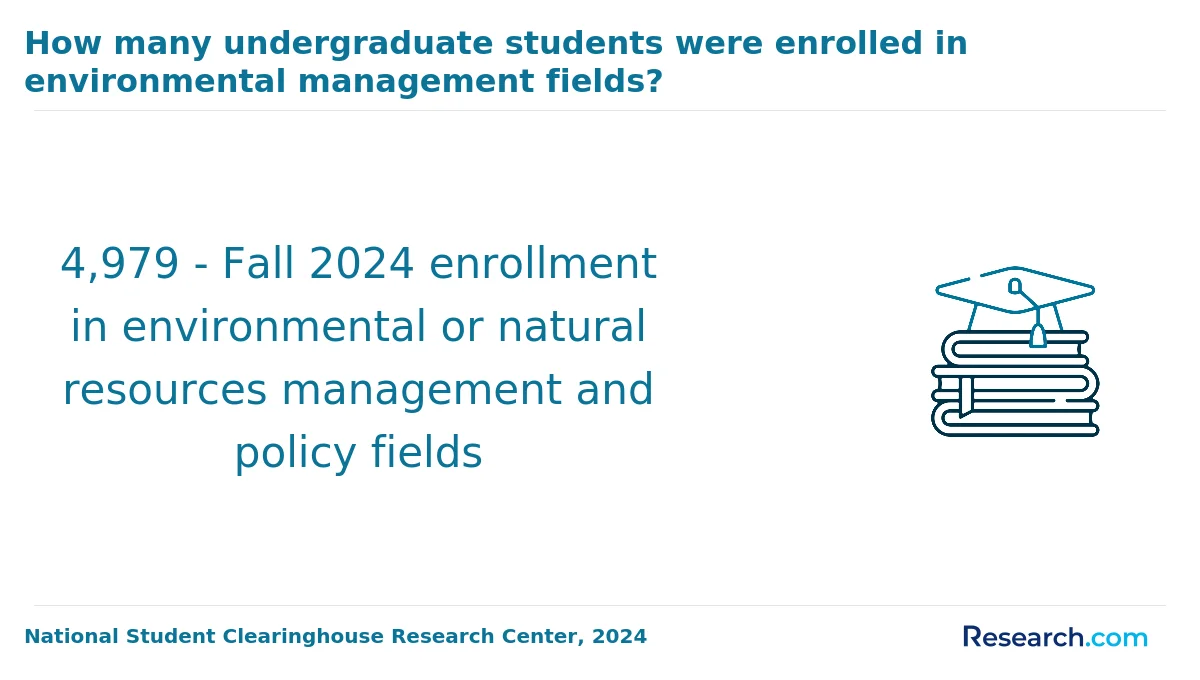
Online environmental science degrees in the South typically include courses focused on ecology, biology, chemistry, and earth science, forming a well-rounded scientific base. Graduates from popular regional institutions often reflect on how studying ecological principles helped them better understand the complex interactions within Gulf Coast wetlands or Appalachian forests, making the learning feel immediately relevant and engaging.
Courses in environmental policy and management are also central, addressing unique regional challenges such as coastal preservation laws in Florida or sustainable forestry in Georgia. Students appreciate these classes for their direct connection to local industry and regulatory environments, which many find motivating and practical for future careers.
Additional topics often include environmental statistics, GIS mapping, soil science, and hydrology. For example, students describe how skills gained in GIS coursework enabled them to visualize land use changes after hurricanes in Texas, linking theory to real-world environmental impacts.
Ethics and communication courses round out the experience, helping students from Southern universities build the confidence needed for community engagement and environmental advocacy in their home regions.
Online environmental science degree specializations in the South typically address the region's unique ecological and economic demands through a variety of focused tracks. Graduates from universities known for strong environmental science programs in the South often highlight their deep engagement with Environmental Policy and Management, which equips them to navigate the complex regulatory landscapes tied to energy production and agriculture prevalent in the region. Others find Conservation Biology and Wildlife Management particularly rewarding, as it allows them to work on preserving the South's rich biodiversity amid urban expansion and climate pressures.
Students frequently appreciate how South region environmental science online program tracks integrate applied skills, such as Environmental Engineering and Technology, which targets pollution and waste challenges common in Southern industries. Another popular area is Water Resources and Hydrology, where learners confront real-life issues like droughts and flooding that directly affect local communities. Renewable Energy and Sustainability specialization excites those eager to contribute to the South's evolving green energy economy. Many find these options enhance career readiness without extra tuition, according to the cheapest online environmental science programs.
Choosing the best online environmental science degree in the South involves balancing several factors beyond just reputation. Graduates from popular Southern universities often highlight the importance of programs that address local ecosystems, such as coastal wetlands or Appalachian forestry, providing practical skills tied to regional challenges. Flexibility is a key consideration-many find that programs offering asynchronous coursework alongside interactive labs or fieldwork opportunities fit better with busy schedules.
Affordability remains critical, especially for residents who benefit from in-state tuition at public universities, making affordable environmental science programs Southern US more accessible. Yet, looking solely at tuition can mislead; careful students review total costs including fees and materials, just as graduates advise. Accreditation by agencies like SACSCOC ensures quality and eligibility for federal aid, as seen in successful alumni who value these assurances.
When assessing curriculum relevance, consider whether the degree includes up-to-date GIS training and environmental policy courses that reflect current job market needs. To explore comprehensive options, prospective students might consult online environmental science degree programs that align with their goals and regional context.
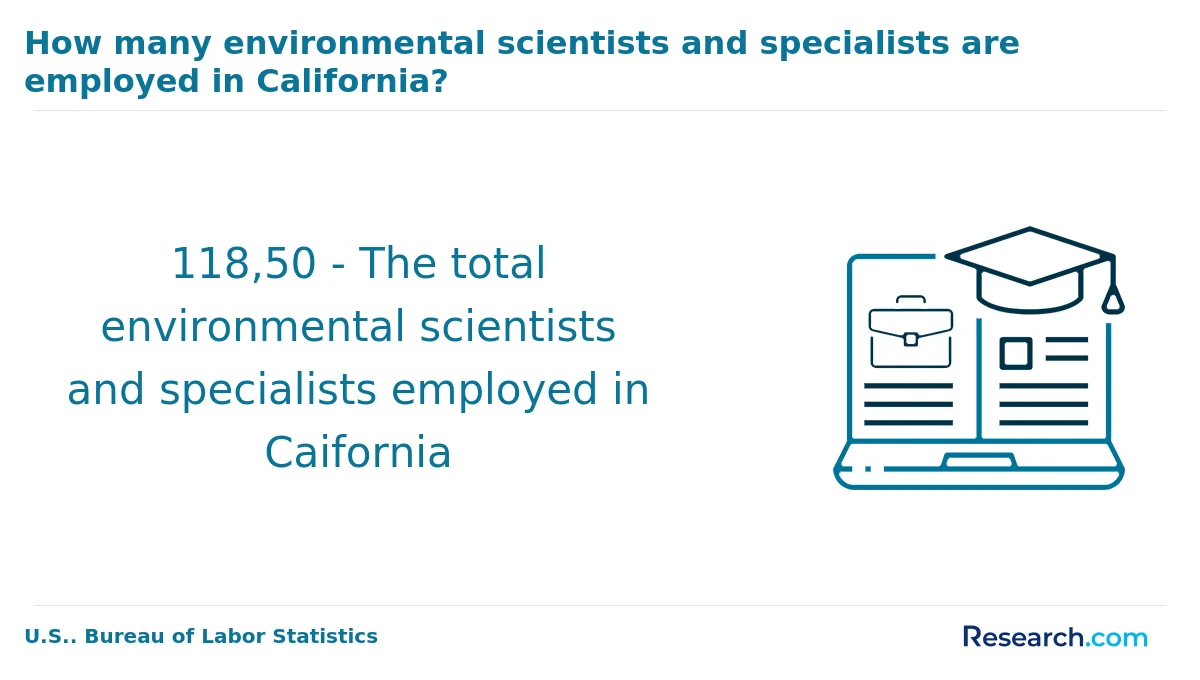
Graduates of online environmental science degrees in the South encounter diverse career paths shaped by the region's unique ecosystems and economic fabric. Many find roles in government agencies where they serve as environmental compliance specialists or natural resource managers, addressing concerns in coastal wetlands or forest conservation. For example, graduates from universities known for strong environmental programs often report rewarding experiences working in state agencies in Florida or Texas, states noted for high employment in this sector.
Others pursue private sector opportunities within agriculture, energy, or construction industries, taking on roles as environmental consultants or analysts to help companies meet evolving regulations. These positions appeal to graduates interested in applied science and compliance monitoring, reflecting the practical side of environmental science careers in the South. The increasing focus on sustainability invites careers extending into fields like renewable energy development, where the expanding solar and wind industries provide emerging job markets.
Nonprofits focusing on conservation and public education also employ graduates as outreach coordinators or policy analysts. This path attracts those motivated by community impact and ecological preservation, especially in sensitive areas such as the Gulf Coast. Some graduates explore leadership roles by learning how to become chief sustainability officer, blending environmental knowledge with business acumen.
Understanding these varied job opportunities for online environmental science graduates Southern US helps prospective students align their career goals with real-world prospects. While salaries may vary due to regional cost-of-living differences, the balanced mix of public, private, and nonprofit roles underscores the degree's versatility and regional relevance.
Graduates of online environmental science degrees in the South find a job market shaped by the region's unique environmental challenges and economic priorities. The job outlook for environmental science graduates Southern US reflects steady growth in sectors like renewable energy and government environmental agencies, especially in states such as Texas and Florida, where coastal and agricultural issues demand specialized expertise. Graduates from prominent Southern universities report rewarding experiences working on projects addressing local concerns like water management and air quality, which positions them well for careers in both public and private sectors.
The demand in online environmental science careers in the South is supported by a larger trend toward sustainability, yet students are advised to consider how regional differences affect opportunities. For example, some may find more openings in environmental consulting firms in urban centers, while others engage with nonprofit conservation efforts in rural areas. Flexible online programs often help students balance education with practical experience, improving employability.
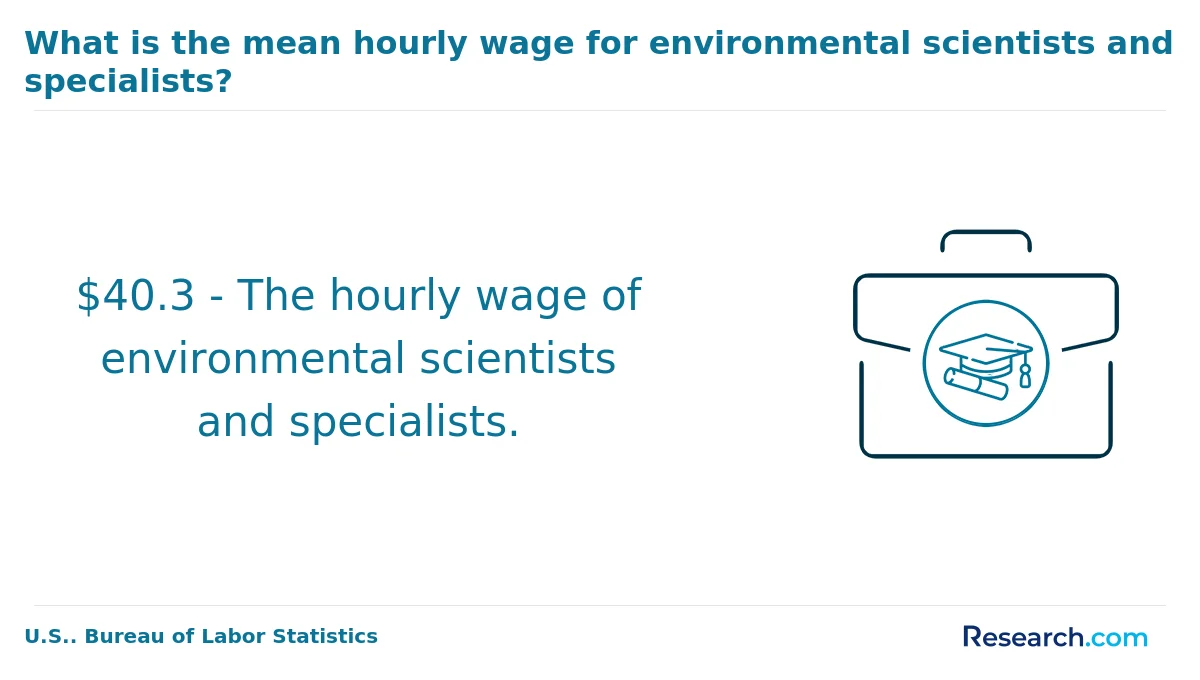
Financially, salary prospects typically range between $55,000 and $75,000 annually, making the investment in an online degree appealing. Those seeking to advance further may explore options like the fastest mba in environmental management online to enhance leadership skills within environmental fields.
2027 Most Valuable Online Environmental Science Degree Programs Ranking in the South
Investing in your education is a significant decision that can shape your future, and the Research.com team understands the importance of making informed choices. To support prospective students interested in environmental science, we have meticulously crafted the "2027 Most Valuable Online Environmental Science Degree Programs Ranking in the South." Our commitment to quality, credibility, and accuracy is reflected in the extensive research and analysis conducted to compile this ranking. We utilized the following reputable data sources to ensure a comprehensive evaluation of online environmental science programs:
By exploring this ranking, readers will gain valuable insights into the most valuable online environmental science degree programs in the South, helping them make well-informed decisions about their educational paths. For more details on our methodology, please visit our Research.com methodology page.

# 2 position
Louisiana State University and Agricultural & Mechanical College
Master of Environmental Sciences


# 6 position
Western Kentucky University
Master of Social Responsibility and Sustainable Communities

# 7 position
Texas Tech University
Master of Environmental Sustainability and Natural Resource Management

# 8 position
Western Kentucky University
Bachelor of Health Science (Environmental Health Science concentration)

# 10 position
University of Maryland Global Campus
Master of Environmental Management

Frequently Asked Questions About environmental science
Students pursuing online environmental science degrees in the South can enhance their learning by actively engaging with regional environmental issues. Incorporating state-specific case studies, such as coastal erosion in Louisiana or air quality challenges in Texas, provides practical context. Utilizing resources offered by Southern research institutions like the University of Florida's Institute of Food and Agricultural Sciences strengthens academic understanding and networking.
Another strategy is participating in virtual internships and community projects focused on Southern ecosystems. According to the Southern Environmental Law Center, hands-on experience boosts career prospects in this field. Additionally, students should leverage online forums and webinars hosted by organizations like the Southeastern Environmental Education Alliance to stay updated on local policy changes and innovations.
The environmental science field is expanding into several emerging niches that reflect growing regional and national concerns. In the South, climate resilience and sustainability are garnering attention due to the area's vulnerability to hurricanes and rising sea levels. Coastal restoration, including wetland and estuary management, is a critical focus supported by institutions like the University of South Florida.
Another niche gaining momentum is environmental data science, where experts use big data to analyze pollution, biodiversity, and resource management. The integration of GIS (Geographic Information Systems) technology is especially prominent in Southern universities offering online degrees.
Additionally, renewable energy development, particularly bioenergy and solar power, is rising in importance. According to the U.S. Energy Information Administration, Southern states have seen a 15% increase in solar capacity since 2020, influencing education pathways. These specialties align well with online environmental science programs tailored for Southern students.
After earning an online environmental science degree in the South, it is essential to build a strong professional network to access job opportunities. Joining regional organizations such as the Southern Environmental Law Center or local chapters of the American Society of Environmental Scientists can help graduates connect with employers.
Internships and volunteer work remain crucial. Many Southern states offer environmental internships through government agencies like the EPA's Southern Regional Office, which provides practical experience and enhances resumes.
Graduates should also consider obtaining certifications like the Certified Environmental Professional (CEP) to increase their marketability.
According to the Bureau of Labor Statistics, environmental scientist jobs in the South are projected to grow about 8% over the next decade, signaling positive prospects.
Employers in the South seeking environmental science graduates prioritize a combination of technical expertise and practical skills. Proficiency in Geographic Information Systems (GIS) is highly valued, as nearly 70% of environmental roles involve spatial data analysis, according to the U.S. Bureau of Labor Statistics. Analytical skills are essential for interpreting environmental data and conducting field research effectively.
Communication skills also rank highly, enabling graduates to present complex findings to diverse audiences. Knowledge of local environmental regulations and sustainability practices specific to Southern states is increasingly important, particularly in industries such as energy, agriculture, and conservation.
Additionally, employers favor candidates with experience in environmental impact assessments and project management, reflecting a growing demand in both public and private sectors.
Finding internships in the South relevant to an environmental science degree involves research and networking. Many state agencies, such as the Texas Commission on Environmental Quality and the Florida Department of Environmental Protection, offer internship programs focused on water management, wildlife conservation, and pollution control.
Universities with strong environmental programs often post internship opportunities online. For example, institutions like the University of Georgia and North Carolina State University collaborate with local organizations on research projects.
Professional associations like the Southern Environmental Law Center provide listings and networking events that can connect students with internships.
Using resources such as the U.S. Environmental Protection Agency's student portal can also help identify federal internships available in southern states.
Obtaining an online environmental science degree significantly enhances career mobility in the South, where demand for environmental experts is growing. According to the U.S. Bureau of Labor Statistics, the Southeast expects a 6% increase in environmental science jobs by 2031. Online degrees offer flexibility, allowing professionals to balance work and study, a crucial factor for career advancement.
Graduates with such degrees qualify for roles in state agencies, consulting firms, and nonprofit organizations focused on environmental protection and resource management. Professional certification opportunities also increase, further boosting promotion prospects.
Flexible learning options make skill updating easier, which is important in a region facing unique environmental challenges such as coastal erosion and urban development.
Studying for an environmental science degree online in the South offers a distinctive interdisciplinary approach to learning. Southern institutions often integrate coursework in biology, chemistry, policy, and geography, reflecting the region's diverse ecosystems from wetlands to coastal areas. This blend prepares students to tackle complex environmental challenges requiring knowledge across multiple fields.
Programs emphasize practical skills like data analysis and environmental impact assessment, which are critical for roles in conservation, urban planning, and public health. According to the Southern Regional Education Board, 65% of environmental science graduates in the South work in roles involving policy and science collaboration.
This interdisciplinary training aligns with workforce demands, equipping graduates to collaborate effectively with experts in various sectors.
Choosing between a thesis and a non-thesis environmental science degree in the South depends on your career goals and learning style. Thesis programs emphasize research, requiring original investigation and a formal document. They suit students aiming for doctoral studies or research-based jobs. Non-thesis programs focus more on coursework and practical skills, ideal for professionals targeting immediate entry into environmental agencies or industry roles.
In Southern states, universities like the University of Florida and North Carolina State University offer both options. According to the Southern Association of Colleges and Schools, over 60% of environmental science graduate students opt for non-thesis tracks, valuing quicker completion.
Consider program length, funding opportunities, and faculty expertise as well. Online thesis options may demand more self-motivation due to remote research coordination.
Students based in the South who wish to study environmental science abroad have several options through U.S. institutions offering online and hybrid programs with international components. Many Southern universities partner with foreign universities to provide study-abroad opportunities integrated into online degrees. For example, some programs allow students to complete virtual internships or research projects focused on global environmental issues.
While fully online environmental science degrees in the South typically follow U.S. accreditation standards, students can often access exchange programs or fieldwork in regions like Europe or Latin America. According to the Southern Association of Colleges and Schools Commission on Colleges (SACSCOC), these arrangements ensure quality and credit transfer.
Additionally, organizations like the National Science Foundation report increased funding for cross-border environmental research, enabling Southern students to engage in global practica without relocating permanently. This approach benefits those constrained by travel or budget limits, expanding access to international perspectives in environmental science.
Part-time job opportunities in the South that complement environmental science degrees often focus on fieldwork, research assistance, and sustainability efforts. Many students find roles in local conservation agencies, such as state parks or wildlife reserves, where they apply ecological knowledge directly. According to the U.S. Bureau of Labor Statistics, the South's growing environmental sector also supports jobs in environmental consulting firms and non-profit organizations focused on climate resilience.
Positions like lab technician assistants, GIS mapping interns, and data collectors offer practical experience aligned with online coursework. The Southeast's focus on coastal management and renewable energy means local employers value hands-on involvement during studies.
Online environmental science students in the South benefit from strong regional networking opportunities supported by universities and professional organizations. Many Southern schools host virtual career fairs, webinars, and alumni meetups tailored specifically for environmental fields.
Professional groups like the South Atlantic Environmental Association and chapters of the National Association of Environmental Professionals provide access to local events and job listings. According to the U.S. Bureau of Labor Statistics, the South recorded a 6% growth in environmental science jobs between 2020 and 2030, highlighting a demand for skilled professionals.
Students can connect with regional experts through internships promoted by Southern universities, fostering practical experience and professional relationships.
Alumni networks play a crucial role in supporting online environmental science degree students in the South. These networks offer access to professional connections within regional industries such as energy, conservation, and agriculture, sectors vital to the Southern US economy. According to the National Environmental Education Foundation, strong networks improve job placement rates by up to 20%. Alumni can mentor current students, provide internship opportunities, and share industry insights specific to Southern environmental challenges like coastal erosion and water management.
Graduates benefit from events and webinars hosted by alumni groups, helping them stay updated on local regulatory changes and technological advances.
Customizing an online environmental science degree program in the South allows students to align their education with specific career goals. Many Southern universities offer elective courses and concentrations, such as water resource management, environmental policy, or sustainable agriculture. These options help students develop skills tailored to local industries like energy, forestry, and coastal management, which are prominent in the region.
Students often can choose between applied research projects or internships with regional environmental organizations, enhancing practical experience.
According to the Southern Regional Education Board, over 60% of environmental science bachelor's programs nationwide offer flexible course choices, supporting such customization to meet career objectives.
Coursework combined with local fieldwork opportunities can significantly boost employability in sectors growing across the South.
Online environmental science students in the South often face connectivity issues, especially in rural areas where broadband access remains limited. According to the Federal Communications Commission, about 22% of rural residents in Southern states lack high-speed internet, which can impede participation in live lectures and timely submission of assignments.
Another challenge is access to hands-on laboratory experience, which is crucial for environmental science. Many Southern online programs try to address this with virtual labs, but students sometimes find them less effective compared to in-person experiments.
Additionally, balancing work, family, and study commitments is a common struggle cited in surveys by the Southern Regional Education Board, emphasizing the need for flexible course schedules.
With an online environmental science degree, graduates in the South can pursue several respected professional certifications to enhance their careers. One common option is the Certified Environmental Scientist (CES) credential, offered by the National Association of Environmental Professionals. This certification demonstrates expertise in environmental regulations, assessment, and management.
Additionally, the South's abundant natural resources create demand for Certified Hazardous Materials Managers (CHMM), focusing on safe handling and disposal of hazardous substances. The Board of Certified Safety Professionals awards this credential.
Other useful certifications include the Geographic Information Systems Professional (GISP), valuable for spatial data analysis in environmental projects.
These certifications often require work experience and passing an exam, boosting job prospects in government agencies, consulting firms, and industry across the Southern states.
Writing a winning application for an online environmental science program in the South requires careful preparation. First, highlight your academic background, especially courses in biology, chemistry, or geography, as these are foundational for environmental studies. Admissions committees often seek applicants with strong STEM skills. Including relevant work or volunteer experience related to environmental issues in Southern states, such as conservation efforts or climate resilience projects, can strengthen your application.
Make sure your personal statement clearly explains your motivation for studying environmental science online and why you chose a Southern institution. According to the Southern Regional Education Board (SREB), programs emphasizing regional environmental challenges, like coastal erosion or wetlands preservation, are common. You should mention interest in these local issues if applicable.
Letters of recommendation from professors or professionals familiar with your capabilities are critical.
Finally, demonstrate familiarity with key environmental policies or recent developments affecting the South to reflect informed commitment.
The global outlook on an environmental science career reflects growing demand as climate issues intensify worldwide. Professionals with expertise in sustainability, conservation, and environmental policy are increasingly sought after in both government and private sectors.
In the United States, particularly in the South, employment for environmental scientists is projected to grow by 8% from 2022 to 2032, according to the U.S. Bureau of Labor Statistics. This growth aligns with global efforts to address environmental challenges such as climate change and resource management.
Internationally, environmental science careers often emphasize collaboration on cross-border issues like air and water quality, with many U.S.-trained professionals contributing to global research and policy development.
Online degrees in the South can prepare students to join this worldwide network, offering skills relevant both domestically and internationally.
Gaining practical experience while pursuing an online environmental science degree in the South is essential for career readiness. Many Southern universities partner with local government agencies, environmental organizations, and businesses to offer internships and cooperative education (co-op) programs. These opportunities allow students to work on real-world projects related to wetlands conservation, forestry, or coastal management, all critical areas in the region.
Students can also participate in service-learning projects or independent field studies supervised by faculty. In addition, programs often facilitate virtual labs and data analysis exercises using regional environmental data. The Southern Regional Education Board highlights that hands-on experience increases job placement rates by over 20% for environmental science graduates in the area.
Choosing the right concentration in an online environmental science degree program in the South begins with considering your career goals and the region's environmental challenges. The South faces unique issues like coastal erosion, water management, and biodiversity loss, making concentrations in marine science, environmental policy, or natural resource management highly relevant.
Look for programs that align with Southern environmental priorities and offer internships or research opportunities in local ecosystems. According to the Southern Regional Education Board, environmental science jobs in this region are expected to grow by 8% through 2030, especially in conservation and sustainability fields.
Review faculty expertise and course content to ensure they cover topics that interest you most, such as climate adaptation or energy resources.
- Environmental Science Internships | Intern Abroad HQ https://www.internhq.com/industries/environmental-sciences/
- How to Become an Environmental Scientist: 8 Steps to Success - Prereqcourses https://www.prereqcourses.com/environmental-scientist/
- Strong Programs in Environmental Studies https://toptieradmissions.com/strong-programs-in-environmental-studies/
- Careers in Environmental Science? Learn About Environmental Science Jobs https://facs.com/blog/careers-in-environmental-science-learn-about-environmental-science-jobs/
- Alumni Put Environmental Science Degrees to Work at Chesapeake Watershed Initiative https://www.fandm.edu/stories/alumni-put-environmental-science-degrees-to-work.html
- Top Trending Research Topics in Environmental Science - Agriculture Journal IJOEAR Blog https://ijoear.com/blog/top-trending-research-topics-in-environmental-science
- CES - Certified Environmental Scientist https://www.nrep.org/certifications/certified-environmental-scientist-ces
- How Study Abroad Benefits Environmental Science Majors | Maximo Nivel https://maximonivel.com/study-abroad-environmental-science/
- 5 Powerful Skills That Make Switching to a Green Career Surprisingly Easy https://www.jobsinecology.co.uk/resources/blog/2025/08/5-powerful-skills-that-make-switching-to-a-green-career-surprisingly-easy/
- Application Letter to Master's Program in Environmental Science in Germany https://essayforum.com/letters/application-master-program-environmental-86188/