2027 Most Valuable Online Environmental Science Degree Programs Ranking in the Midwest

Co-Founder and Chief Data Scientist
Choosing the right environmental science degree program can be a big decision, especially for students in the Midwest. This article introduces the 2027 Most Valuable Online Environmental Science Degree Programs Ranking in the Midwest, created by the Research.com team of data scientists to guide you through the best options available.
By exploring this ranking, you'll gain valuable insights to help you make an informed choice about your education path. Earning an environmental science degree opens doors to meaningful careers that contribute to a healthier planet.
Discover programs that align with your goals and passions while preparing for a rewarding future.
Key benefits of getting online environmental science degree in the Midwest
- Environmental science graduates in the Midwest can expect salaries around $60,000 to $75,000 annually, reflecting strong demand for sustainability and conservation roles.
- An example graduate from the University of Michigan found diverse career paths, including environmental consulting, wildlife management, and policy development, offering exciting opportunities across industries.
- Online degrees from institutions like Minnesota State University provide flexible learning schedules and lower costs, helping students balance work and study while achieving respected credentials.
- 2027 Most Valuable Online Environmental Science Degree Programs Ranking in the Midwest
- What can I expect from online environmental science degree in the Midwest?
- Where can I work with online environmental science degree in the Midwest?
What can I expect from online environmental science degree in the Midwest?
The average cost of an online environmental science degree in the Midwest typically ranges between $15,000 and $40,000 for a bachelor's program, depending on whether you choose a public state university or a private college. Graduates from well-known institutions in Illinois, Michigan, and Ohio often recount how their flexible, affordable programs allowed them to balance work and study while deepening their understanding of regional challenges like Great Lakes water quality or sustainable agriculture.
Many programs offer in-state tuition discounts that make earning a degree more accessible, especially for Midwestern residents. For instance, students at popular state universities find that the investment feels manageable when they consider scholarships, financial aid, and employer tuition reimbursement. These students often share how the cost was outweighed by practical advantages, such as gaining expertise in local environmental policies and building networks with regional industries.
Choosing the right program means weighing affordability against valuable features like asynchronous classes and faculty expertise in Midwestern ecosystems. Graduates frequently express satisfaction knowing their degree equips them for careers in environmental consulting or natural resource management within their communities, making the financial commitment worthwhile and inspiring.
Where can I work with online environmental science degree in the Midwest?
With an online environmental science degree in the Midwest, doors open to careers where your work drives real-world change. Graduates from universities like the University of Illinois or Michigan State often find fulfilling roles in state agencies, such as the Illinois Environmental Protection Agency, monitoring pollution and shaping policies that protect the Great Lakes and local ecosystems.
Many alumni land jobs in environmental consulting firms based in Chicago or Minneapolis, where they assess how development projects impact natural habitats and help companies meet tough environmental regulations. Imagine collaborating on renewable energy initiatives or improving sustainability in agriculture, all while contributing to the health of your community.
Nonprofit organizations dedicated to conservation also seek motivated individuals to run field research and engage communities around preserving native habitats. Some graduates even join research centers, like the U.S. Geological Survey's Great Lakes Science Center, helping to study climate change effects firsthand. This degree equips you to step confidently into roles where passion meets impact.
Graduates of online environmental science programs in the Midwest can expect promising salary ranges that reflect both their growing expertise and the region's economic landscape. Although specific salary data from the Bureau of Labor Statistics is not available by job title for this field, typical starting salaries in states like Illinois, Ohio, and Michigan fall between $45,000 and $55,000. Many graduates from well-regarded schools like the University of Illinois or Michigan State University report that gaining relevant experience and certifications can quickly push their earnings higher.
Mid-career professionals often see salaries in the $65,000 to $85,000 range. For example, former graduates working as sustainability coordinators or environmental compliance specialists share how their incomes grew alongside their ability to manage projects tackling pollution control and sustainable resource use in manufacturing hubs. Senior environmental scientists and managers can earn upwards of $90,000, especially when employed by regional government agencies or large agribusiness firms.
Online students who actively build relevant credentials like the Certified Environmental Scientist (CES) designation find those investments substantially boost their earning potential over time. The Midwest's demand for environmental expertise offers a rewarding career path both financially and in making a tangible difference within communities.
- Online environmental science bachelor's degrees in the Midwest typically cost between $12,000 and $30,000, with public universities offering lower tuition especially for in-state students.
- Entry-level salaries for graduates start around $45,000 per year, increasing to approximately $65,000 to $75,000 with experience.
- The job market in the Midwest for environmental science roles is expected to grow by about 8% through 2030, which is above the national average.
- Many online programs include coursework in ecology, environmental policy, GIS technology, and sustainability practices relevant to the Midwest.
- Accredited programs with strong ties to local environmental organizations offer valuable internship and job placement opportunities.
Completing an online environmental science degree in the Midwest typically takes about four years for full-time students, mirroring the experience of many graduates from reputable schools like the University of Illinois or Michigan State University. These students often balance engaging coursework with practical projects addressing regional environmental concerns such as local water quality and agricultural sustainability.
Part-time learners at institutions like Iowa State University often stretch their studies to six or eight years, managing their courses alongside busy work and family lives. This flexibility allows them to stay motivated without feeling overwhelmed.
Some Midwest universities offer accelerated options that let driven students finish in as little as three years. These programs involve extra summer classes or heavier semester course loads, requiring dedication but rewarding students with faster entry into their careers.
Master's degrees, frequently pursued online by adults seeking advancement, usually take around two years full-time, giving graduates a robust understanding of environmental challenges to actively inspire change in their communities.
Choosing between online and on-campus environmental science degrees in the Midwest means embracing different learning worlds. Graduates from the University of Wisconsin-Madison often share how hands-on lab work and local conservation projects on campus deepened their connection to nature and boosted their confidence in real-world problem solving. That face-to-face interaction with professors and peers creates a vibrant, immersive experience that's hard to replicate.
Meanwhile, graduates from Ohio State University's online programs celebrate the flexibility that lets them study around demanding jobs or family life. Though virtual labs and local internships replace campus labs, these students find innovative ways to gain practical skills without sacrificing personal responsibilities. This adaptable format opens doors for those in rural or remote Midwest areas.
Both paths uphold rigorous accreditation and deliver solid knowledge in ecosystems and sustainability. The choice simply hinges on how you want to blend education with your day-to-day life-whether through energetic campus collaboration or focused, self-paced digital learning.
The average cost of an online environmental science degree in the Midwest is approximately $26,160, making it a reasonably accessible option for students committed to advancing their environmental knowledge. Many graduates from public universities across the Midwest share how this investment helped them pursue fulfilling careers without overwhelming debt. For example, students at well-regarded institutions often find that their tuition fees align well with their financial planning, especially when combined with additional financial aid opportunities.
When considering online environmental science tuition fees Midwest residents often benefit from in-state rates, which can substantially reduce costs compared to out-of-state tuition. Some universities in the region, known for their flexible online programs, offer competitive fees and provide valuable resources that emulate the on-campus experience, bolstering student confidence as they progress through their degrees.
Beyond tuition, it's common for students to factor in expenses such as textbooks and software, but wise budgeting and scholarships can ease these burdens. Many alumni recall how financial aid played a critical role in making their education affordable, allowing them to focus on their passion for environmental studies and sustainability.
Embracing an online pathway from Midwest institutions opens doors to exciting environmental management and sustainability jobs, and it's encouraging to know support is available to help offset costs while preparing for these impactful careers. Exploring official resources and university websites will provide clarity on tuition and aid options, helping you map out a realistic plan to achieve your degree goals.
When pursuing an online environmental science degree in the Midwest, financial aid is often within reach and can make your journey much smoother. Many students from schools like the University of Illinois and Michigan State University have tapped into federal aid through FAFSA, unlocking Pell Grants that relieve financial stress without requiring repayment. This support is especially reassuring for those balancing work and study.
State grants also play a crucial role-residents of Illinois, Ohio, or Michigan frequently benefit from programs designed to support students committed to addressing local environmental challenges. Imagine a student from Ohio relying on such grants while focusing on sustainable agriculture in the region.
Institutional scholarships from your chosen university often provide merit- or need-based awards, sometimes in partnership with environmental agencies. Graduates recall how these scholarships fueled their passion for conservation without burdening their finances.
Additionally, employers in environmental fields might offer tuition assistance-perfect for working professionals eager to advance their careers.
Private scholarships via foundations dedicated to environmental education bring further opportunities, making education affordable and inspiring hope for a greener future.
To embark on your journey into an online environmental science degree in the Midwest, you'll first need a high school diploma or GED, often coupled with a GPA around 2.5 to 3.0. This foundation helped many graduates from well-known Midwest institutions, like those at the University of Wisconsin or Ohio State University, succeed by ensuring they were ready for college-level challenges.
Some programs might ask for SAT or ACT scores, but many popular Midwest online programs have moved toward test-optional admissions. This flexibility makes it easier for passionate students to focus on their goals without extra pressure.
Strong backgrounds in math and science are essential. Imagine yourself confidently tackling courses in algebra, biology, and chemistry-all prerequisites at schools such as the University of Iowa-preparing you for real-world environmental problem-solving.
If you're aiming for graduate-level studies, a bachelor's degree in a related field and a solid GPA around 3.0 will open doors. Multiple graduates attest how these requirements built their confidence and grounded their knowledge before diving into advanced online coursework.
Students pursuing online environmental science degrees in the Midwest often engage deeply with courses like Environmental Chemistry and Ecology, which illuminate how chemical reactions affect local ecosystems and the delicate balance of Midwestern habitats. Graduates from respected institutions in the region share how studying Geology and Earth Systems Science helped them appreciate the soil and water interactions that shape their communities.
Environmental Policy and Law classes prepare learners to navigate the complex regulations protecting the Midwest's environment, such as the Clean Water Act. Many find this empowering, realizing they can directly influence policies in states like Illinois or Minnesota.
Statistics and Research Methods provide essential skills for analyzing real-world data, while Geographic Information Systems (GIS) courses turn abstract numbers into maps that visualize land-use changes. These practical tools often inspire students, making their work feel impactful.
Electives like Sustainable Agriculture and Climate Change Science bring relevance to regional challenges, fostering a passionate connection between coursework and the environment students aim to protect.
When exploring an online environmental science degree in the Midwest, you'll find a wealth of specializations tailored to the region's unique environmental landscape. Graduates from popular universities in states like Michigan and Wisconsin often highlight the natural resource management track, where they engage with hands-on case studies on forest and water conservation. This specialization feels deeply rewarding, especially as you apply techniques to preserve the Midwest's rich agricultural lands and diverse wildlife habitats.
Another common focus is environmental policy and regulation. Many students discover their passion advising on state and federal compliance, inspired by the industrial and farming contexts around them. If you're interested in this path, it's worth checking out environmental policy degrees which prepare you for impactful roles in advocacy and government agencies.
Students also gravitate toward sustainability and renewable energy, embracing the region's growing investments in wind and bioenergy projects. Studying these specializations at Midwest colleges can spark genuine excitement, knowing you're contributing to cleaner energy futures that will shape local communities for decades.
Other avenues include environmental chemistry and geospatial analysis, which sharpen skills in pollution control and GIS technology-valuable tools for environmental consulting careers. These focused areas embody the true diversity found in online environmental science degree specializations Midwest schools offer, allowing you to align your passion with practical, in-demand expertise.
When choosing the best online environmental science degree in the Midwest, start by confirming the program's accreditation, especially from regional bodies like the Higher Learning Commission. Graduates from well-regarded Midwestern universities often share how this guaranteed quality opened doors to meaningful internships and research projects that aligned perfectly with their career goals.
Affordability is crucial too. Many students praise affordable online environmental science programs Midwest, noting that public institutions often offer competitive tuition and sometimes in-state rates for online learners. This financial ease allows them to focus more on mastering topics like ecology and sustainability rather than stressing over debt.
Look for programs offering curriculum flexibility and strong faculty support. Graduates recount how accessible professors and virtual labs helped them balance work and study while gaining hands-on experience. Networking opportunities tied to local environmental agencies also made a vital difference in their job placements after graduation.
Exploring career outcomes is essential. For example, many graduates leveraged career services that connect students to the growing regional environmental field, enhancing their chances for success. To understand potential career paths, consider researching environmental science major jobs that align with your passion.
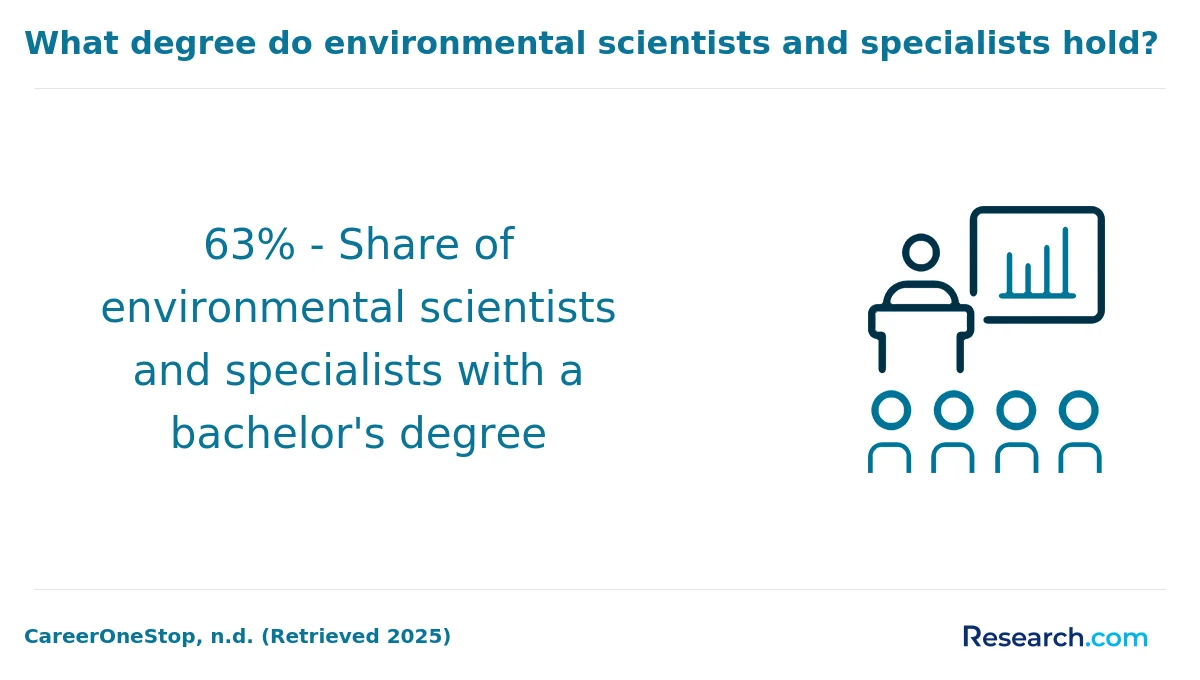
Graduates with an online environmental science degree in the Midwest find diverse and rewarding career paths that align closely with the region's unique ecosystems and industries. Many step into roles as environmental scientists or specialists, applying their knowledge to protect the Great Lakes or aid agricultural sustainability-two major Midwest concerns. Several graduates from popular colleges in the region have shared how working as natural resource managers or environmental consultants gave them hands-on opportunities to influence real-world conservation projects.
Others pursuing online environmental science careers Midwest often join government agencies like the EPA or become environmental educators, inspiring communities to adopt sustainable practices. The practical skills gained, such as data analysis and environmental law, make it possible to work as GIS analysts or safety specialists in Midwest manufacturing and farming sectors.
For those wondering about long-term prospects, advancing your education can boost earning potential and open doors to leadership roles, as many graduates from renowned programs in the Midwest have discovered firsthand. For a clear picture of the environmental science salary with masters, exploring advanced degrees is highly worthwhile.
The job market for online environmental science degree graduates in the Midwest is thriving, fueled by growing attention to sustainability across states like Illinois, Ohio, and Michigan. Graduates from popular regional schools often share how they quickly found meaningful roles in environmental consulting firms or government agencies handling water quality and air pollution issues, thanks to hands-on skills gained through their studies. The Midwest job outlook environmental science degree reminds us that diverse ecosystems and agriculture demands create a steady need for experts who understand environmental regulations and data analysis.
Many online environmental science careers Midwest are supported by employers valuing the flexibility and rigor of remote learning, especially from accredited institutions. Graduates often highlight how they balanced work, life, and education while preparing for careers in renewable energy companies and conservation NGOs. Understanding the environmental biologist skills needed becomes a key advantage in landing these roles and contributing to regional environmental projects.
2027 Most Valuable Online Environmental Science Degree Programs Ranking in the Midwest
Investing in your education is a significant decision that can shape your future, and the Research.com team understands the importance of making informed choices. To assist prospective students, we have meticulously crafted the "2027 Most Valuable Online Environmental Science Degree Programs Ranking in the Midwest." Our commitment to quality, credibility, and accuracy is reflected in the extensive research and analysis conducted to compile this ranking.
We utilized the following reputable data sources to ensure a comprehensive evaluation of environmental science programs:
By exploring this ranking, readers will gain valuable insights into the most valuable online environmental science degree programs in the Midwest, enabling them to make well-informed decisions about their educational paths. For more details on our methodology, please visit our Research.com methodology page.
# 1 position
University of Illinois at Urbana-Champaign
Master of Natural Resources and Environmental Sciences





Frequently Asked Questions About environmental science
Online environmental science students in the Midwest can enhance their learning by actively engaging with local ecosystems through virtual labs and regional case studies. Midwest states like Illinois and Minnesota offer unique environmental challenges, including Great Lakes water quality and agricultural land management, which provide practical contexts for study. Students should leverage resources such as university partnerships with local conservation agencies to access internships or volunteer opportunities.
Joining online study groups and professional organizations, like the Midwest Environmental Education Alliance, can also expand networking and career prospects. Time management and regular communication with instructors are essential for success in asynchronous courses.
According to the U.S. Bureau of Labor Statistics, environmental science jobs in the Midwest are projected to grow by 8% through 2029, making hands-on and local knowledge especially valuable.
The environmental science field is rapidly evolving, with new niches emerging that reflect current ecological challenges and technological advances. In the Midwest, one notable growth area is sustainable agriculture, addressing soil health and water conservation crucial to the region's vast farmland. According to the U.S. Department of Agriculture, precision agriculture technologies are increasingly integrated to reduce environmental impact.
Another emerging niche is environmental data analytics, where professionals use big data and GIS tools to assess pollution patterns and climate change effects on the Great Lakes. Workforce projections from the Bureau of Labor Statistics indicate a 15% growth in environmental analyst roles by 2030, particularly in urban Midwest areas.
Additionally, clean energy development, especially bioenergy and wind power, is expanding due to Midwest policy incentives aimed at reducing carbon emissions. These niches offer exciting career paths for students pursuing online environmental science degrees in the region.
Graduates with an online environmental science degree in the Midwest should focus on practical experience to strengthen their job prospects. Internships and volunteer opportunities with state agencies, non-profits, or local environmental firms provide hands-on skills valued by employers. Networking through regional organizations like the Midwest Environmental Education Association can open doors to job leads.
Midwest environmental science jobs often require familiarity with regional issues such as water quality and agricultural impacts. According to the U.S. Bureau of Labor Statistics, environmental scientists in this region earn a median annual wage of around $70,000, highlighting the competitive nature of the field. Pursuing certifications like the Certified Environmental Professional (CEP) may enhance credentials.
Strong communication and data analysis skills are in demand, so graduates should consider supplemental courses or workshops. Utilizing university career services for resume reviews and interview preparation also boosts employment chances in this evolving sector.
Employers in the Midwest seeking environmental science degree graduates prioritize a mix of technical and interpersonal skills. Strong analytical abilities are essential, enabling graduates to interpret data related to air and water quality, as agencies like the Illinois Environmental Protection Agency highlight the importance of data-driven decisions. Proficiency in Geographic Information System (GIS) software is frequently requested, reflecting the region's focus on land and resource management.
Communication skills also rank highly, as professionals must write clear reports and collaborate with diverse stakeholders. Understanding regional environmental regulations is critical, especially with evolving policies in states like Michigan and Ohio. Practical experience through internships or research is increasingly valued by employers in the Midwest's competitive job market.
Finding internships in the Midwest for environmental science students involves targeting organizations focused on regional ecological issues like agriculture, water quality, and conservation. Many states in the Midwest, such as Illinois and Michigan, offer internship opportunities through their Departments of Natural Resources or Environmental Protection Agencies. Universities often collaborate with local government and private firms to provide placements. Additionally, professional groups like the Midwest Environmental Education Association list internships on their websites.
Students should also explore federal opportunities via the Environmental Protection Agency's Great Lakes Program, which frequently offers paid internships in this region.
Utilizing university career centers and online databases like Handshake can help locate relevant positions. Networking through local environmental conferences and LinkedIn groups focused on Midwestern ecology may increase chances of securing internships. According to the U.S. Bureau of Labor Statistics, environmental science employment in the Midwest is projected to grow by about 8% through 2030, underscoring expanding opportunities.
Online environmental science degrees offer significant career mobility and advancement opportunities in the Midwest. Graduates often qualify for diverse roles in government agencies, non-profits, and private sectors focused on natural resource management, pollution control, and sustainability.
The U.S. Bureau of Labor Statistics projects a 5% growth in environmental science jobs through 2031, with increased demand in Midwestern industries like agriculture and manufacturing. Employers value the technical skills and regulatory knowledge gained through accredited online programs.
Many Midwestern states, including Illinois and Ohio, require continuing education and certifications for career progression, which online degrees facilitate through flexible scheduling. This flexibility allows working professionals to upskill without interrupting employment.
Studying environmental science online in the Midwest prepares students for interdisciplinary roles by integrating diverse fields such as biology, chemistry, geography, and policy. Midwest programs often emphasize regional issues like agricultural sustainability, water resource management, and climate change impacts unique to the Great Lakes and Midwest ecosystems.
Many universities collaborate with local industries and government agencies, providing students real-world data and practical applications. According to the Midwest Environmental Education Association, this hands-on approach enhances skills in data analysis, environmental law, and community planning.
This interdisciplinary training equips graduates to work effectively across sectors in environmental consulting, public health, and natural resource management.
Choosing between a thesis and a non-thesis environmental science degree program in the Midwest depends largely on your career goals and learning preferences. Thesis programs emphasize research, requiring students to conduct original studies, which is ideal if you plan to pursue a Ph.D. or work in scientific research. Non-thesis options focus more on coursework and practical skills, suitable for professionals aiming to enter industry or government roles quickly.
Midwestern universities often offer both to accommodate varied interests. For example, the University of Michigan reports that about 60% of its environmental science graduates complete a thesis, reflecting a strong research emphasis in the region. Always check each program's curriculum and faculty expertise before deciding.
Students in the Midwest interested in studying environmental science abroad often face limited direct options through online degree programs that are internationally based. Most US universities offering online environmental science degrees focus on domestic campuses, including Midwestern institutions like the University of Illinois and Michigan State University. However, many Midwestern schools have partnerships or exchange agreements that allow students to participate in study abroad programs during in-person semesters.
For online learners, studying environmental science with an international focus usually involves choosing programs that incorporate global case studies or virtual collaborations rather than physical overseas study. According to the National Center for Education Statistics, fewer than 15% of environmental science undergraduates from Midwestern schools engage in formal study abroad experiences, reflecting the program structures and geographic preferences typical in the region.
Students pursuing online environmental science degrees in the Midwest can benefit from part-time jobs that provide practical experience and complement their studies. Roles such as environmental technician assistants, research interns, or field survey aides allow students to apply classroom knowledge in real-world settings. According to the U.S. Bureau of Labor Statistics (2023), these positions often pay between $15 and $22 per hour and are frequently available through local government agencies, environmental consulting firms, and universities.
Jobs assisting in water quality testing, wildlife conservation projects, and data analysis are common in states like Michigan, Illinois, and Wisconsin. These opportunities help build skills in GIS mapping, laboratory techniques, and regulatory compliance.
Additionally, environmental education roles at nature centers or NGOs provide valuable communication and outreach experience, which is crucial for many careers in this field.
Online environmental science students in the Midwest benefit from numerous networking opportunities through regional professional organizations such as the Midwest Environmental Education Association (MEEA) and state chapters of the Society of Environmental Toxicology and Chemistry (SETAC). These groups often host virtual and hybrid events, including conferences, webinars, and workshops, allowing students to connect with industry experts and peers.
Midwestern universities also facilitate networking via online student forums, alumni groups, and local internships. For example, the Great Lakes region, a hub for environmental research, offers access to specialized networks focusing on water quality and conservation.
Moreover, LinkedIn and other professional platforms enable students to join Midwestern environmental groups, expanding their chances for mentorship and job leads.
Alumni networks play a crucial role for students pursuing online environmental science degrees in the Midwest. These networks offer valuable connections that can lead to internships, job opportunities, and mentorship. Given that the Midwest hosts numerous environmental agencies and organizations, such as the Environmental Law & Policy Center based in Chicago, alumni can help students tap into this regional job market.
Research from the National Association of Colleges and Employers (NACE) shows that 70% of jobs are found through networking, highlighting alumni importance. Midwest graduates in environmental science benefit from professionals who understand local environmental challenges, from agricultural impacts in Iowa to water quality issues in the Great Lakes.
Additionally, alumni groups often share regional job fairs and workshops, keeping students informed and competitive. This support strengthens student success beyond the virtual classroom by fostering real-world engagement in Midwest environmental sectors.
Customizing your online environmental science degree in the Midwest allows you to align your studies with specific career goals. Many universities offer elective courses focusing on areas like natural resource management, environmental policy, or renewable energy. This flexibility helps you build expertise relevant to local industries such as agriculture, manufacturing, and conservation.
Some programs also provide opportunities for virtual internships or partnerships with regional organizations. According to the U.S. Bureau of Labor Statistics, environmental science jobs are expected to grow 8% by 2031, particularly in the Midwest's expanding green technology sector.
Choosing a school with strong ties to Midwestern environmental agencies can enhance networking and job placement prospects.
Online environmental science students in the Midwest often face limited access to in-person lab work, which is crucial for hands-on experience. While many programs offer virtual labs, students report challenges in fully replicating field studies remotely. Additionally, the region's variable internet connectivity can affect live class participation and access to resources, especially in rural areas.
Another challenge includes balancing coursework with work or family obligations, as many online learners are adult students juggling multiple responsibilities. According to the National Center for Education Statistics, about 30% of online students in the Midwest are part-time, which can extend degree completion times.
Finally, students may encounter fewer regional internship or networking opportunities compared to those on campus. Finding local, relevant environmental organizations for practical experience requires extra effort and initiative.
Graduates with an online environmental science degree in the Midwest can pursue several professional certifications to enhance their career prospects. Common certifications include the Certified Environmental Scientist (CES) credential offered by the National Association of Environmental Professionals (NAEP). This certification demonstrates expertise in environmental regulations and sustainable practices. Another key option is the Registered Environmental Manager (REM) certification, which is recognized in industries across the region.
Many employers in Midwestern states value certifications that focus on local issues such as water resource management and soil conservation. According to the U.S. Bureau of Labor Statistics, environmental science jobs in the Midwest are projected to grow by 8% from 2022 to 2032, highlighting the importance of certification in securing competitive roles.
To write a winning application for an online environmental science program in the Midwest, focus on showcasing relevant academic background and practical experience. Midwestern programs often value candidates who have completed coursework in biology, chemistry, or geography. Highlight any volunteer work or internships related to sustainability or conservation, as these demonstrate commitment.
Strong letters of recommendation from professors or professionals in environmental fields can significantly boost your application. Also, clearly articulate your career goals and how the program supports them, as admissions committees look for motivated students.
According to the U.S. Department of Education, about 30% of applicants to online environmental programs successfully emphasize their regional knowledge, which is a plus in Midwestern schools.
The global outlook on environmental science careers highlights the increasing demand for professionals who can address climate change, natural resource management, and sustainable development. In the United States, including the Midwest, the Bureau of Labor Statistics projects a 5% growth in environmental science jobs from 2021 to 2031. This steady growth reflects worldwide recognition of environmental challenges.
Midwestern states like Illinois and Michigan, home to large agricultural and manufacturing sectors, particularly benefit from environmental experts skilled in pollution control and renewable energy.
Globally, the integration of technology and data analytics in environmental science opens new career paths, emphasizing the importance of interdisciplinary knowledge.
Students pursuing online environmental science degrees in the Midwest can capitalize on these trends, gaining skills relevant both locally and internationally.
Gaining practical experience while studying for an online environmental science degree in the Midwest is essential for building job-ready skills. Many programs encourage internships with state agencies like the Illinois Environmental Protection Agency or local conservation groups. These opportunities often support remote work or hybrid formats, fitting online students' schedules.
Additionally, online learners can engage in virtual labs and simulations offered by universities. Some schools partner with organizations such as the U.S. Environmental Protection Agency's Great Lakes National Program Office, providing region-specific projects. According to a 2023 report from the Midwest Environmental Education Association, more than 65% of environmental science students completed internships that enhanced career prospects.
Volunteering on regional conservation initiatives is another practical option to gain hands-on skills while studying.
Choosing the right concentration within an online environmental science degree in the Midwest involves understanding your career goals and the regional environmental issues. Popular Midwest concentrations include water resources, agriculture, and renewable energy, reflecting the region's economic focus and ecosystem challenges.
Research from the U.S. Bureau of Labor Statistics highlights growth in natural resource management jobs by 8% through 2032, especially in states like Illinois and Michigan. Concentrations aligned with these trends can offer better job prospects.
Additionally, consider programs accredited by agencies such as ABET or recognized by professional groups like the National Environmental Health Association, ensuring quality and industry relevance.
- How to Find Entry Level Jobs with an Environmental Science Degree https://facs.com/blog/how-to-find-entry-level-jobs-with-an-environmental-science-degree/
- Environmental Certifications for entry-level and career changers https://www.theenvironmentalcareercoach.com/certification-links
- How to Become an Environmental Scientist: 8 Steps to Success - Prereqcourses https://www.prereqcourses.com/environmental-scientist/
- Bachelor of Arts in Environmental Studies | Batten University Online https://online.batten.edu/undergraduate/bachelor-of-arts-environmental-studies
- Environmental Science Courses & Degrees https://www.open.edu.au/study-online/science/environmental-science
- Bachelor of Science (Honours) in Environmental Science and Climate https://www.overseaseducationlane.com/study-in-ireland/tus-midlands-midwest-649/bachelor-of-science-honours-in-environmental-science-and-climate-7269
- Graduate Schemes and Internships - Green Jobs for Nature https://greenjobsfornature.org/get-that-green-job/graduate-schemes-and-internships/
- SEEDS Summer 2026 Internships | TREES DLA https://www.trees-dla.ac.uk/seeds-summer-2026-internships
- CES - Certified Environmental Scientist https://www.nrep.org/certifications/certified-environmental-scientist-ces
- Partnerships | Wolf Ridge Environmental Learning Center https://wolf-ridge.org/about/partnerships/