2027 Easiest Online Environmental Science Degree Programs Ranking in Alabama

Co-Founder and Chief Data Scientist
Choosing the right online environmental science degree program can be challenging, especially from Alabama. This article introduces the 2027 Easiest Online Environmental Science Degree Programs Ranking in Alabama, developed by the Research.com team of data scientists. It aims to guide you through the best options available, making your decision easier and well-informed.
With an environmental science degree, you're stepping into a field that offers meaningful work and growing opportunities. Explore this ranking to find a program that matches your goals and lifestyle.
Key benefits of getting online environmental science degree in Alabama
- Environmental science graduates in Alabama often pursue roles such as environmental scientists and specialists, with a national average salary around $73,000 annually, offering strong earning potential in a meaningful career.
- Graduates from the University of Alabama have accessed diverse career paths in conservation, environmental consulting, and governmental agencies, showcasing a variety of opportunities to make a positive impact locally and beyond.
- Completing an environmental science degree online through institutions like Auburn University provides flexible schedules and cost savings, making education more accessible without sacrificing quality or career readiness.
- 2027 Easiest Online Environmental Science Degree Programs Ranking in Alabama
- What can I expect from online environmental science degree in Alabama?
- Where can I work with online environmental science degree in Alabama?
What can I expect from online environmental science degree in Alabama?
The average cost of an online environmental science degree in Alabama varies depending on the institution, but students typically spend between $10,000 and $25,000 for a bachelor's program. Public universities, known for their affordability and strong regional reputations, often offer lower tuition rates, making them accessible to many Alabama residents. Graduates from these universities often share how the balance between cost and quality eased their financial concerns while providing comprehensive education in subjects like local ecosystem management and environmental policy.
Private colleges may charge higher tuition, yet they frequently offer robust financial aid packages and scholarships tailored for in-state online learners. Alumni report that investing in such programs felt worthwhile due to personalized academic advising and career placement support focused on Alabama's environmental workforce.
Practical learning components, such as virtual labs and internships coordinated locally, add value beyond tuition costs. Students find that affordable pricing combined with hands-on experience creates a rewarding and manageable path to a career dedicated to preserving Alabama's unique natural environments.
Where can I work with online environmental science degree in Alabama?
Graduates with an online environmental science degree in Alabama find diverse employment opportunities across government, industry, academia, and non-profit sectors. Many secure roles with agencies like the Alabama Department of Environmental Management or regional offices of the U.S. Environmental Protection Agency, where they engage in pollution monitoring, regulatory compliance, and environmental quality management. Such positions offer graduates a meaningful way to impact state policies and community health.
Alabama's energy sector employs environmental science professionals to evaluate the impact of both traditional and renewable projects. Graduates from institutions like the University of Alabama and Auburn University often highlight rewarding experiences working as sustainability coordinators or environmental consultants, helping companies reduce their ecological footprint.
Non-profit organizations focusing on habitat preservation and ecological research provide another fulfilling path. Roles at groups such as the Alabama Wildlife Federation often involve environmental education and advocacy, which align with many recent alumni's passion for conservation.
In manufacturing and industry, environmental health and safety specialists play critical roles in ensuring compliance with evolving regulations. Research assistantships and educational positions at Alabama's universities also attract graduates eager to expand knowledge of local ecosystems, reflecting a vibrant career landscape tailored to the state's needs.
Graduates with an online environmental science degree in Alabama typically earn around $57,000 annually, according to data from the U.S. Bureau of Labor Statistics and regional surveys. While this figure is somewhat lower than the national average of $74,000, it reflects the state's unique economic landscape. Many graduates from well-regarded programs at universities such as the University of Alabama or Auburn University have found entry-level roles offering salaries between $35,000 and $45,000. These positions often include environmental technicians or assistants.
With experience and enhanced skills gained through practical internships or certifications like GIS training, graduates can expect significant salary growth. Positions in government agencies in Alabama tend to pay between $60,000 and $70,000, while those working in private sector roles such as environmental consulting or energy firms may earn closer to $80,000. Alumni frequently report satisfaction from contributing to environmental protection efforts in Alabama's diverse ecosystems.
The steady demand for qualified environmental scientists ensures ongoing opportunities for career advancement and salary improvement across the state.
- Undergraduate tuition for in-state students in Alabama typically ranges from $8,000 to $12,000 per year at public universities offering online environmental science degrees.
- Entry-level salaries for graduates average between $45,000 and $50,000 annually, with experienced professionals earning $70,000 to $80,000 depending on education and career path.
- The job market is growing due to environmental regulations and industries like agriculture, forestry, and manufacturing, with roles in water quality, wildlife conservation, and consulting.
- Programs often emphasize interdisciplinary studies including biology, chemistry, geology, and policy to prepare students for diverse environmental careers.
- Many students gain practical experience through internships and job opportunities with organizations like the Alabama Department of Environmental Management (ADEM).
- Accreditation by bodies such as the Southern Association of Colleges and Schools Commission on Colleges (SACSCOC) ensures program quality and employer recognition.
Completing an online environmental science degree in Alabama typically takes four years for full-time undergraduate students, consistent with the duration at institutions like the University of Alabama or Auburn University. Many graduates appreciate the flexibility to balance coursework with jobs or family obligations, often opting for part-time enrollment, which can extend completion to five or six years. This allows students to manage their pace without sacrificing academic success or personal well-being.
Graduate degrees, such as a Master's in Environmental Science offered by schools like the University of South Alabama, generally require around two years full-time, with part-time options extending up to four years. Numerous Alabama programs provide year-round courses that accelerate progress, allowing motivated students to finish sooner while maintaining quality learning.
Students often find that the ability to transfer credits or take summer classes significantly reduces their time to graduation. Online environmental science graduates from Alabama report feeling empowered by these flexible pathways, which accommodate diverse life circumstances while delivering a respected education.
Online and on-campus environmental science degrees in Alabama differ primarily in learning format and experiences. Online programs provide flexibility for working professionals or those with family duties, allowing access to coursework and discussions anytime without commuting or relocating. This convenience often reduces costs associated with transportation and housing. For instance, online students may avoid additional campus fees common at in-state institutions like the University of Alabama and Auburn University. Graduates appreciate the ability to balance studies with personal responsibilities while still gaining a solid foundation.
Conversely, on-campus students benefit from direct access to laboratories, fieldwork, and real-time interaction with faculty and peers. At Auburn University, for example, students engage in hands-on ecological research and environmental monitoring projects vital for mastering practical skills. Such immersive experiences enhance career readiness in consulting and regulatory roles. While online programs use virtual labs and remote data, some hands-on skills require in-person internships or visits to campus resources.
- Online study supports self-paced learning with potential accelerated paths, ideal for disciplined students.
- On-campus education fosters immediate networking through campus events and specialized environmental centers.
The average cost of an online environmental science degree in Alabama typically centers around a median total expense of approximately $14,820. This figure reflects a more accessible investment compared to many private institutions and aligns well with the financial expectations of state residents seeking quality education. Graduates from popular universities such as the University of Alabama and Auburn University often share that affordability coupled with comprehensive online programs has allowed them to balance work and study effectively.
Students pursuing these degrees frequently highlight the value of the tuition-to-outcome ratio, noting how competitive pricing makes it feasible to focus on coursework without undue financial stress. Public universities in Alabama tend to offer the most cost-efficient pathways for in-state learners, keeping total expenses reasonable while providing robust online learning options. This affordability is especially critical given the nature of environmental science degrees, which demand dedication and time commitment throughout approximately 120 credit hours for undergraduate programs.
For prospective students weighing their options, understanding the average cost is vital when planning education in environmental science. The total expenses for environmental science degree Alabama residents face are often lower than national averages, which enhances the appeal for state students. Additionally, those interested in careers related to sustainability management might explore the best careers to pursue with a sustainability management degree, further demonstrating the practical value of their educational investment.
Students pursuing an online environmental science degree in Alabama benefit from multiple financial aid options that substantially lower educational expenses. Federal aid, accessed via the FAFSA, enables eligibility for Pell Grants providing up to $7,395 annually, which many graduates recall as instrumental in easing their tuition payments at institutions like the University of Alabama and Auburn University.
State programs such as the Alabama Student Assistance Program (ASAP) award grants based on financial need and academic merit, creating opportunities for residents to afford programs without excessive debt. Furthermore, STEM scholarships administered by the Alabama Commission on Higher Education encourage students in environmental science fields, a factor often highlighted by online learners balancing work and study.
Many Alabama universities also offer institutional scholarships that reward strong GPAs and residency status, rewarding commitment and academic excellence. Alumni commonly mention how combining these with external awards from environmental foundations significantly eased their financial burden, allowing focus on studies rather than expenses. The blend of federal, state, and institutional aid creates an accessible path to achieving an online environmental science degree in Alabama.
To enroll in an online environmental science degree program in Alabama, applicants generally need a high school diploma or GED, with a strong academic foundation in science and mathematics. Graduates of well-known Alabama universities often recall their emphasis on core courses like biology, chemistry, and at least Algebra II, as these subjects prepare students for the program's technical demands.
Applicants must typically provide high school transcripts reflecting these prerequisites. For transfer students or those with prior college experience, official college transcripts evidencing satisfactory academic performance-usually a minimum GPA between 2.0 and 2.5-are required.
Standardized tests such as the SAT or ACT may be requested, though many programs recognize the test-optional trend and may waive this requirement. Personal statements describing passion for environmental science and career aspirations, along with letters of recommendation, can enhance one's application.
Students pursuing online degrees at prominent Alabama institutions often appreciate the clear guidance on prerequisites, which helps them feel confident and motivated throughout the application process.
Online environmental science degree programs in Alabama typically include a comprehensive suite of courses covering ecological principles, environmental chemistry, and ecosystem dynamics. Graduates from popular institutions such as the University of Alabama and Auburn University often recount how foundational classes like Introduction to Environmental Science and Climate Change Science deepened their understanding of local ecosystems, from Appalachian foothills to coastal wetlands.
Students gain technical skills through courses in Geographic Information Systems (GIS), allowing them to analyze spatial data crucial for real-world environmental monitoring and resource management. Practical experience is further enhanced by Applied Field Methods and Environmental Impact Assessment classes, which graduates describe as vital in preparing them for careers in conservation and regulatory compliance.
Environmental Policy and Law courses provide crucial insights into both state and federal regulations, equipping students to navigate complex legal frameworks affecting Alabama's natural resources. The hands-on focus, coupled with attention to regional concerns such as wetland preservation and forestry management, makes these programs especially relevant and fulfilling for learners committed to making an environmental difference in Alabama.
Students pursuing online environmental science specializations Alabama often encounter a variety of focused areas tailored to address the state's ecological and industrial landscape. Among the most prominent are Environmental Policy and Planning, which equips graduates to engage with regulatory frameworks critical in managing Alabama's water resources and industrial impacts. Graduates from popular universities frequently express satisfaction in contributing to meaningful environmental protections through governmental and nonprofit roles.
Natural Resource Management is another widely chosen concentration, emphasizing stewardship of Alabama's diverse ecosystems, including the Tennessee River and Gulf Coast wetlands. Graduates find rewarding careers in forestry and wildlife conservation, enriched by hands-on case studies derived from local environments. Additionally, Environmental Chemistry offers specialized training in pollution control and environmental testing, a field gaining importance as Alabama industries comply with stricter environmental standards.
Sustainability and Renewable Energy caters to the state's expanding green energy sector, preparing students for dynamic opportunities in solar and wind technologies. Other areas such as Wildlife and Conservation Biology, Environmental Health and Safety, Climate Science and Adaptation, and Geographic Information Systems (GIS) further broaden the scope. Those exploring these options at Alabama's leading programs appreciate the ability to personalize their education to align with career ambitions, supported by resources like the best environmental policy degree programs online.
When selecting the best online environmental science degree Alabama offers, prioritize programs accredited by reputable agencies like SACSCOC to ensure quality and recognition. Graduates from well-known universities in Alabama often praise the program flexibility that allows them to tailor their studies toward conservation, ecology, or environmental policy, reflecting the state's unique ecosystems. Choosing an affordable environmental science programs Alabama provides, particularly from public universities, can significantly reduce tuition costs while maintaining academic rigor.
Students frequently highlight the value of faculty expertise and research opportunities accessible through research universities in Alabama that foster professional growth and real-world application. Additionally, robust online student support services, including academic advising and career counseling, contribute to their confidence and success. For those aiming to align their education with career goals, exploring the best jobs for environmental science majors is an advantageous step in making an informed choice.
Graduates holding an online environmental science degree in Alabama can pursue diverse career paths aligned with the state's ecological and industrial demands. Many find roles as environmental scientists or specialists, conducting pollution monitoring and environmental impact assessments in collaboration with state agencies or private firms. Graduates from well-known institutions report a strong sense of purpose working on projects that protect Alabama's unique waterways and biodiversity.
Careers in natural resource management are also prominent, with positions focused on managing forests, wildlife habitats, and water quality under the guidance of the Alabama Department of Conservation and Natural Resources. Environmental consulting offers another dynamic career option, where graduates advise industries on sustainability and regulatory compliance, frequently leveraging skills gained through online environmental science careers in Alabama.
Other opportunities include roles as environmental health and safety specialists, GIS analysts, and conservation scientists. Graduates often emphasize how their education from local universities prepared them to tackle climate and sustainability challenges. For students seeking further advancement, exploring careers with an environmental science master's degree offers insightful pathways for specialization and leadership.
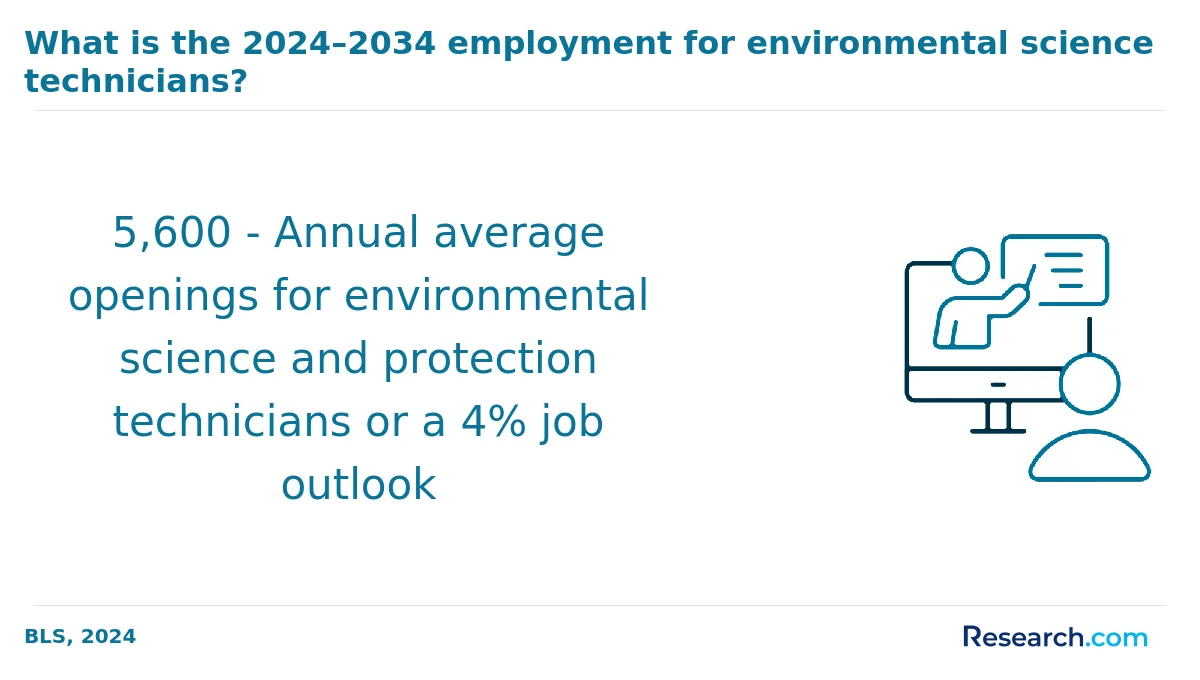
The job market for graduates with an online environmental science degree in Alabama is robust and steadily expanding. With the state's economy focusing increasingly on sustainable development and energy innovation, career opportunities in environmental science are growing, especially for those from well-regarded programs at institutions such as the University of Alabama and Auburn University. Graduates report securing roles in government agencies, renewable energy firms, and conservation organizations where their skills in natural resource management are highly valued. This positive outlook aligns well with the demand trends evident in Alabama's environmental sector and reflects the state's priority on balancing economic growth with ecosystem protection, appealing strongly to those seeking a purposeful career.
Prospective students considering an Alabama online environmental science degree job outlook Alabama should note that positions like environmental scientists and compliance officers are projected to grow faster than the national average, offering competitive salaries starting around $43,000 and rising beyond $80,000 for experienced professionals. The flexibility of online programs enables students to gain credentials while managing other commitments, enhancing access to this thriving career path.
Graduates often express satisfaction with the practical preparation they receive, which helps them meet the evolving demands of employers across diverse sectors. For more information on different types of work available after graduation, explore different environmental jobs that align with these qualifications.
2027 Easiest Online Environmental Science Degree Programs Ranking in Alabama
Investing in your education is a significant decision that can shape your future, and the Research.com team understands the importance of making informed choices. To assist prospective students in Alabama, we have meticulously crafted the "2027 Easiest Online Environmental Science Degree Programs Ranking in Alabama." Our commitment to quality, credibility, and accuracy is reflected in the extensive research and analysis conducted to compile this ranking.
We utilized the following reputable data sources to ensure a comprehensive evaluation of environmental science programs:
By exploring this ranking, readers will gain valuable insights into the easiest online environmental science degree programs available in Alabama, enabling them to make well-informed decisions about their educational paths. For more details on our methodology, please visit our Research.com methodology page.
# 1 position
Columbia Southern University
Master of Occupational Safety and Health/Environmental Management

# 2 position
Columbia Southern University
Bachelor of Environmental Management/Environmental Engineering

Frequently Asked Questions About environmental science
Online environmental science degree students in Alabama can maximize their learning experience by actively engaging with course materials and participating in virtual discussions. Alabama's rich biodiversity and unique ecosystems offer valuable local case studies that students should explore through supplemental research.
Using resources from institutions like the Alabama Cooperative Extension System and Alabama Department of Environmental Management provides practical insights into state-specific environmental issues.
Networking with peers and professionals through online forums or Alabama-based environmental organizations also enhances understanding and career prospects.
Additionally, students should seek internships or volunteer opportunities with local agencies to gain hands-on experience, which complements online learning and builds relevant skills.
The environmental science field is evolving with several emerging niches offering promising career paths. One growing area is climate resilience and adaptation, focusing on strategies to help communities withstand climate change impacts. Alabama's vulnerability to extreme weather events highlights the importance of this niche.
Another key area is environmental data analysis, where professionals utilize big data and geographic information systems (GIS) to monitor ecosystems and pollution levels. This technical skill is highly valued as Alabama invests in improving water quality and land management.
Sustainable agriculture also gains attention, addressing soil health and resource-efficient farming practices native to Alabama's rural sectors, supported by research from Auburn University.
These niches reflect shifts in environmental challenges and technological advances, shaping education and career opportunities for online degree students in Alabama.
After completing an online environmental science degree in Alabama, preparing for the job market involves building practical experience and professional connections. Internships with local agencies such as the Alabama Department of Environmental Management provide valuable hands-on skills and often lead to job opportunities.
Networking through Alabama-based environmental organizations like the Alabama Environmental Council helps graduates connect with industry professionals. Additionally, obtaining certifications such as the Certified Environmental Professional (CEP) can improve employment prospects since Alabama employers in this field favor recognized credentials.
Strong communication and data analysis skills are in demand, aligning with the 8% job growth projected nationally for environmental scientists through 2031 (BLS). Graduates should also be aware that Alabama's environmental sector includes work in water resources, forestry, and pollution control, broadening potential career paths.
Employers in Alabama value environmental science graduates who demonstrate strong analytical and problem-solving skills. These abilities are crucial for addressing local issues such as water quality management and ecosystem preservation, which are prominent concerns in the state according to the Alabama Department of Environmental Management.
Technical proficiency in Geographic Information Systems (GIS) and environmental data analysis is highly sought after. Many state and private employers use these tools for monitoring Alabama's natural resources and planning sustainable development.
Communication skills are also important. Graduates must effectively convey complex environmental information to diverse audiences, including policymakers and community groups.
Finally, knowledge of state-specific regulations and environmental policies enhances employability, as Alabama enforces unique standards related to air and water pollution compliance.
Finding internships in Alabama relevant to an environmental science degree involves using multiple resources. Start by exploring universities offering environmental programs-they often have partnerships with local organizations and government agencies. For example, the University of Alabama and Auburn University provide listings of internships through their career centers.
State agencies such as the Alabama Department of Environmental Management offer internship opportunities that focus on conservation, water quality, and pollution control. Additionally, nonprofits like the Cahaba River Society occasionally post openings for students.
Online platforms like Handshake and internships.com are also valuable for locating local positions. Networking with professors and attending state environmental conferences can increase access to internships.
According to Alabama's Department of Labor, environmental science job growth is projected to be 8% by 2030, indicating rising internship availability. This growth enhances practical training options for students in Alabama's evolving environmental sector.
Obtaining an online environmental science degree can significantly improve career mobility and advancement opportunities in Alabama. The state's growing focus on environmental protection and sustainable development creates demand for qualified professionals in roles such as environmental consultants, conservation scientists, and compliance officers. According to the U.S. Bureau of Labor Statistics, Alabama expects a 5% employment growth rate in environmental science-related jobs through 2031.
Online degrees also offer flexibility, allowing students to gain credentials while working, which can lead to faster promotions. Additionally, many Alabama employers recognize degrees from accredited online programs, widening job prospects locally and regionally. The Alabama Department of Labor highlights that professionals with a bachelor's degree in environmental science typically earn 20% more than those without one.
Studying for an online environmental science degree in Alabama equips students with skills across biology, chemistry, geology, and policy analysis. These programs emphasize hands-on learning through virtual labs and case studies focused on Alabama's ecosystems, such as the Mobile-Tensaw Delta.
Graduates understand how to address complex environmental problems by integrating scientific knowledge with regulations and community needs. For example, coursework covers state environmental laws and conservation efforts relevant to Alabama's natural resources.
This interdisciplinary approach readies students for roles in government, consulting, or nonprofit sectors, where collaboration among scientists, policymakers, and business leaders is essential. According to the Alabama Commission on Higher Education, demand is growing for professionals who can navigate both technical and social aspects of sustainability in the region.
When choosing between a thesis and a non-thesis environmental science degree program in Alabama, consider your career goals and learning preferences. Thesis programs focus on research, requiring an original project and are ideal if you plan to pursue a PhD or work in research roles. Non-thesis tracks emphasize coursework and practical skills, suitable for professionals targeting immediate employment in agencies or consulting firms.
Alabama's environmental sectors, including forestry and water management, often value hands-on experience. According to the Alabama Department of Environmental Management, many environmental positions require applied knowledge over research experience. Additionally, funding and time commitment may differ, with thesis programs typically lasting longer due to research demands.
Students based in Alabama seeking to study environmental science abroad through online programs have limited direct options due to most international institutions focusing on in-person degrees. However, many U.S. universities collaborate with foreign institutions to offer joint or exchange opportunities that can be integrated into online studies.
Alabama residents can enroll in fully online U.S.-based environmental science degrees that include virtual study-abroad modules or global research projects. According to the National Center for Education Statistics, about 12% of U.S. college students engage in study abroad every year, but most do so through in-person programs.
Students should explore programs with global partnerships or international research components to gain abroad experience while studying remotely.
Part-time job opportunities in Alabama that complement an online environmental science degree are diverse and practical. Students can gain valuable experience by working as environmental technicians, assisting with data collection and field sampling for local agencies like the Alabama Department of Environmental Management (ADEM).
Internships or roles with conservation organizations such as the Alabama Wildlife Federation provide hands-on skills in habitat restoration and wildlife monitoring. Additionally, positions in renewable energy companies, which are growing in Alabama, offer exposure to sustainability projects and environmental impact assessments.
These opportunities not only enhance academic knowledge but also improve employability in the environmental sector.
Online environmental science students in Alabama have several valuable networking opportunities despite the distance learning format. Many universities offer virtual events, including webinars and guest lectures, that connect students with professionals in Alabama's environmental sector. For example, Auburn University and the University of Alabama provide access to alumni networks and professional groups.
Students can also join statewide organizations such as the Alabama Environmental Council, which hosts events, volunteer opportunities, and workshops focused on conservation and sustainability. These platforms allow students to build connections with experts, policymakers, and potential employers in areas like water management and forestry.
Participation in online forums and LinkedIn groups related to Alabama's environmental issues further expands networking possibilities.
Alumni networks provide significant benefits to students pursuing online environmental science degrees in Alabama. These networks create opportunities for mentorship, helping students connect with experienced professionals in fields such as wildlife management, environmental policy, and conservation.
In Alabama, where environmental careers often involve collaboration with government agencies like the Alabama Department of Environmental Management, alumni connections can lead to internships and job placements.
Access to alumni events and online communities allows students to stay informed about industry trends and job openings.
According to the Alabama Commission on Higher Education, schools with active alumni networks report higher graduate employment rates within a year of degree completion.
Students pursuing an online environmental science degree in Alabama can tailor their education by selecting electives aligned with their career goals. Many Alabama universities offer specialized courses in areas such as sustainability, natural resource management, or environmental policy. Choosing these electives allows students to develop expertise in sectors like conservation, agriculture, or energy.
Additionally, students can engage in online internships or research projects relevant to local environmental challenges, such as wetland preservation or air quality monitoring. Alabama's strong focus on ecological diversity provides practical opportunities to apply knowledge in real-world contexts. Advising services typically assist in building a personalized academic plan that fits professional ambitions.
Online environmental science students in Alabama often face challenges related to limited access to practical, hands-on experiences. Many programs require fieldwork or lab work, which can be difficult to complete remotely, especially in rural parts of the state. According to the Alabama Commission on Higher Education, about 40% of students in remote areas report difficulties accessing laboratories or research facilities.
Another challenge is balancing coursework with full-time jobs or family responsibilities, common among adult learners in Alabama. Additionally, internet connectivity issues persist in some rural communities, affecting participation in live lectures and timely assignment submissions.
Students may also find limited networking opportunities compared to on-campus peers, which can impact internships and job placements in Alabama's environmental sector.
Graduates with an online environmental science degree in Alabama can pursue various professional certifications that enhance career prospects. One prominent certification is the Certified Environmental Scientist (CES) offered by the National Association of Environmental Professionals. This credential recognizes expertise in environmental practices and is valuable in state roles.
Another key certification is the Registered Environmental Manager (REM), respected nationwide and often required for leadership positions in environmental management. Additionally, certifications like the Environmental Protection Agency's (EPA) Lead Renovator Certification are relevant for specific jobs involving hazardous materials.
Such certifications demonstrate practical knowledge and adherence to regulatory standards, helping graduates stand out in Alabama's growing environmental sector.
Writing a winning application for an online environmental science program in Alabama requires clear demonstration of your passion and understanding of regional environmental challenges. Emphasize knowledge of Alabama's unique ecosystems, such as the Mobile-Tensaw River Delta and the Appalachian foothills, which are vital contexts for study.
Highlight relevant experience with local environmental projects or internships. According to the Alabama Department of Environmental Management, hands-on work with water quality or conservation initiatives strengthens your profile.
Include a well-crafted personal statement that explains your career goals and how the program supports them, mentioning Alabama's growing environmental sector. Strong letters of recommendation from academic or professional contacts familiar with your aptitude in science and sustainability will also enhance your application.
Environmental science careers have a growing global importance due to climate change, biodiversity loss, and resource management challenges. In the US, including Alabama, demand for environmental scientists is expected to grow by 8% from 2022 to 2032, according to the U.S. Bureau of Labor Statistics. This growth reflects increased international focus on sustainable development and environmental protection.
Professionals with environmental science degrees often work on issues like pollution control, conservation, and renewable energy. Alabama's diverse ecosystems, from the Gulf Coast to forests, offer unique opportunities for field research and policy work.
International cooperation is common in this field, with many projects linking U.S. experts and organizations abroad. Careers in environmental science often involve interdisciplinary skills, combining biology, chemistry, and data analysis to address both local and global challenges.
Gaining practical experience while studying for an online environmental science degree in Alabama is possible through several avenues. Many programs encourage internships with state agencies such as the Alabama Department of Environmental Management (ADEM), where students can assist in water quality monitoring or environmental compliance. Local nonprofit organizations focused on conservation, like the Alabama Wildlife Federation, also offer volunteer opportunities that provide hands-on learning.
Students can participate in virtual labs or field studies coordinated by their universities, designed to simulate real-world environmental problems. Research projects related to Alabama's unique ecosystems, including the Mobile-Tensaw River Delta, enhance applied skills. Additionally, networking with local professionals and attending relevant Alabama-based environmental conferences helps build practical knowledge and career connections.
Choosing the right concentration within an online environmental science degree in Alabama involves evaluating your career goals and local environmental challenges. Alabama's economy relies heavily on industries like agriculture, forestry, and manufacturing, which influence available job opportunities in areas such as natural resource management and environmental policy.
Research state-specific data from sources like the Alabama Department of Environmental Management to understand pressing issues, including water quality and air pollution. Concentrations focusing on environmental compliance or conservation may align well with these challenges.
Consider also the demand for roles in environmental consulting and renewable energy industries, both growing sectors in Alabama. Reviewing course offerings helps ensure your program covers practical skills relevant to regional employers.
Finally, seek programs accredited by recognized agencies to validate the quality of education and enhance your credentials in Alabama's job market.
- Application Letter to Master's Program in Environmental Science in Germany https://essayforum.com/letters/application-master-program-environmental-86188/
- What Can You Do With an Environmental Science Degree? https://willamette.edu/academics/college/environmental-science/career-options
- How To Get Environmental Science Work Experience https://www.savemyexams.com/learning-hub/careers/environmental-science-work-experience/
- Environmental Science Courses & Degrees https://www.open.edu.au/study-online/science/environmental-science
- Most Popular Online Environmental Science Degrees 2025 https://www.onlineu.com/degrees/environmental-science
- MESPOM Alumni Association https://mespom.eu/mespom-alumni-association
- How to Find Entry Level Jobs with an Environmental Science Degree https://facs.com/blog/how-to-find-entry-level-jobs-with-an-environmental-science-degree/
- Alumni Put Environmental Science Degrees to Work at Chesapeake Watershed Initiative https://www.fandm.edu/stories/alumni-put-environmental-science-degrees-to-work.html
- Environmental Science Pathway : Coastal Alabama Community College https://www.coastalalabama.edu/science-technology-engineering-and-math/environmental-science-pathway/
- Guide to Environmental Internships | Higherin https://higherin.com/career-guides/science-research/environmental-internships