2027 Best Online Environmental Science Degree Programs Ranking in the Midwest

Co-Founder and Chief Data Scientist
Choosing the right environmental science program can shape your future and impact the planet positively. This article presents the 2027 Best Online Environmental Science Degree Programs Ranking in the Midwest, carefully created by the Research.com team of data scientists.
Designed to help Midwest students make informed decisions, this ranking highlights top programs that combine quality education with flexible online options. Pursuing an environmental science degree opens doors to meaningful careers that contribute to sustainability and conservation.
Explore this guide to find programs that match your goals and start your journey toward making a difference.
Key benefits of getting online environmental science degree in the Midwest
- Environmental science graduates in the Midwest can expect competitive salaries, with many roles such as environmental specialists earning an average annual wage around $73,230 nationwide.
- Career paths include roles in conservation, environmental consulting, and policy, illustrated by graduates from University of Illinois who find opportunities in government agencies and private firms.
- Online degrees offer flexibility and accessibility, allowing students from anywhere in the Midwest to balance work and study, demonstrated by graduates from Michigan State University's online program.
- 2027 Best Online Environmental Science Degree Programs Ranking in the Midwest
- What can I expect from online environmental science degree in the Midwest?
- Where can I work with online environmental science degree in the Midwest?
What can I expect from online environmental science degree in the Midwest?
The average cost of an online environmental science degree in the Midwest typically ranges from $15,000 to $40,000, depending on whether you attend a public or private university. For example, graduates from well-regarded public institutions in states like Illinois or Ohio often report paying closer to the lower end due to in-state tuition benefits, while private colleges in the region may push toward the higher end of that spectrum. This cost covers comprehensive curricula, including courses in ecology, water resource management, and GIS, tailored to Midwest environmental challenges.
Many students find that investing in programs with flexible online schedules at these universities makes balancing work and study manageable, allowing them to spread tuition costs over multiple semesters. Graduates often recall how practical assignments, such as analyzing Great Lakes water quality data, added value far beyond the tuition fee. Additionally, some programs include opportunities for local fieldwork or partnerships with regional agencies, boosting real-world experience without extra travel costs.
When budgeting, factor in potential financial aid or scholarships, which many Midwestern schools offer specifically for environmental science. Accreditation by bodies like the Higher Learning Commission also ensures your investment matches quality education standards, making your degree worthwhile in the competitive Midwestern job market.
Where can I work with online environmental science degree in the Midwest?
Graduates from online environmental science programs at Midwestern universities like the University of Illinois or Michigan State often find jobs in state and local government agencies. These roles involve managing water quality and air pollution, working directly with departments such as the Illinois Environmental Protection Agency. Many graduates appreciate the stability and purpose found in these positions, knowing their efforts protect communities and natural resources.
Others pursue careers in environmental consulting firms, especially in states like Ohio and Minnesota where infrastructure and green energy initiatives are expanding. Online graduates skilled in GIS and data analysis report feeling confident stepping into roles supporting businesses and municipalities with environmental compliance and impact assessments.
Nonprofits and research institutions also offer rewarding work. Graduates from schools known for strong environmental programs, such as the University of Wisconsin, often engage in fieldwork and conservation projects with organizations like The Nature Conservancy. This hands-on experience helps graduates connect with their passion for advocacy and science communication.
Finally, industrial and agricultural companies in Iowa and Wisconsin hire environmental scientists to lead sustainability efforts. Graduates highlight the satisfaction of applying knowledge from their degrees to innovate in precision agriculture or renewable energy sectors popular in the Midwest.
Graduates with an online environmental science degree in the Midwest typically start with salaries ranging from about $55,000 to $77,000 annually, depending on their role and location within the region. For example, those who completed their studies at prominent Midwest institutions, such as the University of Illinois or Michigan State University, often report early career earnings near $60,000, especially when entering environmental consulting or regulatory compliance roles.
Some graduates find that focusing on specialization areas like water resource management or renewable energy can push salaries closer to the higher end, around $70,000 or more, reflecting the demand in local manufacturing and agricultural hubs. It's common for professionals with advanced certifications or master's degrees to increase their earnings by up to 25%, with eventual salaries exceeding $80,000 as experience grows.
Graduates also note that public sector jobs in state agencies might start lower but offer strong job stability and benefits, balancing overall career satisfaction. These practical outcomes make pursuing an online degree in the Midwest a promising choice for those aiming to enter the evolving field of environmental science.
- Online environmental science bachelor's programs in the Midwest cost between $20,000 and $40,000, with graduate programs starting around $25,000.
- In-state tuition rates are usually lower, and financial aid along with scholarships is commonly available.
- Starting salaries for recent graduates in the Midwest range from $45,000 to $55,000 per year.
- Experienced environmental scientists can expect long-term salaries between $70,000 and $90,000 annually.
- Job growth for environmental science and protection technician roles is projected at about 6% nationally through 2030, with similar trends in the Midwest.
- Midwest programs often include training in GIS, data analysis, and fieldwork, and may have accreditation from CEPH or EPA recognition.
Completing an online environmental science degree in the Midwest usually takes between two and six years, depending on your degree level and enrollment status. For an associate degree, expect about two years of full-time study, while a bachelor's degree typically requires four years. Some graduates from large Midwestern universities like the University of Illinois Urbana-Champaign or Michigan State University have found that taking advantage of part-time enrollment extends their timeline to five or six years, especially when balancing work or family.
Many students appreciate the flexibility these programs offer, allowing them to pace their education around life's demands. Others who come in with prior college credits or relevant work experience have shaved months off their timelines by transferring credits or enrolling in accelerated courses.
Most bachelor's programs require around 120 credit hours, which can be completed faster if you utilize summer sessions. Graduates often share how this planning freedom gives them confidence and control over their educational journey, fitting a degree into their real-world schedules.
When choosing between online and on-campus environmental science degrees in the Midwest, consider how you prefer to learn. On-campus students at schools like the University of Michigan enjoy hands-on experiences with lab work and direct field studies, often helping them feel connected and engaged through daily interactions with professors and peers. These experiences cultivate practical skills and friendships that support collaborative projects, something many graduates find invaluable.
Alternatively, online students at institutions such as Illinois State University benefit from flexible scheduling, which suits those balancing work or family commitments. Coursework is accessed through video lectures and virtual labs, allowing independent study but sometimes less spontaneous communication. While online students miss daily campus life, they often appreciate the ability to pace learning and reduce commuting costs-online tuition can run 15-20% lower than on-campus fees, making it financially appealing.
Both paths require consideration of extra expenses: online students need reliable technology, while on-campus learners budget for housing and travel. Either way, graduates from Midwest programs report feeling prepared for real-world environmental challenges and opportunities.
The average cost of an online environmental science degree in the Midwest typically centers around $26,160 total tuition, making it a financially approachable option for many students. Graduates from public universities in the region, such as those attending Michigan State University or the University of Illinois, have found that this cost aligns well with their budgeting expectations. These programs usually charge between $300 and $600 per credit hour for in-state learners, which helps to keep fees manageable over the 120 credit hours common to most bachelor's degrees.
When planning your education, consider that out-of-state tuition may be significantly higher but some Midwest schools offer consistent rates regardless of residency, helping reduce financial uncertainty. Many students appreciate having predictable costs as they juggle work and family responsibilities. Beyond tuition, it's critical to account for expenses like textbooks, fees, and tech needs, which can add $1,000 to $2,000 annually.
Those exploring Midwest online environmental science degree tuition fees often discover generous financial aid and scholarship opportunities, sometimes targeted specifically toward environmental disciplines. By leveraging these resources, students gain more control over costs while preparing for a rewarding career in a growing field.
For practical guidance, graduates recommend exploring funding options early and considering programs with strong reputations, such as distinctions listed in bachelor's degree in sustainability rankings, to maximize return on investment.
To fund your online environmental science degree in the Midwest, start by completing the FAFSA to unlock federal aid options like Pell Grants and Stafford Loans. Many graduates from the University of Minnesota and Michigan State University found Pell Grants especially helpful, covering up to $7,395 a year without needing repayment. The Federal Supplemental Educational Opportunity Grant (FSEOG) also provides extra support-some students received between $100 and $4,000 annually, easing upfront costs.
Institutional scholarships are another smart resource. Midwestern schools often award merit-based scholarships for STEM students, which helped several of my peers reduce their tuition burden significantly. Don't overlook external scholarships from groups like the Environmental Education Foundation, which some Illinois and Wisconsin students used to supplement their finances with awards ranging from a few hundred to several thousand dollars.
Lastly, if you're working, check with your employer about tuition assistance or reimbursement programs-many environmental science students in Ohio have benefited this way, combining earnings with grants to comfortably afford their education.
To enroll in an online environmental science degree in the Midwest, start by securing a high school diploma or GED-this is non-negotiable. Graduates from well-regarded programs at universities like the University of Illinois or Michigan State often mention that having strong foundations in biology, chemistry, and math helped them hit the ground running. Many colleges in the region recommend completing courses that cover algebra or calculus, since environmental science relies heavily on analytical skills.
Maintaining a solid GPA-usually between 2.5 and 3.0-is also key. For example, students entering programs at Ohio State University found that a steady GPA helped them remain competitive and confident throughout enrollment. Keep in mind some institutions may require letters of recommendation or work experience, especially if you're pursuing graduate studies.
Tech readiness is just as important. Graduates recall that reliable internet and comfort with online platforms like Canvas or Blackboard made a huge difference in staying engaged and organized. Finally, be ready to manage tuition costs, which are generally around $9,200 annually for in-state students at Midwest public universities-many found scholarships and aid options made this manageable.
Online environmental science degrees in the Midwest focus on practical, regionally relevant coursework that prepares you for real-world challenges. Graduates from well-known Midwest universities often highlight foundational courses like Introduction to Environmental Science and Environmental Chemistry as essential for understanding key scientific methods.
Expect to dive into Midwest-specific topics such as Water Resources and Management, which addresses critical issues faced by communities near the Mississippi River and Great Lakes. Courses in Soil Science and Conservation Biology help you grasp local agricultural impacts and biodiversity, crucial for jobs in the region.
Beyond natural sciences, programs integrate policy and management with classes like Environmental Policy and Regulation and Sustainability Practices. Graduates appreciate how these courses clarify the practical side of environmental law and sustainable planning.
Additionally, many students value technical skills gained through Geographic Information Systems (GIS) and Environmental Data Analysis, which are vital for analyzing data in environmental consulting and resource management careers across the Midwest.
Online environmental science specializations Midwest programs commonly include natural resource management, environmental policy, sustainability studies, and environmental health. For instance, graduates from popular colleges in the region often share how natural resource management helped them understand the delicate balance of conserving farmland and wildlife crucial to the Midwest economy. This specialization equips students to manage soil, water, and forest resources responsibly.
Many students focusing on environmental policy gain practical skills in analyzing legislation and urban planning to combat challenges like industrial pollution and urban sprawl. Midwest universities emphasize these areas to ensure students are ready for roles in government and consulting firms. Sustainability studies merge economics and science, teaching learners to create real-world solutions for renewable energy and waste reduction, sparking enthusiasm for driving positive change.
Those choosing environmental health learn to assess risks from industrial emissions and contaminated water, a pressing local concern. Graduates appreciate how their knowledge allows them to protect communities effectively. If you want to explore affordable options in this field, check out affordable online environmental science programs tailored to these focus areas.
Start by confirming the school holds regional accreditation, such as from the Higher Learning Commission, to ensure your degree is respected across the Midwest and beyond. Graduates from popular Midwest universities often highlight how this mattered when applying for jobs in environmental agencies around the Great Lakes.
Next, examine the curriculum closely. Look for programs offering a solid base in ecology, conservation, and environmental policy, but also flexible electives that suit your career interests. Many students appreciate programs that include studies on agricultural sustainability, important in Midwest rural areas. This focus helps graduates feel prepared for real-world challenges unique to the region.
Cost can't be ignored. Affordable environmental science programs in Midwest public universities typically have in-state tuition ranging from $9,000 to $13,000 annually for online students. Private colleges usually charge over $20,000, so weigh financial aid options carefully. Many online learners share how scholarships specifically targeting environmental science helped ease financial stress.
Faculty expertise and connection to research are crucial. Many graduates praise programs linked to active Midwest research institutions that offer virtual labs or regional field projects. This hands-on approach enhances learning and job readiness. When balancing work and study, choose programs offering asynchronous or hybrid formats for maximum flexibility.
To compare programs by outcomes like graduation rates and job placements, the environmental science online resource is a helpful tool for Midwest students narrowing down their best online environmental science degrees Midwest options.
Graduates with an online environmental science degree in the Midwest often find careers as environmental scientists or specialists, analyzing data and developing sustainable solutions for local industries. Many students from well-known Midwest colleges report satisfaction working in states like Illinois and Minnesota, where environmental challenges are directly tied to urban centers and manufacturing. Another practical path is environmental consulting, where graduates advise companies on regulatory compliance and regional issues like water quality-critical in an area blending agriculture and industry. Conservation and natural resource management jobs are popular, with roles in state parks or nonprofits focused on preserving the Great Lakes ecosystem providing both fieldwork and data analysis opportunities.
Additional well-regarded options include environmental health and safety specialists and renewable energy analysts, responding to the region's growing wind and solar projects. Urban planners focusing on green infrastructure also attract Midwest graduates eager to shape sustainable communities. Many students choose programs at popular universities, where hands-on projects create connections that ease job placement. For those aiming at leadership roles, understanding cso requirements offers valuable long-term career planning aligned with online environmental science jobs Midwest.
The job market for graduates with an online environmental science degree in the Midwest is expanding steadily, driven by increased attention to sustainability and environmental regulation. Midwestern states like Illinois and Ohio offer diverse opportunities, especially in roles such as environmental consultant, water resource manager, and environmental compliance specialist. Graduates from well-known regional universities often find rewarding positions by leveraging local industry connections and internships.
For students exploring environmental science career opportunities Midwest online, practical experience matters. Many programs partner with local agencies, enabling students to gain hands-on skills that employers highly value. Graduates report feeling confident entering fields tied to agriculture, manufacturing, and government sectors focused on improving air and water quality.
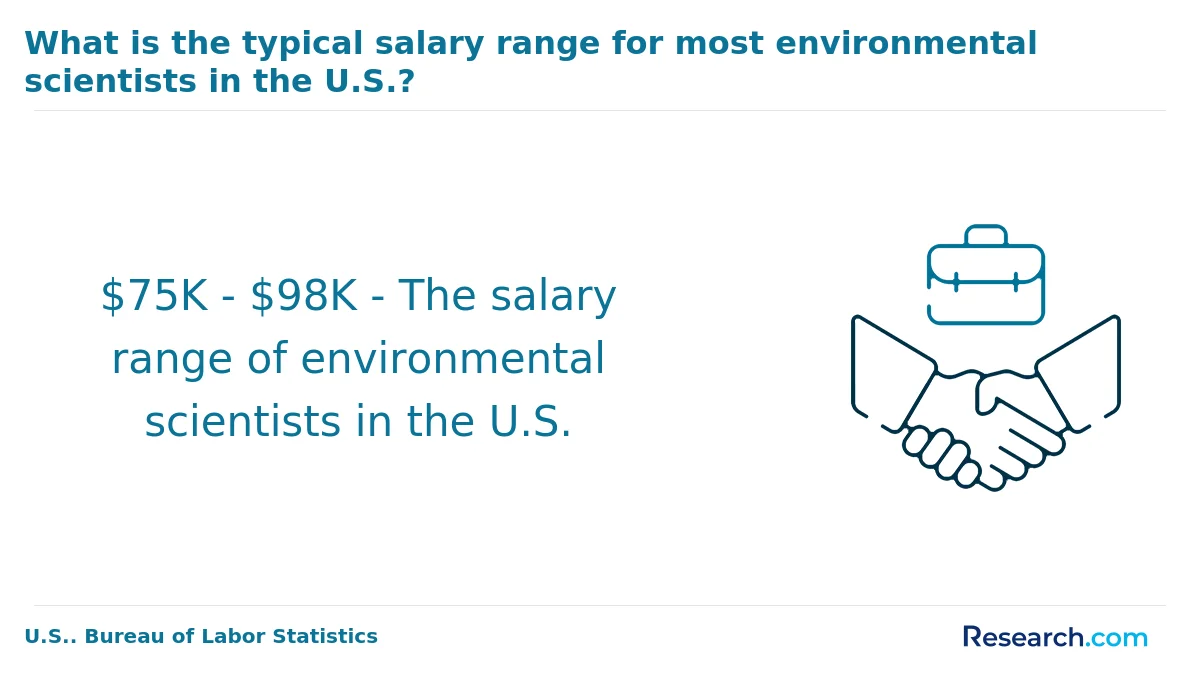
Salaries range between $65,000 and $75,000 annually, with higher wages in urban centers like Chicago or Minneapolis. To understand more about specific roles available in the region, prospective students should investigate environmental field jobs, which help showcase how diverse and promising the job outlook for environmental science degree Midwest is.
2027 Best Online Environmental Science Degree Programs Ranking in the Midwest
Investing in your education is a significant decision that can shape your future, and the Research.com team understands the importance of making informed choices. To assist prospective students interested in environmental science, we have meticulously crafted the "2027 Best Online Environmental Science Degree Programs Ranking in the Midwest." Our commitment to quality, credibility, and accuracy is reflected in the extensive research and analysis conducted to compile this ranking.
We utilized the following reputable data sources to ensure a comprehensive evaluation of environmental science programs:
By exploring this ranking, readers will gain valuable insights into the best online environmental science degree programs available in the Midwest, helping them make informed decisions about their educational paths. For more details on our methodology, please visit our Research.com methodology page.
# 1 position
University of Illinois at Urbana-Champaign
Master of Natural Resources and Environmental Sciences





Frequently Asked Questions About environmental science
Students pursuing online environmental science degrees in the Midwest can maximize their learning by engaging with local environmental organizations and virtual research projects. The region's unique ecosystems, such as the Great Lakes and extensive agricultural lands, provide valuable context for applied studies. Participating in webinars and workshops hosted by Midwestern universities strengthens practical knowledge. According to the Environmental Protection Agency, the Midwest faces significant environmental challenges like water quality and soil conservation, making regional focus critical.
Utilizing university career services and alumni networks enhances professional connections. Students should also seek institutions accredited by recognized bodies such as the Higher Learning Commission to ensure quality education.
The environmental science field is evolving rapidly, with emerging niches reflecting growing regional and global needs. One key area gaining attention in the Midwest is sustainable agriculture, which addresses the impact of farming practices on soil and water quality. According to the USDA, precision agriculture technologies are being increasingly adopted in this region, leading to more efficient resource use and reduced environmental impact.
Another expanding niche is renewable energy management, especially bioenergy and wind power, given the Midwest's abundant natural resources. The Lawrence Berkeley National Laboratory highlights a surge in clean energy jobs here, emphasizing the importance of expertise in these areas.
Additionally, climate resilience and environmental data science are critical. Midwestern institutions focus on flood risk management and air quality monitoring, utilizing advanced data analytics to guide policy and conservation efforts.
Preparing for the job market after completing an online environmental science degree in the Midwest requires a focused approach. Gaining practical experience through internships or volunteering with regional organizations like the Environmental Protection Agency's Great Lakes National Program Office can provide valuable skills and networking opportunities. The U.S. Bureau of Labor Statistics projects a 5% growth in environmental scientist jobs through 2031, particularly in states such as Illinois, Ohio, and Michigan.
Building proficiency in data analysis and geographic information systems (GIS) enhances employability. Many Midwestern employers value graduates familiar with local environmental regulations and conservation projects. Additionally, earning certifications such as the Certified Environmental Scientist (CES) can boost credibility and career advancement prospects.
Employers in the Midwest seek environmental science graduates with strong analytical skills to assess data related to soil, water, and air quality. A 2023 report by the Bureau of Labor Statistics highlighted that proficiency in Geographic Information Systems (GIS) is critical, with 65% of regional employers expecting candidates to have this skill.
Effective communication is another key requirement. Graduates must articulate scientific findings clearly to both technical and non-technical audiences. Additionally, problem-solving skills are essential, as many Midwest companies address environmental challenges linked to agriculture and industrial impacts.
Knowledge of relevant environmental regulations, particularly those enforced by the Environmental Protection Agency and local agencies, is highly valued. Hands-on experience through internships or lab work also significantly enhances employability in the region.
Finding internships in the Midwest relevant to environmental science degrees involves several strategic steps. Start by exploring university career centers, which often list local internship opportunities tied to environmental agencies and firms. The Environmental Protection Agency (EPA) has a significant regional office in Chicago, providing internships that focus on air, water, and land conservation projects.
Additionally, many Midwest states actively promote internships in sustainability through partnerships with organizations like the Midwest Biodiversity Institute and local conservation groups. According to the National Association of Colleges and Employers (NACE), about 60% of environmental science undergraduates participate in internships before graduation, enhancing job prospects.
Leverage online platforms such as Handshake and LinkedIn, filtering searches specifically for Midwest locations in states like Illinois, Michigan, and Minnesota. Networking at regional environmental conferences and joining professional groups like the Society of Environmental Toxicology and Chemistry can also uncover hidden internship opportunities.
Online environmental science degrees in the Midwest significantly enhance career mobility and advancement. These programs equip students with up-to-date knowledge in sustainability, conservation, and environmental policy, skills highly valued by regional employers such as government agencies and environmental consultancies.
The U.S. Bureau of Labor Statistics projects a 5% growth in environmental science jobs in the Midwest by 2030, indicating steady demand. Graduates holding online degrees often qualify for roles in research, natural resource management, and environmental planning, boosting their chances for promotions.
Moreover, many online programs partner with Midwest organizations, offering internships and networking opportunities to support career growth. According to the National Environmental Education Foundation, professionals with specialized degrees earn up to 15% more, enhancing financial advancement.
Studying for an environmental science degree in the Midwest equips students with interdisciplinary skills essential for addressing complex ecological challenges. The region's diverse ecosystems-from the Great Lakes to extensive agricultural lands-serve as living laboratories, enhancing practical learning.
Midwestern programs emphasize collaboration across biology, chemistry, policy, and economics, reflecting workforce demands. According to the U.S. Bureau of Labor Statistics, Midwest states show a growing need for environmental scientists who can navigate multiple disciplines.
Online degrees often include case studies focused on regional issues such as water quality and sustainable farming. This prepares graduates to work effectively in government, industry, and nonprofit sectors.
Choosing between a thesis and a non-thesis environmental science degree program in the Midwest depends largely on your career goals and learning preferences. Thesis programs focus on original research, requiring students to complete a substantial project, which can be ideal if you plan to pursue a PhD or research-intensive roles.
Non-thesis options emphasize coursework and practical skills, often preferred by those seeking immediate employment in environmental management, policy, or consulting. According to the Environmental Protection Agency, the Midwest offers numerous online programs with flexible non-thesis tracks tailored for working professionals.
Graduate surveys from Midwestern universities show thesis students often publish their work, benefiting those aiming for academia or specialized scientific positions.
Students in the Midwest interested in studying environmental science abroad have growing opportunities through partnerships between U.S. universities and international institutions. Many Midwestern schools with online environmental science programs, such as those in Illinois and Minnesota, offer study-abroad options ranging from short-term field research to semester exchanges. These programs often focus on global environmental challenges like climate change and conservation, providing practical experience alongside academic coursework.
According to the Institute of International Education, between 2019 and 2022, the number of U.S. students participating in environmental science-focused study abroad programs increased by 12%, reflecting a rising interest among Midwestern students.
Midwestern universities frequently collaborate with institutions in Europe and Latin America, regions with relevant ecosystems and policies. This allows students to gain valuable international perspectives without interrupting their online degree progress. Additionally, some programs offer virtual exchanges, enhancing flexibility while expanding global understanding.
Part-time job opportunities that complement an environmental science degree in the Midwest include roles in conservation, environmental consulting, and data collection. For example, many state parks and wildlife agencies offer seasonal or part-time positions focused on habitat restoration and species monitoring. According to the U.S. Bureau of Labor Statistics, these roles are growing by about 8% in the Midwest region through 2030.
Internships or assistant positions with environmental consulting firms allow students to apply classroom knowledge to real-world problems, often involving water quality testing and pollution control. Additionally, municipal governments hire part-time environmental technicians to support recycling programs and sustainability initiatives.
Many universities and non-profits in the Midwest also offer paid research assistant roles, giving students hands-on experience working with environmental data and Geographic Information Systems (GIS). These jobs not only build relevant skills but can enhance future job prospects upon graduation.
Online environmental science students in the Midwest benefit from diverse networking opportunities through regional professional organizations like the Midwest Environmental Education Association (MEEA) and the Illinois Environmental Council. These groups frequently host virtual conferences and webinars where students can connect with industry experts and alumni. Universities often facilitate access to local environmental agencies and research centers, offering internships and project collaborations that enhance practical experience.
Midwestern states such as Michigan and Ohio report growing employment in environmental sectors, encouraging institutions to partner with businesses for career fairs and mentorship programs. Additionally, many online degree programs have dedicated online forums and LinkedIn groups for student networking, fostering valuable professional relationships across the region.
Alumni networks offer significant advantages to students pursuing online environmental science degrees in the Midwest. Connecting with graduates who have firsthand experience in regional environmental challenges provides valuable insight into local ecosystems and job markets. These networks often facilitate mentorship opportunities, allowing current students to gain guidance on career paths and professional development.
Midwestern environmental science alumni frequently work in key sectors such as agriculture, renewable energy, and water resource management. According to the U.S. Bureau of Labor Statistics, these sectors have grown steadily, emphasizing the importance of local professional connections.
Furthermore, alumni networks can help students access internships and job openings, as many employers value referrals within these communities. This networking advantage is especially critical in the competitive environmental science workforce.
Midwestern online environmental science degrees often allow students to tailor their studies through elective courses, concentrations, or specializations that align with their career goals. Many programs offer focuses such as natural resource management, environmental policy, or sustainability science. This flexibility helps students prepare for roles in industries prominent in the Midwest, like agriculture, water resource management, and renewable energy.
Additionally, some universities partner with regional agencies and offer practicum or internship opportunities to gain practical experience. According to the U.S. Bureau of Labor Statistics, environmental science jobs in the Midwest are expected to grow 8% through 2030, emphasizing the value of a customized curriculum. Students should review course options and seek advising to build a program that fits their ambitions.
Online environmental science students in the Midwest face several unique challenges. Limited access to local fieldwork opportunities is a common issue, as many programs require hands-on experience that can be difficult to coordinate remotely. According to the Midwest Environmental Education Association, students often struggle to find nearby sites that meet academic standards.
Another challenge is inconsistent internet connectivity in rural areas, affecting participation in live lectures and timely submission of assignments. The U.S. Census Bureau reports that approximately 25% of Midwest rural households lack high-speed internet, impacting online learning quality.
Additionally, balancing work, family, and study commitments remains a significant hurdle, especially since many online learners in this region are non-traditional students juggling multiple responsibilities.
An online environmental science degree from a Midwest institution can open doors to several respected professional certifications. Popular options include the Certified Ecologist (CE) credential, offered by the Ecological Society of America, which validates expertise in ecological research and practice. Another significant certification is the Certified Environmental Scientist (CES), awarded by the National Association of Environmental Professionals.
Midwest graduates can also pursue the Hazardous Waste Operations and Emergency Response (HAZWOPER) certification, important for professionals working in environmental cleanup and safety. According to the U.S. Bureau of Labor Statistics, environmental science jobs in the Midwest grew by 9% from 2019 to 2029, highlighting the expanding need for credentialed experts in the region.
To write a winning application for an online environmental science program in the Midwest, start by highlighting your passion for regional environmental issues. The Midwest faces unique challenges such as water quality in the Great Lakes and agricultural runoff, which are important topics among programs accredited by the Higher Learning Commission.
Include specific examples of any volunteer work, research, or professional experience related to these concerns to demonstrate your commitment. Admissions committees value clear career goals aligned with local environmental priorities.
Strong letters of recommendation from professors or employers in science fields can greatly enhance your application. Finally, carefully proofread your personal statement, ensuring it is concise and tailored to the chosen program's mission.
Environmental science careers have strong global relevance as countries worldwide prioritize sustainability and climate action. In the United States, including the Midwest, demand for environmental science professionals is growing by about 8% through 2031, according to the U.S. Bureau of Labor Statistics. This reflects global trends emphasizing clean energy, pollution reduction, and natural resource management.
The Midwest region is particularly significant due to its agricultural base and industrial sectors, both needing skilled experts to address environmental challenges. Professionals trained in this field can engage in international projects, as many environmental issues cross borders and require global collaboration.
With online degrees, Midwestern students gain flexible access to education that meets global standards, preparing them for diverse career paths.
Gaining practical experience while studying for an online environmental science degree in the Midwest is essential for career readiness. Many universities offer virtual internships and project collaborations with local agencies, making hands-on learning accessible remotely. According to the U.S. Bureau of Labor Statistics, internships can increase employability by up to 20% in this field.
Students can also engage with regional conservation projects or state environmental departments that frequently partner with educational institutions in the Midwest. Additionally, coursework often includes data analysis using real-world datasets from Midwest ecosystems, providing applied skills.
Networking through professional groups specific to Midwest environmental issues further enhances practical understanding and job prospects.
Choosing the right concentration within an online environmental science degree in the Midwest starts with assessing your career goals. Concentrations often range from ecology and conservation to environmental policy or sustainable development. Focus on areas with strong job growth locally; the U.S. Bureau of Labor Statistics projects a 5% increase in environmental science jobs by 2031, especially in states like Illinois, Ohio, and Minnesota.
Midwestern universities often tailor programs to regional issues such as agricultural runoff or Great Lakes conservation. Reviewing course offerings and faculty expertise can help pinpoint strengths. Additionally, consider internship or research opportunities aligned with your concentration, as practical experience is vital in this field.
- Alumni Put Environmental Science Degrees to Work at Chesapeake Watershed Initiative https://www.fandm.edu/stories/alumni-put-environmental-science-degrees-to-work.html
- NETWORKING FOR SUCCESS: HOW TO SHINE IN ENVIRONMENTAL JOBS - Step(h) into Nature https://stephintonature.com/all-environmental-conservation-travel-blogs/environmental-jobs-networking
- Careers in Environmental Science? Learn About Environmental Science Jobs https://facs.com/blog/careers-in-environmental-science-learn-about-environmental-science-jobs/
- How to Become an Environmental Scientist: 8 Steps to Success - Prereqcourses https://www.prereqcourses.com/environmental-scientist/
- The Biggest Environmental Problems Of 2021 https://earth.org/the-biggest-environmental-problems-of-our-lifetime/
- Guide to Environmental Internships | Higherin https://higherin.com/career-guides/science-research/environmental-internships
- Graduate Schemes and Internships - Green Jobs for Nature https://greenjobsfornature.org/get-that-green-job/graduate-schemes-and-internships/
- MESPOM Alumni Association https://mespom.eu/mespom-alumni-association
- 2025 Most Affordable Online Environmental Science Degrees https://www.onlineu.com/most-affordable-colleges/environmental-science-degrees
- Environmental Science - Majors & Minors - Knox College https://www.knox.edu/academics/majors-and-minors/environmental-science