2027 Best Online Environmental Science Degree Programs Ranking in Maryland

Co-Founder and Chief Data Scientist
Choosing the right online environmental science degree program in Maryland can feel overwhelming. Our 2027 Best Online Environmental Science Degree Programs Ranking in Maryland, created by the Research.com team of data scientists, aims to make this decision easier for you.
This article highlights top programs that combine quality education with flexibility, helping you advance your career while balancing other commitments. Earning an environmental science degree opens doors to meaningful work protecting our planet and communities.
Explore the ranking to find programs that fit your goals and start a rewarding journey toward a sustainable future.
Key benefits of getting online environmental science degree in Maryland
- Environmental science graduates in Maryland can anticipate earning around $46,000 to $75,000 annually in related entry- to mid-level positions across fields such as environmental specialists and conservation scientists.
- A graduate from the University of Maryland might pursue careers in environmental consulting, wildlife management, or policy analysis, offering diverse and rewarding job options that make a strong impact locally and globally.
- Online degrees provide flexible schedules and the chance to study from anywhere in Maryland, which helped a Towson University graduate balance work and life while gaining practical skills and connections.
- 2027 Best Online Environmental Science Degree Programs Ranking in Maryland
- What can I expect from online environmental science degree in Maryland?
- Where can I work with online environmental science degree in Maryland?
What can I expect from online environmental science degree in Maryland?
Online environmental science degrees in Maryland often offer a surprisingly accessible cost, especially when you factor in in-state tuition rates available at many institutions like the University of Maryland Global Campus. Graduates frequently share how manageable tuition made it possible to focus on their studies without constant financial stress. For Maryland residents, the average out-of-pocket expense can be much lower than traditional on-campus programs, making this adventure in learning less daunting.
Financial aid, scholarships, and even employer tuition reimbursement stretch students' budgets further. Imagine balancing your coursework while attending occasional field sessions near the Chesapeake Bay, all without breaking the bank. The MD Energy Administration's grants add another layer of support for those passionate about sustainability. Many graduates recall these opportunities as game-changers on their journey, allowing them to dive deep into environmental challenges without worrying about tuition piles.
Where can I work with online environmental science degree in Maryland?
Graduates with an online environmental science degree in Maryland find themselves stepping into dynamic careers across the state's rich natural landscapes and bustling cities. Imagine joining the Maryland Department of the Environment, where you could directly influence water quality near the Chesapeake Bay or tackle air pollution challenges that impact your own community.
Many alumni from popular Maryland universities relish their roles within federal agencies like the EPA, leveraging scientific skills to enforce environmental laws just a short drive from Washington, D.C. Picture working on projects that protect the land and waterways you grew up admiring.
Others thrive in private firms across Baltimore and Annapolis, assessing ecological impacts for renewable energy sites or helping restore vital habitats. This hands-on work often feels like being an explorer, uncovering solutions to today's sustainability puzzles.
Nonprofits also beckon, especially those advocating for the Chesapeake Bay's health-offering graduates the thrill of combining science with community outreach, turning passion into tangible change.
Whether monitoring data at research institutions or crafting policies that shape Maryland's environmental future, these career paths bring science to life, rooted deeply in the local ecosystem.
With an online environmental science degree from a Maryland institution like the University of Maryland Global Campus, graduates often step into careers offering starting salaries around $50,000 to $60,000. Imagine working alongside seasoned professionals in Baltimore, collecting field data or assisting with environmental impact assessments-this hands-on experience often leads to a rewarding paycheck that reflects your dedication.
As you gain more experience or earn certifications such as the Certified Environmental Professional (CEP), your earning potential expands. Mid-career professionals in Maryland generally see salaries ranging from $70,000 to $90,000, especially those employed by the Maryland Department of the Environment or private consulting firms. Graduates from Towson University, for example, venture into roles where they manage hazardous waste or advocate for renewable energy, often boosting their incomes above $80,000.
Though salaries can vary by location, environmental engineers in Maryland may earn even more, sometimes exceeding $90,000 annually, blending science and innovation in dynamic city settings. These numbers reflect not only strong job prospects but also an exciting future for those passionate about shaping a greener world right from their home state.
- The average total cost for an online environmental science degree in Maryland ranges from $20,000 to $40,000.
- Public universities usually offer lower tuition rates, especially for Maryland residents.
- Early-career salaries for graduates average between $50,000 and $55,000 annually.
- Experienced professionals can earn from $80,000 to $90,000 per year, particularly in government or private environmental consulting jobs.
- The Maryland Department of Labor expects steady job growth in environmental science and related fields over the next decade.
- Online programs often include virtual labs, internships, or capstone projects to support practical skills and job market readiness.
Some explorers opt for a part-time path, stretching their experience to six years or more. This flexible approach, favored by busy professionals and parents, allows students to take courses without sacrificing work or family time. Others jump into accelerated options or transfer credits, discovering that they can sail through the program faster when time is of the essence.
For those chasing a master's online in Maryland, the voyage usually lasts two years, with tailored programs that blend evening and weekend classes. These options let students chart their own course, fitting study around their busy lives and evolving careers in environmental science.
Choosing between online and on-campus environmental science degrees in Maryland opens up a world of possibilities. Online programs beckon with flexible schedules, perfect for those juggling jobs or family, letting students dive into courses virtually anytime. Imagine accessing lectures from home while still deepening your passion for the environment.
On-campus study, like at the University of Maryland, College Park, offers vibrant face-to-face connections and hands-on fieldwork. Graduates often recall exploring the Chesapeake Bay Environmental Center, collecting data along shimmering shores or collaborating on-site with professors and peers, experiences that breathe life into theories.
Cost-wise, online learners enjoy savings on housing and commuting, though tuition remains similar in many institutions. Yet some online programs creatively partner locally to bridge gaps in lab and internship access, ensuring learners still engage in practical, real-world environmental challenges.
Ultimately, Maryland students embrace either path with curiosity and drive, crafting their unique journey toward protecting the environment-whether from a cozy study nook or bustling campus grounds.
The average cost of an online environmental science degree in Maryland hovers around $41,800, making it an intriguing investment for those passionate about the environment. Graduates from popular public universities, such as those within the University of Maryland system, often find that in-state tuition rates help keep the total expense reasonable compared to out-of-state alternatives. Many students share how the balance between affordability and quality education made their learning journey both accessible and rewarding. This Maryland online environmental science degree tuition and fees landscape reflects a thoughtful approach to education cost, blending the rigor of coursework with manageable expenses.
Out-of-state students, while incurring higher tuition fees, gain access to specialized curriculum and networking opportunities that some Maryland colleges uniquely provide. Private institutions may offer a more intense focus with higher overall costs, but the experiences of their alumni suggest that the investment pays off in career readiness. Beyond tuition, prospective students should consider additional fees for technology and fieldwork materials, which typically add $1,000 to $3,000 annually but enrich the hands-on learning adventure.
Many who pursued an environmental degree online describe the thrill of applying lessons in real-time to issues like sustainability or conservation within local communities. Some even recommend exploring a sustainability bachelor's degree online as a complementary or alternative option that fits well with Maryland's academic offerings and environmental priorities.
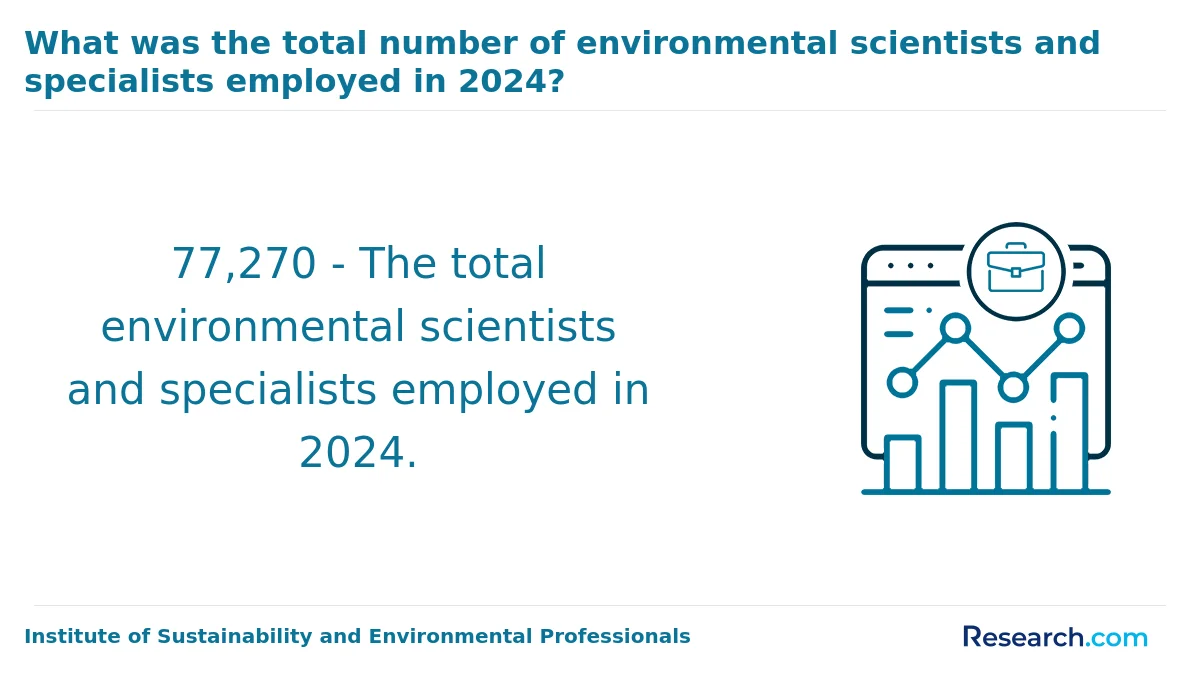
Imagine landing an online environmental science degree through a Maryland college, like those at Towson University or the University of Maryland Global Campus, while tapping into a treasure trove of financial aid. Many students share how filing the FAFSA opened doors to Pell Grants, which can cover up to $7,395 annually-amounts that feel like a breath of fresh air when budgeting for tuition.
State-driven support adds another layer of excitement. Through programs like the Guaranteed Access Grant or Tuition Waiver Programs for veterans and foster youth, Maryland residents find tangible relief making their dream degrees more affordable. Graduates often recall how these aids lightened their financial burden, letting them focus on field research and sustainability projects.
On-campus scholarships for environmental studies further sweeten the journey. Some schools offer renewable awards, boosting motivation to dive deep into conservation topics. Plus, outside help from groups like the Chesapeake Bay Trust sometimes surprises students with unexpected boosts, proving there are endless pathways to funding an adventurous, impactful educational experience.
Diving into an online environmental science degree in Maryland means gearing up with essential prerequisites that unlock your path to discovery. Undergraduates typically need a high school diploma with strong foundations in biology, chemistry, physics, and math-especially algebra and precalculus. Imagine joining a course at the University of Maryland, where graduates recall how mastering these subjects helped them confidently explore complex environmental systems and data models from day one.
Some schools may ask for SAT or ACT scores, though many now embrace test-optional policies, easing entry for passionate learners. Graduate programs, popular among students from institutions like Towson University, expect a bachelor's degree related to science and key courses in statistics and research methods. These prepare you to analyze real-world environmental challenges effectively.
Letters of recommendation and personal statements add personality to applications, allowing you to share your story and enthusiasm-just like many successful Maryland graduates who found this approach a thrilling adventure into both academics and their future careers.
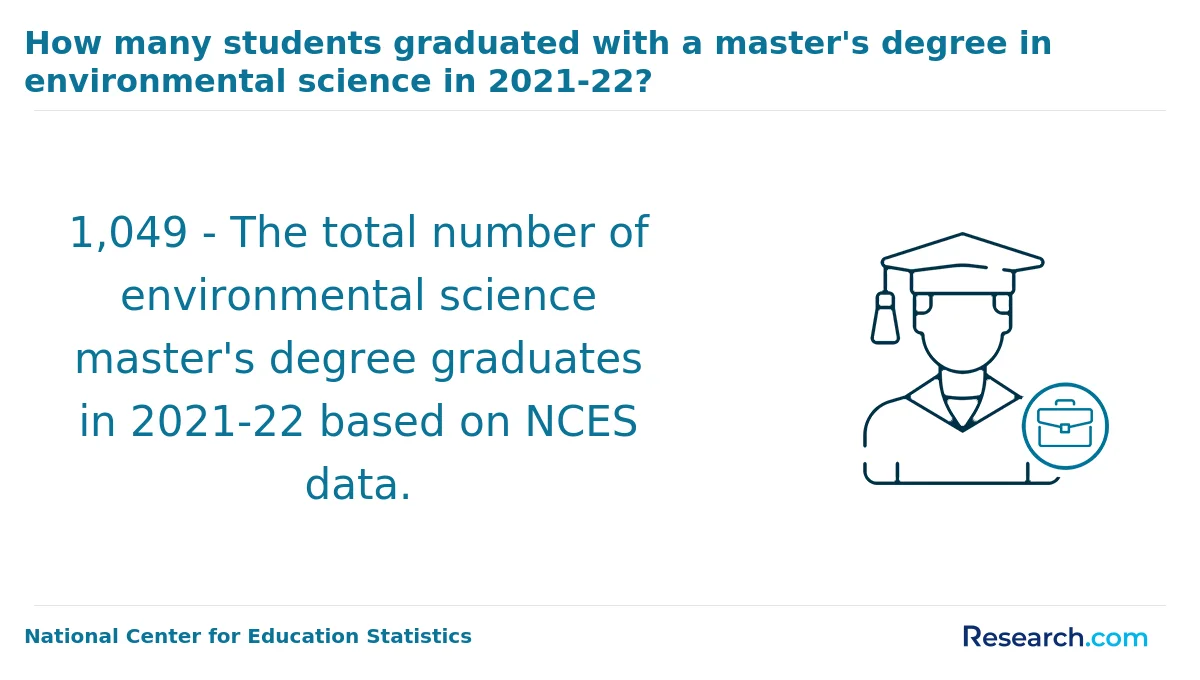
Diving into an online environmental science degree in Maryland means exploring courses that unlock the mysteries of nature right from your screen. Graduates recall exciting classes like Environmental Biology, where they studied the vibrant ecosystems of the Chesapeake Bay and connected biodiversity concepts to real local habitats. Chemistry courses sparked a sense of wonder as they uncovered chemical processes impacting Maryland's air and water quality.
Students often describe their hands-on excitement learning about Geology and Earth Systems, tracing Maryland's unique physical landscape while understanding natural resource management. Environmental Policy and Law classes brought a fresh perspective, revealing how Maryland's strong sustainability regulations directly shape the future of its environment.
Specialized courses like Water Resource Management resonate deeply, considering the state's close relationship with the Chesapeake Bay. GIS training feels like true adventure-it's the key to mapping environmental changes and solving local challenges. Many who studied at popular Maryland colleges cherish how combining solid science with active fieldwork in their curriculum turns online learning into an engaging, real-world experience.
Exploring online environmental science specializations Maryland offers can feel like unlocking doors to unique ecosystems and career paths. Graduates often share how diving into Environmental Policy and Management helped them navigate Maryland's strict regulations and land policies, fueling their passion for sustainable change. Others cherish the hands-on feel of Ecology and Conservation, especially when working virtually on projects related to the Chesapeake Bay's rich biodiversity, a vivid backdrop for students at popular Maryland colleges.
Many students rave about Environmental Chemistry and Toxicology, where they unravel the mysteries of pollutants and toxins impacting local waters and communities. Natural Resource Management draws those eager to protect Maryland's forests and waterways, blending theory with real-world environmental stewardship. Then there's Geographic Information Systems (GIS) and Environmental Data Analysis, where learners harness spatial tech skills crucial for cutting-edge planning and decision-making.
Curious adventurers seeking affordable options sometimes discover the cheapest online environmental science programs, which open doors without compromising depth or connection to Maryland's vibrant environmental challenges.
Choosing the best online environmental science degree in Maryland means diving into programs that balance rigorous curriculum with real-world impact. Imagine studying Chesapeake Bay conservation through interactive virtual labs offered by top Maryland colleges, where graduates rave about gaining hands-on experience even from a distance. These programs stand out by blending regional environmental challenges with core subjects like ecology and policy, making your learning uniquely local and deeply relevant.
Many prospective students seek affordable environmental science programs Maryland institutions provide, with in-state tuition often much friendlier than private alternatives. Graduates recall juggling courses asynchronously, fitting studies around busy lives thanks to flexible schedules and part-time options. Plus, exploring financial aid opportunities can unlock scholarships that ease the journey.
For those ready to explore career paths boldly, it's wise to review faculty expertise and support services that guide students toward successful outcomes. To further your adventure, consider taking a look at programs where you can study environmental science online with confidence.
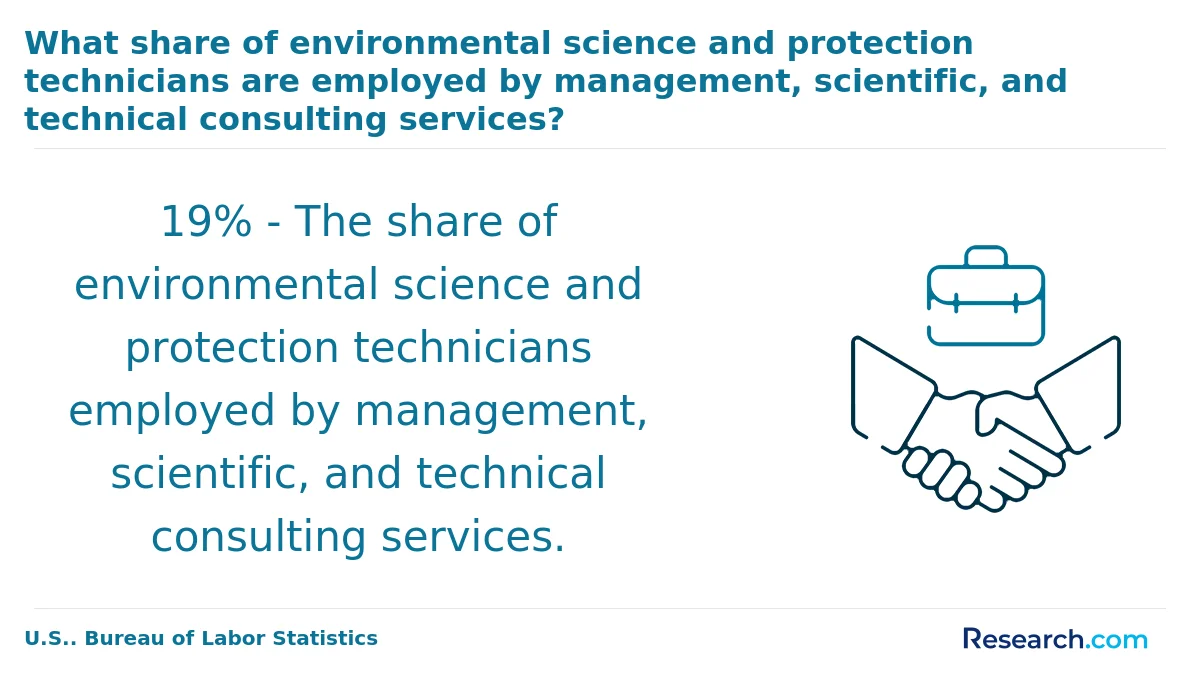
Graduates with an online environmental science degree in Maryland find themselves stepping into a world rich with diverse career paths. Many become environmental scientists or specialists, actively engaging in hands-on fieldwork around the Chesapeake Bay, where monitoring pollution and ecosystem health turns theories into meaningful impact. Others opt to become natural resource managers, working with local governments or conservation groups to protect Maryland's treasured forests and waterways-a true adventure in safeguarding nature.
Some graduates channel their passion into roles as environmental consultants, advising businesses on sustainability, blending science with strategic decision-making. Wildlife biologists and ecologists explore Maryland's vibrant habitats, crafting conservation plans that might one day save an endangered species. Others inspire the community as environmental educators, developing programs to ignite public awareness.
Students at acclaimed Maryland colleges often find these paths enriched by connections to the region's unique environmental challenges and opportunities. Curious learners can also explore what qualifications do you need to be a chief sustainability officer, opening doors to leadership roles beyond traditional trajectories.
These varied options illustrate why online environmental science degree job opportunities Maryland offers stimulate both professional growth and a thrilling sense of exploration.
The job market for graduates with an online environmental science degree in Maryland is vibrant and full of opportunity. Many graduates from well-known programs in institutions like the University of Maryland and Towson University find themselves stepping into roles with excitement-whether working with the Chesapeake Bay Foundation or supporting renewable energy startups. These real-world experiences reflect the state's commitment to sustainability and its expanding green economy, making the journey from online learning to rewarding careers feel both tangible and inspiring.
Maryland's emphasis on environmental quality means graduates often find positions as environmental consultants, wildlife biologists, and sustainability coordinators within state agencies, nonprofits, and dynamic research institutions. The appealing salary prospects-around $72,000 median annually-offer financial encouragement alongside professional fulfillment.
For students curious about the broader landscape, exploring what types of environmental jobs are there can open up visions of diverse paths waiting to be forged. As more embrace online education, Maryland remains a fertile ground for those adventure seekers eager to launch their careers in environmental science.
2027 Best Online Environmental Science Degree Programs Ranking in Maryland
Investing in your education is a significant decision that can shape your future, and the Research.com team deeply understands the importance of making well-informed choices. To guide prospective students interested in environmental science, we have carefully developed the "2027 Best Online Environmental Science Degree Programs Ranking in Maryland." Our dedication to quality, credibility, and accuracy is demonstrated through thorough research and detailed analysis.
We utilized the following reputable data sources to ensure a comprehensive evaluation of environmental science programs:
By exploring this ranking, readers will gain valuable insights into the top online environmental science degree options in Maryland, empowering them to make confident decisions about their educational investments. For a detailed explanation of our ranking process, please visit our Research.com methodology page.

# 2 position
University of Maryland Global Campus
Master of Environmental Management

# 3 position
University of Maryland Global Campus
Bachelor of Environmental Health & Safety
Frequently Asked Questions About environmental science
Students pursuing online environmental science degrees in Maryland can enhance their learning by actively engaging with course materials and participating in virtual discussions. Leveraging Maryland's rich environmental diversity-such as the Chesapeake Bay ecosystem-can provide practical case studies to complement theory.
It is beneficial to use resources from local institutions like the Maryland Department of the Environment and scientific databases for up-to-date information on regional environmental issues. Networking with professionals through online forums or Maryland-based environmental organizations can deepen understanding and build connections.
Moreover, students should take advantage of internship opportunities offered by Maryland's environmental agencies to gain hands-on experience, which is crucial in this applied field.
Emerging niches within the environmental science field reflect growing concerns and technological advances. In Maryland, areas like climate change adaptation, sustainable urban development, and environmental data analytics are gaining traction. The Maryland Department of the Environment emphasizes the need for experts in water resource management due to the Chesapeake Bay's ecological importance.
Renewable energy technologies, particularly solar and wind, also create job opportunities. Online environmental science degrees increasingly cover topics like environmental policy, GIS mapping, and ecosystem restoration. According to the U.S. Bureau of Labor Statistics, environmental science jobs are projected to grow by 8% nationally through 2032, with Maryland showing a steady increase in environmental consultancy roles.
Graduates holding an online environmental science degree from Maryland should focus on gaining practical experience through internships or volunteer work within local agencies such as the Maryland Department of the Environment. This hands-on involvement can boost employability by demonstrating applied skills.
Networking is essential; joining professional groups like the Maryland Chapter of the Society for Environmental Toxicology and Chemistry helps connect graduates with industry professionals. Maryland's environmental sector is projected to grow 7% over the next decade, emphasizing the importance of staying updated on regulations and innovations.
Additionally, certifications such as the Environmental Professional (EP) credential can enhance job prospects. Utilizing Maryland's job centers and university career services tailored to environmental sciences supports a successful transition into the workforce.
Employers in Maryland prioritize strong analytical and research skills in graduates with environmental science degrees. According to the Maryland Department of Labor, the ability to interpret environmental data and conduct field research is critical for roles in local agencies and private firms.
Technical proficiency in Geographic Information Systems (GIS) is especially valued, as Maryland hosts many projects related to Chesapeake Bay restoration and urban planning. Familiarity with environmental regulations at federal and state levels also ranks high in employer preferences.
Communication skills, including report writing and public outreach, are essential since professionals often work with diverse stakeholders. These competences prepare graduates to effectively address Maryland's evolving environmental challenges.
Finding internships in Maryland relevant to an environmental science degree involves targeting local agencies and organizations focused on environmental issues. The Maryland Department of the Environment offers internship programs that provide hands-on experience in areas like water quality and air pollution control. Universities such as the University of Maryland and Towson University often have partnerships with state and federal agencies, offering students opportunities through their career centers.
Additionally, nonprofit organizations like the Chesapeake Bay Foundation provide internships focused on conservation and watershed protection, critical areas in Maryland's environmental landscape. Websites like the Maryland Higher Education Commission's internship portal list available positions statewide.
Networking and attending local environmental events can also connect students with opportunities. According to the U.S. Bureau of Labor Statistics, environmental science job growth in Maryland is projected to increase by 8% through 2030, signaling expanding internship availability.
Obtaining an online environmental science degree in Maryland can significantly enhance career mobility and advancement opportunities. Maryland's focus on environmental policy, particularly in Chesapeake Bay restoration, supports strong job growth in fields like natural resource management and environmental consulting.
According to the U.S. Bureau of Labor Statistics, Maryland's environmental science-related roles are projected to grow faster than the national average through 2031. Online degrees offer flexibility, allowing working professionals to upskill without career interruptions.
Graduates with such degrees often qualify for positions in government agencies, nonprofits, and private firms, which value accredited online credentials. This formal education broadens expertise, making candidates competitive for leadership and specialized roles.
Studying for an online environmental science degree in Maryland equips students with a strong interdisciplinary foundation. Programs typically integrate biology, chemistry, geology, and policy studies, reflecting the broad nature of environmental challenges. Maryland's unique geography-ranging from the Chesapeake Bay to urban centers-offers real-world context for understanding ecosystems and human impact.
Courses emphasize problem-solving across scientific and social disciplines, preparing graduates for diverse roles in government, consulting, or research. According to the Maryland Higher Education Commission, demand for environmental scientists in the state is projected to grow 8% by 2030, showcasing the importance of versatile skills.
Such degrees often include training in data analysis, environmental law, and sustainability practices, enhancing professional adaptability.
Choosing between a thesis and a non-thesis environmental science degree in Maryland depends largely on your career goals and learning preferences. A thesis program requires original research and is recommended for students aiming for doctoral studies or research-oriented careers.
Non-thesis options typically focus on coursework and practical skills, appealing to those pursuing professional roles in government, industry, or environmental consulting. According to the Maryland Higher Education Commission, about 35% of environmental science graduates pursue research or academic careers, highlighting thesis programs' relevance for this group.
Evaluating faculty expertise and available resources at Maryland schools can also guide your choice.
Students based in Maryland interested in studying environmental science abroad through online programs have several options. Many U.S. universities with accredited online environmental science degrees offer study abroad components or international research opportunities connected to their virtual courses. These programs often include partnerships with institutions in countries such as Costa Rica or Australia, where students can engage in fieldwork during short-term residencies.
Maryland students may also access exchange programs facilitated by their home institutions, allowing seamless credit transfer from foreign universities specializing in environmental science. According to the Maryland Higher Education Commission, such international options complement online learning, enabling a global perspective without disrupting professional and personal obligations.
Maryland offers several part-time job opportunities that complement online environmental science degree programs. Students often find roles as environmental technicians, assisting with data collection and fieldwork. According to the Maryland Department of Labor, environmental science and protection technician positions in the state have grown by approximately 6% over recent years, reflecting steady demand.
Internships with local environmental agencies or non-profits provide hands-on experience, which is crucial for career development. Jobs such as lab assistants or research aides at institutions like the University of Maryland also support practical learning alongside coursework. Additionally, positions in environmental education or community outreach help develop communication skills critical for this field.
These part-time roles enhance understanding of Maryland's diverse ecosystems and strengthen resumes for future employment.
Online environmental science students in Maryland have access to a variety of networking opportunities designed to enhance their academic and professional development. Many Maryland institutions offering online programs encourage participation in virtual career fairs and online networking events. These events connect students with local environmental organizations like the Maryland Environmental Trust and the Chesapeake Bay Foundation, which are key players in regional conservation efforts.
Students can also join professional groups such as the Maryland Chapter of the Sierra Club or the Maryland Association of Environmental Professionals. These groups often host webinars and workshops that are accessible remotely.
Additionally, Maryland's online students benefit from alumni networks and faculty contacts, providing mentorship and job leads in the state's growing environmental sector. According to the U.S. Bureau of Labor Statistics, Maryland's environmental scientist employment is projected to grow by 6% through 2028, underlining the value of strong local connections.
Alumni networks play a crucial role for online environmental science degree students in Maryland by offering valuable professional connections and career guidance. Graduates from Maryland institutions often work in regional agencies like the Maryland Department of the Environment, creating a local network of professionals.
These networks facilitate internships and job placements through shared opportunities often unavailable to non-members. According to the National Association of Colleges and Employers, 70% of jobs are found via networking, highlighting its importance.
Moreover, alumni groups provide mentoring, webinars, and workshops tailored to environmental science trends in Maryland, preparing students for challenges such as Chesapeake Bay restoration and urban sustainability.
Customizing an online environmental science degree in Maryland allows students to align their education with specific career goals. Many programs offer elective courses in areas such as environmental policy, sustainability, and geographic information systems (GIS). This flexibility helps students develop skills that meet local industry demands, such as Maryland's focus on Chesapeake Bay conservation.
Students can often choose capstone projects or internships related to regional environmental challenges, enhancing practical experience. Additionally, some Maryland institutions provide options for certificate programs alongside degrees, further tailoring expertise. Consulting academic advisors ensures selected courses and experiences support targeted career paths effectively.
Online environmental science students in Maryland often face challenges related to balancing coursework with work and family commitments. Since many programs require fieldwork or lab components, remote learners might struggle to find suitable local opportunities that meet degree requirements. Connectivity issues can also hinder access to interactive online resources, a concern in rural parts of the state. Additionally, Maryland's unique environmental concerns-like Chesapeake Bay restoration-can demand specialized knowledge, making it essential for students to engage with regional data and regulations independently. According to the Maryland Higher Education Commission, 35% of online learners report difficulties with time management.
With an online environmental science degree in Maryland, you can pursue several professional certifications to advance your career. One prominent option is the Certified Environmental Professional (CEP) credential, which validates expertise in environmental regulations and practices. Maryland also offers tailored certifications like the Maryland Registered Environmental Health Specialist (REHS) for those focusing on public health and environmental safety.
The State of Maryland values certifications that align with local environmental priorities, such as water resource management and pollution control. According to the Maryland Department of the Environment, certified professionals often have better job prospects and higher salaries.
Other nationally recognized certifications applicable include the Environmental Professional in Training (EIT) and the Stormwater Inspector certification. These credentials support roles in consulting, government, and private sectors focused on sustainability and regulatory compliance.
Applying to an online environmental science program in Maryland requires careful preparation. First, ensure your application highlights a strong academic background in relevant sciences such as biology, chemistry, and geography. Maryland is home to key environmental agencies like the Chesapeake Bay Program, so referencing local environmental issues can demonstrate your commitment and awareness.
Next, tailor your personal statement to explain why you want to study environmental science online and how you plan to address Maryland's unique ecological challenges. Admissions committees appreciate applicants who connect their goals with regional concerns. Including any volunteer work or internships related to Maryland's environmental sectors can strengthen your case.
Finally, make sure to meet all technical requirements for online study and submit transcripts and recommendation letters promptly. According to data from the Maryland Higher Education Commission, applicants with clear goals and relevant experience are statistically more likely to be admitted.
Environmental science careers have a growing global importance, driven by increased concerns about climate change, pollution, and resource management. In the U.S., including Maryland, graduates with online environmental science degrees contribute to international efforts by addressing local issues that have global impact, such as Chesapeake Bay restoration.
According to the U.S. Bureau of Labor Statistics, environmental scientist roles are expected to grow 8% between 2022 and 2032, reflecting worldwide demand for expertise. Maryland's proximity to important ecosystems offers hands-on research and job opportunities in conservation and policy.
International collaboration is important, with U.S.-trained experts supporting global sustainability goals outlined by the United Nations, while advances in technology and data analysis foster shared knowledge across borders.
Gaining practical experience while pursuing an online environmental science degree in Maryland is essential for career readiness. Many programs encourage internships with local agencies such as the Maryland Department of the Environment or non-profits focused on Chesapeake Bay restoration. These opportunities provide hands-on work with real-world environmental challenges.
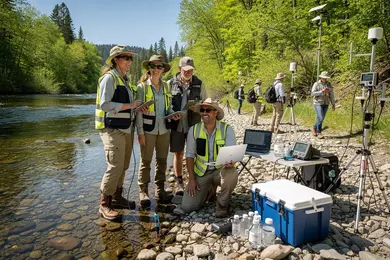
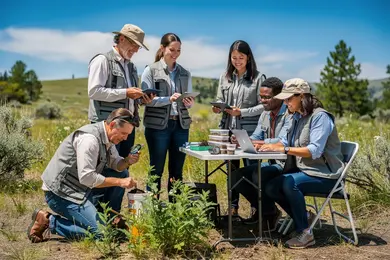
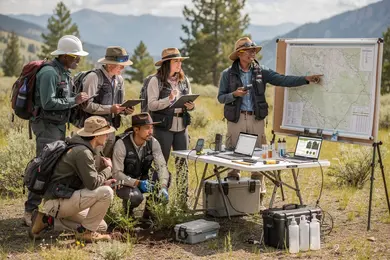
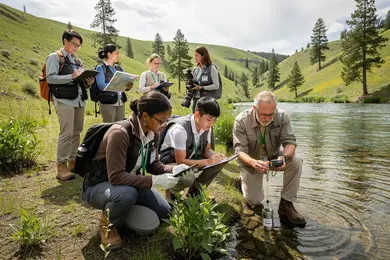
Fieldwork may include water quality testing, wildlife surveys, or environmental impact assessments, which complement online coursework. Maryland's rich ecosystems offer diverse settings for such activities. Additionally, some universities partner with state parks or research centers allowing students to engage in projects remotely or during occasional on-site visits.
Students are also encouraged to participate in virtual labs and simulation tools that replicate environmental data analysis, an increasingly valuable skill in the field. According to the National Environmental Education Foundation, practical experience increases job placement rates by nearly 30% among graduates, highlighting its importance.
Choosing the right concentration within an online environmental science degree in Maryland depends on your career goals and local environmental challenges. Maryland's diverse ecosystems, including the Chesapeake Bay watershed, create demand for expertise in water quality, conservation, and sustainability.
Research specific concentrations such as environmental policy, natural resource management, or environmental technology. According to the Maryland Department of the Environment, jobs related to water resource management are expected to grow by 10% over the next decade, highlighting the importance of specialized knowledge.
Look for programs offering practical projects or internships connected to Maryland agencies or nonprofits. This hands-on experience can be crucial for job readiness in the state's unique environmental landscape.
- NETWORKING FOR SUCCESS: HOW TO SHINE IN ... https://stephintonature.com/all-environmental-conservation-travel-blogs/environmental-jobs-networking
- Online Bachelor's Degree: Environmental Health & Safety https://www.umgc.edu/online-degrees/bachelors/environmental-health-safety
- Environmental Science Graduate Programs in Maryland https://www.cjbnetwork.com/search/category/environmental-science/location/maryland
- MESPOM Alumni Association https://mespom.eu/mespom-alumni-association
- Environmental Science (M.S.) https://www.towson.edu/fcsm/departments/environsci/grad/science/
- Best Networking Strategies for Environmental Professionals https://www.nrep.org/blog/environmental-professional-networking-strategies
- University of Maryland Center for Environmental Science https://www.edx.org/school/umces
- 2026 Most Affordable Online Environmental Science ... https://www.onlineu.com/most-affordable-colleges/environmental-science-degrees
- Top Environmental Studies Research Programs for High ... https://pioneeracademics.com/news/top-environmental-studies-research-programs-for-high-school-students/
- Professional Certificates https://www.umces.edu/education/professional-studies/professional-certificates/