2027 Best Online Environmental Science Degree Programs Ranking in West Virginia

Co-Founder and Chief Data Scientist
Choosing the right environmental science degree can shape your future in meaningful ways, especially here in West Virginia. This article introduces the 2027 Best Online Environmental Science Degree Programs Ranking in West Virginia, developed by the Research.com team of data scientists to guide you toward the best options.
Whether you want to protect natural resources or drive sustainable innovation, this ranking helps you make informed decisions. Exploring these programs opens doors to rewarding careers that make a difference. Dive in and discover opportunities tailored to your goals and lifestyle.
Key benefits of getting online environmental science degree in West Virginia
- Environmental science graduates in West Virginia can expect competitive salaries, with related careers in the US often averaging around $70,000 annually, providing a promising financial future.
- Graduates from popular West Virginia universities pursue diverse careers such as environmental consulting, natural resource management, and sustainability planning, offering exciting paths to make a positive impact.
- Earning an online environmental science degree from reputable West Virginia schools allows flexible learning schedules and accessibility, making it easier to balance work and study while advancing your career confidently.
- 2027 Best Online Environmental Science Degree Programs Ranking in West Virginia
- What can I expect from online environmental science degree in West Virginia?
- Where can I work with online environmental science degree in West Virginia?
What can I expect from online environmental science degree in West Virginia?
The average cost of an online environmental science degree in West Virginia typically ranges between $10,000 and $25,000 for the entire program, depending on the institution. Graduates from schools like West Virginia University or Marshall University often share how affordable tuition helped them balance studies with work and family commitments. Many programs offer in-state rates even for online students, which significantly lowers costs compared to out-of-state tuition.
Additional expenses might include fees for required local lab sessions or fieldwork, but these are usually arranged conveniently near the student's location to minimize travel time and costs. Financial aid and scholarship options tailored to West Virginia residents can also lessen the financial burden, making the investment manageable.
Students appreciate the flexibility combined with accessible pricing, allowing them to build skills in environmental monitoring and energy policy without sacrificing income. This practical balance encourages steady progress toward a degree while students continue working or supporting their families.
Where can I work with online environmental science degree in West Virginia?
Graduates with an online environmental science degree in West Virginia often find work in state and local government agencies such as the West Virginia Department of Environmental Protection. These roles involve managing water quality, waste, and air pollution-tasks that graduates from schools like West Virginia University or Marshall University feel well-prepared to handle through hands-on projects integrated into their programs.
Many alumni have landed positions in private sectors like environmental consulting and energy companies, including coal mining firms and natural gas enterprises, where they focus on regulatory compliance and land reclamation. Their familiarity with local ecosystems gained during their studies proves invaluable in these jobs.
Federal agencies operating in the region, including the EPA and the U.S. Fish and Wildlife Service, are also common employers. Graduates frequently describe working on conservation and pollution enforcement initiatives that directly impact West Virginia's Appalachian environment.
Nonprofits and universities offer alternative career paths, especially for those interested in research and community outreach, providing a rewarding chance to combine advocacy with science in familiar local settings.
Graduates with an online environmental science degree in West Virginia can typically expect starting salaries ranging from $50,000 to $75,000 annually. This range reflects local industry demand and state-specific pay scales, which tend to be slightly below the national median of $76,530 reported by the U.S. Bureau of Labor Statistics. Many graduates from institutions like West Virginia University have noted that entry-level roles in state agencies or environmental consulting firms often begin near the lower end but offer rapid growth potential as experience and certifications accumulate.
For instance, those combining GIS skills or project management credentials often secure positions paying above $75,000, especially within sectors central to West Virginia's economy such as natural resource management and energy. Online degree holders appreciate the flexibility that allows them to work while studying, easing financial strain and positioning themselves for immediate employment after graduation. Practical experience gained through internships or part-time roles with the West Virginia Department of Environmental Protection further enhances earnings potential.
By strategically building expertise aligned with regional job markets, graduates find rewarding career paths that steadily increase income over time.
- Online environmental science programs in West Virginia are offered by accredited universities, allowing students to study while managing other commitments.
- Tuition ranges from $6,000 to $15,000 per year for in-state students, with potential savings from no relocation or commuting costs.
- The environmental science job market in West Virginia is expected to grow about 5% nationally over the next decade, supporting steady employment opportunities.
- Starting salaries average around $45,000 per year, with experienced professionals earning between $65,000 and $70,000 annually.
- Programs focus on regional issues like water quality, mining reclamation, and ecosystem restoration, combining science and applied policy coursework.
- Choosing an accredited program with experienced faculty is important for educational quality and better job prospects after graduation.
Completing an online environmental science degree in West Virginia typically takes about four years if you enroll full-time, mirroring the usual timeframe for bachelor's programs nationwide. Graduates from West Virginia University and Marshall University often share how balancing asynchronous courses with work or family made pacing flexible yet efficient.
If you're a part-time student or transferring credits from a community college or military service, expect the duration to extend beyond four years. However, some students have accelerated their progress by enrolling in summer sessions or taking heavier course loads each term, finishing in as little as three years.
Many find that the affordable in-state tuition at public institutions, around $8,300 annually, encourages keeping a steady full-time schedule, which not only helps to graduate faster but also saves money in the long run.
When planning, consider your personal commitments alongside program options at local universities to create a manageable timeline that suits your life.
Choosing between online and on-campus environmental science degrees in West Virginia depends on your lifestyle and learning preferences. Online programs, like those offered by some regional universities, allow you to balance work or family commitments by accessing lectures and assignments anytime. Graduates appreciate saving on commuting and housing costs while tackling the same core subjects in ecology and conservation.
On-campus degrees, such as those at West Virginia University, give you hands-on exposure to labs and local fieldwork in Appalachian ecosystems. Graduates often recall how direct interaction with professors and peers enhanced their learning and helped secure internships through campus connections. The in-state tuition for these programs usually ranges from $7,000 to $10,000 annually, whether online or on-campus.
Online students need to seek remote internships proactively, but virtual career services are growing. If you value flexibility and manageable costs without sacrificing a quality degree, online programs provide a practical path, while on-campus study delivers immersive experiences that many find motivating and rewarding.
The average cost of online environmental science degree in West Virginia typically centers around $20,484 for in-state students, according to recent median total cost data. For those living in-state, attending a public university like West Virginia University (WVU) can be a practical choice, as graduates often share how the combination of reasonable tuition and accessible online scheduling allowed them to balance work and studies without breaking the bank. One graduate described how the predictable credit-hour pricing made budgeting straightforward, especially compared to out-of-state rates that can more than double, approaching $50,000. This significant price gap encourages many to seek residency or programs with flat-rate tuition structures to keep costs manageable.
Affordable online environmental science programs West Virginia offers often include public institutions where tuition is aligned with the state's cost-of-living and institutional priorities. Additionally, many students highlight the advantage of lower additional fees compared to private colleges whose tuition can exceed $30,000 annually. These savings extend beyond the classroom, as local students can avoid relocation expenses and utilize digital libraries and resources efficiently.
Some students strategically start their studies through community colleges to minimize expenses before transferring into a bachelor's program; this approach is widely adopted among pragmatists looking to reduce the financial burden. Moreover, those interested in environmental topics can explore options such as a bachelor's degree in sustainability, which complements environmental science and sometimes shares tuition rates, offering yet another pathway to cost-effective education.
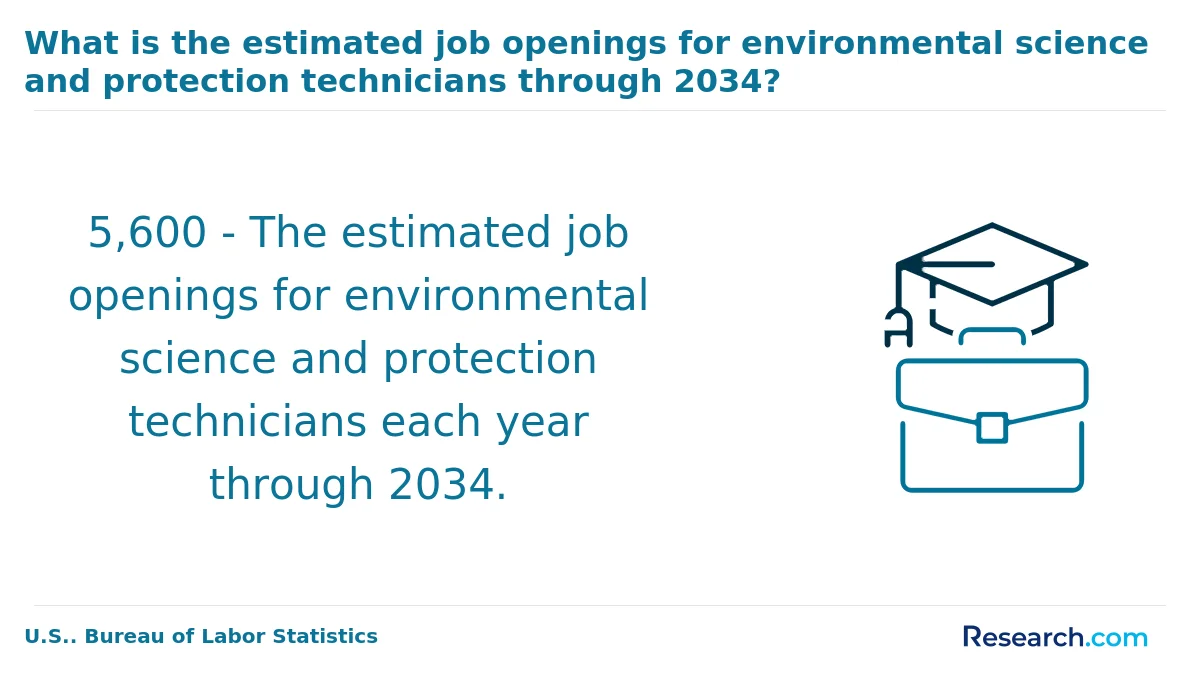
When pursuing an online environmental science degree in West Virginia, the most immediate financial relief often comes from federal aid programs. Many students at schools like West Virginia University or Fairmont State University rely on Pell Grants, which can cover up to $7,395 per year without needing repayment. Coupled with Direct Student Loans offering manageable interest rates, these options create a practical foundation to fund your studies.
State-specific aid makes a big difference, too. For example, the West Virginia Higher Education Grant provides up to $1,500 annually to in-state residents enrolled in accredited online programs. Graduates recall this helping offset expenses during their terms. The PROMISE Scholarship further rewards diligent students maintaining strong GPAs, offering both motivation and money for their efforts.
Many learners also tap into university-based merit scholarships oriented toward environmental sciences, often ranging from $1,000 to $5,000. They highlight how maintaining a solid GPA and course load unlocks these opportunities.
For those already employed in industries like forestry or energy, employer tuition assistance programs often relieve financial pressure. Graduates share stories of combining this support with federal and state aid to fully fund their degrees without accumulating overwhelming debt.
Finally, seeking external scholarships from organizations such as the National Wildlife Federation can provide critical extra funds for committed environmental students ready to make an impact in West Virginia's unique ecological landscape.
To enroll in an online environmental science degree in West Virginia, start by securing a high school diploma or GED, a basic step every successful graduate from schools like West Virginia University has completed. Next, gather official transcripts showing strong science and math courses-biology and chemistry are especially important, as alumni often recall how these classes prepared them for lab work and analytical projects. Many programs require a GPA around 2.5 to 3.0, ensuring you've kept up with academic challenges.
Since test requirements vary, check each college's policy carefully; several popular institutions have moved to test-optional admissions, which relieves some pressure but submitting good SAT or ACT scores can still boost your chances. Prepare to write personal statements or essays that express your passion for environmental science, a step former students say helped them stand out.
Lastly, confirm you have reliable internet and a capable computer, essential for virtual labs and interactive lessons that make learning engaging and manageable.
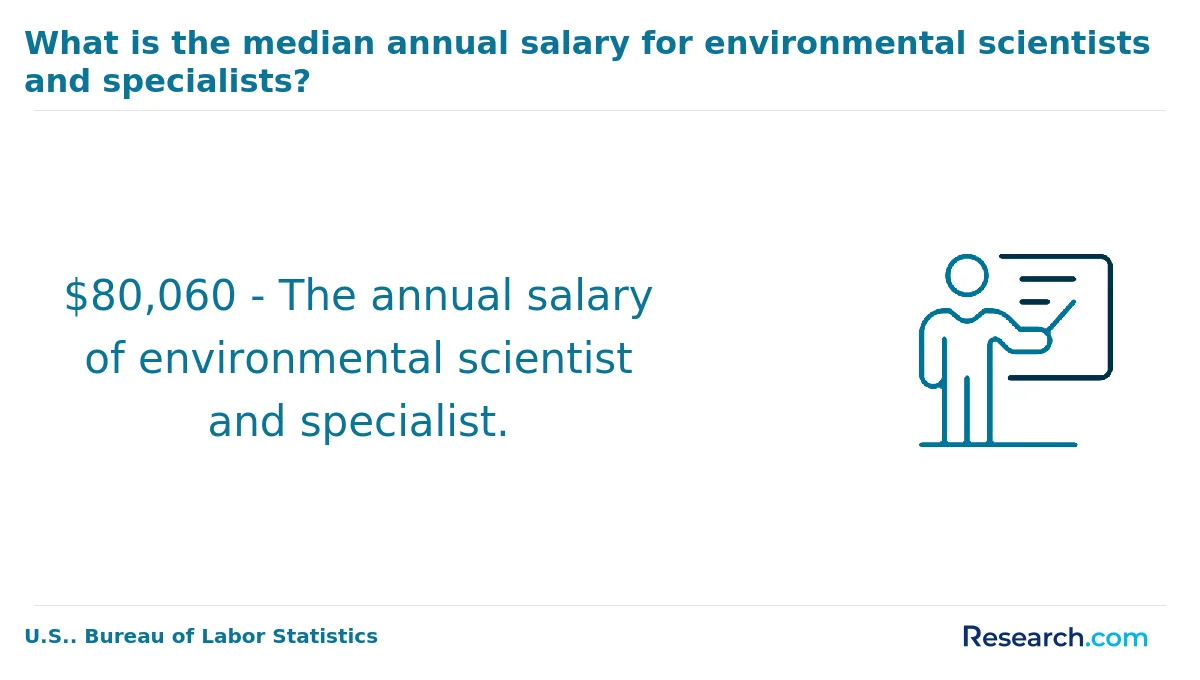
Online environmental science degree programs in West Virginia usually include a mix of core science and applied courses tailored to the state's unique landscape. Expect to study General Biology and Ecology to understand living systems, alongside Chemistry focused on environmental chemical processes. Geology and Soil Science provide essential knowledge about the ground beneath West Virginia's coal regions, a frequent topic in local programs.
Graduates from universities like West Virginia University often highlight how Environmental Policy and Law courses gave them practical insights into regulations affecting the mining and energy sectors. Natural Resource Management classes focus on forests, rivers, and wildlife crucial to Appalachian biodiversity, giving students relevant skills for local jobs.
Many students also appreciate hands-on learning through GIS technology classes, which teach them to analyze environmental data for real projects in government or private sectors. These courses combined help students feel confident addressing West Virginia's real-world environmental challenges.
In West Virginia, online environmental science degree programs typically offer several practical specializations to match your career goals and local environmental challenges. Common options include Environmental Policy and Management, which prepares graduates to navigate regulations and work with agencies or nonprofits, a path many local alumni successfully pursue. Natural Resource Conservation is another specialization, deeply connected to West Virginia's forestry and mining history, training students in sustainable resource use and land management. Ecology and Environmental Biology is popular among graduates who enjoy studying ecosystems and biodiversity, especially given the state's rich natural habitats. Some programs also offer Environmental Chemistry and Toxicology, focusing on pollution analysis and cleanup, ideal for jobs in labs or consulting firms.
For students interested in emerging fields, Renewable Energy and Climate Change Science are growing concentrations that reflect national trends and regional energy priorities.
Many online learners at well-known West Virginia colleges find that selecting one of these focused areas enhances their expertise and job prospects. To explore affordable online environmental science options tailored for West Virginians, consider checking affordable online environmental science programs.
Start by confirming the program's accreditation, preferably from the Higher Learning Commission, which ensures your online degree from institutions like West Virginia University carries weight with employers. Graduates from these programs often highlight how accreditation gave them confidence in the value of their education.
Evaluate curriculum options that suit your career goals, such as sustainable resource management or environmental policy, and look for programs that combine virtual labs with local fieldwork collaborations. Many students report that these practical experiences make their studies more engaging and relevant to real-world challenges in West Virginia.
Since affordability matters, explore affordable environmental science programs West Virginia offers, often costing less than the national average tuition of $9,500. In-state online degrees reduce expenses, helping students balance budgets while managing family or work commitments.
Consider faculty experience as well. Programs connected to state agencies like the West Virginia Department of Environmental Protection foster mentorship and networking opportunities, which graduates say enhanced their job prospects.
Finally, choose programs providing strong student support-academic advising, career counseling, and tech help are crucial for online learners. For a comprehensive comparison, check out environmental science online to find options tailored to West Virginia students.
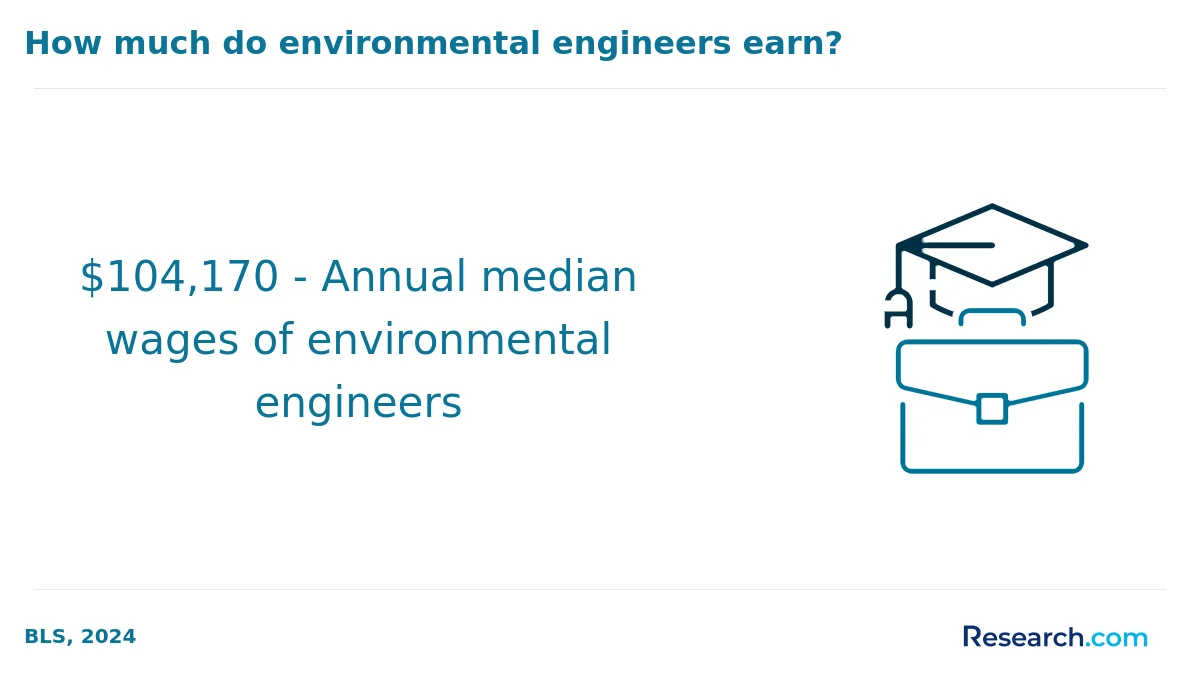
Graduates earning an online environmental science degree in West Virginia find strong career opportunities tailored to the state's unique landscape. Many begin as environmental scientists or specialists, working with agencies like the West Virginia Department of Environmental Protection on projects such as water quality monitoring or land reclamation. Others pursue natural resource management, collaborating with forestry services or state parks to sustainably manage timber and protect wildlife-common roles after studying at institutions such as West Virginia University or Marshall University.
Some graduates turn to environmental consulting firms, helping local industries navigate regulations and conduct impact assessments. This path particularly appeals to those who enjoy blending fieldwork with policy. Alternatively, careers in renewable energy and environmental policy analysis are rapidly growing, as West Virginia shifts toward clean energy sources; graduates advise on transitioning from coal to solar or wind power.
Students exploring environmental science degree careers in West Virginia can benefit from understanding practical steps to advance, including gaining experience through internships and learning about cso requirements if they aim for leadership roles in sustainability.
Graduates with an online environmental science degree in West Virginia find a steady job market rooted in the state's ongoing commitment to natural resource management. Many graduates from local universities, such as West Virginia University and Shepherd University, report securing roles in government agencies, particularly within the West Virginia Department of Environmental Protection, where they handle real-world challenges like water quality analysis and pollution control. This practical experience is vital for those navigating the online environmental science job opportunities in West Virginia.
Energy companies involved in the region's coal mining and renewable energy sectors also seek environmental science professionals to support sustainable operations. Students often gain confidence knowing their degree opens doors to nonprofit organizations focused on conservation, where they contribute to impactful environmental education programs. Those aiming to maximize their career potential can explore certifications and further studies to enhance their qualifications.
For those weighing career prospects, it helps to explore environmental field jobs that align with the state's economic landscape and environmental priorities, offering a practical and rewarding pathway forward.
2027 Best Online Environmental Science Degree Programs Ranking in West Virginia
Investing in your education is a significant decision that can shape your future, and the Research.com team understands the importance of making informed choices. To assist prospective students in West Virginia, we have meticulously crafted the "2027 Best Online Environmental Science Degree Programs Ranking in West Virginia." Our commitment to quality, credibility, and accuracy is reflected in the extensive research and analysis conducted to compile this ranking.
We utilized the following reputable data sources to ensure a comprehensive evaluation of environmental science programs:
By exploring this ranking, readers will gain valuable insights into the best online environmental science degree programs available in West Virginia, helping them make informed decisions about their educational paths. For more details on our methodology, please visit our Research.com methodology page.


Frequently Asked Questions About environmental science
Students pursuing online environmental science degrees in West Virginia can maximize their learning by actively engaging with local environmental issues. West Virginia's unique Appalachian ecosystem offers a rich context for applied studies, especially in areas like forest conservation and water resource management. According to the West Virginia Department of Environmental Protection, over 60% of the state is covered by forest, providing ample research and internship opportunities for students.
Additionally, building connections with regional environmental organizations and participating in virtual seminars hosted by West Virginia universities can enhance practical understanding. Utilizing state and federal databases related to air and water quality also helps students develop data analysis skills crucial for environmental careers.
Time management and consistent communication with faculty further support academic success in fully online programs. Combining theoretical coursework with these applied learning strategies offers a well-rounded educational experience tailored to West Virginia's environmental landscape.
The environmental science field is evolving rapidly, with several emerging niches gaining prominence. One key area is renewable energy management, focusing on solar and wind resources, which is increasingly important in West Virginia as the state transitions from coal dependency. Another growth niche is climate change adaptation, where professionals develop strategies to help communities manage environmental risks.
Ecotoxicology, the study of contaminants' effects on ecosystems, is also expanding due to rising concerns about water quality in Appalachian regions. Additionally, geographic information systems (GIS) specialists help analyze environmental data for land use planning. These niches reflect nationwide trends noted by the U.S. Bureau of Labor Statistics and align with West Virginia's environmental priorities.
After earning an online environmental science degree in West Virginia, preparing for the job market involves targeted steps. First, gaining practical experience through internships or volunteer work with local agencies like the West Virginia Department of Environmental Protection can be invaluable. These opportunities help build relevant skills and professional networks.
Graduates should also consider acquiring certifications such as the Certified Environmental Scientist (CES) credential, which can enhance job prospects. According to the U.S. Bureau of Labor Statistics, employment of environmental scientists in West Virginia is projected to grow by 5% through 2031.
Networking through industry groups and attending regional environmental conferences can further connect job seekers with employers.
Employers in West Virginia prioritize several key skills when hiring environmental science graduates, especially those with online degrees. Analytical skills are essential, allowing graduates to assess environmental data related to the state's diverse ecosystems and industries. Technical proficiency with geographic information systems (GIS) and environmental monitoring tools is highly valued.
Strong communication skills are crucial, enabling graduates to explain findings clearly to policymakers and communities. Additionally, knowledge of state environmental regulations, such as those from the West Virginia Department of Environmental Protection, is important.
Problem-solving abilities and teamwork are frequently highlighted in job listings, reflecting the collaborative nature of environmental work in the region.
Finding internships in West Virginia related to environmental science often starts with exploring local government agencies such as the West Virginia Department of Environmental Protection. They regularly offer internship opportunities focused on water quality, land management, and pollution control. Universities like West Virginia University also maintain career services and internship databases specifically tailored for environmental science students.
Additionally, organizations such as the Appalachian Regional Commission and local conservation groups frequently host internships. Networking through professional associations, including the West Virginia Native Plant Society, can provide access to niche opportunities.
Online platforms like Handshake and USAJobs list internships within West Virginia federal and state environmental programs, aiding students to connect with employers remotely or locally.
Obtaining an online environmental science degree in West Virginia can significantly enhance career mobility and advancement opportunities. Graduates are equipped with relevant skills to meet the growing demand in the state's energy, conservation, and environmental management sectors. According to the U.S. Bureau of Labor Statistics, environmental scientists in West Virginia earn a median annual wage of around $58,000, with projected job growth faster than the national average through 2030.
The flexibility of online programs allows working professionals to gain credentials without interrupting their careers, making career shifts more feasible. Employers in industries such as coal, forestry, and government agencies increasingly prefer candidates with formal education in environmental science. Additionally, many programs offer specialized training in West Virginia's unique environmental challenges like Appalachian ecosystem conservation, making graduates more competitive locally.
Studying for an environmental science degree online in West Virginia equips students with skills that bridge multiple disciplines, vital for addressing the state's unique ecological challenges. Programs often integrate coursework in biology, chemistry, geology, and policy, reflecting the complexity of environmental problem-solving. West Virginia's economy relies heavily on natural resources like coal and forestry, so students learn to balance economic and environmental interests.
Many programs emphasize hands-on data analysis and GIS technology, preparing graduates for roles in consulting, government, and conservation. According to the West Virginia Department of Environmental Protection, interdisciplinary knowledge is crucial for effective resource management and regulatory compliance statewide.
When choosing between a thesis and a non-thesis environmental science degree program in West Virginia, consider your career goals and learning preferences. Thesis programs often suit students aiming for research roles or doctoral studies, as they emphasize independent investigation and writing. Non-thesis options usually focus on coursework and practical skills, catering to professionals seeking direct entry to the workforce.
West Virginia's environmental field includes key sectors like coal reclamation and water resource management, where applied knowledge is valuable. According to the West Virginia Department of Environmental Protection, hands-on experience is critical for many local employers. Research programs may suit those interested in contributing to such studies.
Public universities may require 6-12 credits of thesis work for research tracks, while non-thesis paths often demand additional electives. Deciding depends on whether you prefer applied practice or academic research focus.
Students based in West Virginia who wish to study environmental science abroad have several pathways through U.S. accredited online degree programs that include global or international environmental components. While direct foreign universities may pose credit transfer and residency challenges, many American universities offer partnerships and study abroad options within their online environmental science curricula.
West Virginia University, for example, integrates environmental topics relevant to both domestic and international contexts in its programs, referencing data from entities like the U.S. Environmental Protection Agency (EPA) and international climate bodies. This allows students to gain a broad perspective without leaving the U.S.
For hands-on international experience, students often combine online coursework with short-term study abroad or internship opportunities in global environmental organizations, adhering to guidelines set by U.S. higher education accreditors such as the Higher Learning Commission (HLC).
Students pursuing online environmental science degrees in West Virginia can benefit from part-time jobs that provide practical experience aligned with their studies. Opportunities include working as field technicians assisting with water quality sampling or wildlife surveys, roles commonly available through state agencies like the West Virginia Department of Environmental Protection.
In addition, many environmental consulting firms in West Virginia offer internships or part-time positions supporting ecological assessments and data analysis.
According to the U.S. Bureau of Labor Statistics, such hands-on experience strengthens resumes and improves job prospects in an industry projected to grow by 8% nationally through 2032.
Local non-profits focused on conservation and sustainability also hire students part-time to help with community outreach and environmental education programs.
Online environmental science students in West Virginia have several valuable networking opportunities despite studying remotely. The state's universities often facilitate virtual meetups, seminars, and workshops connecting students with faculty and professionals. For example, West Virginia University offers access to the Davis College of Agriculture, Natural Resources & Design alumni network, which includes many environmental experts.
Regional conferences like the West Virginia Environmental Council events provide ways for students to engage locally. Additionally, professional groups such as the West Virginia Chapter of the Society of Environmental Toxicology and Chemistry offer memberships that include virtual forums and job listings.
These connections help students build career contacts within the local environmental science community, which is focused on coal reclamation, water quality, and forestry management, important sectors in West Virginia's economy.
Alumni networks offer significant advantages to students pursuing online environmental science degrees in West Virginia. These networks provide access to professionals working within the state's unique environmental sectors, such as forestry, water quality, and Appalachian ecology. Connecting with graduates can enhance career opportunities through internships and job referrals, especially given West Virginia's growing emphasis on sustainable energy and environmental restoration projects.
A strong alumni community often shares industry insights, job market trends, and resources tailored to local environmental challenges documented by organizations like the West Virginia Department of Environmental Protection. Students benefit from mentorship programs that help navigate both academic and professional development.
Moreover, alumni networks foster collaboration on research and community initiatives, creating a supportive environment for current students transitioning into workforce roles focused on regional environmental issues.
Customizing an online environmental science degree in West Virginia allows students to align their education with specific career goals. Many programs offer elective courses or concentrations in areas like watershed management, environmental policy, or renewable energy.
Students can often choose internships or practicum experiences tailored to West Virginia's unique environmental challenges, such as coal mining reclamation or Appalachian ecosystem conservation. This hands-on experience boosts employability within the state's environmental sector.
Advisors usually assist students in selecting courses and projects that match industry demands. According to the West Virginia Department of Environmental Protection, demand for specialists in water quality and land restoration is rising, emphasizing the value of focused study.
Online environmental science students in West Virginia often face challenges related to limited local access to advanced laboratory facilities, which are crucial for practical learning. While many programs offer virtual simulations, the lack of hands-on experience can impact skill development. Additionally, West Virginia's rural areas sometimes suffer from inconsistent internet connectivity, making live sessions and resource access difficult. Students also report balancing coursework with professional or family responsibilities as a common hurdle. According to the West Virginia Higher Education Policy Commission, nearly 30% of online students struggle with time management, a significant factor given the program's rigorous scientific content. Lastly, finding local internships aligned with environmental concerns in the state can be limited.
With an online environmental science degree, graduates in West Virginia can pursue several professional certifications to advance their careers. Popular choices include the Certified Environmental Scientist (CES) credential, offered by the National Registry of Environmental Professionals. This certification verifies expertise in environmental science and can enhance job prospects.
Another key certification is the Certified Hazardous Materials Manager (CHMM), recognized nationwide and valuable for work in waste management or pollution control sectors. Additionally, becoming a LEED Green Associate can benefit those interested in sustainable building practices, a growing industry in West Virginia.
State-specific certifications may also apply, such as West Virginia's water treatment operator licenses, which complement environmental science training. According to the U.S. Bureau of Labor Statistics, environmental scientist roles are expected to grow 8% nationwide through 2031, reflecting increasing demand for certified professionals.
To write a winning application for an online environmental science program in West Virginia, start by highlighting your passion for local environmental issues, such as Appalachian coal mining impacts or the Chesapeake Bay watershed conservation efforts. Admissions committees value clear motivation linked to regional concerns. Include relevant academic achievements like strong science and math courses or research projects. West Virginia's environmental science job market grew about 3% annually, according to the Bureau of Labor Statistics, so demonstrating awareness of career prospects can strengthen your application. Finally, tailor your personal statement to showcase your commitment to online learning and how it fits your professional goals within West Virginia's environmental sector.
Environmental science careers are increasingly valued worldwide due to growing concerns about climate change, sustainability, and resource management. In the United States, including West Virginia, professionals in this field contribute to solving global challenges by addressing local environmental issues such as water quality, air pollution, and land restoration. According to the U.S. Bureau of Labor Statistics, employment of environmental scientists and specialists is projected to grow 8% from 2022 to 2032, reflecting strong demand.
West Virginia's economy and landscape, historically reliant on mining and fossil fuels, offer unique opportunities for environmental scientists to work on reclamation and sustainable development. Universities offering online degrees equip students with skills that align with both regional and global environmental priorities. This global perspective emphasizes collaboration across borders to manage natural resources responsibly and shape environmental policy.
Gaining practical experience while pursuing an online environmental science degree in West Virginia is possible through a combination of virtual and local opportunities. Many programs encourage internships with regional organizations, such as the West Virginia Department of Environmental Protection or nonprofit groups focused on conservation and wildlife. These internships can often be completed part-time alongside coursework.
Students can also participate in fieldwork projects or research collaborations coordinated by universities, frequently tailored for remote learners. Additionally, volunteering with local environmental initiatives offers hands-on experience in areas like water quality monitoring and habitat restoration.
Engaging in such activities helps build professional skills and networks within West Virginia's environmental sector.
Choosing the right concentration within an online environmental science degree in West Virginia depends on your career goals and local environmental issues. West Virginia's economy heavily involves forestry, mining, and energy production, which influence specialization areas like natural resource management, environmental policy, or sustainable energy.
Consider concentrations offering knowledge in Appalachian ecosystems or water quality, as water pollution is a significant concern in the state. The U.S. Environmental Protection Agency notes ongoing efforts to improve watershed management here, highlighting job opportunities in this field.
Research program curricula carefully and seek concentrations aligned with state environmental priorities and your interests for better career prospects.
- Environmental Science (M.S.) Non-Thesis Track https://www.towson.edu/fcsm/departments/environsci/grad/science/non-thesis-track.html
- MESPOM Alumni Association https://mespom.eu/mespom-alumni-association
- Application Letter to Master's Program in Environmental Science in Germany https://essayforum.com/letters/application-master-program-environmental-86188/
- Networking Strategies for Environmental Professionals https://www.nrep.org/blog/environmental-professional-networking-strategies
- Environmental Science - Davis & Elkins College https://www.dewv.edu/academics/majors/environmental-science/
- WVSU Online Programs https://wvstateu.edu/wvsu-online-programs/
- Search Environmental Studies Graduate Programs in West Virginia https://www.cjbnetwork.com/search/category/environmental-studies/location/west-virginia
- How to Become an Environmental Scientist: 8 Steps to Success - Prereqcourses https://www.prereqcourses.com/environmental-scientist/
- Environmental Certifications for entry-level and career changers https://www.theenvironmentalcareercoach.com/certification-links
- Top skills employers look for in Ecology job candidates - Jobs in Ecology https://www.jobsinecology.co.uk/resources/blog/2025/04/top-skills-employers-look-for-in-ecology-job-candidates/