2027 Easiest Online Environmental Science Degree Programs Ranking in West Virginia

Co-Founder and Chief Data Scientist
Choosing the right environmental science degree program can feel overwhelming, especially when balancing life in West Virginia. This article presents the 2027 Easiest Online Environmental Science Degree Programs Ranking in West Virginia, created by the Research.com team of data scientists to guide students in making well-informed decisions.
Discover programs that fit your needs and lifestyle, offering flexibility and quality education. Pursuing an environmental science degree opens doors to meaningful careers that positively impact our world, making it a rewarding and promising path.
Explore your options confidently and take the first step toward a fulfilling future.
Key benefits of getting online environmental science degree in West Virginia
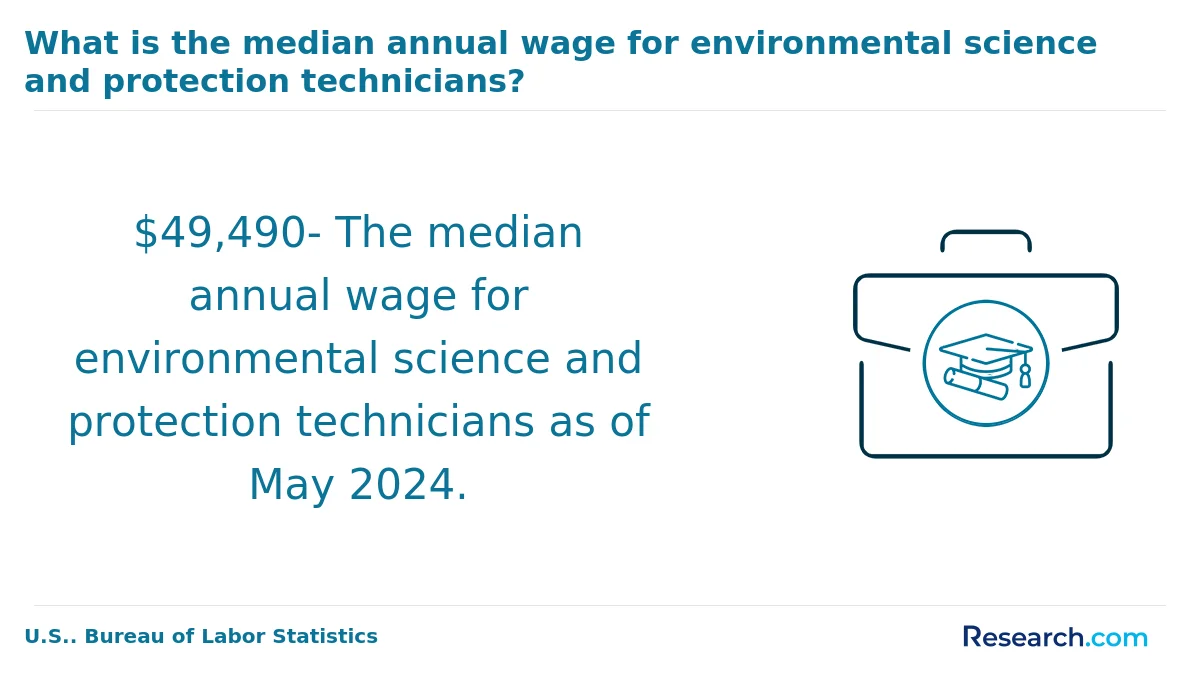
- Environmental science graduates in West Virginia often pursue careers such as environmental technicians or specialists, with average US salaries around $50,000 to $60,000 annually, offering a rewarding and stable income.
- Graduates from West Virginia University's environmental science program have found diverse opportunities in government agencies, consulting firms, and conservation organizations, showcasing a wide range of fulfilling career paths.
- Completing an online environmental science degree from an institution like West Virginia University allows flexible scheduling and learning at your own pace, making it easier to balance work, family, and studies compared to traditional on-campus programs.
- 2027 Easiest Online Environmental Science Degree Programs Ranking in West Virginia
- What can I expect from online environmental science degree in West Virginia?
- Where can I work with online environmental science degree in West Virginia?
What can I expect from online environmental science degree in West Virginia?
The average cost of pursuing an online environmental science degree in West Virginia typically ranges between $10,000 and $25,000, offering an accessible path to those drawn to the state's rich natural heritage. Graduates from institutions like West Virginia University and Marshall University often describe their journey as an exciting blend of affordability and quality, allowing them to focus on mastering subjects like Appalachian forestry or environmental law without overwhelming debt.
These programs maintain flexibility, a crucial feature for working professionals balancing jobs and studies. Many students recall the ease of navigating asynchronous classes while engaging deeply with local environmental challenges-whether analyzing water quality impacted by coal mining or exploring sustainable practices in their backyard.
Hands-on virtual experiences and tailored coursework bring the regional landscape to life, making every dollar invested feel worthwhile. With tuition designed to accommodate West Virginians' diverse needs, these degrees become both a practical and inspiring stepping stone toward meaningful careers in conservation and environmental policy.
Where can I work with online environmental science degree in West Virginia?
Graduates with an online environmental science degree in West Virginia dive into a world teeming with diverse career paths. Imagine working with the West Virginia Department of Environmental Protection, where you help monitor air and water quality, crafting strategies to keep the state's landscapes thriving. Many alumni from West Virginia University find themselves analyzing mining impacts or developing sustainability plans in environmental consulting firms, blending hands-on fieldwork with critical problem-solving.
Others channel their passion for discovery at Marshall University, engaging in research focused on Appalachian biodiversity or climate change. Picture collaborating on a project that reveals new insights about local rivers or forest ecosystems-work that truly makes a difference. Nonprofit organizations like the West Virginia Highlands Conservancy offer roles in advocacy and outreach, perfect for graduates eager to inspire communities and promote renewable energy.
Whether through government, research, consulting, or nonprofits, those with an online degree in West Virginia embrace challenges with curiosity and purpose, building careers that protect and celebrate the state's rich natural heritage.
Graduates with an online environmental science degree in West Virginia often embark on a path filled with discovery and growth, where their earnings reflect both their adventure and expertise. Though precise data from the Bureau of Labor Statistics is limited, entry-level graduates, especially from well-regarded schools like West Virginia University or Fairmont State, typically start with salaries around $40,000 to $45,000. Picture yourself collecting vital water quality samples by the New River or analyzing air pollution data for local mining sites - these hands-on experiences shape careers and salary potential.
As you gain experience, your income can blossom. Mid-career professionals may see salaries rise to between $60,000 and $75,000, depending on specialized skills and chosen sectors such as natural resource management or environmental compliance. Those who further their education with a master's or certifications often reach near $80,000, especially in urban hubs like Charleston or Morgantown, where demand for advanced knowledge is high.
- West Virginia offers several regionally accredited online or hybrid environmental science programs, allowing study without relocating.
- In-state tuition at public institutions generally costs between $8,000 and $12,000 per year for an environmental science bachelor's degree.
- Entry-level salaries for environmental science graduates range from $40,000 to $50,000 annually, with mid-career pay rising to $60,000-$75,000.
- Job demand is steady in fields like natural resource management, water quality, and environmental compliance, supported by state agencies and private firms.
- Programs often include internships or research to meet accreditation and certification standards such as the Certified Environmental Scientist (CES).
- Accreditation by bodies like the Higher Learning Commission (HLC) is important for credit transfer and employer recognition.
For those who savor flexibility, part-time study is a lifeline-taking six to nine credit hours each semester can stretch the adventure to five or six years, but offers freedom to work, volunteer, or care for family along the way. Graduates cherish how institutions like Marshall University provide asynchronous courses that fit just right around busy lives.
Transfer students rejoice too: community colleges in West Virginia often partner with universities to shorten degree time, making it possible to finish in as little as two years. This option fuels excitement for learners eager to leap into environmental careers without delay.
Exploring environmental science at West Virginia University or Marshall University offers a thrilling contrast between online and on-campus paths. Imagine a graduate who treasures their morning coffee while logging into a virtual lecture, enjoying the freedom to study on their own schedule without the rush of campus life. For them, flexibility means balancing family, work, and coursework, all while engaging deeply with biology and environmental policy from their living room.
Meanwhile, another graduate recalls the excitement of hands-on labs nestled in WVU's lush campus, diving into Appalachian Forest research alongside professors. The tactile experience and spontaneous conversations in study groups created lasting connections and opened doors to internships in local environmental conservation organizations.
Online learners navigate costs smartly by avoiding housing and parking fees, though they must proactively hunt for internship opportunities. On-campus students benefit from built-in mentoring and lively networking clubs that fuel their career journey in West Virginia's unique ecological landscape.
The average cost of an online environmental science degree in West Virginia offers an intriguing balance between quality education and affordability. Many students enrolling at popular institutions like West Virginia University discover that their in-state tuition generally averages around $20,484 in total, a figure that invites hopeful explorers of this field to confidently plan their budgets. Whether tackling coursework from home or while working in the community, these students often feel energized by the opportunity to learn without overwhelming financial strain.
Out-of-state learners face a higher sticker price, with median total costs of about $50,112, reflecting the premium for crossing state lines. Yet, graduates who ventured down this path recall how the immersive programs and experienced faculty at West Virginia colleges made every dollar worthwhile. This cost spectrum frames the wider landscape of West Virginia online environmental science degree tuition and fees, where public universities provide solid value, often complemented by financial aid and scholarships that ease the journey.
Beyond figures, those who pursued these programs cherish the rewarding experiences that blend rigorous education with the freedom to explore careers close to nature and community. Many graduates enthusiastically share how their degree opened doors to diverse opportunities, some even citing the exciting prospects of sustainability management jobs salary as a motivating factor. These stories illustrate how West Virginia's cost framework supports both ambitious learners and ecological adventurers alike.
Students diving into an online environmental science degree in West Virginia discover a treasure trove of financial aid that can transform their educational journey. Imagine a graduate from West Virginia University feeling the weight lift as a Pell Grant covers thousands-up to $7,395-letting them focus fully on understanding ecosystems instead of tuition bills.
State-specific gems like the West Virginia Higher Education Grant provide need-based boosts, while the PROMISE Scholarship celebrates academic excellence, rewarding dedication with tuition relief. Graduates from Marshall University often recall how institutional scholarships tailored for science majors offered crucial support, making their online studies both affordable and inspiring.
Picture working professionals tapping into employer tuition assistance, turning job experience into an advantage as they advance studies in sustainability fields. These financial aid options create a supportive map, guiding aspiring environmental scientists across West Virginia's top programs toward achieving their goals with less financial stress and more enthusiasm.
Technical savvy is crucial too-reliable internet and comfort with online learning platforms ensure a smooth ride through virtual labs and lively discussions. These prerequisites aren't just requirements; they're your toolkit for exploring and protecting West Virginia's rich natural landscapes.
Diving into an online environmental science degree in West Virginia, you'll soon find yourself exploring courses that bring the state's rich natural landscape right to your screen. Imagine studying Environmental Biology through interactive modules that reveal Appalachian forests' delicate ecosystems, just like graduates from well-known local colleges describe their hands-on learning adventures.
Core classes like Chemistry for Environmental Science and Earth Science clarify how natural forces work, grounding your knowledge in real-world phenomena. Many students share how courses such as Environmental Policy and Regulation connect classroom theory with West Virginia's unique challenges, like coal mining laws and forestry protection.
You'll also journey through practical fields like Geographic Information Systems (GIS), where graduates rave about mapping watersheds and tracking conservation efforts virtually. Specialized studies in Mine Reclamation and Energy and the Environment make your learning feel relevant and vital, preparing you to contribute actively to your community's future.
Exploring online environmental science degree specializations in West Virginia opens a world of exciting paths-from the intricate laws shaping environmental policy to the hands-on science of conservation biology. Graduates from prominent West Virginia institutions often share how specializing in Environmental Policy and Management energized their passion for making real change through government or NGO work. Others found themselves captivated by Conservation Biology and Ecology, inspired by the state's lush forests and diverse wildlife.
Some of the most adventurous students dive into Environmental Engineering, tackling pollution and sustainability challenges unique to West Virginia's industrial regions. They blend science with innovation to protect the environment. Meanwhile, those curious about technology enjoy Geospatial Analysis and Environmental Modeling, applying GIS to map and solve local issues like water quality or mine reclamation. And for the forward-thinkers, Renewable Energy and Sustainability resonates deeply with West Virginia's move toward cleaner energy futures.
Prospective students interested in a tailored experience can see how West Virginia universities weave regional insights into their curricula. For a closer look at program options, consider checking out this online environmental policy program, perfect for those eager to combine local relevance with career impact in environmental science concentration options online.
Choosing the best online environmental science degree in West Virginia means seeking programs that not only offer solid accreditation but also dive deep into regional challenges like Appalachian ecology or coal mining impacts. Many graduates from popular state universities rave about how their courses blended theory with hands-on watershed management projects, making studies feel alive and relevant.
It's wise to explore affordable environmental science programs West Virginia offers, especially since in-state tuition can be pleasantly budget-friendly. These programs often balance cost with quality, helping you stretch your investment further while gaining access to scholarships and employer tuition assistance. Flexibility is another treasure-graduates appreciate asynchronous classes and dedicated advisors who guide them as they balance studies with life's adventures.
Picture yourself joining forces with peers on research tied directly to West Virginia's environmental concerns, while career services open doors to government and nonprofit roles. Curious about what awaits after graduation? Check out what jobs can an environmental science degree get to spark ideas for your own path.
Graduates exploring online environmental science careers in West Virginia often find themselves drawn to dynamic roles that connect them directly with the state's rich natural heritage and industrial challenges. Many alumni from popular colleges embrace careers as environmental consultants, helping to restore mining sites and safeguard water quality. Others become wildlife and conservation scientists, stepping into state parks to study native species and protect fragile habitats shaped by Appalachian landscapes.
Environmental science degree job opportunities West Virginia also include specialists working for the Department of Environmental Protection, where graduates analyze pollution and develop strategies for cleaner air and water. Some find rewarding paths as air quality and water resource technicians, applying hands-on skills to monitor compliance with environmental regulations. Another engaging avenue is becoming an environmental educator or outreach coordinator, inspiring local communities to embrace sustainable practices.
Those curious about the potential financial upside can explore data on masters in environmental science salary, which offers insights into rewarding career outcomes for graduates across various roles in this evolving field.
The job market for online environmental science degree jobs West Virginia offers is as dynamic as the state's rich natural heritage. Graduates from popular institutions like West Virginia University or Marshall University often find themselves drawn into roles that support conservation and environmental compliance-areas deeply woven into the fabric of local industries such as coal mining and forestry. Imagine working alongside state agencies managing land resources or joining private firms focused on pollution control, where each day brings fresh challenges and opportunities for impact.
Many graduates share stories of starting their careers as environmental compliance specialists or GIS technicians, roles that not only demand technical prowess but also a passion for protecting West Virginia's natural beauty. The average entry-level salary hovers around $50,000, making it an encouraging choice for those eager to make a difference locally. Online learning offers the flexibility to balance studies with life's demands, opening doors without relocating, perfectly suited for the adventurous spirit embracing West Virginia environmental science career opportunities.
As renewable energy projects gain momentum and environmental regulations evolve, new pathways are appearing for recent graduates to contribute meaningfully. For students seeking to advance further, exploring options like the fastest online mba degrees in environmental management can lead to exciting leadership roles in this expanding field.
2027 Easiest Online Environmental Science Degree Programs Ranking in West Virginia
Investing in your education is a significant decision that can shape your future, and the Research.com team understands the importance of making informed choices. To assist prospective students in West Virginia, we have carefully developed the "2027 Easiest Online Environmental Science Degree Programs Ranking in West Virginia." Our dedication to quality, credibility, and accuracy is evident in the rigorous research and analysis behind this ranking.
We utilized the following reputable data sources to ensure a comprehensive evaluation of online environmental science degree programs:
By reviewing this ranking, readers will gain valuable insights into accessible and quality online environmental science programs in West Virginia, empowering them to make well-informed educational decisions. For more information about how this ranking was constructed, please visit our Research.com methodology page.


Frequently Asked Questions About environmental science
Students pursuing online environmental science degrees in West Virginia can maximize their learning by engaging actively with digital resources and faculty. West Virginia features diverse ecosystems including the Appalachian Mountains and extensive river systems, offering valuable case studies to explore virtually or through local fieldwork. Enrolling in programs that emphasize applied skills, such as GIS and data analysis, is beneficial since employers in the state prioritize these competencies.
Networking with local environmental organizations like the West Virginia Rivers Coalition provides practical experience and internship opportunities. According to the West Virginia Higher Education Policy Commission, nearly 60% of online learners succeed by setting structured study routines and participating in discussion forums.
Leveraging state-specific environmental data from agencies such as the West Virginia Department of Environmental Protection enriches research projects and assignments, making learning more relevant and effective.
Emerging niches within the environmental science field reflect growing concerns about climate change, natural resource management, and sustainability. One notable area is renewable energy assessment, where professionals analyze solar, wind, and bioenergy resources to support West Virginia's transition from coal dependency. According to the U.S. Energy Information Administration, West Virginia has increased investment in renewable energy research by over 20% since 2020.
Another growing niche is environmental data analysis, driven by advances in Geographic Information Systems (GIS) and remote sensing. These tools help monitor ecosystems and pollution levels more accurately. Additionally, water resource management remains critical in West Virginia, given the state's history with coal mining impacts. Specialists focusing on water quality and watershed restoration are in high demand according to reports from the West Virginia Department of Environmental Protection.
Graduates holding an online environmental science degree in West Virginia should focus on gaining relevant experience and certifications to strengthen their job prospects. Internships with local agencies like the West Virginia Department of Environmental Protection provide valuable hands-on experience. Networking through organizations such as the West Virginia Environmental Council can connect job seekers with regional employers.
Obtaining certifications like the Certified Environmental Professional (CEP) can enhance credibility in this competitive field. According to the U.S. Bureau of Labor Statistics, employment for environmental scientists in West Virginia is expected to grow steadily, driven by industry demand in mining and renewable energy sectors.
Developing strong data analysis and GIS skills is also essential, given the technical nature of many environmental roles in the state.
Employers in West Virginia seek environmental science graduates with strong analytical skills to assess complex environmental data. Proficiency in Geographic Information Systems (GIS) is highly valued, as many state projects rely on spatial analysis.
Communication skills are essential. Graduates must clearly present findings to both technical teams and the public. Knowledge of local environmental regulations and policies, such as those administered by the West Virginia Department of Environmental Protection, is also important.
Problem-solving abilities are crucial since environmental issues in the state often involve coal-related impacts and water quality challenges. According to the Bureau of Labor Statistics, environmental science jobs in West Virginia are expected to grow by 5% through 2030, highlighting the demand for these skills.
Finding internships relevant to an environmental science degree in West Virginia involves targeting local organizations focused on natural resources, conservation, and environmental protection. State agencies such as the West Virginia Department of Environmental Protection often offer internship opportunities that provide hands-on experience with environmental regulation and policy enforcement. Universities with environmental programs sometimes post internship listings from regional partners, including nonprofits and private companies involved in energy and land management.
Students should also explore national programs like the Environmental Protection Agency's internships, which occasionally have placements in West Virginia related to Appalachian ecosystems. Networking through virtual career fairs and professional groups, such as the West Virginia Environmental Council, can increase access to opportunities. According to the U.S. Bureau of Labor Statistics, environmental science jobs in West Virginia are projected to grow moderately, making internships a critical step for practical experience in the state's unique environmental settings.
Obtaining an online environmental science degree in West Virginia can significantly enhance career mobility and advancement opportunities. The state's economy relies heavily on natural resource management, energy production, and environmental protection, which drives demand for qualified professionals. According to the U.S. Bureau of Labor Statistics, environmental scientists in West Virginia earn a median annual wage of around $63,000, with job growth projected at 8% through 2031.
Online programs offer flexibility that enables working professionals to upskill without interrupting their careers. Graduates can pursue roles in government agencies, private environmental consulting firms, and nonprofit organizations. The degree's focus on applied science and policy knowledge prepares students for supervisory or specialist positions.
Moreover, many West Virginia employers value accredited online degrees that ensure rigorous training and updated industry standards. This credential can be a key factor in securing promotions or transferring into higher-paying sectors such as environmental compliance or sustainability management.
Studying for an environmental science degree in West Virginia equips students with knowledge that crosses biology, chemistry, geology, and public policy. The state's diverse ecosystems, including the Appalachian Mountains and extensive river systems, serve as practical case studies for environmental challenges. Academic programs often emphasize interdisciplinary skills needed to address complex issues like mining reclamation, water quality, and energy sustainability.
West Virginia universities incorporate local environmental data and regulatory frameworks, helping students understand real-world implications. According to the West Virginia Department of Environmental Protection, jobs in environmental science fields are projected to grow by 7% through 2030, highlighting the demand for professionals capable of interdisciplinary collaboration.
The online format allows students to balance studies with internships and community projects, strengthening teamwork and communication skills essential for roles in government, industry, and non-profits.
Choosing between a thesis and a non-thesis environmental science degree program in West Virginia depends on your career goals and learning preferences. Thesis programs typically involve original research, ideal for students aiming to pursue a PhD or work in research-intensive roles. Non-thesis options focus more on coursework and practical skills, which can suit those seeking immediate employment in state agencies or environmental consulting.
West Virginia's economy relies heavily on natural resources, making applied environmental science skills valuable. According to the U.S. Bureau of Labor Statistics, positions in environmental science are projected to grow by 8% nationally, with state-specific demand in sectors like forestry and water management.
Consider also the time commitment: thesis tracks often require two to three years and a faculty advisor, while non-thesis paths may be completed faster. Research West Virginia universities' specific program structures and faculty expertise to match your interests.
Students in West Virginia interested in studying environmental science abroad have several pathways through online degree programs offered by U.S. institutions with international collaborations. While direct enrollment in foreign universities is possible, many choose accredited American programs that include global environmental perspectives and exchange opportunities.
West Virginia currently ranks in the middle for environmental science graduates nationally, with growing interest in global sustainability issues. Notably, institutions like West Virginia University offer programs emphasizing international environmental policies, which can be completed remotely.
Students should verify program accreditation by agencies recognized by the U.S. Department of Education and explore partnerships that facilitate study abroad experiences or international research projects.
Consulting resources like the National Center for Education Statistics (NCES) helps confirm current trends in environmental science degrees related to global studies accessible for West Virginia residents.
Part-time job opportunities in West Virginia that complement an environmental science degree often involve roles in natural resource management, conservation, or environmental education. For example, many students find work with state or local parks, assisting with wildlife monitoring or trail maintenance. Organizations such as the West Virginia Department of Environmental Protection offer internships or assistant positions focused on water quality and pollution control.
Additionally, nonprofits like the West Virginia Highlands Conservancy provide volunteer or part-time roles in environmental advocacy and land preservation. Working as a research assistant at universities or environmental consulting firms in West Virginia can also give practical experience related to environmental science. These roles strengthen skills in data collection and analysis, valuable for future careers.
Online environmental science students in West Virginia benefit from several networking opportunities despite studying remotely. Many universities offer virtual events such as webinars, guest lectures, and career fairs that connect students with professionals in the local environmental sector.
Additionally, students can join West Virginia-focused online groups and professional organizations like the West Virginia Environmental Council and the West Virginia Chapter of the Air & Waste Management Association. These groups often host events and volunteer opportunities to foster connections.
West Virginia's strong focus on energy and natural resources also means students might find internships and mentorships through state agencies and nonprofits, supporting real-world experience and career advancement.
Alumni networks provide valuable support for students pursuing online environmental science degrees in West Virginia. These networks connect current students with graduates who understand regional environmental challenges like Appalachian mining impacts and local ecosystems. Through mentorship and job referrals, alumni help students navigate the job market, increasing employment opportunities in state agencies and private firms.
West Virginia's environmental sector employs over 10,000 professionals, according to the Bureau of Labor Statistics. Alumni networks offer access to industry events and internships that are critical for gaining practical experience. They also share insights on certifications valued in the state, such as those related to water resources and reclamation.
Overall, alumni engagement fosters a sense of community among online students, supporting both academic growth and career advancement within West Virginia's unique environmental landscape.
Customizing an online environmental science degree in West Virginia allows students to align their studies with specific career goals. Many programs offer flexible course selections, enabling learners to focus on areas like water resource management, soil science, or renewable energy. West Virginia, with its rich natural resources and industries such as coal mining and forestry, provides unique opportunities for specialization.
Students can also choose electives related to policy, conservation, or environmental technology to enhance their expertise. Additionally, some universities encourage internships or research projects that connect directly with local environmental challenges, which helps build practical skills and professional networks.
According to the West Virginia Higher Education Policy Commission, online degree options frequently include advisors who assist in tailoring the curriculum to career objectives, ensuring relevant skill development in a flexible format.
Online environmental science students in West Virginia face several notable challenges. Limited access to reliable high-speed internet, particularly in rural areas, can hinder participation in live lectures and timely submission of assignments. According to the West Virginia Broadband Enhancement Council, about 29% of residents still lack broadband access, impacting remote learning quality.
Hands-on fieldwork is essential in environmental science, but completing these practical components remotely poses difficulties. Students often must find local sites to meet course requirements, which can be challenging in less densely populated regions.
Time management is another significant hurdle. Balancing coursework with personal and professional responsibilities requires strong self-discipline, especially as environmental science programs can involve interdisciplinary topics ranging from ecology to policy.
With an online environmental science degree, students in West Virginia can pursue several key professional certifications that enhance their career prospects. Popular credentials include the Certified Environmental Scientist (CES) offered by the National Association of Environmental Professionals, which validates expertise in environmental regulations and fieldwork.
Another common certification is the Certified Hazardous Materials Manager (CHMM), useful for roles in waste management and environmental compliance. West Virginia's growing emphasis on mining reclamation and water quality has increased demand for these certifications in local industries.
Additionally, the Registered Environmental Manager (REM) recognizes leadership in environmental management and is widely respected in government and industry sectors. These certifications often require relevant work experience and continuing education.
Professional certifications complement an online degree by affirming practical knowledge and meeting employer expectations in West Virginia's environmental workforce.
Applying for an online environmental science program in West Virginia requires careful preparation. Start by researching the specific admission requirements of each program, as criteria can vary. Strong academic records, especially in sciences like biology and chemistry, are essential. West Virginia students benefit from emphasizing local environmental issues in their personal statement, such as the state's coal mining impacts or Appalachian biodiversity, which aligns with program focuses.
Highlight relevant experience, including volunteer work or internships with organizations like the West Virginia Department of Environmental Protection. Letters of recommendation from science professionals or professors strengthen your application.
Lastly, meet all deadlines and submit transcripts and test scores promptly to increase your chances of acceptance.
Global perspectives on an environmental science career emphasize the increasing importance of sustainability and natural resource management amid climate change challenges. In the United States, particularly in West Virginia, environmental science professionals play a vital role in industries like energy, forestry, and water quality management. According to the U.S. Bureau of Labor Statistics, employment of environmental scientists and specialists is projected to grow 8% from 2022 to 2032, faster than the average for all occupations.
Online degrees in West Virginia prepare students to address global environmental concerns with local expertise. Graduates often contribute to policy development and environmental consulting, focusing on impacts related to Appalachian ecosystems. Institutions such as West Virginia University provide programs aligning with these career demands, helping students engage with both regional and broader environmental issues.
Students pursuing an online environmental science degree in West Virginia can gain practical experience through internships, cooperative education programs, and volunteer opportunities. Many West Virginia universities partner with local environmental agencies, such as the West Virginia Department of Environmental Protection, to provide students with hands-on fieldwork and research projects.
Additionally, online students can engage in virtual labs and simulation exercises designed to build practical skills. Participation in regional environmental organizations allows students to contribute to conservation efforts while applying classroom knowledge.
According to the Bureau of Labor Statistics, internships and cooperative programs often increase employability by 20% in environmental science fields. Utilizing these resources during study helps online students build expertise relevant to West Virginia's natural resource management and policy sectors.
Choosing the right concentration within an online environmental science degree program in West Virginia requires understanding your career goals and the state's environmental priorities. West Virginia's economy and environment are closely tied to natural resources like coal, forestry, and water systems. Programs often offer concentrations in areas such as natural resource management, environmental policy, or water quality. According to the West Virginia Department of Environmental Protection, issues like water pollution and land reclamation are critical, making related specializations valuable for local opportunities. Research the curriculum to ensure it covers the skills and knowledge relevant to West Virginia's environmental challenges.
Consider also the faculty expertise and partnerships with local agencies or industries. These connections can enhance internships or job prospects. The U.S. Bureau of Labor Statistics highlights growth in environmental science jobs at about 8% nationally, with regional demand for specialists who understand Appalachian ecosystems. Online degree programs should offer flexibility but maintain strong ties to the local context, helping you apply your education effectively within West Virginia's unique environment.
- Sustainability Degrees in West Virginia https://www.sustainabilitydegrees.com/degrees/west-virginia/
- Master of Science in Environmental Science https://www.fairmontstate.edu/academics/programs/master-environmental-science.aspx
- Strong Programs in Environmental Studies https://toptieradmissions.com/strong-programs-in-environmental-studies/
- Graduate Schemes and Internships - Green Jobs for Nature https://greenjobsfornature.org/get-that-green-job/graduate-schemes-and-internships/
- WVSU Online Programs https://wvstateu.edu/wvsu-online-programs/
- Most Popular Online Environmental Science Degrees 2025 https://www.onlineu.com/degrees/environmental-science
- Environmental Science (M.S.) Non-Thesis Track https://www.towson.edu/fcsm/departments/environsci/grad/science/non-thesis-track.html
- Bachelor of Arts in Environmental Studies | Batten University Online https://online.batten.edu/undergraduate/bachelor-of-arts-environmental-studies
- Environmental Sciences Abroad https://uceap.universityofcalifornia.edu/environmental-sciences-abroad
- Application Letter to Master's Program in Environmental Science in Germany https://essayforum.com/letters/application-master-program-environmental-86188/