2027 Most Affordable Online Environmental Science Degree Programs Ranking in Maryland

Co-Founder and Chief Data Scientist
Choosing the right environmental science degree can feel overwhelming, especially when balancing budgets and career goals. This article presents the 2027 Most Affordable Online Environmental Science Degree Programs Ranking in Maryland, created by the Research.com team of data scientists to guide you in making an informed decision.
By exploring these affordable programs, you can find an option that fits your needs without sacrificing quality. Earning an environmental science degree opens doors to meaningful work protecting our planet and building a sustainable future.
Discover accessible opportunities designed to support your educational journey and career aspirations.
Key benefits of getting online environmental science degree in Maryland
- Environmental science graduates in Maryland often start careers with average salaries around $50,000 to $70,000 annually, reflecting strong demand for environmental analysts and specialists nationwide.
- Graduates from the University of Maryland pursue diverse career paths including environmental consulting, wildlife conservation, and policy advising, showcasing wide opportunities in both public and private sectors.
- Completing an environmental science degree online at Towson University offers flexibility to balance work and study, enabling students to gain practical experience while earning their degree at their own pace.
- 2027 Most Affordable Online Environmental Science Degree Programs Ranking in Maryland
- What can I expect from online environmental science degree in Maryland?
- Where can I work with online environmental science degree in Maryland?
What can I expect from online environmental science degree in Maryland?
For many Maryland students diving into online environmental science degrees, the cost often sparks curiosity. On average, tuition can range widely, typically between $10,000 and $25,000 per year, depending on the university and whether you qualify for in-state rates. This spectrum offers exciting options for those eager to explore environmental challenges without breaking the bank.
Graduates from institutions like the University of Maryland or Towson University often share stories of balancing affordable tuition with invaluable experiences, such as virtual labs that simulate Chesapeake Bay ecosystems or projects tackling local water quality. These real-life applications bring classroom theories to life in engaging ways, making every dollar feel well-invested.
Many online learners appreciate savings from commuting and housing costs-imagine dedicating time saved from travel to connecting with community partners on urban sustainability in Baltimore. Scholarships and internships further ease financial concerns, allowing students to focus on adventurous discovery rather than budgeting stress.
Where can I work with online environmental science degree in Maryland?
Graduates with an online environmental science degree in Maryland often find themselves thriving in vibrant and impactful roles across the state. Imagine working for the Maryland Department of the Environment, monitoring air and water quality while helping communities breathe easier and drink cleaner water. Many alumni from the University of Maryland and Johns Hopkins University describe the excitement of collaborating with federal agencies like the EPA's Mid-Atlantic Regional Office, tackling real-world environmental challenges in Annapolis.
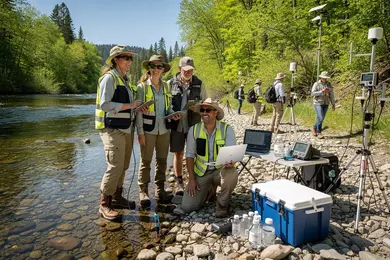
Others have ventured into Maryland's bustling private sector, joining consulting firms or engineering companies in Baltimore and Washington, D.C., where they assess environmental impacts and lead sustainability projects that shape the future. Picture yourself conducting field research with teams at AECOM or Tetra Tech, surrounded by Maryland's lush landscapes.
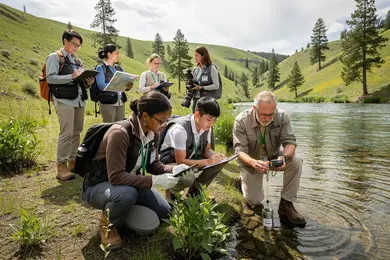
Beyond that, the Maryland Department of Natural Resources offers roles focused on wildlife conservation and restoring the Chesapeake Bay, a meaningful opportunity for graduates passionate about preserving nature's balance. Students often share how their studies opened doors to research positions at leading institutions, transforming curiosity into meaningful careers rooted in Maryland's rich ecological tapestry.
Graduates holding an online environmental science degree in Maryland find themselves stepping into a world full of exciting salary possibilities. Many discover starting salaries between $50,000 and $60,000 annually, especially fresh from universities like the University of Maryland, where hands-on projects prepare them for real environmental challenges. Imagine landing a role with the Maryland Department of the Environment, earning around $60,000 as you begin to make a measurable difference statewide.
As you grow in your career, the picture becomes even brighter. Experienced environmental consultants, for instance, often see salaries rise between $65,000 and $85,000. Graduates from programs at Towson University remark on how their advanced coursework opened doors to these lucrative consulting roles, blending scientific know-how with practical solutions for businesses.
Further up the ladder, environmental engineers and specialists in metropolitan areas like Baltimore can reach incomes exceeding $90,000. The adventure of advancing through certifications or a master's degree often feels rewarding as your paycheck reflects the skills and passion you pour into protecting Maryland's diverse ecosystems.
Online study keeps this path open whether you're living amid urban buzz or the serene countryside, making it easier than ever to chase both knowledge and a thriving career in Maryland's ever-growing environmental sector.
- Tuition for online environmental science bachelor's degrees in Maryland ranges from $10,000 to $25,000, with public universities offering lower rates for in-state students.
- Employment for environmental scientists in Maryland is expected to grow by 8% over the next decade, surpassing the national average growth rate.
- Entry-level salaries average around $55,000 annually, with mid-career professionals earning between $70,000 and $85,000 per year.
- Senior environmental scientists or managers in Maryland can earn over $100,000 annually, especially in consulting, policy, or research roles.
- Maryland online programs include core courses like ecology, environmental policy, chemistry, and data analysis, often requiring remote lab work or local internships.
Many graduates recall balancing their studies with work or family, extending their timeline to six years as part-time learners. This flexible pace lets you absorb knowledge at your own rhythm, much like exploring a forest trail without rush but with curiosity.
Some trailblazers choose accelerated paths, finishing in three years by enrolling in summer sessions and heavier course loads, transforming their passion into swift academic victory.
For those aiming higher with a master's degree, institutions within the University System of Maryland offer focused programs that typically take 1.5 to 2 years full-time, or up to four years part-time, giving professionals the freedom to keep advancing in both career and knowledge.
Choosing between online and on-campus environmental science degrees in Maryland sparks a thrilling exploration of learning styles and experiences. Online programs weave flexibility into busy lives, allowing working adults or parents to dive into lectures and assignments anytime, anywhere. Graduates from online tracks often mention the joy of balancing study with personal life while saving on commuting or housing costs.
On the flip side, attending University of Maryland College Park in person offers dynamic field trips and hands-on labs, turning theory into vibrant, real-world skills. Many on-campus graduates cherish the close-knit community vibe and spontaneous study group sessions, amplifying their passion for environmental science.
Both paths share a strong academic foundation, covering ecology, geology, and data analysis with Maryland schools ensuring robust accreditation. Yet, the thrill for many lies in the local internships and face-to-face mentorships that campus life uniquely fosters, creating lasting connections in Maryland's environmental sectors.
For Maryland students eager to explore the natural world through an online environmental science degree, the average cost typically centers around $41,800. Graduates from popular schools like the University of Maryland Global Campus often share how investing in such programs feels like an exciting step toward a meaningful career, especially since in-state tuition can come in closer to $28,000, making it more affordable for residents. This balance of quality education and accessible pricing sparks a sense of possibility, even as students juggle studies and daily life.
Imagine diving into coursework from your home in Baltimore, inspired by the chance to influence local conservation efforts or sustainable urban planning. Many students find that affordable online environmental science programs Maryland offer truly open doors. Beyond tuition, scholarships and state grants frequently lighten the financial load, making the journey feel not only manageable but genuinely rewarding as you connect theory to real-world challenges.
With tuition fees aligning with median costs, prospective learners can focus on shaping their futures confidently, knowing that smart financial options exist. Alumni often reflect on their time as a meaningful chapter, where curiosity met opportunity. Considering the wealth of environmental careers, those passionate about the planet are encouraged to learn more about sustainability and related fields- including intriguing insights on sustainability management jobs salary-to fully embrace their potential.
Embarking on an online environmental science degree in Maryland opens a treasure chest of financial aid opportunities that many students eagerly discover. Graduates from institutions like the University of Maryland share how completing the FAFSA unlocked federal grants such as the Pell Grant, which can offer up to $7,395 annually-lightening the financial load while they dive into climate studies and sustainability projects.
State-funded gems also await explorers: the Maryland Higher Education Commission offers grants like the Delegate Scholarship and Guaranteed Access Grant, designed to support Maryland residents who are passionate about protecting the environment. Imagine a student balancing coursework with a part-time job, relieved by the tuition help these grants provide.
University scholarships specifically for STEM and environmental science majors add another layer of support, often covering costs beyond tuition, like textbooks or online learning technology. Plus, some adventurous learners benefit from employer tuition reimbursement programs, especially those working in government or green consulting firms, making education feel like a shared journey toward a healthier planet.
Picture yourself crafting a personal statement that captures your passion for nature, just like others who successfully shared stories of volunteering in local parks or working on sustainability projects. This real-world experience speaks volumes to admissions teams eager for students ready to explore hands-on learning.
Graduate aspirants often bring a bachelor's degree, sometimes from unrelated fields, but Maryland universities appreciate when you've completed key courses in ecology or statistics. Alumni have found that a strong GPA and involvement in research or internships helped them stand out, opening doors to Maryland's vibrant environmental career scene.
Diving into an online environmental science degree in Maryland feels like stepping into a world full of discovery and hands-on adventure. At institutions such as the University of Maryland and Towson University, graduates often describe their journeys starting with core courses like Introduction to Environmental Science, where they explore ecosystems and the delicate dance between humans and nature. Picture yourself analyzing how everyday actions impact the Chesapeake Bay-a vital, living classroom unique to Maryland.
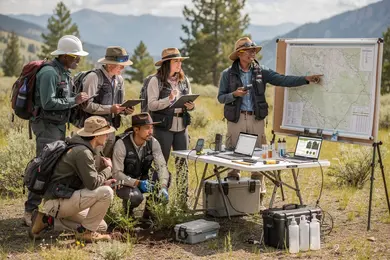
Environmental Chemistry and Ecology courses bring alive the invisible forces at play in air, water, and soil, while Environmental Policy and Regulation classes ground students in the realities of state and federal laws that protect local habitats. Many graduates recall the thrill of virtual fieldwork, using Geographic Information Systems (GIS) to map Maryland's landscapes and monitor changes over time.
Advanced courses on Climate Change Science and Natural Resource Management inspire a deeper connection with the region's environmental challenges, turning abstract concepts into real-world conservation efforts. These studies don't just teach-they ignite a passion for preserving Maryland's natural treasures.
Imagine diving deep into the many concentrations available in an online environmental science degree in Maryland, each designed to spark your curiosity and connect you with the state's unique ecological challenges. Graduates from well-known Maryland colleges often speak excitedly about specializing in Environmental Policy and Management, where they engage with real-world regulations shaping the Chesapeake Bay's future. This specialization feels especially relevant for those eager to influence sustainable policies in local government or nonprofits.
Others find their passion in Environmental Chemistry and Toxicology, captivated by hands-on lab work studying pollutants affecting Maryland's air and water. This specialization offers a thrilling path into public health or research, blending chemistry with environmental stewardship.
Ecology and Wildlife Conservation is another fascinating focus, perfect for students dreaming of restoring habitats and protecting Maryland's abundant natural reserves. Those exploring online environmental science concentrations in Maryland often appreciate how this track brings the state's wilderness into their studies.
Plus, many students excitedly choose Sustainability and Renewable Energy, inspired by Maryland's green energy push and future job growth.
For those eager to explore options, check out this online environmental policy program to see how these specializations come alive in vibrant academic settings.
Choosing the best online environmental science degree Maryland offers means diving into programs that truly connect with the state's unique landscapes-from the Chesapeake Bay to its forests. Graduates often share how programs with strong GIS and watershed management components helped them engage imaginatively with Maryland's ecosystems, making learning feel like a real-world adventure. Flexibility in course schedules allows busy professionals to seize opportunities without sacrificing work or family time.
Many students find that affordable environmental science programs Maryland provides, such as those from universities with per-credit tuition, make their academic dreams sustainable. One graduate described feeling empowered when exploring sustainability practices through virtual labs, which brought complex concepts to life despite attending remotely. Support services like career counseling and academic advising are often the secret treasures that guide students smoothly through challenges and toward success.
The path to a fulfilling environmental career becomes clearer when connecting to opportunities visible in what jobs can an environmental science degree get. Graduates who experienced strong internships within Maryland report greater confidence stepping into roles that contribute to protecting the state's vibrant natural heritage.
Exploring online environmental science careers in Maryland reveals diverse and exciting opportunities that spark curiosity and a genuine sense of purpose. Graduates from popular schools like the University of Maryland or Towson University often find themselves advising businesses and government agencies on sustainability practices and environmental regulations, deeply engaging with real-world challenges right in their communities. Some dive into environmental science job opportunities Maryland offers, working as specialists conducting field research, collecting data on air and water quality, or partnering with the Maryland Department of the Environment-roles that make a tangible difference in preserving the Chesapeake Bay and other vital ecosystems.
Others channel their adventurous spirit into natural resource management or environmental engineering, applying their skills to habitat restoration or pollution control projects. Many describe the thrill of turning data and science into action. For those curious about compensation, graduates are often inspired by the positive career outlook and solid pay ranges-from average salaries to more detailed insights found when exploring masters in environmental science salary.
For those pursuing online environmental science jobs in Maryland, the landscape is as vibrant as the Chesapeake Bay itself. Graduates from well-known institutions like University of Maryland or Towson University describe a dynamic job market fueled by the state's commitment to sustainability and environmental protection. Imagine working as an environmental consultant amid Maryland's rich ecosystems or analyzing pollution trends for state agencies-these roles are not just jobs but adventures in safeguarding nature.
Maryland's job outlook for environmental science graduates shines brightly, with median wages surpassing national averages. This surge is supported by state initiatives on clean energy and climate action, opening doors for environmental analysts and natural resource managers. Graduates often share how their online studies seamlessly prepared them for hands-on roles, blending flexibility with real-world impact.
Those interested in leadership within this field might explore the fastest online mba degrees in environmental management to supercharge their career potential in Maryland's evolving green economy.
2027 Most Affordable Online Environmental Science Degree Programs Ranking in Maryland
Investing in your education is a significant decision that can shape your future, and the Research.com team understands the importance of making informed choices. To support prospective students in Maryland, we have carefully developed the "2027 Most Affordable Online Environmental Science Degree Programs Ranking in Maryland." Our dedication to quality, credibility, and accuracy is demonstrated through rigorous research and thorough analysis used to compile this ranking.
We utilized the following reputable data sources to ensure a comprehensive evaluation of environmental science programs:
By consulting this ranking, readers will obtain valuable insights into affordable, high-quality online environmental science degree programs in Maryland, empowering them to make well-informed educational decisions. For more information on how this ranking was created, please visit our Research.com methodology page.
# 1 position
University of Maryland Global Campus
Master of Environmental Management


# 3 position
University of Maryland Global Campus
Bachelor of Environmental Health & Safety
Frequently Asked Questions About environmental science
Online environmental science degree students in Maryland can maximize their learning by actively engaging with course materials and participating in virtual discussions. Utilizing local resources, such as Maryland's Department of the Environment data and Chesapeake Bay research, enhances understanding of regional environmental issues. Connecting with faculty during office hours or via email helps clarify challenging topics and build mentorship relationships. Students should also seek internships or volunteer opportunities with Maryland-based organizations focused on sustainability or conservation. According to the Maryland Higher Education Commission, hands-on experience complements academic learning and improves job prospects in the growing state environmental sector.
The environmental science field is rapidly evolving, with several emerging niches gaining importance. One significant area is climate adaptation and resilience, focusing on helping communities in Maryland and beyond prepare for extreme weather and sea level rise. According to the Maryland Department of the Environment, rising sea levels threaten coastal zones, creating demand for professionals skilled in ecosystem restoration and urban planning.
Another growing niche is environmental data analysis. The rise of big data allows scientists to monitor pollution and biodiversity more precisely. Maryland's investment in smart environmental monitoring supports jobs in this area.
Additionally, green infrastructure design, which integrates natural processes into urban development, is becoming critical as Maryland cities seek sustainable growth. These niches reflect national trends while addressing local environmental challenges.
After earning an online environmental science degree in Maryland, graduates should focus on gaining practical experience to enhance their job prospects. Internships and volunteer opportunities with organizations like the Maryland Department of the Environment can provide valuable hands-on skills. Networking within local environmental groups or attending conferences adds professional connections crucial for hiring.
Additionally, obtaining certifications such as the Certified Environmental Professional (CEP) can boost credibility. Maryland's environmental sector is growing, with jobs expected to rise by 7% through 2030, according to the U.S. Bureau of Labor Statistics. Tailoring resumes to highlight both academic knowledge and applied skills is essential in this competitive market.
Employers hiring environmental science graduates in Maryland prioritize strong analytical and problem-solving skills. Graduates must competently analyze environmental data and develop practical solutions to local issues like Chesapeake Bay restoration and urban sustainability. According to the Maryland Department of the Environment, proficiency in Geographic Information Systems (GIS) is especially valuable, as it supports environmental monitoring and planning efforts.
Additionally, communication skills are essential. Graduates need to translate complex scientific findings into clear reports and presentations for diverse audiences, including policymakers and the public. Technical knowledge of environmental regulations, such as Maryland's commitment to reducing greenhouse gas emissions by 40% by 2030, is also sought after.
Finding internships in Maryland relevant to an online environmental science degree involves targeted research and networking. Start by exploring Maryland state agencies like the Department of the Environment and local government offices, which often offer internships focused on conservation, regulation, and sustainability.
Many universities in Maryland maintain partnerships with environmental organizations; these connections can provide internship opportunities even for online students. Utilize job portals like Handshake or the EPA's student internship listings for updated openings.
According to the Maryland Department of Labor, environmental science jobs are expected to grow 8% by 2030, increasing internship prospects in sectors such as water quality and renewable energy.
Professional groups like the Chesapeake Bay Foundation also offer valuable internships that enhance practical experience in Maryland's unique ecosystems.
Obtaining an online environmental science degree in Maryland can significantly enhance career mobility and advancement. Maryland's strong environmental sector, supported by agencies like the Environmental Protection Agency (EPA) and Chesapeake Bay-focused organizations, demands skilled professionals. According to the U.S. Bureau of Labor Statistics, environmental scientists in Maryland earn a median annual wage above the national average, encouraging workforce growth.
Online degrees offer flexibility for working professionals seeking promotions or career shifts without leaving their jobs. Many Maryland employers recognize accredited online programs from regionally respected institutions, which helps graduates qualify for higher-level roles in policy, research, and management.
Moreover, graduates benefit from network opportunities and internship placements related to Maryland's coastal and urban environmental challenges. This local relevance boosts employability and supports ongoing professional development.
Studying for an environmental science degree in Maryland equips students with knowledge across multiple scientific disciplines. Maryland's programs emphasize biology, chemistry, geology, and policy, reflecting the state's diverse ecosystems and regulatory environment. This broad approach prepares graduates for interdisciplinary roles in sectors like conservation, urban planning, and environmental consulting.
Many Maryland institutions incorporate practical skills such as data analysis, geographic information systems (GIS), and environmental law. According to the Maryland Higher Education Commission, 65% of environmental science graduates pursue careers bridging science and policy or business fields.
This integration supports versatility, critical for addressing complex environmental challenges in state agencies and private industries throughout Maryland and the Mid-Atlantic region.
Choosing between a thesis and a non-thesis environmental science degree in Maryland depends on your career goals and learning preferences. Thesis programs emphasize research and require students to complete an original study, which suits those aiming for careers in research or further academic work like PhDs. Non-thesis programs focus on coursework and practical skills, ideal for professionals seeking roles in government agencies or environmental consulting without a heavy research component.
Maryland hosts several online programs that follow these structures, with tuition varying widely. According to the Maryland Higher Education Commission, environmental science graduates in the state often find jobs related to Chesapeake Bay restoration and urban sustainability, where hands-on experience is valued.
Consider how much time you can devote to research projects and your intended job market when deciding between these options.
Students based in Maryland seeking to study environmental science abroad have several options, primarily through U.S. institutions offering global partnerships and study-abroad programs. Although fully online environmental science degrees typically focus on domestic curricula, many Maryland universities with online offerings, such as the University of Maryland Global Campus, encourage international research collaborations and field studies.
According to NAFSA, about 15% of Maryland students participate in some form of study abroad each year, with environmental science being a growing field due to its global importance. Programs often include placements in countries with critical ecosystems, offering practical experience while maintaining credit transfer agreements with Maryland institutions.
Students should also explore federally recognized internships and exchange programs backed by Maryland universities to gain foreign exposure without sacrificing degree progress. This approach allows them to combine online coursework with international field experience efficiently.
Maryland offers multiple part-time job opportunities that complement an environmental science degree, especially for students enrolled in online programs. Positions such as environmental technician, research assistant, and conservation worker allow students to apply classroom knowledge practically while maintaining flexible schedules.
The Maryland Department of the Environment often hires part-time interns to support air and water quality monitoring programs. These roles provide hands-on experience with state regulations and data analysis, essential for career development.
Additionally, nonprofit organizations focused on Chesapeake Bay restoration frequently seek part-time field assistants. According to the Chesapeake Bay Program, over 30% of fieldwork relies on part-time and seasonal staff, offering valuable insight into regional ecology.
Local government agencies and private firms also offer opportunities in GIS mapping and environmental consulting, which are vital skills highlighted in Maryland's environmental science curricula.
Online environmental science students in Maryland benefit from various networking opportunities despite their remote status. Many universities offer virtual events, webinars, and forums where students connect with faculty, alumni, and industry professionals. For example, the University of Maryland's online programs often facilitate access to the Chesapeake Bay Foundation and Maryland Department of the Environment for internships and projects.
Additionally, students can join statewide organizations like the Maryland Association of Environmental and Outdoor Educators, which hosts conferences and networking meetups. These connections help students explore career paths within Maryland's growing environmental sector, currently employing over 30,000 people, according to the U.S. Bureau of Labor Statistics.
Alumni networks play a vital role in supporting online environmental science degree students in Maryland by providing valuable professional connections. Graduates often share job opportunities within local government agencies, nonprofit organizations, and private firms, which is critical in a state with a growing focus on Chesapeake Bay restoration and climate policy.
These networks facilitate mentorship from professionals familiar with Maryland's unique environmental challenges. Access to experienced alumni can guide students on career paths and research opportunities tailored to regional issues such as coastal management and renewable energy.
Moreover, alumni gatherings and virtual meetups enhance collaboration and knowledge exchange, helping students stay informed about industry trends and internships near them.
Customizing an online environmental science degree in Maryland allows students to align their education with specific career goals. Many programs offer elective courses in areas like sustainability, policy, or conservation, enabling learners to focus on their interests. Maryland is home to diverse ecosystems, so coursework often includes regional environmental issues, which helps students gain practical knowledge relevant to local job markets. Additionally, some universities provide internships or research opportunities with local agencies such as the Maryland Department of the Environment. According to the U.S. Bureau of Labor Statistics, environmental science jobs in Maryland are projected to grow by 8% by 2030, making targeted skills valuable for future employment.
Online environmental science students in Maryland often face challenges related to practical experience requirements. Many programs include lab components or fieldwork that are difficult to replicate virtually, potentially limiting hands-on learning opportunities. Additionally, students may experience difficulties balancing coursework with jobs or family commitments, as online studies still demand significant time management skills.
Access to internships and local networking can be limited, impacting career development. Maryland's environmental sector emphasizes real-world experience, and remote students might miss some in-person connections. Technical issues and unequal internet access remain hurdles for some learners. According to the Maryland Higher Education Commission, these factors can affect student retention and success.
With an online environmental science degree in Maryland, graduates can pursue several professional certifications that enhance career opportunities. One widely recognized certification is the Certified Environmental Professional (CEP), which demonstrates expertise in environmental regulations and project management.
Another option is the Registered Environmental Manager (REM), valued for roles in environmental consulting and compliance. Maryland residents may also consider the Hazardous Waste Operations and Emergency Response (HAZWOPER) certification, essential for working in hazardous material management.
Professional certifications often require a combination of education, experience, and passing an exam. According to the Maryland Department of the Environment, demand for qualified certified professionals is growing due to stronger state environmental policies and renewable energy projects.
When applying to an online environmental science program in Maryland, start by thoroughly researching each school's admission requirements. Highlight your academic background, especially in biology, chemistry, and geography, which are key to environmental science. Emphasize any volunteer work or professional experience related to Maryland's unique Chesapeake Bay ecosystem, as local knowledge can set you apart.
Write a clear and concise personal statement that explains your passion for environmental issues and your career goals. According to the Maryland Department of the Environment, addressing local environmental challenges shows awareness and commitment. Make sure to submit all transcripts and letters of recommendation well before deadlines to avoid delays.
Many programs may request GRE scores, but some Maryland schools waive this for online applicants with relevant experience. Confirm with each school's admissions office. Demonstrating knowledge of current environmental policies in Maryland, such as the Clean Water Act efforts and climate initiatives, adds strength to your application.
Environmental science careers have a growing global significance, driven by urgent issues like climate change and sustainability. In the United States, including Maryland, professionals in this field are increasingly collaborating with international organizations to address worldwide environmental challenges. According to the U.S. Bureau of Labor Statistics, environmental science jobs are projected to grow 8% from 2022 to 2032, faster than average. Maryland benefits from its strategic location near federal agencies like the EPA, facilitating global research partnerships. These global connections enhance job prospects for graduates of online environmental science degrees, offering opportunities in research, policy, and conservation worldwide.
Gaining practical experience while pursuing an online environmental science degree in Maryland is essential for career readiness. Many programs encourage students to complete internships with local government agencies, environmental nonprofits, or private firms. The Maryland Department of the Environment and Chesapeake Bay Foundation often offer internship opportunities that provide hands-on work with sustainability projects and regulatory compliance.
Students can also engage in virtual labs and field studies using digital tools, which complement Maryland's diverse ecosystems, including the Chesapeake Bay. Additionally, some universities partner with local organizations to facilitate research projects accessible remotely. According to the Maryland Higher Education Commission, this hybrid approach enhances skill-building without on-campus presence.
Choosing the right concentration within an online environmental science degree program in Maryland depends largely on your career goals and interests. Maryland's economy includes sectors like environmental policy, water resource management, and renewable energy, so concentrations in these areas may offer strong local job prospects. According to the Maryland Department of Labor, environmental science jobs in the state are projected to grow by 8% through 2030, particularly in sustainability and natural resource management.
Consider programs that offer practical coursework aligned with Maryland's unique ecosystems and regulatory environment. Research faculty expertise and internship opportunities related to Chesapeake Bay restoration or urban environmental planning. Certified programs accredited by organizations such as ABET or the Council on Environmental Science Accreditation may also provide quality assurance and networking benefits.
- Environmental Sciences Abroad https://uceap.universityofcalifornia.edu/environmental-sciences-abroad
- Online Bachelor's Degree: Environmental Health & Safety https://www.umgc.edu/online-degrees/bachelors/environmental-health-safety
- MESPOM Alumni Association https://mespom.eu/mespom-alumni-association
- Environmental Science (M.S.) https://www.towson.edu/fcsm/departments/environsci/grad/science/
- 2025 Most Affordable Online Environmental Science Degrees https://www.onlineu.com/most-affordable-colleges/environmental-science-degrees
- Environmental Scientist Cover Letter Examples https://www.careerfaqs.com.au/careers/resumes-cover-letters/environmental-scientist-cover-letter-example
- Graduate Schemes and Internships - Green Jobs for Nature https://greenjobsfornature.org/get-that-green-job/graduate-schemes-and-internships/
- Application Letter to Master's Program in Environmental Science in Germany https://essayforum.com/letters/application-master-program-environmental-86188/
- Top Research Programs to Apply For High School Environmental Studies https://pioneeracademics.com/news/top-environmental-studies-research-programs-for-high-school-students/
- Alumni Put Environmental Science Degrees to Work at Chesapeake Watershed Initiative https://www.fandm.edu/stories/alumni-put-environmental-science-degrees-to-work.html