2027 Easiest Online Bachelor's in Environmental Science Degree Programs Ranking in the South

Co-Founder and Chief Data Scientist
Choosing the right online bachelor's program in environmental science can be overwhelming, especially in the South where options are many. This article features the 2027 Easiest Online Bachelor's in Environmental Science Degree Programs Ranking in the South, developed by the Research.com team of data scientists to help you make an informed decision.
Understanding which programs offer flexibility and quality can ease your journey toward a rewarding career. Earning a degree in environmental science opens doors to meaningful work that supports our planet's future.
Explore the ranking and discover the best fits for your goals and lifestyle.
Key benefits of getting online environmental science degree in the South
- Environmental science graduates in the South typically find rewarding careers with average US environmental scientists earning about $76,000 annually, offering strong financial stability.
- Graduates from Southern universities often pursue diverse career paths, including environmental consulting, wildlife management, and sustainability roles, providing exciting opportunities to make an impact locally and beyond.
- Online environmental science degrees from institutions like the University of Florida offer flexibility for working students, allowing them to balance life and study while gaining the same respected credentials as traditional on-campus programs.
- 2027 Easiest Online Bachelor's in Environmental Science Degree Programs Ranking in the South
- What can I expect from online environmental science degree in the South?
- Where can I work with online environmental science degree in the South?
What can I expect from online environmental science degree in the South?
The average cost of an online environmental science degree in the South is often more affordable than many expect, especially when compared to traditional on-campus programs. Many public universities such as the University of Florida and Texas A&M offer competitive tuition rates, sometimes extending in-state tuition benefits to online learners. This affordability makes pursuing a degree both accessible and motivating for students balancing work and life commitments.
Graduates from these Southern programs frequently share how flexible scheduling and credit transfer options helped them save money and accelerate their studies. One can imagine delving into courses on ecosystem management or conservation biology from home, knowing costs remain manageable while quality education and regional accreditation from respected schools are assured.
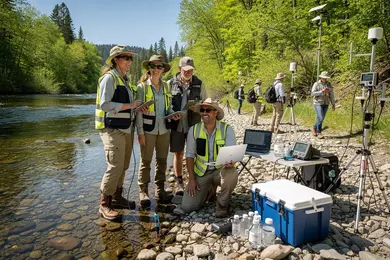
These programs blend rigorous academics with real-world applications-students often complete lab work through virtual simulations or local partnerships, enhancing value without extra expenses. Embracing affordability alongside rich experiences empowers many Southern students to confidently invest in their futures within environmental sciences.
Where can I work with online environmental science degree in the South?
Graduates with an online environmental science degree from Southern universities often find themselves making a real difference across the region's dynamic environmental landscape. Whether working for state agencies like the Georgia Environmental Protection Division or the Texas Commission on Environmental Quality, they help protect coastal ecosystems and enforce vital conservation laws. Many alumni from well-regarded Southern colleges celebrate how their degree unlocked opportunities to monitor pollution and influence sustainable policies close to home.
Others thrive in private industry, especially in energy hubs like Louisiana and Alabama, where they support companies committed to reducing their environmental footprint. Their roles often involve cutting-edge green consulting and environmental remediation, blending science and innovation for lasting impact. Graduates from respected Southern programs often share how rewarding it feels to apply their knowledge toward meaningful corporate and community sustainability projects.
Non-profits dedicated to habitat restoration and environmental education also value these skilled professionals. From protecting the Everglades to revitalizing river basins, Southern online graduates find fulfilling roles that align with their passion for nature and outreach. Teaching positions at local colleges or K-12 schools are another path, where many alumni joyfully inspire the next generation on region-specific environmental challenges.
Graduates with an online environmental science degree in the South can anticipate a promising career with salaries generally ranging between $45,000 and $80,000 annually. Many recent graduates from esteemed Southern universities, such as those attending institutions in Texas or Florida, share inspiring stories of starting in entry-level roles at state agencies or nonprofits, earning around $45,000 while gaining invaluable hands-on experience.
As they advance, professionals often move into rewarding supervisory or project management roles, where earnings reach between $65,000 and $80,000. The dynamic job market in Texas, bolstered by sectors like energy and oil, often offers higher wages close to $77,000, while Florida's environmental science graduates enjoy averages near $73,000, reflecting robust local demand.
Specializing in areas such as environmental consulting or renewable energy can boost salaries beyond $80,000, making the investment in an online degree deeply rewarding. Graduates cherish the flexibility of remote work and the broad opportunities across the South, embracing careers that combine passion for the environment with meaningful financial growth.
- Tuition for online environmental science bachelor's programs in the South ranges from $250 to $400 per credit hour, with total costs between $30,000 and $45,000.
- Entry-level salaries in this field average around $45,000 per year, with experienced professionals earning upwards of $70,000 annually.
- Key job markets in the South include Raleigh-Durham, Atlanta, and Austin, where demand for environmental science professionals is highest.
- The region has a 5% annual growth rate in environmental science-related jobs, driven by investment in sustainability and environmental protection.
- Many programs include fieldwork opportunities through local partnerships and align their curriculum with state and federal environmental standards.
- Accreditation by bodies like SACSCOC is important for ensuring program quality and credit acceptance by employers and graduate schools.
Completing an online environmental science degree in the South typically takes about four years for students enrolled full-time, mirroring the pace of traditional programs. Graduates from well-regarded Southern universities often share how this timeframe allowed them to balance coursework with personal growth, creating a strong foundation for their careers while managing life's demands.
Part-time study options offer remarkable flexibility, extending the journey to five or six years - perfect for those working professionals pursuing their passion on their own schedule. For instance, many students at institutions in Texas and Florida have successfully leveraged this flexibility to advance their education without pausing their careers.
Some Southern universities also offer accelerated paths that enable completion in as little as three years by taking summer courses or heavier semesters. Graduates who chose these faster tracks describe a rewarding, fast-paced experience that kept their motivation high and goals in clear sight.
With the option to transfer credits from community colleges and the South's supportive academic environments, each student can tailor their timeline. This lets you focus on learning deeply about environmental science while embracing your own pace and journey.
Choosing between online and on-campus environmental science degrees in the South opens exciting paths tailored to your lifestyle and goals. Many graduates from renowned Southern universities embrace online programs for their remarkable flexibility, balancing family and work while engaging deeply with recorded lectures and virtual labs. Imagine studying from your hometown in Georgia or Alabama without the burden of relocation, yet gaining the same accredited knowledge as on-campus peers.
On-campus students at institutions like UNC Chapel Hill or LSU thrive with hands-on fieldwork and vibrant campus connections, enriching their learning through immediate interactions and real-world experiences. However, online learners creatively bridge this gap by securing local internships or participating in short residency programs, ensuring their education remains immersive and practical.
Costs also play a joyful role: many Southern students appreciate how online degrees reduce living and commuting expenses, making quality education more accessible. Whether interacting virtually or face-to-face, students in the South share a common goal-making a meaningful impact on the environment with confidence and community.
The average cost of an online environmental science degree in the South typically centers around a median total tuition of approximately $51,072. In-state students enjoy the most affordable options, often paying close to $47,160 in total, while out-of-state learners generally encounter higher costs, averaging around $58,380. These figures represent a realistic estimate for the total tuition fees environmental science bachelor Southern US students can expect, balancing quality education with financial accessibility.
Many graduates from popular Southern institutions find that this investment opens doors to exciting careers deeply connected to their passion for the environment. Students studying online at universities in Florida, Georgia, and North Carolina often highlight the strong support systems and flexible course formats that make pursuing their degree manageable alongside other commitments. These experiences encourage a positive outlook on achieving academic goals without sacrificing personal growth or professional opportunities.
Residency status plays a pivotal role in costs, with in-state tuition offering substantial savings. Furthermore, many schools provide scholarships and financial aid specifically designed for environmental science students, amplifying affordability. For those looking for broader insights on programs that combine sustainability and environmental science, exploring options like the bachelor in sustainability can also be inspiring and cost-effective.
With the South's commitment to strong public education and affordable online offerings, students have a real chance to pursue their passion for environmental science without overwhelming financial burden. This balance of quality education and accessibility creates a hopeful and motivating environment for future environmental leaders eager to make an impact.
Students pursuing online environmental science degrees in the South find financial aid opportunities that genuinely lighten their journey. Graduates from institutions like the University of Florida or Texas A&M often share how Pell Grants and federal student loans made a real difference, turning tuition fears into manageable plans. Pell Grants, being need-based and non-repayable, offer vital support to those balancing work, family, and studies.
State grants, such as Florida's Student Assistance Grant or Texas Tuition Equalization Grant, further ease the road by providing extra funds specifically for in-state students. These programs empower online learners across the South to focus on mastering environmental science without constant financial worry.
Scholarships awarded by national bodies and local programs reward dedication and passion, often covering from $500 up to $5,000 a year. Many graduates recall how these scholarships lifted their spirits and wallets alike, affirming their commitment to protecting the planet.
Plus, tuition discounts for online learners and veteran benefits like the GI Bill add yet more layers of support, making education an achievable dream for diverse students committed to environmental careers in the South.
To enroll in an online environmental science degree in the South, you'll need a strong foundation that prepares you for an exciting interdisciplinary journey. Most Southern universities, known for their vibrant programs, require a high school diploma or GED, along with solid grades in subjects like biology, chemistry, and math. Imagine stepping into a virtual classroom at a renowned Southern college, confident because your previous studies have set you up for success.
Many graduates from Southern programs recall submitting official transcripts that showcase their dedication to relevant coursework like algebra and environmental studies. Some found test-optional policies allowed their passion and personal stories to shine without the pressure of standardized scores, bringing a sense of relief and encouragement.
Transfer students often celebrate the ability to carry over up to 60 credits, making their path quicker and reflecting their hard work. Beyond academics, students feel empowered once equipped with reliable internet and a computer, ready to connect with peers and professors across the region-turning technology into a bridge toward their future careers.
Personal statements and recommendation letters give applicants the chance to express their unique motivations, helping admissions teams see the inspiring individuals behind each application. These steps ensure that every student accepted into these Southern online programs is not only prepared but eager to contribute meaningfully to the field of environmental science.
Online environmental science degrees in the South typically include a vibrant lineup of courses that inspire students to connect deeply with the natural world around them. Graduates from institutions like the University of Florida and Texas A&M often describe how foundational classes such as Introduction to Environmental Science opened their eyes to the intricate balance of ecosystems and human impact.
Courses like Environmental Chemistry and Ecology blend theory with hands-on experiences-even online students engage with virtual labs, helping them understand pollution effects and wildlife habitats. Southern programs emphasize Environmental Policy and Regulation, empowering students to navigate and influence the laws shaping conservation efforts in their own states.
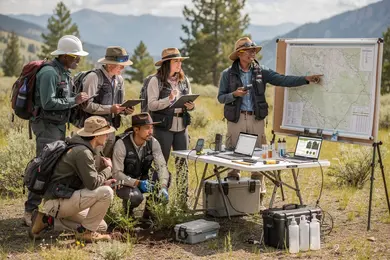
Many students find the Geographic Information Systems (GIS) course especially exciting, as it equips them with cutting-edge mapping skills used to analyze real environmental data from local forests and coastlines. Natural Resource Management and Environmental Ethics foster a passionate commitment to stewardship, relevant to the unique Southern landscapes students cherish and protect.
Online environmental science degrees in the South offer inspiring and varied paths that empower students to make a real difference within their communities. Graduates often share how specializations like Environmental Policy and Management provide them with invaluable tools to shape sustainable laws reflecting the unique economic landscape of Southern states, including agriculture and coastal industries. Others find deep fulfillment in Natural Resource Management, where skills gained at popular Southern colleges are directly applied to conserving local forests and waterways.
Students embrace Sustainability Studies as a way to lead innovative green initiatives, while those drawn to Environmental Biology or Ecology experience the joy of studying Southern ecosystems rich with biodiversity. Many are motivated by Environmental Health, addressing pollution and risk assessment to protect urban and industrial regions of the South. These Southern region environmental science degree concentrations foster a profound connection to solving urgent, local challenges.
For those seeking affordable options, numerous programs provide competitive tuition and flexibility, making these exciting opportunities accessible. Explore more about affordable environmental science online degrees to start your transformative journey today.
Choosing the best online environmental science degree in the South starts with finding a program that fits your unique goals and lifestyle. Graduates from popular colleges in this region often praise programs that combine strong academic content with real-world relevance, such as coastal management or sustainable agriculture, reflecting the Southern environment. Look for top accredited environmental science programs Southern US students recommend, as accreditation ensures your degree holds value and opens doors in competitive job markets.
Flexibility is key; many working professionals succeed by selecting programs offering asynchronous learning and manageable fieldwork requirements. Affordable online environmental science degrees South also matter, since balancing quality and cost can ease the path toward your dream career. Students have found that programs connected to research centers or local agencies deepen their expertise and enhance job readiness.
To explore options tailored to Southern students, discover the environmental science bachelor degree online that will inspire and empower your future in this vital field.
Graduates with an online environmental science degree in the South find exciting career paths that connect them deeply with the region's unique ecosystems and growing industries. From environmental consulting firms in North Carolina to state agencies in Texas, many are thriving in roles that assess impacts of development while protecting natural resources. Students from popular Southern universities often share how rewarding it is to contribute to sustainability efforts, knowing their work supports the vibrant communities around them.
Opportunities expand through government agencies like the EPA and local conservation groups focusing on climate resilience, especially in coastal states like Florida. These positions allow graduates to shape policies and drive environmental progress in meaningful ways.
Natural resource management jobs, including forestry and wildlife conservation, attract many, offering hands-on work in biodiversity hotspots like the Southern Appalachian Mountains. Nonprofit roles in environmental education and advocacy also call graduates who are passionate about sustainability and justice.
Renewable energy sectors are growing rapidly, with pathways opening toward solar and wind projects that energize the region's future. For those eyeing leadership, understanding chief sustainability officer qualifications can guide career growth.
Such diverse choices illustrate the vibrant spectrum of online environmental science careers in the South, inspiring students to envision impactful futures.
The job market for online environmental science degree graduates in the South is vibrant and full of opportunity. States like Texas, Florida, and North Carolina are expanding initiatives in renewable energy and environmental protection, creating a strong demand for skilled professionals. Graduates from well-known Southern universities often share how rewarding it is to apply their knowledge in real-world projects, such as managing coastal ecosystem restoration or supporting sustainable urban development in growing metros.
With online environmental science jobs in the South increasingly accessible, graduates enjoy flexibility and employer recognition of their degrees. Agriculture, energy, and water resource management sectors offer diverse roles, including environmental consulting and natural resource management, with salaries ranging approximately from $50,000 to $75,000 annually. This range reflects rewarding career paths that align with the region's economic priorities and environmental challenges.
Students appreciate affordable tuition at public institutions, empowering them to gain expertise while balancing life commitments. Many find inspiration in exploring careers with a sustainability mba degree through resources like careers with a sustainability mba degree, complementing their scientific training with leadership skills.
2027 Easiest Online Bachelor's in Environmental Science Degree Programs Ranking in the South
Investing in your education is a significant decision that can shape your future, and the Research.com team understands the importance of making informed choices. To support prospective students seeking a bachelor's degree in Environmental Science in the South, we have carefully developed the "2027 Easiest Online Bachelor's in Environmental Science Degree Programs Ranking in the South." Our dedication to quality, credibility, and accuracy is demonstrated through rigorous research and detailed analysis behind this ranking.
We utilized the following reputable data sources to ensure a comprehensive evaluation of programs:
Readers will gain valuable insights into accessible and flexible online Environmental Science programs that meet high standards, enabling them to make well-informed decisions about their education. For more information on how this ranking was created, please visit our Research.com methodology page.
# 1 position
Western Kentucky University
Bachelor of Health Science (Environmental Health Science concentration)

# 2 position
University of Maryland Global Campus
Bachelor of Environmental Health & Safety



# 5 position
Columbia Southern University
Bachelor of Environmental Management/Environmental Engineering

Frequently Asked Questions About environmental science
Online environmental science degree students in the South can maximize their learning by engaging actively with local environmental issues. Many Southern states prioritize coastal management and biodiversity, which offers students practical case studies. Utilizing virtual labs and simulation tools enhances hands-on experience despite remote settings. Collaboration with regional organizations, such as those focused on the Gulf of Mexico's ecosystems, provides networking and internship opportunities. Students should also take advantage of federal resources like the EPA's environmental datasets for research projects. According to the Southern Regional Education Board, staying connected with peers and faculty via online platforms improves course outcomes and retention rates.
The environmental science field is rapidly evolving, with several emerging niches gaining importance. One notable area is climate resilience and adaptation, especially critical in the Southern U.S., where extreme weather events are increasing. Programs focusing on coastal restoration and wetland management are also growing, addressing regional concerns documented by the Southern Environmental Law Center.
Another key niche is environmental data analysis, as agencies and companies seek experts skilled in interpreting large environmental datasets using GIS and remote sensing technologies. Renewable energy management, particularly solar and bioenergy, is expanding in the South due to abundant natural resources and state incentives.
Water resource management remains a priority, emphasizing sustainable usage amid population growth. These areas offer promising career paths for online degree students targeting regional environmental challenges.
Graduates with an online environmental science degree in the South should focus on building practical experience before entering the job market. Internships or volunteer opportunities with local environmental agencies or nonprofits can provide critical hands-on skills and networking connections.
Obtaining certifications such as the Certified Environmental Scientist (CES) credential can improve job prospects. According to the U.S. Bureau of Labor Statistics, environmental science jobs in Southern states like Texas and Florida are projected to grow by 7% through 2032.
Networking through regional professional organizations and attending local environmental job fairs can also be effective. Southern universities often host virtual career events tailored to online students.
Employers in the South highly value environmental science graduates who possess strong analytical and technical skills. These include proficiency in Geographic Information Systems (GIS), data analysis, and environmental sampling techniques. According to the U.S. Bureau of Labor Statistics, these skills help address regional challenges like coastal erosion and water quality management.
Communication abilities, both written and verbal, are also critical, enabling professionals to work effectively with policymakers and local communities. Furthermore, problem-solving skills tailored to Southern ecosystems, such as wetland restoration and sustainable agriculture, remain in demand.
Adaptability to regulations and technology updates is important due to evolving state environmental policies across the Southern states.
Finding internships in the South related to an environmental science degree involves targeted research and active networking. Many Southern states host government agencies like the Environmental Protection Agency's regional offices, which offer internships in areas such as water management and conservation.
Universities with strong environmental programs, such as the University of Florida and Texas A&M, often partner with local businesses and nonprofits to provide internship opportunities. Checking their career service portals can be helpful.
Additionally, Southern environmental organizations, including the Southern Environmental Law Center, frequently list internships on their websites. The Bureau of Labor Statistics reports that environmental science jobs are growing faster than average in states like Georgia and North Carolina, indicating increasing internship availability.
Online environmental science degrees in the South significantly enhance career mobility by offering flexible access to education without geographic constraints. Many Southern states, including Texas and Georgia, report growing demand for environmental professionals due to expanding industries like energy, agriculture, and conservation (U.S. Bureau of Labor Statistics, 2023).
Graduates with online degrees often qualify for roles in environmental consulting, policy, and resource management, which are seeing a projected 8% job growth in the region over the next decade. Employers increasingly recognize accredited online programs as valid credentials, aiding advancement opportunities.
Additionally, online programs frequently provide networking opportunities and local internships aligned with Southern environmental priorities, supporting career growth within the region.
Online environmental science degrees in the South emphasize interdisciplinary training, combining biology, chemistry, geology, and policy studies. Programs often include coursework on regional issues like coastal management and the Gulf of Mexico ecosystem, reflecting local environmental challenges. This strengthens students' ability to address complex problems involving ecology, public health, and resource management.
According to the Southern Regional Education Board, many Southern universities integrate practical skills such as GIS, data analysis, and environmental law, preparing graduates for diverse careers. Studies by the U.S. Bureau of Labor Statistics show that environmental scientist jobs in Southern states are projected to grow by 8% through 2030, highlighting demand for interdisciplinary expertise.
Students gain exposure to teamwork and communication skills crucial for roles in government, private industry, and non-profits focused on sustainability and conservation efforts in the South.
When choosing between a thesis and a non-thesis online environmental science degree program in the South, consider your career goals. Thesis programs usually involve independent research, ideal for students aiming for graduate studies or research positions. Non-thesis programs focus more on coursework and practical skills, appealing to those entering the workforce directly.
The Southern region has several accredited universities offering both options; for example, the University of Florida and North Carolina State University provide flexible paths. According to the National Center for Education Statistics, about 40% of Southern environmental science graduates choose thesis tracks, reflecting growing research opportunities in the region.
Cost and time commitment also differ, with thesis programs typically requiring more semesters. Evaluate faculty expertise and online resources, as strong mentorship is crucial for thesis success.
Students based in the South seeking to study environmental science abroad online have several pathways through U.S. universities offering global-focused curricula. While most fully online environmental science bachelor's degrees are provided domestically, some programs include international case studies and virtual field experiences emphasizing global ecosystems.
Southern institutions, such as the University of Florida and Texas A&M, integrate international perspectives into their online courses, helping students understand environmental challenges worldwide. According to the Southern Regional Education Board, about 15% of online environmental science students engage in global research collaborations or internships.
Additionally, students may pursue study-abroad opportunities through affiliated programs while enrolled online, allowing a hybrid approach. However, fully online environmental science degrees with a formal overseas campus presence remain limited in the region.
Students pursuing an online environmental science degree in the South can enhance their education with several part-time job opportunities. Field technician roles with local conservation groups or state environmental agencies offer practical experience in data collection and habitat monitoring. According to the U.S. Bureau of Labor Statistics, states like Florida and Texas have growing environmental job markets, supporting roles in sustainability and natural resource management.
Internships or assistant positions at regional environmental NGOs provide insight into policy and community outreach. Additionally, roles in environmental education programs at nature centers can develop communication skills essential for future careers.
Online environmental science students in the South benefit from various networking opportunities through regional universities and professional organizations. Many Southern schools with online programs, such as those in North Carolina and Georgia, offer virtual career fairs and alumni networking events. These help students connect with industry professionals and potential employers within the region.
Additionally, professional groups like the Southern Environmental Education Alliance (SEEA) and the Southeastern Chapter of the Ecological Society of America provide members with local workshops, webinars, and conferences. According to the National Center for Education Statistics, over 30% of environmental science graduates in Southern states find jobs through networking connections. These opportunities are vital for career growth, even for remote learners.
Alumni networks play a crucial role for online environmental science degree students in the South by providing valuable professional connections. These networks help students tap into regional job markets, which is essential given the South's unique environmental challenges such as coastal management and energy production. According to the Southern Environmental Education Alliance, networking can increase job placement rates by up to 20% for graduates in this field.
Through events, online forums, and mentorship programs, alumni offer guidance on career paths and local opportunities. Engaging with these networks also fosters collaborations on research and conservation projects, enhancing practical learning beyond the virtual classroom.
Customizing an online environmental science degree in the South allows students to align their education with specific career goals. Many Southern universities offer elective courses and concentrations such as sustainability, wildlife management, or environmental policy. This flexibility helps tailor skills to sectors like conservation or renewable energy, two growing fields in the region.
Internships and research projects often complement coursework, giving practical experience. Regional focus on issues like coastal restoration and climate resilience enhances relevance for Southern students. According to the Southern Regional Education Board, selecting programs with strong faculty expertise and local partnerships can boost job prospects after graduation.
Additionally, some programs provide certificate options in GIS mapping or environmental law, broadening career pathways. Students should review course catalogs and speak with academic advisors to customize effectively.
Online environmental science students in the South face several unique challenges. Limited access to reliable high-speed internet, especially in rural areas, can disrupt participation in live lectures and research activities. According to the Federal Communications Commission, about 22% of rural Southern households lack broadband access. This connectivity issue hinders engagement with interactive course content and collaboration tools.
Additionally, environmental science often requires hands-on fieldwork or lab experiences, which are difficult to replicate virtually. Many Southern universities offer limited local lab partnerships, complicating practical skill development. Time zone differences within the region can also affect live session attendance. These factors collectively impact academic performance and overall student satisfaction in online programs.
With an online environmental science degree, graduates in the South can pursue several professional certifications to boost their careers. One popular option is the Certified Environmental Scientist (CES) credential, offered by the National Association of Environmental Professionals. This certification demonstrates expertise in environmental regulations and practices, which is valuable in government and private sectors.
Another key certification is the Registered Environmental Manager (REM), recognized across many Southern states. It focuses on environmental management and compliance, helping professionals lead sustainability initiatives.
Additionally, soil scientists and specialists often seek the Certified Professional Soil Scientist (CPSS) credential, which has growing demand in agricultural states like Georgia and Alabama, according to the USDA.
Writing a winning application for an online environmental science program in the South requires clear focus on relevant academic and professional experiences. Admissions committees look for strong backgrounds in biology, chemistry, and environmental studies. Highlight coursework or work that shows your commitment to solving regional environmental issues, such as coastal erosion or air quality challenges common in Southern states. According to recent data from the Southern Association of Colleges and Schools, about 65% of environmental science programs emphasize hands-on learning; mention any practical experiences or projects.
Strong letters of recommendation from science teachers or environmental professionals in the South can enhance your application. Also, tailor your personal statement to reflect your passion for sustainability and how you plan to contribute to local ecosystems. Make sure to meet all deadlines and submit transcripts promptly to avoid delays.
Environmental science careers have gained significant global importance due to rising concerns about climate change and sustainability. In the United States, including the South, demand for environmental scientists is expected to grow by 8% from 2022 to 2032 according to the U.S. Bureau of Labor Statistics.
Professionals in this field often work on international projects addressing air and water quality, conservation, and renewable energy. Southern states contribute to this global effort by focusing on coastal resilience and forestry management, sectors crucial for both regional and worldwide ecological health.
Online degrees in environmental science from Southern institutions offer students access to these global challenges with flexible learning tailored to local and international contexts.
Gaining practical experience while studying for an online environmental science degree in the South is essential for career readiness. Many universities partner with local agencies and organizations to offer internships and research opportunities tailored to online students. For example, students can engage with regional conservation projects or assist in data collection for agencies like the Georgia Department of Natural Resources or Texas Parks and Wildlife.
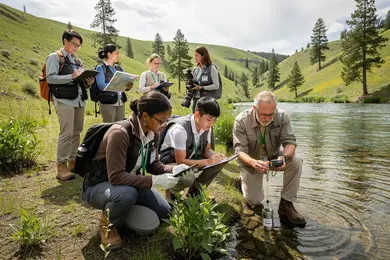
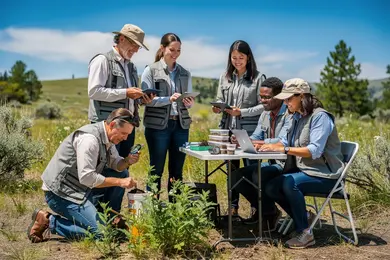
Fieldwork possibilities may include volunteering for habitat restoration or water quality monitoring in various Southern ecosystems. Some programs also integrate virtual labs and simulation tools to reinforce hands-on skills remotely.
Networking through local environmental groups and attending regional conferences can further complement academic learning with practical insight.
Choosing the right concentration within an online environmental science degree program in the South involves considering regional environmental priorities and job market trends. Southern states often face unique challenges like coastal erosion, agricultural impacts, and biodiversity conservation. Concentrations such as marine ecology, sustainable agriculture, or environmental policy may align well with these issues. According to the U.S. Bureau of Labor Statistics, environmental scientist jobs in the South are growing at approximately 7% through 2031, making specialized skills valuable. Prospective students should also consider accreditation and faculty expertise to ensure the program supports their career goals.
- Most Popular Online Environmental Science Degrees 2025 https://www.onlineu.com/degrees/environmental-science
- CES - Certified Environmental Scientist https://www.nrep.org/certifications/certified-environmental-scientist-ces
- Environmental Scientist Cover Letter Examples https://www.careerfaqs.com.au/careers/resumes-cover-letters/environmental-scientist-cover-letter-example
- Graduate Schemes and Internships - Green Jobs for Nature https://greenjobsfornature.org/get-that-green-job/graduate-schemes-and-internships/
- Application Letter to Master's Program in Environmental Science in Germany https://essayforum.com/letters/application-master-program-environmental-86188/
- Environmental Science Internships | Intern Abroad HQ https://www.internhq.com/industries/environmental-sciences/
- How to Become an Environmental Scientist: 8 Steps to Success - Prereqcourses https://www.prereqcourses.com/environmental-scientist/
- Environmental Science Courses & Degrees https://www.open.edu.au/study-online/science/environmental-science
- Alumni Put Environmental Science Degrees to Work at Chesapeake Watershed Initiative https://www.fandm.edu/stories/alumni-put-environmental-science-degrees-to-work.html
- Environmental Certifications for entry-level and career changers https://www.theenvironmentalcareercoach.com/certification-links