2027 Fastest Online Environmental Science Degree Programs Ranking in the Midwest

Co-Founder and Chief Data Scientist
Choosing the right environmental science degree is an important step toward a rewarding career in protecting our planet. This article introduces the 2027 Fastest Online Environmental Science Degree Programs Ranking in the Midwest, developed by the Research.com team of data scientists. It provides clear, data-driven insights to help you find programs that fit your goals and lifestyle.
Whether you're eager to advance quickly or balance studies with other commitments, this ranking offers valuable guidance. Explore your options confidently and take a meaningful step toward making a positive impact on the environment.
Key benefits of getting online environmental science degree in the Midwest
- Environmental science graduates in the Midwest often earn competitive salaries, with related jobs in the U.S. averaging around $50,000 to $70,000 annually, offering financial stability and growth opportunities.
- A graduate from the University of Wisconsin in environmental science might explore careers in conservation, environmental consulting, or sustainability management, showcasing diverse and rewarding options for making a real impact.
- Online degrees, like those from Michigan State University, provide flexibility and affordability, enabling students to balance work and study while gaining the same respected credentials as traditional programs.
- 2027 Fastest Online Environmental Science Degree Programs Ranking in the Midwest
- What can I expect from online environmental science degree in the Midwest?
- Where can I work with online environmental science degree in the Midwest?
What can I expect from online environmental science degree in the Midwest?
The average cost of an online environmental science degree in the Midwest typically ranges between $15,000 and $30,000 for a full bachelor's program at public universities. This range reflects the affordability that many Midwestern institutions offer compared to national averages, making it an appealing option for students balancing budget concerns with academic rigor. Graduates from these programs often share positive feedback about the value received, noting affordable tuition combined with access to expert faculty and regional research opportunities.
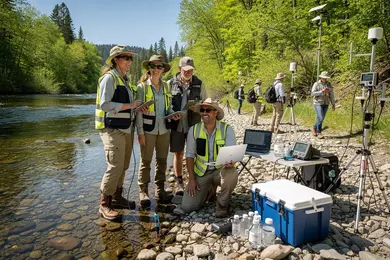
Students from universities known for strong environmental science curricula in states like Illinois, Michigan, and Minnesota report satisfaction with how online courses integrate hands-on projects focusing on local ecosystems, such as the Great Lakes and agricultural landscapes. Many appreciate flexible learning schedules that accommodate professionals and working adults, allowing them to advance their education without sacrificing income or family time.
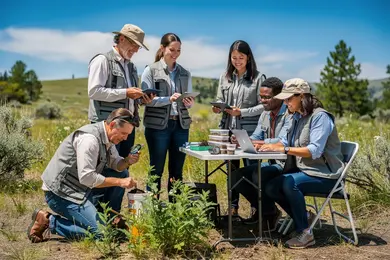
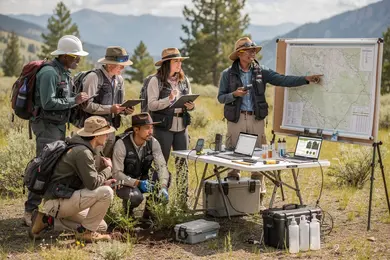
Such programs also feature the use of GIS and water quality management training, anchored in recognizable Midwestern environmental challenges. Alumni often emphasize how these practical skills, linked to regional priorities, have enhanced their career prospects in environmental consulting, resource management, and policy sectors.
Where can I work with online environmental science degree in the Midwest?
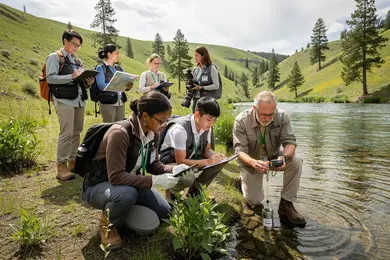
Graduates with an online environmental science degree from institutions like the University of Illinois Urbana-Champaign or the University of Minnesota often find rewarding careers across government, private industry, and nonprofit sectors in the Midwest. Many secure positions in EPA regional offices or state natural resource departments, where they actively engage in air and water quality monitoring and enforce environmental regulations. This hands-on work provides a palpable sense of contributing to public health and environmental protection.
In the private sector, environmental consulting firms in major Midwestern cities offer roles focusing on compliance and sustainability strategies, particularly for the region's robust agriculture and manufacturing industries. Graduates from schools such as Michigan State University report satisfaction in helping companies reduce environmental impact while supporting economic growth.
Nonprofit organizations, including those collaborating with local land trusts and the Great Lakes Commission, welcome graduates for research and policy advocacy roles. Many appreciate the opportunity to drive regional conservation efforts and clean energy projects, especially within the booming wind and bioenergy industries dominating the Midwest landscape.
Graduates holding online environmental science degrees from well-regarded Midwestern institutions often begin their careers with salaries ranging from $45,000 to $55,000 annually. For example, graduates from popular programs at universities in Illinois, Michigan, and Ohio report entry-level roles such as environmental technician or regulatory compliance coordinator that align with this pay scale, reflecting regional market conditions.
As these professionals accumulate experience-particularly beyond five years-they frequently transition into higher-level positions that command salaries from $65,000 up to $80,000 or more. Cities with strong environmental sectors, like Chicago and Minneapolis, offer especially competitive wages and opportunities for advancement, sometimes reaching $90,000 annually for senior roles.
Alumni from Midwestern colleges emphasize that pursuing specialized certifications or focusing on government agency positions enhances their earning potential. The structured pay scales in public sector jobs provide reliable financial stability, while private sector roles may offer performance incentives, further improving overall compensation. This trajectory demonstrates a rewarding return on investment for students committed to online environmental science programs in the Midwest.
- Bachelor's degree tuition costs at public universities in the Midwest range from $10,000 to $25,000, with private institutions often charging over $30,000.
- The median annual salary for environmental science graduates in the Midwest is about $63,000 initially, increasing to around $78,000 after 10 years.
- Employment for environmental science professions in the Midwest is expected to grow by 5% through 2030, matching the national average.
- Programs typically include courses in ecology, environmental policy, geology, and data analysis, preparing students for roles in government, consulting, or non-profits.
- Accreditation by regional bodies and standards like those from the Environmental Health Science and Protection Accreditation Council (EHAC) is important when selecting a program.
The typical duration to complete an online environmental science degree in the Midwest varies by degree level and student circumstances. For example, bachelor's degrees generally require about four years of full-time study. However, many students appreciate the flexibility of programs at institutions like Purdue University, where accelerated tracks allow completion in as little as three years. Graduates from such programs often express satisfaction with how they balanced coursework alongside work commitments.
Associate degrees, often offered through community colleges across Midwestern states, usually take around two years of full-time study and serve as practical entry points into the environmental science field. For those pursuing advanced credentials, online master's programs at the University of Illinois and similar universities typically range from 18 months to three years, depending on part-time or full-time enrollment.
Students benefit from scheduling adaptability and regional affordability, with in-state tuition averaging approximately $10,000 annually at public four-year institutions. These factors contribute to a manageable and rewarding educational journey for many Midwestern learners.
Online and on-campus environmental science degrees in the Midwest differ mainly in instructional methods and experiential learning opportunities. Graduates from universities like the University of Michigan and the University of Illinois often recall that on-campus programs provided valuable hands-on access to labs and fieldwork, essential for mastering ecology and soil science. These experiences foster direct collaboration with professors and peers, which many find enriching both academically and socially.
Conversely, students pursuing online degrees appreciate the flexibility to balance studies with work or family obligations, a common advantage noted by those enrolling in programs offered by Midwest institutions such as Michigan State University. The ability to access lectures and assignments asynchronously allows learners to progress at their own pace without commuting, often easing financial and time constraints.
While online programs utilize virtual labs and simulations to approximate practical work, some graduates feel these cannot fully replace in-person experiences. However, both formats maintain rigorous curricula, with Midwest schools ensuring accreditation and comprehensive coverage tailored to the region's environmental challenges.
The average cost of an online environmental science degree in the Midwest generally centers around $26,000 in total tuition, reflecting a moderate investment for students pursuing sustainability and environmental stewardship. Many graduates from well-known public universities such as the University of Nebraska and Indiana University describe their experiences as financially manageable, with tuition fees often ranging between $10,000 and $15,000 annually for in-state students. This affordability aligns closely with the average cost online environmental science degree Midwest institutions offer, making quality education accessible without excessive financial burden.
Graduates frequently highlight the value found in these programs, balancing solid academic content with reasonable tuition fees. Some online students, particularly those who benefit from in-state rates, note how smaller expenses related to technology fees or course materials can add to the final bill but remain controllable. Private university options do exist but generally command higher fees, sometimes doubling public tuition costs, which requires careful budgeting for prospective students.
Prospective students should also explore available financial aid, scholarships, or grants tailored to environmental science fields to help mitigate expenses. Additionally, many programs offer accelerated paths that reduce time-and costs-needed for degree completion. Those interested might consider looking into accelerated sustainability bachelor programs, which appeal to students eager to enter the workforce sooner and decrease total educational expenditures.
Understanding Midwest online environmental science degree tuition fees ensures informed decision-making when selecting programs, with regional universities consistently delivering competitive pricing that balances cost and educational quality.
Students enrolled in online environmental science programs at institutions such as the University of Illinois Urbana-Champaign or Michigan State University often rely on a blend of financial aid options to fund their education. Federal aid is typically the first and most accessible resource, with students completing the FAFSA to unlock benefits like the Pell Grant-which can provide up to $7,395 annually without repayment-and federal loans offering manageable terms. Many graduates recall how these federal supports reduced their financial burden significantly.
State-specific grants also play a vital role. For example, Illinois residents attending online programs benefit from the Monetary Award Program (MAP), while Michigan students pursuing high-demand fields may access Tuition Incentive Programs. These opportunities provide essential funding directly catered to regional students.
Furthermore, institutional scholarships at Midwest universities often target environmental science majors, rewarding academic achievement or addressing the needs of underrepresented groups. Alumni frequently highlight how connecting with a school's financial aid office uncovered scholarships they hadn't initially known about.
External scholarships from organizations like the EPA and private foundations supplement these, often spotlighted on platforms such as Fastweb. Additionally, working professionals appreciate employer tuition reimbursement programs in sectors like energy and conservation, which make part-time online study financially feasible.
Enrolling in an online environmental science degree program in the Midwest typically requires applicants to hold a high school diploma or equivalent, accompanied by a GPA between 2.5 and 3.0 to demonstrate academic readiness. Graduates from institutions such as the University of Illinois Urbana-Champaign or Michigan State University often recall that completing key courses in biology, chemistry, and mathematics before admission significantly eased their transition into the rigorous curriculum.
Many programs in the region do not mandate standardized tests like the SAT or ACT, reflecting an effort to increase accessibility. However, some competitive programs may still request these scores. Transfer students appreciate that most universities accept credits from accredited colleges, enabling them to progress more swiftly and save costs.
Applicants are frequently asked to submit letters of recommendation, personal statements, or resumes to showcase motivation and relevant experience. These requirements ensure that students are well-prepared for practical, data-driven coursework-an approach praised by alumni for fostering confidence and applying real-world environmental challenges effectively.
Online environmental science degree programs in the Midwest typically include a core curriculum that builds expertise in disciplines essential to the region's ecological landscape. Graduates from well-regarded Midwestern institutions often recall foundational courses such as Introduction to Environmental Science, which frames human impacts on natural systems, setting the stage for deeper study.
Key classes often emphasize Ecology and Biodiversity, reflecting the area's rich habitats, alongside Environmental Chemistry, which trains students to analyze chemical processes in air, soil, and water-skills critical for addressing agricultural runoff challenges common in the Midwest. Soil Science and Land Use courses focus on sustainable farming practices, a vital concern in this predominantly agricultural region.
Many students also value Environmental Policy and Regulation classes, learning to navigate legislation like the Clean Water Act, ensuring they can contribute effectively to regional environmental management. Courses in GIS and Remote Sensing equip learners with spatial data skills, enabling them to tackle real-world problems such as monitoring the Great Lakes' water quality or planning renewable energy projects.
Online environmental science degree specializations Midwest typically include a range of focused areas reflecting the region's diverse ecological and industrial contexts. Graduates from popular colleges often highlight studies in natural resource management, where they learn sustainable practices for water, soil, and forest conservation vital to agriculture-heavy states. Others pursue environmental policy and planning, gaining expertise in regulatory frameworks and community strategies applicable to urban and rural Midwestern settings. Ecology and wildlife conservation is another common concentration, addressing the preservation of prairies, wetlands, and forests that define much of the landscape.
Students appreciate programs emphasizing real-world applications, such as developing safety protocols under environmental health and safety or advancing renewable energy initiatives in response to Midwestern investments in wind and bioenergy. Those enrolled in Midwest online environmental science programs concentrations note how this specialized knowledge directly supports careers tackling regional environmental challenges.
For those seeking affordable sustainability masters programs aligned with Midwestern priorities, institutions often balance rigorous coursework with practical case studies on Great Lakes preservation and agricultural impacts, fostering a connection between theory and local environmental realities.
Choosing the best affordable online environmental science degrees Midwest involves assessing accreditation and curriculum relevance. Graduates from popular colleges in the region often highlight how programs accredited by the Higher Learning Commission provide confidence in the value of their degree. These programs blend general environmental science with localized studies on issues such as Great Lakes preservation or agricultural sustainability, ensuring content is regionally pertinent and professionally useful.
Cost and flexibility also influence decision-making. Many students appreciate institutions offering flat tuition rates or credit-hour discounts tailored for online learners, which helps manage expenses while fitting education into busy lives. Flexibility in asynchronous online classes and access to career services or virtual internships is frequently praised by alumni, as it supports balancing work and family commitments.
Finally, prospective students should explore faculty expertise connected to regional environmental projects and consider how these opportunities enhance practical skills. For those aiming at specific career paths, understanding the skills needed to be a sustainability manager can guide enrollment choices in top accredited environmental science programs Midwest online.
Graduates pursuing online environmental science careers Midwest find diverse opportunities that address the region's distinct environmental and economic characteristics. Many obtain positions in environmental consulting, evaluating development impacts on ecosystems near industrial hubs, or in conservation science, protecting the vast agricultural and natural lands prevalent throughout the Midwest. Others specialize in water resource management, given the critical importance of freshwater bodies like the Great Lakes to the regional economy and environment.
Those with degrees from respected Midwest institutions often share how these roles allow them to contribute meaningfully to community sustainability and regulatory compliance, supporting compliance with both state and federal environmental standards. Several graduates have leveraged their expertise to enter the growing renewable energy sector, particularly in states such as Iowa and Minnesota, where wind and bioenergy projects have expanded significantly.
Further enhancing job prospects, many turn to specializations like geographic information systems or environmental policy to meet the demand for data-driven environmental solutions. Prospective students may explore affordable programs, including online environmental engineering degrees, through resources like online environmental engineering degrees that align well with Midwest market needs.
The job market for online environmental science degree graduates in the Midwest remains robust, driven by the region's unique environmental challenges and economic sectors. Graduates from well-regarded institutions such as the University of Illinois and Michigan State University often find themselves equipped to enter fields like environmental consulting, natural resource management, and state regulatory agencies. These roles benefit from growing demand due to stricter environmental regulations and sustainability initiatives within agriculture and manufacturing industries predominant in the Midwest.
Those pursuing online environmental science jobs in the Midwest appreciate the balance between affordable education costs and promising salaries. Graduates typically report starting salaries near $50,000, with opportunities to advance into positions earning $90,000 or more as they gain experience. Many have found meaningful work assessing environmental risks or developing renewable energy projects, aligning with personal values and regional priorities.
Students interested in learning more about available positions and career paths often explore resources such as environmental jobs examples to guide their next steps in this competitive market.
2027 Fastest Online Environmental Science Degree Programs Ranking in the Midwest
Investing in your education is a significant decision that can shape your future, and the Research.com team understands the importance of making informed choices. To assist prospective students in the Midwest, we have meticulously crafted the "2027 Fastest Online Environmental Science Degree Programs Ranking in the Midwest." Our commitment to quality, credibility, and accuracy is reflected in the extensive research and analysis conducted to compile this ranking.
We utilized the following reputable data sources to ensure a comprehensive evaluation of environmental science programs:
By exploring this ranking, readers will gain valuable insights into the fastest online environmental science degree programs available in the Midwest, helping them make well-informed decisions about their educational paths. For more details on our methodology, please visit our Research.com methodology page.
# 1 position
University of Illinois at Urbana-Champaign
Master of Natural Resources and Environmental Sciences





Frequently Asked Questions About environmental science
Online environmental science degree students in the Midwest can maximize their learning by actively engaging with local ecological issues. The region, home to critical ecosystems like the Great Lakes and expansive agricultural lands, offers unique study opportunities. Students should complement coursework with virtual internships or volunteer work focused on regional conservation efforts.
Utilizing resources from Midwest universities known for environmental programs, such as the University of Wisconsin and Ohio State University, can enhance understanding. Access to research databases and webinars helps students stay updated on the latest environmental trends and policies affecting the region.
Joining online study groups or professional associations can also foster collaboration and networking, which are crucial for career advancement in environmental science.
The environmental science field is evolving with new niches emerging, especially relevant for students pursuing online degrees in the Midwest. One key area is renewable energy management, driven by the region's growing wind and solar industries. According to the U.S. Department of Energy, Midwest states like Iowa and Illinois rank among the top producers of wind energy nationally.
Another rising niche is agroecology and sustainable farming, reflecting the Midwest's agricultural backbone. Programs increasingly focus on soil health, precision farming, and water conservation techniques to address climate impacts. The Environmental Protection Agency highlights nutrient management as vital for protecting the Great Lakes.
Additionally, environmental data analytics is expanding, integrating GIS and remote sensing technologies to analyze land and resource use. This area supports smart city planning and ecosystem monitoring, critical to managing urban growth across Midwest metropolitan areas.
After completing an online environmental science degree in the Midwest, preparing for the job market involves strategic steps to increase employment prospects. First, gaining relevant experience through internships or volunteer work with regional agencies like the Environmental Protection Agency's Midwest division or local conservation groups is essential. These practical experiences complement academic learning and build a professional network.
Second, obtaining certifications such as the Certified Environmental Scientist credential can enhance credentials recognized by Midwest employers. According to the U.S. Bureau of Labor Statistics, environmental science jobs in the Midwest are projected to grow by 8% from 2022 to 2032, highlighting the need for well-prepared candidates.
Lastly, leveraging university career services and Midwest-focused job boards helps target roles in natural resource management, sustainability, and environmental consultancy, which are prominent sectors in states like Illinois, Ohio, and Michigan.
Employers in the Midwest prioritize a blend of technical and soft skills when hiring graduates with online environmental science degrees. Key technical abilities include proficiency in Geographic Information Systems (GIS), data analysis, and knowledge of local environmental regulations. According to the U.S. Bureau of Labor Statistics, experience with environmental impact assessment is increasingly valued in this region, especially due to agricultural and industrial activities.
Strong communication skills are also critical, as professionals must clearly present findings to diverse audiences. Problem-solving and teamwork are highlighted by employers in states like Illinois and Ohio, where collaborative projects address water quality and conservation issues. Graduates equipped with both analytical and interpersonal skills tend to have better job prospects.
Finding internships in the Midwest relevant to environmental science degrees involves strategic research and networking. Start by exploring university career centers, which often partner with local environmental agencies and organizations. The U.S. Environmental Protection Agency (EPA) Region 5 office, based in Chicago, offers internships that cover Illinois, Indiana, Michigan, Minnesota, Ohio, and Wisconsin.
The Environmental Career Opportunities website lists paid and unpaid internships specifically in the Midwest. Additionally, state departments of natural resources frequently provide summer internships, fostering hands-on experience in conservation and sustainability projects.
Professional groups like the Midwest Environmental Education Association also offer networking events and job boards useful for students.
An online environmental science degree can significantly enhance career mobility and advancement in the Midwest. The region, rich in industries like agriculture, manufacturing, and renewable energy, increasingly seeks professionals with strong environmental expertise. According to the U.S. Bureau of Labor Statistics, employment in environmental science roles in the Midwest is projected to grow by approximately 8% from 2022 to 2032, faster than the national average.
Online degrees offer flexibility, allowing working professionals to upskill without relocating. Graduates often qualify for higher-level positions in government agencies, consulting firms, and non-profits focused on sustainability and environmental compliance. Furthermore, accredited Midwest-based programs connect students with regional employers and internships, facilitating local job placement and networking opportunities.
Studying for an online environmental science degree in the Midwest equips students with interdisciplinary skills essential for addressing complex ecological and societal challenges. Midwest programs often integrate coursework in biology, chemistry, geology, and policy, reflecting the region's diverse ecosystems and agricultural economy. According to the Environmental Careers Organization, about 60% of these programs emphasize practical data analysis and environmental impact assessment techniques, preparing graduates for roles that require collaboration across scientific and regulatory fields.
The Midwest also offers unique learning opportunities related to freshwater studies, given the Great Lakes' influence, and sustainable agriculture. Online students gain flexible access to these resources while developing skills in GIS mapping, environmental law, and public health, broadening career options in government, industry, or non-profits.
Choosing between a thesis and a non-thesis environmental science degree in the Midwest depends on your career goals and learning preferences. Thesis programs focus on original research, ideal for students aiming for graduate school or research roles. They require completion of a substantial project under faculty guidance.
Non-thesis options emphasize practical skills and coursework, suitable for those targeting immediate employment in environmental consulting, government agencies, or nonprofits. According to the Environmental Protection Agency, Midwest states lead in environmental monitoring jobs, which often prefer non-thesis graduates.
Cost and duration also vary; thesis paths may take longer but offer research experience. Consider local university resources like Illinois State or Ohio State when deciding.
Midwestern students interested in studying environmental science abroad typically have limited direct options through fully online international degrees. Most U.S. institutions, especially in the Midwest, focus on domestic online programs but often encourage study abroad via exchange programs or short-term field experiences. Universities such as the University of Michigan and Ohio State offer partnerships with international institutions that allow students to gain global perspectives while completing core coursework online.
These programs often incorporate international case studies and remote collaboration with global peers, enhancing cross-cultural learning. According to the Institute of International Education, only about 5% of Midwestern students majoring in environmental science participate in overseas study annually, reflecting modest but growing interest.
In sum, while full online degrees in environmental science from abroad are uncommon for Midwestern students, combining regional online education with study abroad opportunities remains the practical pathway.
Part-time job opportunities in the Midwest that complement an online environmental science degree often focus on practical, field-related experience. Many students find work as research assistants at universities or environmental consulting firms, where they can apply data collection and analysis skills. According to the U.S. Bureau of Labor Statistics, environmental scientists in the Midwest saw a 6% growth rate from 2021 to 2031, suggesting increased job availability. Positions in state parks or local conservation agencies offer hands-on roles such as habitat monitoring or public education. These jobs enhance understanding of regional ecosystems and align well with coursework in soil, water, and wildlife management.
Online environmental science students in the Midwest benefit from a variety of networking opportunities tailored to both virtual and regional connections. Many Midwestern universities with online programs offer access to professional groups such as the Midwest Environmental Education Alliance and local chapters of the National Environmental Health Association. These organizations provide virtual events, webinars, and regional conferences that foster peer and professional engagement.
Additionally, LinkedIn groups and alumni networks specific to Midwestern institutions help students connect with local employers and researchers. According to the Environmental Career Organization, 65% of graduates find jobs through professional networking, underscoring the value of these resources.
Alumni networks play a significant role in supporting online environmental science degree students in the Midwest. These networks provide access to professional connections within regional industries focused on conservation, renewable energy, and agriculture. According to the Environmental Careers Organization, about 60% of job openings in environmental science in the Midwest are filled through networking.
Graduates can benefit from mentorship, internships, and job referrals that alumni offer. Many Midwestern universities maintain active online groups where students and alumni share opportunities and local environmental news. These connections help students stay informed about state-specific environmental challenges and innovations.
Moreover, alumni often collaborate on regional projects, increasing practical learning beyond coursework. This community engagement is crucial for students aiming to build careers in Midwestern environmental sectors such as Great Lakes management and sustainable farming.
Customizing an online environmental science degree in the Midwest involves selecting elective courses and specializations that align with your career goals. Many Midwestern universities offer options such as conservation biology, sustainable agriculture, or environmental policy. These choices enable students to focus on areas relevant to regional industries like farming, manufacturing, or water resource management.
Internships and research projects are often available remotely or locally, providing practical experience. According to the Bureau of Labor Statistics, environmental science jobs in the Midwest are expected to grow by about 8% from 2022 to 2032, emphasizing the importance of tailored skills.
Advisors at these institutions typically assist with academic planning to ensure your coursework supports your targeted career path.
Online environmental science students in the Midwest often face unique challenges tied to the region's educational and ecological context. Limited access to local research sites or internships can hamper hands-on learning, which is vital for environmental studies. According to the National Science Foundation, fewer than 40% of Midwestern schools offer robust field-based opportunities within their online programs.
Connectivity issues also come into play, especially in rural areas where internet infrastructure may be less developed. The Federal Communications Commission reports nearly 20% of Midwestern rural households lack high-speed internet, impacting video lectures and virtual labs.
Additionally, balancing coursework with fieldwork required for some degrees can be difficult when students are spread across large geographic areas without easy access to campus resources or mentorship.
With an online environmental science degree, Midwestern students can pursue several valuable professional certifications that enhance career prospects. Popular certifications include the Certified Environmental Professional (CEP) credential, recognized nationwide for expertise in environmental regulations and management.
Another relevant certification is the Board of Certified Safety Professionals' (BCSP) Certified Safety Professional (CSP), useful for roles focusing on workplace environmental health and safety. Additionally, the Geographic Information Systems Professional (GISP) certification is ideal due to GIS's growing role in environmental data analysis in the Midwest, especially in states like Illinois and Minnesota.
These certifications often require a mix of education, experience, and passing exams, providing graduates a competitive edge in a region with a strong environmental sector, according to the U.S. Bureau of Labor Statistics and the Environmental Protection Agency.
To write a winning application for an online environmental science program in the Midwest, start by highlighting your academic achievements, especially in science-related courses. Midwest programs often value a strong foundation in biology, chemistry, and geology, as reported by the Environmental Protection Agency's regional data. Include relevant work or volunteer experience demonstrating your commitment to environmental issues, such as internships with local conservation groups.
Customize your personal statement to reflect regional environmental challenges like agricultural runoff or Great Lakes pollution, showing awareness of local concerns. Be concise and proofread carefully. Strong letters of recommendation from science instructors or employers add credibility to your application. Lastly, meet all deadlines and ensure your application materials meet each school's specific requirements for online learners.
Environmental science careers are increasingly viewed through a global lens as environmental challenges such as climate change, pollution, and resource management cross national borders. Professionals trained in this field often find opportunities that involve international cooperation on sustainability initiatives.
According to the U.S. Bureau of Labor Statistics, environmental science jobs are expected to grow 8% nationally from 2020 to 2030, with the Midwest showing promising demand linked to agricultural and industrial environmental concerns. This regional focus is crucial in training professionals who can address both local and global environmental issues.
Additionally, many Midwestern universities offering online environmental science degrees integrate global case studies and sustainable development goals into their curricula, preparing students to work effectively in a worldwide context. This approach aligns well with international employers' expectations and enhances cross-border project collaboration skills.
Gaining practical experience while studying for an online environmental science degree in the Midwest involves several proactive steps. Many programs encourage internships with local government agencies, environmental nonprofits, or private firms, which can often be completed remotely or locally. The U.S. Bureau of Labor Statistics highlights that internships help increase employability by providing hands-on experience with data collection, analysis, and fieldwork.
Additionally, students can participate in virtual labs and simulation projects offered by their university. Some Midwestern states, like Illinois and Minnesota, have partnerships with environmental organizations that provide volunteer opportunities aligned with coursework.
Networking through regional conferences and joining professional groups such as the Midwest Environmental Education Association can also enhance practical learning and career prospects.
Choosing the right concentration within an online environmental science degree in the Midwest depends largely on your career goals and local environmental issues. The Midwest faces unique challenges such as Lake Michigan pollution and agricultural runoff, making concentrations like water resources or soil science particularly relevant.
Look for programs offering courses aligned with regional needs. For instance, the U.S. Bureau of Labor Statistics highlights growing demand in environmental consultancy and conservation jobs in states like Illinois and Ohio.
Also, consider concentrations that offer practical skills in GIS mapping or environmental compliance, as these are valued in many Midwestern industries.
Research program faculty expertise and partnerships with local agencies for hands-on opportunities.
- 2,000+ Water Jobs (Updated Today) – Free to Apply https://jobs.watertechintel.com/blog/environmental-science-career-paths
- CES - Certified Environmental Scientist https://www.nrep.org/certifications/certified-environmental-scientist-ces
- Explore Environmental Career Profiles | ECO Canada https://eco.ca/career-profiles-index/
- Environmental Education Programs in Higher Education | eePRO https://eepro.naaee.org/learning/higher-education-database
- The Biggest Environmental Problems Of 2021 https://earth.org/the-biggest-environmental-problems-of-our-lifetime/
- FAFSA Approved Medical Programs | Midwest Institute MO https://www.midwestinstitute.edu/financial-aid/
- Environmental Science Internships | Intern Abroad HQ https://www.internhq.com/industries/environmental-sciences/
- Guide to Environmental Internships | Higherin https://higherin.com/career-guides/science-research/environmental-internships
- Environmental Science (M.S.) Non-Thesis Track https://www.towson.edu/fcsm/departments/environsci/grad/science/non-thesis-track.html
- NETWORKING FOR SUCCESS: HOW TO SHINE IN ENVIRONMENTAL JOBS - Step(h) into Nature https://stephintonature.com/all-environmental-conservation-travel-blogs/environmental-jobs-networking