2027 Most Valuable Online Bachelor's in Environmental Science Degree Programs Ranking in the South

Co-Founder and Chief Data Scientist
Choosing the right online environmental science degree can feel overwhelming, especially with so many options in the South. This article introduces the 2027 Most Valuable Online Bachelor's in Environmental Science Degree Programs Ranking in the South, crafted by the Research.com team of data scientists. It's designed to guide you toward programs that offer strong value and career potential.
Reading this ranking will help you make an informed decision, so you can confidently invest in your future. Earning an environmental science degree opens doors to meaningful work that positively impacts the planet and communities. Exploring your options here will inspire and empower your next academic step.
Key benefits of getting online environmental science degree in the South
- The average annual salary for environmental science-related jobs in the US typically ranges around $50,000 to $70,000, offering a rewarding income for graduates dedicated to sustainability and conservation.
- Graduates from Southern universities often find diverse careers in environmental consulting, wildlife management, and natural resource protection, reflecting strong local and regional demand for skilled professionals.
- Completing an online environmental science degree in the South provides flexibility, allowing students to balance work and study while accessing quality education from well-known regional universities without relocating.
- 2027 Most Valuable Online Bachelor's in Environmental Science Degree Programs Ranking in the South
- What can I expect from online environmental science degree in the South?
- Where can I work with online environmental science degree in the South?
What can I expect from online environmental science degree in the South?
Getting an online environmental science degree in the South usually costs between $15,000 and $35,000 for the entire program, depending on the school and whether you qualify for in-state tuition. For example, graduates from popular Southern universities with strong online programs often share how they balanced their budgets while enjoying courses focused on real Southern challenges like coastal erosion and wetland conservation.
Many students appreciate how these online degrees offer flexible payment plans and sometimes lower fees compared to on-campus options. Plus, programs from schools in Texas or Florida include hands-on virtual projects about hurricane impacts or marine biology, making the experience feel relevant and exciting without breaking the bank.
Graduates often mention that the investment feels well worth it, especially since the degree opens doors to internships with local agencies like EPA regional offices, which can lead to solid job opportunities in booming environmental fields across the South.
Where can I work with online environmental science degree in the South?
If you're wondering where an online environmental science degree from a Southern school can take you, the options are pretty exciting. Graduates from places like the University of Florida or North Carolina State often land jobs with agencies like the EPA or state environmental departments, working on real issues like wetlands protection or managing coastal ecosystems. Imagine helping your state tackle climate challenges or ensuring clean water for communities-that's the kind of meaningful work you'll find.
Others jump into the private sector, joining consulting firms or energy companies in Texas or Louisiana, where they help businesses stay environmentally friendly while growing. It's common to hear from grads who love the balance of fieldwork and office analysis in roles that literally shape how industries operate sustainably.
Nonprofits also play a big role in the South. Graduates often find fulfilling project management jobs with groups like The Nature Conservancy, focusing on preserving local wildlife and habitats. Plus, working at universities or local research centers, especially those connected to Southern states' unique environments, means you can dive into climate resilience or water quality studies tailored to your region's needs.
Thinking about how much you can make with an online environmental science degree in the South? While exact salary data from specific Southern states isn't always easy to find, grads often see starting salaries between $45,000 and $55,000 in states like Texas, Florida, and North Carolina. Many graduates from popular Southern schools like the University of Florida or Texas A&M find entry-level jobs in environmental consulting or state agencies hitting these marks. Mid-career professionals, especially those who sharpen their skills in GIS or environmental policy, often move up to $65,000-$85,000.
Picture this: a recent grad lands a job with a regional conservation group in Georgia, earning around $50,000 to $60,000, enjoying steady work and growth opportunities. Another might start with a consulting firm in Florida, where the paycheck dips and climbs with contract work but can reach beyond $75,000 after a few years. It's all about experience, certifications, and the local job market, but the vibe in the South is promising and competitive for environmental science pros.
- Tuition for online environmental science degrees in the South ranges from $10,000 to $25,000 per year for in-state students, with public schools generally offering lower costs.
- Entry-level salaries for environmental scientists in the South average between $55,000 and $65,000 annually, while mid-career professionals can earn $75,000 to $90,000 or more.
- States such as Texas, Florida, and North Carolina have the highest concentration of environmental science jobs, especially in urban areas with industrial activity.
- Many Southern universities offering online degrees are accredited by SACSCOC, ensuring the quality and recognition of the programs.
- Online programs often provide flexible options like asynchronous courses and part-time enrollment to accommodate working adults and non-traditional students.
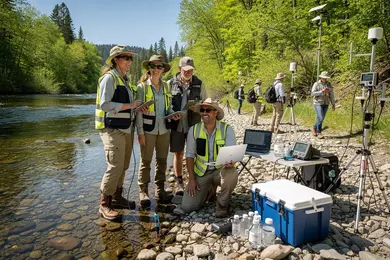
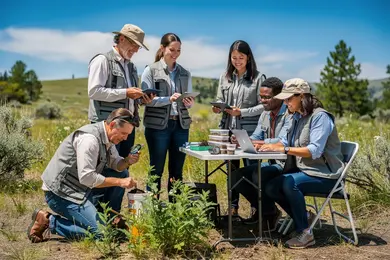
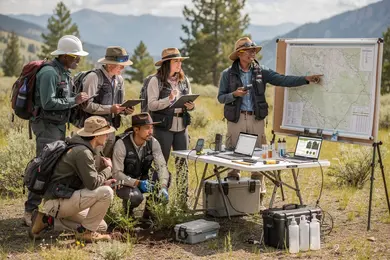
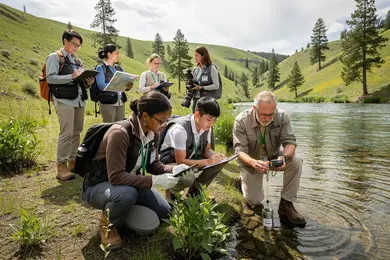
- Fieldwork is arranged locally for online students, providing essential hands-on experience within their communities.
If you're thinking about an online environmental science degree in the South, expect to spend about four years studying full-time-this is pretty standard for schools like the University of Florida or UNC Chapel Hill. Graduates often share how manageable the pace feels, especially because these programs stick close to traditional timelines but offer some flexibility.
For those juggling jobs or family, part-time study stretches the journey to around five or six years. But plenty of students appreciate this slower pace since it fits real-life demands better. And if you're someone who likes to dive in hard and finish early, some Southern universities even let you take extra classes or summer sessions to wrap up in three years.
Thanks to transfer credits, which many students from community colleges use, finishing in as little as two years is possible-though you'll want to check each school's policies. Overall, the experience feels rewarding, with many graduates feeling great about stepping into growing green career fields right after.
So, what's the deal with online versus on-campus environmental science degrees in the South? If you're thinking about schools like the University of Florida or North Carolina State, on-campus programs are all about hands-on action. Graduates often share how they got their boots muddy during fieldwork or enjoyed real lab experiments, which help bring subjects like water quality testing and soil sampling to life.
On the flip side, online programs from places like the University of North Texas or the University of South Florida offer way more flexibility. Many grads say it was awesome being able to study after work or fit classes around family life. The downside? Online students sometimes miss out on those in-person labs and hangouts, relying on cool virtual simulations instead.
Cost-wise, online tends to save you a bit - not just on tuition, which can be 10-20% cheaper, but also on commuting and housing. Both paths are solid and respected in the South, especially since institutions have similar accreditation standards, so you can pick what fits your lifestyle best.
So, what's the average cost of a online environmental science degree in the South? Generally, you're looking at around $47,000 if you're an in-state student and closer to $58,000 if you're out-of-state, based on median totals. These numbers come from a mix of public and private universities, and the real beauty is that many Southern schools provide options that won't break the bank, especially for residents.
For example, graduates from well-known schools like the University of Florida often share how they managed to keep costs reasonable by taking advantage of in-state tuition rates and scholarships. These schools balance quality education with affordability, making an affordable online environmental science bachelor's program southern states is definitely a reality, not a dream.
Many students mention how their programs included digital textbooks and virtual labs, which cut down on extra expenses. Plus, financial aid opportunities like Pell Grants make a huge difference for those worried about tuition fees. If you're curious about more details or exploring your options, check out this online degree in environmental sustainability to see how different programs stack up.
All in all, with some planning, getting your environmental science degree online in the South can be both affordable and rewarding, opening doors to exciting career paths while keeping costs manageable.
If you're eyeing an online environmental science degree in the South, there's plenty of financial help to ease the load. Many Southern students tap into federal aid by filling out the FAFSA, unlocking grants like the Pell Grant, which can cover a big chunk of tuition without needing to pay it back. Graduates from schools like the University of Florida or Texas A&M often smile talking about how these grants made their journey affordable.
State-specific scholarships also play a huge role. For instance, residents in Florida or Texas sometimes snag scholarships like the Bright Futures or Texas Educational Opportunity Grant, which are tailored for local students hitting those environmental science books. It's the kind of support that feels like a personal boost from your home state.
Many Southern universities offer dedicated scholarships for environmental science majors, from a few hundred bucks to potentially full tuition coverage, making it worth checking out each school's site. Plus, if you're working, employer tuition assistance can cover part of your costs-something lots of students juggling jobs found super helpful.
Student loans are an option too, with federal loans providing lower interest and flexible payback, keeping stress down as you chase your degree.
If you're thinking about diving into an online environmental science degree in the South, the first thing to know is that schools generally expect you to have a solid high school background-think science and math classes like biology, chemistry, and algebra. Graduates from popular Southern colleges often share how this prep gave them confidence when starting their courses. It's not just about grades, though many programs ask for a GPA around 2.5 to 3.0, but also about showing you're genuinely interested in protecting the environment.
Some schools might still ask for SAT or ACT scores, but many have relaxed these requirements, making it easier for folks with real-world passion to get in. One grad from a well-known Southern university loved how submitting letters of recommendation and a personal statement helped them tell their story beyond test scores.
Don't forget official transcripts and an online application-just the usual stuff. If you've done some volunteer work or internships with local environmental groups, mention that! It really helps make your application shine and your goals clear.
Finally, you'll need a decent internet connection and a device for online classes-nothing fancy, just reliable enough to handle video lectures and assignments smoothly.
If you're diving into an online environmental science degree in the South, expect a solid mix of core sciences like biology, chemistry, geology, and physics. These basics are super important because they help you understand how ecosystems work, especially those unique Southern habitats like wetlands and coastal areas. Graduates from universities in the region often talk about how their biology courses, focused on ecology, really opened their eyes to the local environment.
You'll also get to study environmental policy and law, which is huge down here since Southern states handle things like wetland protection and pollution control differently. Knowing the laws helps you feel confident about making a real impact.
Specialized classes often include Environmental Chemistry and Geographic Information Systems (GIS), where students learn to map and analyze data-skills that are especially handy when working with Southern coastal or urban planning projects.
Other courses, such as Conservation Biology and Sustainable Energy, highlight the diverse ecosystems and growing clean energy sectors across the South. Many students love Environmental Impact Assessment too since it teaches ways to protect these environments from human harm.
If you're looking at online environmental science specializations in the South, you'll find some cool options that really speak to the unique environment here. Think about it: graduates from popular Southern universities often talk about diving into Environmental Policy and Management, where they learn how to craft real-world solutions for climate issues that hit the South hard. Others get excited about Conservation Biology, focusing on protecting local wildlife and habitats-which makes a big difference in the region's rich ecosystems.
Then there's Environmental Health and Safety, a standout for those who want to understand pollution impacts on communities they care about. Natural Resource Management is another go-to specialization, especially for students interested in agriculture, forestry, or water resource roles tailored to Southern landscapes.
Don't forget Geographic Information Systems (GIS), a tech-savvy area popular in Southern colleges because it's perfect for mapping and analyzing the diverse environments down here. Many grads mention that these focused tracks make their education feel super practical and connected to real jobs. Plus, for anyone budgeting, checking out the cheapest bachelor's in sustainability can really help find affordable paths that still deliver solid skills for the Southern region environmental science degree focus areas.
Picking the best online environmental science degree in the South means focusing on what really matters: accreditation, course content, and how affordable it is. Graduates from popular Southern colleges often talk about how regional accreditation, like from SACSCOC, gave them confidence their degree holds real value. For example, students juggling jobs love programs with flexible electives in areas like renewable energy or sustainability practices-things that make learning feel relevant and exciting. When considering cost, many find that Southern schools offer affordable environmental science programs Southern US residents appreciate, with tuition often well below national averages.
Faculty support is a huge plus too. Graduates rave about virtual labs and research projects that connect theory to real-world challenges like coastal management or natural resource conservation in the South. Don't forget to check out career services and internship options-hands-on experience can open doors big time. If you're interested in expanding your expertise, exploring an mba with concentration in sustainability could be a perfect next step for your career goals.
If you're diving into an online environmental science degree in the South, you're stepping into a world full of cool career options. Graduates from schools like the University of Florida or Clemson often land jobs in environmental consulting, helping businesses follow new regulations while going green. It's satisfying work, especially knowing you're making a real impact around places like the Everglades or Appalachian Mountains. Those interested in government work can join agencies like the EPA or state natural resources departments, focusing on air and water quality efforts that are becoming big priorities in the region.
Many grads also find rewarding roles in wildlife and conservation science-imagine working on projects protecting endangered species right in your backyard. With solar power booming in states like North Carolina, renewable energy jobs are on the rise too, offering chances in project planning and sustainability consulting. For anyone hunting the perfect online environmental science degree job opportunities Southern US has plenty to offer, and you can learn more about easy environmental science online degree paths to kickstart your journey.
The job outlook for environmental science graduates in the South is looking pretty bright, especially if you're earning your degree online. Graduates from popular schools like the University of Florida or Texas A&M often share how the expanding local focus on sustainability and coastal protection creates tons of opportunities nearby. Whether it's working for government agencies or diving into environmental consulting firms, the demand is growing, particularly in states like Texas and Florida where ecosystem management and clean energy initiatives are booming.
Career opportunities with online environmental science degree Southern US programs also mean you can gain real-world experience while studying. Many students take advantage of internships or cooperative programs, which are common at southern universities, helping them build connections with energy companies or non-profits focused on water quality or hazardous waste management. Plus, the average salary around $66,000 is quite encouraging, with room to grow as you get more experienced.
If you're interested in expanding your environmental management skills quickly, check out this fastest mba environmental management option tailored for busy professionals in the region.
2027 Most Valuable Online Bachelor's in Environmental Science Degree Programs Ranking in the South
Investing in your education is a significant decision that can shape your future, and the Research.com team understands the importance of making informed choices. To assist prospective students in the South, we have meticulously crafted the "2027 Most Valuable Online Bachelor's in Environmental Science Degree Programs Ranking in the South." Our commitment to quality, credibility, and accuracy is reflected in the extensive research and analysis conducted to compile this ranking.
We utilized the following reputable data sources to ensure a comprehensive evaluation of environmental science programs:
By exploring this ranking, readers will gain valuable insights into the most valuable online environmental science bachelor's programs in the South, helping them make informed decisions about their educational and professional futures. For more details on our methodology, please visit our Research.com methodology page.

# 2 position
Western Kentucky University
Bachelor of Health Science (Environmental Health Science concentration)



# 5 position
University of Maryland Global Campus
Bachelor of Environmental Health & Safety

Frequently Asked Questions About environmental science
Students pursuing online environmental science degrees in the South can enhance their learning by engaging with regional environmental issues such as coastal management, forestry, and water quality. The Southern region, home to 16% of U.S. wetlands, offers unique study opportunities related to habitat preservation and climate adaptation, which many programs include in their curriculum (EPA, 2023).
Participating in virtual internships or fieldwork with local organizations enables practical experience. Connecting with faculty who specialize in Southern ecosystems also deepens understanding. Students should utilize digital libraries and government databases like those from the U.S. Geological Survey to access up-to-date research.
Joining online forums or regional environmental groups helps build professional networks, facilitating career growth in the South's growing green economy.
The environmental science field is rapidly growing, with several emerging niches gaining attention. In the Southern US, specialties like climate resilience, especially related to hurricanes and flooding, are increasingly important. Studies from the Southern Climate Impacts Planning Program highlight a rising demand for experts in coastal ecosystem restoration and disaster risk management.
Green infrastructure design and renewable energy integration are also expanding fields, driven by regional efforts to reduce carbon emissions. Additionally, environmental data analysis and geographic information systems (GIS) skills are highly valued as online programs incorporate these technical focuses.
These niches promise strong career prospects for students pursuing online environmental science degrees in the South.
To prepare for the job market after completing an online environmental science degree in the South, students should focus on gaining relevant experience. Internships and volunteer opportunities with local environmental agencies or nonprofits can provide practical skills and professional networking. According to the Bureau of Labor Statistics, employment in environmental science in Southern states like Texas, Florida, and Georgia is expected to grow by about 10% through 2031, reflecting regional demand.
Building proficiency in data analysis and GIS software is vital, as these are commonly required in job postings. Additionally, obtaining industry certifications, such as the Certified Environmental Professional (CEP), can improve employability. Engaging with professional organizations like the Southern Environmental Law Center helps graduates stay informed about regional issues and job listings.
Employers in the South highly value environmental science graduates who demonstrate strong analytical skills. These include proficiency in data analysis and geographic information systems (GIS), essential for studying land use and natural resources in the region.
Communication skills are also critical, as professionals often engage with diverse communities and stakeholders impacted by environmental policies. According to the U.S. Bureau of Labor Statistics, the demand for environmental scientists in the South is projected to grow by 8% through 2031, emphasizing interdisciplinary problem-solving abilities.
Additionally, knowledge of regional environmental regulations and sustainability practices is vital. Familiarity with local ecosystems, such as wetlands and coastal zones common in Southern states, enhances employment prospects.
Finding internships in the South relevant to an environmental science degree involves leveraging regional resources and institutions. Start by exploring university career centers and online portals associated with Southern universities offering environmental programs, such as those in Georgia, North Carolina, and Texas. Many local government agencies, including state departments of environmental protection, offer internships focused on conservation, pollution control, and natural resource management.
Professional organizations like the Southern Environmental Law Center and the Southeast Environmental Education Alliance provide networking opportunities and may list internships online. According to the U.S. Bureau of Labor Statistics, environmental science roles in the South are expected to grow 8% by 2032, increasing internship opportunities. Applying early and tailoring applications to reflect regional environmental issues like coastal preservation enhances chances for placement.
Obtaining an online environmental science degree can significantly enhance career mobility and advancement in the South. The region is experiencing growth in industries such as renewable energy, conservation, and environmental consulting, creating demand for qualified professionals.
According to the U.S. Bureau of Labor Statistics, environmental scientists in Southern states like Texas, Florida, and Georgia can expect employment growth rates above the national average through 2030. An online degree provides flexibility to balance work and study, enabling professionals to upskill without interrupting their careers.
Graduates with this degree often qualify for higher-level positions, including project management and specialized research roles. Many Southern employers recognize accredited online programs, which helps graduates compete effectively in the local job market.
Studying for an environmental science degree in the South equips students with interdisciplinary skills critical for addressing complex regional challenges. Programs often integrate biology, chemistry, policy, and technology to reflect the South's diverse ecosystems, such as wetlands and coastal zones. According to the Southern Environmental Education Alliance, more than 60% of Southern programs emphasize collaboration across fields like agriculture and urban planning.
Students learn to analyze environmental data, understand regulatory frameworks, and apply sustainable solutions. Many online degrees also partner with local agencies, providing practical experience. This approach prepares graduates for roles in government, nonprofit, and private sectors where cross-disciplinary knowledge is essential for effective environmental management.
When choosing between a thesis and a non-thesis online environmental science degree program in the South, consider your career goals. Thesis programs often emphasize research, ideal for students aiming for graduate school or research positions. Non-thesis options focus on practical skills, suitable for immediate workforce entry in policy, consulting, or environmental management.
Southern universities like the University of Florida offer diverse options reflecting regional environmental challenges such as coastal management and forestry. According to the Southern Regional Education Board, about 40% of online environmental science graduates enter research roles, supporting the value of thesis tracks for those students.
Time commitment and learning style also matter. Thesis programs typically require more time for research and writing, while non-thesis programs allow faster completion through coursework and internships.
Students based in the South who wish to study environmental science abroad through online programs have limited direct options due to accreditation and transfer restrictions. Most U.S. institutions offering online environmental science degrees emphasize regional accreditation, which may not easily transfer from foreign schools. However, some Southern universities have partnerships with international institutions, allowing for study abroad experiences integrated into their online curricula.
Additionally, students can enroll in fully online programs from Southern schools that include global case studies and research projects focused on international environmental issues. According to the Southern Regional Education Board, approximately 30% of environmental science online programs incorporate some international content, enhancing global perspectives for Southern students.
Part-time job opportunities in the South that complement environmental science degrees often include roles in conservation, research assistance, and environmental education. Many organizations, such as state parks and wildlife refuges, hire students for monitoring habitats and species, offering practical field experience. According to the U.S. Bureau of Labor Statistics, environmental science technician roles are projected to grow by 11% in the Southeast through 2030, supporting strong job prospects.
Local government agencies also employ part-time interns to assist with sustainability projects and data collection. Nonprofits active in environmental advocacy frequently seek part-time help for outreach and community programs.
Online environmental science students in the South benefit from diverse networking opportunities tailored to this growing field. Many Southern universities partner with local environmental agencies, offering virtual events and internships that connect students with industry professionals. Organizations such as the Southern Environmental Law Center and state-specific chapters of the Sierra Club provide online forums, webinars, and volunteer activities to foster connections.
Additionally, regional conferences like the Southeastern Environmental Education Alliance annual meeting often include virtual attendance options, enabling remote students to engage with experts and peers. According to the National Environmental Education Foundation, over 60% of environmental science graduates find their first job through professional networks, highlighting the importance of these opportunities for Southern students.
Alumni networks provide significant benefits to students enrolled in online environmental science degree programs in the South. These networks connect current students with graduates working across government agencies, nonprofit organizations, and private sectors focused on regional environmental challenges.
Through alumni networks, students gain access to internships, job opportunities, and mentorship tailored to Southern ecosystems and climate issues. For example, states like Florida and Georgia emphasize coastal and wetland conservation, areas where alumni often hold relevant positions.
According to the Southern Regional Education Board, institutions with active alumni networks see higher employment rates within six months of graduation, helping students transition smoothly into the workforce.
Networking events and online forums also facilitate knowledge exchange on recent environmental policies and technologies affecting the South, giving students up-to-date insights.
Many online environmental science degree programs in the South offer flexible curricula that allow students to tailor their studies to specific career goals. Students can often choose concentrations such as sustainability, natural resource management, or environmental policy. Several Southern universities provide elective courses focusing on regional issues like coastal ecosystem restoration or energy management, addressing local environmental challenges.
Internship opportunities and research projects may also be integrated remotely, helping learners gain practical experience in Southern industries. The Southern Regional Education Board reports that customizing degree plans helps graduates meet the demands of the region's growing green economy, which has increased 12% in the last five years.
Online environmental science students in the South often face connectivity and access challenges. Rural areas, common across states like Mississippi and Alabama, tend to have lower broadband availability, limiting reliable internet access crucial for virtual labs and research (Federal Communications Commission, 2023).
Another hurdle is limited local internship opportunities. Environmental science requires practical experiences, yet many Southern regions have fewer specialized agencies or firms offering hands-on work relevant to environmental issues like coastal erosion or forestry management.
Furthermore, students sometimes encounter difficulties balancing coursework with work or family responsibilities, especially in states where younger adults participate in labor-intensive industries. These factors can slow progress or completion rates in online programs.
With an online environmental science degree, graduates in the South can pursue several valuable professional certifications to enhance their careers. Common certifications include the Certified Environmental Scientist (CES) offered by the National Association of Environmental Professionals. This credential demonstrates expertise in environmental regulations and best practices.
Another key certification is the Registered Environmental Manager (REM), provided by the National Registry of Environmental Professionals. It is recognized across many Southern states and validates skills in environmental management.
For those interested in water resources, certifications like the Certified Water Technician (CWT) are valuable in regions such as Florida and Texas, where water issues are critical. These certifications improve job prospects and demonstrate specialized knowledge within the growing Southern environmental sector.
Applying to an online environmental science program in the South requires clear, focused preparation. Begin by thoroughly researching programs accredited by recognized agencies like the Southern Association of Colleges and Schools Commission on Colleges (SACSCOC), ensuring quality and regional relevance.
Highlight relevant experiences in your application, such as internships or volunteer work related to environmental issues prevalent in the South, like coastal restoration or forestry management. Use your personal statement to address your motivation, drawing on regional environmental challenges to show your commitment.
Strong letters of recommendation from academic or professional mentors familiar with your interest in environmental science can reinforce your application. Lastly, maintain good academic records and be mindful of application deadlines, which often fall between December and February for fall enrollment.
Environmental science careers are increasingly viewed through a global lens, reflecting worldwide concerns about climate change and sustainability. In the US, especially in the South, professionals often engage with international environmental policies and collaborative research projects. The Bureau of Labor Statistics projects a 5% growth in environmental science jobs nationally from 2021 to 2031, influenced by global efforts to combat environmental degradation.
Southern states, with their diverse ecosystems and climate challenges, prepare graduates to address issues with both local and international relevance. For instance, coastal management and renewable energy development link regional expertise to global trends.
Gaining practical experience while studying for an online environmental science degree in the South is crucial for career readiness. Many universities in this region offer internships or cooperative education programs with local agencies, such as state environmental protection departments or nonprofit organizations.
Students can also participate in virtual labs and simulations that replicate field conditions. Some programs include mandatory fieldwork completed locally, allowing students to apply theoretical knowledge in real environments.
Additionally, networking through regional environmental conferences and joining professional groups like the Southern Environmental Law Center can provide hands-on opportunities and valuable connections.
Choosing the right concentration within an online environmental science degree program in the South depends largely on your career goals and local environmental challenges. Popular focuses include natural resource management, environmental policy, and sustainability, reflecting the South's diverse ecosystems and industries. According to the U.S. Bureau of Labor Statistics, jobs related to environmental science in the South are growing faster than the national average, especially in energy and conservation sectors.
Consider concentrations that align with regional priorities like coastal management in states such as Florida or renewable energy in Texas. Research each program's curriculum carefully to ensure it offers hands-on projects or partnerships relevant to Southern climates and communities.
Review faculty expertise and alumni outcomes to gauge if the program supports job placement locally. The Southern Regional Education Board (SREB) provides valuable data on regional education trends and workforce demands that can guide your decision.
- 14 Entry Level Environmental Science Cover Letter Examples: Plus Recruiter Insights (Updated for 2025) https://resumeworded.com/cover-letter-samples/entry-level-environmental-science
- CES - Certified Environmental Scientist https://www.nrep.org/certifications/certified-environmental-scientist-ces
- How To Get Environmental Science Work Experience https://www.savemyexams.com/learning-hub/careers/environmental-science-work-experience/
- How to Find Entry Level Jobs with an Environmental Science Degree https://facs.com/blog/how-to-find-entry-level-jobs-with-an-environmental-science-degree/
- Application Letter to Master's Program in Environmental Science in Germany https://essayforum.com/letters/application-master-program-environmental-86188/
- Strong Programs in Environmental Studies https://toptieradmissions.com/strong-programs-in-environmental-studies/
- Explore Environmental Career Profiles | ECO Canada https://eco.ca/career-profiles-index/
- The Biggest Environmental Problems Of 2021 https://earth.org/the-biggest-environmental-problems-of-our-lifetime/
- Environmental Certifications for entry-level and career changers https://www.theenvironmentalcareercoach.com/certification-links
- Environmental Science Internships | Intern Abroad HQ https://www.internhq.com/industries/environmental-sciences/