2027 Easiest Online Environmental Science Degree Programs Ranking in the USA

Co-Founder and Chief Data Scientist
Choosing the right environmental science degree program can feel overwhelming, especially with so many options available online. To make your decision easier, the Research.com team of data scientists created the 2027 Easiest Online Environmental Science Degree Programs Ranking in the USA. This ranking highlights programs that combine quality education with accessible learning formats.
Reading this article will help you discover programs that fit your lifestyle and goals, making your path to a rewarding environmental science career clearer. An environmental science degree opens doors to meaningful work that truly makes a difference.
Key benefits of getting online environmental science degree in America
- Environmental science graduates in the U.S. can expect competitive salaries, with environmental scientists earning a mean annual wage around $76,530, reflecting a rewarding return on investment for their education.
- Career paths include roles like environmental consultant, wildlife biologist, or sustainability specialist; for example, graduates from the University of California often find diverse opportunities in both private and public sectors.
- Online environmental science degrees offer flexibility and accessibility, as demonstrated by graduates from Oregon State University who balance work and study while gaining the same respected credentials as on-campus students.
- 2027 Easiest Online Environmental Science Degree Programs Ranking in the USA
- What can I expect from online environmental science degree in America?
- Where can I work with online environmental science degree in America?
What can I expect from online environmental science degree in America?
When it comes to the cost of an online environmental science degree in America, most students find it varies quite a bit depending on the school. On average, you're looking at around $15,000 to $40,000 total for a bachelor's degree. For example, graduates from popular programs at universities like Arizona State or Oregon State often share how their tuition fit nicely within this range, especially with scholarships or financial aid helping out. It's way more affordable than many expect, especially compared to the stress and expenses of moving for on-campus classes.
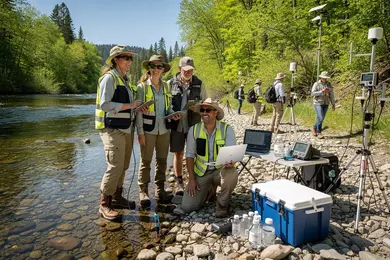
Many students appreciate how online programs let them keep working or manage family life while studying, making that investment feel really worthwhile. Plus, since these programs cover everything from climate change to sustainable resource management with engaging virtual labs and local fieldwork, graduates often mention how prepared and confident they feel stepping into cool environmental careers.
Where can I work with online environmental science degree in America?
Graduates with an online environmental science degree in America often find themselves working in some pretty exciting places. Many land jobs with government agencies like the Environmental Protection Agency (EPA) or state departments where they get hands-on with protecting air, water, and soil. Picture working on policies or monitoring local parks and waterways-it's rewarding knowing your efforts help keep communities safe and healthy.
Others take their skills to private environmental consulting firms. For example, grads from schools like Arizona State University or the University of Florida talk about doing site assessments that directly affect real estate or construction projects, making sure everything follows environmental laws. It feels great to be the expert companies rely on to keep nature in check.
Then there's the nonprofit world-here, grads work on conservation or sustainability projects, educating people or running community programs. Plus, you might find roles in industries like energy or agriculture, helping businesses go green and innovate. Even if you're dreaming of teaching or research, lots of colleges offer pathways through assistant roles.
If you're thinking about earning an online environmental science degree in America, you might be wondering, "How much can I really make?" Well, graduates often start with salaries around $45,000 to $55,000 a year. That's pretty solid for entry-level gigs like environmental technician or research assistant roles, especially if you're fresh out of college. Many people from popular schools like Oregon State or the University of Florida have shared how those first jobs gave them real hands-on experience while paying the bills.
With some experience or additional certifications, things can get better fast. Environmental managers or sustainability specialists can pull in between $80,000 and $110,000 a year. Some of the top earners, especially in places like California or Washington where green initiatives are big, make over $124,000 yearly. Many grads love how their degree lets them chase meaningful work while also earning a paycheck that grows as they gain expertise.
It's encouraging to know that starting salary offers hover around $55,000, which matches what folks from top environmental programs across the country report. So, if you're looking for a career that combines impact with income, an online environmental science degree could be a fantastic fit!
- Online environmental science degrees cover ecology, geology, climate change, and sustainable resource management at bachelor's and master's levels.
- The average cost for an in-state online bachelor's degree ranges from $30,000 to $60,000; private and out-of-state programs tend to be more expensive.
- Employment for environmental scientists is expected to grow 8% from 2022 to 2032, faster than the average for all occupations.
- New graduates have an average starting salary of around $50,000 per year, while mid-career salaries can reach $75,000 or more.
- Programs often teach practical skills like Geographic Information Systems (GIS), statistical analysis, and environmental policy.
If you're thinking about getting an online environmental science degree in America, the timeline really depends on how you study. For full-time students at popular schools like Oregon State University or the University of Florida, it usually takes about four years to finish a bachelor's degree. That's pretty much like a traditional on-campus schedule but with the convenience of studying from anywhere. Some graduates mention how the flexibility helped them balance work and family while still making solid progress.
Now, if you're juggling a job or other commitments, going part-time is common and can stretch your degree to around five or six years. Lots of students find this pace less stressful, letting them soak in the material without burning out.
For anyone looking for a quicker route, associate degrees usually wrap up in about two years and are great starter options. Graduate programs like a master's tend to take 1.5 to 2 years, though a few schools offer accelerated tracks that finish in a year-perfect for those eager to dive deep fast.
Choosing between online and on-campus environmental science degrees in the U.S. really boils down to how you like to learn and live. On-campus programs at schools like the University of California or Michigan State let you dive into hands-on labs, explore nearby ecosystems, and work directly with equipment-real-deal experiences grads say make studying exciting and super practical.
Online students, maybe juggling a job or family, love the flexibility. They can log in whenever it fits their schedule, which is a game-changer if you can't drop everything to attend fixed class times. Many online programs still offer some fieldwork or residency options, but it's usually lighter compared to being on campus.
Cost-wise, online tends to be a friendlier option-less spent on housing or driving across campus. Yet, some top schools keep tuition pretty similar whether you're online or there in person.
Networking feels different too. On-campus folks enjoy face-to-face chats and club events, while online learners connect through video calls and discussion boards, finding their own community vibe from a distance.
If you're wondering about the average cost of a online environmental science degree in America, you're looking at something around $27,120 for the full program on average. This makes it a fairly affordable option compared to some other fields, especially when you consider that in-state students at public universities might pay closer to $37,440, while out-of-state students could see costs near $56,880.
Many students who've earned their environmental science degrees online from popular colleges have shared how balancing tuition with financial aid and scholarships made a big difference. For example, one graduate from a well-known public university was able to manage costs by taking advantage of flat-rate tuition and applying for grants that helped keep overall expenses down. Plus, studying online meant they saved a lot on campus housing and commuting.
You'll want to keep in mind that the total tuition and fees for online environmental science programs 2027 can vary widely based on the school and residency status. Some programs may charge per credit hour, which often runs between $300 and $600 for in-state students at public universities, but private institutions and out-of-state tuition can push that higher.
Curious about more details related to the environmental sustainability major? You might want to explore resources like environmental sustainability major programs, which often share their specific tuition rates clearly.
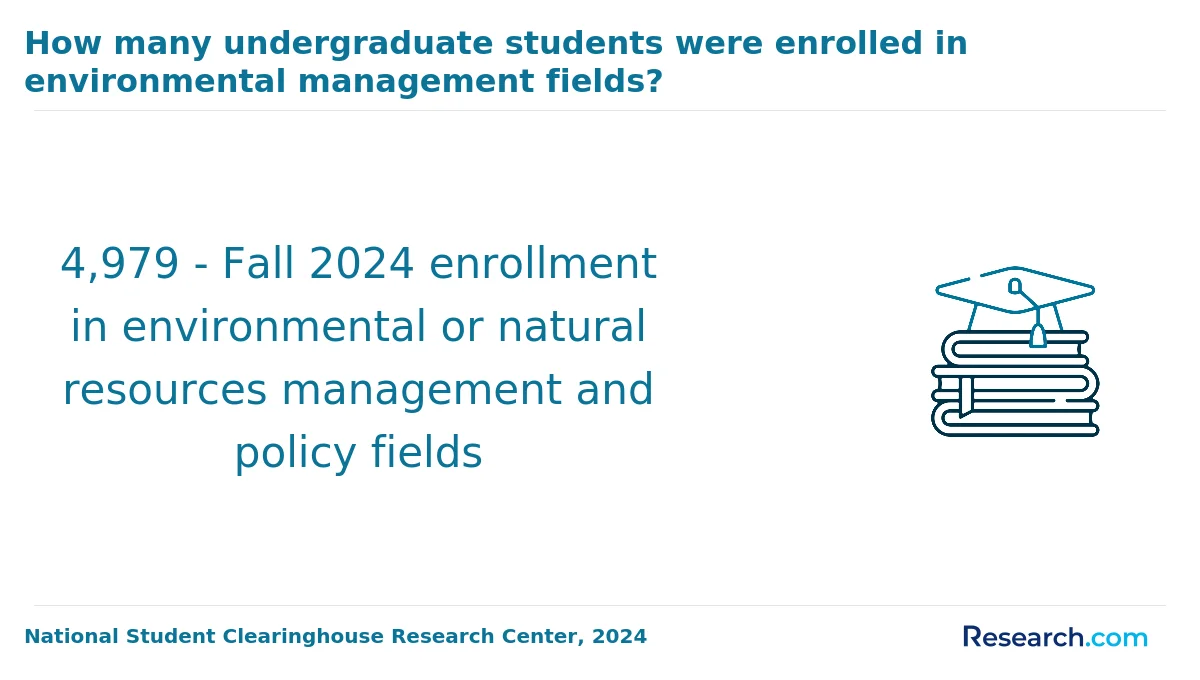
When you're diving into an online environmental science degree in America, financial aid can really take the stress off your wallet. Many students from big-name schools like Oregon State University or the University of Florida have found that applying for federal aid through FAFSA is a game-changer. Take Pell Grants, for example-they can cover up to $7,395 a year, which can mean a lot when tuition ranges from $15,000 to $40,000. That's some serious help that doesn't need to be paid back!
On top of that, federal student loans like the Direct Subsidized Loan are a favorite among students because the government actually pays the interest while you're still studying. It's like having a little financial safety net. State grants and scholarships are also a big deal, especially if you live in states supportive of environmental programs, giving you local advantages.
Many grads say that their schools offered scholarships aimed right at environmental studies, which felt like a perfect fit. And if you're working, don't forget to check if your employer has tuition assistance-it's a win-win if they're into supporting green careers. All these options together can make pursuing your passion much more affordable.
If you're aiming for an online environmental science degree in the US, you'll usually need some basics covered before diving in. For undergrads, most schools want you to have finished high school with solid science and math classes - think biology, chemistry, algebra, and sometimes even physics. Plenty of online students from well-known schools like Arizona State University found that having this foundation made coursework way easier and helped them feel confident tackling new material.
Graduate programs ask for a bit more - usually a bachelor's degree with a decent GPA (around 3.0), plus foundational courses in environmental science, chemistry, and biology. Many grads share that having internships or relevant work experience boosted their applications, making them feel ready to apply what they learned in the real world.
Some schools might ask for test scores like the GRE or letters of recommendation, but many programs have relaxed these requirements recently to welcome more students juggling jobs and life. Overall, it's about being prepared but also showing your passion for the environment in your application.
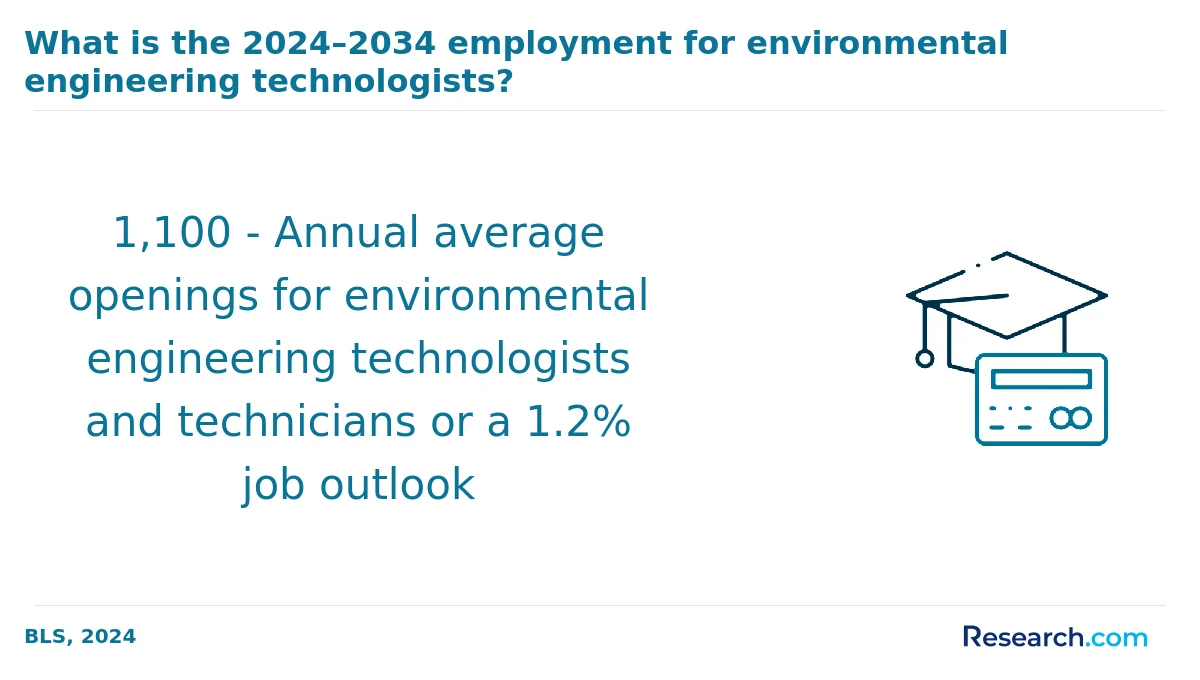
If you're diving into an online environmental science degree in America, you'll find a mix of courses that really bring the subject to life. Most grads from schools like Arizona State University or Oregon State University mention core classes such as Introduction to Environmental Science, where you get to explore ecosystems and how everything from tiny bugs to huge forests fits together. It's like stepping into nature without leaving your room.
Then there's Environmental Chemistry, which breaks down the science behind pollution and how it affects the air, water, and soil around us. Many students say it helped them understand real-world issues like why water quality matters and how chemicals travel through nature.
You'll also tackle Environmental Policy and Regulation, learning about laws like the Clean Air Act, which sounds dry but actually connects to big changes you see in communities striving for cleaner air.
Plus, courses like Geographic Information Systems (GIS) let you play with mapping software, which many grads loved because it felt like digital detective work, helping plan for conservation or urban development.
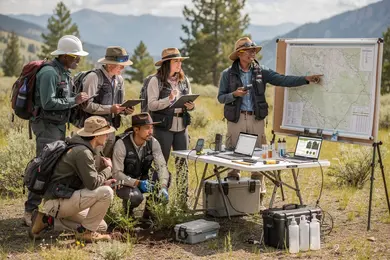
Field practicum opportunities or virtual labs also make the experience feel hands-on, even when studying online, keeping things exciting and practical for those aiming to make a real-world impact.
When you dive into online environmental science specializations USA programs, you'll quickly see there's a bunch of cool areas to focus on. Some graduates rave about Environmental Policy and Planning because it puts you right in the action of shaping laws and regulations that protect our planet-perfect if you want a real impact in government or nonprofits. Others find Environmental Chemistry fascinating, especially if lab work and pollution cleanup get you excited. Ecology and Conservation Biology is a favorite for folks who love wildlife and want to help conserve habitats.
Then there's Sustainable Energy and Resource Management, which totally vibes with students dreaming of working in the booming green energy sector. And for the tech-savvy, specializing in Geographic Information Systems (GIS) and Environmental Data Analysis offers hands-on skills in data modeling and mapping-super useful for land planning and disaster response. Many people studying environmental science degree focus areas America share how these options let them tailor their career paths.
Plus, checking out the cheapest bachelor degree sustainability programs can help balance your passion with the price.
When choosing the best online environmental science degree programs USA, focus first on accreditation and curriculum. Graduates from well-known universities in America often say that having faculty involved in real research made online classes feel much more engaging and relevant. Imagine joining a class where your professor recently worked on climate change models or local conservation projects - that's the kind of hands-on expertise that deepens your understanding even in virtual settings.
Cost is another big factor. Public universities usually offer more affordable online environmental science degrees 2027 America, especially if they provide in-state tuition rates for online students. Graduates often mention how finding scholarships or employer tuition assistance made a huge difference. Also, look for programs that offer flexible, asynchronous schedules so you can balance work and life without stress.
Don't forget to check if the degree includes networking or internship opportunities, especially with environmental groups. Many students recommend exploring related pathways like mba programs with sustainability focus if you want to blend business with environmental impact.
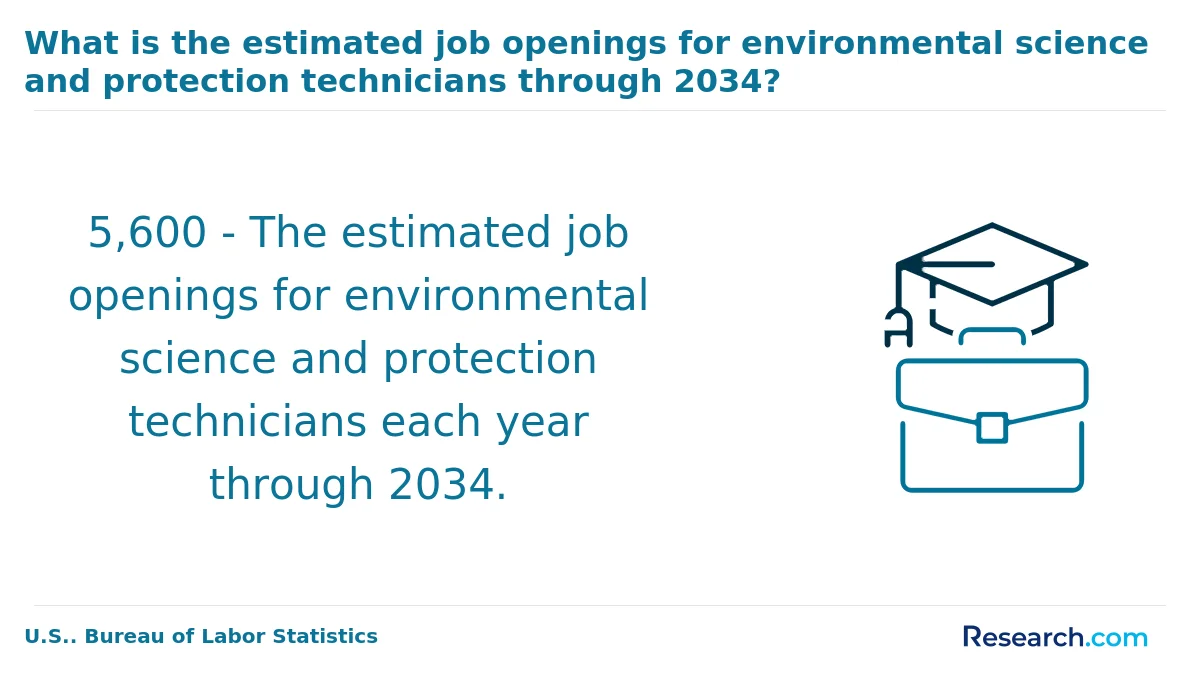
If you're thinking about online environmental science careers in the USA, you'll find plenty of options once you graduate. Many grads from well-known schools, like the University of Florida or Oregon State University, land jobs as environmental scientists or specialists. They spend their days figuring out how to tackle pollution or protect local parks, which feels really rewarding. Others choose to become environmental consultants, helping companies stay green and follow regulations-a role that mixes science with problem-solving in a real-world setting.
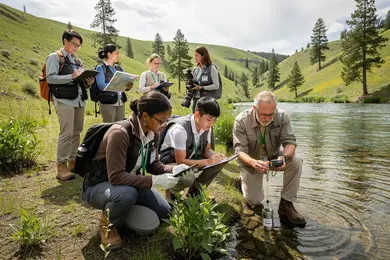
Some graduates dive into conservation or wildlife biology, working to save habitats and protect animals, often sharing stories of hands-on fieldwork and exciting outdoor adventures. Others find their fit in renewable energy, managing solar or wind projects as these industries boom. And, for those who love policy, becoming environmental policy analysts for government groups like the EPA can be a powerful way to make a difference.
Lots of students appreciate that an online degree from popular schools can open these doors, offering flexibility without missing out on career opportunities. For a great place to explore some options, check out easy environmental science degree online programs and see how they might fit your vibe and goals.
Finding your niche could mean everything from fieldwork boots to office meetings, and the journey is totally worth it.
The job market for online environmental science degree graduates in America is looking pretty bright. Graduates from popular schools like the University of Florida or Oregon State University often find themselves landing roles in government agencies, consulting firms, or non-profits, working on real-world issues like climate change and resource management. Many share how they felt excited stepping into jobs as environmental consultants or sustainability coordinators, knowing their work truly makes a difference.
With the job outlook for environmental science graduates in America showing an 8% growth through 2032 according to the U.S. Bureau of Labor Statistics, that's faster than many other fields, so opportunities are expanding steadily. Plus, salaries are competitive-averaging around $79,000 annually. Those who studied online appreciate how affordable their degrees were, often costing between $15,000 and $40,000, which helped them dive into a rewarding career without crippling debt.
Many grads mention how gaining certifications or internships helped boost their chances in states like California or Texas, where demand is high. If you're wondering how long does it take to become an environmental biologist, these paths really open doors. Overall, the job market for online environmental science jobs in the USA feels promising and supportive for new graduates ready to make an impact.
2027 Easiest Online Environmental Science Degree Programs Ranking in the USA
Investing in your education is a significant decision that can shape your future, and the Research.com team understands the importance of making informed choices. To assist prospective students, we have meticulously developed the "2027 Easiest Online Environmental Science Degree Programs Ranking in the USA." Our commitment to quality, credibility, and accuracy is demonstrated by the thorough research and analysis undertaken to create this ranking.
We utilized the following reputable data sources to ensure a comprehensive evaluation of online environmental science degree programs:
By exploring this ranking, readers will gain valuable insights to help them identify accessible and reputable programs that suit their needs. For more details on our methodology, please visit our Research.com methodology page.
# 1 position
University of Maryland Global Campus
Master of Environmental Management

# 2 position
University of Maryland Global Campus
Bachelor of Environmental Health & Safety

# 4 position
Western Kentucky University
Master of Social Responsibility and Sustainable Communities

# 5 position
Western Kentucky University
Bachelor of Health Science (Environmental Health Science concentration)
# 6 position
Louisiana State University and Agricultural & Mechanical College
Master of Environmental Sciences







# 14 position
Columbia Southern University
Master of Occupational Safety and Health/Environmental Management

# 15 position
Columbia Southern University
Bachelor of Environmental Management/Environmental Engineering


Frequently Asked Questions About environmental science
Online environmental science degree students in America can maximize their learning by actively engaging with course materials and participating in virtual discussions. According to the U.S. Department of Education, students who interact regularly with peers and instructors report higher satisfaction and retention. Utilizing digital resources such as webinars from organizations like the Environmental Protection Agency enhances understanding of current environmental policies and technologies.
Students should also seek internships or volunteer opportunities relevant to environmental science, as hands-on experience is crucial. Many programs partner with U.S.-based research institutions, giving students access to projects in sustainability and conservation. Time management and setting a dedicated study space further support effective online learning.
The environmental science field in the United States is evolving rapidly, creating new areas of specialization for students pursuing online degrees. One promising niche is climate resilience planning, which focuses on adapting communities to the effects of climate change. According to the U.S. Bureau of Labor Statistics, demand for experts in this field is expected to grow by 8% through 2032.
Another emerging area is environmental data analytics. Professionals use big data to assess ecosystem health and pollution trends, increasing the accuracy of environmental impact studies. Universities like Oregon State offer courses tailored to these skills.
Additionally, renewable energy technology management is gaining attention. With the U.S. investing heavily in wind, solar, and battery storage, specialists in this niche support sustainable project development and compliance. The Department of Energy reports a 15% rise in related job openings in recent years.
Preparing for the job market after earning an online environmental science degree in America requires strategic planning. Graduates should build a strong resume highlighting relevant coursework, internships, and technical skills such as GIS and data analysis.
Networking is essential. Joining professional organizations like the National Association of Environmental Professionals (NAEP) can provide access to job listings and industry events. According to the U.S. Bureau of Labor Statistics, environmental science jobs are projected to grow 8% from 2022 to 2032, faster than average.
Obtaining certifications such as the Certified Environmental Professional (CEP) can increase job prospects. Additionally, gaining experience through internships or volunteering with environmental agencies boosts practical knowledge and employability.
Employers in America highly value environmental science graduates who demonstrate strong analytical skills. The ability to collect, interpret, and apply scientific data is essential for tackling environmental challenges effectively. According to the U.S. Bureau of Labor Statistics, proficiency in data analysis tools like GIS and statistical software is increasingly sought after.
Critical thinking and problem-solving are other top skills employers look for, as graduates often need to assess complex environmental issues and propose sustainable solutions. Communication skills, both written and verbal, are vital for explaining technical information to diverse audiences.
Additionally, teamwork and project management abilities help graduates collaborate across disciplines to achieve environmental goals, reflecting current workforce demands reported by the National Environmental Education Foundation.
Finding internships in America related to an environmental science degree involves a strategic approach leveraging various resources. Many universities, even online programs, have partnerships with government agencies like the EPA, non-profits, and private firms focused on sustainability and conservation. Check your school's career center for exclusive internship listings.
National platforms such as the USAJOBS website offer federal internships in environmental fields, with over 10,000 STEM internships posted annually. Additionally, organizations like the National Environmental Education Foundation provide internship programs tailored to environmental science students.
Networking through professional associations such as the Ecological Society of America can also open doors to internship opportunities and mentorship. Applying early and tailoring your resume towards environmental science skills improves your chances.
An online environmental science degree in America can significantly enhance career mobility and advancement. Many employers in government agencies, consulting firms, and nonprofits increasingly recognize accredited online degrees as equivalent to traditional ones. According to the U.S. Bureau of Labor Statistics, environmental science jobs are projected to grow 8% from 2022 to 2032, faster than the average for all occupations, highlighting increased opportunities for degree holders.
Online programs offer flexibility, allowing working professionals to upskill without leaving their jobs. Graduates often gain critical skills in data analysis, environmental policy, and sustainable practices, matching industry demands. This combination supports promotions and transitions into management or specialized roles.
Furthermore, networking opportunities through online platforms and internships linked to such programs help build valuable connections within the U.S. environmental sector.
Studying for an environmental science degree in America equips students with interdisciplinary skills essential for tackling complex environmental challenges. Programs typically combine biology, chemistry, geology, and social sciences, fostering a broad understanding of ecosystems, policies, and human impact. The U.S. Bureau of Labor Statistics highlights that environmental scientists often work closely with engineers, policymakers, and public health experts, making cross-disciplinary knowledge vital.
Online degrees mirror traditional curricula, offering courses in data analysis, environmental law, and sustainability. The integration of STEM and humanities helps graduates adapt to roles in government agencies, consulting firms, and nonprofits. This interdisciplinary training reflects current workforce demands in the U.S. environmental sector.
Choosing between a thesis and a non-thesis environmental science degree program in America depends on your career goals and learning preferences. Thesis programs typically involve independent research, making them ideal for students interested in scientific careers or pursuing a doctoral degree. According to the Council of Environmental Science Departments, about 45% of U.S. master's students opt for thesis tracks.
Non-thesis programs focus on coursework and practical skills, often appealing to professionals seeking advancement without engaging in formal research. The U.S. Department of Education reports these programs usually take less time to complete. Consider workload, career plans, and future education goals when deciding between the two.
Students in America seeking to study environmental science abroad have several options through US-based institutions with international partnerships. Many accredited universities offer online environmental science programs that integrate global perspectives, often including study-abroad semesters or internships in countries with significant ecological research. The National Center for Education Statistics reports that about 6% of US college students participate in study abroad, with environmental science being a popular major within this group.
Additionally, some American universities collaborate with overseas institutions to provide dual degrees or exchange programs. This approach allows students to gain international experience while earning a US-accredited degree. Online platforms also offer hybrid models that combine remote study with fieldwork abroad, enhancing ecological understanding from a global standpoint.
Part-time jobs that complement an online environmental science degree in America often involve roles related to data collection, analysis, and fieldwork. Many students work as environmental technicians, assisting with sample collection and monitoring environmental conditions. According to the U.S. Bureau of Labor Statistics, environmental science technicians earn a median hourly wage of around $20.31.
Internships or assistant positions with local government agencies or nonprofit organizations provide valuable hands-on experience. These roles help students understand regulations and conservation efforts specific to their regions. Additionally, GIS technician roles, which involve managing geographic data, are in demand and can be pursued part-time while studying.
Such jobs not only supplement academic learning but also enhance resumes, improving employability after graduation.
Online environmental science students in America have growing access to valuable networking opportunities. Many universities offer virtual student organizations and clubs focused on environmental topics, enabling students to connect with peers and professionals. According to the National Environmental Health Association, involvement in such groups can boost career opportunities by up to 35%.
Additionally, online learners often participate in webinars, virtual conferences, and industry panels hosted by institutions and environmental organizations. These events provide direct access to experts and potential employers.
Some programs also partner with regional agencies and nonprofits, offering internships and projects that foster real-world connections. LinkedIn groups and alumni networks further enhance professional networking for online students.
Alumni networks play a significant role for students pursuing online environmental science degrees in America by providing valuable professional connections. These networks often connect graduates to industry professionals working in government agencies, nonprofits, and private firms focused on sustainability and conservation.
According to the National Environmental Education Foundation, over 60% of environmental science jobs in the U.S. are obtained through networking and referrals. Alumni groups offer mentorship programs, job leads, and invitations to conferences, which can be crucial for online students who lack traditional campus interactions.
Engaging with alumni also helps students stay updated on evolving environmental policies and technologies shaping the U.S. job market. This ongoing support enhances career development beyond graduation.
Online environmental science degree programs in America offer various ways to customize your education to align with your career goals. Many universities allow students to select specialized tracks or concentrations, such as conservation, environmental policy, or sustainable agriculture. This flexibility helps target skills needed in specific sectors.
Elective courses can also be chosen based on your interests, enabling deeper knowledge in areas like climate change, GIS technology, or environmental health. Additionally, some programs offer internships or capstone projects, providing practical experience.
According to the U.S. Bureau of Labor Statistics, jobs in environmental science are expected to grow 8% from 2022 to 2032, making such tailored training valuable.
Online environmental science students in America often face challenges related to practical experience. Since many programs are remote, gaining hands-on fieldwork or laboratory skills can be difficult. Employers in this sector typically value such experience, which may require extra effort to obtain through internships or local opportunities.
Another common issue is staying engaged and motivated. A 2023 report by the National Center for Education Statistics found that about 40% of online students struggle with course completion due to isolation and lack of direct interaction with peers and instructors.
Technical difficulties also pose barriers. Reliable internet access and familiarity with specialized software are essential for success in these programs but are not universally available.
Finally, students must navigate the complex accreditation landscape, as not all online environmental science degrees in the U.S. meet employer or professional standards, potentially affecting job prospects.
With an online environmental science degree, you can pursue several professional certifications that enhance career prospects. One widely recognized certification is the Certified Environmental Professional (CEP) credential offered by the Academy of Board Certified Environmental Professionals. This certification demonstrates expertise in environmental regulations and management.
Another option is the Registered Environmental Manager (REM) designation, which focuses on environmental health and safety practices. The National Registry of Environmental Professionals offers this credential.
For those interested in hazardous materials and waste management, the Certified Hazardous Materials Manager (CHMM) certification, provided by the Institute of Hazardous Materials Management, is valuable.
These certifications often require relevant work experience and passing an exam, boosting employability in federal agencies, consulting firms, and nonprofit organizations, according to the U.S. Bureau of Labor Statistics.
Writing a winning application for an online environmental science program in America requires clear focus and preparation. Start by thoroughly researching each school's curriculum and specialties to tailor your application accordingly. Highlight relevant experiences like internships, volunteer work, or jobs related to environmental issues, emphasizing skills in data analysis or research.
Strong academic performance in STEM subjects is essential. According to the National Center for Education Statistics, environmental science enrollments have grown 10% in recent years, increasing competition. Include a well-crafted personal statement that explains your motivation and career goals in sustainability or conservation.
Lastly, secure strong letters of recommendation from professionals or professors familiar with your commitment to environmental science.
Environmental science careers offer a broad, global outlook, reflecting the worldwide urgency of sustainability and climate action. In the United States, growth in this field is strong, with the Bureau of Labor Statistics projecting an 8% increase in environmental scientist jobs from 2022 to 2032, faster than average. This career path prepares students to address international challenges such as climate change, pollution, and natural resource management.
The global demand for environmental expertise encourages cross-border collaboration, especially in climate policy and renewable energy sectors. American graduates are well-positioned to contribute to multinational organizations, governments, and NGOs focused on global environmental solutions.
Understanding these global perspectives adds valuable context for students pursuing online environmental science degrees in the U.S., linking local education to worldwide impact.
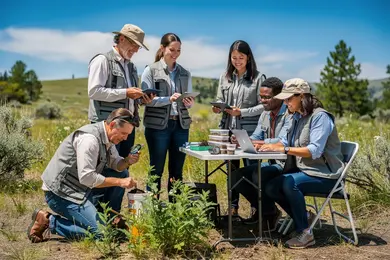
Students pursuing an online environmental science degree in America can gain practical experience through multiple approaches. Many accredited programs incorporate virtual labs and simulation software that replicate real-world environmental scenarios, helping students develop analytical skills. Additionally, internships with federal or state agencies like the Environmental Protection Agency (EPA) are often accessible remotely, providing valuable hands-on experience. According to the National Environmental Education Foundation, about 60% of environmental science roles recommend internship experience. Online learners can also engage in local fieldwork through partnerships arranged by their universities or participate in citizen science projects to apply classroom knowledge in their communities.
Choosing the right concentration within an online environmental science degree in America requires careful consideration of career goals and interests. Popular concentrations include conservation, sustainability, environmental policy, and natural resource management. According to the U.S. Bureau of Labor Statistics, employment for environmental scientists is projected to grow 8% from 2021 to 2031, faster than the average for all occupations.
Students should assess which specialization aligns with their desired job market or sector, such as government agencies, private industry, or non-profits. Reviewing course offerings and faculty expertise at different universities can also help determine the best fit.
Additionally, accreditation by bodies like the Society for Environmental Toxicology and Chemistry ensures program quality and can impact employment opportunities.
- Environmental Sciences Abroad https://uceap.universityofcalifornia.edu/environmental-sciences-abroad
- Strong Programs in Environmental Studies https://toptieradmissions.com/strong-programs-in-environmental-studies/
- The Biggest Environmental Problems Of 2021 https://earth.org/the-biggest-environmental-problems-of-our-lifetime/
- Environmental Science (M.S.) Non-Thesis Track https://www.towson.edu/fcsm/departments/environsci/grad/science/non-thesis-track.html
- How Study Abroad Benefits Environmental Science Majors | Maximo Nivel https://maximonivel.com/study-abroad-environmental-science/
- Environmental Certifications for entry-level and career changers https://www.theenvironmentalcareercoach.com/certification-links
- Guide to Environmental Internships | Higherin https://higherin.com/career-guides/science-research/environmental-internships
- Networking Strategies for Environmental Professionals https://www.nrep.org/blog/environmental-professional-networking-strategies
- Top Trending Research Topics in Environmental Science - Agriculture Journal IJOEAR Blog https://ijoear.com/blog/top-trending-research-topics-in-environmental-science
- How to Find Entry Level Jobs with an Environmental Science Degree https://facs.com/blog/how-to-find-entry-level-jobs-with-an-environmental-science-degree/