2027 Most Valuable Online Bachelor's in Environmental Science Degree Programs Ranking in the USA

Co-Founder and Chief Data Scientist
Choosing the right online environmental science degree can feel overwhelming, but it's an important step toward a rewarding career. This article introduces the 2027 Most Valuable Online Bachelor's in Environmental Science Degree Programs Ranking in the USA, created by the Research.com team of data scientists to help you navigate your options confidently.
By exploring this ranking, you'll discover programs that offer strong value, quality education, and solid career prospects. Pursuing an environmental science degree not only supports your passion for the planet but also opens doors to meaningful opportunities in a growing field.
Key benefits of getting online environmental science degree in America
- Environmental science graduates in the US often start careers with salaries around $50,000 to $70,000 depending on their job roles, offering a solid income while making a positive impact on the planet.
- Graduates from reputable universities pursue diverse careers such as environmental consultants, wildlife biologists, or sustainability specialists, giving you many exciting paths to explore.
- Completing an online environmental science degree provides flexibility to balance work and studies, as proven by graduates from well-known colleges who enjoy learning at their own pace without sacrificing quality.
- 2027 Most Valuable Online Bachelor's in Environmental Science Degree Programs Ranking in the USA
- What can I expect from online environmental science degree in America?
- Where can I work with online environmental science degree in America?
What can I expect from online environmental science degree in America?
The average cost of obtaining an online environmental science degree in America varies significantly depending on the institution and residency status, but it generally proves to be more affordable than traditional on-campus programs. Many accredited universities, including well-known public institutions, offer in-state tuition rates to online students regardless of their physical location, reducing the financial barriers for learners nationwide. Graduates often cite the elimination of commuting expenses and campus fees as major cost-saving factors that make online education both accessible and financially manageable.
For example, students from popular universities offering reputable online environmental science programs frequently express satisfaction with the flexible payment options and financial aid packages available. They emphasize how this affordability enabled them to balance work, family, and studies effectively without incurring overwhelming debt. The overall investment typically ranges below that of comparable on-campus degrees, often placing total tuition and fees between $15,000 and $30,000 for the entire program.
Given these practical advantages, coupled with comprehensive curricula and strong accreditation, many find that an online environmental science degree in America represents an excellent value for quality education and career preparation.
Where can I work with online environmental science degree in America?
Graduates with an online environmental science degree from institutions such as Arizona State University or Oregon State University often find diverse career opportunities across America's environmental sector. Many secure roles in federal agencies like the Environmental Protection Agency, where they contribute to monitoring pollution and enforcing regulations, providing a sense of purpose and steady employment.
Private companies in energy or manufacturing frequently hire graduates to conduct environmental assessments and help implement sustainable practices, allowing for dynamic, impactful work experiences. In nonprofit organizations such as The Nature Conservancy or the Sierra Club, environmental science graduates engage in conservation and advocacy, fostering meaningful connections to environmental stewardship.
Some alumni pursue positions in academia or research support, often after advanced studies, working as field technicians or specialists involved in scientific projects. These roles highlight the practical skills honed through their degree, reflecting rewarding, hands-on contributions.
Overall, graduates from popular American universities commonly report fulfilling careers in government, corporate, nonprofit, and research fields, emphasizing their readiness to advance environmental protection and sustainability nationwide.
Graduates with an online environmental science degree in America typically earn a median annual wage around $76,000, according to the U.S. Bureau of Labor Statistics (2023). Entry-level roles often start closer to $50,000, but experienced professionals, especially those from respected programs at universities like Oregon State or the University of Florida, can command salaries exceeding $100,000. These figures reflect the diverse opportunities available, from environmental consulting to conservation science.
Many graduates report that completing their degree online through well-known colleges provides the flexibility to gain practical experience while working, enhancing their earning potential. For example, environmental consultants in senior positions typically earn between $60,000 and $90,000 annually, with specialization or management roles pushing compensation even higher.
Location remains a critical factor; graduates working in states such as California or New York, where environmental sectors are robust, often receive higher wages around $85,000. Furthermore, obtaining certifications or advanced degrees helps graduates transition into leadership roles, tapping into the growing demand for skilled environmental professionals projected to rise by 8% through 2032.
- Online environmental science degrees cover ecology, biology, chemistry, and environmental policy to prepare students for careers addressing environmental challenges.
- Tuition for online bachelor's programs ranges from $8,000 to $15,000 per year at public universities and $20,000 to $40,000 at private institutions.
- Employment for environmental scientists is expected to grow 8% from 2022 to 2032, faster than average for all occupations.
- Entry-level salaries typically range from $50,000 to $60,000, while mid-career professionals earn between $70,000 and $90,000 annually.
- Programs often offer virtual labs or local internships to build practical skills; accreditation by recognized bodies is important for quality education and career prospects.
Completing an online environmental science degree in America typically takes about four years for full-time students pursuing a bachelor's degree, mirroring the timeline of traditional on-campus programs. For example, graduates from respected universities like Oregon State University or the University of Florida often complete their studies within this timeframe while balancing coursework and practical projects that build strong career foundations.
Many online programs offer flexible pacing, allowing students to study part-time and extend their timeline beyond four years to accommodate work or family commitments. Others benefit from accelerated tracks, enabling completion in three years or less by taking heavier course loads or enrolling in summer sessions, which some graduates find highly motivating and rewarding.
Factors such as transfer credits, program structure, and prerequisite requirements also influence completion times. For instance, students at Arizona State University pursuing competency-based models may graduate more quickly by demonstrating mastery rather than accumulating credit hours, providing a tailored educational experience aligned with their professional goals.
Online and on-campus environmental science degree programs in the U.S. differ primarily in delivery and experience. Graduates from online programs at universities like Arizona State University often praise the flexibility to study around work and family commitments. Students engage with lectures, assignments, and discussions remotely, which suits those needing adaptable schedules without sacrificing quality education.
On-campus programs, such as those at the University of California, Berkeley, emphasize hands-on learning through access to laboratories and fieldwork. Graduates recall conducting soil tests and water quality analyses firsthand, benefiting from immediate faculty support and collaborative peer environments.
Cost also varies. Public on-campus tuition can range from $10,000 to $25,000 annually for in-state students, while online alternatives sometimes lower fees to around $7,500. Both formats maintain accreditation through bodies like CEPH, ensuring academic rigor is consistent.
Students choosing online degrees must have reliable internet and tech skills, but enjoy learning from any location. This modern approach allows many working adults across America to pursue environmental science careers without compromising personal obligations.
The average cost of an online environmental science degree in America generally hovers around $52,800, with variations depending on residency status and institution type. For in-state students attending public universities, the total tuition fees for online environmental science bachelor's in the USA typically fall near $56,880. Out-of-state students often face slightly higher expenses, averaging about $59,880. Graduates from such programs frequently highlight how the cost compares favorably to traditional on-campus degrees, especially after considering savings on housing and commuting.
Many public universities offer competitive pricing; for example, students pursuing an environmental science degree online at institutions like Oregon State University or the University of Florida often benefit from in-state rates that keep tuition manageable. Meanwhile, graduates from private nonprofit universities may experience higher outlays, though financial aid and scholarships can offset much of the cost, creating a positive and encouraging pathway to completion.
Students commonly report that additional expenses such as textbooks, software, and occasional technology fees add roughly $1,000 or more annually, but these are often outweighed by the flexibility and accessibility of online learning. Prospective students interested in accelerated options or specialized paths may find valuable insights by exploring the fastest bachelor of sustainability online programs, which sometimes overlap with environmental science tracks and provide cost-effective solutions.
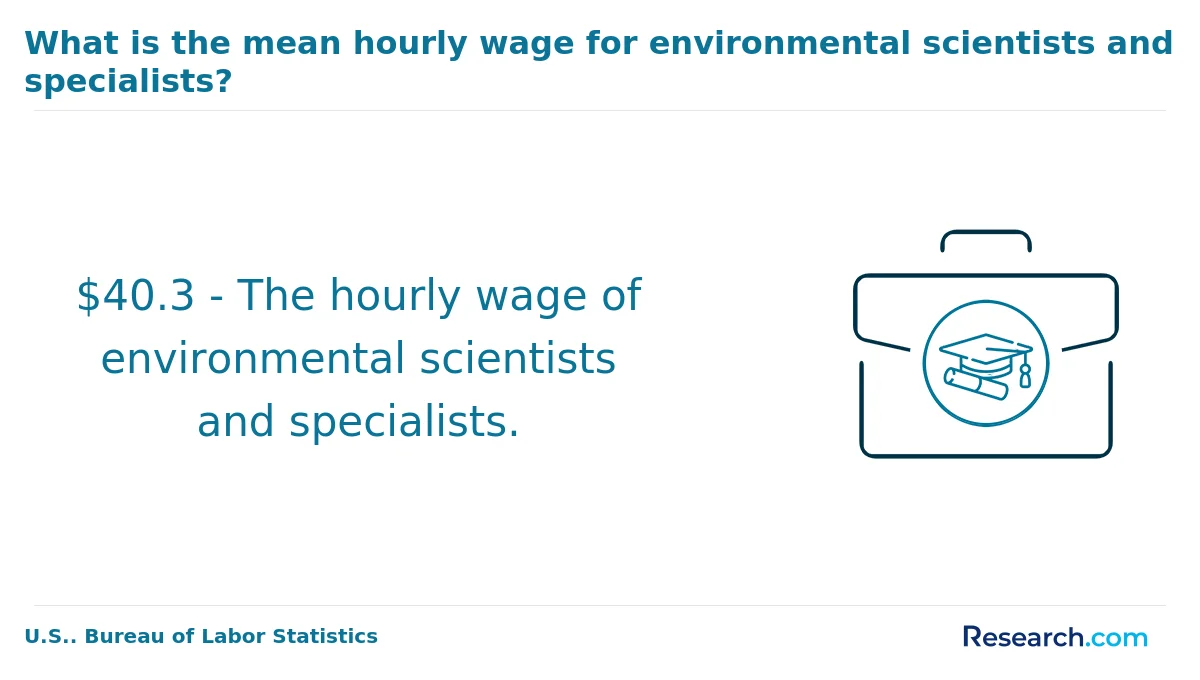
Students pursuing online environmental science degrees in America frequently rely on a diverse array of financial aid to manage tuition costs that vary widely-from around $7,000 at public institutions for in-state learners to $30,000 at private colleges. Federal aid serves as the cornerstone of funding, with the Free Application for Federal Student Aid (FAFSA) unlocking access to Pell Grants, which award up to $7,000 annually in some cases, significantly easing the financial burden for many undergraduates attending schools like the University of Florida or Oregon State University.
In addition to grants, federal Direct Subsidized and Unsubsidized Loans offer manageable, low-interest options that many graduates of institutions such as Colorado State University appreciate for their flexible repayment plans. State-based scholarships targeting environmental science or STEM fields supplement support, particularly for residents pursuing degrees at universities like the University of California system.
Merit scholarships from universities themselves recognize academic excellence and leadership in environmental initiatives, helping students feel valued and motivated. Private scholarships from organizations tied to sustainability reinforce this support, while employer tuition assistance programs provide relief for working professionals advancing their skills in environmental management.
Enrolling in an online environmental science degree program in America generally requires applicants to hold a high school diploma or equivalent, such as a GED. Graduates from well-known universities like the University of Florida or Oregon State University often recall that completing foundational courses in biology, chemistry, mathematics, and English was essential before beginning their studies. These prerequisites ensure students are prepared for the interdisciplinary nature of environmental science, which blends scientific inquiry with policy and sustainability.
Many programs ask for standardized test scores like the SAT or ACT, but some leading schools have adopted test-optional policies to reduce stress on applicants. A minimum GPA of 2.5 to 3.0 is typical, reflecting the academic rigor required. Transfer students must provide transcripts demonstrating completed general education and relevant science coursework, smoothing their transition into advanced classes.
Applicants often reflect positively on the preparation process, noting that writing personal statements and securing recommendation letters helped them clarify their passion and career goals in sustainability and environmental research, boosting their confidence when applying.
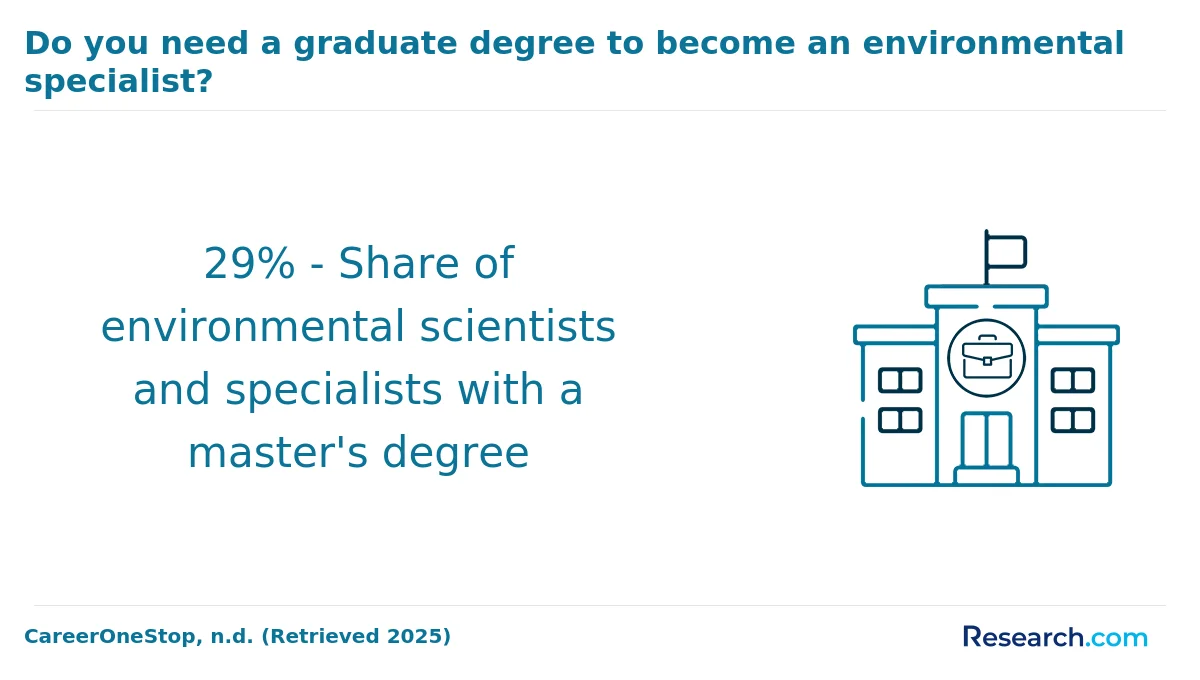
Online environmental science degree programs in America typically include a comprehensive set of courses that blend natural sciences with environmental policy. Graduates from well-known universities often recount how core classes such as biology, chemistry, and geology built a solid scientific foundation essential for understanding complex environmental problems. These basics are complemented by specialized courses like ecology, where students explore the intricate relationships between organisms and their habitats, and environmental chemistry, focusing on the behavior of pollutants within ecosystems.
Many programs also emphasize environmental policy and law, enabling students to navigate important federal regulations like the Clean Air Act. This aspect is particularly valued by graduates pursuing careers in environmental consulting or regulatory compliance, as experienced in colleges recognized for their strong policy curriculum.
- Introduction to Environmental Science
- Ecology and Ecosystems
- Environmental Chemistry
- Environmental Policy and Law
- Geographic Information Systems (GIS)
- Soil Science and Hydrology
- Environmental Impact Assessment
- Sustainable Development and Management
- Statistics and Data Analysis for Environmental Science
GIS training stands out as vital, empowering students to analyze geographic data for conservation planning. Many graduates appreciate the practical capstone projects that simulate real-world challenges, often offered by leading American institutions. This hands-on experience helps deepen their understanding and readiness for environmental careers in a rapidly evolving field.
Online environmental science degrees in America offer specialized tracks tailored to diverse interests and career objectives, ensuring graduates are well-prepared for evolving environmental challenges. Common specializations include Environmental Policy and Management, where students learn to navigate regulatory frameworks and advocate for sustainable policies in government and private sectors. Ecology and Conservation Biology focuses on protecting ecosystems and biodiversity, a priority for graduates engaging with conservation projects amid threats to U.S. wildlife.
Students also pursue Sustainability and Renewable Energy, gaining expertise in sustainable development and alternative energy technologies, with promising employment growth. Water Resources and Environmental Engineering addresses critical issues in water quality and infrastructure, particularly relevant as climate change impacts water availability nationwide. Additionally, Environmental Health and Toxicology examines the intersection of environmental factors and public health, an increasingly urgent area highlighted by agencies like the EPA.
Graduates from renowned American universities often reflect on how these environmental science degree tracks America offers allowed them to tailor their education toward impactful careers. For those seeking the most cost-effective pathways, exploring the cheapest masters in sustainability programs can be a prudent step.
Choosing the best online environmental science degree in America requires careful evaluation of accreditation, curriculum, costs, and student support tailored to your goals. Graduates from reputable public universities known for their strong environmental programs often praise their institutions' accreditation, which assures that degrees hold value across the country. For example, those enrolled in popular colleges emphasize programs offering diverse specializations like conservation biology or environmental policy, which align with their career aspirations.
Affordability is crucial for many, especially when balancing tuition with life's responsibilities. Comparing the best affordable environmental science degrees America offer can help avoid unnecessary debt. Alumni often highlight how accessible financial aid and reasonable tuition fees enabled them to focus on their studies without overwhelming financial stress.
Real-life experience is vital; students appreciate programs that provide virtual labs, internships, or research opportunities, fostering practical skills. Many graduates from these online environmental science degree programs USA express how hands-on learning prepared them well for roles in environmental consulting and government agencies. This practical preparation enhances readiness for sustainability manager careers, a promising path for many recent alumni.
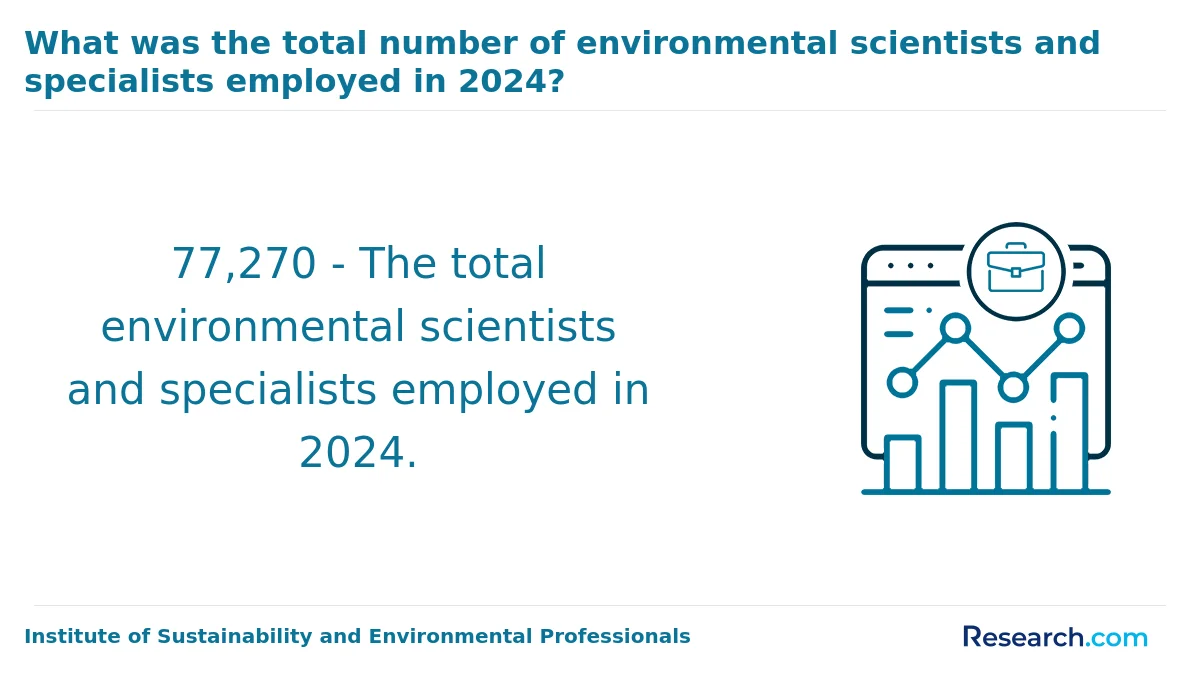
Graduates with an online environmental science degree in America often find diverse online environmental science careers in the USA that leverage their interdisciplinary training in biology, chemistry, and policy. Many secure roles in environmental consulting, assisting businesses with regulatory compliance and sustainable practices. Others branch into natural resource management within government agencies like the EPA, where they contribute to impactful conservation efforts. Students from reputable institutions, such as those attending state universities known for environmental programs, frequently share positive experiences of engaging internships that translate theory into real-world environmental solutions.
Additionally, roles in sustainability coordination are increasingly popular as corporations strive to reduce their ecological footprints, offering graduates fulfilling positions focused on creating greener workplaces. Opportunities also arise in environmental education and research, where graduates work in nonprofits and academia, fostering community awareness and advancing scientific studies. Those interested in cost-effective options can explore an environmental engineering online degree, which expands access for career changers. Overall, environmental science degree job opportunities America encompass a growing spectrum of rewarding, impactful professions across multiple sectors.
The job prospects for online environmental science degrees in the USA are promising due to increasing demand for professionals who can address climate change, pollution control, and natural resource management. Graduates from well-regarded programs at institutions like Oregon State University and the University of Florida often secure roles in diverse sectors including government agencies and private consulting firms. These roles offer starting salaries typically between $45,000 and $60,000 annually, with strong potential for growth.
Career opportunities with environmental science degree online America continue to expand as companies and governments adopt greener technologies and stricter environmental policies. Graduates frequently share positive experiences, citing how internships and professional networks have helped them transition smoothly into the workforce. Pursuing accredited programs ensures that online degrees are respected equally to traditional degrees, opening doors to meaningful employment.
Students considering further specialization might explore the fastest environmental management mba programs to enhance leadership skills in sustainability-focused careers.
2027 Most Valuable Online Bachelor's in Environmental Science Degree Programs Ranking in the USA
Investing in your education is a significant decision that can shape your future, and the Research.com team understands the importance of making informed choices. To assist prospective students, we have meticulously crafted the "2027 Most Valuable Online Bachelor's in Environmental Science Degree Programs Ranking in the USA." Our commitment to quality, credibility, and accuracy is reflected in the extensive research and analysis conducted to compile this ranking.
We utilized the following reputable data sources to ensure a comprehensive evaluation of environmental science programs:
By exploring this ranking, readers will gain valuable insights into the most valuable online environmental science degrees, empowering them to make informed decisions about their educational and professional futures. For more details on our methodology, please visit our Research.com methodology page.



# 4 position
Western Kentucky University
Bachelor of Health Science (Environmental Health Science concentration)




# 10 position
University of Maryland Global Campus
Bachelor of Environmental Health & Safety

Frequently Asked Questions About environmental science
Online environmental science degree students in America can maximize learning by actively engaging with their coursework and professors. Research from the National Center for Education Statistics shows that students who participate in virtual discussions and group projects tend to perform better. Utilizing university resources like virtual labs and research databases helps deepen understanding of complex topics such as climate change and sustainability.
Joining online student organizations related to environmental science provides networking opportunities with professionals and peers. Additionally, internships, which 62% of graduates pursue, offer practical experience that strengthens resumes. Staying organized and managing time effectively is crucial due to the self-paced nature of many online programs.
The field of environmental science in the United States is rapidly evolving, with several emerging niches drawing significant attention. One growing area is climate adaptation and resilience, focusing on how communities can prepare for extreme weather and environmental changes. According to the U.S. Bureau of Labor Statistics, jobs in this area are expected to grow by 8% from 2020 to 2030.
Another important niche is environmental data analysis, where specialists use technology and big data to monitor ecosystems and pollution levels. This aligns with the U.S. Environmental Protection Agency's increasing reliance on data-driven approaches to regulate environmental health. Additionally, renewable energy systems, especially solar and wind, represent a vital specialization as the nation aims to cut carbon emissions by 50% by 2030, per federal targets.
Environmental justice is also gaining prominence, with professionals ensuring fair treatment of all communities in environmental policies. These niches offer new opportunities for students pursuing online environmental science degrees in America.
After completing an online environmental science degree in America, students should focus on building practical experience to improve their job prospects. Internships and volunteer opportunities with organizations such as the Environmental Protection Agency (EPA) or local conservation groups provide valuable hands-on skills.
Networking is essential; engaging with professional associations like the Ecological Society of America can connect graduates to job openings and mentorship.
Additionally, obtaining certifications like the Certified Environmental Scientist (CES) credential can enhance credibility. According to the U.S. Bureau of Labor Statistics, employment in environmental science is projected to grow 8% through 2031, reflecting steady demand.
Developing strong technical skills in data analysis and GIS software is also advantageous.
Employers in America's environmental science field prioritize strong analytical skills in graduates, as they must interpret complex data to address ecological challenges. According to the National Environmental Health Association, proficiency in data analysis software and Geographic Information Systems (GIS) is highly sought after. Communication skills are also crucial; graduates must effectively convey scientific information to policymakers and the public. Problem-solving abilities stand out, especially in adapting to evolving environmental regulations. Additionally, knowledge of sustainability practices and regulatory compliance reflects growing industry demands. Collaboration skills are important too, since many projects require teamwork across disciplines. These competencies ensure graduates can contribute meaningfully to environmental solutions.
Finding internships in America relevant to an environmental science degree involves several key steps. Start by researching opportunities through university career centers, which often maintain partnerships with local and national environmental organizations. Many online programs provide access to internship databases tailored for environmental science students.
Professional associations like the Ecological Society of America frequently post internship openings. Additionally, government agencies such as the Environmental Protection Agency (EPA) offer paid internships annually, valuable for gaining practical experience.
Networking via platforms like LinkedIn and attending virtual environmental science conferences can also connect students to internships. According to the National Association of Colleges and Employers (NACE), over 60% of internships in environmental fields lead to full-time employment, highlighting their importance in career development.
An online environmental science degree can significantly enhance career mobility and advancement in America. The U.S. Bureau of Labor Statistics projects a 5% growth in environmental science jobs from 2022 to 2032, indicating steady demand. Graduates gain knowledge applicable to various sectors, including government agencies, consulting firms, and non-profits. This flexibility allows professionals to transition between industries more easily.
Additionally, many employers value accredited online degrees equally to traditional ones, especially from reputable universities. Earning a degree online also enables working adults to upskill without leaving their jobs, fostering promotions and salary increases.
According to the National Environmental Education Foundation, practical skills gained online often include data analysis and environmental policy understanding, key to leadership roles.
Studying for an environmental science degree in America equips students with a broad skill set essential for interdisciplinary careers. Programs combine biology, chemistry, geology, and policy studies, fostering a holistic understanding of environmental challenges. According to the U.S. Bureau of Labor Statistics, specialists with such diverse expertise are increasingly sought after in roles spanning conservation, public health, and urban planning.
Online degrees often include collaborative projects and case studies, improving teamwork and communication skills across disciplines. Additionally, courses on environmental law and economics prepare graduates to navigate regulatory frameworks and market-based solutions, vital for government and corporate positions.
By engaging with data analysis and geographic information systems (GIS), students gain technical competencies, making them versatile in various scientific and managerial roles. This comprehensive training reflects the evolving demands within American environmental sectors.
When choosing between a thesis and a non-thesis environmental science degree program online in America, consider your career goals first. A thesis option often suits students aiming for research roles or graduate studies, as it develops skills in scientific investigation and data analysis. According to the National Center for Education Statistics, about 40% of environmental science graduates pursue advanced degrees, making thesis experience valuable.
Non-thesis programs usually focus more on practical skills, coursework, and internships. This path is ideal for those seeking immediate employment in government agencies or private environmental firms. The U.S. Bureau of Labor Statistics projects a 5% employment growth for environmental scientists through 2031, emphasizing well-rounded, applied knowledge.
Consider also the time commitment: thesis programs often require additional months for research and writing. Non-thesis programs can be completed faster. Choose based on your professional ambitions, learning style, and scheduling flexibility.
Students based in America who wish to study environmental science abroad have several options to consider. Many U.S. universities offer online programs with international study components or partnerships, allowing students to gain global perspectives without relocating. Additionally, some American institutions collaborate with foreign universities for exchange programs or joint degrees, providing a blend of online and in-person learning.
Data from the Institute of International Education shows that environmental science is among the top fields for study abroad among American students, with over 8,000 participants annually. Popular destinations include Europe and Australia, where environmental policies and ecosystems offer rich study contexts.
Students can also explore accredited international online programs recognized in the U.S., which may provide greater flexibility and global networking opportunities.
Part-time jobs can enhance the educational experience for students pursuing online environmental science degrees in America. Common opportunities include internships with government agencies like the Environmental Protection Agency (EPA) or local conservation groups. These roles offer practical experience in policy research and environmental monitoring.
Other suitable positions involve roles as laboratory assistants or field technicians, often available through universities or environmental consulting firms. According to the U.S. Bureau of Labor Statistics, such jobs help build skills critical for careers in environmental science.
Additionally, roles in data analysis for environmental nonprofits or public awareness campaigns can complement degree studies by developing communication and technical skills relevant to the field.
Networking opportunities for online environmental science students in America have grown significantly in recent years. Many accredited universities offer virtual events, webinars, and discussion forums where students can connect with peers and industry professionals. Organizations like the Ecological Society of America and the American Geophysical Union provide student memberships offering access to conferences and mentorship programs.
In addition, platforms like LinkedIn enable students to engage with environmental scientists nationwide. According to the U.S. Bureau of Labor Statistics, environmental science careers are projected to grow 8% from 2020 to 2030, increasing the importance of building professional networks early.
Finally, some schools partner with local agencies and NGOs, creating internship opportunities that help students apply their knowledge and meet experts in the field.
Alumni networks provide significant advantages for online environmental science degree students in America by offering connections that extend beyond the virtual classroom. These networks often include graduates working in diverse sectors such as government agencies, non-profits, and private environmental firms. According to the National Environmental Workforce Network, 70% of job placements in this field come through personal or professional contacts, highlighting the value of strong alumni ties.
Furthermore, alumni can offer mentorship, sharing insights on career paths, certifications, and emerging industry trends. This guidance is especially important for online students who may have fewer face-to-face opportunities to engage with faculty and peers.
Participation in alumni groups also grants access to job postings and internships tailored to environmental science careers in the U.S. This targeted network support can accelerate professional growth and improve employment outcomes, as noted by a 2023 survey from the Environmental Careers Organization.
Customizing an online environmental science degree program in America begins with selecting electives that align with your career goals. Many universities offer concentrations such as sustainability, conservation, or environmental policy, allowing students to focus on specific sectors within the field.
Internships and research projects are often integrated into online programs, providing practical experience tailored to your interests. According to the U.S. Bureau of Labor Statistics, roles in environmental science are projected to grow 8% from 2020 to 2030, highlighting the value of specialized skills.
You can also choose programs accredited by recognized bodies like the Accreditation Board for Engineering and Technology (ABET) to ensure curriculum quality and relevance. Some universities offer options for dual degrees or certificates in areas like geographic information systems (GIS), which enhances employability.
Online environmental science students in America often face challenges related to limited hands-on experience. Many programs require fieldwork, lab sessions, or internships, which can be difficult to complete remotely. This affects the practical skills essential in this field.
Another challenge is balancing coursework with professional and personal obligations. According to the National Center for Education Statistics, over 30% of online students in the US juggle their studies alongside work or family duties, impacting study time and focus.
Technical issues and access to reliable internet also pose obstacles, especially in rural areas where many environmental studies occur.
Finally, maintaining motivation and engagement can be difficult without face-to-face interaction with instructors and peers, which is critical for collaborative learning and networking in environmental science.
With an online environmental science degree, graduates can pursue several professional certifications that enhance their career prospects. One widely recognized certification is the Certified Environmental Scientist (CES), offered by the National Association of Environmental Professionals (NAEP). This credential demonstrates expertise and commitment to the field.
Another important certification is the Registered Environmental Manager (REM), which focuses on environmental regulations and sustainable practices. It is granted by the National Registry of Environmental Professionals.
Graduates may also consider becoming Certified Hazardous Materials Managers (CHMM), a certification relevant for handling and managing hazardous substances safely. According to the U.S. Bureau of Labor Statistics, professionals with such certifications often experience a salary premium and better job stability.
Writing a successful application for an online environmental science program in America requires careful preparation and clear presentation of your goals. Start by highlighting your passion for environmental issues, linking personal experiences to your academic ambitions. Admissions committees often value applicants who demonstrate awareness of key challenges, such as climate change or sustainability, supported by credible sources like the U.S. Environmental Protection Agency.
Ensure your academic records reflect strong performance in science courses, especially biology, chemistry, and earth sciences. Many programs expect a minimum GPA of 3.0, but requirements vary. Including relevant volunteer work or internships can strengthen your application, showing practical engagement with environmental concerns.
Write a concise personal statement that explains why you chose an online program, emphasizing your ability to manage time and stay motivated. Finally, request letters of recommendation from professors or supervisors who can attest to your commitment and skills in scientific or environmental fields.
The global perspective on a career in environmental science highlights growing demand and diverse opportunities. In the United States, the Bureau of Labor Statistics projects an 8% job growth for environmental scientists between 2022 and 2032, faster than the average for all occupations. This reflects worldwide concerns about climate change, sustainability, and natural resource management.
Many international organizations and governments emphasize environmental science to address global challenges. U.S.-based graduates can engage in multinational efforts, including policy-making and environmental consulting. Understanding global environmental issues prepares students for careers that contribute to local and international sustainability goals, making an American online degree valuable in a connected job market.
Gaining practical experience while studying for an online environmental science degree in America is possible through internships, research projects, and volunteer opportunities. Many universities partner with local agencies, nonprofits, and businesses to offer remote or local internships. According to the National Environmental Education Foundation, internships improve job prospects by up to 60% in environmental fields.
Students can also engage in research with faculty members using virtual labs or data analysis projects, which are common in online programs. Additionally, volunteering with organizations like the EPA or local conservation groups helps develop hands-on skills.
Choosing the right concentration within an online environmental science degree in America starts with understanding your career goals. Popular concentrations include sustainability, wildlife management, and environmental policy. According to the U.S. Bureau of Labor Statistics, environmental scientists in the U.S. are expected to see 8% job growth from 2022 to 2032, so aligning your focus with in-demand fields is essential.
Research programs that offer concentrations matching your interests and check the faculty's expertise in those areas. Consider the types of courses offered and whether internships or practical experiences are part of the curriculum, as hands-on learning is crucial for job readiness.
Additionally, review accreditation status to ensure quality education recognized by employers. The Council for Higher Education Accreditation (CHEA) lists reputable regional accreditors you can verify. Finally, evaluate flexibility and support services designed for online students, helping balance your studies with personal commitments.
- Strong Programs in Environmental Studies https://toptieradmissions.com/strong-programs-in-environmental-studies/
- Alumni Put Environmental Science Degrees to Work at Chesapeake Watershed Initiative https://www.fandm.edu/stories/alumni-put-environmental-science-degrees-to-work.html
- Environmental Science (M.S.) Non-Thesis Track https://www.towson.edu/fcsm/departments/environsci/grad/science/non-thesis-track.html
- Imperative for Change: Integrating Environmental Science in Education | STEM Greenhouse https://stemgreenhouse.org/imperative-for-change-integrating-environmental-science-in-education/
- How to Become an Environmental Scientist: 8 Steps to Success - Prereqcourses https://www.prereqcourses.com/environmental-scientist/
- Environmental Sciences Abroad https://uceap.universityofcalifornia.edu/environmental-sciences-abroad
- CES - Certified Environmental Scientist https://www.nrep.org/certifications/certified-environmental-scientist-ces
- How To Get Environmental Science Work Experience https://www.savemyexams.com/learning-hub/careers/environmental-science-work-experience/
- Environmental Science Courses & Degrees https://www.open.edu.au/study-online/science/environmental-science
- Dr. Zubair Khalid | Veterinary Virologist & Bioinformatician https://www.zubairkhalid.com/blog/careers/environmental-science-fields-a-guide-to-specializations-and-careers