2027 Most Affordable Online Environmental Science Degree Programs Ranking in the USA

Co-Founder and Chief Data Scientist
If you're passionate about the environment and looking to advance your education, finding an affordable online environmental science degree is a smart step. This article presents the 2027 Most Affordable Online Environmental Science Degree Programs Ranking in the USA, developed by the Research.com team of data scientists.
Our ranking helps you explore quality programs without breaking the bank, making it easier to choose the one that fits your goals and budget.
Landing a degree in environmental science opens doors to meaningful careers and a chance to make a real difference for our planet.
Key benefits of getting online environmental science degree in America
- Environmental science graduates often step into rewarding roles such as environmental specialists, where the mean hourly wage is around $30, making it a financially viable career choice.
- Graduates from universities like Oregon State University find diverse career paths including conservation, policy making, and environmental consulting, offering exciting opportunities to make a real-world impact.
- Online degrees from institutions like the University of Florida provide flexibility to balance work and study, often with lower costs and the chance to learn from experts nationwide, giving students a competitive edge.
- 2027 Most Affordable Online Environmental Science Degree Programs Ranking in the USA
- What can I expect from online environmental science degree in America?
- Where can I work with online environmental science degree in America?
What can I expect from online environmental science degree in America?
The average cost of an online environmental science degree in America typically ranges between $7,000 and $12,000 per year for public universities, making it an accessible option for many students. Graduates from schools like Arizona State University and the University of Florida often share how this affordability allowed them to focus fully on their studies and fieldwork without overwhelming financial stress.
Private institutions may charge higher tuition, but many offer scholarships and financial aid specifically geared toward online learners. This support is invaluable for students juggling work and family commitments while pursuing their degree.
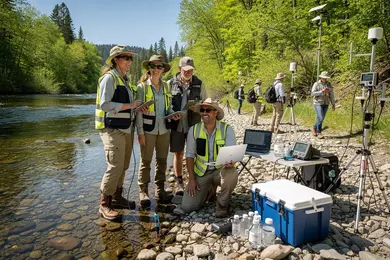
Many online programs provide hands-on experiences through virtual labs and local internships, connecting theory to action. For example, a graduate from Oregon State University described how their program's flexible structure let them analyze real water quality data from nearby streams, deepening their understanding without leaving home.
Choosing an accredited program ensures your investment leads to recognized qualifications that open doors in government agencies, research centers, and environmental consulting firms, where your passion will truly make an impact.
Where can I work with online environmental science degree in America?
Graduates with an online environmental science degree from respected American universities often find themselves stepping into meaningful careers that make a real difference. Many start with roles in government agencies like the EPA or state environmental offices, where they work on pollution control, regulatory enforcement, and impact assessments-tasks that directly protect our communities and natural resources.
Others join private environmental consulting firms, advising industries on sustainable practices and compliance. For example, graduates from programs at schools known for strong environmental science departments, like Oregon State University or the University of Florida, often flourish in these dynamic roles. They appreciate the balance between fieldwork and strategic planning, which keeps their days engaging and impactful.
Nonprofits and conservation groups present rewarding opportunities too. Picture working for a land trust or a local environmental education center, educating communities and managing preservation projects. Some graduates also find fulfilling roles in academic research labs, supporting critical studies on climate change and ecosystems, especially if they hold advanced degrees.
The key is that your degree opens doors across sectors-government, consulting, industry, nonprofits, and research-each offering unique ways to turn your passion for the environment into a career that inspires pride and purpose.
Graduates from online environmental science programs in America often find encouraging salary prospects that reflect their dedication and growing expertise. While exact figures fluctuate by location and employer type, many recent grads from respected universities like Oregon State or University of Florida report starting salaries between $45,000 and $55,000 annually. These early roles, often in local government or nonprofit sectors, build essential experience and open doors to higher-paying opportunities.
As you gain experience, especially in federal or state government positions, annual wages typically range from $60,000 to $90,000. Seasoned professionals advancing into senior or managerial roles can surpass $100,000, illustrating how valuable expertise in environmental regulations and sustainability has become.
Private sector jobs in consulting or industries like energy may offer salaries from $55,000 to $85,000 or more, rewarding those with specialized skills and certifications. Many graduates appreciate how their online studies helped them balance education with internships and networking, leading to these rewarding career paths where passion meets financial stability.
- Online environmental science bachelor's degrees typically cost between $20,000 and $40,000 in total tuition, with graduate programs ranging from $15,000 to $30,000.
- Entry-level environmental science jobs pay around $49,000 to $55,000 annually, while mid-career median salaries are about $70,000 or higher with advanced skills.
- The U.S. Bureau of Labor Statistics projects a 5% job growth rate for environmental science careers from 2022 to 2032.
- Public universities often offer lower tuition rates for in-state students, but many online programs now charge flat rates regardless of location.
- Bachelor's programs usually require a high school diploma to apply, and master's programs require an accredited undergraduate degree and sometimes work experience.
Completing an online environmental science degree in America usually takes about four years for full-time students, especially at renowned schools like Arizona State University or Oregon State University. This timeline aligns with the traditional pace of earning around 120 credit hours, which many graduates find manageable while balancing life and work commitments.
Many graduates share how studying part-time extended their journey to five or six years, but the flexibility allowed them to maintain steady progress without sacrificing personal or professional responsibilities. For instance, those enrolled at community colleges or public universities often appreciate pacing their courses during busy seasons.
Associate degrees can be a quicker pathway, usually wrapping up in two years with 60 credits, which is perfect for students eager to jump into the workforce or transfer to a bachelor's program later.
Graduate students pursuing online master's degrees in environmental science at institutions like the University of North Carolina describe completing their programs in one-and-a-half to three years, depending on workload and life demands.
What's exciting is how these options allow you to shape your educational timeline to fit your unique circumstances while moving confidently toward your career goals.
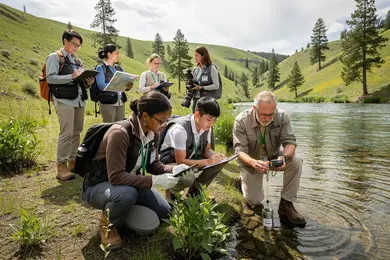
Graduates from universities like the University of California, Davis often reflect on how their on-campus environmental science programs offered hands-on fieldwork and direct access to labs, which helped build essential practical skills. Imagine spending an afternoon collecting water samples by a nearby river or analyzing soil composition in well-equipped university labs-experiences that online programs struggle to replicate fully.
Conversely, alumni of online programs from institutions such as Oregon State University emphasize the freedom to study around their busy lives, balancing work and family with coursework. Online learning allows you to engage with lectures and assignments on your own schedule, a crucial advantage if you're managing responsibilities beyond school.
While on-campus programs may charge different tuition based on residency, often with lower in-state rates, online programs tend to have more uniform tuition, making budgeting straightforward no matter where you live in the U.S. That said, online students often need to proactively seek internships or research opportunities in their local communities, which can also offer rewarding real-world exposure.
The average cost of obtaining an online environmental science degree in America varies depending on your residency and choice of school. For many students attending popular universities known for their environmental science programs, such as those in California or the Pacific Northwest, the median total cost hovers around $27,120. Those who enroll in out-of-state programs may experience higher expenses, with a median out-of-state total cost near $56,880. In contrast, in-state students often benefit from more affordable tuition, averaging approximately $37,440 in total.
Graduates often reflect on the value of these investments, sharing how selecting programs with in-state tuition rates or scholarships made their goals more attainable. The journey through affordable online environmental science programs in the USA is smoother when students choose schools that offer credit for prior learning or accelerated options, greatly reducing their financial burden and time-to-degree.
Beyond tuition, graduates highlight the importance of budgeting for technology, textbooks, and lab materials, which are additional costs that supplement the overall expense. Many students find encouragement by exploring federal grants or scholarships specific to environmental science or STEM fields, which can offset some of these fees and foster a successful experience.
For those passionate about making an impact, there are plenty of jobs for sustainability management graduates emerging, proving that investing wisely in your education opens doors to rewarding careers.
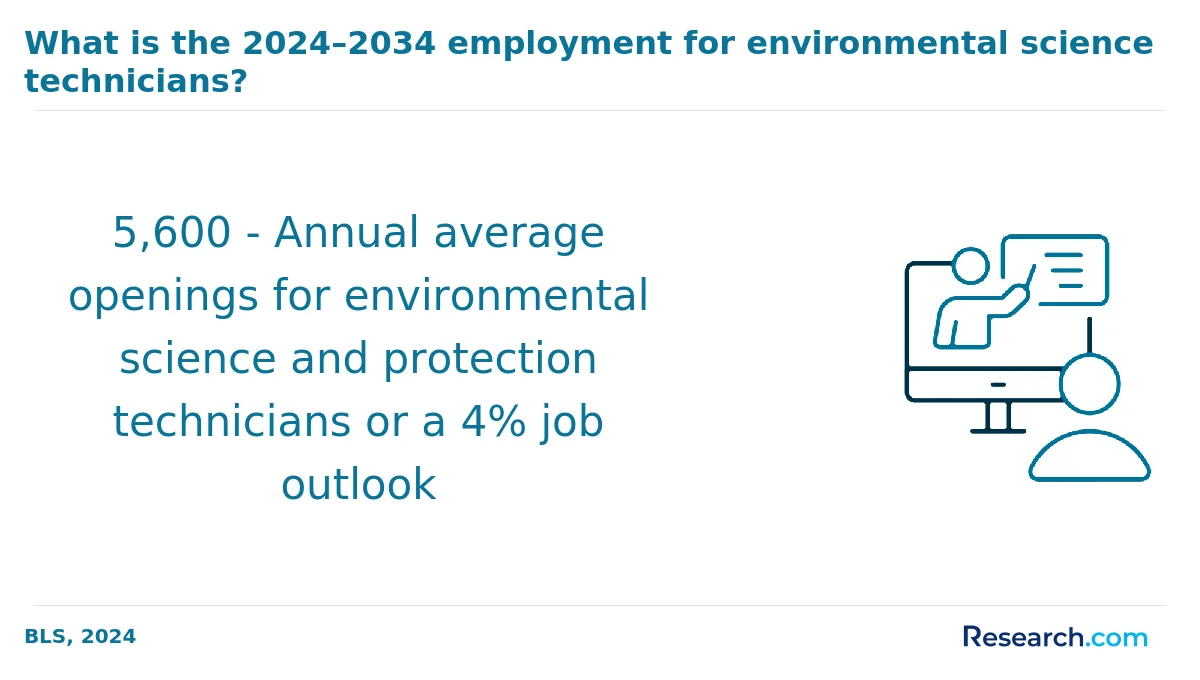
Financial aid is a vital support for students pursuing an online environmental science degree in America, helping turn dreams into achievable goals. Many graduates from universities like Oregon State and the University of Florida share how federal aid, especially Pell Grants, reduced their tuition by thousands, with awards up to $7,395 annually. The Free Application for Federal Student Aid (FAFSA) is the gateway to unlocking these benefits, making it essential for everyone to complete early.
State-specific grants can also ease the financial burden. For instance, students enrolled in California's online programs often benefit from the California College Promise Grant, which lowers tuition costs significantly for residents. Meanwhile, institutional scholarships play a huge role at schools like Colorado State University, where merit and need-based awards empower online learners to focus on studies rather than expenses.
External scholarships from respected environmental organizations add another layer of financial relief, rewarding passion for sustainability and public health. And when loans are necessary, federal student loans offer manageable repayment plans, providing flexibility that recent graduates commonly appreciate.
To start your journey in an online environmental science degree program in America, you'll need a high school diploma or equivalent, along with coursework in biology, chemistry, physics, and math-especially algebra and geometry. Graduates from respected schools like the University of Florida or Oregon State University often recall how this strong foundation made tackling core subjects much more manageable.
Many schools might ask for standardized test scores like the SAT or ACT, though testing is increasingly optional. About 60% of four-year institutions now waive this requirement, allowing you to focus on your passion and application strength instead. Imagine applying to a top public university in California, feeling confident that your commitment, not just test results, opens doors.
Technical readiness is key too. Reliable internet and comfort with online tools ensure you won't miss a beat during virtual lectures or discussions. Graduates have often said mastering these basics helped them stay engaged and connected with professors and peers, creating a vibrant learning community from their own homes.
If you're aiming for graduate programs, a bachelor's degree in environmental science or a related field is essential, along with courses like ecology or statistics. Personal statements and recommendation letters then spotlight your dedication, a step many students describe as a rewarding chance to reflect on their environmental journey.
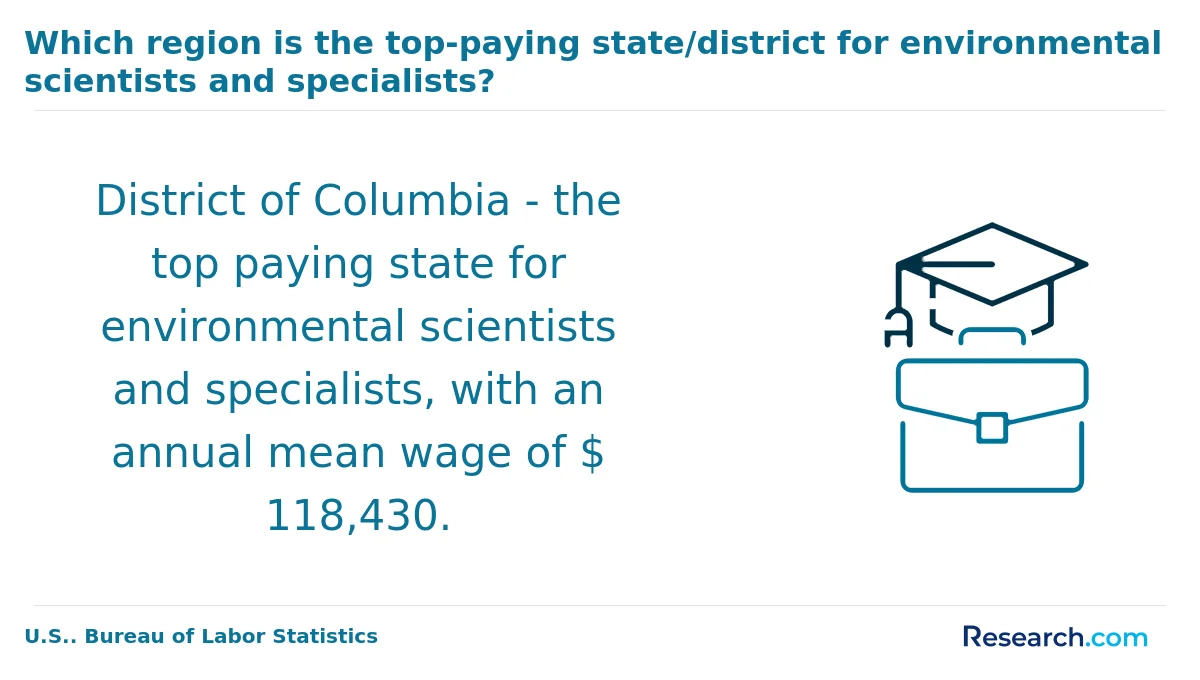
When you dive into an online environmental science degree in America, you'll find your coursework carefully designed to build both knowledge and confidence. Core classes like environmental biology, ecology, and earth science give you a solid understanding of ecosystems and the natural world-imagine studying the biodiversity of the Rockies or the wetlands of the Everglades through virtual field labs offered by top public universities. Graduates often recall how these courses helped them connect theory with real-world environments.
You'll also take chemistry and environmental chemistry, which are essential for grasping pollution's effects and remediation strategies-skills that become tangible when analyzing water samples or soil quality during virtual experiments or local research projects. Leading colleges incorporate specialized classes like environmental policy and law, GIS mapping, and sustainability science. Many students appreciate how learning GIS lets them map community green spaces or track climate data, preparing them for careers in environmental consulting or public agencies.
Practical experiences are infused into the program through virtual labs or locally arranged projects, keeping you engaged and ready to tackle actual environmental challenges. American universities focus on blending scientific principles with policy and ethics, ensuring graduates feel equipped and inspired to make a difference.
When exploring an online environmental science degree in America, you'll find a rich variety of specializations that cater to different passions and career goals. Graduates from top universities often highlight how focusing on areas like Environmental Policy and Management empowers them to influence sustainability laws and corporate practices, making real-world impact through informed decision-making. Others choose Ecology and Conservation Biology, diving deep into protecting wildlife and natural habitats, inspired by hands-on projects and research with colleges known for their environmental stewardship.
Popular specialized environmental science programs online America also feature tracks such as Environmental Health and Safety, where students learn to assess pollution risks impacting communities, or Renewable Energy and Sustainability, which opens doors to careers in cutting-edge green technology and clean energy development. Technical skills in Geographic Information Systems (GIS) and Remote Sensing are highly sought after by graduates who enjoy using data mapping to address urban planning and resource management challenges.
If you're unsure where to start, exploring an environmental policy online program can offer a strong foundation that combines science with impactful policy-making, perfect for aspiring changemakers nationwide.
When choosing the best online environmental science degree in America, start by prioritizing accreditation from respected agencies like the Higher Learning Commission. Graduates from renowned programs at public universities often share how this recognition made transferring credits or securing jobs smoother. Look closely at curricula that blend hands-on skills with theory-courses in geographic information systems (GIS) or sustainable resource management are game-changers. Many students from popular colleges appreciate virtual labs and real-world projects that bring lessons alive from their screens.
Consider affordability carefully. Some of the best online environmental science degrees USA offer in-state tuition rates or financial aid, which helped graduates avoid overwhelming debt. I've seen students balance work and studies thanks to flexible asynchronous course formats, paired with strong academic and technical support designed just for online learners.
Lastly, the right faculty can inspire your journey. Experienced professors with ties to industry provide mentorship, opening doors to internships and the highest paying jobs in environmental science. Affordable environmental science programs America-wide are evolving to support your success every step of the way.
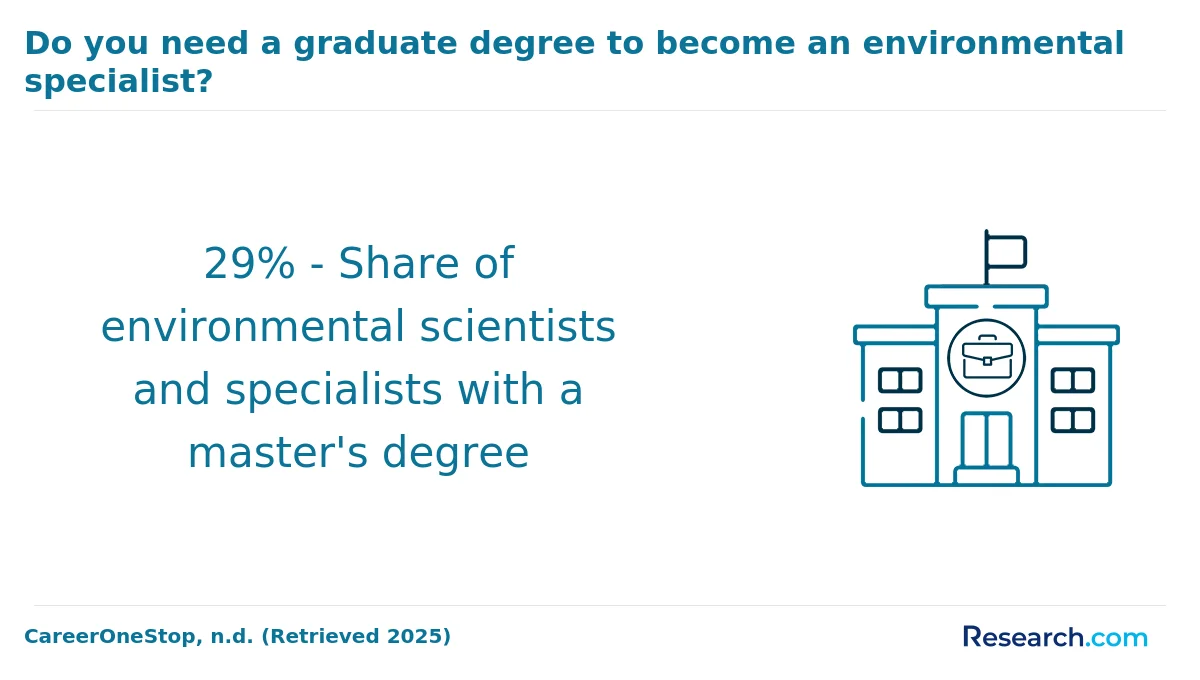
Graduates with an online environmental science degree in America often find themselves stepping into rewarding roles that make a real impact. From environmental consultants advising companies on sustainable practices to conservation scientists managing vital ecosystems, the career paths are diverse and meaningful. Many online graduates from respected programs such as those at Colorado State University and the University of Florida share how hands-on projects and field experiences helped them confidently enter these roles. These professionals address pressing environmental issues while working closely with policymakers and community leaders.
For those passionate about innovation, positions in renewable energy and sustainability planning offer exciting opportunities to develop green technologies and influence corporate responsibility. Graduates also pursue careers as environmental analysts or health and safety officers, roles that have grown nationwide as awareness of environmental challenges expands. Exploring job opportunities for online environmental science graduates in America reveals this growing demand for expertise, especially in major hubs like California and Washington.
Many alumni suggest researching jobs with environmental science masters degree to understand the many pathways available and find a role that aligns with your passion and skill set.
The job market for graduates with an online environmental science degree in America is robust and growing steadily. Many graduates from well-regarded universities have found rewarding roles in government agencies and consulting firms, where their skills in environmental policies and data analysis are highly valued. These professionals contribute to vital projects, such as evaluating renewable energy impacts or advising on sustainable urban planning, reflecting strong environmental science career opportunities in America.
One graduate from a popular public university shares how their online degree opened doors to a position as a sustainability coordinator at a major city's planning department. This is a real testament to how versatile an online environmental science degree job prospects USA can be. Salaries typically range from $45,000 for entry-level roles to above $90,000 in metropolitan hubs like Washington D.C., giving you a solid financial foundation while making a positive impact.
For those considering advanced studies, programs like the fastest environmental management mba degree provide additional leverage to accelerate career growth in environmental leadership roles.
2027 Most Affordable Online Environmental Science Degree Programs Ranking in the USA
Investing in your education is a significant decision that can shape your future, and the Research.com team understands the importance of making informed choices. To assist prospective students nationwide, we have meticulously developed the "2027 Most Affordable Online Environmental Science Degree Programs Ranking in the USA." Our commitment to quality, credibility, and accuracy is reflected in the thorough research and careful analysis behind this ranking.
We utilized the following reputable data sources to ensure a comprehensive evaluation of environmental science programs:
By exploring this ranking, readers will gain valuable insights into affordable and accredited online environmental science degree programs, empowering them to make well-informed educational decisions. For more details on how this ranking was created, please visit our Research.com methodology page.


# 3 position
Louisiana State University and Agricultural & Mechanical College
Master of Environmental Sciences


# 6 position
Western Kentucky University
Master of Social Responsibility and Sustainable Communities



# 9 position
University of Maryland Global Campus
Master of Environmental Management


# 12 position
Columbia Southern University
Master of Occupational Safety and Health/Environmental Management

# 14 position
Western Kentucky University
Bachelor of Health Science (Environmental Health Science concentration)

# 16 position
University of Maryland Global Campus
Bachelor of Environmental Health & Safety
# 17 position
Columbia Southern University
Bachelor of Environmental Management/Environmental Engineering


Frequently Asked Questions About environmental science
Online environmental science degree students in America can maximize their learning by actively engaging with course materials and participating in virtual discussions. According to the National Center for Education Statistics, over 75% of online students benefit from consistent interaction with professors and peers, which deepens their understanding. Additionally, students should seek out internships or volunteer opportunities with organizations like the Environmental Protection Agency, which can provide practical experience relevant to environmental careers.
Using digital tools to simulate fieldwork and data analysis can enhance comprehension of complex scientific concepts. Joining student groups focused on sustainability also helps build a professional network within the field. Staying updated on current environmental policies through sources like the U.S. Geological Survey can reinforce academic knowledge with real-world applications.
Emerging niches within the environmental science field reflect the evolving challenges and technologies in the United States. One rapidly growing area is climate change adaptation and mitigation. Experts estimate that jobs in this niche could increase by over 15% by 2030, driven by government policies and sustainable business practices (Bureau of Labor Statistics).
Another important niche is environmental data science, where specialists use big data and geographic information systems (GIS) to analyze ecological patterns. The U.S. Department of Energy has highlighted the critical role of data analytics in advancing renewable energy projects and conservation efforts.
Additionally, environmental health and toxicology focusing on pollution's impact on human and ecosystem health are gaining prominence. With increasing concerns about air and water quality in urban areas, professionals in this niche contribute to public health policy and regulation.
After completing an online environmental science degree in America, preparing for the job market involves strategic steps to enhance employability. Networking is crucial; joining professional organizations like the Ecological Society of America helps connect with industry experts. Internships and volunteer work provide practical experience and improve job prospects. According to the U.S. Bureau of Labor Statistics, environmental science jobs are projected to grow 8% from 2022 to 2032, underscoring demand for skilled graduates. Developing strong data analysis and GIS skills is also vital, as employers increasingly seek candidates proficient in technical tools. Continuing education and certifications can further boost credentials.
Employers in the United States highly value environmental science graduates who demonstrate strong analytical and problem-solving skills. According to the Bureau of Labor Statistics, the ability to interpret data and conduct scientific research is essential for roles in environmental consulting, policy, and conservation.
Communication skills are also crucial, as professionals must clearly present findings to stakeholders and the public. Familiarity with Geographic Information Systems (GIS) and data visualization tools is increasingly important, reflecting industry trends highlighted by the Environmental Protection Agency.
Additionally, graduates who understand environmental regulations and sustainability practices have a competitive advantage in the U.S. job market.
Finding internships in America relevant to an environmental science degree requires proactive research and utilization of multiple resources. Start by exploring university career services, which often provide exclusive internship listings and guidance. Many colleges partner with government agencies like the EPA or state environmental departments, offering practical opportunities.
Students should also use online platforms such as internships.com or USAJobs.gov, focusing on environmental science-related roles. According to the National Association of Colleges and Employers, over 60% of environmental science internships lead to full-time employment, highlighting their importance. Networking with professionals through LinkedIn and industry groups can reveal unadvertised positions.
Additionally, professional organizations like the Ecological Society of America offer internship databases relevant to this field.
An online environmental science degree in America significantly enhances career mobility and advancement opportunities. According to the U.S. Bureau of Labor Statistics, environmental scientists and specialists have a projected job growth of 8% from 2022 to 2032, faster than the average for all occupations. This growth creates new roles across government agencies, consulting firms, and private industries.
Online degrees provide flexibility for working professionals to gain advanced knowledge without interrupting their careers. Many employers recognize accredited online programs, allowing graduates to qualify for higher-level positions.
Additionally, earning such a degree often leads to higher salary potential. For example, environmental scientists in the U.S. earned a median annual wage of $79,100 in 2022, with higher credentials enabling access to management or specialized roles.
Studying for an environmental science degree in America equips students with interdisciplinary skills essential for addressing complex ecological and societal challenges. Programs typically combine natural sciences, social sciences, and policy studies, preparing graduates to work collaboratively across various fields.
Students engage with coursework in biology, chemistry, geology, economics, and environmental law, fostering a broad understanding of environmental issues. According to the U.S. Bureau of Labor Statistics, environmental scientists often coordinate with engineers, policymakers, and public health experts, highlighting the need for interdisciplinary training.
Moreover, many online programs emphasize data analysis and Geographic Information Systems (GIS), enabling students to analyze environmental data effectively. This comprehensive education builds adaptability and problem-solving abilities useful in government agencies, private companies, and research institutions.
Choosing between a thesis and a non-thesis environmental science degree in America depends largely on your career goals and learning preferences. Thesis programs emphasize original research and are ideal for students planning to pursue doctoral studies or research careers. According to the National Center for Education Statistics, about 40% of environmental science master's graduates opt for thesis tracks to develop deep investigative skills.
Non-thesis programs, by contrast, focus on coursework and practical applications. These appeal to professionals aiming for roles in government agencies, consulting firms, or environmental management without intensive research demands. They typically require internships or projects instead of a written thesis.
Consider also time commitments: thesis programs often take longer to complete due to research requirements. Evaluating available faculty expertise and resources at your chosen institution can help ensure strong mentorship if pursuing a thesis.
Students based in America seeking to study environmental science abroad through online programs have a limited but growing number of options. Several U.S. universities partner with international institutions, allowing students to earn degrees with global relevance while remaining stateside. Programs often blend U.S. curriculum standards with international environmental policies, providing a well-rounded education.
The U.S. Bureau of Labor Statistics forecasts a 5% growth in environmental science jobs through 2031, emphasizing demand for diverse global perspectives. Online options from abroad typically require verifying transfer credits through American accreditation bodies such as WASC or MSCHE to ensure degree recognition.
Some programs offer virtual internships or research collaborations with global organizations, enhancing practical learning. Students should carefully evaluate program accreditation and support services to ensure they meet U.S. career requirements.
Part-time jobs play an important role in complementing an environmental science degree in America. Positions such as research assistants at universities or environmental organizations allow students to gain hands-on experience in data collection and analysis. According to the U.S. Bureau of Labor Statistics, environmental science technicians earn a median hourly wage of about $23, making internships and technician roles practical for students balancing work and study.
Other common opportunities include roles with local government agencies focusing on conservation, sustainability projects, or wildlife management.
Volunteer work with nonprofits can also enhance resumes, providing valuable networking and project management skills relevant to environmental careers.
Online environmental science students in America have several networking opportunities that can enhance their academic and professional growth. Many universities offer virtual career fairs, where students connect with employers in sectors such as conservation, sustainability, and environmental policy. According to the National Environmental Education Foundation, about 70% of environmental employers value internship and networking connections highly.
Students can join professional organizations like the Environmental Careers Organization (ECO) and the Ecological Society of America (ESA), which provide virtual conferences, webinars, and mentorship programs tailored to online learners.
Furthermore, some online programs facilitate peer interaction through discussion boards and group projects, building valuable connections among classmates nationwide.
Alumni networks play a crucial role for students pursuing online environmental science degrees in America. These networks provide valuable connections to professionals working in fields such as conservation, policy, and sustainability. According to the National Environmental Education Foundation, strong professional networks improve job placement rates by up to 20% for graduates in environmental fields.
Through alumni groups, students can access mentorship, internships, and job opportunities that are often not widely advertised. These connections help bridge the gap between online learning and real-world experience.
Additionally, many universities in the U.S. host virtual events and workshops exclusively for alumni, enhancing lifelong learning and career growth in environmental science.
Customizing an online environmental science degree in America allows students to align their education with specific career goals. Many programs offer elective courses in areas like conservation, sustainability, or environmental policy, enabling learners to specialize. According to the U.S. Bureau of Labor Statistics, environmental scientists focusing on policy may find growing opportunities in government and private sectors, with a projected 8% job growth from 2022 to 2032.
Some universities provide options for research projects or internships that can be completed remotely, offering hands-on experience in targeted fields. Additionally, students might select courses emphasizing geographic information systems (GIS) or environmental chemistry to meet niche demands. Tailoring your curriculum helps build relevant skills critical for advancing in environmental consulting, natural resource management, or ecological research.
Online environmental science students in America often face challenges related to practical experience. Many programs require fieldwork or lab components that can be difficult to replicate remotely, limiting hands-on learning opportunities. According to the National Center for Education Statistics, nearly 60% of environmental science courses include experiential learning, which online students may find harder to access.
Another challenge is balancing coursework with professional or personal responsibilities, as many online students juggle education alongside full-time jobs or family care. Connectivity issues can also hinder access to interactive lectures and resources, especially in rural areas.
Finally, students sometimes encounter limited networking opportunities compared to traditional programs, impacting career development and mentorship possibilities.
Graduates with an online environmental science degree in the United States can pursue several professional certifications to enhance their careers. One widely recognized certification is the Certified Environmental Professional (CEP), offered by the Academy of Board Certified Environmental Professionals. This credential signals expertise in environmental regulations and management.
Another valuable certification is the Registered Environmental Manager (REM) granted by the American Academy of Environmental Engineers and Scientists. It focuses on sustainable practices and compliance.
Additionally, certifications such as Hazardous Waste Operations and Emergency Response (HAZWOPER) provide critical skills for safety and cleanup operations under EPA standards.
According to the U.S. Bureau of Labor Statistics, environmental scientist jobs requiring certification tend to offer higher median wages and better advancement opportunities.
Applying to an online environmental science program in America requires a clear, focused approach. Start by thoroughly researching schools approved by the Council for Higher Education Accreditation (CHEA) to ensure program quality.
Highlight your passion for sustainability and environmental issues, supported by relevant experiences such as volunteer work or internships with organizations like the EPA or local conservation groups.
Strong letters of recommendation from professors or professionals familiar with your commitment boost your application. Also, tailor your personal statement to show understanding of key environmental challenges in the US, referencing current data from the U.S. Bureau of Labor Statistics on job growth in this field.
Finally, emphasize your ability to succeed in online learning environments by pointing to past academic achievements or professional development done remotely.
Environmental science careers have a strong global impact, addressing issues like climate change, pollution, and resource conservation. In the United States, professionals in this field often collaborate internationally to develop sustainable solutions. According to the U.S. Bureau of Labor Statistics, environmental scientists and specialists are projected to grow 8% from 2022 to 2032, reflecting a global demand for expertise.
American online environmental science programs train students to understand diverse ecosystems and global policies. Graduates can work with organizations like the United Nations or multinational corporations, contributing to worldwide environmental initiatives.
Understanding global perspectives enhances the ability to tackle environmental challenges beyond local borders.
Gaining practical experience while studying for an online environmental science degree in America is achievable through several methods. Many accredited programs require internships or cooperative education placements with organizations such as the U.S. Environmental Protection Agency (EPA) or local environmental agencies. These opportunities allow students to apply classroom knowledge in real-world settings.
Additionally, students can engage in virtual labs and simulation software designed specifically for environmental science, offering hands-on experience remotely. According to the National Center for Education Statistics, about 60% of online science programs incorporate practical components.
Volunteering in community environmental projects or citizen science initiatives also provides valuable field experience.
Choosing the right concentration within an online environmental science degree in America requires understanding your career goals and interests. Common concentrations include environmental policy, natural resource management, and sustainability science. Each focuses on different skills, such as data analysis, regulatory knowledge, or ecological assessment.
Research from the U.S. Bureau of Labor Statistics shows that environmental scientists with specialized skills tend to have better job prospects and higher salaries, averaging around $76,000 annually in 2023. Consider concentrations that align with growing fields like renewable energy or climate change mitigation.
Review course offerings and faculty expertise at prospective schools to ensure curriculum relevance. Accreditation status, such as from the Network of Schools of Public Policy, Affairs, and Administration (NASPAA), is also vital.
- What Can You Do With an Environmental Science Degree? https://willamette.edu/academics/college/environmental-science/career-options
- Environmental Science Courses & Degrees https://www.open.edu.au/study-online/science/environmental-science
- How To Get Environmental Science Work Experience https://www.savemyexams.com/learning-hub/careers/environmental-science-work-experience/
- Top skills employers look for in Ecology job candidates - Jobs in Ecology https://www.jobsinecology.co.uk/resources/blog/2025/04/top-skills-employers-look-for-in-ecology-job-candidates/
- The Biggest Environmental Problems Of 2021 https://earth.org/the-biggest-environmental-problems-of-our-lifetime/
- Networking Strategies for Environmental Professionals https://www.nrep.org/blog/environmental-professional-networking-strategies
- Dr. Zubair Khalid | Veterinary Virologist & Bioinformatician https://www.zubairkhalid.com/blog/careers/environmental-science-fields-a-guide-to-specializations-and-careers
- Environmental Scientist Cover Letter Examples https://www.careerfaqs.com.au/careers/resumes-cover-letters/environmental-scientist-cover-letter-example
- SEEDS Summer 2026 Internships | TREES DLA https://www.trees-dla.ac.uk/seeds-summer-2026-internships
- NETWORKING FOR SUCCESS: HOW TO SHINE IN ENVIRONMENTAL JOBS - Step(h) into Nature https://stephintonature.com/all-environmental-conservation-travel-blogs/environmental-jobs-networking