2027 Most Affordable Online Master's in Environmental Science Degree Programs Ranking in the South

Co-Founder and Chief Data Scientist
Are you considering an online master's degree in environmental science but worried about costs? Our 2027 Most Affordable Online Master's in Environmental Science Degree Programs Ranking in the South offers clear guidance to help you find high-quality, budget-friendly programs.
Created by the Research.com team of data scientists, this ranking reflects careful analysis designed to support your educational journey.
By exploring this article, you'll gain valuable insights to confidently choose a program that fits your needs and goals, empowering you to make a positive impact on the environment and your future.
Key benefits of getting online environmental science degree in the South
- Environmental science graduates in the South can expect competitive salaries, often ranging from $45,000 to $65,000 annually, similar to national averages for environmental specialists and technicians.
- Graduates from popular Southern universities often pursue careers in environmental consulting, natural resource management, or government roles, offering diverse opportunities to make a positive impact locally.
- Online environmental science degrees from reputable Southern institutions provide flexible schedules, allowing students to balance work and study, and often feature practical projects that prepare graduates for real-world challenges.
- 2027 Most Affordable Online Master's in Environmental Science Degree Programs Ranking in the South
- What can I expect from online environmental science degree in the South?
- Where can I work with online environmental science degree in the South?
What can I expect from online environmental science degree in the South?
The average cost of an online environmental science degree in the South varies significantly depending on the university and residency status, with many in-state students benefiting from more affordable tuition. Graduates from popular Southern institutions often recall managing their expenses through scholarships and assistantships offered by universities deeply connected with regional environmental organizations. These financial aids make pursuing a master's degree both accessible and rewarding without relocating from home.
Many students share that competitive tuition rates combined with flexible online learning enabled them to balance work, family, and study effectively. For instance, those enrolled in schools known for their focus on Southern ecological challenges-such as coastal ecology and wetland preservation-often find that the investment translates into valuable hands-on experience through optional internships or virtual fieldwork.
As the demand for specialized environmental expertise grows, universities in the South are expected to expand financial support and streamlined online programs. Graduates frequently express enthusiasm about how their affordable education prepared them for impactful roles in government agencies and nonprofit organizations focused on hurricane resilience and sustainable agriculture.
Where can I work with online environmental science degree in the South?
Graduates with an online environmental science degree from Southern institutions like the University of Florida or Texas A&M often discover diverse career paths waiting for them in the region's thriving environmental sectors. Many find rewarding roles within federal agencies such as the EPA's regional offices or state-level natural resource departments, where they actively contribute to protecting coastal wetlands or managing forest ecosystems. These positions allow them to engage directly with pressing challenges like water quality and land conservation, giving a powerful sense of impact and purpose.
Others join environmental consulting firms in booming cities like Atlanta or Houston, applying their skills in real-world urban sustainability projects and industrial remediation efforts. Recent graduates often share excitement about collaborating with developers and local governments to shape greener communities, blending science with innovative problem-solving.
In parallel, universities and research facilities across the South provide opportunities for graduates to dive into cutting-edge studies on climate change and biodiversity. Working alongside professors through programs at schools such as North Carolina State University, they gain hands-on experience that fuels their passion for science and the environment.
Nonprofit organizations also attract many graduates, where they find fulfilling roles in habitat preservation and community outreach. Collaborating with groups like local land trusts, they often describe a strong connection to the land and communities they serve, reinforcing their commitment to long-term environmental stewardship.
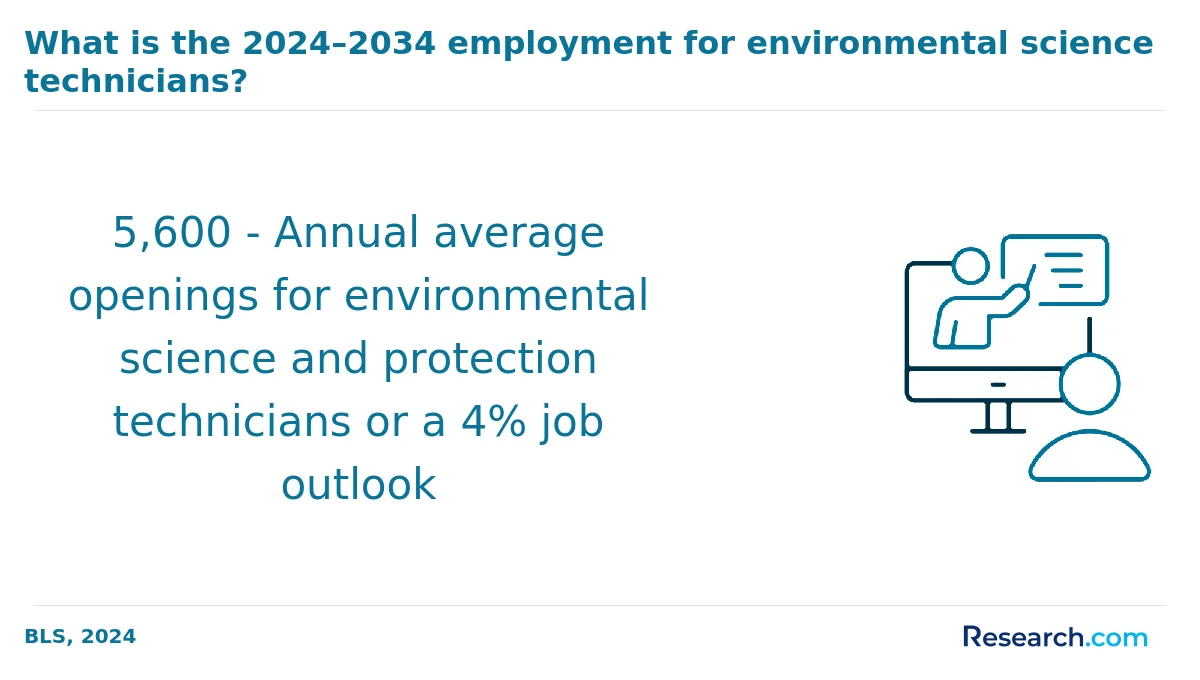
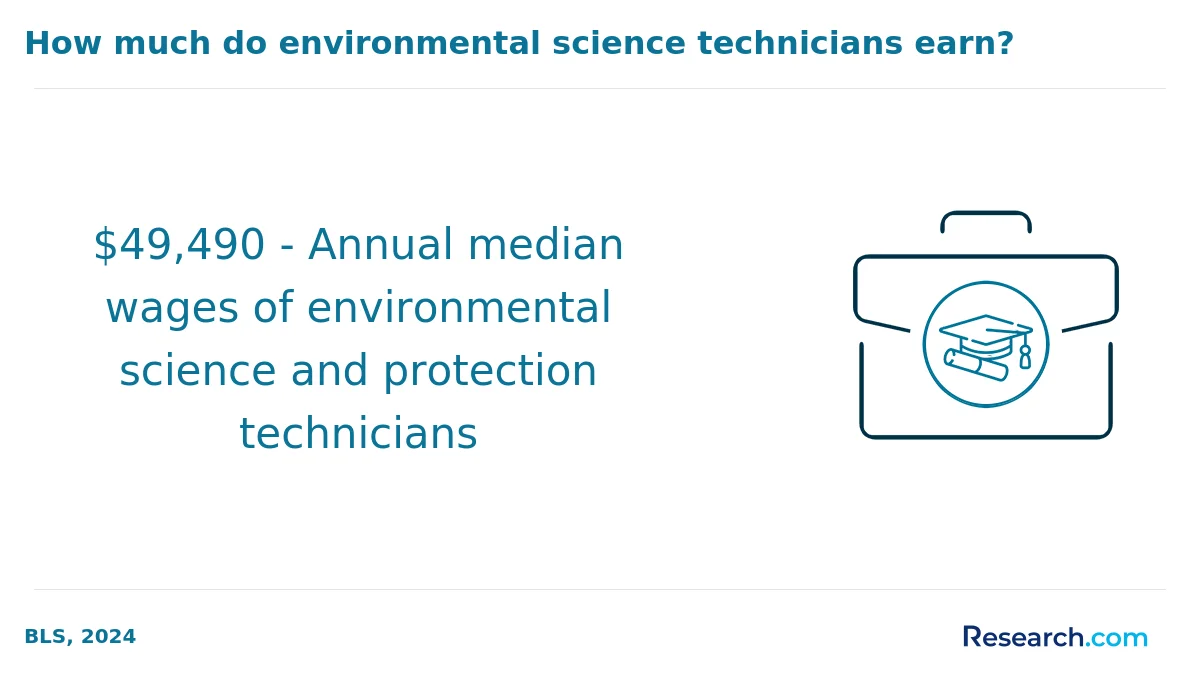
Graduates with an online environmental science degree in the South can expect starting salaries typically between $50,000 and $60,000, often landing roles in environmental consulting or resource management. For instance, alumni from popular southern universities find early career opportunities in Texas or Florida, where expanding energy and consulting sectors reward expertise with median wages near $73,000. In North Carolina, graduates report salaries closer to $65,000, reflecting the region's growing focus on sustainability and urban planning.
As professionals gain five to ten years of experience, especially in areas like environmental compliance or hazardous waste management, annual earnings frequently rise to $70,000 or more. Many graduates recall how internships linked to universities' partnerships with local agencies sharpened their skills, positioning them for these higher-paying roles. Growing demand for renewable energy specialists and stricter environmental regulations throughout the South suggests salary growth may continue, offering hopeful prospects for recent and future degree holders.
The variety of employers-from government agencies to private firms-also impacts compensation, with public sector roles providing stable benefits and consulting jobs often rewarding project successes with bonuses. These evolving opportunities inspire confidence among southern environmental science graduates pursuing online education.
- Online environmental science degrees in the South typically require 30 to 40 credit hours and can be completed in two to three years full-time.
- Tuition generally ranges from $15,000 to $30,000, making these programs relatively affordable compared to national averages.
- Starting salaries for environmental scientists in Southern states range from $50,000 to $55,000, rising to $70,000-$85,000 with experience.
- Job growth in environmental science careers in the South is projected at 5% to 7% annually, higher than the national average.
- Programs often focus on practical skills like water quality monitoring and environmental impact assessment, with many offering internships through regional agencies.
- Financial aid options include in-state tuition benefits and federal scholarships, with accreditation by SACSCOC ensuring program quality and eligibility for aid.
Completing an online environmental science degree in the South generally takes four years for a bachelor's and about two years for a master's when studying full-time, though flexible pacing often extends this. Graduates from well-known Southern institutions like the University of Florida or Georgia Southern recall balancing family and jobs while taking one or two courses per term, stretching their degree timelines to five or six years but appreciating the manageable rhythm.
Looking ahead, more Southern programs may adopt accelerated summer sessions and recognize professional experience as credits, enabling students to graduate sooner. Imagine starting your studies in the fall, then taking intensive courses through the summer at Clemson University, shaving months off your timeline.
With increasing demand for sustainability expertise, online degrees in this region are evolving to balance rigor and flexibility. Many see this as a positive shift, transforming typical multi-year commitments into personalized educational journeys that fit their lives.
The difference between online and on-campus environmental science degrees in the South often centers on accessibility and experience. Graduates from universities like the University of Florida praise online programs for their flexible schedules, enabling them to juggle family and work while earning credits at their own pace. This flexibility is ideal for those living in remote areas or balancing other commitments, making advanced study more achievable without relocating.
On-campus students, such as those at North Carolina State University, often share stories of vibrant campus life-immersing themselves in hands-on lab work and field studies that deepen understanding of local ecosystems. These immersive experiences, including internships tied to Southern industries, foster personal connections and practical skills hard to replicate online.
Looking ahead, hybrid models blending asynchronous online coursework with periodic in-person residencies may become the norm, combining convenience with essential field experiences. This evolving approach promises to engage a broader range of Southern learners, blending the best of both worlds to prepare graduates for dynamic environmental careers.
The average cost of an online environmental science degree in the South typically centers around a median total cost of approximately $18,216, with in-state students paying near $19,494 while out-of-state learners face closer to $36,918. Many graduates from well-known southern universities find that this investment offers significant value, especially when balancing career shifts or enhancing existing expertise through flexible online programs. Attending a public institution often results in more affordable tuition, which aligns with the goal of achieving affordable online environmental science master's tuition southern states, making higher education more within reach.
For example, some graduates from public colleges have shared how participating in regional tuition exchange programs eased the financial burden, allowing them to pay in-state rates despite living across state lines. This initiative reduces the barrier for prospective students drawn to the South's reputable online environmental science degrees. Others highlight the benefit of scholarships and assistantships, which many private schools increasingly offer to ease the noticeable sticker shock, particularly in more specialized or elite programs.
With programs varying between 30 and 45 credit hours, the total cost can fluctuate; this has led many students to carefully plan their paths, especially when factoring in additional fees for technology and course materials. Many prospective students exploring options often find success by contrasting program offerings or even combining enrollment strategies, similar to those who investigate the fastest online bachelor of science in sustainability for a swifter, cost-effective route toward their goals.
Online environmental science students in the South often find encouraging financial aid opportunities that make their goals feel within reach. Graduates from well-regarded Southern schools like the University of Georgia or Texas A&M frequently report how federal loans and grants, accessed through FAFSA, eased their tuition burdens with manageable repayment options. Many recall the relief of receiving Southern Regional Education Board scholarships, which campus advisors highlighted as key for residents pursuing sustainability studies.
State-level grants in places such as North Carolina and Georgia offer hopeful students several thousand dollars yearly, directly reducing costs and fostering a sense of community investment in solving local environmental issues. Employers in the region are increasingly stepping up too, with tuition reimbursement programs that reward dedication to green careers, a practical lifeline for working professionals balancing jobs and classes.
Some graduates share excitement about assistantship roles that provide stipends and hands-on experience-proof that financial aid can come wrapped in rich learning opportunities. These evolving aid sources continue transforming the affordability landscape for Southern online learners passionate about environmental science.
Enrolling in an online environmental science degree program in the South typically requires a bachelor's degree from an accredited institution, often in fields such as biology, chemistry, or geology. Graduates from universities like the University of Florida or Clemson University have shared how meeting these prerequisites gave them confidence to tackle advanced topics. Many Southern programs ask prospective students to demonstrate proficiency in areas like statistics and ecology, which are essential for understanding complex environmental data and policies.
Students often find that their academic journeys include completing prerequisite courses if their undergraduate background is unrelated. One graduate from a prominent Southern college noted how bridging this gap through preparatory classes helped them feel equipped rather than overwhelmed when starting the core curriculum.
The common 3.0 GPA requirement ensures applicants are prepared for the demands of graduate study. With some schools shifting away from strict GRE mandates, candidates feel less pressure, enabling them to focus on relevant experience and personal goals. This supportive approach aligns well with the Southern Association of Colleges and Schools' standards, fostering an inspiring and accessible learning environment.
Online environmental science degrees in the South typically include courses that blend core scientific knowledge with regional environmental challenges. Graduates from well-known southern universities often recall classes in Environmental Chemistry, where they explored real-world chemical impacts on local water supplies and soil. Ecology and Ecosystems courses frequently focus on the unique biodiversity of southern habitats, such as wetlands or pine forests, helping students envision practical conservation solutions.
GIS training remains a standout, enabling students to analyze spatial data crucial for managing regional resources like coastal zones or agricultural lands. Many programs emphasize Environmental Policy and Law to prepare students for navigating regulations specific to southern states. Courses in Soil Science and Hydrology often involve studying the effects of regional rainfall patterns on agriculture and water resources, fostering a strong connection with local environmental issues.
Forward-thinking students appreciate the inclusion of Climate Science focused on southern climate variability, preparing them to contribute to climate resilience planning. Through virtual simulations or fieldwork, graduates come away feeling empowered, equipped with both the theory and practical skills needed to address the South's evolving environmental landscape.
Online environmental science programs in the South typically offer specializations that align closely with the region's distinctive ecosystems and industries. Graduates from popular Southern universities often highlight how concentrations such as Environmental Policy and Management equip them to shape sustainable regulations within local governments or private sectors.
Others find passion in Natural Resource Management, focusing on conserving forests and water systems vital to the South's rural and coastal communities. Emerging interests include Renewable Energy and Sustainability, reflecting a hope and commitment to the growth of solar and bioenergy industries in states like Texas and Georgia.
Ecology and Conservation Biology specialties allow students to engage with the rich biodiversity of areas like the Appalachian region, a source of inspiration for many graduates who feel connected to protecting their natural heritage. Meanwhile, Environmental Health programs explore urgent public health challenges linked to environmental factors.
Prospective students appreciate that these degrees combine local relevance with flexible online formats. Exploring options like the cheapest online sustainability masters degree enables working professionals in the South to grow careers rooted in impactful change.
Choosing the best online environmental science degree in the South means focusing on programs that align closely with regional environmental challenges and opportunities. Graduates from popular Southern universities often highlight how courses addressing coastal management and climate impact on agriculture helped them connect theory with real-world issues prevalent in Gulf Coast communities. Programs boasting affordable online environmental science degrees South stand out because they allow students to pursue quality education without overwhelming debt, often offering competitive tuition rates for both in-state and out-of-state learners. Flexibility is also a key driver, as many students balance careers and family, appreciating asynchronous classes and robust support services. Some graduates share how career advising and partnerships with regional environmental groups transformed their internships into meaningful jobs. To stay ahead, look for programs integrating emerging trends like renewable energy and sustainability management; understanding sustainability manager requirements can open diverse career paths. These elements combined create a forward-thinking approach to selecting the best online environmental science programs Southern US.
Graduates of online environmental science degree programs in the South often find themselves embarking on fulfilling careers in environmental consulting, working closely with government bodies and corporations to shape sustainable solutions amid rapid regional development. Many alumni from well-regarded Southern universities describe the rewarding challenge of applying their knowledge to ensure compliance with vital regulations like the Clean Water Act while contributing to vibrant ecosystems.
The expanding field of natural resource management is another avenue where graduates experience daily impact, managing parks and wildlife in states such as Georgia and North Carolina. These roles, popular among those who studied environmental science in the South, combine scientific expertise with policy engagement, fostering a deep connection to local landscapes and communities. Graduates share how working in these roles evokes a strong sense of purpose tied to preserving Southern heritage.
Renewable energy is emerging as a promising career path with growing investment in solar and wind power projects throughout the region. Online degree holders often take on positions in project management or environmental compliance, contributing to a cleaner energy future. These opportunities, noted by graduates of popular programs around the South, inspire optimism and a direct role in combating climate challenges.
Many students have also pursued environmental education and advocacy, particularly in urban centers like Atlanta or Birmingham, where raising awareness about sustainability feels urgent and impactful. Access to affordable programs has made the Southern states a hub for professionals eager to create community-focused environmental initiatives. Those exploring online degree in environmental engineering can find similarly aligned opportunities expanding rapidly as the South invests more in technological and educational resources.
- Environmental consulting within government and corporate sectors
- Natural resource and wildlife management positions with state or federal agencies
- Environmental education and advocacy roles in nonprofit and community organizations
- Renewable energy project management and environmental compliance roles
The job market for online environmental science jobs in the South is brightening as regional industries increasingly prioritize sustainability and resource management. Graduates from reputable institutions like the University of Florida or Texas A&M often share optimistic stories about securing roles in environmental consulting or government agencies focused on coastal protection and urban planning. These opportunities reflect a growing demand for professionals able to address local environmental challenges with innovative solutions.
Many online environmental science degree holders experience the flexibility to engage with diverse employers, from renewable energy firms to agricultural conservation organizations. This versatility aligns well with the South regional job outlook for environmental science graduates, which points toward steady growth and expanding roles. For instance, graduates often describe exciting projects involving freshwater resource management, illustrating how their education translates directly into impactful careers.
Those seeking jobs that work with the environment in the Southern states will find pathways bolstered by favorable tuition rates and robust regional hiring. Online programs enable students to balance study with practical experience, enhancing job readiness in Texas, Florida, and North Carolina markets where strategic environmental initiatives are gaining momentum.jobs that work with the environment
2027 Most Affordable Online Master's in Environmental Science Degree Programs Ranking in the South
Investing in your education is a significant decision that can shape your future, and the Research.com team understands the importance of making informed choices. To assist prospective students in the South, we have meticulously crafted the "2027 Most Affordable Online Master's in Environmental Science Degree Programs Ranking in the South." Our commitment to quality, credibility, and accuracy is reflected in the extensive research and analysis conducted to compile this ranking.
We utilized the following reputable data sources to ensure a comprehensive evaluation of environmental science programs:
By exploring this ranking, readers will gain valuable insights into the most affordable and credible online environmental science master's programs in the South, empowering them to make informed decisions about their educational futures. For more details on our methodology, please visit our Research.com methodology page.


# 3 position
Louisiana State University and Agricultural & Mechanical College
Master of Environmental Sciences


# 5 position
Western Kentucky University
Master of Social Responsibility and Sustainable Communities

# 6 position
University of Maryland Global Campus
Master of Environmental Management

# 7 position
Columbia Southern University
Master of Occupational Safety and Health/Environmental Management

# 8 position
Texas Tech University
Master of Environmental Sustainability and Natural Resource Management


Frequently Asked Questions About environmental science
Online environmental science students in the South can enhance their learning by actively engaging with digital resources and regional research opportunities. Many Southern universities, including those in North Carolina and Georgia, collaborate with local agencies addressing coastal and agricultural environmental issues, providing valuable case studies. Students should participate in virtual labs and attend webinars focused on Southern ecosystems such as wetlands and forests, which comprise over 50% of the region's land cover (USDA Forest Service, 2023). Networking with peers and professionals through online forums and local chapters of organizations like the Southern Environmental Law Center can deepen practical understanding. Time management and setting a consistent study schedule also support academic success.
Emerging niches within environmental science reflect shifting priorities around climate change, sustainability, and technological innovation. In the South, growing sectors include coastal resilience and wetland restoration, vital due to increasing hurricane impacts and rising sea levels. According to the Southern Regional Education Board, programs focusing on environmental data analysis and geographic information systems (GIS) are expanding rapidly to support these efforts.
Another key niche is renewable energy, especially bioenergy and solar power, which align with the South's abundant natural resources. Online degrees often incorporate specialized courses in these areas to meet workforce demands. Additionally, environmental policy and environmental justice have gained prominence as communities address pollution and equitable resource management.
Preparing for the job market after earning an online environmental science degree in the South requires strategic steps. Students should seek internships or part-time roles with regional agencies like the Southeast Climate Adaptation Science Center, gaining hands-on experience in local issues such as coastal erosion or water management. Networking is crucial; joining professional groups like the Southern Environmental Law Center can connect graduates to job openings and mentorships. According to the U.S. Bureau of Labor Statistics, environmental science jobs in southern states are projected to grow by 8% through 2031. Graduates should also develop skills in GIS technology and data analysis, highly demanded in southern conservation roles.
Employers in the Southern United States prioritize a combination of technical expertise and practical experience in environmental science graduates. Key skills include proficiency in geographic information systems (GIS), data analysis, and environmental policy comprehension. According to a 2023 National Environmental Workforce Study, over 70% of Southern employers seek strong GIS capabilities due to regional environmental challenges like coastal management and land use planning.
Problem-solving skills and the ability to conduct field research are also highly valued. Graduates who understand state-specific regulations and demonstrate effective communication skills stand out in the job market. These skills ensure graduates can address local environmental concerns efficiently, meeting employer demands in this growing sector.
Finding internships in the South relevant to an environmental science degree involves targeted research and networking. Many Southern universities and colleges partner with local agencies, nonprofits, and companies focused on environmental conservation, renewable energy, and sustainability. For example, the Southeastern Environmental Education Alliance offers internship listings specific to this region.
Students should also explore opportunities with state environmental departments in Texas, Florida, and Georgia, which frequently offer paid internships. According to the U.S. Bureau of Labor Statistics, environmental science employment grew 8% in the South from 2019 to 2022, increasing internship availability.
Utilizing online platforms like Handshake and contacting university career centers can further connect candidates with relevant positions.
Online environmental science degrees in the South offer significant benefits for career mobility and advancement. The region's growing emphasis on environmental regulation and sustainable development has increased demand for qualified professionals. According to the U.S. Bureau of Labor Statistics, jobs in environmental science and protection are projected to grow by 8% nationally through 2031, with the South seeing steady expansion due to industries like energy, agriculture, and coastal management.
Completing an online program provides flexibility, enabling working professionals to enhance skills without relocating. Many Southern employers recognize accredited online degrees, helping graduates access roles in federal agencies, private firms, and nonprofits.
Moreover, graduates with master's degrees often command higher salaries and leadership positions, which can lead to faster promotions compared to those with only a bachelor's degree.
Studying for an environmental science degree online in the South equips students with a broad skill set suited for interdisciplinary roles. Southern universities often integrate ecological principles with policy, economics, and public health, reflecting the region's diverse environmental challenges. For example, coursework may cover coastal management, agriculture impacts, and energy sustainability-areas essential to industries prevalent in states like Florida and Texas.
Many programs emphasize real-world applications and collaborative projects, preparing graduates to work with experts across various fields. The Southern Environmental Law Center reports that graduates are increasingly involved in cross-sector initiatives addressing climate change, water resources, and land use planning, demonstrating the region's interdisciplinary focus.
This approach is critical as 61% of environmental science jobs in the South require knowledge extending beyond pure science, including communication and regulatory understanding, according to the U.S. Bureau of Labor Statistics.
When choosing between a thesis and a non-thesis environmental science degree program in the South, consider your career goals and time commitment. Thesis options require original research and can prepare you for doctoral studies or research roles. Many Southern universities, such as those in Georgia and North Carolina, emphasize research opportunities when offering thesis tracks. Non-thesis programs often focus on coursework and practical skills, appealing to students aiming for professional positions in government or industry.
Thesis programs typically take longer to complete, often 2-3 years, due to research demands. Non-thesis degrees might be finished in about 1.5-2 years. According to the Southern Regional Education Board, around 60% of online environmental science graduates in Southern states choose the non-thesis route for faster entry into the workforce.
Financial aid availability and faculty expertise are also factors. Selecting a program with experienced mentors aligned to your interests enhances success, especially in thesis tracks.
Students based in the South seeking to study environmental science abroad through online programs have limited direct options from foreign universities. Most international institutions offering environmental science degrees are campus-based, requiring physical presence. However, U.S. universities commonly partner with foreign institutions to provide joint online degree programs or study abroad opportunities that may supplement a Southern school's curriculum.
Some Southern universities encourage participation in international research or fieldwork related to environmental science, enriching the online degree experience. According to the National Center for Education Statistics, less than 5% of Southern environmental science students undertake fully online degrees from foreign institutions as of 2023.
Students should investigate hybrid programs or exchange agreements through their Southern university, which often maintain the affordability expected from local accreditation while providing global perspectives and experiences.
Part-time jobs in the South that complement environmental science degrees often involve fieldwork, research assistance, and community outreach. Many students find opportunities with local government agencies or environmental nonprofits focused on preserving regional ecosystems like the Everglades or Appalachian forests. According to the U.S. Bureau of Labor Statistics, environmental scientists in southern states often engage in natural resource management roles, which can start as internships or part-time work during degree completion.
Positions such as lab technician, GIS data assistant, or environmental educator are common and help build practical skills. Working with water quality monitoring programs or wildlife conservation projects offers relevant experience while studying online. These roles not only enhance resumes but also expand professional networks in a growing green job market.
Online environmental science students in the South benefit from various networking opportunities despite the remote format. Many Southern universities offer virtual career fairs and alumni events that connect students with regional employers and professionals in sustainability fields. For example, programs supported by the Southern Environmental Education Alliance provide access to workshops and seminars tailored to the region's unique ecological challenges.
Students also join national organizations like the Association of Environmental Professionals, which has active Southern chapters hosting online meetups. Additionally, some universities facilitate internships and partnerships with agencies such as the U.S. Environmental Protection Agency's regional offices, enabling practical experience and professional connections.
Alumni networks offer significant advantages for students pursuing online environmental science degrees in the South. These networks provide valuable connections to professionals working in regional fields such as coastal management, forestry, and environmental policy. According to the Southern Environmental Education Alliance, over 70% of Southern environmental organizations prefer candidates with established local connections.
For online students, these networks bridge the gap between virtual learning and real-world opportunities by facilitating internships and job placements. Alumni often share advice tailored to regional environmental challenges, helping graduates navigate the unique ecological and regulatory landscape of the South. Strong alumni connections can thus enhance career prospects and practical knowledge.
Customizing an online environmental science degree program in the South typically involves selecting electives and concentrations that align with your career goals. Many Southern universities offer specializations such as environmental policy, conservation biology, or sustainable resource management. For example, research from the Southern Regional Education Board highlights that tailoring studies toward local environmental challenges, like coastal preservation or renewable energy, enhances job readiness.
You can also engage in internships or applied projects focused on regional ecosystems, which some programs require. These experiences build practical skills and professional networks within the Southern environmental sector.
Additionally, some programs allow flexible pacing or combined degree options, providing further customization to fit your schedule and ambitions.
Online environmental science students in the South face several challenges that can affect their academic success. Limited access to reliable high-speed internet in rural areas remains a primary hurdle, as many Southern states have broadband penetration rates below the national average, according to the Federal Communications Commission (FCC, 2023). This issue can disrupt virtual labs and real-time interactions crucial for environmental science education.
Additionally, access to local fieldwork opportunities is often restricted. Environmental science relies heavily on hands-on experiences, which are harder to coordinate remotely in the South due to geographic and environmental diversity.
Financial constraints also play a role; despite lower tuition rates at some Southern institutions, about 15% of students report difficulties in securing funding or scholarships specifically for online science programs (NCES, 2022).
Finally, balancing coursework with regional work and family commitments adds to the complexity, particularly for professionals in the South's agricultural and energy sectors who often pursue these degrees part-time.
Graduates with an online environmental science degree in the South have multiple certification options to enhance their careers. One notable certification is the Certified Environmental Scientist (CES) offered by the National Registry of Environmental Professionals. This credential demonstrates a professional's expertise in environmental regulations and science.
Another valuable certification is the Registered Environmental Manager (REM), which focuses on environmental management skills essential for roles in industry and government. Many Southern states also recognize the Certified Hazardous Materials Manager (CHMM) credential, important for professionals dealing with waste and pollution control.
According to the Southern Regional Education Board, these certifications can boost job prospects and salary potential in the region's growing environmental sector.
When applying for an online environmental science program in the South, start by showcasing your passion for addressing regional ecological issues. Southern states face unique challenges such as coastal erosion and biodiversity loss, so highlighting relevant volunteer or work experience can strengthen your application. According to the U.S. Bureau of Labor Statistics, environmental science jobs in the South are projected to grow by 8% through 2030, emphasizing demand for skilled graduates.
Ensure your personal statement clearly explains why studying online in the South fits your goals. Strong letters of recommendation from professors or employers familiar with your scientific abilities help demonstrate readiness for graduate-level work. Finally, meet all application deadlines and submit transcripts promptly to avoid delays in consideration.
The field of environmental science offers a broad global perspective, as environmental challenges are interconnected worldwide. Professionals with environmental science degrees contribute to addressing issues such as climate change, pollution, and resource management on an international scale. U.S. graduates, especially from Southern universities with online programs, are well-positioned to engage in global environmental efforts.
In the South, institutions often emphasize regional ecosystems like wetlands and coastal areas, which have unique environmental concerns linked to global patterns. According to the U.S. Bureau of Labor Statistics, employment for environmental scientists is projected to grow 8% from 2022 to 2032, reflecting rising demand globally and locally.
Many Southern programs include international case studies and sustainability practices, preparing students for careers in multinational organizations, government agencies, or NGOs focused on worldwide environmental policy and solutions.
Gaining practical experience while studying for an online environmental science degree in the South is essential for career readiness. Many programs encourage internships with local agencies like the U.S. Environmental Protection Agency's regional offices or state departments of environmental quality. These internships often offer hands-on work in conservation, pollution control, or natural resource management.
Fieldwork can also be arranged through collaborations between universities and regional parks or environmental nonprofits. For example, the Southern Environmental Law Center and local watershed organizations frequently seek student volunteers and interns.
Additionally, students can participate in virtual labs and project-based assignments designed to simulate real-world environmental scenarios. These opportunities help reinforce skills critical to working in the South's diverse ecosystems, such as coastal restoration and wildlife habitat assessment.
Choosing the right concentration within an online environmental science degree in the South requires aligning your interests with regional environmental challenges. Concentrations often include areas like conservation biology, environmental policy, or sustainability management. For example, the Southern U.S. faces unique issues such as coastal erosion and wetland preservation, making marine or coastal ecology concentrations highly relevant.
Research regional job markets to see which skills are in demand. According to the U.S. Bureau of Labor Statistics, environmental scientist roles in the South are growing faster than the national average, especially in renewable energy and environmental consulting.
Consider programs that offer faculty with expertise in Southern ecosystems or partnerships with local agencies for practical experience.
- How To Get Environmental Science Work Experience https://www.savemyexams.com/learning-hub/careers/environmental-science-work-experience/
- Environmental Science Internships | Intern Abroad HQ https://www.internhq.com/industries/environmental-sciences/
- How to Find Entry Level Jobs with an Environmental Science Degree https://facs.com/blog/how-to-find-entry-level-jobs-with-an-environmental-science-degree/
- 14 Entry Level Environmental Science Cover Letter Examples: Plus Recruiter Insights (Updated for 2025) https://resumeworded.com/cover-letter-samples/entry-level-environmental-science
- Environmental Certifications for entry-level and career changers https://www.theenvironmentalcareercoach.com/certification-links
- 2025 Most Affordable Online Environmental Science Degrees https://www.onlineu.com/most-affordable-colleges/environmental-science-degrees
- Environmental Science (M.S.) Non-Thesis Track https://www.towson.edu/fcsm/departments/environsci/grad/science/non-thesis-track.html
- Alumni Put Environmental Science Degrees to Work at Chesapeake Watershed Initiative https://www.fandm.edu/stories/alumni-put-environmental-science-degrees-to-work.html
- The Biggest Environmental Problems Of 2021 https://earth.org/the-biggest-environmental-problems-of-our-lifetime/
- Strong Programs in Environmental Studies https://toptieradmissions.com/strong-programs-in-environmental-studies/