2027 Fastest Online Environmental Science Degree Programs Ranking in Maryland

Co-Founder and Chief Data Scientist
Choosing the right environmental science degree can shape your future, especially in Maryland's evolving job market. Our 2027 Fastest Online Environmental Science Degree Programs Ranking in Maryland was created by the Research.com team of data scientists to guide you toward the best online options available.
By exploring this article, you'll discover programs that combine quality, speed, and flexibility-perfect for busy students. Whether you're starting out or advancing your career, an environmental science degree opens doors to meaningful work that makes a difference. Let this guide help you take confident steps toward your goals.
Key benefits of getting online environmental science degree in Maryland
- Environmental science graduates in Maryland can expect competitive salaries in related fields, with national averages around $50,000 to $70,000 annually depending on the specific role and experience level.
- A graduate from the University of Maryland found career opportunities in conservation, environmental consulting, and government agencies, highlighting diverse paths available with this degree.
- Completing an environmental science degree online through a Maryland institution offers flexibility to balance work and study, making it easier to gain practical experience while earning your degree.
- 2027 Fastest Online Environmental Science Degree Programs Ranking in Maryland
- What can I expect from online environmental science degree in Maryland?
- Where can I work with online environmental science degree in Maryland?
What can I expect from online environmental science degree in Maryland?
Discovering the average cost of an online environmental science degree in Maryland opens an exciting door to adventures in learning without breaking the bank. Graduates from institutions like the University of Maryland Global Campus and Towson University often share how the investment is balanced by flexible pacing and the ability to work simultaneously, making education feel accessible and manageable.
Typically, tuition ranges around $10,000 to $15,000 per year for in-state students pursuing a bachelor's degree online, which usually spans four years. This price includes access to specialized courses on Chesapeake Bay restoration and sustainable practices, connecting you to Maryland's unique ecosystems through virtual projects and GIS training.
Many find the cost worthwhile for the chance to engage with local agencies during internships and to build a career in a growing market where the median salary nears $76,000. The financial commitment feels like a gateway to both personal growth and meaningful work protecting Maryland's environment.
Where can I work with online environmental science degree in Maryland?
Graduates with an online environmental science degree in Maryland often find themselves stepping into vibrant roles within state agencies like the Maryland Department of the Environment, where they actively protect air and water quality. Imagine working alongside passionate professionals who enforce critical environmental laws, shaping real change in your own backyard. Many students from well-regarded programs at the University of Maryland and Towson University share stories of hands-on experiences monitoring ecosystems and conducting policy analysis that directly impact their communities.
Others are drawn to the Chesapeake Bay Foundation, immersing themselves in bay restoration projects that restore life to one of the nation's largest estuaries. Picture waking up every day knowing your work helps wildlife thrive and waterfronts flourish. Nonprofits and local consulting firms also invite graduates to dive deep into sustainability initiatives and ecological research, blending science with real-world problem solving.
Fed up with desk jobs? Many choose federal roles at the EPA's mid-Atlantic office, tackling environmental challenges on a broader scale while earning competitive salaries. Meanwhile, Maryland's growing biotech and renewable energy sectors spark exciting opportunities for those eager to innovate within private industry. Career paths here invite curiosity and offer a true adventure in environmental stewardship.
Graduates with an online environmental science degree in Maryland typically step into a world where their passion for the planet meets rewarding careers. Many find entry-level jobs offering annual salaries ranging from $50,000 to $60,000, a solid start that reflects Maryland's robust environmental focus. Picture a graduate from the University of Maryland navigating their first role in a local environmental consultancy, energized by applying GIS skills to real projects while earning a comfortable living.
As experience grows, so does the paycheck. Mid-career environmental scientists in Maryland often enjoy salaries between $75,000 and $90,000. These roles might involve working with state agencies or private firms driving green technology, providing that exciting blend of challenge and financial stability. Imagine yourself at a leading Maryland college, confidently stepping into these higher-paying positions armed with strong data analysis expertise.
Senior specialists and those in federal government roles often exceed $100,000, especially near Washington, D.C., where many Maryland grads thrive. With the state's active commitment to sustainability, your degree unlocks doors to dynamic, well-compensated opportunities that evolve with your curiosity and ambition.
- Online environmental science degrees in Maryland offer flexible learning with virtual classrooms and accredited programs meeting rigorous academic standards.
- Annual tuition ranges from $10,000 to $25,000 for in-state students, often similar to on-campus costs but with savings on commuting and housing.
- Entry-level salaries for graduates typically start between $45,000 and $55,000, with experienced professionals earning $70,000 to $90,000 or more.
- Maryland's location near federal agencies like the EPA provides enhanced job opportunities and access to internships or practicum experiences.
- The job growth outlook in Maryland for environmental science careers is about 8% over the next decade, reflecting demand in sustainability and clean energy sectors.
Embarking on an online environmental science degree in Maryland typically unfolds over two to four years, depending on your journey. Imagine a full-time student at the University of Maryland, diving into 120 to 130 credit hours and crossing the finish line in about four years, energized by a curriculum that sparks curiosity about local ecosystems and sustainability.
Some adventurous learners find themselves accelerating through the program-thanks to transfer credits from AP courses or dual enrollment-completing degrees in two to three years at colleges like Towson University. Their stories highlight the thrill of balancing coursework with real-world internships, creating a rich learning tapestry.
Life's rhythms often mean part-time study becomes a flexible option, stretching the timeline from four to six years or more. Graduate students at institutions such as Johns Hopkins University discover exciting opportunities to earn master's degrees in 1 to 3 years, propelled by part-time or full-time enrollment strategies tailored to busy professionals eager to impact Maryland's green economy.
Each student's path weaves unique experiences with Maryland's vibrant online programs, blending exploration with practical skills in environmental science.
Choosing between an online and on-campus environmental science degree in Maryland feels like embarking on two different adventures. Imagine a graduate from the University of Maryland who thrived in on-campus labs, feeling the thrill of hands-on experiments and fieldwork while connecting face-to-face with professors and peers. This immersive experience sparks a special kind of excitement, especially when exploring Maryland's diverse ecosystems firsthand.
Now picture another graduate attending Towson University's online program, juggling work and family with ease. Their journey is marked by flexibility, accessing lectures and assignments whenever the day allows. They tap into a vibrant digital community and build connections that stretch beyond Maryland, expanding horizons in unexpected ways.
Both paths lead to solid knowledge, but one offers that dynamic campus buzz and ready access to research projects in state agencies, while the other champions adaptability and balance-perfect for busy lives. It's less about better or worse, more about what kind of adventure fits your rhythm in the world of Maryland's environmental science.
The average cost of earning an online environmental science degree in Maryland is around $41,800, a figure that reflects a balanced mix of public and private university pricing. For students attending well-known Maryland colleges with strong environmental programs, such as the University of Maryland or Towson University, the affordability paired with flexible online formats creates a rewarding educational journey. Graduates often share how being able to study remotely while managing life's other adventures made every dollar feel like a worthwhile investment in their future careers.
Maryland's tuition fees for online environmental science programs in Maryland generally provide a fair pathway to gaining expertise without excessive financial strain. Many undergraduate students find that the median in-state total cost hovers near $27,900, offering substantial savings compared to private institutions. Graduate learners, pursuing advanced environmental study eager to deepen their knowledge, experience a cost that blends well with their career aspirations in sustainability and environmental stewardship.
Beyond just numbers, these costs often include small additional fees for technology and course materials, details that Maryland students eagerly anticipate budgeting for. The joy of exploring real-world ecological challenges from home, supported by Maryland's educational resources, amplifies the value they see in every credit earned. Many graduates recommend checking out careers to pursue with a master's degree in sustainability to envision the exciting paths this investment unlocks.
Embarking on an online environmental science degree in Maryland opens the door to a variety of financial aid adventures that ease the journey. Imagine a student at the University of Maryland, College Park, discovering the magic of Pell Grants, which can shave up to $7,395 off tuition costs-an exhilarating relief when balancing coursework and life. Maryland residents often tap into state-sponsored gems like the Delegate Scholarship, a treasure that supports many aspiring environmental stewards enrolled in public universities.
Federal aid is another trusty compass. Completing the FAFSA unlocks avenues like flexible Federal Direct Loans and immersive Federal Work-Study roles, letting students dive into practical experiences while covering expenses. Graduates vividly recall working on sustainability projects through such programs, weaving income with invaluable skills.
Beyond the well-trodden paths of grants and loans, Maryland's institutions and local environmental nonprofits offer scholarships shining a spotlight on academic and community dedication. Including tech fees and textbooks, these combined aids transform the challenge of funding an online degree into an exciting expedition toward a greener future.
To embark on the journey of an online environmental science degree in Maryland, adventurers of knowledge first need a high school diploma or GED, unlocking the gateway to undergraduate programs. Imagine connecting with fellow explorers who built strong foundations in biology, chemistry, and math-subjects that fuel the curiosity needed to decode nature's secrets at schools like the University of Maryland or Towson University.
Many graduates recall the thrill of submitting transcripts that paint a clear map of their academic voyage, showcasing readiness for the challenges ahead. Some programs ask for SAT or ACT scores, but others have embraced flexibility, letting passion shine beyond test numbers.
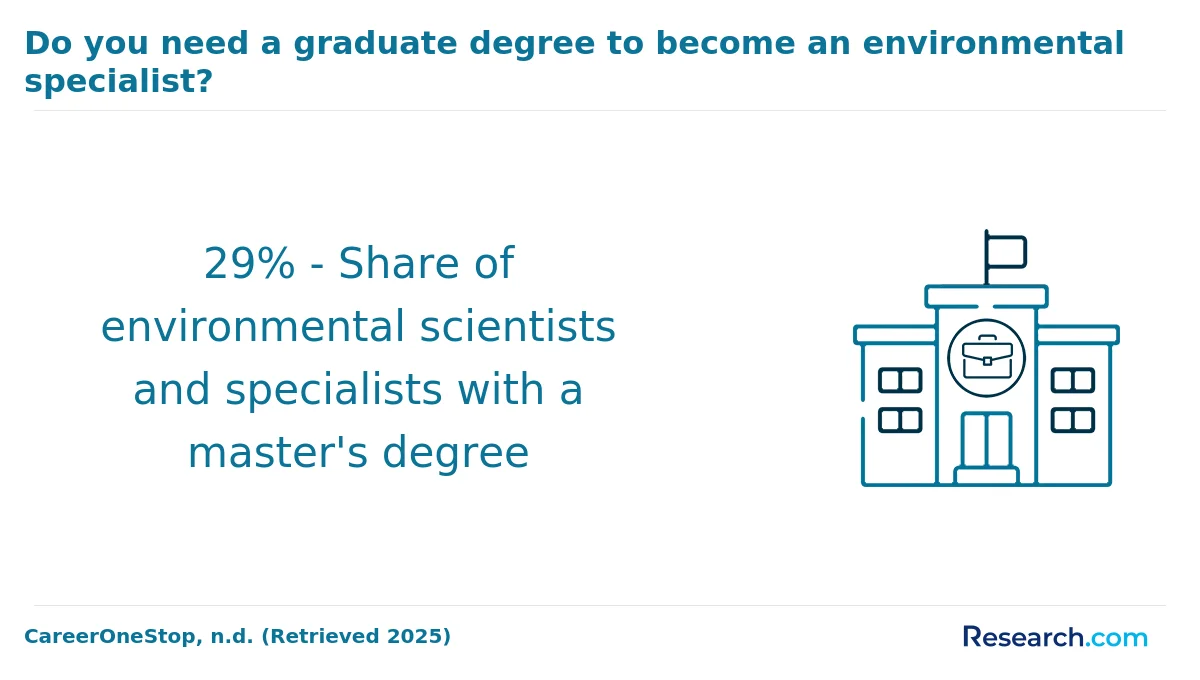
For seekers of a master's degree, the path narrows to those holding a bachelor's, often in related fields. Alumni from Maryland institutions often share how their prior studies and even volunteer work in parks or conservation projects enriched their perspectives and strengthened their applications.
Diving into official college sites reveals these prerequisites clearly, inviting hopeful students to prepare with confidence and excitement for their environmental adventure.
Diving into an online environmental science degree in Maryland means exploring a vibrant mix of courses that ground you deeply in nature's complexities and human impact. Imagine studying Environmental Biology through virtual labs that recreate Maryland's diverse ecosystems or analyzing the health of Chesapeake Bay's waters alongside other students from renowned universities like the University of Maryland. Graduates often share how courses like Environmental Chemistry reveal hidden pollution effects in everyday surroundings, turning abstract concepts into eye-opening realities.
Hands-on skills come alive with Geographic Information Systems (GIS), where you map landscapes and track environmental changes, preparing for careers that blend technology and conservation. Policy and Law classes connect learners to Maryland's proactive environmental regulations, making the subject feel urgent and practical.
Many students find Climate Change Science particularly inspiring as it tackles global challenges with local significance, encouraging fresh ideas for sustainability. With courses in resource management and impact assessment, you develop the tools to protect the environment in exciting and tangible ways.
Exploring specializations in an online environmental science degree in Maryland opens doors to exciting fields shaped by the state's unique ecosystem and proximity to policy hubs. Graduates from well-known Maryland colleges often dive into Environmental Policy and Management, where they engage with real-world climate challenges and federal regulations, gaining hands-on insight thanks to nearby Washington, D.C. This specialization fuels a passion for making an impact through sustainable solutions.
Other adventurers gravitate toward Environmental Chemistry and Toxicology, investigating pollution's effects in local labs or public health agencies. For those intrigued by water's mysteries, Hydrology and Water Resources connects learners to the Chesapeake Bay's vast networks, prepping them to tackle water quality and ecosystem conservation firsthand. Maryland students fascinated by technology find GIS an electrifying path, mastering mapping tools and spatial data analysis to solve environmental puzzles.
With many embracing unique paths, from Wildlife Management to Renewable Energy Studies, Maryland online programs encourage exploration tailored to your goals. Curious minds can even complement their studies with an mba energy and sustainability online to deepen their expertise in this dynamic field.
Choosing the best online environmental science degree Maryland offers means diving into programs that balance robust theory with local, hands-on experiences. Graduates from popular institutions describe the thrill of exploring Chesapeake Bay restoration projects through virtual labs or contributing to urban sustainability initiatives remotely. Focusing on curriculum that includes these regional challenges sparks excitement and a deeper connection to Maryland's unique ecosystems.
Explore schools known for affordable environmental science programs Maryland students appreciate, especially public universities offering in-state tuition. One graduate recalled how flexible scheduling empowered them to juggle work and study, a game-changer for those with busy lives. Look for asynchronous courses and accelerated paths if you crave momentum without sacrificing quality.
Internships and capstone projects linked to local nonprofits or agencies turn your degree into a springboard for future careers. These real-world experiences blend discovery with impact. For those curious about broader horizons, checking out career opportunities in the sustainability field can ignite your imagination and guide your next moves.
Graduates with an online environmental science degree in Maryland discover a thrilling array of career paths waiting to be explored. Many find themselves drawn to environmental consulting, working alongside local businesses to navigate regulations and assess the impact of new developments, an experience students from popular Maryland universities recount with enthusiasm. Others dive into natural resource management, joining efforts to protect the Chesapeake Bay through wildlife conservation and ecosystem restoration projects led by the Maryland Department of Natural Resources.
For those intrigued by shaping policies, working with state agencies such as the Maryland Department of the Environment offers a dynamic role that combines legal knowledge with community engagement. Maryland's expanding renewable energy sector is another adventurous route, where graduates support solar and wind projects fueled by the state's clean energy investments. Meanwhile, research-focused graduates collaborate with universities or federal research centers, enriching scientific understanding of local environmental challenges.
Students curious about further specialization often explore environmental scientist education requirements, preparing for diverse roles full of discovery and impact in the vibrant Maryland landscape of online environmental science careers Maryland.
The job market for graduates with an online environmental science degree in Maryland buzzes with opportunity and a sense of mission. Graduates from popular institutions like the University of Maryland or Towson University often find themselves immersed in roles such as environmental consultant or conservation specialist, energized by the state's proactive stance on sustainability. These jobs appear across sectors-from federal agencies to private firms-inviting new professionals to collaborate on climate change solutions and ecological impact projects. This dynamic landscape brings excitement to those eager to make a real-world difference and aligns closely with the growing focus on online environmental science jobs Maryland offers.
Many graduates share stories of landing competitive positions near Baltimore or Washington, D.C., where salaries range roughly between $60,000 and $85,000, reflecting Maryland's thriving environmental sector. The blend of regional demand and specialized knowledge makes career growth tangible and rewarding. Plus, students interested in pushing their expertise further often explore options like the accelerated environmental management mba degree program, adding versatility to their skillset and opening even broader doors.
2027 Fastest Online Environmental Science Degree Programs Ranking in Maryland
Investing in your education is a significant decision that can shape your future, and the Research.com team understands the importance of making informed choices. To assist prospective students in Maryland, we have meticulously crafted the "2027 Fastest Online Environmental Science Degree Programs Ranking in Maryland." Our commitment to quality, credibility, and accuracy is reflected in the extensive research and analysis conducted to compile this ranking.
We utilized the following reputable data sources to ensure a comprehensive evaluation of environmental science programs:
By exploring this ranking, readers will gain valuable insights into the fastest online environmental science degree programs available in Maryland, helping them make informed decisions about their educational paths. For more details on our methodology, please visit our Research.com methodology page.

# 2 position
University of Maryland Global Campus
Master of Environmental Management

# 3 position
University of Maryland Global Campus
Bachelor of Environmental Health & Safety
Frequently Asked Questions About environmental science
Online environmental science students in Maryland can maximize their learning by actively engaging with both digital and local resources. Maryland offers unique ecosystems like the Chesapeake Bay, which students can study through virtual labs and fieldwork opportunities offered by many programs.
Students should leverage Maryland's strong network of environmental agencies, such as the Maryland Department of the Environment, for internships and practical experiences to complement online coursework. According to the U.S. Bureau of Labor Statistics, environmental scientist jobs in Maryland are expected to grow by 5% through 2031, emphasizing the importance of applied knowledge.
Joining online study groups and participating in webinars hosted by Maryland universities can also deepen understanding and build professional networks.
Emerging niches within the environmental science field reflect growing concerns about climate change, sustainability, and technology integration. In Maryland, specialized areas such as urban ecological restoration and climate resilience planning are gaining prominence due to the state's diverse ecosystems and coastal vulnerabilities. According to the Maryland Department of the Environment, demand for experts in stormwater management and green infrastructure is rising rapidly.
Another expanding niche is environmental data analytics, where professionals use geographic information systems (GIS) and remote sensing to assess environmental impacts. This niche aligns well with Maryland's investment in technology and environmental monitoring programs.
Additionally, renewable energy development and environmental policy analysis are key areas, supported by Maryland's commitment to clean energy goals outlined in its Greenhouse Gas Reduction Act.
Graduates with an online environmental science degree in Maryland can prepare for the job market by gaining relevant experience and building a professional network. Internships with state agencies, such as the Maryland Department of the Environment, provide practical skills valued by employers. According to the Maryland Environmental Service, environmental job growth in the state is expected to increase by 5% through 2030, highlighting opportunities in areas like water quality, conservation, and regulatory compliance.
Joining professional organizations such as the Maryland Association for Environmental and Outdoor Education can help connect students with mentors and job leads. Additionally, obtaining certifications like the Certified Environmental Scientist (CES) can enhance credibility and job prospects.
Employers in Maryland value environmental science graduates who demonstrate strong analytical skills, particularly in data interpretation and environmental impact assessment. Proficiency in Geographic Information Systems (GIS) is highly sought, as this technology is crucial for managing and analyzing environmental data across the state.
Additionally, Maryland employers prioritize candidates with a solid understanding of local environmental regulations, such as those enforced by the Maryland Department of the Environment. Communication skills are also essential, enabling graduates to present complex findings clearly to diverse stakeholders.
Problem-solving abilities and hands-on experience with fieldwork or laboratory techniques further enhance employability in Maryland's growing environmental sector.
Finding internships in Maryland relevant to an environmental science degree involves targeting organizations active in the state's environmental sector. The Maryland Department of the Environment offers internship programs that provide practical experience in environmental policy, regulation, and science. Additionally, institutions like the Chesapeake Bay Foundation frequently seek students for hands-on conservation projects, vital given Maryland's commitment to Bay restoration.
Many universities in Maryland maintain partnerships with local agencies and nonprofits, offering internship listings through career services. Websites such as MD Internships and Maryland Workforce Exchange also post opportunities specifically related to environmental science.
Networking through professional groups like the Maryland Environmental Health Association can further help students connect with potential internship supervisors. According to the Maryland Higher Education Commission, students who complete internships in-state have higher post-graduate employment rates in environmental fields.
Obtaining an online environmental science degree in Maryland can significantly enhance career mobility and advancement within the state's growing green economy. Maryland's focus on environmental protection and sustainability has led to a rise in job opportunities in government agencies, consulting firms, and nonprofit organizations.
Online degrees offer flexibility, allowing professionals to gain advanced skills without interrupting their current employment. According to the Maryland Department of Labor, environmental science jobs are projected to grow by about 8% through 2030, faster than the national average.
This growth increases demand for qualified candidates with strong scientific knowledge and technical expertise, which online programs provide effectively.
Graduates often qualify for roles in environmental analysis, policy development, and resource management, enhancing their potential for career progression in Maryland's competitive job market.
Studying for an environmental science degree in Maryland equips students with a strong interdisciplinary foundation essential for addressing complex ecological challenges. Maryland's programs often blend biology, chemistry, geology, and policy studies to create well-rounded graduates.
Many Maryland schools incorporate local environmental issues, such as Chesapeake Bay restoration, into their curricula. This hands-on approach fosters skills in data analysis, environmental law, and resource management, promoting collaboration across scientific and social disciplines.
According to the Maryland Higher Education Commission, graduates frequently pursue careers that require knowledge across multiple fields, including public health, urban planning, and environmental consultancy. This integration prepares students for diverse roles in government, industry, and nonprofit sectors.
When choosing between a thesis and a non-thesis environmental science degree program in Maryland, consider your career goals and learning style. A thesis option typically involves conducting original research, which suits those planning to pursue a PhD or research roles. Maryland's strong environmental sector, including agencies like the Maryland Department of the Environment, values research experience, which thesis students gain.
Non-thesis programs focus on coursework and practical skills, ideal for professionals seeking advanced knowledge without extensive research. According to the U.S. Bureau of Labor Statistics, environmental science jobs in Maryland are growing about 8% through 2030, favoring applied skills.
Time commitment also varies; thesis paths often take longer due to research demands. Ultimately, your decision should reflect how you want to apply your degree in Maryland's environmental field.
Students based in Maryland who seek to study environmental science abroad through online programs have several pathways available. Many U.S. universities with study-abroad partnerships offer online environmental science courses that integrate global perspectives while allowing Maryland residents to remain local. For example, institutions like the University of Maryland system frequently collaborate on international research projects, giving students access to exchange opportunities and virtual internships.
Some Maryland-based students also consider programs accredited by the Council on Education for Public Health (CEPH) or similar bodies that include global environmental modules. According to the Maryland Higher Education Commission, approximately 23% of environmental science graduates pursue international experiences online or in hybrid formats to broaden their expertise.
It is important for prospective students to verify that any foreign degree or program aligns with U.S. accreditation standards to ensure transferability and professional recognition.
Maryland offers a variety of part-time job opportunities that complement an online environmental science degree. Positions such as environmental technician assistant, field research aide, and conservation volunteer allow students to gain practical experience while studying. According to the Maryland Department of Natural Resources, these roles often involve fieldwork, data collection, and supporting ecosystem management projects.
Internships with local nonprofits or government agencies like the Chesapeake Bay Foundation provide hands-on training crucial for career development. Additionally, Maryland's emphasis on coastal and urban environmental issues offers students roles in water quality testing and sustainability outreach programs.
These jobs not only enhance resumes but also deepen understanding of environmental challenges specific to the Chesapeake Bay region, a vital area for research and conservation efforts in Maryland. Combining work with online study improves both academic and practical skills valuable to future employers in this field.
Online environmental science students in Maryland can access various networking opportunities crucial for career growth. Many universities offer virtual events, including guest lectures and career fairs, which connect students with industry professionals. Organizations such as the Maryland Association of Environmental Professionals (MAEP) provide memberships and online forums tailored to environmental experts in the state. Additionally, students benefit from active alumni networks, which often host webinars and social meetups, facilitating connections across local agencies and private companies. These resources help students engage with Maryland's robust environmental sector, which employs over 25,000 professionals according to the U.S. Bureau of Labor Statistics in 2023.
Alumni networks play an important role for students pursuing online environmental science degrees in Maryland. These networks provide access to professional connections across state agencies, nonprofit organizations, and private sector employers focused on environmental issues. For instance, Maryland is home to the Chesapeake Bay Foundation and the Maryland Department of the Environment, both key employers where alumni often find career opportunities.
Additionally, alumni can offer mentorship, sharing their experiences with internships, research projects, and job placements. This guidance is valuable, especially as online students may have fewer on-campus networking chances.
According to the Maryland Higher Education Commission, 68% of graduates in environmental fields secure jobs through networking, highlighting its impact on career development.
Customizing an online environmental science degree in Maryland begins with selecting electives that align with your career goals. Many programs offer concentrations such as sustainability, environmental policy, or natural resource management, allowing students to focus on specific fields. Maryland's diverse ecosystems provide unique study opportunities, often integrated into coursework through local case studies.
Internships and research projects tailored by the student can enhance practical experience. Online students should seek programs with flexible practicum options, sometimes partnering with Maryland agencies like the Department of the Environment. According to the Maryland Higher Education Commission, choosing accredited programs ensures your degree meets professional standards relevant to regional environmental challenges.
Online environmental science students in Maryland encounter several distinct challenges. One primary issue is limited access to hands-on laboratory experiences, critical for mastering practical skills in fields like ecology and environmental chemistry. While virtual simulations help, they may not fully substitute for in-person work.
Another challenge is balancing coursework with professional or family responsibilities, common among Maryland's adult learners. According to the Maryland Higher Education Commission, many online students are working adults, which can strain time management.
Connectivity can also pose obstacles, especially in rural areas of Maryland where high-speed internet is less reliable.
Finally, students often find networking and internship opportunities harder to secure remotely, which is vital for career advancement in environmental science.
With an online environmental science degree, Maryland students can pursue several professional certifications that enhance career opportunities. Popular certifications include the Certified Environmental Scientist (CES) offered by the National Association of Environmental Professionals, which validates expertise in environmental regulations and practices.
Another key credential is the HAZWOPER (Hazardous Waste Operations and Emergency Response) certification, often required for careers in environmental health and safety. Additionally, the Board of Certified Safety Professionals offers the Certified Safety Professional (CSP) certification, which complements environmental science knowledge with safety management skills.
Maryland's growing green economy also supports demand for LEED (Leadership in Energy and Environmental Design) credentials to work on sustainable building projects.
Applying to an online environmental science program in Maryland requires careful preparation and attention to detail. Start by researching accredited schools that offer relevant courses aligned with your career goals. Maryland's Department of Natural Resources highlights the importance of understanding local environmental issues, so demonstrate awareness of regional challenges like Chesapeake Bay restoration.
Craft a clear personal statement explaining your passion for environmental science and how an online program fits your lifestyle. Highlight any relevant academic background, volunteer work, or professional experience, especially within Maryland's environmental sector. Strong letters of recommendation from mentors familiar with your skills can enhance your application.
Additionally, maintain a competitive GPA; many programs prefer a minimum 3.0, based on data from the National Center for Education Statistics.
The global perspective on careers in environmental science emphasizes the growing importance of addressing climate change, biodiversity loss, and sustainable resource management. In the United States, including Maryland, environmental science professionals are increasingly sought after to develop solutions for these challenges. According to the U.S. Bureau of Labor Statistics, employment in environmental science is projected to grow 8% from 2022 to 2032, faster than the average for all occupations.
Maryland benefits from its proximity to federal agencies like the EPA and NOAA, offering unique job opportunities and research partnerships for graduates. This regional advantage strengthens the global relevance of local degrees.
Internationally, environmental science careers focus on cross-border cooperation to combat pollution and promote green technology. As environmental issues are global, skills gained through Maryland's programs are valuable worldwide, preparing students to engage in multinational projects and policy-making.
Gaining practical experience during an online environmental science degree in Maryland is vital for career readiness. Many programs encourage internships with organizations like the Maryland Department of the Environment, which offers opportunities related to water quality, waste management, and pollution control. According to the Maryland Higher Education Commission, nearly 60% of environmental science students participate in internships before graduation.
Additionally, students can engage in virtual labs and research projects with state universities, allowing hands-on learning despite remote study. Volunteer work with local conservation groups such as the Chesapeake Bay Foundation also provides field experience.
Networking with Maryland professionals can open doors to part-time roles or project collaborations, enhancing practical skills within the state's environmental sector.
Choosing the right concentration within an online environmental science degree in Maryland depends on your career goals and local environmental priorities. Maryland's economy emphasizes sectors like coastal management, renewable energy, and urban sustainability, reflecting its diverse ecosystems from Chesapeake Bay to urban centers.
Research current job trends through sources such as the Maryland Department of Labor, which highlights growing demand in environmental consulting and natural resource management. Some programs offer concentrations like water resources, environmental policy, or GIS technology-each aligning with specific state challenges.
Consider your interests in these areas and review curriculum details to ensure the online program covers relevant skills and certifications recognized in Maryland.
- Environmental Science Courses & Degrees https://www.open.edu.au/study-online/science/environmental-science
- Environmental Certifications for entry-level and career changers https://www.theenvironmentalcareercoach.com/certification-links
- Environmental Scientist Cover Letter Examples https://www.careerfaqs.com.au/careers/resumes-cover-letters/environmental-scientist-cover-letter-example
- Environmental Science (M.S.) Non-Thesis Track https://www.towson.edu/fcsm/departments/environsci/grad/science/non-thesis-track.html
- Alumni Put Environmental Science Degrees to Work at Chesapeake Watershed Initiative https://www.fandm.edu/stories/alumni-put-environmental-science-degrees-to-work.html
- Professional Certificates - University of Maryland Center for Environmental Science https://www.umces.edu/education/professional-studies/professional-certificates/
- How to Find Entry Level Jobs with an Environmental Science Degree https://facs.com/blog/how-to-find-entry-level-jobs-with-an-environmental-science-degree/
- Strong Programs in Environmental Studies https://toptieradmissions.com/strong-programs-in-environmental-studies/
- How to Become an Environmental Scientist: 8 Steps to Success - Prereqcourses https://www.prereqcourses.com/environmental-scientist/
- Most Popular Online Environmental Science Degrees 2025 https://www.onlineu.com/degrees/environmental-science