2027 Fastest Online Environmental Science Degree Programs Ranking in West Virginia

Co-Founder and Chief Data Scientist
Choosing the right environmental science degree can feel overwhelming, especially when balancing study with life in West Virginia. This article introduces the 2027 Fastest Online Environmental Science Degree Programs Ranking in West Virginia, developed by the Research.com team of data scientists. It's designed to help you make an informed choice about which programs offer a fast, high-quality path to your career goals.
Exploring this ranking can bring clarity and confidence, guiding you toward opportunities that fit your schedule and ambitions. Earning an environmental science degree opens doors to rewarding careers focused on protecting our planet for future generations.
Key benefits of getting online environmental science degree in West Virginia
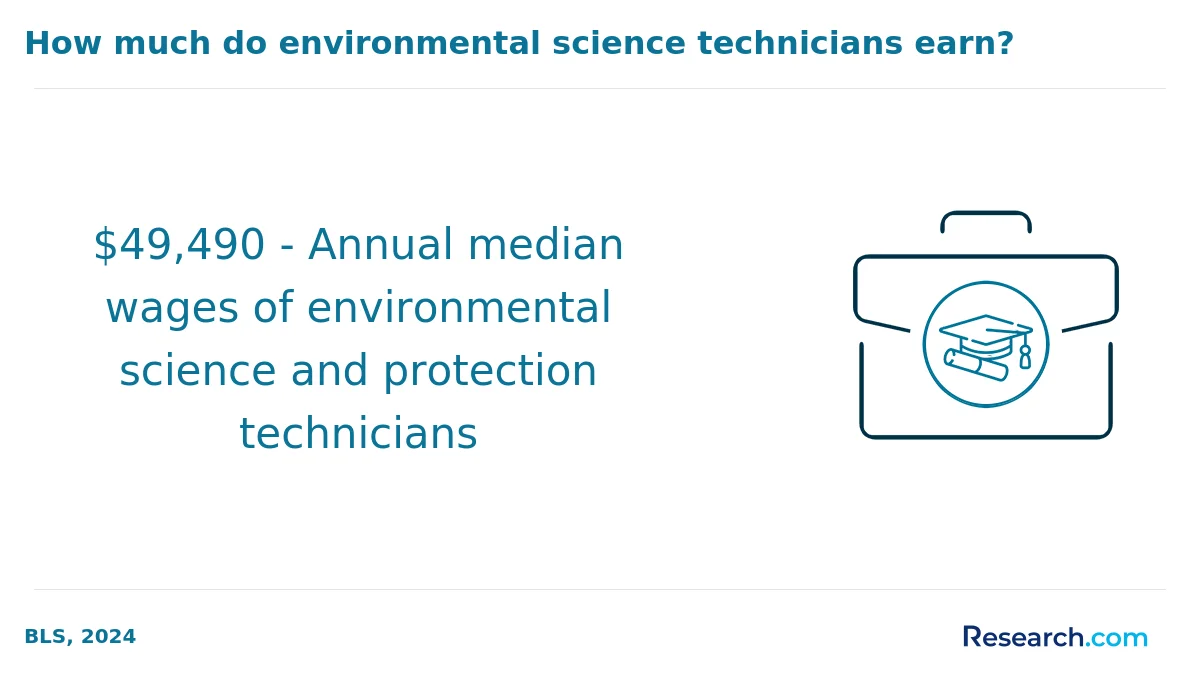
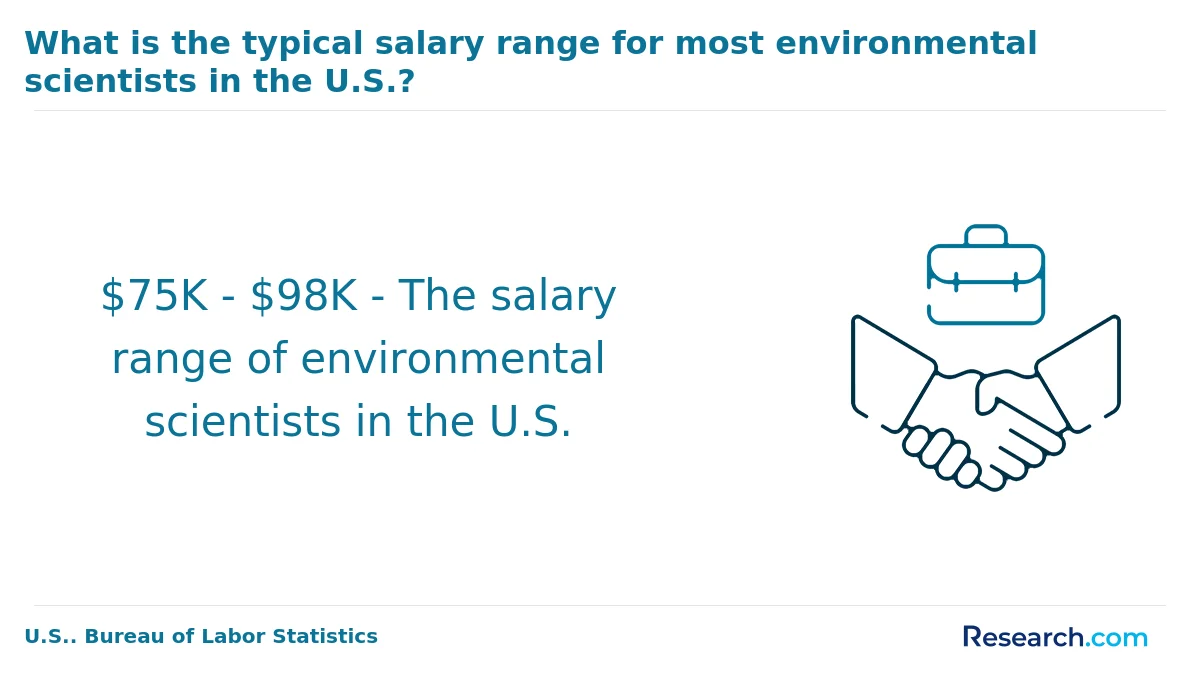
- Graduates with an environmental science degree in West Virginia can expect competitive salaries in related fields, with many roles across the US offering average annual wages around $50,000 to $70,000, reflecting rewarding financial potential.
- Career paths include environmental consulting, natural resource management, and policy roles, as seen in alumni from West Virginia University, who often find meaningful work protecting local ecosystems and contributing to sustainability efforts.
- Completing an environmental science degree online offers flexibility and convenience, allowing students from anywhere in West Virginia to balance studies with work or family, as demonstrated by successful online graduates from Marshall University.
- 2027 Fastest Online Environmental Science Degree Programs Ranking in West Virginia
- What can I expect from online environmental science degree in West Virginia?
- Where can I work with online environmental science degree in West Virginia?
What can I expect from online environmental science degree in West Virginia?
The average cost of an online environmental science degree in West Virginia typically ranges between $20,000 and $40,000 for the entire program. Graduates from well-known state universities often highlight the value they received for this investment, noting that in-state tuition rates and flexible online formats made it manageable alongside work and family responsibilities. For instance, students who pursued their degree through respected institutions often appreciated how the fees covered specialized courses on Appalachian ecology and practical skills like GIS and environmental impact assessment.
Many students found that completing their degree online helped them avoid additional expenses such as relocation or commuting, which made budgeting easier. Some also took advantage of accelerated tracks offered by these colleges to reduce overall costs by graduating sooner, an appealing option for those eager to start working in local environmental agencies or nonprofits. Ensuring you apply for any available financial aid or scholarships aimed at West Virginia residents can further lower your out-of-pocket expenses.
Where can I work with online environmental science degree in West Virginia?
Graduates holding an online environmental science degree from West Virginia University or Marshall University commonly find jobs with state and local government agencies, such as the West Virginia Department of Environmental Protection. These roles involve monitoring air and water quality, enforcing pollution regulations, and managing waste programs-work that graduates describe as rewarding because they see direct impacts on their communities' health.
Many graduates also join private sectors tied to the state's key industries like coal mining, natural gas, and manufacturing. For example, environmental consultants at local energy companies often conduct impact assessments and help businesses comply with environmental laws, which graduates report offers both challenge and steady career growth.
Nonprofit organizations and universities in West Virginia recruit graduates for roles focused on conservation, habitat restoration, and environmental education. Those working at research centers take pride in contributing to climate studies or Appalachian ecology projects, linking academic knowledge with local environmental solutions.
Emerging sectors such as renewable energy provide additional opportunities. The state's push for clean energy jobs-growing about 20% over the next decade-means graduates can pivot into solar or wind project management, a pathway many recent alumni find exciting and future-focused.
Graduates with an online environmental science degree in West Virginia typically see starting salaries around $45,000 annually, though this can rise significantly with experience. Most graduates from local programs, such as those at West Virginia University, report starting near this figure. As they gain hands-on experience, particularly in areas like environmental compliance or conservation projects, salaries often increase to $63,000 or more.
Those working within state agencies, like the West Virginia Department of Environmental Protection, commonly earn between $55,000 and $75,000, benefiting from stable pay and good benefits. Graduates sharing their career journeys mention that advancing in specialized roles or earning additional certifications can push earnings toward or above $80,000, especially when working on impactful initiatives like mine reclamation or water quality management.
Pragmatically, focusing on roles in government or consulting firms in West Virginia provides a reliable path for steady income progression. Graduates who engage actively in local environmental challenges often find rewarding and sustainable career opportunities that align well with their degree training.
- Online environmental science degrees in West Virginia are offered fully or partially online by several accredited institutions.
- The cost for in-state students ranges from about $8,000 to $15,000 per year, lower than the national average.
- Entry-level salaries for environmental science graduates in West Virginia range from $48,000 to $52,000 annually.
- Experienced professionals can earn $70,000 or more depending on their industry and role.
- Common employment sectors include government agencies, environmental consulting firms, and natural resource management organizations.
- Accredited degrees are recognized by employers and qualify graduates for professional certifications.
Completing an online environmental science degree in West Virginia typically takes around three to four years for full-time students, especially those enrolled at institutions like West Virginia University or Marshall University. Graduates often share how the flexible online format helped them balance work and family while steadily progressing through the required 120 to 130 credit hours.
For part-time students, extending the timeline to five or six years makes sense when juggling jobs or other commitments. Many find comfort in pacing their courses to avoid burnout and maintain consistent grades.
Some motivated learners have accelerated their studies by leveraging transfer credits and enrolling in summer sessions, finishing their degrees in as little as three years. This flexibility, common in West Virginia's online programs, allows students to tailor their schedules without sacrificing quality.
Master's degrees follow a shorter path, typically taking an additional 1.5 to 2 years after undergraduate completion, giving ample time for deeper specialization.
These real-life approaches illustrate how understanding your options and planning carefully can lead to success in earning an environmental science degree online in West Virginia.
On-campus environmental science programs in West Virginia, such as those at West Virginia University, give students direct access to labs and fieldwork essential for hands-on learning. Graduates often recall soil sampling trips and water testing exercises at nearby natural sites, which deepen practical understanding. These experiences are difficult to replicate online but are invaluable for careers in state agencies focused on natural resource management.
Online programs, popular among working adults or parents balancing family life, provide flexibility to study at your own pace. For example, students enrolled through institutions like Fairmont State University benefit from virtual labs and can arrange local fieldwork independently. While some online learners miss campus camaraderie, many appreciate the ability to engage with coursework around their schedules without commuting.
Tuition for these programs varies, but online students may save on housing and transit costs associated with on-campus study in cities like Morgantown or Huntington. Both formats require attending regionally accredited schools to ensure degree value. Choosing between formats depends on whether you prioritize in-person interaction or scheduling freedom in West Virginia's diverse environmental science landscape.
The average cost of an online environmental science degree in West Virginia for in-state students typically amounts to around $20,484 in total tuition. This figure reflects the generally affordable environmental science degrees West Virginia online public universities offer, like West Virginia University, where graduates appreciate the balance of quality education and manageable costs. These programs often charge between $350 and $400 per credit hour, making the full 120-credit degree accessible without overwhelming debt.
Private colleges in the state may charge significantly more, sometimes nearing $50,000 or more, but they often provide additional flexibility or unique resources that some students find valuable for their personal and professional growth. Many graduates remark that the affordability of public online programs allowed them to maintain part-time jobs or family responsibilities without sacrificing progress toward their degree.
When budgeting, it's important to include fees for technology, course materials, and occasional travel if on-campus visits are required. Practical experiences, such as lab work or field research, might add extra costs but are vital for hands-on learning and can often be managed with creative scheduling or financial aid. Speaking of which, students in West Virginia have access to state grants for STEM degrees, which can significantly reduce expenses.
For those weighing options or seeking specialized programs, exploring a sustainability bachelor degree might provide additional pathways and funding opportunities. Resources like sustainability bachelor degree guides can help pinpoint programs that fit specific goals and budgets while keeping education costs in check.
Planning carefully and tapping into available financial assistance can make earning an environmental science degree online in West Virginia both attainable and rewarding. Many graduates reflect positively on their decision, citing affordable tuition paired with strong academic support as keys to their success.
When pursuing an online environmental science degree in West Virginia, start by completing the FAFSA to unlock federal aid like the Pell Grant, which can award up to $7,395 without repayment. Graduates from West Virginia University's online programs often highlight how this grant made their tuition manageable. Next, explore state aid options such as the PROMISE Scholarship, rewarding strong academic performance, and the Higher Education Grant Program, which supports students demonstrating financial need specifically in fields like environmental science.
Institutional scholarships are widely available too. For example, students at Marshall University frequently benefit from scholarships for environmental studies or support aimed at military-affiliated learners. Contact your chosen school's financial aid office early to catch deadlines and tap into these resources.
Don't overlook employer-based aid either. Many residents working in West Virginia industries related to environmental science find local companies or nonprofits reimbursing tuition, blending work and study effectively.
Federal loans remain an option, but alumni advise borrowing carefully given the low 5.5% interest rate, especially when other grant and scholarship sources are secured first.
To enroll in an online environmental science degree in West Virginia, start by ensuring you have a high school diploma or equivalent. Graduates from popular schools like West Virginia University often mention that submitting official transcripts is straightforward but crucial for verification. Many programs also ask for SAT or ACT scores, although recent trends show test-optional policies, easing the process for many applicants.
Because the field integrates biology, chemistry, and ecology, prepare with solid high school coursework in these areas along with math courses such as algebra or higher. Students who succeeded at Marshall University recall that this foundation made transitioning to online labs and data analysis tools smoother and less stressful.
Expect some programs to require a minimum GPA around 2.5 to 3.0, ensuring readiness for college-level work. Transfer students benefit greatly by submitting prior college transcripts, which local institutions evaluate to potentially reduce tuition costs, especially considering West Virginia's average in-state credit cost of $273.
Reliable internet, basic tech skills, and access to virtual lab software are practical necessities emphasized by graduates who balanced work and study online. Tailoring your preparation toward West Virginia's environmental priorities, like Appalachian biodiversity, can also boost your application strength and engagement with coursework.
Online environmental science degrees in West Virginia typically include foundational courses that prepare you for hands-on work with the state's unique ecosystems and regulations. Graduates from popular programs at institutions like West Virginia University often highlight taking "Introduction to Environmental Science," where they explore local biodiversity and human impacts firsthand, helping them connect classroom knowledge to nearby forests and waterways.
Expect classes like Environmental Chemistry and Ecology and Conservation Biology, which dive into chemical soil and water processes and strategies for preserving West Virginia's rich wildlife. GIS courses stand out because they teach practical mapping skills you'll use to analyze land use or monitor mining impacts-common regional challenges.
Other valuable courses include Environmental Policy and Regulation, focusing on laws specific to West Virginia, and Hydrology and Water Resource Management, critical given the state's emphasis on clean water. Many students appreciate labs or virtual simulations that translate course theory into everyday problem-solving, such as assessing water quality in Appalachian streams.
Online environmental science specializations in West Virginia cover practical areas that equip students to tackle real-world issues. Graduates from popular colleges in the state often focus on Environmental Policy and Management, where they learn to apply regulations that protect both local industries and natural landscapes. Others pursue Natural Resource Conservation, a crucial track given West Virginia's extensive forests, enabling students to help preserve the state's vital ecosystems. For those interested in emerging fields, Sustainability Studies offers hands-on strategies for green energy and pollution reduction, giving students a hopeful outlook on the state's economic transition.
Students also benefit from Environmental Health programs that address pollution and community well-being, which resonates with many graduates who have witnessed the effects of industrial activity firsthand. Additionally, Geospatial Technology and Environmental Modeling specializations teach skills like GIS mapping, essential for resource planning across Appalachian counties. Choosing the right West Virginia environmental science degree tracks helps graduates feel confident and connected to their region's needs. For cost-conscious students looking for options, exploring the cheapest online environmental science programs can be a smart step.
Start by verifying regional accreditation, which ensures your degree holds value with West Virginia employers and transfer institutions. Graduates from well-known universities in the state often praise programs accredited by the Higher Learning Commission for preparing them effectively. Next, evaluate curricula that include courses on local environmental issues like Appalachian biodiversity and coal industry effects-this practical relevance helps in real job scenarios.
Affordability matters; many students have benefited from affordable environmental science programs West Virginia offers through in-state tuition and targeted scholarships. For example, some have managed to lower debt significantly by choosing schools with strong financial aid options. Flexibility in program length is key if you're balancing work; faster options let working adults complete degrees within two years instead of four.
Lastly, examine connections to local environmental agencies and nonprofits. Graduates often describe how internship partnerships and job placement support from West Virginia colleges opened doors in sectors like land management and renewable energy. For a thorough comparison, explore online environmental science degree programs offered in the state to find a right fit.
Graduates with an online environmental science degree in West Virginia find diverse career paths tailored to the state's unique ecological needs. Many begin as environmental scientists or specialists, roles popular among alumni from West Virginia University and Marshall University, who describe engaging fieldwork monitoring pollution near coal mining areas. These roles leverage skills in data analysis and environmental assessment to ensure community health.
West Virginia's strong regulatory environment creates opportunities in environmental compliance and regulation. Graduates often join the Department of Environmental Protection or consulting firms to help industries meet air and water quality standards. This career path appeals to those who prefer applying scientific knowledge within policy frameworks.
Natural resource management is another common track, especially given the state's vast forests and parks. Graduates work in conservation or outdoor education, helping sustain local ecosystems and promote public awareness. Success stories from online environmental science careers in West Virginia include professionals who transitioned into leadership roles by exploring how to become chief sustainability officer.
Graduates with an online environmental science degree in West Virginia find the job market closely connected to local industries like coal mining, natural gas, and forestry. Many secure positions with state agencies such as the West Virginia Department of Environmental Protection or local water authorities. Others join consulting firms focused on environmental impact assessments, benefiting from growing sustainability efforts. Those studying online at institutions like West Virginia University appreciate how the affordable in-state tuition helps balance education costs with expected salaries in the region. Starting salaries near $40,000 reflect the local economy, but steady demand for roles in natural resource management offers graduates a foothold in this evolving field. For example, several recent graduates share that their education prepared them well for tackling real challenges like water quality improvement and land reclamation projects. Exploring career options within renewable energy sectors-slowly expanding in the state-is also practical. Prospective students interested in the financial outlook find useful insights from sustainability mba salary resources.
Overall, the West Virginia environmental science career outlook encourages pragmatic planning: choose online programs with strong local ties and focus on industries driving regional demand. This approach makes the most of the state's unique opportunities for graduates.
2027 Fastest Online Environmental Science Degree Programs Ranking in West Virginia
Investing in your education is a significant decision that can shape your future, and the Research.com team recognizes the importance of providing reliable information to guide prospective students. To assist those interested in environmental science in West Virginia, we have carefully developed the "2027 Fastest Online Environmental Science Degree Programs Ranking in West Virginia." Our unwavering commitment to quality, credibility, and accuracy is demonstrated through thorough research and analysis.
We utilized the following reputable data sources to ensure a comprehensive evaluation of online environmental science degree programs:
By exploring this ranking, readers will gain valuable insights into the fastest online programs available in West Virginia, empowering them to make well-informed decisions about their educational journey. For more details on how this ranking was created, please visit our Research.com methodology page.


Frequently Asked Questions About environmental science
Online environmental science degree students in West Virginia can maximize their learning by actively engaging with local environmental issues and resources. The state's diverse ecosystems, such as the Appalachian Mountains and the Ohio River Basin, offer valuable case studies for applied learning.
Students should seek internships or volunteer opportunities with West Virginia agencies like the Department of Environmental Protection. These experiences provide practical skills and networking that complement online coursework.
Utilizing virtual labs, participating in discussion forums, and collaborating with peers are essential for deeper understanding. Additionally, staying informed through research databases like JSTOR or ScienceDirect supports academic success.
According to the West Virginia Higher Education Policy Commission, connecting theoretical knowledge with regional environmental challenges enhances both job readiness and academic performance.
Emerging niches within the environmental science field reflect increasing concerns about climate change, natural resource management, and sustainability. In West Virginia, a state rich in natural resources, opportunities in areas like renewable energy consulting and watershed management are growing. According to the West Virginia Department of Environmental Protection, there is an expanding need for professionals skilled in reclamation of mining sites and water quality monitoring.
Additionally, data science and geographic information systems (GIS) are becoming essential for environmental modeling and policy planning. Online environmental science degrees now often include specialized courses in these technologies, preparing graduates for jobs that combine environmental knowledge with advanced analytics.
After completing an online environmental science degree in West Virginia, preparing for the job market involves strategic steps. First, consider gaining practical experience through internships or volunteer opportunities with local organizations like the West Virginia Department of Environmental Protection. Hands-on skills can enhance your resume and expand your network.
Secondly, certifications such as the Certified Environmental Scientist (CES) credential may boost employability. According to the U.S. Bureau of Labor Statistics, the environmental science field in West Virginia is growing steadily, with a projected 8% increase in related jobs by 2030.
Networking with alumni and attending regional environmental conferences can also provide valuable industry connections and insights.
Employers seeking graduates with online environmental science degrees in West Virginia prioritize strong analytical skills. Professionals must interpret environmental data accurately to support sustainable resource management. Knowledge of state-specific regulations, such as those enforced by the West Virginia Department of Environmental Protection, is also essential. Communication abilities are critical for explaining complex scientific concepts to diverse audiences and collaborating with stakeholders. Additionally, proficiency in geographic information systems (GIS) and environmental modeling software is highly valued, reflecting regional demands for managing natural resources and wildlife conservation projects. According to the U.S. Bureau of Labor Statistics, environmental scientists in West Virginia saw steady employment growth, emphasizing these practical skills.
Finding internships in West Virginia relevant to an online environmental science degree involves targeting agencies and organizations active in the state's environmental sector. The West Virginia Department of Environmental Protection (DEP) offers internship programs that provide hands-on experience in areas like water quality, forestry, and energy conservation.
In addition, federal agencies such as the U.S. Geological Survey have field offices in West Virginia that occasionally offer internships, often tied to studying the state's abundant natural resources. Local non-profits and conservation groups also serve as valuable internship hosts.
Students should consult their university's career services for regional internship listings, as well as websites like USAJobs.gov for federal opportunities.
Completing an online environmental science degree can significantly enhance career mobility and advancement opportunities in West Virginia. The state's growing emphasis on environmental protection, driven by industries like energy, forestry, and water management, creates demand for skilled professionals. According to the U.S. Bureau of Labor Statistics, environmental science jobs in West Virginia are projected to grow by 5% through 2031, reflecting stable employment prospects.
Online degrees offer flexibility for working adults, enabling career changers or current employees to upskill without relocating. Accredited programs meet industry standards, making graduates eligible for certifications that boost employability.
The West Virginia Department of Environmental Protection also values advanced degrees for leadership roles, favoring candidates with strong scientific and analytical skills gained through formal education.
Studying for an environmental science degree online in West Virginia prepares students for interdisciplinary roles by integrating knowledge from biology, chemistry, geology, and policy. West Virginia's unique landscape-from Appalachian forests to coal mining regions-provides a rich context for understanding environmental challenges.
Programs often emphasize collaboration between scientific research and practical solutions, addressing issues like water quality and land reclamation. Coursework includes data analysis, environmental law, and resource management, which are essential for working across different sectors.
According to the U.S. Bureau of Labor Statistics, environmental scientists in West Virginia earn a median annual wage of about $57,000, reflecting a growing demand for versatile professionals.
Many West Virginia universities partner with state agencies to offer real-world projects, giving students hands-on experience vital for interdisciplinary careers.
Choosing between a thesis and a non-thesis environmental science degree program in West Virginia depends on your career goals and learning preferences. A thesis option involves substantial research, culminating in a written document typically required for students aiming at doctoral studies or research-intensive careers. The non-thesis path focuses more on coursework and practical skills, ideal for professionals seeking immediate application in industry or government roles.
The West Virginia Higher Education Policy Commission notes that many online environmental programs here tailor curricula to state-specific issues like Appalachian ecology and mining impacts.
Students interested in research may benefit from thesis programs connected to state universities' active environmental labs, while non-thesis programs often partner with local agencies for internships.
Students based in West Virginia seeking online environmental science degrees with an international focus have several pathways to explore. While fully online programs are typically offered by U.S. institutions, many universities provide study abroad opportunities or collaborative research projects with foreign universities. West Virginia University, for example, supports global partnerships that allow students to gain international experience remotely or through short-term travel.
Additionally, students can enroll in U.S.-based accredited programs offering coursework on global environmental issues, aligning with international standards. Leveraging these programs enables West Virginia residents to broaden their understanding of environmental science beyond regional perspectives without leaving the country.
According to the National Center for Education Statistics, online enrollment in environmental science programs has increased by 20% over the past five years, reflecting growing demand for flexible, globally-informed curricula.
Part-time job opportunities in West Virginia that complement an environmental science degree include roles such as environmental technician, water quality analyst, and natural resource assistant. These positions offer practical experience relevant to environmental monitoring, conservation, and regulatory compliance. For example, the West Virginia Department of Environmental Protection occasionally hires part-time field staff to support air and water quality assessments.
The U.S. Bureau of Labor Statistics forecasts steady growth in environmental science jobs nationwide, and West Virginia's focus on coal mining reclamation and watershed management increases local opportunities. Working part-time with state agencies, nonprofit environmental groups, or private firms can enrich students' resumes while they pursue an online degree.
Online environmental science students in West Virginia have several unique networking opportunities despite studying remotely. Many universities offer virtual events, guest lectures, and online discussion groups that connect students with faculty, alumni, and industry professionals. For example, West Virginia University's online program encourages participation in the university's broader environmental science community through webinars and career services.
The West Virginia Highlands Conservancy and the West Virginia Land Trust often host conferences and workshops that welcome students interested in environmental fields. Joining local chapters of national organizations like the Sierra Club or the Society of Environmental Toxicology and Chemistry can expand professional contacts.
Additionally, state agencies such as the West Virginia Department of Environmental Protection provide internships and volunteer opportunities that are valuable for networking and gaining practical experience.
Alumni networks play a crucial role in supporting online environmental science degree students in West Virginia. These networks connect current students with graduates who have practical experience in regional environmental issues, such as Appalachian watershed management and coal mining reclamation.
Strong alumni ties improve access to internships, job opportunities, and mentorship in sectors dominant in West Virginia's environmental field. For example, graduates often share insights on navigating local regulations enforced by agencies like the West Virginia Department of Environmental Protection.
According to the National Environmental Education Foundation, professional networking increases job placement rates by up to 40% in environmental careers, making alumni groups a valuable resource for career development.
Customizing an online environmental science degree in West Virginia allows students to align their studies with specific career goals. Many programs offer electives in areas like natural resource management, environmental policy, or GIS technology. For example, West Virginia's industries in forestry and coal mining increase demand for specialists skilled in ecosystem restoration and environmental compliance. Students can often tailor research projects or internships to gain hands-on experience relevant to these fields.
The flexibility of online courses supports working professionals who wish to specialize while maintaining employment. Accreditation by regional bodies ensures the degree meets industry standards, enhancing job prospects in the state's environmental sector.
Online environmental science students in West Virginia often face challenges related to limited local access to specialized laboratory facilities. Because environmental science relies heavily on hands-on fieldwork and lab experiments, online programs must find ways to provide virtual or local alternatives, which may be less comprehensive. According to the West Virginia Higher Education Policy Commission, broadband access can also be an issue in rural parts of the state, affecting students' ability to participate in live lectures and submit coursework on time.
Additionally, some students report difficulty finding internships or field placements in West Virginia that align with their online studies, limiting practical experience opportunities. Balancing coursework with job and family obligations remains a common concern across all online learners in the state, impacting study time and degree completion rates.
With an online environmental science degree, West Virginia students can pursue several professional certifications to enhance their careers. Popular options include the Certified Environmental Scientist (CES) credential, recognized nationwide and offered by the National Association of Environmental Professionals (NAEP). This certification validates expertise in environmental regulations and sustainable practices.
Another key certification is the Certified Hazardous Materials Manager (CHMM), which is valuable for jobs involving hazardous waste management and environmental safety, sectors relevant to West Virginia's coal and chemical industries. The U.S. Bureau of Labor Statistics highlights a steady demand for specialists in these fields.
Additionally, the Envision Sustainability Professional (ENV SP) credential is growing in importance for professionals focusing on sustainable infrastructure, which ties into regional initiatives for ecological development in West Virginia.
To write a winning application for an online environmental science program in West Virginia, start by highlighting your passion for addressing local environmental challenges, such as Appalachian forest conservation and water quality management. Admissions committees value clear goals linked to regional issues. Include any relevant experience, including internships with state agencies like the West Virginia Department of Environmental Protection.
Strong academic records in science and math strengthen your application. Also, emphasize skills in data analysis and field research, which are crucial for environmental science careers in the state. Be sure to write a concise, targeted personal statement reflecting your commitment to environmental sustainability in West Virginia's unique ecosystems.
Environmental science careers are increasingly valued worldwide due to growing concerns about climate change and sustainability. In the United States, including West Virginia, environmental scientists contribute to addressing challenges like air and water quality, mining impacts, and energy production. According to the U.S. Bureau of Labor Statistics, employment for environmental scientists and specialists is projected to grow 8% from 2022 to 2032, reinforcing its global relevance.
West Virginia's unique ecological landscape, with its Appalachian forests and coal mining history, offers distinct opportunities for environmental professionals. Online degrees allow students to access specialized knowledge while addressing local and global environmental issues simultaneously.
Internationally, environmental science careers focus on policy, conservation, and technological innovation, reinforcing the global demand for trained experts who can navigate complex ecological systems and regulations.
Gaining practical experience while studying for an online environmental science degree in West Virginia is essential for career readiness. Many programs encourage or require internships with local organizations such as the West Virginia Department of Environmental Protection or nonprofit groups focusing on Appalachian ecosystems. These internships offer hands-on opportunities in fields like water quality assessment and land management.
Students can also participate in virtual laboratory simulations or use fieldwork data shared by partner institutions. Additionally, West Virginia universities often facilitate service-learning projects that address real-world environmental challenges, thereby enhancing students' applied skills and professional networks.
Choosing the right concentration within an online environmental science degree program in West Virginia begins with assessing your career goals. Environmental science is broad, covering areas like natural resource management, environmental policy, and conservation biology. West Virginia's economy relies heavily on natural resources, especially mining and forestry, so concentrations in resource management or environmental compliance are relevant locally. According to the U.S. Bureau of Labor Statistics, jobs in environmental science and protection in West Virginia are projected to grow by 5% through 2031. Investigate programs that offer specialized courses aligned with state priorities, such as water quality or land use management.
Consider your interests in practical skills vs. policy or research. Some concentrations focus on data analysis and fieldwork, while others emphasize environmental law or public health. Review the program's curriculum and faculty expertise to ensure it matches your preferred career path. Additionally, accreditation and partnerships with West Virginia environmental agencies can provide valuable networking and internship opportunities.
- How Study Abroad Benefits Environmental Science Majors | Maximo Nivel https://maximonivel.com/study-abroad-environmental-science/
- 14 Entry Level Environmental Science Cover Letter Examples: Plus Recruiter Insights (Updated for 2025) https://resumeworded.com/cover-letter-samples/entry-level-environmental-science
- Biological and Environmental Technology - Eastern West Virginia Community and Technical College https://easternwv.edu/academics/biological-and-environmental-technology/
- Dr. Zubair Khalid | Veterinary Virologist & Bioinformatician https://www.zubairkhalid.com/blog/careers/environmental-science-fields-a-guide-to-specializations-and-careers
- 2025 Most Affordable Online Environmental Science Degrees https://www.onlineu.com/most-affordable-colleges/environmental-science-degrees
- Networking Strategies for Environmental Professionals https://www.nrep.org/blog/environmental-professional-networking-strategies
- WVSU Online Programs https://wvstateu.edu/wvsu-online-programs/
- Sustainability Degrees in West Virginia https://www.sustainabilitydegrees.com/degrees/west-virginia/
- Environmental Scientist Cover Letter Examples https://www.careerfaqs.com.au/careers/resumes-cover-letters/environmental-scientist-cover-letter-example
- Graduate Schemes and Internships - Green Jobs for Nature https://greenjobsfornature.org/get-that-green-job/graduate-schemes-and-internships/