2027 Top Universities Offering Online Child Psychology Master's Degrees

Co-Founder and Chief Data Scientist
Employers increasingly prioritize practical skills, verified credentials, and real-world experience when evaluating candidates with online child psychology master's degrees. Variations in program design-such as the depth of specialization options, integration of supervised practicum hours, and alignment with current licensure requirements-significantly influence workforce readiness. Faculty expertise and the extent to which curricula reflect evolving developmental theories and mental health trends also impact graduate outcomes.
Scheduling models and support services tailored for working professionals affect program completion rates, while accreditation status informs employer confidence. Comparing top universities requires assessing these substantive differences, as they shape graduates' career trajectories beyond institutional reputation.
This article offers a practical comparison of leading online child psychology master's programs based on these critical academic and professional criteria.
Key Benefits of Top Universities Offering Online Child Psychology Master's Degrees
- Online child psychology master's programs often require in-person practicums, reflecting a tradeoff between accessibility and necessary field experience crucial for professional certifying bodies.
- A 2024 survey indicated that 62% of employers prioritize supervised clinical exposure over purely online theory, underscoring the need for graduates to strategically select programs with robust practicum components.
- Programs available year-round reduce gaps in workforce reentry, offering working professionals a timing advantage, but extended part-time pacing may delay qualification and affect career trajectory momentum.
Which Universities Offer the Best Online Child Psychology Master's Degrees?
Programs identified among the best accredited online child psychology master's programs typically feature curricula that balance theoretical foundations with intensive specialization in developmental and clinical practices. Institutions with faculty who maintain active professional roles in child psychology research or clinical settings often integrate current empirical findings and ethical standards into coursework, enhancing applied learning relevance. The inclusion of supervised practicums, fieldwork, and case-based modules distinguishes programs that prepare students for complexities encountered in diverse child-focused environments. Such structural design demands robust curriculum depth alongside flexibility to accommodate working professionals pursuing advanced skills aligned with evolving licensure criteria.
The impact of these institutional characteristics manifests clearly in graduate outcomes related to employability and readiness for certification. Programs that embed experiential components and align with licensing guidelines offer graduates a competitive advantage in job markets characterized by increasing demand across healthcare and educational systems.
However, the workload and scheduling demands of these rigorous programs can pose challenges for students balancing professional obligations—similar to the financial and time investments required when evaluating a medical billing certification cost—underscoring the importance of examining program pacing and support services closely. Research by the Online Learning Consortium shows well-structured hybrid programs report higher student satisfaction and perceived career preparedness, influencing how prospective students weigh program options in terms of practical career alignment and skill development.
Choosing between greater accessibility and program rigor often involves tradeoffs between purely asynchronous formats and hybrid models with synchronous requirements. While asynchronous delivery maximizes convenience, it may lack the immersive experiential intensity that synchronous practicums provide, which is critical for skill acquisition in child psychology. Institutions that negotiate this balance successfully tend to support clearer pathways toward state licensure and field competence, reflecting a nuanced understanding of how curriculum delivery mechanisms influence long-term professional value.
For students evaluating these factors, careful attention to program design and institutional support is essential to match personal circumstances with the real-world demands of child psychology professions.
Why Does Accreditation Matter for Online Child Psychology Master's Programs?
Accreditation directly shapes the academic legitimacy and structural quality of online child psychology master's programs by enforcing curriculum standards and institutional oversight that align with professional norms. Programs with recognized accreditation undergo comprehensive review to ensure faculty expertise, course rigor, and assessment methods meet evolving field expectations. This vetting process supports consistent learning outcomes and guarantees that academic content remains relevant, which is crucial in a discipline that integrates clinical practice with developmental research. Without such regulation, the variability in curriculum quality can undermine the depth and applicability of the training, leaving graduates less prepared for evidence-based work or advanced study.
The consequences of choosing non-accredited programs often manifest in restrictive career pathways and professional limitations. For example, many states require graduation from accredited institutions to qualify for psychology licensure or certification, directly affecting employability and eligibility for advanced clinical roles. A 2024 survey by the National Association of Psychological Professionals found that 78% of hiring managers favor candidates from accredited programs, highlighting employer reliance on accreditation as a proxy for program rigor and ethical training.
Additionally, credit transfer between programs becomes challenging without accreditation, which can hamper academic mobility or specialization. Students pursuing non-accredited degrees risk diminished access to financial aid and face obstacles in establishing professional credentials, underscoring accreditation's role as a practical filter that impacts long-term career viability within an increasingly regulated and competitive psychological services landscape.
Which Universities Offer the Most Flexible Online Child Psychology Master's Programs?
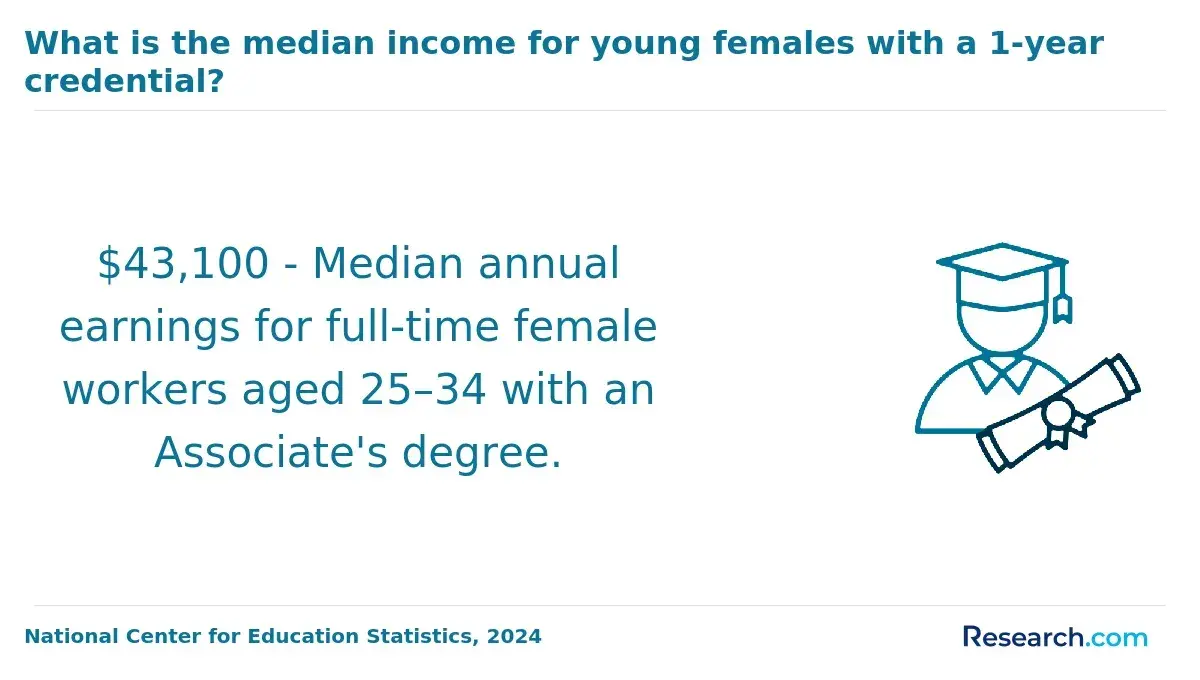
Flexibility in online child psychology master's programs primarily hinges on how their academic structures accommodate varied student schedules. Key elements include asynchronous coursework that frees learners from fixed login times, part-time enrollment options extending degree completion periods, and whether the curriculum follows self-paced progression or more rigid cohort models. Elective scheduling autonomy also shapes flexibility, influencing how students integrate practicum placements or specialized modules around external obligations. According to recent findings from the National Center for Education Statistics (NCES) in 2024, 68% of graduate-level psychology students prioritize such adaptability, underscoring its weight in program selection beyond institutional prestige or geography.
Yet flexibility often presents tradeoffs related to academic pacing and experiential depth. Students balancing full-time employment may benefit from self-directed timelines but risk prolonging their studies or missing critical interaction windows essential for real-time mentorship. For example, a student opting for remote practicum arrangements due to inflexible work hours might face challenges accessing supervised fieldwork opportunities, potentially complicating licensure pathways. Programs with extensive scheduling freedom might also dilute peer collaboration, reducing exposure to consistent cohort networks that can facilitate professional growth. Employers frequently expect demonstrated competencies and accredited internship experience to complement flexible curricula, requiring students to strategically navigate workload and networking demands.
One graduate recalled choosing a program with asynchronous courses and multiple enrollment dates specifically to manage unpredictable childcare responsibilities and shift work. Initially hesitant about the lack of structured group projects, the student found that proactive outreach to faculty and peers created alternative mentorship channels. Despite occasional delays in completing practicum hours-due to having to secure local placements-the program's flexible format was crucial for maintaining steady progress without sacrificing income or family care. This experience highlighted how institutional flexibility must be balanced with intentional effort to meet professional qualification standards and avoid extended time-to-degree pitfalls.
Which Universities Are Best for Working Professionals Earning a Child Psychology Master's Online?
Child psychology master's programs that best serve working professionals typically feature flexible scheduling through asynchronous coursework and part-time options, enabling students to tailor their studies around employment obligations. These programs emphasize employer-aligned curricula that address practical competencies, including internship opportunities, and provide accessible faculty support to navigate academic challenges without sacrificing work commitments. Flexible child psychology master's degrees with internship opportunities are increasingly designed to reduce conflicts between work and study, fostering steady progress while maintaining academic rigor.
In practice, the modular course structure and asynchronous delivery allow working students to balance deadlines with job responsibilities, which is critical given that many professionals juggle multiple roles simultaneously. According to 2024 data from the National Center for Education Statistics, adult learners in flexible online graduate programs demonstrate higher retention when coursework accommodates their professional schedules. However, this balance demands disciplined time management to avoid lengthened program durations or compromised learning consistency, influencing how quickly graduates can access career advancement in school, healthcare, or social services settings.
Tradeoffs include slower completion rates due to reduced cohort interactions and fewer in-person practicum placements, which can limit experiential learning. Programs may compensate with virtual practicums or local placements, but these adaptations differ widely in quality and employer recognition. Prospective students should weigh the benefit of maintaining employment against potential delays and less immersive internship experiences. For those exploring alternative health career pathways alongside psychology, options such as LPN programs near me may complement psychological practice roles within integrated care environments.
How Much Do Top Online Child Psychology Master's Programs Cost?
Tuition costs for leading online child psychology master's programs in 2024 typically range from about $15,000 to $45,000, reflecting a wide spectrum influenced by institutional type, geographical considerations, program length, and curricular depth. Public universities offering in-state rates tend toward the lower end, while private or highly specialized programs can demand rates near or above the upper limit. Additional charges such as technology fees, course materials, and required practicum residencies further differentiate total costs. Programs that charge per credit hour-often between $500 and $1,200-create variability tied directly to credit requirements, usually spanning 30 to 45 credits, which affects overall expenses more than flat tuition models do.
Cost considerations extend beyond sticker price and affect return on investment and financial strategy for prospective students. Accelerated or specialization-heavy programs may carry higher tuition but can offer faster entry into the workforce or superior practical experience, which some employers value. Working professionals often weigh the premium of flexible schedules and part-time pacing against budget constraints, sometimes opting for higher tuition to maintain employment continuity. Those reliant on employer tuition assistance or scholarships may find favorable net costs, yet must anticipate potential debt accumulation where aid falls short. Navigating these financial tradeoffs requires aligning program features with personal circumstances and career goals rather than defaulting to lower-cost options.
One student recalled applying during a rolling admissions cycle, feeling hesitant to commit without clarity on financial aid timelines, which delayed enrollment decisions for several months. They weighed waiting to secure more funding versus starting immediately at a less costly program with a rigid schedule. Ultimately, the choice hinged on balancing the uncertainty of prolonged preparation against entering a program that allowed continued work and immediate progression despite a higher price tag. This nuanced timing and cost calculation underscored that applicant financial decisions often intertwine closely with admissions dynamics and personal readiness rather than tuition rates alone.
Which Online Child Psychology Master's Programs Are Hardest to Get Into?
Online child psychology master's programs with the highest admissions standards typically reflect institutional priorities that go beyond brand reputation. Selectivity often arises from limited cohort sizes designed to maintain low faculty-to-student ratios necessary for hands-on clinical supervision and practicum placements. These programs also demand strong academic prerequisites, relevant professional experience, and sometimes portfolio submissions or evidence of licensure alignment, reflecting expectations for both theoretical rigor and applied competencies. Rather than being arbitrary, these restrictions are linked to workforce alignment needs and accreditation requirements that ensure graduates are equipped for increasingly specialized roles within child-focused psychological services.
Applicants navigating the most selective child psychology master's degrees online must anticipate thorough preparation, including prior coursework in developmental psychology, substantial volunteer or work experience with children, and strategic application timing to meet rolling deadlines or limited entry points. This often creates a divide between traditional academic candidates prepared to enter full-time and working professionals balancing current roles with prerequisites and intensive program demands.
According to a 2024 report from the National Center for Education Statistics, acceptance rates for top-tier psychology master's programs frequently fall between 15% and 25%, highlighting the competitive nature compared to many other online graduate degrees. These dynamics underscore the need for precise planning and career alignment when weighing program options.
The tradeoff between selectivity and accessibility impacts how prospective students should approach their educational pathways. More competitive programs tend to foster a focused cohort environment with rigorous mentorship but reduce scheduling flexibility, potentially challenging those requiring nontraditional timelines. Conversely, less selective programs may offer broader entry but sometimes at the expense of clinical depth or direct workforce applicability.
Prospective students may also consider complementary degrees, such as an MBA in healthcare, to expand interdisciplinary opportunities in child-focused behavioral health settings, especially given the increasing demand across healthcare systems for integrated skill sets.
Which Universities Are More Transfer-Friendly for Graduate Students?
Universities that are notably transfer-friendly often feature flexible credit evaluation frameworks and systems for prior learning assessment tailored to adult learners, especially those balancing professional obligations. Public institutions and regionally accredited universities commonly offer more generous transfer policies, reflecting their broader mission to support diverse student pathways. Many incorporate articulation agreements and cohort-based or competency-aligned curricula that facilitate the recognition of previous graduate coursework, reducing redundancies. These structural elements, frequently embedded in programs designed for working professionals, help accommodate students transferring relevant credits from related fields like developmental psychology or counseling without penalizing career changers.
The practical benefits of transfer-friendly programs are substantial, including shortened time-to-degree and lowered tuition costs, which are crucial for professionals seeking to minimize disruption while advancing. However, these policies can come with tradeoffs such as strict alignment with accreditation standards and limits on elective customization, which may constrain specialization options.
For instance, a working clinician who has completed graduate credits in educational psychology may find their transfer credits accepted toward a child psychology master's degree, accelerating graduation but facing stringent foundational course equivalency requirements. According to a 2024 National Center for Education Statistics report, around 65% of regionally accredited public universities accept over a dozen graduate transfer credits, underscoring the prevalence of this approach and its significant influence on program selection and degree completion strategies within the field.
Which Online Child Psychology Master's Programs Help Students Secure Internships?
Online child psychology master's programs that effectively facilitate internship placements typically feature institutional partnerships with local mental health clinics, schools, and social service organizations. Programs that embed supervised practicum requirements within a cohort model, combined with centralized internship coordination offices or dedicated placement advisors, tend to secure higher internship match rates. Alumni networks and established regional industry connections further enhance access to meaningful applied learning opportunities aligned with licensure standards. According to a 2024 report from the National Board for Certified Counselors, programs with formalized internship networks see nearly 68% of students placed within three months of practicum enrollment, compared to just 41% for programs lacking such structures.
These support mechanisms translate into more consistent access to high-quality internships that closely mirror workforce demands, including opportunities for direct mentorship from licensed professionals. Students benefit from streamlined scheduling and placement negotiation, which is especially critical for those balancing employment or residing in less urban regions. In contrast, programs requiring self-sourced internships often present barriers that can delay practical training, reduce networking avenues, and potentially impact graduate readiness as perceived by employers in child psychology fields.
The tradeoff often involves balancing program flexibility with hands-on placement support. While some online programs maximize scheduling freedom by leaving internship sourcing to students, this can limit internship quality or extend time to completion. Meanwhile, geographically remote students may face regional placement restrictions despite coordinator assistance. Understanding these operational nuances is crucial for prospective students seeking programs that effectively bridge academic learning and field experience, a key determinant of employability and professional progression in child psychology careers.
Which Online Child Psychology Master's Programs Have the Best Job Placement Rates?
Online child psychology master's programs with highest job placement rates tend to share distinct structural elements that align closely with employer expectations. Programs integrating rigorous practicum or internship components connected to accredited clinical or educational settings produce graduates with applicable skills and professional networks that facilitate entry into the workforce. Curriculums that emphasize evidence-based therapeutic techniques, supervised clinical hours meeting state licensure requirements, and current developmental science translate into readiness for specialized roles, which shapes stronger hiring outcomes beyond institutional prestige. These features form the foundation for higher employability rates by embedding graduates into hiring pipelines through direct applied experience rather than solely theoretical instruction.
Real-world placement data reflect important tradeoffs across diverse student populations and program focuses. Working professionals often leverage existing connections and experience, potentially inflating reported employment metrics compared to traditional students entering the field anew. Additionally, reported outcomes vary widely by specialization-clinical tracks geared toward licensure demonstrate stronger job placement in healthcare and pediatric services, while research or policy-oriented paths may require extended study for career progression, affecting immediate employment statistics. Recent government workforce studies (2024) highlight that programs balancing practical experience with academic rigor show better employment outcomes, underscoring the nuanced interpretations needed when evaluating the best job outcomes for online child psychology graduates.
It is also critical to consider limitations of placement data such as self-reported outcomes bias, varying timeframes for measuring employment post-graduation, and regional differences in labor demand affecting child psychology graduates. For example, a program's reported placement rate might not reflect the quality or relevance of employment secured. Candidates should contextualize these metrics alongside program flexibility and skill scalability to meet evolving roles in social services, healthcare, or education. Further comparative analysis, including fields like an exercise science online degree, highlights the importance of practical training integration for workforce entry across health-related disciplines.
What Factors Matter Most When Comparing Graduate Schools?
Choosing a graduate school for an online child psychology master's degree involves complex tradeoffs among cost, curriculum design, specialization depth, flexibility, experiential learning, and career outcomes. Program structure-not institutional reputation alone-primarily determines employability, skill acquisition, and long-term professional positioning in this field.
- Curriculum Structure and Rigor Often overlooked, curriculum quality impacts readiness for real-world challenges. Programs emphasizing evidence-based coursework integrated with applied skills better prepare students for the licensure process and clinical demand, whereas weaker curriculums risk skill readiness gaps.
- Accreditation and Academic Credibility Accreditation remains a baseline filter, affecting eligibility for licensure. Programs meeting rigorous online child psychology master's degree accreditation standards correlate with higher chances of licensure approval, reflecting both academic credibility and professional alignment.
- Specialization Depth Depth in certain child psychology subfields-developmental disorders, trauma, or neuropsychology-enables targeted expertise but may narrow versatility in diverse settings, so students must weigh specialization against career flexibility.
- Experiential Learning Integration Opportunities for internships or supervised practicum are critical for applying theory, cultivating professional networks, and meeting employer expectations for hands-on experience, which many hiring managers prioritize over program prestige.
- Delivery Format and Flexibility Flexible online options, including asynchronous coursework, accommodate working professionals but can extend time-to-degree and reduce cohort interaction, influencing both learning depth and networking potential.
- Cost and Financial Tradeoffs Balancing tuition and opportunity costs against potential salary gains is essential, especially given varied program lengths and financial aid availability. Evaluating return on investment requires realistic career outcome data.
- Internship or Practicum Availability Accessible field placements in relevant clinical environments are non-negotiable for licensure and employment. Limited availability may delay licensure eligibility and job entry.
- Faculty Industry Experience Faculty engaged in current child psychology practice or research enhance curriculum relevance and create networking advantages that purely academic staff may not provide.
- Employer Alignment and Job Placement Outcomes Graduates from programs reporting higher employment rates and stronger employer partnerships typically secure roles faster and with better compensation, underscoring the value of transparent outcomes data.
- Transfer Credit or Prior Learning Policies For career changers or degree completers, generous transfer policies can significantly shorten program duration and reduce cost, making some programs more compatible with prior academic or professional experience.
These considerations highlight the importance of scrutinizing how well a program's design matches your career goals and circumstances. For those balancing employment and education, flexible online child psychology graduate programs for working professionals offer tailored learning pathways relevant to practical constraints. When comparing these programs, it's useful to benchmark against similar fields; for example, the online public health masters programs easy to get into provide context for accessibility and transferability in healthcare-related education tracks.
What Graduates Say About Top Universities Offering Online Child Psychology Master's Degrees
- Augustus: "Finishing my master's in child psychology gave me valuable theoretical knowledge, but I quickly realized employers value hands-on experience more. I focused on internships and building a portfolio of case studies, which helped me land a role in a non-profit that prioritizes real-world skills over licensure. It's been a steep learning curve balancing client work with additional certifications, but the flexibility of remote work has made that manageable."
- Antonio: "After completing my child psychology degree, I found that salary growth without licensure is quite limited in clinical settings. I pivoted toward research and educational program design, where my degree opened doors more easily. Navigating hiring was competitive, but my ability to demonstrate practical outcomes through project work made a significant difference in interviews."
- Julian: "The program prepared me well academically, but entering the workforce demanded more than a diploma-certifications and networking were crucial. I benefited from engaging in internships early, which helped me understand the workplace realities and client diversity. Although advanced licensure remains a goal, starting in community outreach roles has allowed me to contribute meaningfully while gaining essential experience."
Other Things You Should Know About Child Psychology Degrees
Online child psychology master’s programs in 2027 usually require a reliable internet connection, a computer with updated software, and specific platforms like Zoom or Blackboard. Some programs might also require specialized software for data analysis or virtual labs, depending on the curriculum.
In 2027, students should look for specialized electives such as developmental disorders, cognitive development, or family dynamics. Concentration areas like school counseling, pediatric neuropsychology, or behavioral analysis enhance expertise, aligning education with specific career goals and industry demands.
Several top universities provide robust support services for online students, including access to virtual libraries, writing centers, career counseling, and technical support. This ensures that students have the necessary resources to succeed in their child psychology master's programs remotely.
Many online child psychology master's programs require 100 to 600 supervised practicum or internship hours before graduation. Some also require a site-based placement approved by the program, plus a faculty supervisor and documented weekly logs to meet degree requirements.
References
- 2025 Most Affordable Online Master's Degrees in Child Development https://www.onlineu.com/most-affordable-colleges/child-development-masters-degrees
- Online master's in child psychology | edX https://www.edx.org/masters/masters-in-child-psychology
- Learn How To Earn A Master’s In Child Psychology Online https://www.learnhowtobecome.org/best-online-masters-in-child-psychology-degree-programs/
- Best Online Child Psychology Master's Programs 2025 https://www.psychology.org/degrees/child-psychology/masters/
- Master’s in Child Psychology & Development https://www.snhu.edu/online-degrees/masters/ms-in-psychology/child-and-adolescent-development-psychology
- 17 Best Masters Degrees Child Psychology courses In the UK 2026 https://www.hotcoursesabroad.com/study/training-degrees/uk/masters/child-psychology-courses/loc/210/slevel/57-3-3/cgory/pk.3-4/sin/ct/programs.html
- Psychology Accreditation: What you need to know https://www.onlinepsychologydegrees.com/articles/accreditation/
- Psychology Internships | Adoption Services | New Alternatives for Children | Homepage https://nackidscan.org/psychology-internships/
- Raising the Bar: The Impact of Accreditation on Psychology Training | SoMAP - The Society of Modern Applied Psychology https://thesomap.org/raising-the-bar-the-impact-of-accreditation-on-psychology-training/
- Masters in Psychology | Child and Adolescent Development https://www.tuw.edu/academics/psychology/online-ma-psychology-child-adolescent-development/