2027 Child Psychology Degree Programs for Career Changers

Co-Founder and Chief Data Scientist
Many professionals face the challenge of shifting careers without relevant qualifications. For example, a social worker aiming to specialize in youth development may struggle to find programs tailored for adult learners. Recent studies show that 35% of students enrolled in child psychology degree programs are career changers seeking flexible, accelerated pathways.
This trend reflects a growing demand for specialized education designed to accommodate work and family commitments. This article will explore how child psychology degree programs support career changers, outlining practical options and strategies to help transition efficiently into child-focused psychological professions.
Key Things to Know About Child Psychology Degree Programs for Career Changers
- Many child psychology degree programs offer flexible scheduling, including evening and weekend classes, to accommodate working adults balancing education and employment commitments.
- Online and hybrid formats enable career changers to access coursework remotely, broadening opportunities while maintaining current jobs and family responsibilities.
- Accelerated program pacing and dedicated support services increase completion rates, helping working adults efficiently transition into child psychology roles amid growing workforce demand.
What Child Psychology Programs Accept Career Changers?
Certain child psychology programs are well-designed to support working adults and professionals aiming for a career change. Approximately 38% of graduate students in social sciences are adult learners returning to school after working in other fields, highlighting the growing accessibility of flexible education pathways.
Four common types of child psychology programs that often accept career changers include:
- Master's in Child Psychology with Flexible Prerequisites: These programs enable candidates without a psychology background to enroll by completing foundational courses alongside advanced content, smoothing the transition into graduate-level study.
- Applied Child Psychology Programs: Focused on practical skills and real-world applications, these allow students to leverage prior professional experience while gaining competencies relevant to child development and therapy.
- Accelerated Child Psychology Degrees: Designed to shorten completion time, these intensive programs suit those eager to enter the field rapidly by offering condensed semesters and acknowledging transferable skills.
- Online or Hybrid Master's Programs: Offering flexible delivery through remote learning and asynchronous classes, these programs support working adults balancing education with current employment obligations.
Choosing child psychology programs accepting nontraditional backgrounds helps career changers overcome common barriers when returning to school. For example, exploring an MSW degree can offer insight into flexible social science graduate programs that parallel child psychology pathways.
What Child Psychology Specializations Are Best for Career Changers?
Choosing the right child psychology specialization is essential for career changers because it builds on existing skills and facilitates smoother transitions into new roles. Employment of psychologists is projected to grow 8% from 2022 to 2032, reflecting increasing demand in several focused areas. Below are four top specializations well suited for working professionals seeking the best child psychology degree tracks for career changers.
- Developmental Psychology: Focuses on lifespan development and cognitive growth, making it ideal for those with backgrounds in education or social work. This specialization leverages transferable skills related to human development stages and emotional progressions.
- Educational Psychology: Applies psychological principles within learning environments, benefiting teachers or trainers seeking a clinical edge. It offers career mobility by bridging educational expertise with mental health support.
- Clinical Child Psychology: Concentrates on diagnosing and treating mental health disorders in children, suited for candidates with prior counseling or healthcare experience. Accessibility to this specialization is enhanced for professionals familiar with mental health settings.
- School Psychology: Combines education and mental health support directly within schools, appealing to those experienced in academic environments. This path provides broad career options across educational and healthcare domains.
For those interested in accelerating their shift into these fields, pursuing a social work degree fast track can complement child psychology studies by strengthening relevant skills and credentials.
What Are the Admission Requirements for Career Changers Applying to a Child Psychology Program?
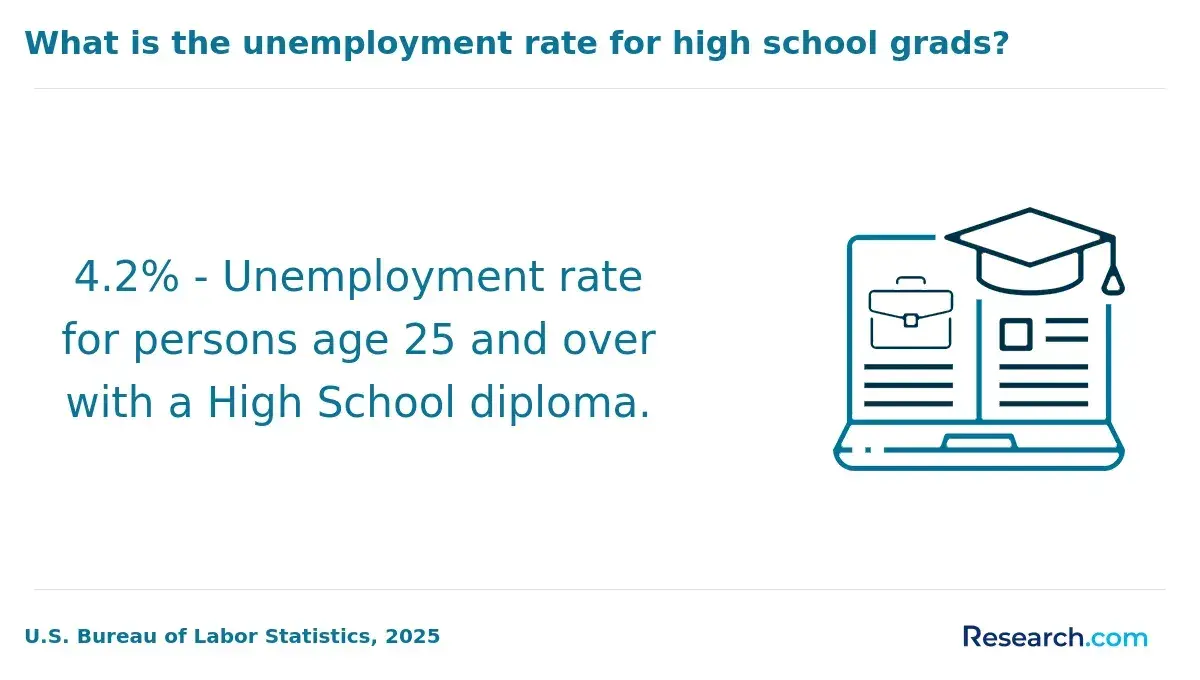
Career changers pursuing a child psychology degree benefit from understanding specific admission requirements because these criteria guide academic preparation and leverage prior experience. Approximately 40% of students in postsecondary education are nontraditional learners, emphasizing the importance of accommodating diverse backgrounds and flexible pathways. Here are common prerequisites for nontraditional applicants to child psychology degrees:
- Completed Bachelor's Degree: Most programs require a bachelor's degree with a minimum GPA around 3.0. This degree can be in any field, allowing career changers from varied academic backgrounds to qualify.
- Letters of Recommendation: These should highlight transferable skills such as communication, research, or caregiving. Recommendations illustrate practical abilities valuable for child psychology studies.
- Personal Statement: Applicants must explain their motivation for switching careers, demonstrating genuine interest and commitment to child psychology.
- Prerequisite Coursework: Some child psychology programs require foundational psychology courses, but many offer bridging options to support those lacking prior training in the field.
- Relevant Experience: Work in education, healthcare, or social services can strengthen applications, with some programs recognizing alternative qualifications or certifications instead of strict prerequisites.
Flexible scheduling and online study options cater to working professionals balancing multiple responsibilities. Career changers should explore programs like an online masters in marriage and family therapy that embrace diverse admission routes, helping adult learners transition confidently into child psychology careers.
For professionals considering a career change, knowing the specific coursework involved in a child psychology degree helps set realistic expectations and plan accordingly. These programs often balance foundational theory with hands-on learning to accommodate busy schedules. Below are key coursework areas typically included in a child psychology degree.
- Developmental Psychology: Focuses on emotional, cognitive, and social growth processes from infancy through adolescence, emphasizing the evolving nature of childhood.
- Research Methods and Statistics: Covers study design, data collection, and analysis techniques essential for applying evidence-based approaches in real-world child psychology settings.
- Abnormal Psychology: Examines mental health disorders and behavioral difficulties seen in children, providing insight into common challenges faced in clinical practice.
- Assessment and Diagnosis: Teaches standardized evaluation methods to identify psychological conditions and support informed treatment planning for young clients.
- Therapeutic Interventions: Introduces counseling strategies and tailored treatment options designed for children and family dynamics, with practical application in mind.
- Ethics and Professional Practice: Explores legal, ethical, and cultural considerations critical for working responsibly with youth populations in various settings.
One professional who completed an online child psychology degree shared their experience about the coursework's role in preparing for a career shift. They recalled feeling overwhelmed balancing coursework with existing work and family duties but appreciated the flexible scheduling options. "It was challenging at times to keep up with assignments, especially research projects," he noted, "but the practical examples and case studies really helped me apply what I was learning directly to my interests."
He also mentioned that fieldwork components offered valuable exposure, making the transition less daunting. "I felt supported by instructors who understood the unique pressures adult learners face, which made a big difference in staying motivated."
Nearly half of adult learners now choose online or hybrid degree options, reflecting a strong demand for flexible programs that accommodate busy schedules and career changes. Selecting the right format can significantly ease the challenge of balancing education with professional and personal responsibilities. Common program structures for child psychology students pursuing career shifts include:
- Online Programs: These fully remote courses offer flexibility to complete assignments at convenient times, making them ideal for professionals juggling work and study without needing to commute.
- Hybrid Programs: Combining virtual instruction with occasional campus visits, these programs provide hands-on experiences while maintaining adaptable study schedules suitable for working adults.
- Evening and Weekend Classes: Designed around standard work hours, these classes allow students to attend sessions outside the typical business day, supporting ongoing employment during degree pursuit.
- Part-time Enrollment: By spreading coursework over more semesters, this option offers greater manageability for career changers balancing education with other life demands without sacrificing progress.
Choosing among these formats helps professionals maintain a healthy balance, reduce stress, and enhance the chances of successfully completing a child psychology degree and entering a new career field.
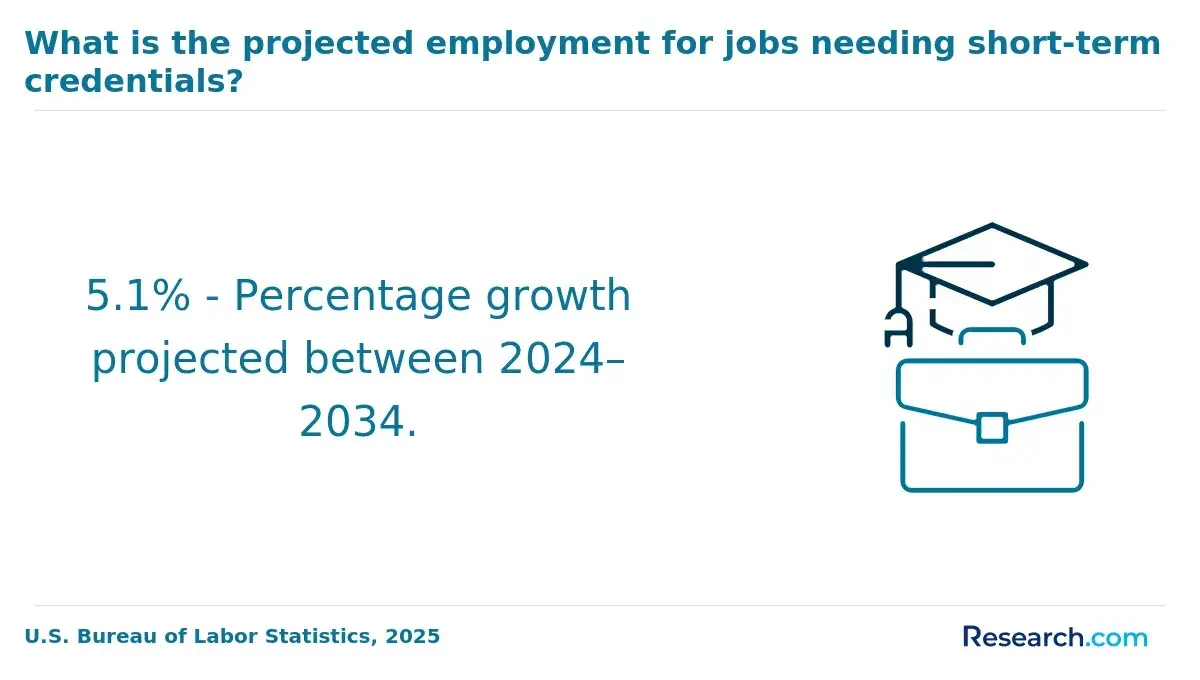
For career changers, developing relevant skills is crucial to successfully shift into child psychology amid today's evolving labor market. According to the World Economic Forum, by 2025, half of all workers will need to upskill or reskill to remain competitive. Building these competencies not only smooths the transition but also establishes long-term career viability. Key skills gained in a child psychology program include:
- Developmental Assessment: Career changers learn to evaluate children's emotional and cognitive growth accurately, enabling tailored intervention plans that address individual needs effectively in clinical and educational settings.
- Communication Skills: Mastery of clear, empathetic communication facilitates collaboration with children, families, and professionals across disciplines, strengthening therapeutic relationships and ensuring comprehensive care.
- Research Literacy: Understanding how to analyze data and interpret studies allows learners to implement evidence-based strategies confidently, elevating treatment quality and professional credibility.
- Behavioral Intervention Techniques: Acquiring practical methods for guiding positive behavioral changes equips career changers to apply interventions directly, enhancing their effectiveness in real-world environments.
- Ethical Decision-Making: Navigating confidentiality and ethical standards is essential for fostering trust and maintaining compliance with legal obligations in child-focused psychological practice.
When discussing her experience, a career changer who completed a child psychology degree shared how initially balancing coursework with work and family commitments was daunting. She noted, "Adapting to the academic language and theories was challenging, but hands-on projects helped bridge theory and practice."
Her confidence grew as she applied behavioral techniques during internships, highlighting that those skills were "transformative for understanding children's perspectives and needs." Her journey underscored the importance of perseverance and how the program's focus on ethical and research skills prepared her to embrace complex situations with professionalism and empathy.
For career changers, understanding the full cost of earning a child psychology degree is essential, as budgeting impacts the ability to balance education with existing responsibilities. Graduate education in the U.S. often comes with significant debt; the average student loan debt for master's degree recipients exceeds $66,000, highlighting the importance of financial planning. Below are the primary cost components to consider for affordable child psychology programs for career changers.
- Tuition: This is the largest expense, varying significantly by institution and program format. Total tuition can range from about $15,000 to over $50,000 for the entire degree. Working professionals should compare costs for online, evening, or hybrid formats that offer flexibility but may sometimes carry premiums.
- Fees: Additional mandatory fees often include registration, technology access, and lab or practicum use. These fees can add several hundred to a few thousand dollars and tend to differ by school and delivery format.
- Textbooks and Materials: Textbooks and course materials represent recurring costs each semester. These may be reduced by digital resources or used books, which is an important consideration for career changers managing tight budgets.
- Practicum and Internship Expenses: Many child psychology programs require practical experience that may involve travel, background checks, or unpaid placements. These indirect costs should be factored into overall planning, as they vary widely by location and program structure.
- Flexible Payment Options and Financial Aid: Many programs offer payment plans, scholarships, or employer tuition assistance designed for adult learners. Career changers should investigate these options to alleviate financial strain.
- Cost-Saving Strategies: Transferring previously earned credits, selecting accelerated programs, or starting with certificates before a full degree can make a transition more affordable while allowing students to explore the field.
Exploring affordable child psychology programs for career changers helps to balance educational and financial goals effectively. For those interested in how this degree compares in the wider job market, resources detailing degrees that make the most money can provide valuable career insights.
Curriculum design is especially important for career changers entering child psychology, as it bridges the gap between prior experiences and new professional demands. Thoughtfully structured programs emphasize applicable skills and flexible learning that support smooth transitions. Below are key ways a child psychology curriculum supports career transitions.
- Applied Learning: Programs incorporate real-world projects and case studies that connect theoretical knowledge with practical experience. This hands-on approach fosters problem-solving skills essential for child psychology practice.
- Transferable Skills: Coursework develops critical abilities such as empathy, active listening, and behavioral analysis, which are valuable in many professions beyond psychology.
- Flexible Pacing: Many curricula offer online or hybrid formats with adaptable schedules to accommodate working adults balancing family and job commitments.
- Interdisciplinary Content: Integrating psychology with education, healthcare, and social services broadens career opportunities and contextual understanding in child-focused roles.
- Field Experience: Supervised internships and placements provide hands-on exposure and professional networking opportunities in child-centered environments.
These features are designed to give career changers confidence and competence while building skills gained from child psychology programs for career transitions. Those seeking further flexibility and options may explore various online degree programs that accommodate diverse learner needs.
For career changers, knowing potential job outcomes helps align education with roles that show promising growth. Employment for psychologists and related specialists is expected to increase by 8% between 2022 and 2032, indicating solid demand in areas connected to child psychology. Below are some common career options for individuals with a child psychology degree.
- Child Psychologist: Evaluate and treat developmental, emotional, and behavioral concerns in children through therapeutic methods. Skills like empathy and effective communication make this a natural fit for those shifting careers.
- School Counselor: Assist students in navigating academic and social challenges that impact their success in school. Backgrounds in education or counseling provide a helpful foundation for this role.
- Child Life Specialist: Support children and families during medical treatments by offering emotional comfort and playful distraction. Strong interpersonal abilities are essential for this position.
- Behavioral Therapist: Develop and implement plans to address behavioral issues in children, using problem-solving and analytical skills gained from prior experience.
- Social Worker: Aid children and families dealing with difficult situations such as abuse or neglect, utilizing advocacy and case management expertise to promote well-being.
Salary expectations play a crucial role for professionals shifting to a new career, as they directly affect financial planning and the return on educational investment. Data from the Federal Reserve Bank of New York in 2023 shows that reskilled workers often experience a median wage increase of about 12% from their former jobs. The following points highlight typical earnings and factors influencing compensation in child psychology-related careers.
- Entry-Level Positions: Annual salaries usually fall between $45,000 and $60,000, reflecting industry norms for newcomers entering the child psychology field.
- Mid-Career Salaries: Professionals with several years of experience can expect $60,000 to $85,000, with variations based on employer type and individual expertise.
- Specialized Roles: Those holding advanced certifications in clinical or educational psychology often command salaries exceeding $90,000, reflecting their specialized skills.
- Industry Experience: Backgrounds in healthcare or social services generally correlate with higher pay, while academic and nonprofit sectors may offer comparatively lower compensation.
- Geographic Location: Urban centers typically provide higher salaries due to increased demand and elevated living costs, significantly impacting overall earnings.
What Graduates Say About Their Child Psychology Degrees for Career Changers
- Trace: "Changing careers to pursue a child psychology degree was a leap of faith for me, especially considering the average cost of attendance around $30,000. However, investing in this path gave me new skills and the confidence to work directly with children in a meaningful way. It was challenging but incredibly rewarding to see my career transform so positively."
- Sutton: "After years in finance, deciding to enter a child psychology program felt overwhelming, mostly due to tuition fees that typically range from $25,000 to $35,000. Reflecting on the journey, the degree was essential in helping me understand developmental stages and therapeutic techniques, which opened doors I never imagined. The program truly changed how I approach both my profession and personal growth."
- Zach: "I took a calculated risk enrolling in a child psychology degree despite the $28,000 price tag because I wanted to make a real difference in young lives. Completing the program equipped me with evidence-based methods to support children's mental health, and professionally, it has been transformational. This change felt like the right step toward a fulfilling career."
Other Things You Should Know About Child Psychology Degrees
Most programs require a criminal background check and, for placements involving minors, a child abuse clearance and fingerprinting before fieldwork starts. Some sites also require proof of immunizations and a current CPR certification before students are allowed in schools or clinics.
Career changers often need to adjust to the academic rigor involved in psychological science and research methods that may differ from their former fields. Balancing coursework, practicum hours, and possible work or family commitments can be demanding. Additionally, gaining practical clinical experience through internships may require significant time and emotional investment.
- transition-support-plan https://careershift.ai/transition-support-plan
- Educational Psychology Funded Training (EPFT) scheme https://www.aep.org.uk/EPFT
- Home https://www.husson.edu/online/blog/2025/10/types-of-child-psychology-careers
- Discover child psychology courses: Top Programs & Degrees | Prac Skills Blog https://www.pracskills.com.au/blog/child-psychology-courses
- Society for the Teaching of Psychology https://teachpsych.org/page-1784686/8675326
- Clinical Psychology as a Second Career – Association for Psychological Science – APS https://www.psychologicalscience.org/members/apssc/undergraduate_update/clinical-psychology-as-a-second-career
- Changing careers - from education to psychology https://www.thestudentroom.co.uk/showthread.php
- Child Psychology Degree and Career Guide https://www.psychologydegree411.com/degrees/child-psychology/
- Careers in Psychology: Navigating Child Psychology Paths https://www.baypath.edu/academics/undergraduate-programs/undergraduate-online-programs/careers-in-psychology-navigating-child-psychology-paths/
- Master of Education in School and Applied Child Psychology (MEd) https://www.grad.ubc.ca/prospective-students/graduate-degree-programs/master-of-education-school-applied-child-psychology