2027 Online vs On-Campus Child Psychology Degree Programs: Pros & Cons

Co-Founder and Chief Data Scientist
The popularity of online child psychology degree programs has surged, with recent data showing that over 45% of U.S. higher education students now enroll in at least one online course. This shift reflects growing demand for flexible learning options that accommodate diverse lifestyles and commitments.
However, choosing between online and on-campus formats involves weighing factors such as flexibility, cost, learning experience, and career outcomes. This article provides a clear comparison of the benefits and drawbacks of each format, helping prospective students make informed decisions about their educational paths in child psychology based on expert analysis and current trends.
Key Benefits of Online vs On-Campus Child Psychology Degrees
- Online child psychology degree programs offer flexible scheduling that allows students to balance work and family commitments, appealing to the 65% of adult learners who seek part-time study options.
- Students in online programs often save an average of 40% on associated costs like commuting, housing, and materials compared to their on-campus counterparts.
- On-campus child psychology degrees provide hands-on experience through direct interaction with faculty and peers, enhancing clinical skills which 78% of employers prioritize in this field.
Are Online vs. On-Campus Child Psychology Programs Structured the Same Way?
The structure of child psychology degree programs varies notably between online and on-campus formats, affecting how students engage with coursework and faculty. These differences influence the overall learning experience and cater to distinct student needs and lifestyles. To highlight these contrasts, here is a comparison of key structural elements in online and on-campus child psychology programs:
- Course Delivery: Online programs use digital platforms featuring recorded lectures, interactive modules, and video conferencing, allowing students to study at their own pace. In contrast, on-campus programs rely on face-to-face instruction, enabling immediate feedback and spontaneous discussions with instructors.
- Class Schedules: Online programs typically offer flexible schedules where students can complete coursework within broad deadlines, which benefits those balancing education with work or family. On-campus programs follow fixed timetables with set class times, requiring students to adjust their daily routines accordingly.
- Interaction and Collaboration: Online students engage with peers and faculty through discussion boards, video calls, and forums, offering community but limited immediacy. On-campus students experience direct, in-person collaboration that fosters richer social interaction and spontaneous group activities.
- Student Engagement: Online learning demands strong self-motivation and discipline, as students manage their time without regular in-person meetings. On-campus formats provide structured accountability through attendance, live discussions, and classroom assessments, supporting students who thrive in organized settings.
- Access to Resources: Those studying online rely on digital libraries, remote academic counseling, and 24/7 tech support. Meanwhile, on-campus students access physical libraries, participate in campus events, and enjoy extracurricular opportunities encouraging professional and social growth.
Are Admission Requirements the Same for Online vs On-Campus Child Psychology Degree Programs?
Colleges and universities generally uphold consistent academic standards for both online and on-campus child psychology degree programs, ensuring students meet the institution's educational expectations regardless of format. However, institutions may differ in how they assess applicants' readiness for the unique demands of online learning, such as self-motivation and digital competency.
Below is a comparison of key admission requirements that highlight where child psychology degree admission requirements online vs on-campus programs align and where differences may arise.
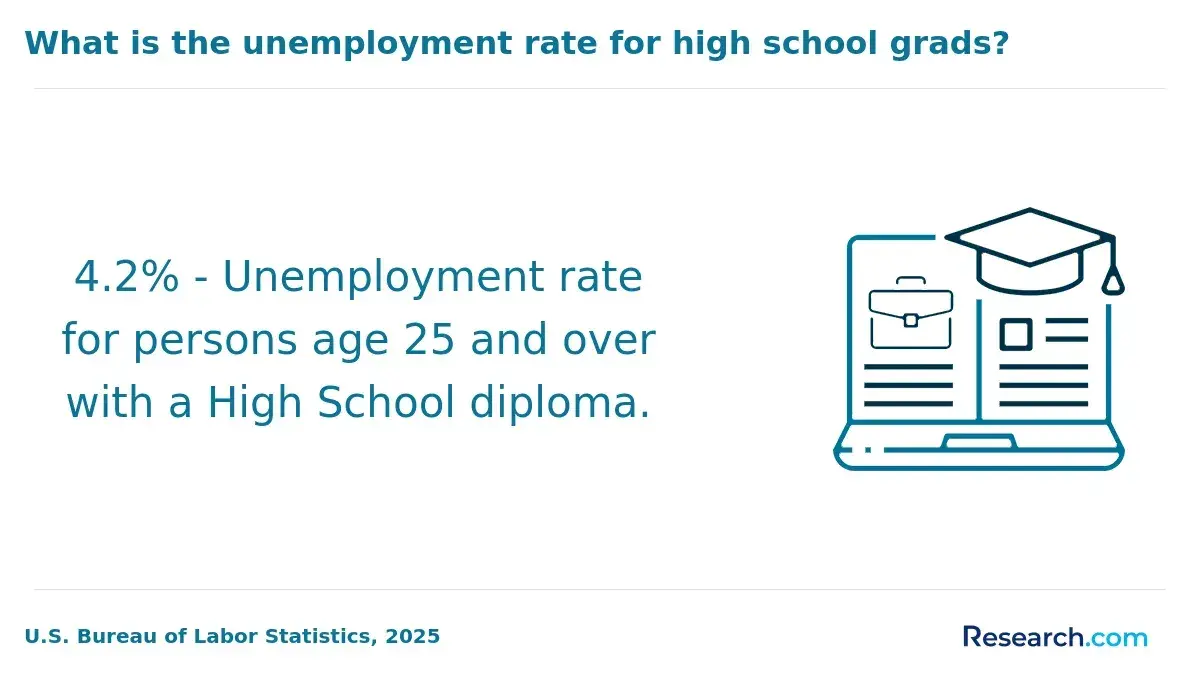
- Academic Qualifications: Both online and on-campus child psychology programs typically require a high school diploma or equivalent for undergraduate admission, along with a minimum GPA, often between 2.5 and 3.0. For graduate admission, a bachelor's degree in psychology or a related field with relevant coursework is standard for both formats.
- Standardized Test Scores: On-campus undergraduate programs often expect ACT or SAT scores, whereas online options are increasingly test-optional, focusing more on transcripts and holistic review. Graduate programs may require the GRE, but some online programs have dropped this requirement to increase accessibility.
- Application Materials: Transcripts, letters of recommendation, and personal statements are common to both program types. Online programs may additionally seek essays that demonstrate readiness for remote learning and self-directed study, reflecting differences in applicant assessment.
- Work or Volunteer Experience: Neither format universally requires prior experience, but graduate programs may value related backgrounds. Online programs tend to attract working adults and can be more flexible in considering professional experience during admissions.
- Interviews and Assessments: On-campus programs sometimes require in-person interviews, while online programs may employ virtual interviews or assessments to evaluate communication skills and preparedness for online study.
Students exploring their options should consider these differences in child psychology program application criteria carefully, especially if balancing work or family obligations. Those aiming for a fast bachelor's degree online may find online programs offer the flexibility and tailored admission processes that suit their needs.
Do Online Child Psychology Students Receive the Same Academic Support as On-Campus Students?
Universities have significantly expanded their academic support systems to ensure that online child psychology students receive resources and assistance comparable to those provided to on-campus students. Advances in technology and institutional investment have made it possible for remote learners to access many of the same services as their on-campus peers. To better understand the similarities in support, here is a comparison of the main academic support services offered in both learning formats:
- Tutoring Services: Both online and on-campus students can access subject-specific tutoring, often through virtual platforms or campus learning centers. Online programs frequently provide real-time chat or video sessions with tutors, while on-campus students may attend in-person meetings, ensuring equal support for academic challenges.
- Academic Advising: Academic advisors assist all students in developing personalized course plans and navigating degree requirements. Online students communicate with advisors via email, video calls, or dedicated portals, while on-campus students may opt for face-to-face meetings, both aiming to keep students on track for graduation.
- Library Access: Remote access to digital libraries, academic journals, and research databases is available to online students, paralleling the resources for on-campus learners. Many institutions also provide mail delivery of physical materials and 24/7 digital reference support to facilitate research and coursework.
- Faculty Interaction: Online learners communicate with instructors through email, discussion boards, and live video sessions, while on-campus students benefit from face-to-face engagement during lectures and office hours. Both formats promote faculty connection, although some online students note slightly lower satisfaction with certain aspects like instructor enthusiasm.
- Career Counseling: Career services such as resume workshops, internship placement, and job search assistance are accessible to all students. Online students attend virtual career fairs and receive one-on-one counseling via video conferencing, ensuring equitable preparation for employment opportunities.
The time it takes to complete a child psychology degree can vary widely depending on factors such as whether the program is delivered online or on campus, as well as the student's pace and the program's scheduling flexibility. These elements significantly influence how students manage their coursework alongside personal and professional commitments. Below is a comparison highlighting the typical completion times and flexibility differences between online and on-campus child psychology degree programs.
- Online Child Psychology Degree: Most online bachelor's programs last about four years for full-time students, similar to traditional campus programs. However, the flexibility of online learning allows some students to accelerate their studies by taking shorter, 5-8 week courses or enrolling year-round, enabling highly motivated or transfer students to finish in as little as 12-18 months if previous credits apply. Part-time options also accommodate those balancing work or family, extending completion up to six years for some.
- On-Campus Child Psychology Degree: A traditional on-campus path generally follows a four-year timeline based on the academic calendar with two main semesters each year. The fixed schedule and in-person requirements, including fieldwork, often provide less flexibility for acceleration or delay. While part-time study may be available, it is typically more challenging to alter the timeline due to the structured environment and set class schedules.
A professional who pursued an online child psychology degree shared that his journey took about three years, balancing studies with a full-time job. He described the challenge of maintaining motivation through asynchronous classes but appreciated the ability to control his pace, saying, "Being able to focus more intensely during certain months helped me finish faster than I initially expected." He noted that the flexibility allowed him to fit coursework around family responsibilities and reduce stress, which differed greatly from friends who followed traditional on-campus paths with less scheduling freedom. Reflecting on the experience, he said, "The time it took felt less important than how manageable and engaging the process was, which kept me on track till the end."
Tuition, fees, and related expenses for online child psychology programs are generally lower than those for on-campus programs, making online degrees a more affordable option for many students. Beyond tuition, savings on housing, transportation, and campus-based fees further reduce the overall cost of online learning versus traditional on-campus studies.
Several key cost factors influence the total price of each learning format, providing a clear perspective on the tuition comparison online vs on-campus child psychology programs:
- Tuition and Fees: Online child psychology programs typically have lower tuition than on-campus options. For instance, the average cost of online child psychology degree tuition and fees for bachelor's programs is about $11,998, compared to $17,797 for on-campus programs. Master's level programs also tend to offer more flexible and competitive pricing online.
- Living Expenses: One of the biggest savings for online learners comes from avoiding costs related to room, board, and commuting. On-campus students must budget for these additional expenses, which can significantly increase the total price of their degree annually.
- Technology Costs: While online students may incur some costs for computers, software, and reliable internet, these are generally modest compared to the savings on housing and transportation. Many programs require only standard technology, and some schools offer financial support for equipment.
- Financial Aid Availability: Both online and on-campus students can access federal financial aid, scholarships, and grants. Average net prices after aid show online programs around $7,471 compared to $8,536 for on-campus ones. However, on-campus graduate students might have access to additional assistantships or work-study opportunities not always available to online learners.
For students comparing degree options, understanding the average cost of online child psychology degree programs versus traditional routes is essential. Those seeking affordable pathways might also consider related options such as the easiest associates degree to get, which can offer a cost-effective entry point into the field.
Both online and on-campus child psychology students in the U.S. may qualify for financial aid, but eligibility and accessibility often differ depending on the program format and type of institution. Understanding these distinctions is important for prospective students planning their education and expenses.
Below is an outline comparing the main financial aid options available for both online and on-campus child psychology students to help clarify the differences in access and eligibility.
- Federal Aid: Most accredited online and on-campus child psychology programs are eligible for federal financial aid, including Pell Grants and federal student loans. Online students must confirm their program qualifies for Title IV funding and may need to meet extra conditions, such as specific enrollment status or residency requirements.
- State Aid: State grants and scholarships tend to be more accessible for on-campus students, especially those attending public universities within their home state. Some states restrict aid to traditional attendance, though many have expanded eligibility to include online learners as well.
- Scholarships and Grants: Scholarships and grants for on-campus child psychology students often come from well-established endowments and alumni funds, while online students might find specialized offerings aimed at boosting enrollment. Availability and criteria vary between formats, affecting the overall accessibility of these awards.
- Employer Tuition Reimbursement: Many employers support tuition reimbursement for child psychology studies in both online and on-campus formats. Online programs are frequently favored by working professionals due to their scheduling flexibility, making this benefit especially relevant.
- Private Student Loans: Private loans are generally available regardless of program format but lenders usually require accreditation and federal aid eligibility. Interest rates and repayment conditions tend to be similar for both online and traditional students, though online learners should carefully review lender policies.
In addition to these financial aid options, online child psychology degree programs often have lower tuition costs and sometimes offer in-state pricing to all distance learners. For prospective students wanting to explore affordable options, resources like the best affordable associate programs online can provide useful guidance.
Accreditation plays a crucial role in determining the credibility of child psychology programs, whether online or on-campus. Both formats typically require meeting rigorous standards in faculty qualifications, curriculum design, and student outcomes to achieve regional or national accreditation, which assures educational quality.
For doctoral-level psychology programs, accreditation by the American Psychological Association (APA) remains the benchmark, often essential for state licensure. However, as of 2025, the APA does not accredit fully online doctoral programs in professional psychology due to concerns about limited face-to-face interaction, although hybrid models with some online coursework within on-campus programs are accepted.
At the bachelor's and master's levels, regional accreditation continues to be the primary indicator of program legitimacy regardless of delivery method.
Perceptions of online versus on-campus child psychology degrees are gradually shifting among employers, academic institutions, and licensing bodies. While licensure as a child psychologist typically requires a doctorate from an APA-accredited institution-favoring traditional on-campus programs-many employers now recognize accredited online degrees as comparable for positions that do not require licensure, such as research or teaching roles.
Recent surveys show that nearly 71% of employers consider accredited online degrees equal to traditional ones in hiring decisions for non-licensure jobs. Innovations in virtual learning, including simulated clinical experiences and live supervised practicums, alongside growing industry partnerships, continue to enhance training quality. These developments are closing the credibility gap, especially for career paths where APA-accredited doctoral credentials are not mandatory.
Employer attitudes toward online versus on-campus child psychology degrees have notably converged in recent years, reflecting a broader shift in the acceptance of remote education formats. Studies reveal that 83% of executives regard online degrees as equally credible as traditional campus-based credentials, emphasizing that institutional reputation and program accreditation are the foremost considerations in hiring decisions.
Rather than focusing on where the degree was obtained, employers prioritize the demonstrated competencies of graduates, such as organizational skills, cross-cultural communication, and self-directed learning capabilities. A survey of over 2,000 hiring professionals found that 76% viewed a four-year online degree favorably, and an overwhelming 92% said they would consider candidates holding online qualifications. This highlights a significant shift in employer perception, where the delivery format is less important than the quality and recognition behind the degree.
Workplace norms have evolved with the rise of remote and hybrid models, further influencing employer acceptance of online education. Graduates experienced with digital collaboration and agile work environments are increasingly seen as assets who can adapt to modern professional demands. Consequently, employers value the transferable skills developed through online learning pathways, especially when paired with internships or applied experience.
When institutions offer both online and on-campus versions of child psychology programs, employers tend to treat these credentials as equivalent, emphasizing the importance of accredited programs from reputable schools. This trend reflects a pragmatic focus on a candidate's preparedness rather than the nature of their educational setting, ensuring hiring aligns with contemporary workforce needs.
When I spoke with a professional who completed her child psychology degree online, she shared that her employers were primarily interested in the practical skills she gained rather than the modality of her education. She noted, "I made sure to emphasize my internship experiences and how navigating online coursework developed my time management and communication skills." Reflecting on her job search, she described how recruiters "recognized my ability to work independently and collaborate virtually," which resonated well given her prospective employer's hybrid work policies. Her positive hiring experience underscores that a well-rounded portfolio, combining accredited online education with real-world application, can effectively dispel traditional biases and open doors in the field.
Salary comparisons between online and on-campus child psychology program graduates are increasingly shaped by factors such as accreditation, career support, and employer perceptions rather than the learning format itself. This subtle shift means that the average salary for online child psychology degree graduates is becoming more aligned with their on-campus counterparts. To better understand these trends, consider the following main factors influencing salary outcomes for online versus on-campus child psychology graduates.
Key influences in the salary comparison between online and on-campus child psychology degrees include:
- Accreditation and Program Quality: Graduates from accredited programs, whether online or in-person, tend to have similar earning potential. APA accreditation is particularly valuable, often correlating with higher median salaries near $105,870 annually, as rigorous standards prepare students well for licensure and clinical roles.
- Career Services and Academic Support: On-campus programs may offer enhanced networking and face-to-face career counseling, giving some advantage in competitive markets. However, many online programs are improving their virtual career support and internship opportunities, which helps close the salary gap linked to career resources.
- Employer Perceptions: Increasing acceptance of online degrees by reputable institutions means employers often prioritize credentials and licensure over degree format. This evolving perception supports comparable salary ranges across both online and on-campus graduate pools.
- Geographic Location: State-by-state salary variations, influenced by local demand and cost of living, often outweigh differences caused by degree delivery method. For instance, child psychologists in states like Colorado can earn over $126,000, while other regions may see lower averages.
- Specialization and Experience: Higher salaries are typically driven by advanced specialization and professional experience rather than program format. Top earners with doctoral degrees and significant clinical expertise can make upwards of $200,000 annually regardless of whether they studied online or on campus.
For prospective students seeking affordable pathways in child psychology, exploring options with online college low tuition may offer financial advantages without sacrificing salary potential.
Choosing between online and on-campus child psychology programs depends largely on your personal learning preferences, lifestyle, and professional goals. Both formats offer unique advantages, so it's important to evaluate which environment aligns best with your needs. To help guide your decision, consider the following key factors that influence whether an online or campus-based child psychology degree is the right fit for you.
- Learning Style: If you benefit from direct interaction and a structured classroom, on-campus programs may suit you better. Conversely, online options cater well to independent learners who are comfortable managing virtual coursework and value flexible communication.
- Flexibility Needs: Online child psychology programs often provide greater scheduling flexibility, ideal for working parents or professionals balancing other responsibilities. Many feature accelerated terms and rolling admissions, enabling students to progress at their own pace, which is why these programs are frequently seen as the best online child psychology degree programs for working adults.
- Budget: Tuition and additional expenses like commuting can vary widely between formats. Online programs typically cost less overall, making them attractive for students seeking affordable options. For example, exploring cheapest online schools for working adults can help identify cost-effective choices.
- Networking Opportunities: Campus-based child psychology degrees with hands-on experience tend to offer richer face-to-face networking with faculty and peers, enhancing relationship-building and internship prospects. Online students may need to actively pursue virtual networking or local practicums to gain similar benefits.
- Access to Campus Resources: In-person students have immediate access to libraries, labs, and counseling centers, which support academic and personal growth. Although online learners often receive digital support and virtual services, these may differ in availability and immediacy compared to on-campus resources.
Here's What Graduates of Online vs On-Campus Child Psychology Programs Have to Say About Their Degree
- Jane: "Completing my child psychology degree online allowed me the flexibility to balance work and family while pursuing my passion. The program was rigorous, and I appreciated the diverse virtual connections with professors and classmates from across the country. Having this degree helped me secure a counseling role at a local community center focused on youth mental health, and I feel empowered to make a meaningful impact every day. The online format truly expanded my professional network far beyond what I expected. "
- Maxine: "Attending the child psychology program on campus was a transformative experience that shaped both my knowledge and my character. Immersed in a stimulating academic environment and hands-on labs, I gained invaluable face-to-face mentorship and collaborative skills. Now, as a child psychologist working with schools, I draw on the solid foundation and connections I built throughout the program. The community atmosphere not only enriched my learning but inspired me to contribute positively to the next generation."
- Ralph: "The hybrid child psychology degree perfectly suited my busy lifestyle, combining the convenience of online learning with in-person clinical experiences. This blended approach prepared me thoroughly for my current role in pediatric therapy, where real-world skills are critical. The hybrid format sharpened my ability to adapt and communicate across digital and live settings, which has been a major advantage professionally. Beyond academics, this program helped me grow personally-balancing diverse learning methods boosted my confidence and commitment to child advocacy."
Other Things You Should Know About Online & On-Campus Child Psychology Degree Programs
Yes. Most on-campus child psychology programs require supervised practicum or fieldwork, often 100 to 600 hours, completed in approved settings such as schools, clinics, or hospitals. Programs also usually require background checks and proof of immunization before placement.
Online child psychology degree programs in 2027 typically require a reliable internet connection, a computer with updated software capabilities, and access to specific educational platforms and tools. Students may also need peripherals such as webcams and microphones for interactive sessions and exams.
- How Long Does it Take to Get a Psychology Degree Online? - Psych Degrees https://www.psychdegrees.org/faq/how-long-does-it-take-to-get-a-psychology-degree-online/
- The Problem With Exclusively Online Degree Programs https://tcf.org/content/commentary/the-problem-with-exclusively-online-degree-programs/
- 6 Pros and Cons of Enrolling in an Online Graduate Certificate Program in Psychology https://www.counselingpsychology.org/pros-cons-psychology-graduate/
- How To Choose A Psychology Program | Psychology.org https://www.psychology.org/resources/choosing-a-program/
- Bachelor’s in Psychology Programs Online | Social Work License Map https://socialworklicensemap.com/social-work-resources/comparing-social-service-degrees/ba-psychology/
- What Are the Benefits of Online Psychology Programs? https://semo.edu/blog/blog-posts/benefits-online-psychology-programs
- Affordable Online Master's in Child Psychology Programs - Psych Degree Starter https://psychdegreestarter.com/degrees/masters/affordable-online-child-psychology-programs/
- Online Education vs. On-Campus Tuition: How ACE Online Degree Programs Help Keep Your Costs Down | ACE Blog https://ace.edu/blog/online-education-vs-on-campus-tuition-how-ace-online-degree-programs-help-keep-your-costs-down/
- The research on the impact of distance learning on students’ mental health https://pmc.ncbi.nlm.nih.gov/articles/PMC10007642/
- A Guide to On-Campus Vs. Online Forensic Psychology Programs https://www.thechicagoschool.edu/insight/career-development/online-m-a-forensic-psychology-programs-guide/