2027 Industry Demand for Public Health Master's Graduates: Job Outlook & Hiring Trends

Co-Founder and Chief Data Scientist
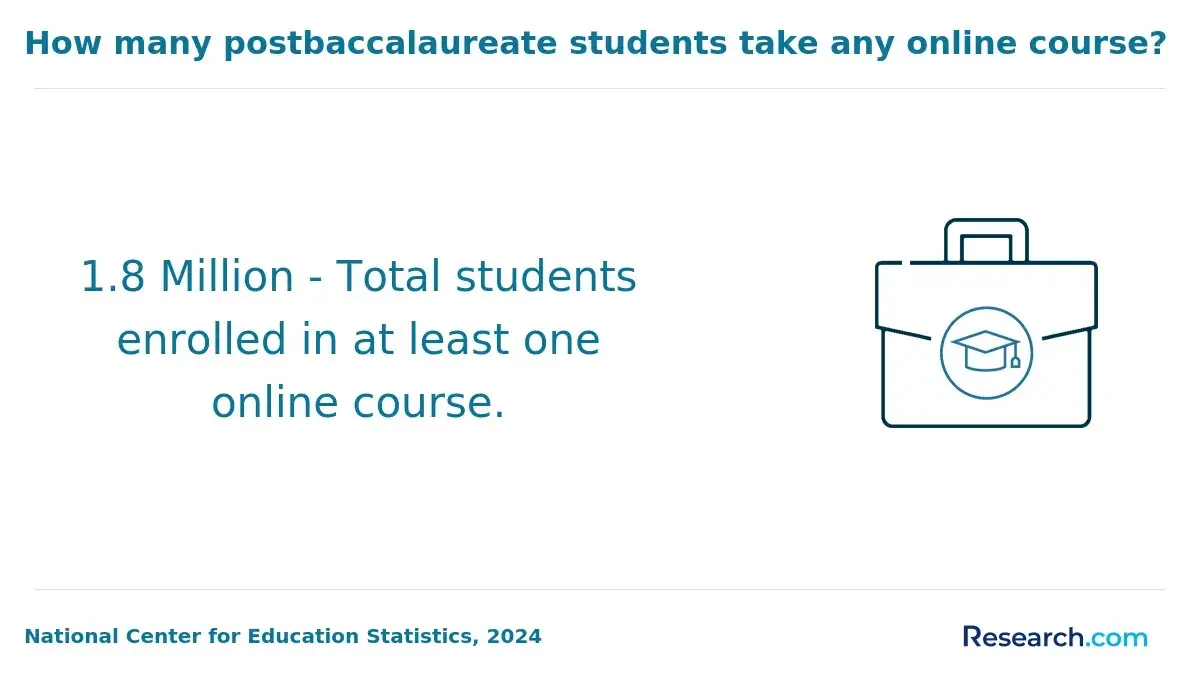
The evolving demand for public health master's graduates now reflects more than broad market growth; it hinges on specific employer priorities such as expertise in epidemiology software, regulatory compliance, and applied leadership skills. Roles like epidemiologist, health policy analyst, and community health director often require credentials aligned with certification or licensure pathways, influencing hiring decisions across government agencies, non-profits, and healthcare systems. Enrollment data from the National Center for Education Statistics reveal a steady rise in fully online graduate public health programs, highlighting adult learners' preference for flexible study that balances work, family, and affordability. This trend underscores the importance of adaptable curricula that integrate portfolio-ready projects and real-world tools.
Graduates who align their studies with evolving workforce requirements-notably competencies in data analytics and stakeholder management-position themselves for practical upward mobility or cross-sector transitions. This article will examine these hiring trends and credential expectations, helping readers assess if a public health master's degree matches their professional ambitions, budget constraints, and target employment sectors.
Key Things to Know About Industry Demand for Public Health Master's Graduates
- Specialization demand, especially in epidemiology and health informatics, requires graduates to balance broader public health knowledge with niche competencies, shaping hiring toward role-specific expertise over generalist profiles.
- The rise of credential stacking pressures applicants to earn certifications beyond a master's degree, reflecting employer preferences for multi-skilled candidates versed in data analysis or policy, complicating straightforward career entry.
- Flexible online program growth, noted in a 2024 National Center for Education Statistics report, expands access for adult learners but may prolong time-to-degree, influencing cost-benefit calculations for those balancing work and study.
What is the Current Job Outlook for Public Health Master's Graduates?
The job outlook for public health master's graduates reflects a complex interplay between evolving sector demands and credential expectations. Rather than uniform growth, prospective professionals face variable opportunities shaped by specific industry drivers and regional workforce needs. Practical hiring realities underscore the importance of targeted experience and certification for navigating a competitive employment landscape.
- Sector-Specific Demand: Employment trends for public health master's degree holders reveal that healthcare delivery systems, government agencies, and nonprofits remain core job providers. However, budget fluctuations and policy shifts cause uneven hiring, requiring graduates to align skills with emerging priorities such as epidemiology and health equity.
- Credential Importance: Employers often mandate the Master of Public Health (MPH) alongside credentials like Certified in Public Health (CPH). Licensure and role-specific certifications significantly influence hiring, especially for epidemiologists and health educators seeking advancement or specialized roles.
- Technology Integration: Increasing incorporation of digital tools in health data analysis and program evaluation places a premium on candidates familiar with statistical software and health informatics. Graduates adept in these areas gain leverage amid growing demand in the pharmaceutical and health tech sectors.
- Geographic Variability: Urban centers with robust healthcare infrastructures offer more openings and potentially higher salaries. Conversely, rural and underserved areas may yield fewer opportunities but sometimes provide broader scope roles, emphasizing operational flexibility and cross-functional skills.
- Career Transition Relevance: For budget-conscious adult learners and career changers, understanding employer expectations around practical experience and flexible online education options is crucial. Programs linking coursework to industry standards and internships enhance ROI and employability in competitive labor markets.
With many candidates balancing cost concerns, exploring resources on the cost of medical coding and billing certification can provide additional insight into managing credential investments alongside public health education costs.
Which Industries Hire the Most Public Health Master's Graduates?
The demand for public health master's graduates concentrates in industries where specialized skills meet complex regulatory, operational, and analytical needs. Employers prioritize candidates capable of navigating evolving policy landscapes, applying quantitative methods, and managing multifaceted health programs. This demand is deeply shaped by sector-specific hiring practices, role expectations, and long-term career trajectories rather than generic employability claims.
- Healthcare Delivery Systems: These organizations heavily depend on master's-level expertise to lead epidemiological surveillance, quality improvement efforts, and population health management. Advanced training supports compliance with intricate healthcare regulations and implementation of evidence-based interventions, especially as technology adoption and reimbursement models become more sophisticated.
- Government Agencies: Federal, state, and local public health departments require analytical competencies tied to policy evaluation, disease monitoring, and emergency readiness. Hiring often aligns with public funding cycles and shifting policy priorities, demanding proficiency in biostatistics and environmental health that a master's curriculum typically provides.
- Nonprofit Sector: Emphasizing advocacy and community outreach, nonprofits look for candidates who merge public health knowledge with cultural competency and grant-writing skills. The resource-constrained environment drives a focus on program development and flexibility, requiring graduates to adapt to grassroots agendas and donor expectations.
- Pharmaceutical and Biotechnology Companies: These industries seek professionals skilled in research management, health economics, and outcomes research. The ability to translate complex public health data into commercial and regulatory frameworks is critical, reflecting the sector's convergence of scientific research with market and policy considerations.
- Academia and Research Institutions: Master's graduates pursuing epidemiology, health behavior studies, or program evaluation find roles demanding rigorous methodology and often doctoral advancement. Hiring conditions here depend on research funding and priorities, emphasizing contributions that drive evidence-based policy and health practice innovation.
What are the Most Common Job Titles for Public Health Master's Degree Holders?
Job titles for master's graduates in public health expose how employers segment roles by specialization, experience level, and functional focus. Rather than uniform job definitions, these titles signal distinct employer expectations and often determine career trajectories, compensation bands, and the nature of daily responsibilities, including leadership versus tactical tasks.
- Entry-Level Generalists: Roles like public health analyst or epidemiologist typically demand strong data proficiency and applied knowledge in disease tracking or health promotion. Employers see these as foundational positions suited for recent graduates to develop core technical skills before advancing.
- Client-Focused Practitioners: Titles such as community health worker or health program coordinator emphasize outreach and direct service delivery. These often require certifications like CHES and appeal to graduates interested in hands-on engagement rather than pure analytics.
- Specialist & Mid-Management: Positions like policy analyst, biostatistician, or program manager highlight the need for strategic oversight, regulatory fluency, and deep analytic insight. These roles frequently bridge data interpretation with program implementation and require several years of relevant experience.
- Senior Leadership & Research: Titles such as public health director or chief epidemiologist reflect advanced supervisory responsibility and cross-disciplinary coordination. These demand a blend of managerial acumen and research credentials, often influencing organizational strategy at high levels.
In practice, employers' flexible use of titles means that, particularly in smaller agencies, combined roles may obscure clear-cut career ladders, necessitating careful interpretation by job seekers comparing position requirements to their skill set. Recognition of these nuanced distinctions helps graduates prioritize certifications, understand salary expectations, and assess remote or hybrid work feasibility in each job category.
One recent public health master's graduate recalled navigating job searches with some uncertainty about title variation. While official postings listed "health educator" widely, she found related roles titled "community outreach specialist" or "population health coordinator" that required similar qualifications. She realized that aligning her resume with the competencies tied to data analysis and program oversight, rather than exact titles, broadened her opportunities, and appreciating these naming differences was key in clarifying which positions truly fit her career goals.
How Does Salary for Public Health Master's Graduates Compare to Other Advanced Degrees?
Salary comparisons for public health master's graduates reveal significant variability shaped by employer demand, job function, and sector. Unlike some advanced degrees with a strong focus on private-sector profit drivers, public health salaries often balance steady earnings with mission-driven roles, affecting compensation structures and ROI assessments.
- Industry Premium: Public health roles in government and nonprofit sectors usually command lower salaries than private-sector degrees like business or engineering, reflecting funding sources and organizational missions rather than skill deficits.
- Role Specialization: Graduates specializing in epidemiology, biostatistics, or health policy frequently earn more than peers in generalist public health roles, underscoring how targeted expertise enhances earning potential within the field.
- Credential Signaling: Certifications such as Certified in Public Health (CPH) can boost salary prospects by validating professional competence and meeting employer licensure expectations, influencing wage offers especially in healthcare hubs.
- Geographic and Sector Variation: Salaries rise in high-cost urban centers and dense healthcare markets, mirroring broader labor trends; however, this premium often remains modest compared to STEM or law fields in similar locales.
- Advancement Ceiling: Although public health careers offer stable employment, the upper salary range tends to plateau below that of certain advanced degrees linked to high-revenue industries, affecting long-term income growth trajectories.
- Return-on-Investment Tradeoff: For budget-conscious students seeking affordable accredited online programs, assessing the balance between steady employment and comparatively moderate income is key; those prioritizing immediate high earning might consider business analytics or engineering pathways.
Evaluating earning potential for advanced degrees in public health requires considering diverse factors beyond raw salary figures, including job variety and societal impact. For adult learners, exploring no application fee colleges can lower barriers while maintaining alignment with career goals. Ultimately, compensation reflects how employers price public health expertise within complex hiring markets and workforce needs.
What Hiring Trends are Shaping Demand for Public Health Master's Talent?
The demand for public health master's graduates is increasingly shaped by employer criteria that extend beyond academic credentials to include practical leadership and technological competencies. Hiring managers now expect candidates to demonstrate readiness to handle multi-sector challenges and to deliver measurable impact in real-world settings.
- Credential Significance: Employers prioritize candidates whose degrees align closely with evolving certification standards, viewing this as a marker of both credibility and ongoing professional investment essential for leadership roles.
- Leadership Readiness: There is a premium on graduates who have proven experience or training in managing diverse teams and navigating policy environments, as these abilities directly influence organizational effectiveness and career mobility.
- Technical Proficiency: Master's-level professionals skilled in public health-specific analytical tools, such as epidemiological modeling and informatics, stand out by converting data into actionable strategies, meeting employer demand for tech-enabled decision-makers.
- Interdisciplinary Communication: The ability to translate complex public health data for varied audiences, including non-specialists, is increasingly critical, reflecting the cross-sector nature of contemporary health challenges.
- Applied Problem-Solving: Hiring trends favor candidates who integrate academic knowledge with experiential learning, enabling them to address complex health issues pragmatically rather than theoretically.
What Skills and Specializations are Most in Demand for Public Health Master's Roles?
Employers hiring public health master's graduates increasingly prioritize specialized competencies that align closely with evolving sector demands. Rather than generalized skills, hiring managers seek candidates demonstrating applied expertise supporting data-driven decisions, regulatory navigation, and culturally informed interventions. This trend shapes recruitment profiles and advancement criteria, reflecting both practical workplace expectations and career sustainability amid shifting public health challenges.
- Epidemiology Expertise: Mastery of study design, statistical methods, and disease surveillance enables graduates to contribute directly to outbreak investigations and policy influence. Government agencies particularly screen for this proficiency to fill roles requiring a nuanced interpretation of complex health data.
- Biostatistics & Data Analytics: Fluency with analytical software like SAS, R, or Python is crucial for extracting actionable insights from large datasets. These skills position graduates for analysis-driven roles with greater leadership potential and often require continuous credential updates to keep pace with technical advances.
- Health Policy & Management: Specialization in navigating regulations, budgeting, and program evaluation reflects the need for operational leadership. Employers value this focus for candidates managing compliance and strategy in complex organizational settings.
- Global Health & Infectious Disease Control: Training in international frameworks and pandemic preparedness meets demand for professionals coordinating cross-border interventions. Employers seeking such candidates emphasize hands-on experience in culturally sensitive public health initiatives.
- Community Health & Behavioral Science: Communication and outreach skills targeting underserved populations are vital for nonprofits and local health departments. These competencies enhance hiring prospects for roles emphasizing equity and health education.
For career changers and adult learners weighing affordability and flexibility, it's critical to assess how advanced competencies and certifications for public health careers align with these hiring realities. Programs focusing too broadly risk underpreparing graduates for competitive roles requiring technical and applied specialization. Those seeking cost-effective pathways should consider accredited online degrees with schedules adaptable to working professionals, such as those highlighted in ABSN programs online, to balance practical ROI with market-relevant skill acquisition.
How Do Employers Describe the Value of Public Health Master's Graduates?
Employers in the public health sector frequently describe master's-level graduates as professionals equipped with applied competencies that surpass theoretical understanding, directly responding to workforce needs for practical problem-solving in diverse roles. Hiring managers emphasize that candidates with a master's degree often demonstrate essential readiness to contribute immediately, especially for positions requiring nuanced data interpretation, program design, and policy influence without extensive on-the-job training.
- Technical Proficiency: Graduates are expected to possess in-depth knowledge of epidemiology, biostatistics, and health policy, enabling them to produce and interpret complex analyses that inform evidence-based decisions within organizations.
- Applied Problem-Solving: Employers prioritize demonstrated experience transforming academic knowledge through internships or fieldwork into tangible outcomes, as this reduces the lag between onboarding and productive contribution.
- Leadership and Collaboration: Beyond technical skills, hiring teams seek candidates capable of managing projects and stakeholder engagement, recognizing that leadership readiness in public health depends on communication skills and organizational insight.
- Credential Significance: The master's degree functions as a standardized benchmark, differentiating candidates from bachelor's-level applicants by signaling mastery of core competencies essential for specialized roles and compliance with regulatory or funding expectations.
Master's graduates who emerge from curricula emphasizing data-driven decision making, health equity, and interdisciplinary methods appear better aligned with employers' evolving expectations. This alignment informs screening procedures, wherein recruiters weigh the relevance of academic focus alongside practical experience when assessing promotion potential and specialization suitability within government agencies, nonprofit organizations, or healthcare systems.
One graduate recalled during a late-2023 regional public health department hiring cycle that interviewers focused heavily on their practicum projects, particularly how data analyses shaped intervention strategies. They observed that while the master's credentials established baseline competence, success depended on articulating how those skills translated into immediate problem-solving. The hiring panel contrasted their portfolio with other candidates' backgrounds, ultimately valuing demonstrated leadership in collaborative initiatives over purely academic achievements, reflecting a nuanced employer preference for adaptable, practice-oriented talent over narrowly specialized credentials.
What ROI Do Public Health Master's Graduates Typically See from Their Degree Investment?
Return on investment (ROI) for public health master's graduates extends beyond simple salary increases and hinges on how the degree translates into practical career outcomes amid sector-specific hiring realities. Evaluating ROI requires assessing costs, time, credential value, and job market positioning rather than relying solely on nominal wage gains.
- Earnings Growth: Salary improvements depend heavily on specialization and region, with some fields offering significant income uplift while others see moderate changes. This variability means that graduates must align their focus with demand sectors to realize meaningful financial benefits.
- Promotion Access: Holding a master's degree can unlock leadership roles that otherwise remain inaccessible, but these opportunities often require employer recognition of the credential's relevance and program quality.
- Opportunity Cost: Time spent completing the degree can impose income loss or conflict with work obligations. Flexible and online programs shorten this period, helping reduce financial strain and accelerate ROI.
- Employer Support: Tuition reimbursement programs materially affect net costs for working students, making affordability a key factor in maximizing ROI.
- Credential Requirements: Certain public health roles necessitate additional licensure or certification, extending time and expense commitments and influencing the degree's financial payoff.
- Market Demand: Fields experiencing stable or rising hiring trends yield stronger employment outcomes, reflecting the degree's practical value in real-world workforce dynamics.
Understanding these dimensions allows prospective students and career changers to evaluate whether their investment will produce tangible career gains aligned with their professional goals and financial constraints.
What Job Search and Hiring Strategies Work Best for Public Health Master's Candidates?
Job search strategy is especially critical for public health master's candidates because the sector's hiring processes increasingly prioritize measurable expertise over generic qualifications. Candidates who rely solely on broad applications face intense competition in generalist pools, whereas targeted approaches enable alignment with employer expectations and advance realistic placement outcomes.
- Employer Targeting: Focus on organizations that hire candidates with advanced public health skill sets, such as governmental agencies, nonprofits, and research institutions. This narrows competition and places candidates alongside peers with comparable qualifications.
- Credential Positioning: Tailor resumes and cover letters to emphasize specialized competencies like epidemiology or health policy analysis. Providing specific practicum or capstone project examples helps convert academic achievements into credible evidence that resonates with screening criteria.
- Portfolio Development: Assemble a collection of data reports, policy briefs, or intervention evaluations showcasing applied work. This tangible project evidence responds directly to typical employer screening filters favoring demonstrated impact over abstract knowledge.
- Interview Preparation: Prepare to articulate how core public health principles solve real challenges within the prospective employer's mission. Concrete problem-solving anecdotes from community health or program implementation signal practical readiness beyond soft skills alone.
- Application Timing: Align job searches with public health funding cycles and grant periods, recognizing that many hires are contingent on project funding availability or emergency response needs. Strategic timing can materially improve candidate visibility.
Networking with alumni, faculty, or professionals from internships remains a valuable channel but must complement a focused strategy rather than replace it. Understanding contemporary hiring trends for public health master's degree holders is essential given evolving employer expectations toward specialized, demonstrable competencies.
For those considering career transitions within healthcare, understanding the quickest way to become a nurse practitioner can inform parallel or alternative pathways in a tightly competitive labor market.
Adopting these evidence-based strategies improves hiring outcomes by framing graduate expertise in employer-recognized terms, reducing time-to-placement risk, and enhancing return on investment for budget-conscious learners eyeing affordable, accredited online public health master's programs with flexible scheduling.
How Will Future Trends Like AI And Automation Affect Hiring for Public Health Master's Graduates?
AI and automation do not merely eliminate roles in the public health sector; rather, they recalibrate the demand toward graduates who blend technical fluency with strategic judgment. Employers increasingly require master's graduates capable of interpreting AI-driven outputs critically, integrating automated data systems into broader health initiatives, and adapting to digital workflow transformations without losing ethical or contextual insight. This evolution redefines the scope of public health roles, emphasizing complex decision-making over routine analysis.
- Skill Integration: Master's graduates must develop fluency in data analytics and visualization tools that augment traditional public health methods. Proficiency in programming basics and digital health technologies offers a competitive advantage as employers expect seamless interaction with automated systems.
- Automation-Resistant Tasks: Roles focusing on community engagement, policy development, and leadership remain less automatable. These areas demand nuanced interpretation, ethical reasoning, and interpersonal skills that AI cannot replicate, maintaining the indispensable role of human expertise.
- Employer Screening Priorities: Hiring processes now prioritize candidates who demonstrate critical thinking abilities to evaluate AI-generated recommendations within regulatory and ethical frameworks. This ensures that decisions affecting population health maintain contextual relevance.
- Cross-Functional Collaboration: Graduates capable of managing diverse teams that include digital specialists gain favor, as effective public health interventions increasingly rely on interdisciplinary coordination and technology integration.
- Ethical and Regulatory Oversight: Navigating the challenges of AI-driven health surveillance and resource allocation requires continuous learning and strong ethical awareness to prevent biases and protect vulnerable populations.
These shifts reflect a growing trend in the impact of AI and automation on the public health master's job market, confirming that technological competence is a vital part of employability rather than a standalone qualification. Public health professionals who invest in these evolving capabilities are positioned to navigate a dynamic workforce landscape.
For those interested in related career trajectories, exploring resources on how to become an athletic director can offer insight into comparable industry adaptations and skill realignments.
What Do Graduates Say About Industry Demand for Public Health Master's Graduates?
- Azai: "Balancing a full-time job while pursuing my master's in public health meant my time was extremely limited, so I chose a program with flexible online coursework. This decision allowed me to complete an internship during nights and weekends, which turned out to be crucial since employers in my area prioritized hands-on experience over just certification. In the end, that internship helped me secure a position focused on community outreach, though I'm still navigating the slower salary growth common without additional licensure."
- Russell: "I came into the public health field from a non-traditional background, and cost was a huge factor in selecting my program. I opted for a more affordable school with strong connections to local health departments, deciding that real-world placement would bolster my resume more than a prestigious degree alone. After graduation, these partnerships landed me a remote data analysis role, proving that flexibility and relevant portfolio projects often outweigh formal titles when employers make hiring decisions."
- Christian: "Switching careers into public health later in life forced me to consider the workload and professional demands heavily when choosing my program. I prioritized one with intensive practicum options to make up for my lack of prior experience. Though the coursework was challenging, completing multiple internships gave me a competitive edge; however, I quickly learned that without certification, upward mobility could be limited, making further credentialing my next critical step."
Other Things You Should Know About Public Health Degrees
Yes, because employers increasingly value demonstrated applied skills. Programs that integrate internships, practicums, or community partnerships provide graduates with evidence of real-world problem-solving and networking, which is often more decisive than academic credentials alone. Those without hands-on experience may face longer job searches or entry at lower levels. Therefore, choosing a program with embedded experiential learning directly impacts employability and early career trajectory.
Specializing in areas such as epidemiology, biostatistics, or environmental health can improve alignment with specific job markets but may narrow flexibility in a shifting labor environment. Generalist degrees offer broader career options and adaptability but might require supplemental certifications or experience to reach senior roles in specialized settings. Career changers and budget-conscious learners should weigh whether the upfront investment in specialization aligns with their long-term goals and labor market demand in their preferred geography or sector.
Flexibility does not inherently diminish employer regard for a public health master's degree, especially since online and part-time formats have matured with quality assurance. However, prospective students must ensure these programs maintain accreditation and offer robust networking and mentorship opportunities. For working adults balancing responsibilities, flexible programs with strong employer ties can enhance practical readiness without career interruption. Choosing a flexible format should include scrutiny of program outcomes to avoid sacrificing ROI for convenience.
References
- What does AI mean for the future of healthcare jobs? https://www.worldhealthexpo.com/insights/medical-technology/what-does-ai-mean-for-the-future-of-healthcare-jobs-
- The future of master’s-level public health programs | EAB https://eab.com/resources/blog/adult-education-blog/the-future-of-masters-level-public-health-programs/
- 10 Great Job Titles of Masters in Public Health Grads https://mphprogramslist.com/10-great-job-titles-of-masters-in-public-health-grads/
- Industries and Top Careers for Master's in Public Health Graduates https://www.gograd.org/resources/masters-in-public-health-careers/
- Is Grad School Worth It? A Comprehensive Return on Investment Analysis - FREOPP https://freopp.org/whitepapers/is-grad-school-worth-it-a-comprehensive-return-on-investment-analysis/
- Making the First Cut: Tips for the Public Health Job Search https://debeaumont.org/news/2025/making-the-first-cut-tips-for-the-public-health-job-search/
- Which Health Science Master’s Degrees Pay Off https://thecollegeinvestor.com/74745/which-health-science-masters-degrees-pay-off/
- What skills will I develop on a master of public health? https://yourhealthmagazine.net/article/healthcare-careers/what-skills-will-i-develop-on-a-master-of-public-health/
- How to Be a Good Candidate for a Public Health Job https://www.publichealthdegrees.org/careers/highest-paid-public-health-jobs/good-candidate/
- Benefits of Studying Public Health | Bright Career Ahead https://tau.edu.zm/blog/the-advantages-in-master-of-public-health/