2027 Are Online Public Health Degrees Respected by Employers?

Co-Founder and Chief Data Scientist
Online public health degrees have surged in popularity, reflecting broader trends in digital education, with recent data showing over 40% of graduate students opting for online programs. Employers increasingly recognize these credentials, but their respect depends on factors such as accreditation, program rigor, and graduate competencies.
This article aims to clarify how employers currently view online public health degrees and the elements that influence their credibility in the job market. Understanding these perceptions helps prospective students make informed decisions about pursuing online education and anticipated career outcomes within the public health sector.
Key Benefits of Online Public Health Degrees Respected by Employers
- Employers increasingly recognize online public health degrees from accredited institutions as equivalent to traditional degrees, with 78% reporting no bias against online credentials in recent industry surveys.
- Graduates develop critical skills such as data analysis, epidemiology, and health policy management that align closely with employer demands and improve workplace effectiveness.
- Holding an online public health degree correlates with a 15% higher chance of promotion and a 12% increase in salary compared to those without such credentials.
Which Accrediting Bodies Make an Online Public Health Degree Legitimate?
Accreditation is essential for ensuring that online public health degrees meet high educational standards and are recognized by employers across the United States. It guarantees that programs provide the necessary competencies and maintain quality comparable to traditional learning environments. For students and professionals seeking credible credentials, understanding the different accrediting bodies and their implications is crucial.
The main types of accreditation relevant to online public health programs include:
- Programmatic Accreditation by CEPH: The Council on Education for Public Health (CEPH) is the leading specialized accrediting organization for public health programs. CEPH accreditation assures that a program prepares students effectively for important qualifications, such as the Certified in Public Health (CPH) exam. Graduating from CEPH accredited online public health programs United States institutions often opens doors to more competitive job opportunities since some employers require this accreditation for eligibility.
- Regional Accreditation: Regional accrediting agencies assess overall institutional quality and impact the transferability of credits between schools. This type of accreditation is widely recognized by employers and academic institutions, providing broader legitimacy to online public health degrees and ensuring students can pursue further education without barriers.
- National Accreditation and Other Specialized Accreditors: While less common in public health, some online programs may also possess national or other specialized accreditations, which primarily focus on specific program features or institutional missions. These accreditations can complement programmatic and regional accreditation but may vary in acceptance depending on employers and universities.
- Career Impact of Accreditation: Graduates from accredited programs are more likely to secure specialized roles such as health program managers, research coordinators, and healthcare policy analysts at reputable organizations. Accreditation signals to employers that candidates possess the skills and knowledge required in the public health sector, affecting hiring and advancement prospects.
For those looking into accelerated learning options, considering the best accelerated online undergraduate degrees for working adults can be a valuable step toward advancing a career while ensuring enrollment in appropriately accredited programs.
Does University Reputation Affect Employer Views of Online Public Health Degrees?
University reputation plays a significant role in shaping employer views of online public health degrees. Employers often rely on institutional prestige as an initial indicator of program quality and graduate preparedness, particularly when evaluating candidates from top-ranked online public health degrees in the US. Well-known institutions lend credibility that can help graduates stand out in competitive job markets.
Accreditation status also heavily influences employer confidence. Accredited online public health degree programs, especially those recognized by the Council on Education for Public Health (CEPH), demonstrate that curricula meet rigorous standards aligned with professional competencies. This accreditation reassures employers that graduates possess relevant knowledge and skills.
Beyond reputation and accreditation, strong alumni networks and career outcomes contribute to university credibility. Graduates from prestigious programs often report higher salaries and faster employment rates, events that employers value as proof of effective preparation. However, it is important to remember that practical skills and relevant experience remain critical. Employers prioritize demonstrated competencies and real-world application over institutional branding alone.
For prospective students seeking accessible educational options, exploring choices like the easiest AA degree could provide foundational credentials before advancing to higher degrees.
Do Employers Treat Online and On-campus Public Health Degrees Equally?
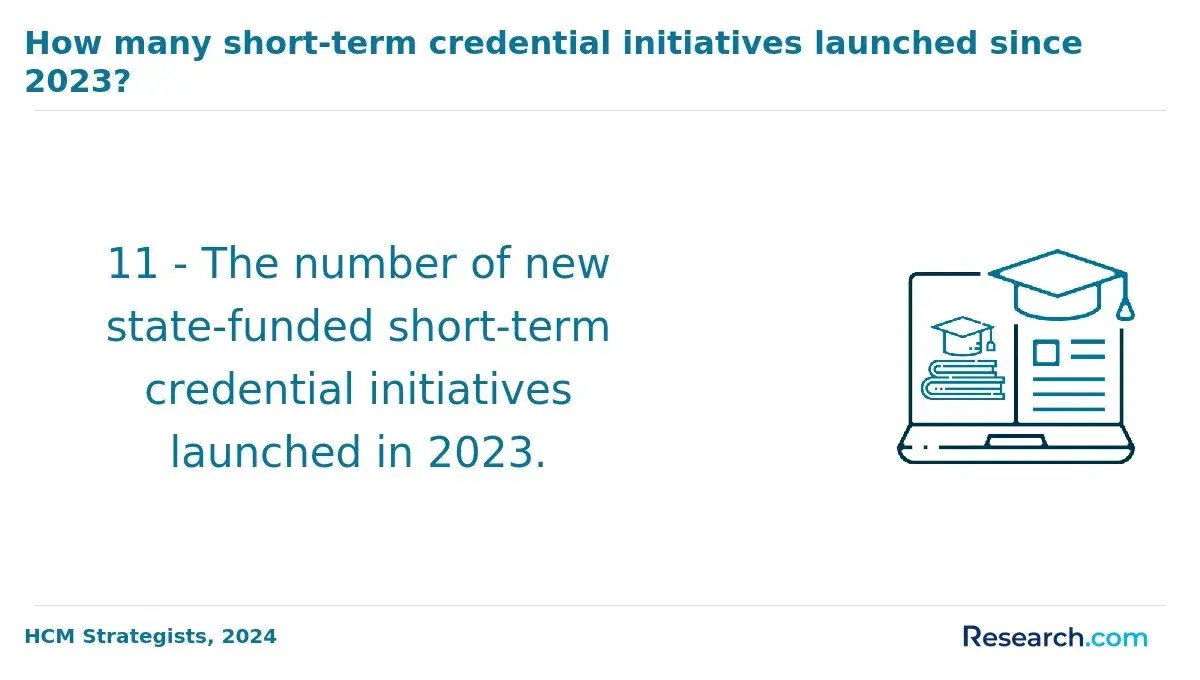
Employers have increasingly come to view online public health degrees as comparable to traditional on-campus credentials, reflecting a significant shift in attitudes over recent years. Whereas online programs were once met with skepticism, many hiring managers now regard them as equally credible when they meet proper accreditation standards and provide rigorous, practical training.
Surveys indicate that a majority of organizations have hired candidates with online degrees, and many human resource leaders believe online learning can match or even exceed the quality of in-person instruction. This change highlights the growing acceptance of digital education as a valid pathway to developing essential public health skills.
When evaluating candidates, employers typically focus on accreditation, university reputation, and the practical experience associated with the degree. Programs accredited by recognized bodies such as the Council on Education for Public Health (CEPH) or the Distance Education Accrediting Commission (DEAC) are generally considered reliable indicators of academic and professional rigor.
Additionally, degrees from well-established institutions lend credibility regardless of delivery mode. Employers also value hands-on experience, including internships or applied projects, which demonstrate that graduates possess job-ready skills. While U.S. employers may still show a slight preference toward traditional degrees compared to some global counterparts, this gap continues to narrow. To earn respect for their online public health degree, graduates should choose accredited programs, gain real-world experience, and showcase practical skills in job searches.
AI-powered virtual classrooms significantly enhance the quality and credibility of online public health education through technologies like adaptive learning systems, virtual simulations, and AI tutors. Adaptive learning systems customize the educational experience to meet individual student needs, ensuring targeted mastery of public health concepts.
Virtual simulations offer realistic practice scenarios that mirror real-world health challenges, providing hands-on learning without the limitations of geography or logistics. Additionally, AI tutors deliver personalized feedback and support, helping students address knowledge gaps promptly. These innovations create immersive learning that matches or exceeds classrooms, building strong skills in digital tools and health data management.
The integration of these advanced technologies has positively influenced employer perception of online public health degrees. Increasingly, employers recognize the rigor and relevance of accredited online programs, shifting their focus toward educational quality and institutional reputation rather than delivery format. Many organizations now view degrees earned through AI-enhanced online platforms as credible and valuable, especially given the strong career outcomes associated with healthcare fields.
Nonetheless, some skepticism remains, often linked to concerns about program rigor or lack of in-person experience. Yet, the prevalence of industry-aligned curricula, credible accreditations such as those from the Council on Education for Public Health, and graduates' demonstrated technical competencies are helping to mitigate these doubts. The growing trend of employer tuition reimbursement for online courses further reflects rising trust and acceptance in these qualifications within the professional hiring landscape.
Employers increasingly recognize the strong blend of professional and soft skills that online public health graduates bring to the workforce, making them highly competitive in today's dynamic job market. These graduates demonstrate adaptability, critical thinking, and communication abilities essential for addressing complex health challenges. Below are some of the key skills employers seek in online public health degree graduates, reflecting the evolving demands of the field.
Online programs ensure candidates develop a comprehensive skill set that spans technical expertise and interpersonal capabilities, equipping them for diverse roles in health organizations and agencies.
- Data Analysis & Research Fluency: Online public health programs emphasize the use of digital platforms and informatics to collect, analyze, and report health data. Graduates gain expertise essential for epidemiology, health informatics, and program evaluation, where data-driven decision-making directs impactful interventions.
- Program & Project Management: Through virtual collaboration tools, students learn to manage resources, timelines, and complex initiatives effectively. These project management skills for public health jobs in the US are crucial for overseeing health services, community programs, and policy implementation.
- Communication Skills: Developing strong public health communication skills employers seek is a core focus, involving both written and verbal communication methods. Graduates are trained to clearly present findings, advocate for policies, and engage diverse audiences across digital and in-person platforms.
- Leadership & Collaboration: Online learning environments foster self-direction and teamwork, enhancing leadership qualities and the ability to collaborate across multidisciplinary teams. This prepares graduates to coordinate stakeholders and lead health initiatives effectively.
- Health Equity & Regulatory Compliance: Courses often cover critical topics such as health disparities and regulatory standards like HIPAA, preparing students to navigate legal and ethical challenges in public health agencies and healthcare organizations.
For those considering educational pathways, exploring accelerated associate degree programs can provide a foundation to advance into specialized public health fields with these in-demand skills.
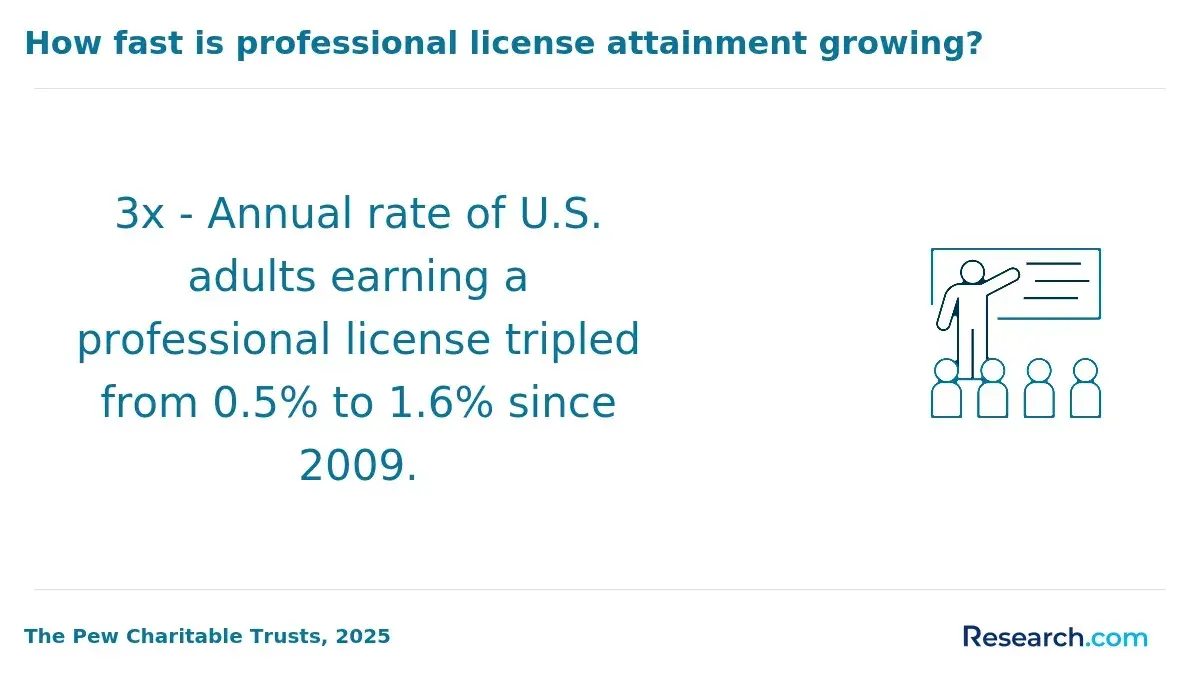
Earning professional certifications can significantly enhance the credibility of an online public health degree by demonstrating mastery of essential skills and adherence to industry standards. These certifications serve as concrete proof of a graduate's competencies in specialized areas, helping to close the trust gap that sometimes exists between traditional and online education.
To illustrate how professional certifications strengthen the perceived value of online public health degrees in the eyes of employers, consider the following key contributions:
- Certification in Public Health (CPH): This well-known credential from the National Board of Public Health Examiners validates a broad and comprehensive knowledge of critical public health topics. Holding a CPH signals a commitment to ongoing professional development and adherence to best practices, which reassures employers about the rigor and relevance of an online degree.
- Specialty Public Health Certificates: Certificates such as the Advanced Community Public Health Practice Certificate (University of Illinois Chicago) or the Graduate Certificate in Public Health (UNE) offer focused expertise in areas like epidemiology, biostatistics, or health policy. When these programs are accredited by the Council on Education for Public Health (CEPH), they confirm that graduates meet respected educational standards comparable to those of on-campus programs, thereby strengthening employer confidence.
- Career Advancement and Mobility: Certifications often serve as differentiators in a competitive job market, unlocking higher-level positions and salary opportunities. According to labor statistics, public health professionals with advanced credentials can earn salaries exceeding $70,000, underscoring the economic benefit of obtaining recognized certifications alongside an online degree.
- Employer Trust and Professional Recognition: Certifications provide assurance that graduates not only possess academic knowledge but also practical, job-ready skills. They help overcome any skepticism toward online education by offering independently assessed credentials that validate a professional's competencies beyond the awarding institution.
One professional who pursued an online public health program shared his reflections on the role of certifications in validating his degree. Initially, he faced doubts from some employers who questioned the legitimacy of his online education, describing the experience as "a real test of proving my skills beyond the diploma." Deciding to earn the CPH credential, he found the process both challenging and rewarding, requiring rigorous study and application of knowledge to real-world scenarios.
"The certification became my way to bridge the gap - it showed employers I met nationally recognized standards," he explained. This credential not only boosted his confidence but also expanded his job prospects, ultimately opening doors to roles that valued both his degree and specialized certification. His journey highlights how professional certifications can be a vital complement to online public health education, transforming initial skepticism into respect and opportunity.
Most available data and industry reports indicate that the average salary for online public health degree graduates is typically comparable to that of on-campus graduates, assuming the programs are accredited and respected by employers nationwide. National trends show similar median salary ranges regardless of study format, supporting an online vs on-campus public health salary comparison that favors parity in many cases.
Several key factors influence salary outcomes for graduates from online versus traditional degree programs, and understanding these can help explain differences when they occur:
- Accreditation and Program Reputation: Employers prioritize degrees from regionally accredited institutions with strong public health programs. Online degrees from reputable universities are often viewed on par with their on-campus equivalents, which supports similar earning potential.
- Networking and Experiential Learning: Access to internships, fieldwork, and faculty mentorship plays a significant role in job placement and starting salaries. Some online programs offer these opportunities robustly, but gaps may exist compared to on-campus experiences unless supplemented externally.
- Employer Perception of Online Learning: Acceptance of online public health degrees has increased substantially, especially for academically rigorous programs with practical curricula. Today, many employers focus more on graduate skills than on whether the degree was completed online or on campus.
- Location and Job Market Demand: Public health salaries vary considerably by geographic region and sector, such as government or healthcare. Graduates working in high-demand metropolitan areas may command higher salaries despite degree format.
- Professional Advancement and Credentials: Pursuing advanced degrees or certifications, whether online or on campus, often leads to higher salaries and career growth. Continuing education remains critical for long-term earning potential.
For prospective students searching for the most affordable online colleges that accept fafsa, exploring accredited options that balance cost and program quality can influence both educational value and eventual salary outcomes.
Earning an online public health degree can significantly influence long-term career advancement and promotion opportunities across various industries, including healthcare, government, and nonprofit sectors. These programs provide the specialized knowledge and credentials that employers value for leadership and mid to senior-level roles.
Several key advantages highlight how online public health degrees support professional growth and career mobility:
- Enhanced Resume Credibility: Completing an MPH or a master's in public health signals dedication and expertise to employers. This enhanced credential makes candidates more competitive for leadership roles and often results in more prominent positions with greater responsibility.
- Access to Mid to Senior-Level Roles: Graduates qualify for specialized positions such as epidemiology, health policy analysis, and healthcare administration. These roles typically require advanced qualifications and offer salaries that reflect the increased value of this expertise.
- Specialized Expertise and Differentiation: Online programs allow students to focus on niche areas like environmental health or health informatics. This specialization distinguishes professionals from peers and positions them as experts capable of addressing specific public health challenges.
- Practical Leadership Skills: Coursework emphasizes critical thinking, advocacy, and leadership through real-world projects. These skills prepare graduates to manage teams, influence policies, and navigate complex healthcare systems effectively, supporting quicker promotion into management roles.
- Expanded Career Pathways: The degree opens doors in sectors ranging from governmental agencies to research institutions. This flexibility enables professionals to align career advancement with their personal interests and goals across multiple industries.
When I spoke with a professional who recently completed an online public health program, she shared that balancing a full-time job alongside rigorous coursework was challenging but rewarding. She recounted how the leadership projects in her program enhanced her confidence to propose and lead new health initiatives at her workplace.
After graduating, she received a promotion within six months, transitioning from a coordinator role to a manager responsible for multiple community health projects. She reflected, "The degree didn't just add a line to my resume-it reshaped how I approached my work and communicated my value to supervisors." Her journey highlights the tangible career growth that online public health degrees can facilitate through practical skills and recognized credentials.
Employers across healthcare, nonprofit, and government sectors are increasingly open to hiring candidates with online public health degrees. This shift is largely driven by the rapid expansion of remote work opportunities and growing recognition of the strong skills these graduates offer. As a result, graduates find a broad range of employment options in various fields.
The following list highlights companies and industry sectors known for hiring online public health graduates, illustrating the diverse avenues available for employment in this growing job market.
- Government agencies: Federal, state, and local public health departments actively seek online degree holders for roles in epidemiology, health education, emergency response, and policy analysis. These employers prioritize candidates skilled in public health systems, data analysis, and population health management, all commonly developed through online public health programs.
- Healthcare providers and health systems: Hospitals, clinics, and health networks hire graduates to support community outreach, infection control, quality improvement, and patient education initiatives. Strong analytical, communication, and program management skills gained online are particularly valued in these roles.
- Nonprofit organizations: NGOs and foundations focused on health equity, disease prevention, and community wellness often employ graduates in program coordination, advocacy, grant management, and research roles. These organizations appreciate the flexibility and initiative demonstrated by those earning degrees online.
- Research and consulting firms: Public health research and policy evaluation organizations recruit graduates for positions such as research associate, data analyst, and policy consultant. Remote public health jobs in the United States are common in this sector, reflecting an embrace of virtual collaboration.
- Educational institutions and public health training centers: Colleges, universities, and training organizations employ graduates for educator, curriculum developer, and student advisor roles, often leveraging their digital learning expertise in remote and hybrid positions.
With a growing number of opportunities available, many students also consider enrolling in dual-degree programs to further strengthen their qualifications and broaden career prospects.
Technology, accreditation standards, and employer attitudes continue to evolve, significantly influencing how online public health degrees are perceived in the job market. These changes are making online programs more respected due to their increased flexibility, accessibility, and alignment with industry needs.
Several key trends are expected to strengthen the legitimacy and recognition of online public health programs, including the following:
- AI-Driven Learning Validation: AI technology is being used to validate learning outcomes by providing real-time feedback and targeted support. This enhances academic quality and builds employer trust by ensuring graduates possess verified skills and knowledge.
- Global Accreditation Collaboration: Accrediting bodies worldwide are collaborating to establish consistent standards for online public health degrees. This global cooperation improves international recognition and ensures graduates meet quality benchmarks valued by employers everywhere.
- Increased Employer Partnerships: Online public health programs are partnering with employers to tailor curricula that address current industry demands. These partnerships boost employability by equipping students with relevant skills and offer practical opportunities like internships and job placements.
- Skill-Based Hiring: Employers are increasingly focusing on applicants' proven skills rather than solely on traditional degrees. This trend benefits online public health graduates who demonstrate competencies in areas such as data analysis and health informatics, making them attractive candidates in the job market.
Here's What Graduates of Respected Online Public Health Programs Have to Say About Their Degree
- Oakleigh: "Completing my online public health degree opened doors I never imagined. The flexibility of the program allowed me to work full-time while studying, and now I have secured a role at a leading health agency where remote work is valued. This degree gave me the credentials and confidence to step into leadership positions quickly, and I feel proud to contribute to meaningful health policy changes in underserved communities. "
- Parker : "Finishing an online public health degree was a transformative experience that pushed me beyond my comfort zone. Balancing family life and coursework helped me develop resilience and strong time-management skills that employers clearly appreciate. Since graduating, I have moved into a niche epidemiology role where my work directly impacts vaccine distribution strategies. Knowing I can make a positive, measurable difference keeps me motivated every day. "
- Hadlee: "As a military veteran, pursuing an online public health degree was the most practical choice for my lifestyle. The program's focus on real-world applications prepared me well for reentering the workforce. This degree has helped me transition smoothly into a stable government health position with excellent benefits and advancement opportunities. I'm grateful that my education enhanced both my professional skills and my passion for serving diverse populations. "
Other Things You Should Know About Respectable Online Public Health Degree Programs
Employers most often look for CEPH accreditation from the Council on Education for Public Health, especially for MPH programs. Regional institutional accreditation also matters. In 2027, a CEPH-accredited online degree signals the program met public-health curriculum standards and can strengthen hiring confidence.
In 2027, the reputation of the school significantly influences how employers perceive online public health degrees. Degrees from accredited and reputable institutions are generally seen as more credible, which enhances the degree holder's employment prospects. Employers are more likely to respect degrees from schools known for rigorous academic standards and a strong public health program.
- Your Guide to Online MPH Program for Career Growth https://tau.edu.gy/blog/your-guide-to-online-mph-program-for-career-growth/
- Accredited Online Public Health Degree Programs https://www.accreditedonlinecolleges.org/public-health/
- Public Health Careers https://onlinepublichealth.gwu.edu/careers/
- What Do Employers Think About Your Online Degree? | OnlineMBA.com https://www.onlinemba.com/resources/employers-thoughts-on-online-degrees/
- Today’s Guide to Public Health Certifications https://www.publichealthdegrees.org/resources/public-health-certifications/
- How Much Can I Make With An Online MPH? - MPH Online https://www.mphonline.org/salary-expectation-online-mph/
- How an Online Master in Public Health Can Transform Your Career and Community https://www.emorywheel.com/article/2024/06/how-an-online-master-in-public-health-can-transform-your-career-and-community
- Insights from the Job Demands–Resources Model: AI's dual impact on employees’ work and life well-being - ScienceDirect https://www.sciencedirect.com/science/article/pii/S0268401225000192
- The Impact of AI and Machine Learning on Elearning Platforms for HR Training https://blogs.psico-smart.com/blog-the-impact-of-ai-and-machine-learning-on-elearning-platforms-for-hr-training-168501
- Superagency in the workplace: Empowering people to unlock AI’s full potential https://www.mckinsey.com/capabilities/mckinsey-digital/our-insights/superagency-in-the-workplace-empowering-people-to-unlock-ais-full-potential-at-work