2027 Easiest Online Bachelor's in Environmental Science Degree Programs Ranking in the USA

Co-Founder and Chief Data Scientist
Choosing the right online environmental science degree can feel overwhelming. That's why the 2027 Easiest Online Bachelor's in Environmental Science Degree Programs Ranking in the USA was created to help you navigate your options with confidence.
Compiled by data scientists at Research.com, this ranking highlights programs that are accessible and student-friendly, making sure you find a path that fits your lifestyle and goals.
Whether you're passionate about protecting the planet or seeking a rewarding career, this article offers valuable insights to guide your decision. Exploring these programs could be the first step toward a brighter future.
Key benefits of getting online environmental science degree in America
- Environmental science graduates often pursue careers in environmental consulting or conservation, with typical salaries ranging from $50,000 to $70,000 annually, providing a rewarding and stable income.
- Graduates from popular universities like the University of California can explore diverse careers in research, policy analysis, or environmental education, giving them flexible paths to make a positive impact.
- Online degrees from respected schools like Oregon State University offer convenient learning schedules and lower costs, allowing students to balance studies with work while gaining valuable skills.
- 2027 Easiest Online Bachelor's in Environmental Science Degree Programs Ranking in the USA
- What can I expect from online environmental science degree in America?
- Where can I work with online environmental science degree in America?
What can I expect from online environmental science degree in America?
The average cost of an online environmental science degree in America typically hovers around $10,940 per year for public in-state institutions, according to recent data. For students at schools like Oregon State University or the University of Florida, this translates into a more budget-friendly option compared to traditional on-campus programs. Graduates often share how financial aid, scholarships, or employer tuition reimbursement played a key role in making their education affordable, easing the pressure of balancing costs with daily responsibilities.
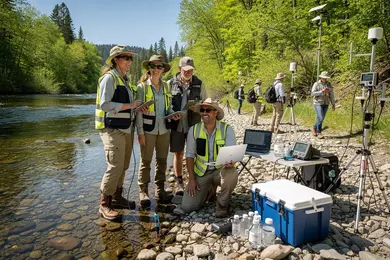
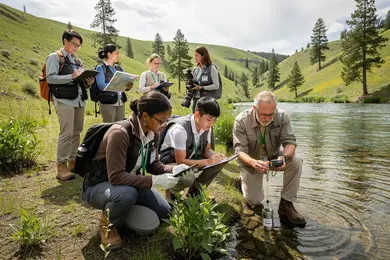
Many online programs require approximately 120 credit hours, allowing students to spread out tuition expenses over four years. This structure fits well for those managing work or family commitments, as they can study asynchronously. Practical tools like Geographic Information Systems (GIS) come included in the curriculum, providing valuable skills that enhance job readiness without adding extra costs for separate certifications. Real-life experiences, such as fieldwork or local internships, help students connect textbook knowledge with environmental challenges, making the investment feel worthwhile and rewarding.
Where can I work with online environmental science degree in America?
Graduates with an online environmental science degree in America often secure positions in diverse sectors, starting with government agencies like the Environmental Protection Agency (EPA) or state environmental departments. Working here means engaging in policy development, environmental assessments, and resource management-experiences that many students from top programs such as those at Oregon State University or the University of Florida report as highly rewarding and impactful.
Private companies in manufacturing, energy, and consulting frequently hire graduates to ensure compliance with environmental regulations and to drive sustainability initiatives. Alumni from institutions like Arizona State University share how hands-on projects in their online courses prepared them for these roles, boosting their confidence and career readiness.
Nonprofits focused on conservation and climate advocacy, including organizations like The Nature Conservancy, offer meaningful career paths involving research and program management. Graduates appreciate how their academic training helps them contribute to real-world environmental solutions and community education.
Additionally, state and local government roles in pollution control, water resource management, and emergency response open doors for graduates to collaborate with multidisciplinary teams, turning academic skills into practical actions that protect public health and the environment.
Graduates holding an online environmental science degree in America can expect entry-level salaries generally ranging from $50,000 to $60,000 annually. Many new graduates from well-known programs at universities such as Ohio State or Arizona State find roles as environmental technicians or field analysts, gaining crucial hands-on experience that employers highly value. These starting positions provide a solid foundation for growth.
With five to ten years of practical experience and additional certifications like the Certified Environmental Professional (CEP), mid-career professionals often earn between $70,000 and $90,000. Graduates who actively pursue specialization or management roles, such as sustainability coordinators or environmental consultants, frequently surpass this range, benefiting from the demand in states like California and New York.
Networking and internships during online studies at reputable institutions significantly improve chances to secure higher-paying jobs. Graduates have shared positive experiences citing how practical, flexible online programs helped them balance work and study, positioning them competitively in the evolving environmental sector.
- Online environmental science degrees typically cost between $20,000 and $40,000 in total tuition, with public universities offering lower rates for in-state students.
- The field is growing, with an 8% job growth rate projected for environmental scientists and specialists from 2022 to 2032.
- Starting salaries for graduates average around $50,000 per year, increasing to a median of about $76,000 with experience.
- Many programs include practical training through virtual labs, local fieldwork, or internships to build hands-on skills.
- Accreditation by recognized bodies like the Higher Learning Commission is important for program quality and recognition.
- Employers value skills in GIS, environmental regulations, and analytical abilities, which are often part of online degree curricula.
An online environmental science degree in America typically takes about four years to complete when studying full-time, reflecting the structure at well-known institutions like Arizona State University and Oregon State University. Most bachelor's programs require around 120 credits, with students usually taking 15 credits per semester to finish in eight semesters. Graduates often share how the flexible scheduling online lets them balance family or work commitments without sacrificing progress.
For those with busy lifestyles, part-time study is common, extending completion to six or eight years. Many find this approach rewarding as it allows steady advancement without overwhelming stress.
Some universities offer accelerated paths enabling dedicated students to finish in as little as three years by increasing course loads or attending year-round sessions. Graduates praise these programs for helping them reach career goals faster, though they emphasize strong time management skills are essential.
Associate degrees usually take about two years and serve as a practical stepping stone. Master's degrees require about two years full-time but offer flexible pacing to fit professionals' schedules. Exploring program options aligned with your personal pace and goals is key to success.
Choosing between an online and an on-campus environmental science degree in America mainly comes down to flexibility versus hands-on experience. Online programs, like those offered by Oregon State University, let students balance study with work or family by studying anywhere at their own pace. Graduates often appreciate the convenience and reduced expenses, especially avoiding housing and commuting costs common at traditional campuses.
Conversely, on-campus programs, such as at the University of Florida, immerse students in practical labs and fieldwork-think soil sampling and water testing-which are vital for understanding ecological systems firsthand. Many graduates value this face-to-face collaboration and direct access to specialized equipment, which online formats try to replicate through virtual labs or local field components but can't match completely.
Financially, tuition for online and on-campus degrees tends to be similar at public universities, but online students save substantially on extra fees. Both formats maintain rigorous accreditation standards, so it's important to pick a recognized program that suits your lifestyle and learning style.
The average cost of an online environmental science degree in America typically falls around $52,800 for the entire program, with out-of-state students often paying more, near $59,880. In-state students may expect a slightly lower total cost, approximately $56,880. These figures reflect tuition and fees over the full duration of a bachelor's degree, which usually spans about four years. Graduates from well-regarded public universities share that choosing an in-state online program helped them manage expenses without compromising the quality of education.
Many environmental science students in popular US colleges find the per-credit-hour model common, with costs ranging from $300 to $800 each. With most programs requiring about 120 credits, this approach can help students tailor their budget by selecting classes strategically and seeking scholarships or financial aid. Applying for targeted scholarships aimed at environmental majors or exploring institutional financial support can ease cost concerns significantly.
Online learners also save on housing and transportation, which makes the total cost more affordable than traditional on-campus programs. Students who took advantage of flexible online setups appreciated the ability to work while studying, balancing finances effectively. For those considering their options, researching specific programs and costs is key-tools like resources on the best environmental sustainability degree online provide valuable insights on affordability and quality.
Understanding the average cost of online environmental science degree USA programs helps prospective students plan realistically and seek financial strategies that make earning a degree achievable and rewarding.
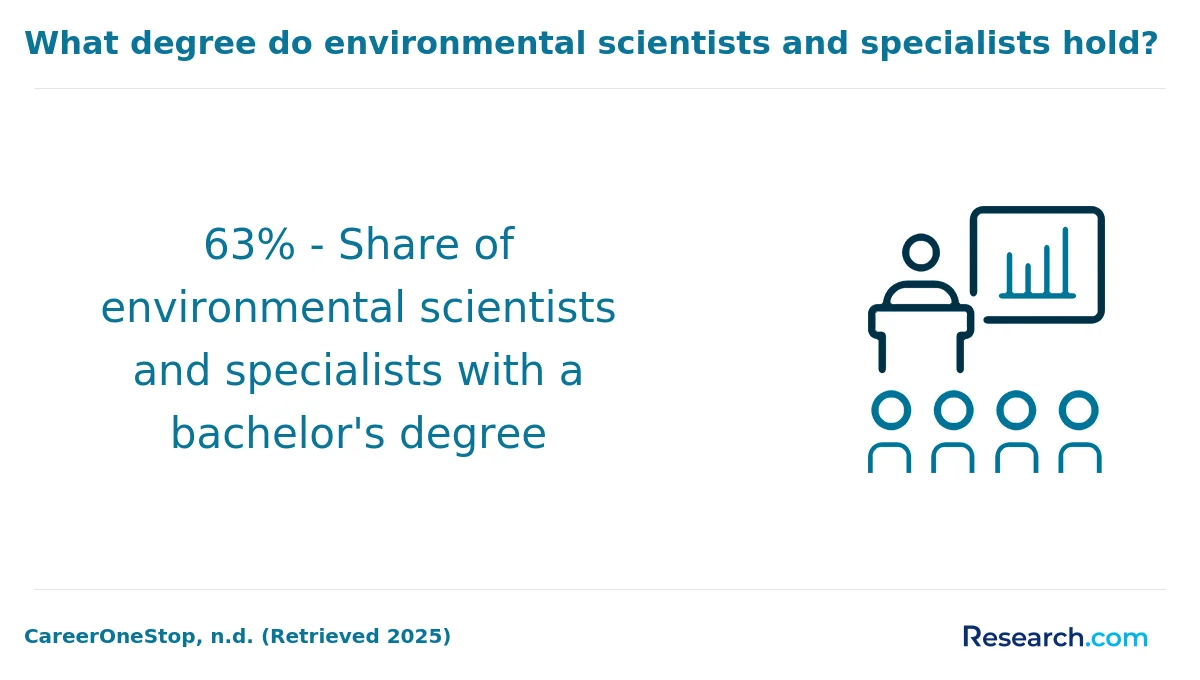
Students pursuing an online environmental science degree in America often rely on federal financial aid by submitting the FAFSA application. This process opens doors to Pell Grants, which can cover up to $7,395 annually, greatly reducing out-of-pocket tuition costs at institutions like Arizona State University or the University of Florida. Many graduates recall how these grants eased their financial stress during studies.
Federal student loans, including Direct Subsidized and Unsubsidized Loans, provide flexible repayment plans, making it easier for students to manage debt after graduation. Students at schools such as Oregon State University have reported feeling relieved by income-driven repayment options that align with their early career salaries.
State-level grants and scholarships often target STEM fields, benefiting residents attending public universities with strong environmental programs. For example, California residents studying online at UC Davis frequently utilize such state aid, boosting affordability.
Institutional scholarships based on merit or community involvement are common at many colleges offering online environmental science, providing tailored support. Additionally, veterans benefit from GI Bill education benefits, widely accepted by programs like those at the University of Central Florida.
Workplaces supporting tuition reimbursement also empower students enrolled part-time, especially within companies focused on sustainability, adding a practical funding layer many students appreciate.
To enroll in an online environmental science degree program in America, you first need a high school diploma or an equivalent like a GED. Graduates from popular universities report that completing core science and math courses, such as biology, chemistry, and algebra, greatly helped their transition to college-level work. Many programs require submission of transcripts and sometimes standardized test scores like the SAT, although some schools now offer flexible, test-optional admissions.
A minimum GPA around 2.5 is commonly expected, ensuring you're prepared for the challenge ahead. Transfer students often find that submitting detailed transcripts with relevant credits in subjects like geography or biology can shorten their time to graduation, easing financial strain-one graduate from a well-known public university highlighted how this accelerated their path.
Besides academics, applicants might need letters of recommendation or a personal statement emphasizing passion for environmental issues, a step many successful students say boosted their confidence during admissions. Reliable internet and basic tech skills are essential, especially since online labs and data software form core parts of many courses at top colleges.
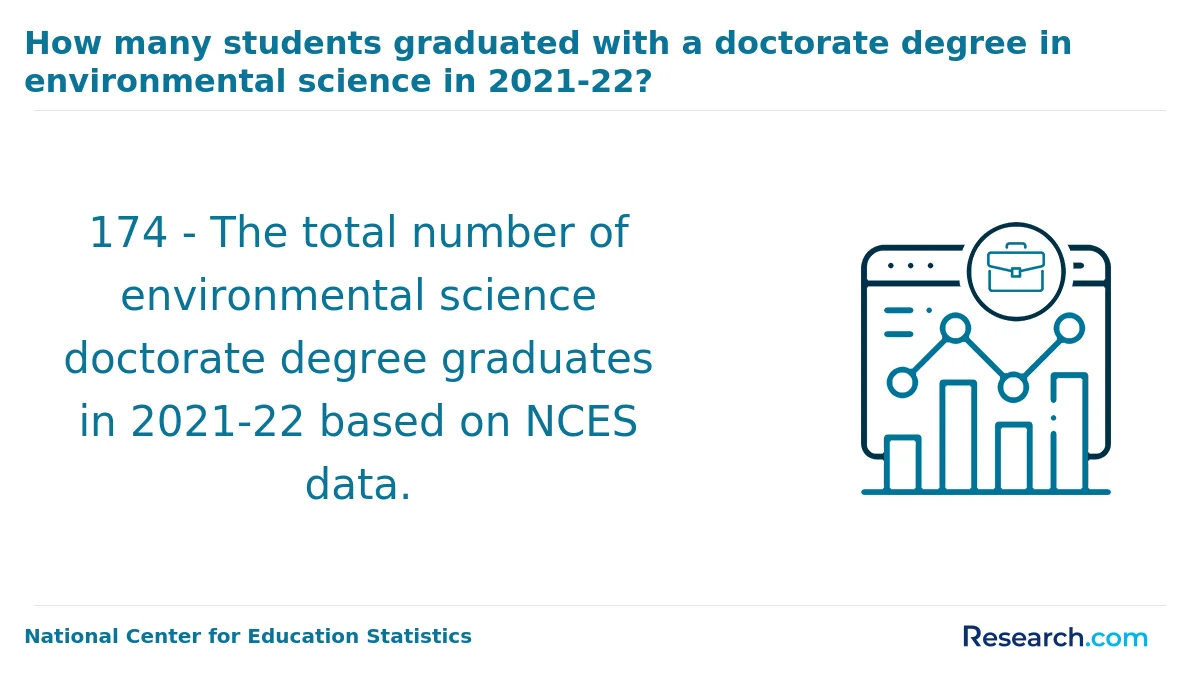
Online environmental science degree programs in America typically include foundational courses in biology, chemistry, and earth sciences to establish scientific literacy. Graduates from well-known universities often highlight the value of core classes such as Environmental Policy and Law, which clarify how EPA regulations and federal environmental protections shape real-world decisions. These courses equip students to understand and navigate key legislative frameworks that impact natural resource management.
Technical training is another focus, with many programs offering classes in Geographic Information Systems (GIS), environmental sampling, and statistics. One graduate shared how mastering GIS tools at a reputable college helped them analyze spatial data vital for conservation projects and urban planning. Electives often address climate change science, renewable energy, and water resource management-topics reflecting urgent national priorities led by agencies like NOAA.
Applied research experiences, remote fieldwork simulations, and capstone projects provide practical skills, allowing students to translate theory into action. Many graduates appreciate how these hands-on components make their learning feel meaningful, preparing them for impactful careers in environmental science across America.
Online environmental science degree specializations USA commonly include environmental policy, natural resource management, wildlife conservation, environmental health, and renewable energy systems. Graduates from universities such as Oregon State or Colorado State University share how focusing on environmental policy helped them navigate careers in government agencies, emphasizing the practical impact of laws on ecosystems and public welfare.
Natural resource management students often highlight hands-on projects studying sustainable land and water use, preparing them for roles in federal agencies like the U.S. Forest Service. Those pursuing wildlife conservation note rewarding experiences restoring habitats and protecting biodiversity, frequently leading to employment with the U.S. Fish and Wildlife Service.
Environmental health specialization draws students concerned with pollution and public safety, offering skills applicable to environmental consulting firms. A popular university example is John Hopkins University's program, where graduates address real-world toxicology and epidemiology challenges.
Renewable energy systems appeal to students eager to enter a growing field, learning about solar and wind technologies. Many find affordable education options through affordable bachelor degree sustainability programs, merging cost-effectiveness with career-relevant training in this expanding sector.
Choosing the best online environmental science degree in America begins with verifying program accreditation from bodies like the Higher Learning Commission or WASC to ensure your degree holds value in the job market. Graduates from well-known American colleges often praise programs where faculty bring real-world expertise and offer courses in ecology, GIS, and sustainability, which enrich learning and open doors to internships with agencies like the EPA. Affordability is vital; public universities typically provide more budget-friendly options, with average online tuition between $7,000 and $12,000 annually for in-state students, making affordable environmental science bachelor's degrees online America attainable without compromising quality. Flexibility matters too-many students have thrived in programs with asynchronous classes and strong academic support that fit busy schedules. To align your career goals with education, research programs' graduation rates and job placement. For additional guidance, students exploring sustainability in business may consider the best mba for sustainability.
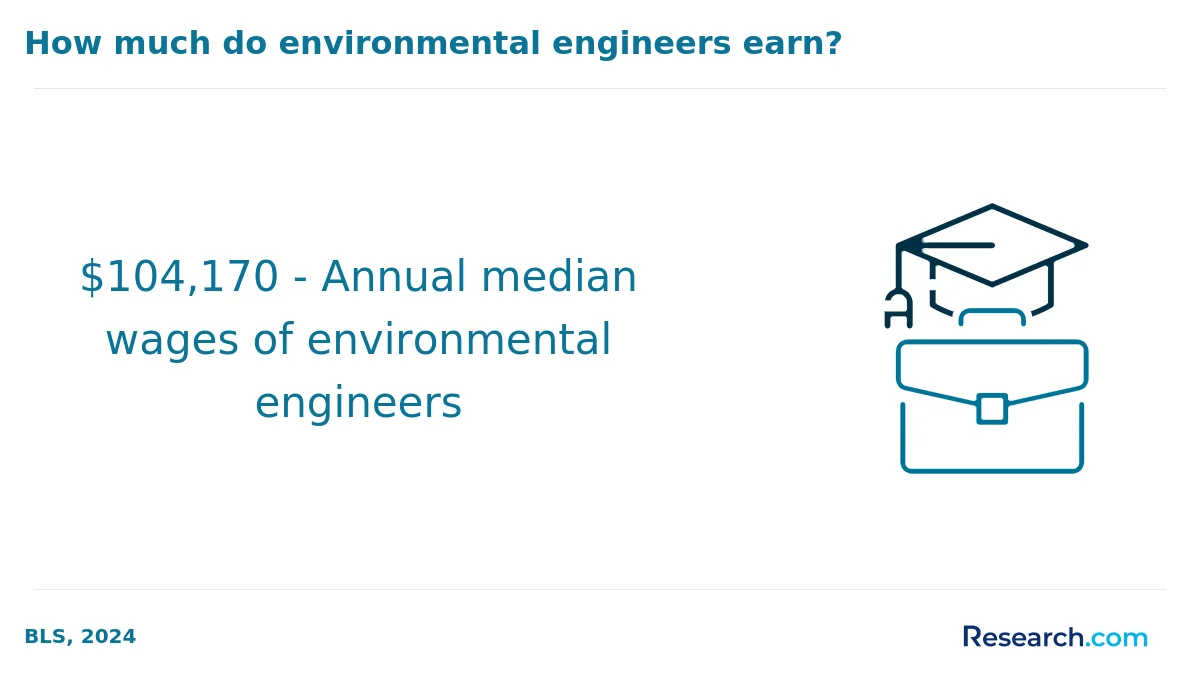
Graduates with an online environmental science degree in America find diverse career paths that fit their goals and skills. Many step into roles as environmental scientists or specialists, tackling real-world challenges like pollution control and resource management, often employed by state agencies or consulting firms. Those from well-regarded programs at universities such as the University of Florida or Oregon State University share that hands-on projects during their studies prepared them well for these roles. For students interested in natural resource stewardship, becoming conservation scientists or foresters working with bodies like the U.S. Forest Service is a fulfilling path.
Environmental consulting is another expanding field, with new graduates entering companies focused on regulatory compliance and sustainability initiatives. Entry-level salaries here typically range from $55,000 to $65,000 annually, offering a strong start. Sustainability management roles also attract graduates passionate about the environment, supporting community transitions to renewable energy. For those considering policy or education roles, jobs with nonprofits or government agencies provide meaningful engagement and broad impact while offering salaries between $50,000 and $70,000.
Prospective students seeking flexible learning options can explore the easiest environmental science degree online, which offers accessible pathways into these rewarding professions. Graduates emphasize that the blend of science with societal impact is what makes environmental science degree jobs in America both inspiring and practical.
The job market for graduates with an online environmental science degree in America is growing steadily, driven by increased demand for experts in pollution control, sustainability, and natural resource management. Graduates from popular colleges offering online programs often share that hands-on learning through virtual labs and fieldwork enhances their confidence when entering roles like environmental consultant or conservation scientist. Many find opportunities in government agencies and private firms focused on compliance with stricter environmental regulations.
Salary prospects are encouraging, with the median annual wage around $77,620, motivating many to pursue this career path. Students studying across the U.S. appreciate the flexibility of online learning, which allows them to balance internships or entry-level jobs while completing their degrees.
For those considering advancement, programs leading to an accelerated environmental management mba are popular options that enhance leadership skills and job prospects.
Success stories from graduates at well-known universities highlight how an online environmental science degree opens doors in sectors actively hiring, making online environmental science careers USA promising and accessible.
2027 Easiest Online Bachelor's in Environmental Science Degree Programs Ranking in the USA
Investing in your education is a significant decision that can shape your future, and the Research.com team understands the importance of making informed choices. To guide prospective students in selecting the easiest online Bachelor's in Environmental Science degree programs, we have carefully developed the "2027 Easiest Online Bachelor's in Environmental Science Degree Programs Ranking in the USA." Our dedication to quality, credibility, and accuracy is demonstrated through rigorous research and thorough analysis.
We utilized the following reputable data sources to ensure a comprehensive evaluation of programs:
By consulting this ranking, readers will gain valuable insights into the most accessible and credible online Environmental Science programs, empowering them to make well-informed decisions about their educational journey. For a detailed explanation of our approach, please visit our Research.com methodology page.
# 1 position
University of Maryland Global Campus
Bachelor of Environmental Health & Safety

# 2 position
Western Kentucky University
Bachelor of Health Science (Environmental Health Science concentration)




# 6 position
Columbia Southern University
Bachelor of Environmental Management/Environmental Engineering


Frequently Asked Questions About environmental science
Students pursuing online environmental science degrees in America can maximize learning by actively engaging with course materials and faculty. Many programs offer virtual labs and fieldwork simulations that provide practical experience akin to on-campus studies. According to the National Center for Education Statistics, nearly 30% of US undergraduates enrolled in STEM fields take online courses, showing the growing acceptance of remote learning in science.
Networking with peers via discussion boards and virtual study groups helps build a professional community. Leveraging internships with agencies like the EPA or local environmental organizations can also strengthen real-world skills. Staying current with US environmental policies and scientific advances ensures relevance in this rapidly evolving field.
Emerging niches within the environmental science field reflect growing priorities in the United States related to sustainability and climate resilience. One prominent area is climate adaptation and mitigation, focusing on strategies to reduce greenhouse gas emissions and manage risks from extreme weather. According to the U.S. Bureau of Labor Statistics, jobs related to environmental science are expected to grow by 8% from 2021 to 2031, faster than average.
Another important niche is environmental data science, which uses big data and geographic information systems (GIS) to analyze environmental trends and inform policy. Renewable energy development is also expanding rapidly, creating demand for experts in solar, wind, and bioenergy technologies.
Additionally, ecotoxicology and environmental justice are gaining momentum, addressing pollution impacts on vulnerable communities and ecosystems, aligning with federal and state initiatives to promote equity in environmental health.
After completing an online environmental science degree in America, developing practical skills is essential for entering the job market. Many employers seek candidates with experience in data analysis, Geographic Information Systems (GIS), and fieldwork. Gaining internships or volunteer positions with organizations like the Environmental Protection Agency (EPA) or local conservation groups can provide valuable hands-on experience.
Networking is also key. Joining professional associations such as the Ecological Society of America or the National Association of Environmental Professionals allows graduates to connect with industry leaders and access job boards.
The U.S. Bureau of Labor Statistics projects a 5% growth in environmental science jobs from 2021 to 2031, highlighting steady demand. Graduates should tailor resumes to showcase applicable certifications and technical skills to improve hiring prospects.
Employers in America value several key skills when hiring graduates with environmental science degrees. Strong analytical abilities are crucial, as 85% of environmental science jobs require data interpretation and critical thinking, according to the U.S. Bureau of Labor Statistics. Graduates must also demonstrate proficiency in Geographic Information Systems (GIS) and environmental modeling software, widely used in fieldwork and research.
Communication skills rank highly, with many roles demanding clear reporting and collaboration across disciplines. Additionally, knowledge of environmental regulations and sustainability practices is essential to meet legal and corporate standards. Problem-solving and project management skills complete the profile of successful candidates in this growing field.
Finding internships relevant to an environmental science degree in America begins with utilizing university career services and online platforms such as Handshake and USAJobs, which frequently list government and private sector environmental positions. Many internships are offered by federal agencies like the Environmental Protection Agency (EPA), which provides hundreds of opportunities annually for students nationwide.
Networking through professional organizations such as the Ecological Society of America or the National Environmental Health Association can also open doors to internships. These groups often share exclusive listings or host career fairs tailored to environmental fields.
According to the National Association of Colleges and Employers, about 60% of internships lead to job offers, highlighting the importance of securing one during your studies. Additionally, state environmental departments and non-profits focusing on conservation and sustainability are valuable resources for internship seekers.
Obtaining an online environmental science degree in America can significantly enhance career mobility and advancement opportunities. According to the U.S. Bureau of Labor Statistics, jobs in environmental science and protection fields are expected to grow 8% from 2022 to 2032, faster than the average for all occupations. This increase creates opportunities for degree holders to enter or progress within industries like government agencies, consulting, and renewable energy.
Online degrees offer flexibility, allowing professionals to upskill without leaving their current roles. Many employers recognize accredited online programs, making graduates competitive candidates for promotions or new positions.
Additionally, a degree can open doors to specialized roles involving environmental policy, conservation, and sustainability management, often commanding higher salaries.
Studying for an environmental science degree in America equips students with a broad, interdisciplinary understanding essential for solving complex ecological issues. Programs often integrate biology, chemistry, geology, and social sciences, allowing students to analyze environmental challenges from multiple angles. The U.S. Bureau of Labor Statistics highlights that environmental scientists frequently collaborate with engineers, policymakers, and public health experts, making interdisciplinary skills crucial.
American online degrees emphasize practical skills, including data analysis, GIS mapping, and environmental regulations. Many curricula incorporate case studies on climate policy and sustainable development, promoting cross-sector knowledge.
This approach prepares graduates for diverse roles in government, industry, and nonprofit sectors.
When choosing between a thesis and a non-thesis online environmental science degree in America, consider your career goals and learning preferences. A thesis program involves conducting original research and writing a detailed paper, which suits students aiming for roles in research or graduate study. Non-thesis programs typically focus on coursework and practical applications, ideal for those pursuing industry jobs or certifications.
According to the National Center for Education Statistics, about 20% of environmental science bachelor's students in the US complete a thesis. Thesis options often require more time and commitment but can enhance critical thinking and technical skills.
Evaluate your interest in research, time availability, and professional ambitions before deciding.
American students interested in studying environmental science abroad through online programs have a variety of options. Many US universities partner with international institutions, offering dual-degree or exchange programs that combine American accreditation with global perspectives. For example, some schools collaborate with European universities to provide courses focused on global environmental policies.
According to the Institute of International Education, nearly 10% of American students participate in study abroad programs, with environmental science being a popular field due to its global importance. These programs often include virtual internships and research projects related to international ecosystems, enriching the learning experience.
Additionally, students can enroll in fully online environmental science bachelor's degrees offered by foreign universities that accept US students, but they should ensure proper accreditation for their career goals. Resources like NAFSA and the Council for Environmental Education provide guidance on reputable programs.
Part-time jobs that complement an environmental science degree in America often involve roles in research, fieldwork, and data analysis. Many students find opportunities as environmental technicians, assisting in collecting and analyzing samples to support environmental protection projects.
Internships with government agencies like the Environmental Protection Agency (EPA) or state environmental departments provide hands-on experience and networking prospects.
Additionally, roles such as GIS (Geographic Information Systems) assistants or sustainability coordinators in local businesses are growing due to increased demand for environmental data management. According to the U.S. Bureau of Labor Statistics, these jobs offer valuable skills that enhance academic learning and improve employability after graduation.
Online environmental science students in America have several networking opportunities designed to connect them with peers, faculty, and professionals. Many accredited programs partner with organizations such as the Ecological Society of America and the American Geophysical Union. These partnerships often provide access to conferences, webinars, and job boards exclusive to students.
Virtual career fairs and alumni groups also play an important role. According to the National Environmental Education Foundation, over 70% of employers in this sector value networking for job placement.
Students can join online forums and social media groups dedicated to environmental science, which facilitate collaboration and mentorship across the United States.
Alumni networks provide significant advantages to online environmental science degree students in America by offering access to professional connections across various industries. According to the National Environmental Education Foundation, nearly 70% of environmental science jobs are secured through networking, demonstrating the importance of these relationships.
These networks facilitate mentorship opportunities, guiding students through career paths and industry trends. Alumni often share insights on job openings, internships, and conference events, which might not be widely advertised.
Moreover, strong alumni connections can support collaboration on research projects or community initiatives, helping graduates build practical experience in sustainability and environmental management fields.
Participation in alumni events and platforms also helps students remain updated on evolving environmental policies and technologies relevant to the U.S. market.
Customizing an online environmental science degree in America allows students to align their studies with specific career goals. Many universities offer elective courses in areas like environmental policy, conservation, or GIS technology. This flexibility helps tailor the curriculum toward fields such as environmental consulting, resource management, or sustainable development.
Students can also choose capstone projects or internships related to their interests, providing practical experience. According to the U.S. Bureau of Labor Statistics, specializations in environmental science can impact job opportunities and salary growth. Research from the Environmental Protection Agency highlights the rising demand for skills in climate change assessment and environmental compliance.
Online environmental science students in America often face challenges related to limited hands-on experience. Since many programs require fieldwork or lab components, replicating this virtually can be difficult, impacting skill development. According to the National Center for Education Statistics, about 18% of environmental science courses include in-person labs, which remote students may struggle to access.
Additionally, time management poses a common problem, as students balance studies with work or family. Technical issues, such as unreliable internet, can disrupt coursework, especially in rural areas where connectivity is weaker. Networking opportunities are also less frequent, limiting professional connections crucial for careers in environmental science.
An online environmental science degree in the United States can open doors to several recognized professional certifications. One popular option is the Certified Environmental Scientist (CES), offered by the Board of Environmental, Health & Safety Auditor Certifications. This credential demonstrates expertise in environmental regulations and practices.
Graduates can also pursue the Registered Environmental Manager (REM) certification, which is highly valued for roles involving environmental management and compliance.
Another notable certification is the Certified Hazardous Materials Manager (CHMM), often required for those working with hazardous waste and remediation projects.
These certifications enhance job prospects and salary potential in a growing U.S. environmental sector, projected to grow 8% through 2031, according to the U.S. Bureau of Labor Statistics.
Writing a strong application for an online environmental science program in America requires clarity and focus. Start by highlighting your passion for environmental issues, referencing credible data showing the growing job market-U.S. Bureau of Labor Statistics projects a 7% growth for environmental scientists from 2022 to 2032. Include relevant academic achievements, such as coursework in biology, chemistry, or earth sciences, which demonstrate your readiness.
Discuss any practical experience, like internships or volunteer work with environmental organizations. Emphasize skills in data analysis or GIS technology, prized in the field. Tailor your personal statement to reflect program-specific values and goals.
Environmental science careers are increasingly valued worldwide due to growing concerns about climate change and sustainability. In the United States, this field is expected to grow by 8% from 2022 to 2032, according to the U.S. Bureau of Labor Statistics. Globally, professionals with environmental expertise work on issues like pollution control, natural resource management, and renewable energy development.
American graduates with online environmental science degrees often find opportunities in international organizations, government agencies, and private sectors focused on global environmental challenges. Knowledge of global environmental policies and practices enhances their career prospects.
Understanding international standards and scientific collaboration is crucial, as environmental problems do not respect borders.
Gaining practical experience while studying for an online environmental science degree in America is essential for career readiness. Many programs encourage internships with organizations like the Environmental Protection Agency (EPA) or local environmental firms, offering hands-on work in fields such as conservation, pollution control, and resource management.
Virtual labs and project-based assignments allow remote students to apply theoretical knowledge. Additionally, partnerships between universities and governmental or non-profit organizations often provide service-learning opportunities, combining coursework with community projects.
According to the National Science Foundation, about 70% of environmental science students in the U.S. participate in internships, which significantly boost employment prospects after graduation.
Choosing the right concentration within an online environmental science degree in America involves assessing your career goals and interests. Popular concentrations include ecology, environmental policy, and sustainability, each preparing students for distinct roles in a growing field expected to add 8% more jobs from 2020 to 2030, according to the U.S. Bureau of Labor Statistics.
Consider the curriculum carefully, ensuring it aligns with your desired expertise and the skills employers seek. For example, a concentration in environmental policy may emphasize law and regulation, while ecology focuses more on biology and conservation science.
Research program accreditation and faculty expertise to ensure a quality education recognized by U.S. employers and graduate schools.
- Environmental Sciences Abroad https://uceap.universityofcalifornia.edu/environmental-sciences-abroad
- Networking Strategies for Environmental Professionals https://www.nrep.org/blog/environmental-professional-networking-strategies
- Environmental Certifications for entry-level and career changers https://www.theenvironmentalcareercoach.com/certification-links
- Environmental Science (M.S.) Non-Thesis Track https://www.towson.edu/fcsm/departments/environsci/grad/science/non-thesis-track.html
- 2025 Most Affordable Online Environmental Science Degrees https://www.onlineu.com/most-affordable-colleges/environmental-science-degrees
- Top Trending Research Topics in Environmental Science - Agriculture Journal IJOEAR Blog https://ijoear.com/blog/top-trending-research-topics-in-environmental-science
- MESPOM Alumni Association https://mespom.eu/mespom-alumni-association
- How to Find Entry Level Jobs with an Environmental Science Degree https://facs.com/blog/how-to-find-entry-level-jobs-with-an-environmental-science-degree/
- Dr. Zubair Khalid | Veterinary Virologist & Bioinformatician https://www.zubairkhalid.com/blog/careers/environmental-science-fields-a-guide-to-specializations-and-careers
- The Biggest Environmental Problems Of 2021 https://earth.org/the-biggest-environmental-problems-of-our-lifetime/