2027 Best Online Environmental Science Degree Programs Ranking in the South

Co-Founder and Chief Data Scientist
Choosing the right environmental science degree program is an important step for students in the South who want to make a positive impact on the planet. Our article presents the 2027 Best Online Environmental Science Degree Programs Ranking in the South, developed by the Research.com team of data scientists. This ranking helps you identify quality programs worth considering based on thorough research and data analysis.
By exploring this guide, you'll gain valuable insights that simplify your decision-making process and set you up for success in this rewarding field.
Key benefits of getting online environmental science degree in the South
- Environmental science graduates in the South typically find roles with average salaries around $55,000 to $65,000 annually, reflecting steady earning potential in fields like environmental consulting and natural resource management.
- A graduate from the University of Florida, for example, might pursue careers in sustainability, wildlife conservation, or environmental policy, showcasing diverse paths to make a real impact locally and regionally.
- Completing an environmental science degree online, such as through the University of North Carolina's program, offers flexibility to balance work and study, enabling students to gain valuable experience while advancing their education without relocating.
- 2027 Best Online Environmental Science Degree Programs Ranking in the South
- What can I expect from online environmental science degree in the South?
- Where can I work with online environmental science degree in the South?
What can I expect from online environmental science degree in the South?
The average cost of an online environmental science degree in the South typically ranges between $15,000 and $35,000 for a full bachelor's program. Graduates from popular Southern institutions often share how affordable tuition combined with flexible online formats allowed them to balance work, family, and study without overwhelming debt. For instance, students at well-regarded colleges often pay in-state rates, which significantly lowers expenses compared to out-of-state tuition, especially when programs are accredited and meet Southern Association of Colleges and Schools Commission on Colleges standards.
Many students appreciate that specific costs can vary based on optional in-person fieldwork or lab components designed to deepen hands-on experience with local environmental issues like coastal erosion or sustainable agriculture in the region. By planning carefully and choosing programs with strong online support and local partnerships, prospective students can invest wisely and build practical skills connected directly to Southern environmental challenges.
This value makes pursuing an online environmental science degree an accessible choice for those committed to making a real regional impact without the financial stress that traditionally accompanies higher education.
Where can I work with online environmental science degree in the South?
Graduates with an online environmental science degree in the South often find direct pathways into state and local government roles. For example, many alumni from the University of Florida have secured positions within Florida's environmental protection agencies, managing natural resources and conducting impact assessments on coastal wetlands. These roles offer steady growth, reflecting projections from the U.S. Bureau of Labor Statistics of an 8% job increase nationally, with stronger demand in Southern states.
Others leverage their degree to join energy companies, especially in Texas or Georgia, where renewable energy projects are expanding rapidly. Graduates report hands-on experience monitoring pollution and ensuring compliance with environmental laws, making their work feel impactful and urgent.
Nonprofit organizations in the South, like regional land trusts near North Carolina's universities, also attract graduates committed to habitat restoration and advocacy, providing fulfilling community-focused careers. Consulting firms in metros such as Atlanta offer additional opportunities, engaging professionals in real-world environmental risk assessment tied to development and agriculture.
Finally, some graduates pursue research roles at universities or federally funded centers in the South, gaining skills in lab management and cutting-edge studies that align with their passion for science and sustainability.
Graduates with an online environmental science degree in the South can typically expect annual salaries ranging from $55,000 to $70,000, depending on their location and experience. For example, graduates from universities known for strong environmental programs often start near $45,000 to $50,000 in entry-level roles focused on field data collection or regulatory compliance.
With time and additional responsibilities, especially in metropolitan areas like Atlanta or Houston, salaries often climb above $75,000. Many graduates find that adding certifications in areas like GIS mapping or environmental compliance boosts their earnings by 10-15%, reflecting the regional demand for these specialized skills.
Graduates working in sectors such as energy or coastal management in states like Texas and Florida are particularly well positioned to earn premium wages. Those in rural Southern areas might experience slightly lower pay, but trade-offs include a lower cost of living and meaningful roles in conservation and resource management.
- Online environmental science degrees in the South are offered by accredited universities with fully online or hybrid programs.
- Public university tuition for online environmental science ranges from $8,000 to $15,000 per year for in-state students, while private schools may charge more than $20,000 annually.
- Entry-level salaries for graduates average about $48,000 per year, increasing to a median salary of $70,000 with experience.
- The job market is growing, with an expected 8% increase in environmental science-related employment over the next decade in the Southern region.
- Major employers include government agencies, private firms, non-profits, and universities, often offering internships and networking for online students.
- Programs frequently include local research or fieldwork to provide practical experience despite the remote learning format.
Completing an online environmental science degree in the South typically requires about four years for full-time students, as seen at popular universities like those in Texas and North Carolina. Graduates often mention the relief of knowing their program aligns with the Southern Association of Colleges and Schools Commission on Colleges (SACSCOC) accreditation, ensuring quality education while balancing online flexibility.
Some students pursue accelerated paths or transfer credits, finishing in as little as three years. For example, a graduate from a Florida university successfully completed courses while working full-time, thanks to credit transfers. Conversely, many part-time students take five years or more, managing family and work alongside their studies without rushing, which often leads to a more positive and sustainable experience.
Master's degree candidates, whether full- or part-time, usually take two to four years, giving space to juggle personal responsibilities. Though doctoral programs are less common online in the South, completion times range between four to six years, allowing ample time for research and dissertation work.
Choosing between an online and on-campus environmental science degree in the South comes down to how you want to learn and what fits your lifestyle. Online programs offer flexibility-graduates from popular Southern universities appreciate being able to study around family or work duties, especially if they live far from campus. For example, a student in rural Georgia reported finishing coursework during evenings without sacrificing job hours.
On-campus programs, like those at schools leveraging the Appalachian forests or Florida's wetlands, provide hands-on opportunities. Graduates often mention fieldwork or lab sessions that deepened their understanding and built confidence through real-world application. This direct interaction with professors and peers can be invaluable for certain career paths.
Costs can also influence your choice. Many Southern public universities charge similar in-state tuition for both formats, but studying online often reduces housing and commuting expenses. Knowing these distinct benefits can help you balance convenience, budget, and practical experience based on your personal goals.
The average cost of an online environmental science degree in the South varies based on residency and institution type. For in-state students attending public universities, the median total tuition and fees typically come to around $28,962. This affordability allows many students at universities like the University of Florida or Texas A&M University to pursue degrees without overwhelming debt. Graduates often mention feeling encouraged by the manageable tuition costs paired with quality education, which makes balancing work and study less stressful.
Out-of-state students, on the other hand, can expect to pay significantly more, with median total costs reaching approximately $53,496. This highlights the value of securing in-state residency or searching for programs that offer reduced out-of-state tuition rates within the Southern states. Many students have found success by carefully planning their enrollment and financial aid options.
Private institutions in the region generally command higher tuition, with total costs often exceeding $30,000 and sometimes much higher, reflecting the reputation and specialized offerings of these colleges. Despite this, private schools frequently provide scholarships and payment plans, helping ease the financial burden. Practical students often weigh these offers and compare them with public options to find the best fit for their budget and goals.
When evaluating the average cost of online environmental science degree in the South, it is important to factor in additional expenses like technology fees and course materials. Using these medium-range totals as a guide helps students realistically budget for their education while pursuing fulfilling careers. Also, exploring the many jobs for sustainability management graduates can offer a positive outlook on post-graduation opportunities, making the investment in an online degree in environmental science worthwhile.
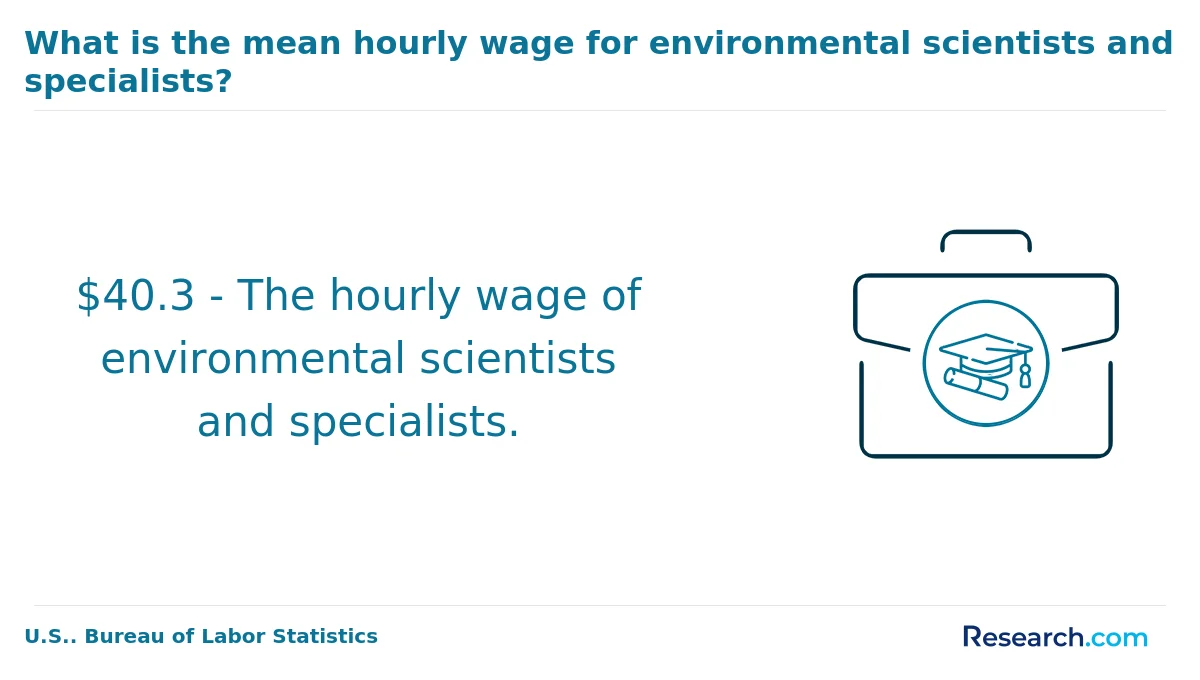
Students pursuing an online environmental science degree in the South can start by completing the Free Application for Federal Student Aid (FAFSA). This step opens the door to federal grants like Pell Grants, which provide up to $7,395 yearly without repayment requirements. Many graduates from programs at institutions like the University of Florida found these funds essential in reducing tuition expenses.
State-specific aid is another practical option. For example, Texas students often benefit from the Texas Grant Program, while those enrolled in Georgia universities can apply for the HOPE Scholarship. Both programs helped several online learners balance coursework and finances smoothly.
University scholarships targeting environmental science students also play a big role. Graduates from popular schools such as North Carolina State University report receiving awards for leadership in sustainability projects, which boosted their confidence and academic focus.
Finally, explore employer assistance and private scholarships from regional environmental foundations. Southern Environmental Law Center and local environmental groups sometimes offer tuition support or internships, combining practical experience with financial relief.
To enroll in an online environmental science degree program in the South, start by securing a high school diploma or GED, the foundational step most institutions require. Many graduates from programs like those at the University of Florida share how meeting this basic criterion instilled confidence in their academic journey.
Next, ensure your GPA is around 2.5 or higher on a 4.0 scale, which is commonly expected to demonstrate readiness. Some schools may request SAT or ACT scores, but recent shifts toward test-optional policies, especially post-pandemic, have made this less restrictive for many applicants.
Prepare by taking high school courses in biology, chemistry, physics, and math such as algebra or calculus. Southern students often find these classes ease their transition into demanding coursework, as seen at Texas A&M University.
If you're transferring credits, associate degrees or relevant science courses can speed up progress. Graduates appreciate how credit evaluations at Southern universities helped them advance without repeating material.
Finally, if English isn't your first language, be ready to demonstrate proficiency through tests like TOEFL. Some programs also value recommendation letters and personal statements, which can highlight your passion and determination-a strategy many successful students credit for acceptance into competitive online programs.
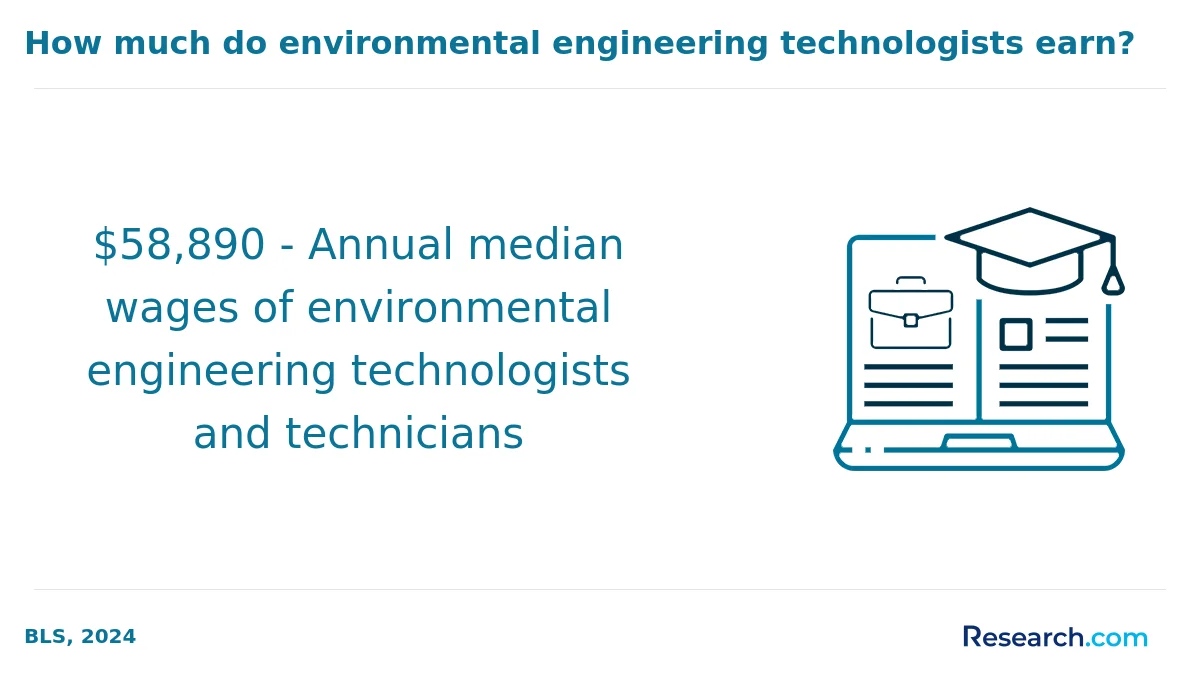
When pursuing an online environmental science degree in the South, expect a curriculum grounded in core natural science courses like Ecology and Ecosystems, Environmental Biology, and Soil Science. Graduates from respected Southern universities often share how these courses helped them understand the complex relationships between local forests, waterways, and wildlife, making textbook concepts come alive, for example, during virtual labs simulating coastal wetland conservation.
Alongside science, practical courses in Environmental Policy and Regulation are common, preparing you to navigate laws influencing Southern resource management. Students regularly find this relevant to local challenges like forestry practices and water use regulations in states like Georgia or Louisiana.
Specialized classes in Geographic Information Systems (GIS) and remote sensing are also pivotal. These skills enable you to analyze real environmental data on hurricanes or habitat loss, issues critical to the Gulf Coast and Atlantic regions.
Many programs include targeted subjects such as Coastal Ecology and Climate Adaptation Strategies, essential for addressing rising sea levels and storm impacts. Southern graduates often feel empowered applying these lessons to practical projects or internships focused on their home regions.
Online environmental science degrees in the South commonly offer specializations tailored to the region's unique ecosystems and economic demands. Graduates often choose areas like Environmental Policy and Management, where they engage deeply with regulations shaping industrial growth and urban expansion. These programs, available at institutions such as Clemson University, provide practical skills relevant to current job market needs, which makes pursuing an environmental policy online program a smart move for career growth.
Another widely pursued track is Conservation and Natural Resource Management, focusing on protecting the South's forests and wetlands through habitat restoration and land use planning. Students from the University of Florida often express confidence entering roles tied to biodiversity conservation and water resource management.
- Environmental Science and Sustainability
- Geographic Information Systems (GIS) and Environmental Technology
These other concentrations equip students with skills in renewable energy, pollution control, and spatial data analysis, empowering them to contribute to green energy projects and environmental tech development right in the Southern states.
Start by confirming the program's accreditation, ideally from regional bodies like SACSCOC, which assures quality and eases credit transfers. Graduates from Southern universities often highlight how this gave them confidence when pursuing internships with local agencies. Next, scrutinize the curriculum-look for programs offering specializations tied to the South's unique environment, such as coastal ecosystems or water management. Many online learners in the region appreciate courses that integrate policy with hands-on virtual labs, which simulate real-world challenges.
Cost is crucial; find affordable environmental science degrees Southern USA offers by comparing in-state tuition rates available to online students. A graduate from a top Southern college shared how financial aid made a big difference in managing expenses. Also, prioritize programs with strong learner support like tutoring and career advising, which help students transition smoothly into relevant jobs. Networking opportunities with regional employers can be a game-changer.
Lastly, ensure the program offers flexible, asynchronous classes using reliable technology-this fits busy lifestyles and supports active engagement. For career planning, use resources that highlight the highest paying jobs in environmental science, helping you align your education with local job markets and long-term goals.
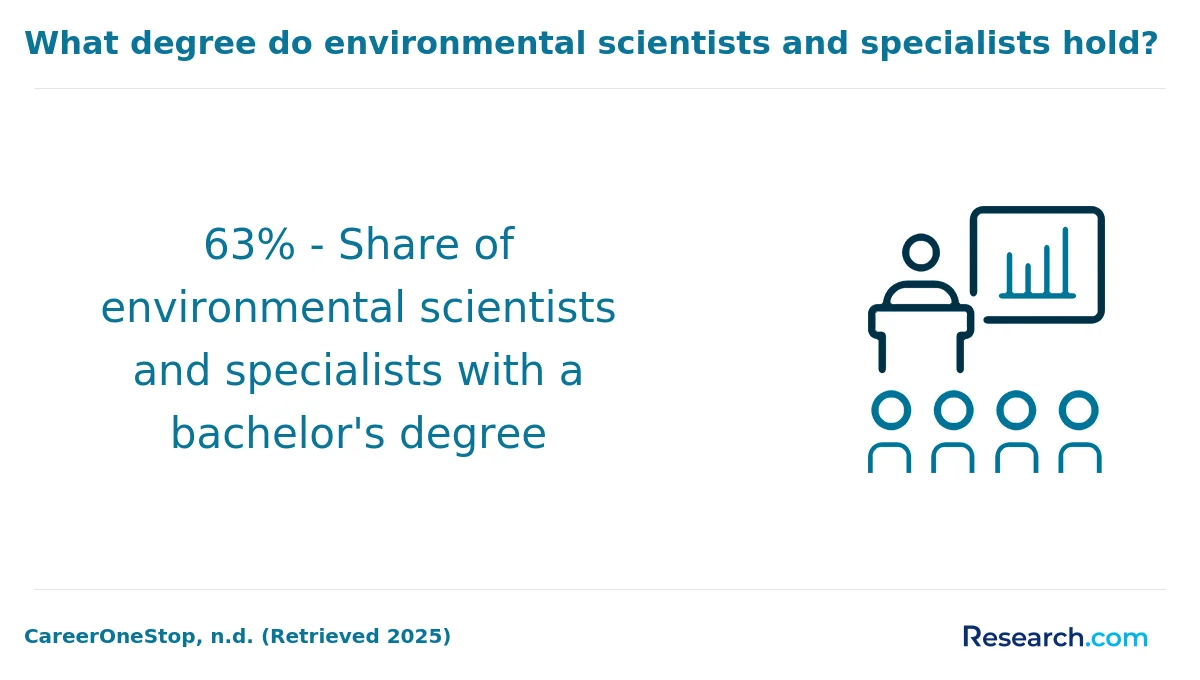
Graduates with an online environmental science degree in the South find practical career options aligned with the region's unique environmental challenges. Many secure jobs in government agencies like state environmental protection offices, focusing on air and water quality control in both urban and rural settings. Others work in environmental consulting firms based in southern cities, helping companies navigate regulations while supporting sustainable growth. These graduates often cite hands-on experience gained through partnerships between southern colleges and local agencies as a key advantage.
Renewable energy is another growing sector. Graduates contribute to solar and bioenergy projects, taking roles in energy analysis or project management, reflecting the South's expanding green industry. There are also opportunities in wildlife management, environmental education, and pollution control-fields where graduates from popular southern schools apply their skills to local ecosystems with real impact. Many report feeling rewarded by making tangible contributions to conservation and public awareness.
For those wondering about further advancement, exploring jobs with environmental science masters degree can open specialized roles and higher salaries. This flexibility makes online environmental science careers in the South both sustainable and promising.
The job market for graduates with online environmental science degrees in the South remains promising, especially as regional priorities focus on coastal erosion, water quality, and renewable energy. Graduates from popular Southern institutions often find roles where they can directly impact these efforts, working alongside agencies and private firms dedicated to conservation and sustainable energy projects.
In the South, the demand for environmental professionals is supported by the region's expansive agricultural and coastal areas, creating unique career opportunities. Many graduates report that combining their online degree with local internships or fieldwork helps them secure positions faster. This practical approach aligns well with the South regional environmental science career outlook, where hands-on experience is highly valued.
Those balancing life commitments appreciate the flexibility of online programs. Tuition at regional public universities typically ranges from $8,000 to $15,000 annually, which is manageable for many students. Additionally, some consider pursuing the fastest environmental management mba degree to accelerate career growth while maintaining flexibility.
2027 Best Online Environmental Science Degree Programs Ranking in the South
Investing in your education is a significant decision that can shape your future, and the Research.com team understands the importance of making informed choices. To assist prospective students interested in environmental science, we have meticulously crafted the "2027 Best Online Environmental Science Degree Programs Ranking in the South." Our commitment to quality, credibility, and accuracy is reflected in the extensive research and analysis conducted to compile this ranking.
We utilized the following reputable data sources to ensure a comprehensive evaluation of environmental science programs:
By exploring this ranking, readers will gain valuable insights into the most reputable and accessible online environmental science degree programs in the southern United States, helping them make well-informed decisions about their educational paths. For more details on our methodology, please visit our Research.com methodology page.

# 2 position
Louisiana State University and Agricultural & Mechanical College
Master of Environmental Sciences


# 6 position
Western Kentucky University
Master of Social Responsibility and Sustainable Communities

# 7 position
Texas Tech University
Master of Environmental Sustainability and Natural Resource Management

# 8 position
Western Kentucky University
Bachelor of Health Science (Environmental Health Science concentration)

# 10 position
University of Maryland Global Campus
Master of Environmental Management

Frequently Asked Questions About environmental science
Students pursuing online environmental science degrees in the South can enhance their learning by engaging deeply with local ecological issues. The Southeastern U.S. hosts diverse ecosystems such as the Everglades and Appalachian forests, offering unique case studies. Participating in virtual field trips or regional research projects can provide practical experience aligned with coursework.
Networking with faculty and peers through online forums or professional groups helps build connections crucial for career growth. According to the Southern Environmental Education Alliance, collaboration among students in this region improves understanding of climate adaptation strategies.
Additionally, utilizing resources from regional agencies like the U.S. Environmental Protection Agency's Southern Office supports awareness of local environmental policies and job opportunities. Keeping current with regional environmental challenges ensures the education remains relevant and impactful.
The environmental science field is rapidly evolving, with several emerging niches gaining prominence. In the Southern US, climate resilience and sustainable agriculture are particularly vital due to the region's vulnerability to hurricanes and its large agricultural sector.
Environmental data science is another growing area, combining technology and ecology to analyze complex environmental data for better decision-making.
Energy efficiency and renewable energy, especially solar power, are expanding fields supported by state initiatives such as Florida's Solar Energy Strategy.
Wetlands restoration and coastal management remain critical niches, given the South's extensive coastlines and ongoing habitat loss, as highlighted by the Environmental Protection Agency.
Graduates with an online environmental science degree in the South can enhance their job prospects by gaining relevant experience through internships or volunteer work with regional organizations such as the Southern Environmental Law Center. Networking with local professionals in states like Texas, Florida, and Georgia is also essential, as these areas offer growing opportunities in renewable energy and conservation sectors.
Developing skills in geographic information systems (GIS) and data analysis increases employability, with job postings in the South frequently listing these as key requirements according to the U.S. Bureau of Labor Statistics. Additionally, obtaining certifications like the Certified Environmental Professional (CEP) can boost credibility in the competitive job market.
Employers in the South seeking environmental science graduates prioritize strong analytical skills. Graduates must be able to interpret complex data related to ecosystems, pollution, and natural resource management. According to the U.S. Bureau of Labor Statistics, proficiency in GIS (Geographic Information Systems) and environmental modeling tools is increasingly valuable for roles in this region.
Communication skills are also essential, as professionals often collaborate with government agencies and community stakeholders. Understanding Southern environmental challenges, such as coastal erosion and water quality, adds practical relevance to technical expertise.
Problem-solving abilities and knowledge of local and federal environmental regulations, including those enforced by the EPA, further enhance employability in the Southern job market.
Finding internships in the South related to an environmental science degree involves leveraging regional resources and networks. Many Southern universities partner with local government agencies, nonprofits, and industries focused on sustainability, offering internship opportunities. For example, the Environmental Protection Agency (EPA) Region 4, covering Southern states, often lists internships on its website.
Students should also explore state departments of natural resources and environmental quality, which frequently offer internships relevant to environmental science careers. According to the National Association of Environmental Management, Southern states are investing increasingly in green technologies, expanding internship availability.
Online students can use platforms like Handshake and LinkedIn to connect with Southern organizations. Networking with professors and alumni can also uncover hidden opportunities.
An online environmental science degree can significantly enhance career mobility and advancement opportunities for professionals in the South. Many Southern states, such as Texas and North Carolina, have a growing demand for environmental specialists due to developments in energy, agriculture, and conservation sectors. According to the U.S. Bureau of Labor Statistics, environmental science jobs in the South are projected to increase by about 8% from 2022 to 2032, higher than the national average.
Completing an accredited online program offers flexibility while gaining skills valued by regional employers, including expertise in climate change, sustainability, and regulatory compliance.
Graduates often qualify for higher-paying roles or leadership positions in government agencies, consulting firms, and nonprofits focused on environmental protection.
Studying for an environmental science degree in the South offers a strong foundation for interdisciplinary roles by integrating natural sciences with social, economic, and policy perspectives. Southern programs often emphasize regional environmental challenges such as coastal management, agriculture, and energy production. This context helps students develop skills in collaboration across disciplines like biology, chemistry, geography, and public policy.
Many Southern universities incorporate online coursework that includes practical case studies and data analysis relevant to the region. According to the U.S. Bureau of Labor Statistics, jobs in environmental science and protection are expected to grow 8% through 2032, especially in areas requiring interdisciplinary expertise. This growth supports roles involving climate change adaptation, sustainable resource management, and environmental consulting where broad knowledge is essential.
Choosing between a thesis and a non-thesis online environmental science degree in the South depends largely on your career goals. Thesis programs emphasize research skills and often prepare students for doctoral studies or scientific careers. Non-thesis tracks focus more on practical skills and coursework, ideal for professionals aiming to enter or advance in industry or government roles.
Many universities in the Southern U.S., such as those in Florida and Texas, offer both options to accommodate diverse student needs. According to the Southern Regional Education Board, approximately 40% of environmental science graduates in the South pursue research-intensive roles, benefiting from thesis experience.
Consider the time commitment; thesis programs typically require more months to complete due to research and writing demands. Your choice should align with your professional aims and available resources.
Students based in the South seeking to study environmental science abroad have several pathways to consider. Many U.S. institutions offer partnerships or exchange programs with universities in Europe and Australia, allowing students to complete part of their degree overseas. This option combines international exposure with the convenience of recognized credits. Additionally, some fully online programs based in southern universities include global case studies and virtual collaboration with international peers.
According to the Southern Regional Education Board (SREB), nearly 25% of environmental science students in the South participate in study-abroad or exchange programs during their degree. These opportunities help students gain valuable cross-cultural insights and expand their professional networks.
Part-time job opportunities in the South that complement an online environmental science degree are diverse and practical. Many students find roles as environmental technicians, assisting with data collection and field research. According to the U.S. Bureau of Labor Statistics (BLS), these positions pay a median hourly wage of around $20 in Southern states. Additionally, internships or assistant roles with state environmental agencies like the Texas Commission on Environmental Quality or the Georgia Department of Natural Resources provide valuable hands-on experience.
Entry-level jobs in local conservation organizations or parks can also reinforce academic learning. These roles often involve habitat restoration, species monitoring, and public education. Moreover, positions in agricultural extension services allow students to apply environmental science principles directly to sustainable farming practices, which are prominent throughout the South.
Such opportunities not only build relevant skills but also expand professional networks crucial for future careers in environmental science.
Online environmental science students in the South benefit from various networking opportunities that connect them to professionals and peers in the field. Southern universities often host virtual career fairs and webinars, allowing students to engage with regional environmental organizations. Groups like the Southeastern Environmental Education Alliance provide platforms for students to collaborate and access internships.
Many Southern states, including Georgia and North Carolina, have active environmental agencies offering student membership options. This opens doors to local workshops and conferences, often held in hybrid formats to accommodate distant learners. According to the Southern Environmental Law Center, networking events grew by 20% in the region since 2020, reflecting increased opportunities online.
Alumni networks provide valuable support to online environmental science students in the South. These connections offer mentoring opportunities, helping students navigate career paths in fields like conservation, renewable energy, and environmental policy.
In the Southern U.S., where environmental challenges are unique-from coastal preservation to agricultural sustainability-alumni often share region-specific knowledge and job leads. According to the Southern Regional Education Board, states like North Carolina and Georgia have growing green job markets, making networks important for professional advancement.
Additionally, alumni groups facilitate internships, research collaborations, and local event participation, enhancing students' practical experience while studying remotely.
Customizing an online environmental science degree program in the South allows students to align their education with specific career goals. Many Southern universities offer elective courses and concentrations, such as wildlife management, environmental policy, or sustainable agriculture, which help tailor expertise to regional industries. For example, schools in states like Florida, Texas, and North Carolina often emphasize coastal and marine ecosystems or energy production, reflecting local environmental priorities.
Students can also engage in research projects or internships with regional agencies, enhancing practical skills and networking opportunities. According to the Southern Regional Education Board, 60% of environmental science programs in the South provide flexible curriculum options, supporting diverse career paths in areas like conservation, environmental consulting, and public health.
Online environmental science students in the South often face unique challenges related to access and resources. Many rural areas in Southern states still struggle with reliable high-speed internet, which is crucial for streaming lectures and accessing digital labs. According to a 2023 FCC report, approximately 18% of Southern households lack broadband access, potentially hindering students' ability to engage fully.
Another challenge is limited local opportunities for hands-on fieldwork, essential in environmental science curricula. Students may find it difficult to participate in practical experiences without nearby research parks or conservation areas.
Finally, balancing work, family, and studies can be especially demanding in the South, where a larger share of online students are nontraditional or first-generation college attendees, according to the National Center for Education Statistics.
With an online environmental science degree, students in the South can pursue several respected professional certifications. One common option is the Certified Environmental Scientist (CES) credential offered by the National Association of Environmental Professionals (NAEP). This certification validates expertise in environmental regulations and sustainable practices.
Another widely recognized certification is the Registered Environmental Manager (REM), ideal for professionals managing environmental programs in industries prominent in the Southern US, such as energy and agriculture.
Additional options include OSHA's certifications in environmental health and safety, which complement the scientific training from these programs.
Certifications often require education, experience, and passing exams set by accredited organizations.
To write a winning application for an online environmental science program in the South, start with a clear and focused personal statement. Highlight your passion for regional issues such as coastal management, biodiversity, or renewable energy, which are significant in Southern states according to the EPA's recent reports. Provide evidence of relevant experience, whether academic, volunteer, or work-related in environmental fields.
Include strong letters of recommendation from professionals familiar with your dedication and skills. Make sure your academic records meet the program's criteria, often including foundational courses in biology, chemistry, and earth sciences.
Lastly, tailor your application to demonstrate knowledge of how Southern ecosystems face unique challenges like hurricanes and wetland conservation, showing your ability to contribute meaningfully.
The global perspective on a career in environmental science emphasizes the importance of addressing worldwide challenges like climate change, biodiversity loss, and sustainable resource management. For students in the South pursuing online environmental science degrees, understanding this global context is vital, as many Southern universities incorporate international case studies and research collaborations.
In the United States, including the South, environmental science jobs are expected to grow 8% from 2021 to 2031, faster than the average for all occupations, according to the U.S. Bureau of Labor Statistics. This growth reflects a rising demand for professionals skilled in environmental policy, conservation, and renewable energy.
Southern states often focus on issues such as coastal erosion, wetland preservation, and agricultural sustainability, which are critical globally. Programs may highlight these regional concerns as case studies, linking students' knowledge to international environmental efforts documented by organizations like the EPA and NOAA.
Gaining practical experience while studying online for an environmental science degree in the South involves a combination of internships, fieldwork, and research opportunities. Many Southern universities partner with local environmental agencies, such as the South Carolina Department of Natural Resources or Florida's Department of Environmental Protection, to offer remote internships.
Students can also engage in virtual labs and simulation software to develop key skills. Some programs require capstone projects or community-based research focused on regional issues like coastal management or wetland restoration. According to the National Environmental Education Foundation, practical experience significantly improves job prospects in this field.
When choosing a concentration within an online environmental science degree program in the South, consider regional environmental challenges. For example, coastal management is crucial in Southern states bordering the Gulf of Mexico and Atlantic Ocean due to hurricane impacts and rising sea levels.
Look at concentrations like natural resource management, environmental policy, or sustainability science that align with local industries such as agriculture, energy, and forestry. The U.S. Bureau of Labor Statistics reports that states like Texas and Florida have growing job markets in environmental science fields.
Also, assess the program's partnerships with Southern environmental agencies and research institutions, which can enhance practical learning and job prospects.
- How Study Abroad Benefits Environmental Science Majors https://maximonivel.com/study-abroad-environmental-science/
- 2026 Best Online Environmental Science Degrees https://www.onlineu.com/degrees/environmental-science
- 16 Biggest Environmental Problems of 2026 https://earth.org/the-biggest-environmental-problems-of-our-lifetime/
- MESPOM Alumni Association https://mespom.eu/mespom-alumni-association
- Environmental Science Courses & Degrees https://www.open.edu.au/study-online/science/environmental-science
- Best Networking Strategies for Environmental Professionals https://www.nrep.org/blog/environmental-professional-networking-strategies
- Alumni Put Environmental Science Degrees to Work at ... https://www.fandm.edu/stories/alumni-put-environmental-science-degrees-to-work.html
- Environmental Career Center - EnvironmentalCareer.com ... https://environmentalcareer.com/
- Global Alumni Networks and Social Class: Epistemic ... https://www.developmenteducationreview.com/issue/issue-40/global-alumni-networks-and-social-class-epistemic-communities-and-%E2%80%98thought-collective
- NETWORKING FOR SUCCESS: HOW TO SHINE IN ... https://stephintonature.com/all-environmental-conservation-travel-blogs/environmental-jobs-networking