2027 Easiest Online Master's in Environmental Science Degree Programs Ranking in Alabama

Co-Founder and Chief Data Scientist
Choosing the right graduate program is a big step, especially for prospective students in Alabama passionate about environmental science. This article introduces the 2027 Easiest Online Master's in Environmental Science Degree Programs Ranking in Alabama, carefully developed by the Research.com team of data scientists. Their analysis helps you identify programs that balance quality and accessibility.
By exploring this ranking, you'll gain insights into programs worth considering, making your decision easier and more confident. Pursuing an environmental science degree can open doors to meaningful careers that positively impact our planet.
Key benefits of getting online environmental science degree in Alabama
- Though specific salary data for Alabama is unavailable, environmental science graduates in the US often earn competitive wages around $50,000 to $70,000 annually, reflecting strong demand and rewarding career opportunities.
- Graduates from the University of Alabama land diverse jobs such as environmental consultants, wildlife biologists, and sustainability coordinators, offering exciting paths to make a tangible impact locally and beyond.
- Online degrees from institutions like Auburn University provide flexible schedules and allow students to balance work or family, making education more accessible without compromising quality or career prospects.
- 2027 Easiest Online Master's in Environmental Science Degree Programs Ranking in Alabama
- What can I expect from online environmental science degree in Alabama?
- Where can I work with online environmental science degree in Alabama?
What can I expect from online environmental science degree in Alabama?
The average cost of an online environmental science degree in Alabama typically ranges from $10,000 to $25,000 for the entire program, depending on the institution and the student's enrollment status. Graduates from popular schools like the University of Alabama or Auburn University often share that budgeting for tuition alongside fees for virtual labs and course materials helped them manage expenses effectively while balancing work and family.
Students find value in Alabama's online programs because they cut commuting costs and offer flexible payment plans. Many who studied part-time appreciated spreading out tuition over multiple semesters, making the process less financially overwhelming. For example, one graduate highlighted how affordable tuition combined with scholarships aimed at Alabama residents made earning a degree much more reachable without sacrificing quality.
Remember to factor in costs like books and software, but don't let those deter you-most programs integrate hands-on GIS and data analysis tools within tuition. Practical budgeting, alongside local internships through partners like ADEM, keeps both expenses and learning tightly connected to Alabama's environmental job market.
Where can I work with online environmental science degree in Alabama?
Graduates with an online environmental science degree in Alabama find clear pathways into diverse careers thanks to the state's rich natural resources and active industries. Many start by targeting roles in state and local government agencies like the Alabama Department of Environmental Management, where they monitor air and water quality or enforce environmental compliance. These positions offer practical, hands-on experience often cited by graduates from the University of Alabama and Auburn University, who appreciate the chance to apply classroom learning directly to community health projects.
Others join the energy sector, working with companies on pollution control or resource management. Graduates report feeling rewarded when contributing to renewable energy initiatives, a growing field in Alabama's economy. Nonprofits such as the Alabama Wildlife Federation similarly employ grads in habitat conservation and public outreach, creating roles that foster teamwork and local impact.
Completing an online program from well-known schools in Alabama also opens doors in consulting firms and urban planning. Here, grads translate environmental data into sustainable development strategies, a skill they often develop through project-based coursework and internships connected to Alabama's expanding infrastructure challenges.
Graduates with an online environmental science degree in Alabama can expect starting salaries typically between $40,000 and $50,000, especially when entering roles in state government or non-profits. For example, alumni from well-regarded programs at universities such as the University of Alabama collection often find entry-level positions matching this range. These initial roles provide solid experience, setting a foundation for career growth.
With a few years of experience, many mid-career professionals working as environmental consultants or field scientists in urban areas like Birmingham or Huntsville report salaries from $60,000 to $75,000. Graduates who pursued internships or connections through their online programs often find these opportunities more accessible.
Senior-level roles, including project managers or directors in larger firms or agencies, tend to pay above $80,000, reflecting the value of specialized skills and leadership. Focusing on niches like renewable energy or hazardous waste management can help boost earning potential. Graduates appreciate Alabama's lower cost of living, which balances out these salary figures beautifully.
- Annual tuition for in-state students in Alabama ranges from $7,000 to $12,000 for public online environmental science programs.
- Entry-level environmental scientists in Alabama earn between $45,000 and $55,000 per year, with experienced professionals making $65,000 to $75,000 annually.
- The job market in Alabama is stable, with opportunities in energy, natural resource management, consulting, and government agencies.
- Alabama's online programs cover key subjects like ecology, environmental policy, soil science, and data analysis.
- Degrees should be from regionally accredited institutions to ensure quality and better job prospects.
- In-state tuition rates apply to Alabama residents even for fully online programs, making them more affordable.
Completing an online environmental science degree in Alabama generally takes four years for undergraduate students studying full time. Graduates from Auburn University often share how maintaining a steady pace through their online bachelor's program helped them balance work and family, finishing right on schedule. For those pursuing a master's degree, the University of Alabama's online program can be completed in about two years full time, though many students choose part-time options extending up to five years to fit their busy lives.
Transfer credits are a big help if you've already taken related courses, letting you potentially finish sooner. Some programs also include internships or capstone projects, which add real-world experience but might lengthen completion time slightly.
If you want to accelerate your studies, a few Alabama schools offer faster tracks, sometimes completing a master's degree in 18 months. This requires dedication and managing an intense course load but is a great option for motivated students eager to enter the workforce quickly.
Online and on-campus environmental science degrees in Alabama vary mainly in how you experience learning. On-campus students at places like the University of Alabama benefit from hands-on lab work, using advanced equipment for soil testing and water sampling. These practical sessions create memorable, real-world skills that graduates often describe as pivotal in their careers.
In contrast, online programs provide flexibility that suits busy adults balancing jobs or family life. You can study from anywhere in Alabama, accessing lectures and discussions digitally without commuting. However, online students often seek local internships or carefully plan short campus visits to gain essential field experience, which remains key in environmental science.
Cost-wise, both options typically range from $9,000 to $12,000 per year in-state, but online programs may include extra fees for technology support. Auburn University graduates appreciate that accredited online degrees hold the same value as on-campus ones, making them confident about their job prospects without sacrificing convenience.
The average cost of an online environmental science degree in Alabama typically centers around $12,060, making it a practical option for many students. Public universities such as the University of Alabama and Auburn University offer graduate tuition rates ranging from $500 to $600 per credit hour for online environmental science master's programs. Graduates from these schools often share how budgeting for 30 to 36 credit hours makes their total tuition fall between $15,000 and $22,000, depending on residency and enrollment status.
Graduates commonly appreciate that Alabama's public institutions provide affordable tuition compared to private colleges, where costs can surge above $25,000 for a master's degree. Many students find it helpful to consider the financial aid and scholarships available, enhancing affordability significantly. It's also wise to remember potential extra expenses like technology fees and course materials, though most online programs strive to keep these minimal.
For those weighing options, exploring programs with strong reputations in Alabama and beyond is key. Students interested in further sustainability studies might also consider a sustainability bachelor's degree online, which complements environmental science well and could expand career opportunities.
Choosing an affordable online environmental science master's program in Alabama means evaluating your total costs carefully while leveraging aid and selecting programs known for balancing quality and price effectively.
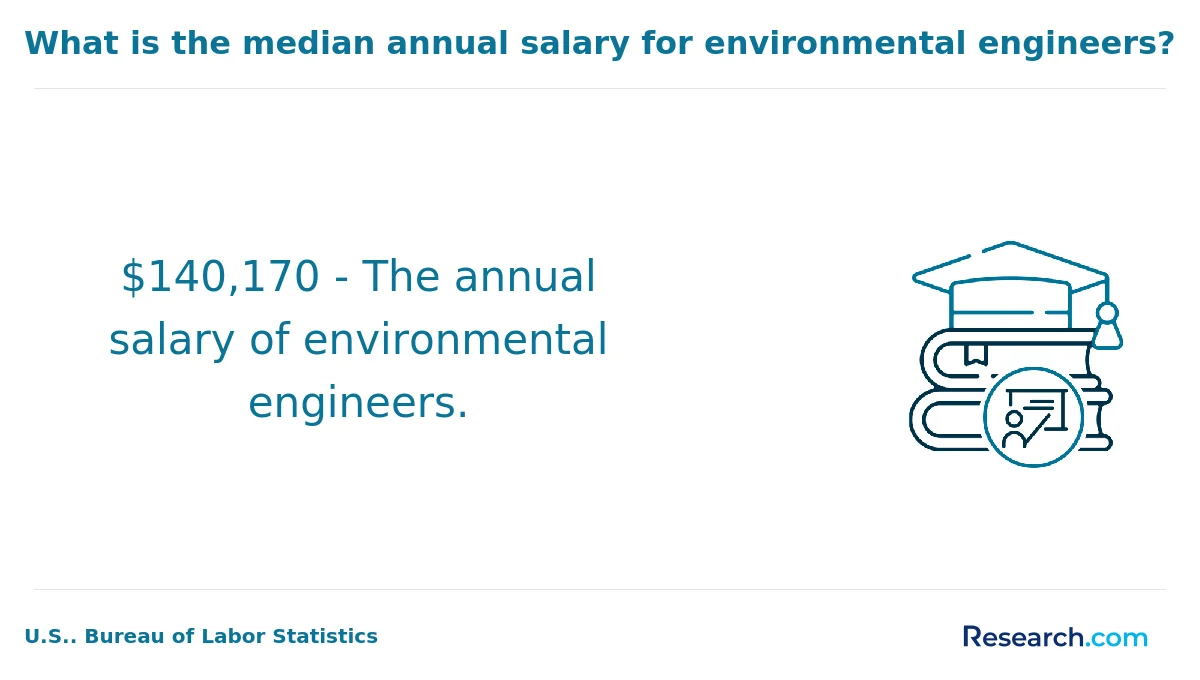
Students pursuing an online environmental science degree in Alabama often start by applying for federal financial aid through the Free Application for Federal Student Aid (FAFSA). This opens doors to federal loans like Direct Unsubsidized Loans or Grad PLUS Loans, which provide essential funds with manageable repayment plans after graduation. Many graduates from Auburn University and the University of Alabama found these loans crucial for balancing their budgets while completing their studies.
Next, explore state-specific options. The Alabama Commission on Higher Education offers scholarships and grants targeting residents, especially those attending public universities with strong online environmental science programs. Several alumni recall how merit-based scholarships and graduate assistantships helped offset tuition, often combined with research roles that provided both experience and income.
Finally, don't overlook employer tuition assistance or scholarships from groups like the Alabama Wildlife Federation. Graduates working in local environmental firms shared how employer support made advanced degrees affordable. Starting early and mixing these aid sources can make your education both attainable and rewarding.
To enroll in an online environmental science degree program in Alabama, you'll first need a bachelor's degree from an accredited institution. Graduates from universities like the University of Alabama or Auburn University often find that holding a degree in biology, chemistry, geology, or environmental studies helps smooth the admission process. Programs generally expect a minimum undergraduate GPA between 2.5 and 3.0, which proves your ability to handle challenging coursework.
Many Alabama students have shared how submitting transcripts that highlight foundational courses in natural sciences or math strengthened their applications. Practical experience counts too-internships or work in environmental research or conservation projects create a compelling story for admissions committees.
You might be relieved to learn that the GRE is frequently waived in these online programs, especially for working professionals juggling multiple responsibilities. However, it's wise to check specific requirements at institutions like the University of South Alabama for the most current policies.
Crafting a personal statement that clearly expresses your passion and career goals is vital, as is securing strong recommendation letters from professors or supervisors familiar with your work. This combination showcased by successful graduates helps demonstrate readiness for the program and future opportunities.
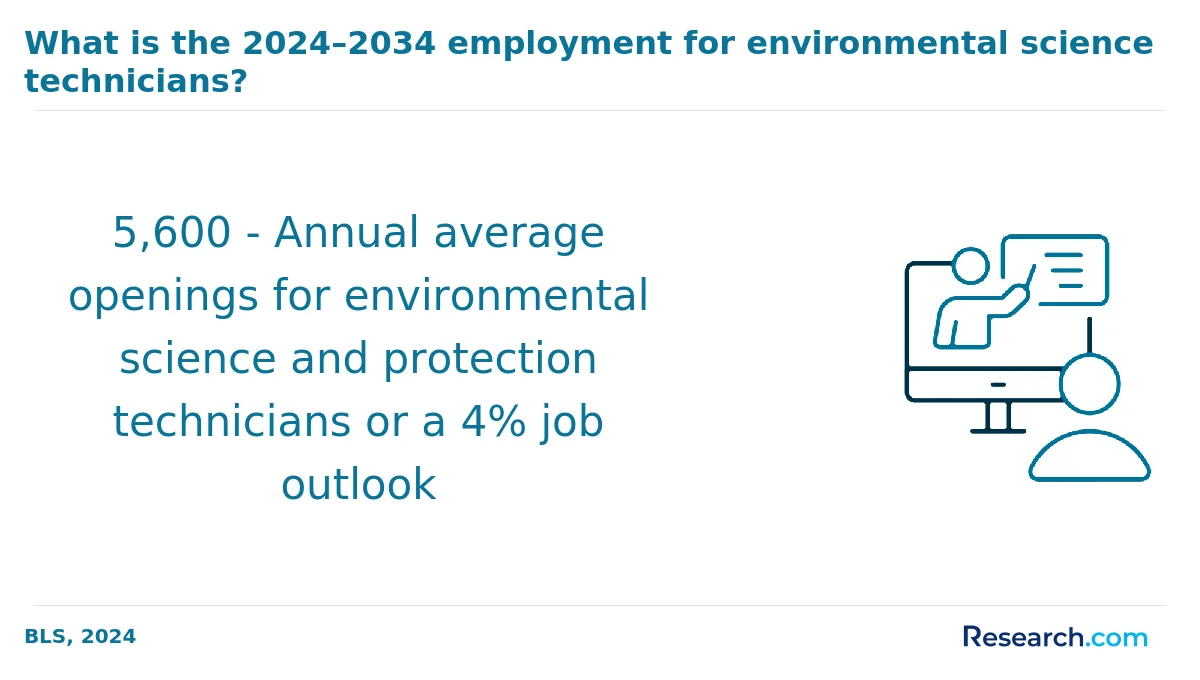
Online environmental science degrees in Alabama typically include courses that build practical skills and a solid scientific foundation. Graduates from popular Alabama colleges often praise core classes like Environmental Chemistry, which helps you understand how pollution impacts local air and water quality. You'll also take Ecology, where learning about interactions between plants, animals, and their habitats brings textbook concepts to life-imagine studying the unique Gulf Coast ecosystems right from your screen.
Courses in Environmental Policy and Law provide insight into state and federal regulations, crucial for anyone aiming to work in conservation or government roles. Many students appreciate Environmental Data Analysis, using tools like GIS mapping to tackle real-world environmental problems remotely. Specialized courses such as Wetland Conservation and Renewable Energy Systems reflect Alabama's environmental priorities, making your studies relevant and actionable within the state.
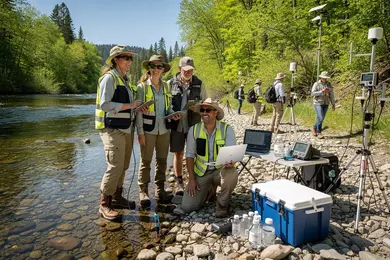
Hands-on experience can be challenging fully online, but many students find virtual labs and local fieldwork valuable to apply what they learn without leaving Alabama. This pragmatic mix prepares you confidently for careers in sustainability and resource management.
Online environmental science degree specializations in Alabama typically include tracks tailored to regional and professional needs. Graduates from popular Alabama colleges often choose Environmental Policy and Management, focusing on crafting policies to tackle climate challenges and resource conservation-skills highly valued by local government agencies. Another common path is Ecology and Conservation Biology, where students study Alabama's unique ecosystems like the Appalachian region, preparing for roles in conservation groups or environmental consulting.
Environmental Chemistry and Toxicology is a practical specialization for those interested in analyzing pollutants and ensuring regulatory compliance, while Renewable Energy and Sustainability aligns well with Alabama's growing green energy sector. Graduates appreciate the hands-on virtual labs these programs use, making it convenient for remote learners to gain real-world skills.
If affordability is a concern, consider exploring the cheapest online environmental science programs available nationally, as Alabama public universities often provide competitive in-state tuition. Understanding these areas can help you select a specialization that matches both your career goals and lifestyle.
Start by confirming the program's accreditation, ideally through agencies like SACSCOC, ensuring your degree holds value with Alabama employers and beyond. Graduates from popular institutions like the University of Alabama often highlight the confidence gained from attending accredited online programs, which translate into better job prospects locally.
Examine the curriculum closely; strong programs cover essential topics such as ecosystem management and GIS, with options for specializations like water resources that align with Alabama's environmental challenges. Students have shared that a curriculum focused on practical skills made their transition into careers in forestry and agriculture smoother.
Cost matters, so seek affordable online environmental science degrees Alabama residents favor, especially at public universities where tuition tends to be lower. Many online learners appreciate how cost-effective options allowed them to balance work and study without financial stress.
Finally, choose programs offering flexibility through asynchronous classes and robust support, since balancing fieldwork or occasional campus visits with a full-time job is common. Alumni often praise schools that maintain strong partnerships with local agencies in Alabama's coastal management sectors for enhancing internships and employment.
To explore options further and confidently plan your studies, consider starting with resources that help you study environmental science online.
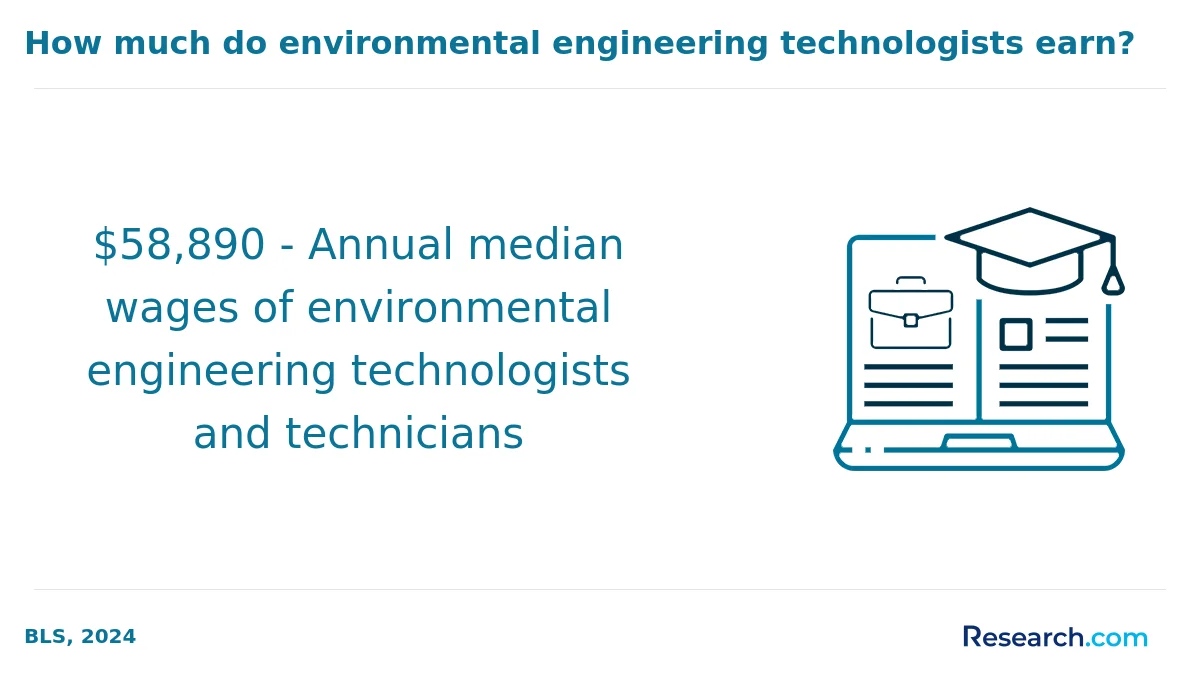
Graduates with an online environmental science degree in Alabama find various career paths aligned with the state's unique ecological and regulatory landscape. Many start as environmental scientists or specialists, assessing local factors like water quality in the Black Belt region or addressing urban sustainability challenges near Birmingham. Others work as environmental compliance officers, helping Alabama businesses meet state and federal standards for air and soil quality. Wildlife and conservation roles are vibrant career options too, especially with Alabama's rich biodiversity, where graduates may protect native species or manage conservation projects through institutions like Auburn University.
Some online environmental science students from popular Alabama colleges have transitioned into natural resource management, overseeing forests and waterways vital to both the economy and recreation. Educators who graduated from these programs often collaborate with schools or NGOs, fostering community awareness around sustainability. For those aiming higher on the career ladder, understanding what qualifications do you need to be a chief sustainability officer can guide advancement toward leadership roles in the growing field of environmental stewardship.
Such practical career paths demonstrate the versatility of an online environmental science degree in Alabama and provide a strong foundation for long-term success.
The job market for graduates with an online environmental science degree in Alabama is steadily expanding, driven by the state's dedication to managing diverse ecosystems like wetlands and coastlines. Graduates from institutions such as the University of Alabama or Auburn University report positive employment experiences, especially in roles with government agencies that focus on environmental compliance and policy. Practical internships during online studies often lead to positions within these agencies or private environmental consulting firms.
Many online environmental science jobs in Alabama are found in nonprofits and companies aiming to improve sustainability and address climate change impacts locally. Starting salaries typically range around $40,000, with opportunities for growth as graduates gain certifications or advanced degrees. Real-life examples include graduates contributing to projects that restore Alabama's forests or assist energy companies in meeting environmental standards.
To explore what types of roles are available, visiting reliable industry sources can help, such as what types of environmental jobs are there. Overall, Alabama's online programs offer accessible pathways for hands-on career preparation paired with competitive local job opportunities.
2027 Easiest Online Master's in Environmental Science Degree Programs Ranking in Alabama
Investing in your education is a significant decision that can profoundly impact your future, and the Research.com team is fully aware of the importance of making well-informed choices. To support prospective students interested in environmental science, we have carefully developed the "2027 Easiest Online Master's in Environmental Science Degree Programs Ranking in Alabama." Our dedication to quality, credibility, and accuracy is demonstrated through thorough research and analysis carried out to produce this ranking.
We utilized the following reputable data sources to ensure a comprehensive evaluation of programs:
By reviewing this ranking, readers will gain valuable insights into accessible and flexible online master's programs in environmental science available in Alabama, empowering them to make confident and informed educational decisions. For more information about our ranking process, please visit the Research.com methodology page.
# 1 position
Columbia Southern University
Master of Occupational Safety and Health/Environmental Management


Frequently Asked Questions About environmental science
Online environmental science degree students in Alabama can maximize their learning by actively engaging with virtual labs and fieldwork opportunities provided through their programs. Participating in Alabama-specific environmental projects, such as those related to the state's unique coastal ecosystems or the Tennessee River watershed, helps contextualize theoretical knowledge.
Students should also leverage resources from Alabama's public universities and government agencies, like the Alabama Department of Environmental Management, for research data and internships. Joining professional groups such as the Alabama Environmental Council can offer networking and practical insights.
Time management and regular communication with instructors ensure steady progress in online study. According to the National Center for Education Statistics, organized study habits correlate strongly with degree completion rates.
The environmental science field is rapidly expanding with several emerging niches attracting attention. In Alabama, areas such as renewable energy management, particularly solar and wind, show strong growth aligned with state initiatives promoting clean energy.
Climate resilience and adaptation planning are also critical niches due to Alabama's vulnerability to hurricanes and flooding, urging experts to develop strategies to mitigate these impacts.
Water quality and wetland restoration efforts remain vital, as Alabama ranks among states prioritizing freshwater conservation, according to the Alabama Department of Environmental Management. This creates demand for experts skilled in hydrology and ecosystem management.
Additionally, environmental data analysis using geographic information systems (GIS) is gaining importance for policy and resource management across sectors.
After earning an online environmental science degree in Alabama, job market preparation involves several strategic steps. First, gaining practical experience through internships or volunteer work with local agencies like the Alabama Department of Environmental Management significantly enhances employability. Networking within regional professional groups, such as the Alabama Environmental Council, connects graduates to industry opportunities.
Developing strong technical skills, including Geographic Information Systems (GIS) and data analysis, is vital, as these are in high demand. According to the U.S. Bureau of Labor Statistics, Alabama's environmental science jobs are projected to grow by 8% through 2030. Tailoring resumes to highlight relevant projects and certifications also improves hiring prospects.
Continued education and attending industry conferences help maintain current knowledge of environmental policies and innovations specific to Alabama's ecosystems.
Employers in Alabama seek specific skills when hiring graduates with environmental science degrees. Critical thinking and problem-solving abilities rank high, as professionals must analyze complex environmental data to support sustainable decisions.
Technical skills using GIS (Geographic Information Systems) and environmental modeling software are increasingly vital. According to the Alabama Department of Labor, demand for GIS expertise has grown by 12% over recent years in environmental roles.
Strong communication skills are essential for presenting research findings and collaborating cross-functionally, especially in community-focused projects common in Alabama. Knowledge of state environmental regulations and policies also boosts a graduate's employability.
Finding internships in Alabama relevant to an environmental science degree involves leveraging local resources and statewide organizations focused on environmental issues. Students should explore opportunities with agencies like the Alabama Department of Environmental Management (ADEM), which periodically offers internships related to environmental regulation and monitoring.
Universities in Alabama, including those offering online programs, often have internship coordinators who connect students to environmental nonprofits and industries. According to the Alabama Workforce Development Department, fields related to environmental science are growing steadily, increasing internship availability.
Networking with professional groups such as the Alabama Environmental Council can also help uncover less advertised positions. Additionally, websites like USAJobs.gov provide listings for federal environmental internships available within Alabama's public lands and parks.
An online environmental science degree significantly enhances career mobility and advancement opportunities in Alabama. The state's growing focus on environmental protection and sustainable development creates demand for qualified professionals. According to the Alabama Department of Labor, employment in environmental sciences is projected to grow by 8% over the next decade, higher than the national average. Online degrees provide flexibility, allowing professionals to gain expertise without interrupting their careers.
Graduates are often considered for roles in environmental consulting, conservation, or regulatory agencies. Alabama's investment in renewable energy and ecosystem management further supports job growth. The hands-on skills taught in accredited online programs align with employer expectations across industries.
Studying for an online environmental science degree in Alabama equips students with a broad understanding of ecological, physical, and social sciences. Alabama's programs often incorporate coursework in biology, chemistry, geography, and policy, fostering interdisciplinary skills critical for addressing complex environmental challenges.
Programs emphasize real-world applications, such as water resource management and conservation strategies relevant to Alabama's diverse ecosystems. According to the Alabama Department of Environmental Management, expertise in these areas supports roles across government, industry, and nonprofit sectors.
Graduates gain analytical and communication skills, enabling collaboration with engineers, public health officials, and urban planners. This interdisciplinary preparation is essential for solving environmental issues in both local and global contexts.
When choosing between a thesis and a non-thesis online environmental science degree in Alabama, consider your career goals. A thesis option requires conducting original research and writing a detailed report, ideal for students aiming at a research or academic career.
The non-thesis option emphasizes coursework and practical skills, better suited for professionals targeting industry roles. According to the Alabama Commission on Higher Education, about 60% of environmental science master's students in the state select non-thesis programs for quicker workforce entry.
Also, think about time and resources: thesis programs usually take longer due to research commitments. Non-thesis paths might offer more flexibility for working adults.
Students in Alabama interested in studying environmental science abroad through online programs have limited direct options due to the U.S. higher education system's regulations and regional accreditation preferences. Most online environmental science master's degrees available to Alabama residents are offered by U.S.-based institutions, which maintain quality standards recognized nationally.
However, some Alabama universities partner with international research programs or offer study-abroad opportunities that can complement online learning. These collaborations allow students to engage with global environmental issues while earning credits toward their degree.
According to the Alabama Commission on Higher Education, less than 10% of environmental science graduate students pursue degrees primarily abroad, reflecting the dominance of domestic online options.
For students seeking global perspectives, combining U.S.-accredited online programs with short-term international field studies may provide a practical pathway.
Students pursuing an online environmental science degree in Alabama can benefit from several part-time job opportunities that complement their studies. Positions such as environmental technician, research assistant, or field data collector provide hands-on experience in local ecosystems.
Agencies like the Alabama Department of Environmental Management often hire part-time interns and technicians. These roles enable students to engage with water quality monitoring, pollution control, and conservation efforts. According to the U.S. Bureau of Labor Statistics, Alabama has a growing demand for environmental science technicians, which supports job availability.
Universities and nonprofit organizations focused on Alabama's biodiversity also offer part-time research roles. These opportunities enhance practical knowledge while building professional networks important for future careers.
Online environmental science students in Alabama have several networking opportunities despite the virtual format. Many Alabama universities offering online programs encourage participation in regional or national environmental organizations, such as the Alabama Environmental Council and the Southern Environmental Law Center. These groups facilitate connections with professionals and peers through meetings, webinars, and volunteer events.
Additionally, students can attend local conferences like the Alabama Water Resources Conference, which gathers experts, policymakers, and researchers focused on regional environmental issues. Such events offer valuable face-to-face networking. Universities often provide access to virtual career fairs and alumni networks, helping students build professional relationships within the state and beyond.
Alumni networks provide valuable support for students pursuing online environmental science degrees in Alabama. These networks connect current students with graduates who have firsthand experience in the state's environmental sector. Through mentorship programs, students gain insights into regional challenges such as coastal management and land conservation efforts prominent in Alabama.
Networking opportunities often lead to internships and job placements. According to the Alabama Environmental Council, local connections are crucial since 65% of environmental science roles in the state result from referrals. Alumni also share knowledge about certifications and continuing education, enhancing career readiness.
Overall, these networks create a community that fosters professional growth specific to Alabama's environmental landscape.
Customizing an online environmental science degree in Alabama involves selecting electives and concentrations aligned with your career goals. Many Alabama institutions offer flexibility in course choices, allowing students to specialize in areas like conservation, water resources, or sustainable development. For example, Auburn University supports tailored programs emphasizing local environmental issues such as coastal management and biodiversity, which are critical given Alabama's diverse ecosystems.
Students can also engage in research projects or internships focused on Alabama's environmental challenges, enhancing practical experience. Utilizing academic advisors helps ensure that course selections meet both personal interests and job market demands, particularly in growing sectors like environmental consulting and renewable energy.
Online environmental science students in Alabama often face challenges related to hands-on learning. Many programs require fieldwork or lab components that are difficult to replicate remotely, slowing skill development. Reliable internet access can also be an issue in rural parts of Alabama, limiting students' ability to participate in live lectures or submit assignments on time.
Another common challenge is balancing coursework with professional or family responsibilities, especially since environmental science demands understanding complex data and interdisciplinary topics. According to the Alabama Commission on Higher Education, retention rates in STEM-related online programs hover around 60-70%, reflecting these difficulties.
Access to local internships and networking opportunities can be limited for online learners, impacting job preparation and career growth in Alabama's environmental sector. Collaboration and interaction with faculty and peers also often require more effort in online formats, affecting student engagement and motivation.
An online environmental science degree from Alabama can open doors to several valuable professional certifications. One common certification is the Certified Environmental Scientist (CES) offered by the National Registry of Environmental Professionals. This credential validates expertise in environmental regulations and management.
Another option is the Geographic Information Systems Professional (GISP) certification, which is useful in Alabama due to the state's focus on environmental mapping and natural resource management. The state's environmental agencies often seek professionals with GIS skills.
Additionally, certifications like the Hazardous Waste Manager (CHMM) credential can enhance job prospects, especially in industries involved with Alabama's chemical and manufacturing sectors.
These certifications typically require a combination of education, experience, and passing an exam, aligning well with the knowledge gained through online environmental science programs.
To write a winning application for an online environmental science program in Alabama, start by highlighting your passion for environmental issues. Alabama faces challenges like water quality and coastal erosion, so demonstrating awareness of local environmental concerns is beneficial.
Showcase relevant academic achievements, such as coursework in biology, chemistry, or geography. Many Alabama programs value applicants with strong STEM backgrounds.
Include clear career goals tied to Alabama's environmental sector, such as working with the Alabama Department of Environmental Management or local conservation groups.
Letters of recommendation from professors or employers familiar with your scientific skills strengthen your application.
Finally, proofread carefully to present a polished and professional submission.
Environmental science careers have a growing global importance as countries face climate change, pollution, and natural resource challenges. The United States, including Alabama, plays a key role in these efforts through scientific research and policy development. According to the U.S. Bureau of Labor Statistics, environmental scientist jobs are projected to grow 8% from 2022 to 2032, faster than average.
Alabama's unique ecosystems, such as the Mobile-Tensaw Delta, provide ample local opportunities for environmental work and research. Furthermore, professionals with environmental science degrees often engage in international projects addressing sustainability and conservation.
Many online programs in Alabama align with these global priorities, preparing graduates for both local and worldwide environmental challenges.
Gaining practical experience while pursuing an online environmental science degree in Alabama is achievable through several effective methods. Many programs encourage internships with state environmental agencies, such as the Alabama Department of Environmental Management, which offers opportunities for hands-on work in water quality and pollution control. Students can also engage in volunteer projects with local conservation groups like the Cahaba River Society to gain fieldwork experience.
Additionally, research assistant positions at universities or virtual labs can provide valuable skills in data analysis and environmental monitoring. Combining coursework with real-world tasks helps students build professional networks and improve job prospects post-graduation.
Choosing the right concentration within an online environmental science degree program in Alabama requires understanding both your career goals and the region's environmental priorities. Alabama's diverse ecosystems, including the Gulf Coast and Appalachian foothills, influence local environmental challenges such as water quality and land management. This means concentrations like water resources, ecology, or environmental policy may be particularly relevant.
Research local job market data from sources such as the Alabama Department of Labor to identify growing fields. For example, roles in environmental compliance and conservation are expanding due to state initiatives.
Additionally, consider programs accredited by recognized bodies like ABET or those offering partnerships with Alabama agencies, which enhance practical experience.
- Strong Programs in Environmental Studies https://toptieradmissions.com/strong-programs-in-environmental-studies/
- How to Find Entry Level Jobs with an Environmental Science Degree https://facs.com/blog/how-to-find-entry-level-jobs-with-an-environmental-science-degree/
- Environmental Science Courses & Degrees https://www.open.edu.au/study-online/science/environmental-science
- Application Letter to Master's Program in Environmental Science in Germany https://essayforum.com/letters/application-master-program-environmental-86188/
- Sustainability Degrees in Alabama https://www.sustainabilitydegrees.com/degrees/alabama/
- Top Trending Research Topics in Environmental Science - Agriculture Journal IJOEAR Blog https://ijoear.com/blog/top-trending-research-topics-in-environmental-science
- Environmental Scientist Cover Letter Examples https://www.careerfaqs.com.au/careers/resumes-cover-letters/environmental-scientist-cover-letter-example
- Environmental Science Pathway : Coastal Alabama Community College https://www.coastalalabama.edu/science-technology-engineering-and-math/environmental-science-pathway/
- Dr. Zubair Khalid | Veterinary Virologist & Bioinformatician https://www.zubairkhalid.com/blog/careers/environmental-science-fields-a-guide-to-specializations-and-careers
- MESPOM Alumni Association https://mespom.eu/mespom-alumni-association