2027 Environmental Science Degree Job Posting Analysis: Skills, Credentials, and Experience Employers Request Most Often

Co-Founder and Chief Data Scientist
Choosing an environmental science degree is easier when you know what employers actually ask for. The U. S. Bureau of Labor Statistics projects employment for environmental scientists and specialists to grow 7% from 2023 to 2033, faster than the average for all occupations. This guide is for students, recent graduates, and career changers comparing environmental science roles. You will learn which industries hire, which skills and credentials appear most often, and how to prioritize coursework, internships, certifications, and applications.
Key Things You Should Know
- Environmental science job postings most consistently combine field sampling, environmental regulations, GIS or data analysis, technical writing, and stakeholder communication rather than relying on degree title alone.
- The BLS reported a May 2024 median annual wage of $80,060 for environmental scientists and specialists, including health, but pay varies by industry, location, seniority, and specialization.
- A bachelor's degree is the usual entry point, while internships, lab or field experience, OSHA/HAZWOPER training, GIS skills, and sector-specific knowledge often separate competitive candidates from minimally qualified applicants.
- Which Industries Have the Highest Demand for Environmental Science Graduates?
- Which Job Titles Appear Most Frequently in Environmental Science Degree Job Postings?
Which Industries Have the Highest Demand for Environmental Science Graduates?
Environmental science graduates are hired across consulting, government, energy, engineering, nonprofit, and corporate sustainability settings. Demand is not uniform: the same degree can lead to very different work depending on whether the employer is focused on compliance, conservation, permitting, remediation, climate risk, or public health.
The table below summarizes where environmental science degree job postings commonly cluster and what those employers usually emphasize. Use it to compare which industry best matches the kind of work you want to do day to day.
| Industry or employer type | Common hiring need | Typical roles | Skills employers tend to emphasize | Best fit for students who want |
| Environmental consulting and engineering firms | Client projects, site assessments, permitting, remediation, and compliance support | Environmental scientist, environmental consultant, field technician, remediation specialist | Phase I environmental site assessments, sampling, report writing, GIS, state and federal regulations | Project-based work, field experience, and faster exposure to multiple industries |
| Federal, state, and local government | Monitoring, enforcement, permitting, land management, and public environmental programs | Environmental specialist, natural resource specialist, environmental protection specialist | Regulatory interpretation, documentation, public communication, environmental policy, data quality | Public service, regulatory work, and mission-driven environmental programs |
| Energy, utilities, and infrastructure | Environmental compliance for operations, construction, transmission, pipelines, water systems, and renewables | Environmental compliance specialist, permitting coordinator, EHS specialist | NEPA, stormwater, air and water permits, audits, contractor coordination, risk documentation | Operational work with strong compliance and safety expectations |
| Manufacturing, logistics, and corporate EHS | Facility compliance, waste management, safety, sustainability reporting, and incident prevention | EHS coordinator, environmental compliance analyst, sustainability specialist | RCRA, hazardous waste, OSHA awareness, audits, root-cause analysis, environmental reporting | Business-facing roles that connect environmental science with operations |
| Conservation, land trusts, and nonprofits | Habitat restoration, outreach, conservation planning, grants, and community programs | Conservation technician, restoration specialist, watershed coordinator | Ecology, species monitoring, field methods, volunteer coordination, grant reporting | Outdoor work, conservation missions, and community engagement |
Consulting firms often offer the broadest entry-level posting volume because they need field staff and junior scientists for client work. Government and corporate employers may post fewer entry-level roles, but those openings can offer clearer advancement ladders in compliance, permitting, program management, or environmental health and safety.
Which Job Titles Appear Most Frequently in Environmental Science Degree Job Postings?
Environmental science degree job postings use several overlapping titles, so students should not search only for "environmental scientist." Employers may label similar work as compliance, sustainability, natural resources, field science, remediation, or EHS depending on the business function.
The table below groups frequent job titles by what the posting usually means in practice. This can help you broaden your job search without applying to roles that do not match your skills.
| Job title in postings | What the role usually does | Common qualification signals | Entry-level accessibility |
| Environmental scientist | Collects and analyzes environmental data, prepares reports, supports assessments, and advises on environmental impacts | Bachelor's in environmental science, biology, geology, chemistry, or related field; field sampling; data analysis; technical writing | Moderate, especially with internships or field coursework |
| Environmental consultant | Supports client projects involving compliance, permitting, site assessment, audits, or remediation | Regulatory knowledge, report writing, GIS, client communication, travel readiness | Moderate to high in consulting markets |
| Environmental compliance specialist | Helps organizations comply with permits, environmental regulations, inspections, and reporting deadlines | Knowledge of EPA, state environmental rules, documentation, audits, and corrective actions | Moderate; often prefers internship or facility experience |
| Field technician or environmental technician | Performs sampling, monitoring, equipment maintenance, site documentation, and field logistics | Sampling methods, chain-of-custody procedures, safety training, ability to work outdoors and travel | High; often a strong first role for new graduates |
| Natural resource specialist | Works on land, water, wildlife, habitat, wetlands, or resource management projects | Ecology, GIS, species identification, wetlands methods, public land or agency experience | Moderate; may be seasonal or grant-funded at entry level |
| Sustainability analyst or specialist | Tracks environmental performance, emissions, waste, water, reporting, and sustainability initiatives | Data analysis, greenhouse gas accounting, Excel, ESG reporting awareness, communication | Moderate; stronger with business, data, or reporting experience |
| EHS coordinator or specialist | Supports environmental compliance, workplace safety, hazardous materials, training, and audits | Environmental regulations, OSHA awareness, incident documentation, training coordination | Moderate; stronger for candidates comfortable with both environmental and safety duties |
Employers generally evaluate environmental science candidates across three skill groups: scientific and field skills, regulatory and documentation skills, and communication skills. A common mistake is assuming that technical knowledge alone is enough; many postings place heavy weight on writing clear reports, documenting methods, and explaining findings to clients, agencies, or community partners.
The table below shows the skills that appear most often as core requirements or strong preferences in environmental science degree job postings. Frequency is described by posting signal rather than a fixed percentage because live job boards change daily and employer wording varies by region and role.
| Skill area | Common posting signal | Examples of wording employers use | Why it matters | How students can build it |
| Field sampling and monitoring | Very common for field, consulting, remediation, water, and natural resources roles | Soil, water, groundwater, air, sediment, wetlands, habitat surveys, environmental monitoring | Many entry-level roles require reliable data collection before candidates move into analysis or project management | Field methods courses, internships, undergraduate research, seasonal technician roles |
| Environmental regulations | Very common in compliance, permitting, consulting, utility, and government postings | EPA, NEPA, Clean Water Act, Clean Air Act, RCRA, SPCC, stormwater, state permits | Employers need graduates who can connect science to legal and operational requirements | Environmental law or policy electives, compliance projects, agency internships |
| GIS and spatial analysis | Common and often a differentiator | ArcGIS, GIS mapping, geospatial analysis, GPS data, remote sensing | Mapping is central to site assessment, habitat work, planning, and environmental reporting | GIS certificate, ArcGIS portfolio maps, spatial data projects |
| Data analysis and spreadsheets | Common across technical and sustainability postings | Excel, data QA/QC, statistical analysis, database management, R, Python | Employers need candidates who can clean data, identify patterns, and support defensible conclusions | Statistics courses, Excel dashboards, R or Python projects, lab data analysis |
| Technical writing | Very common in consulting, government, and compliance postings | Technical reports, permits, environmental assessments, memos, documentation | Environmental work becomes actionable only when findings are documented clearly and accurately | Writing-intensive science courses, capstone reports, internship deliverables |
| Communication and collaboration | Common across nearly all employer types | Client communication, teamwork, presentations, stakeholder engagement, cross-functional coordination | Environmental professionals often translate technical findings for nontechnical decision-makers | Group projects, presentations, outreach roles, client-facing internships |
| Health, safety, and field readiness | Common in consulting, remediation, utilities, and EHS roles | OSHA, HAZWOPER, PPE, job hazard analysis, site safety, travel required | Field work can involve hazards, so employers screen for safety awareness and reliability | Safety training, field practicums, supervised site work, lab safety experience |
For most students, the highest-return combination is field sampling, GIS, Excel or data analysis, and technical writing. Candidates aiming for compliance should add regulatory coursework, while those targeting sustainability should add greenhouse gas accounting, reporting frameworks, and business communication.
Experience requirements in environmental science postings are often flexible at the entry level but become more specific as roles move into project management, permitting, compliance ownership, and technical leadership. Students should read "years of experience" alongside the actual duties, because a role asking for two years of experience may still consider strong internship, field, research, or military experience if it directly matches the work.
The table below shows how experience expectations typically change by career level. Use it to decide whether you should pursue internships, technician roles, certifications for jobs, or graduate study before applying.
| Career level | Common experience wording | What employers are usually testing for | Strong evidence to show |
| Internship or seasonal role | Currently enrolled, coursework completed, fieldwork preferred | Reliability, basic science knowledge, outdoor readiness, willingness to learn | Relevant labs, field courses, GIS assignments, volunteer monitoring, research assistance |
| Entry-level technician or junior scientist | 0-2 years, internship preferred, travel required | Safe field habits, accurate sampling, documentation, teamwork, basic reporting | Sampling logs, field notes, chain-of-custody practice, capstone reports, safety training |
| Environmental specialist or consultant | 2-5 years, project experience preferred | Independent work, regulatory familiarity, client or agency communication, report ownership | Completed permits, assessment reports, GIS maps, audit support, compliance tracking |
| Senior scientist, project manager, or program lead | 5+ years, supervisory or project management experience | Scope, budget, quality control, mentoring, regulatory strategy, stakeholder management | Managed projects, client relationships, staff supervision, technical reviews, budget responsibility |
Experience can matter more than an additional credential when a posting is field-heavy or compliance-focused. For example, a graduate certificate may help, but a supervised internship involving sampling, permits, or environmental reporting can be more persuasive for an entry-level consulting role.
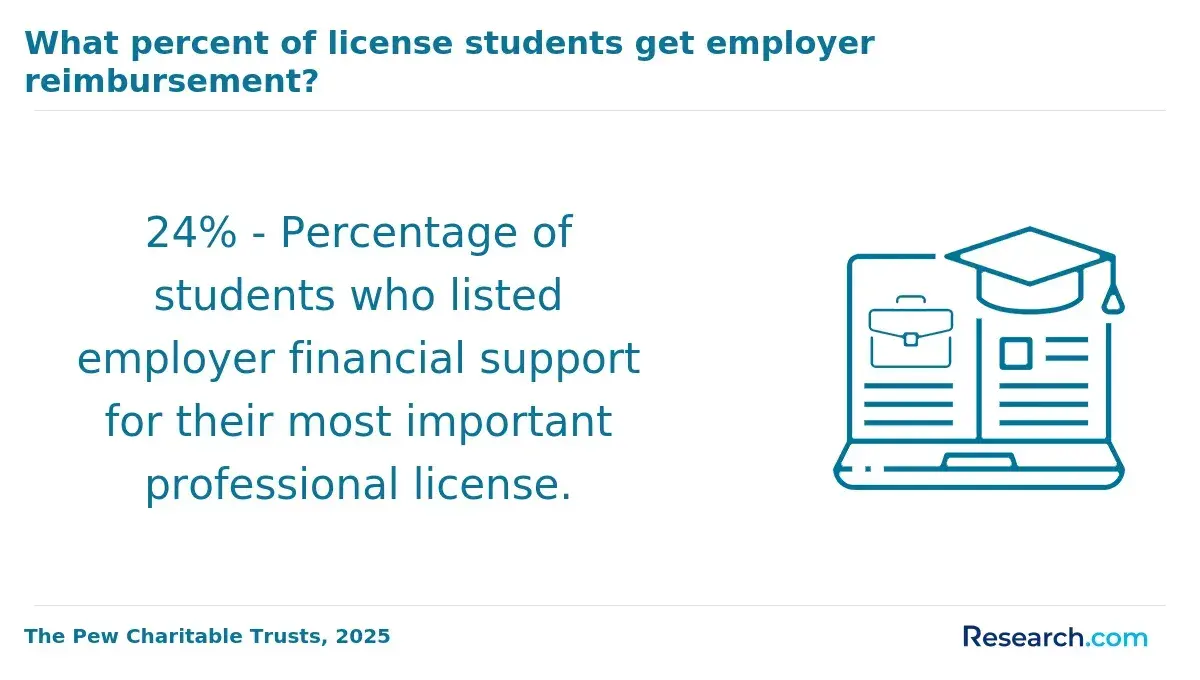
Certifications can improve competitiveness, but only when they match the job family. A certification that appears frequently in remediation postings may add little value for a conservation outreach role, while a GIS credential may matter more for planning, watershed, and habitat positions.
The table below explains certifications and trainings that commonly appear in environmental science-related postings. Some are formal credentials, while others are safety trainings or role-specific qualifications employers may require before field deployment.
| Certification or training | Where it is most useful | Typical employer signal | Worth prioritizing when |
| OSHA 40-hour HAZWOPER | Hazardous waste, remediation, site assessment, emergency response support | Required or preferred for field roles involving contaminated sites | You are targeting consulting, remediation, or hazardous materials work |
| GIS certificate or Esri-related training | Planning, natural resources, consulting, utilities, conservation, water resources | Preferred skill or differentiator rather than a universal requirement | Your target postings mention ArcGIS, mapping, spatial data, or remote sensing |
| OSHA 10-hour or OSHA 30-hour training | EHS, construction-adjacent environmental work, field consulting, utilities | Preferred safety awareness or required before some site work | You expect to work around construction sites, industrial facilities, or contractors |
| Certified Hazardous Materials Manager | Hazardous materials management, EHS, facility compliance | More common for experienced professionals than new graduates | You already have relevant experience and want to advance in EHS or compliance |
| LEED Green Associate | Sustainability, green building, facilities, corporate environmental roles | Preferred for sustainability and built-environment roles | You are aiming for sustainability positions connected to buildings or facilities |
| Certified Floodplain Manager | Floodplain, resilience, hazard mitigation, municipal planning, water resources | Role-specific preferred or required qualification | You want local government, planning, resilience, or water resources work |
| FAA Part 107 Remote Pilot Certificate | Drone-based environmental monitoring, mapping, inspections, conservation surveys | Emerging differentiator where drone data collection is used | Your target employers use drones for mapping, inspection, or field monitoring |
A practical rule is to earn certifications after reviewing 20 to 30 postings in your target niche. If the same credential appears repeatedly and you lack direct experience, it may be worth the investment; if it appears only occasionally, build experience and software skills first.
Employer expectations differ because "environmental science" is not one job market. A wetland delineation posting, a corporate EHS posting, a climate analyst posting, and a hazardous waste role may all accept the same degree but reward different evidence.
The table below compares how expectations shift across common posting categories. This helps students tailor applications instead of sending the same résumé to every employer.
| Posting category | What employers usually require | What employers often prefer | What can differentiate candidates |
| Consulting and site assessment | Fieldwork, travel availability, sampling, technical writing, driver's license | HAZWOPER, Phase I experience, GIS, familiarity with state regulations | Client-ready writing samples, field safety training, completed assessment reports |
| Government environmental protection | Relevant degree, regulatory knowledge, documentation, public service fit | Agency internship, policy coursework, database or inspection experience | Experience translating science for public audiences and regulated entities |
| Natural resources and ecology | Ecology, field identification, habitat or species monitoring, GIS | Wetlands methods, seasonal field experience, restoration work | Species survey experience, field notebooks, GPS/GIS project portfolio |
| Corporate compliance and EHS | Environmental rules, audits, waste management, safety awareness, communication | OSHA training, RCRA familiarity, incident documentation, manufacturing exposure | Experience working with operations teams and corrective action tracking |
| Sustainability and climate reporting | Data analysis, Excel, reporting, communication, environmental metrics | Greenhouse gas accounting, ESG reporting awareness, business coursework | Dashboards, emissions inventory projects, sustainability reports or presentations |
Geography also matters. Coastal, western, and high-growth metro areas may emphasize water, wildfire, land use, habitat, or resilience, while industrial regions may emphasize air, waste, stormwater, and facility compliance. State environmental rules can be as important as federal rules, so local internships and regional coursework often improve fit.
Emerging skills are becoming more visible because environmental employers are managing larger datasets, tighter reporting expectations, climate-related risks, and new monitoring technologies. These skills usually do not replace core field and regulatory knowledge; they make graduates more adaptable as job duties evolve.
The table below highlights emerging skill areas appearing more often in environmental science degree job postings and adjacent roles. Students do not need all of them, but choosing one or two strategically can improve competitiveness.
| Emerging skill | Why employers are paying attention | Roles where it is most relevant | Good student project evidence |
| AI-assisted data review and automation awareness | Employers are using tools to summarize documents, flag patterns, manage records, and speed repetitive analysis | Compliance analyst, sustainability analyst, consultant, data-focused environmental roles | A documented workflow showing how you cleaned, checked, analyzed, and interpreted environmental data responsibly |
| Python, R, and reproducible analysis | Environmental datasets are larger and employers need transparent methods for analysis and reporting | Climate, water, air quality, sustainability, research, GIS-adjacent roles | Code notebook, data visualization, quality-control notes, and a plain-language summary |
| Remote sensing and drone data | Field teams can monitor land cover, vegetation, erosion, water, and infrastructure more efficiently | Natural resources, utilities, conservation, mining, infrastructure, consulting | Map layers, imagery interpretation, drone mission documentation, or remote-sensing analysis |
| Greenhouse gas accounting and climate risk | Organizations are tracking emissions, physical climate risks, and sustainability performance | Sustainability analyst, climate analyst, corporate environmental roles | Emissions inventory, climate risk memo, energy or waste dashboard |
| PFAS and emerging contaminant awareness | Regulatory attention and public concern around emerging contaminants are increasing | Water resources, remediation, consulting, public health, government | Literature review, sampling plan, regulatory briefing, or water-quality analysis |
| Environmental justice and community engagement | Projects increasingly require attention to community impacts, public participation, and equitable decision-making | Government, planning, nonprofit, consulting, infrastructure | Community impact analysis, outreach plan, public-facing summary, stakeholder map |
The safest way to approach emerging skills is to pair them with fundamentals. For example, a student who knows GIS and wetlands methods is stronger than a student who only knows mapping software; a candidate who understands regulations and data quality is stronger than one who only lists AI tools.
Students can use job postings as a practical curriculum-planning tool. Instead of guessing which electives or certifications matter, analyze current postings in your target region and compare them with your transcript, projects, and experience.
The steps below show how to turn job posting trends into a targeted plan. This process works best when you focus on one or two career paths at a time rather than trying to prepare for every environmental job.
- Collect 20 to 30 job postings for roles you would realistically apply to, including internships, technician roles, junior scientist roles, and specialist postings.
- Create columns for degree requirement, required skills, preferred skills, software, certifications, experience level, travel, fieldwork, and writing responsibilities.
- Highlight repeated requirements first, because they should drive your course selection, internship search, and résumé keywords.
- Separate required qualifications from preferred qualifications so you do not disqualify yourself unnecessarily or spend money on low-value credentials.
- Choose one technical skill, one field or lab skill, and one communication deliverable to improve during the next semester.
- Build proof, not just claims, by saving maps, reports, cleaned datasets, presentations, field logs, and capstone summaries when confidentiality rules allow.
- Tailor each application by mirroring the employer's language accurately, especially for regulations, sampling methods, software, and report types.
- Ask recruiters or supervisors which qualifications are truly required before paying for certifications or graduate coursework.
Red flags include listing every environmental topic without depth, using the same résumé for consulting and sustainability roles, overstating software ability, and ignoring soft skills. Employers often reject candidates not because they lack passion, but because the application does not show evidence that they can perform the specific tasks in the posting.
Environmental science job posting trends should help students choose a path based on fit, evidence, and opportunity. The right path depends on whether you prefer fieldwork, policy, data, business operations, conservation, public service, or technical project work.
The table below connects career paths with the qualifications that usually matter most. Use it to prioritize your next internship, elective, project, or certification.
| Career path | Best first roles to target | Skills to prioritize first | Credentials to consider | When this path makes sense |
| Environmental consulting | Field technician, junior environmental scientist, staff consultant | Sampling, technical writing, GIS, site assessments, regulations | HAZWOPER, GIS training, state regulatory coursework | You want varied projects, field exposure, and client-facing work |
| Environmental compliance or EHS | EHS coordinator, compliance specialist, environmental technician | RCRA, stormwater, air and water permits, audits, Excel, documentation | OSHA training, HAZWOPER for some roles, later CHMM if relevant | You want to work inside organizations and solve operational compliance problems |
| Natural resources and conservation | Seasonal technician, restoration assistant, watershed coordinator | Ecology, species monitoring, field identification, GIS, community outreach | GIS certificate, wetlands training where relevant | You prefer outdoor work, habitat, water, wildlife, and restoration |
| Sustainability and climate | Sustainability intern, environmental data analyst, reporting assistant | Excel, dashboards, greenhouse gas accounting, communication, business context | LEED Green Associate for built-environment roles, carbon accounting coursework | You want to connect environmental performance with organizational strategy |
| Government and policy | Environmental protection assistant, program technician, planning intern | Regulations, public communication, policy analysis, documentation, GIS | Public administration, policy, or planning coursework; graduate study for some roles | You want public service, permitting, enforcement, planning, or environmental programs |
If you are undecided, start with transferable fundamentals: field methods, GIS, statistics, Excel, technical writing, and one internship. These qualifications appear across many posting types and preserve flexibility while you learn which environmental work you enjoy most.
Graduate degrees that are worth it are usually best after you know your specialization or when postings in your target niche repeatedly ask for advanced expertise. For many entry-level candidates, paid experience, a strong portfolio, and targeted certifications can provide a better first step than immediately taking on graduate tuition.
A bachelor's degree is the most common educational baseline in environmental science job postings, especially for environmental scientist, specialist, consultant, analyst, and technician roles. Employers often accept related majors such as biology, ecology, geology, chemistry, environmental engineering degree, natural resources, or public health when the candidate's coursework and experience match the job.
| Credential | Usually required, preferred, or differentiating? | Where it matters most | Decision guidance |
| Bachelor's degree in environmental science or related field | Usually required for scientist, specialist, analyst, and consultant postings | Consulting, government, compliance, sustainability, natural resources | Prioritize a program with fieldwork, lab work, GIS, statistics, and internship access |
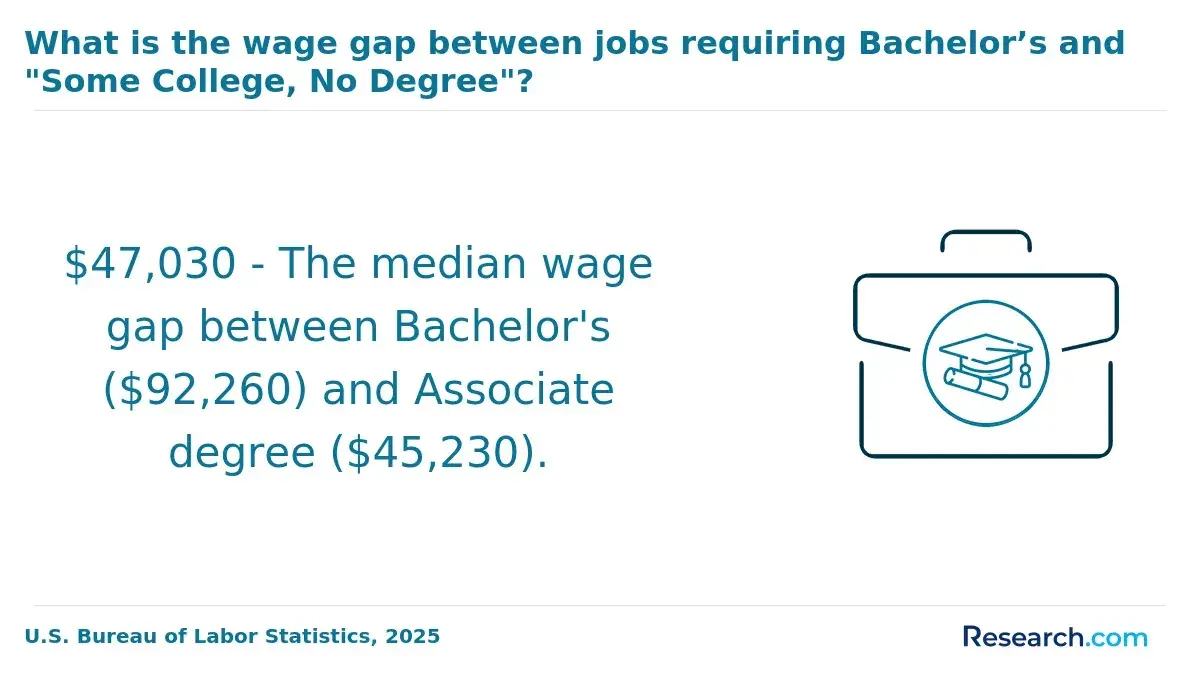
| Associate degree or certificate | Sometimes acceptable for technician roles | Sampling, monitoring, lab support, field technician work | Can be practical for faster entry, but may limit advancement without later bachelor's completion |
| Master's degree | Often preferred, sometimes required for research, senior technical, policy, or specialized scientific roles | Advanced ecology, hydrology, climate science, research, policy analysis, technical leadership | Worth considering when the target role requires specialized expertise or advancement is blocked |
| Coursework in chemistry, biology, geology, hydrology, statistics, or GIS | Often required or strongly preferred depending on role | Sampling, remediation, water resources, ecological work, spatial analysis | Choose electives based on the job family you want, not simply what sounds interesting |
| Internship, capstone, research, or field project | Frequently preferred and highly differentiating for entry-level applicants | Nearly all early-career environmental roles | Treat practical experience as part of the credential package, not as an optional extra |
| Professional licensure or state-specific qualification | Role-specific and jurisdiction-dependent | Wetlands delineation, environmental health, geology-linked work, engineering-adjacent roles | Check state rules and employer wording before assuming a license is needed |
Cost should influence credential decisions. The College Board's 2024 pricing report listed average published tuition and fees of $11,610 for in-state students at public four-year institutions and $43,350 at private nonprofit four-year institutions for 2024-25. That difference does not automatically determine return on investment, but it makes internships, transfer credits, scholarships, accreditation, and local employer connections important parts of program selection.
Other Things You Should Know About Environmental Science
Most scientist, specialist, consultant, and analyst postings ask for a bachelor's degree in environmental science or a related field such as biology, geology, chemistry, ecology, natural resources, or environmental engineering. Technician roles may be more flexible, while research and senior technical roles may prefer a master's degree.
Yes, GIS is one of the most useful technical skills because it applies to consulting, conservation, planning, water resources, utilities, and government work. It is especially valuable when paired with field experience and a portfolio of maps or spatial analysis projects.
Not always. Certifications are most useful when they match the target role, such as HAZWOPER for remediation or hazardous-site consulting. Many entry-level applicants are better served by internships, field experience, GIS skills, and strong writing samples before paying for multiple credentials.
Show evidence of job-ready work: field logs, lab reports, GIS maps, data summaries, technical memos, capstone projects, and internship deliverables. Tailor your résumé to each posting and emphasize repeated employer requirements such as sampling, regulations, data analysis, and report writing.
- What skills do you need to succeed in environmental careers? | ECO Canada https://eco.ca/blog/essential-skills-for-environmental-jobs/
- What Certifications are most Valuable for Environmental Science Graduates? https://www.nrep.org/blog/certifications-environmental-science-graduate
- Resume Skills for Environmental Scientist (+ Templates) - Updated for 2026 https://resumeworded.com/skills-and-keywords/environmental-scientist-skills
- Certification Guide for Young Professionals - Board for Global EHS Credentialing https://gobgc.org/professional-environmental-certifications-professionals/
- How to Hire an Environmental Scientist: The 2026 Hiring Guide https://ehscareers.com/employer-blog/how-to-hire-an-environmental-scientist-2026-guide/
- The Future of Work: The green transition and its effect on employment | EIT Deep Tech Talent Initiative https://www.eitdeeptechtalent.eu/news-and-events/news-archive/the-future-of-work-the-green-transition-and-its-effect-on-employment/
- Environmental Certifications for entry-level and career changers https://www.theenvironmentalcareercoach.com/certification-links
- These are the skills young people will need for the green jobs of the future - EthicalJobs.com.au Career Advice https://www.ethicaljobs.com.au/blog/these-are-the-skills-young-people-will-need-for-the-green-jobs-of-the-future
- Environmental Consultant Certifications: Best Credentials to Advance Your Career | Teal https://www.tealhq.com/career-paths/environmental-consultant-certifications
- Future Skills Centre • Centre des Compétences futures https://fsc-ccf.ca/projects/sos-sustainable-jobs/