2027 Best Online Bachelor's in Environmental Science Degree Programs Ranking in the West

Co-Founder and Chief Data Scientist
Exploring a future in environmental science can be exciting and rewarding, especially when you choose the right degree program. This article presents the 2027 Best Online Bachelor's in Environmental Science Degree Programs Ranking in the West, developed by the Research.com team of data scientists.
Designed to help you make an informed decision, this ranking highlights quality programs that align with your goals. Whether you're passionate about sustainability or eager to make a real-world impact, earning an environmental science degree opens doors to meaningful career opportunities.
Discover programs that fit your lifestyle and aspirations, and take a confident step toward your future.
Key benefits of getting online environmental science degree in the West
- Environmental science graduates in the West can expect average salaries around $60,000 to $70,000 annually, with some specialized roles offering more competitive pay that reflects growing demand in sustainability fields.
- A graduate from a well-known Western university might pursue careers in environmental consulting, wildlife management, or policy advising, which offer diverse and rewarding opportunities to make a difference.
- Online degrees provide flexibility and often lower costs, allowing students from busy or remote areas to advance their education and careers without relocating, as shown by graduates from leading online programs in the region.
- 2027 Best Online Bachelor's in Environmental Science Degree Programs Ranking in the West
- What can I expect from online environmental science degree in the West?
- Where can I work with online environmental science degree in the West?
What can I expect from online environmental science degree in the West?
The average cost of an online environmental science degree in the Western U.S. typically ranges from $15,000 to $40,000 total, depending on the institution. For example, graduates from California State University programs often highlight the affordability combined with strong academic support, making it a practical choice for those balancing work and study.
Students at the University of Arizona have shared that flexible tuition payment plans and the option to take courses at their own pace significantly helped manage expenses without sacrificing progress. These programs usually require 120 to 130 credit hours, and investing in an accredited school like CSU or UA can ensure your degree holds value in competitive job markets.
Choosing an institution with regional accreditation and practical course components offers a rewarding, cost-effective experience. Graduates often emphasize the confidence gained in handling local environmental challenges, supported by the financial feasibility of these programs. This balance of affordability and quality prepares students well for careers in conservation, policy, and sustainability-focused organizations across the West.
Where can I work with online environmental science degree in the West?
Graduates with an online environmental science degree from universities in the West, like the University of Washington or Oregon State, often land roles within government agencies such as the California Environmental Protection Agency or the Washington State Department of Ecology. These positions involve hands-on work in regulatory compliance and conservation projects, giving students the chance to directly impact environmental policies in their communities.
Many graduates also find rewarding careers with agencies like the U.S. Forest Service, engaging in land management tasks like wildfire mitigation and habitat restoration. A graduate from a Western college recently described the satisfaction of applying GIS mapping skills to protect local ecosystems while working for the Bureau of Land Management.
Private environmental consulting firms in California and Oregon commonly seek graduates skilled in data analysis and environmental law, where you can contribute to pollution control and site assessments. Nonprofits focused on wildlife preservation and renewable energy projects also provide fulfilling career paths, allowing you to merge scientific expertise with community engagement.
Graduates with an online environmental science degree in the Western U.S. often find competitive earning opportunities, particularly in states like California, Washington, and Oregon. While exact salary data from the Bureau of Labor Statistics is unavailable, general figures suggest entry-level roles usually start between $55,000 and $65,000 annually. For example, graduates from well-known Western institutions often secure positions as environmental technicians or field researchers within renewable energy or conservation sectors, earning salaries in this range.
With experience and advanced credentials, professionals can progress to roles such as environmental consultants or project managers. These positions frequently exceed $90,000 per year, reflecting the region's growing emphasis on sustainability and natural resource management.
Graduates report that leveraging internships and connections made through universities in the West greatly improves job prospects and income potential. Taking advantage of regional industry growth in places like California's tech hubs or Washington's environmental agencies can lead to rewarding careers with strong salary growth.
- Online environmental science degrees in the Western US cover ecology, conservation, environmental policy, and sustainable resource management.
- The total cost for a bachelor's degree ranges from $25,000 to $45,000, with public universities offering more affordable options for residents.
- Employment for environmental scientists in Western states is expected to grow by about 8% over the next decade, faster than average for all jobs.
- Starting salaries after graduation typically range from $45,000 to $55,000, with experienced professionals earning between $70,000 and $85,000 or more.
- Many programs include internships or practicum experiences to provide hands-on learning and improve job prospects in the region.
Online environmental science degrees in the Western U.S. typically take three to four years to complete when studying full-time. Graduates from schools like California State University and the University of Washington often share how the flexible scheduling options helped them balance work and family while finishing within this timeframe. Part-time students, however, may extend their studies to six years or more, which many find manageable by adjusting their course loads each term.
Transfer credits can significantly reduce completion time. Many Western universities accept community college credits, allowing students to jump ahead, saving both time and money. One graduate recalled how maximizing transfer credits shortened their degree by an entire year, making the journey feel more attainable.
Choosing programs with accelerated or year-round courses is another effective strategy. These options let motivated students complete their degree faster, often in three years or less, by taking courses during summer terms or enrolling in condensed classes.
Remaining aware of your university's credit requirements and tuition costs also helps you plan realistically and avoid unnecessary delays, leading to a smoother and more positive educational experience.
Online environmental science degrees in the Western U.S. offer unmatched flexibility, perfect for students balancing work or family. Graduates from online programs at universities like Oregon State University share how this format allowed them to study while managing full-time jobs, using virtual labs and remote field simulations creatively to gain practical skills.
On the other hand, attending on-campus programs at schools such as the University of California, Davis, immerses students in hands-on fieldwork and direct access to specialized labs and natural reserves. Students relish these in-person opportunities to collaborate closely with professors and peers, enhancing their learning through real-time ecological studies.
Cost differences also matter. Online degrees can reduce expenses by cutting out commuting and housing, though tuition rates often align with traditional programs at top Western institutions. Both paths usually have regional accreditation, like WSCUC, ensuring quality credentials recognized by employers.
Choosing between these formats depends on your lifestyle and career goals; whether you value flexible learning remotely or enriching, on-site experiences in the environmental sciences.
The average cost of an online environmental science degree in the West generally falls around $59,760, with in-state students paying about $64,980 and out-of-state students facing higher costs near $72,432. Graduates from respected Western colleges often recall balancing tuition with extra fees for course materials and virtual labs, a necessary aspect of these practical programs. For those concerned about managing expenses, considering in-state tuition options can make a big difference, especially at well-known public universities offering strong environmental science courses.
Some graduates found that exploring financial aid and scholarships significantly eased their journey. Private institutions, though typically more expensive, tend to provide resources like grants or flexible payment plans, reflecting a broader investment in sustainability education. If you want to find paths to reduce your overall investment, research programs that highlight affordable tuition but still deliver quality education.
Understanding the total tuition and fees for online environmental science programs western US will help you plan effectively. Many students describe the experience as rewarding despite financial concerns, especially when they secure support through employer tuition reimbursement or community grants. Exploring accelerated sustainability bachelor programs can also shorten the time it takes to graduate, lowering total costs.
- Typical median cost overall: $59,760
- Median in-state total cost: $64,980
- Median out-of-state total cost: $72,432
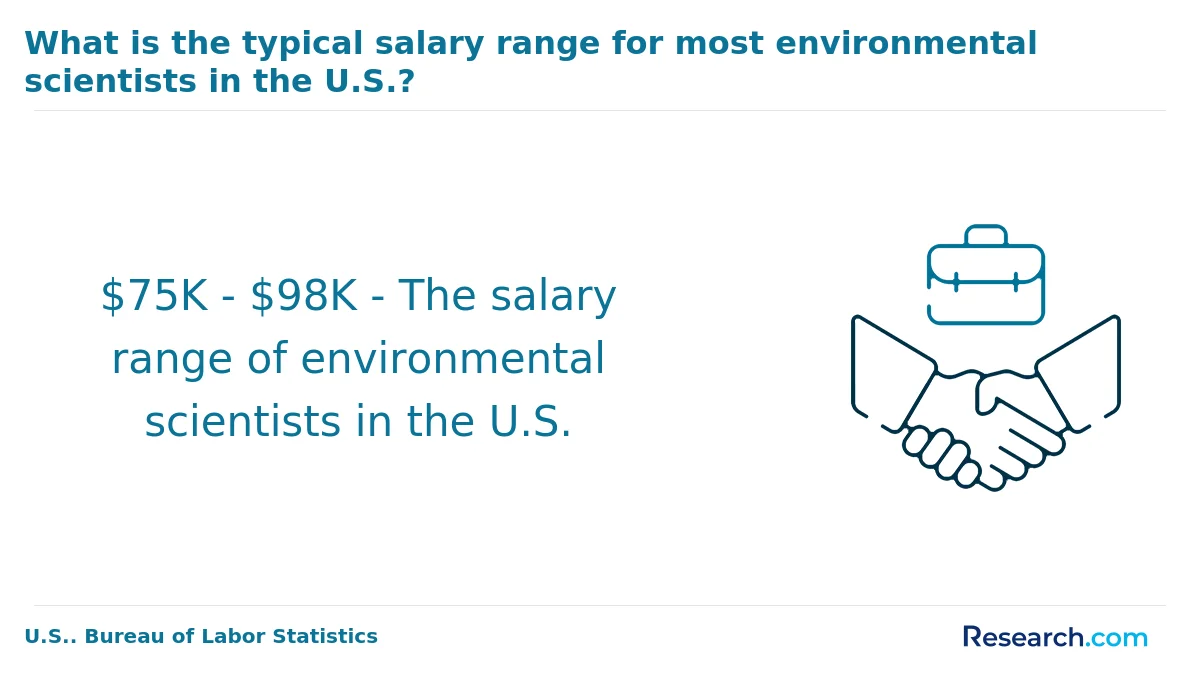
Students pursuing online environmental science degrees in the West often rely on a mix of federal, state, and institutional financial aid. Completing the FAFSA is the first step to unlocking federal support like the Pell Grant, which can provide up to $7,395 annually without needing repayment. Many graduates from universities such as Oregon State or the University of Washington have emphasized how this grant eased their tuition burden significantly.
State-specific grants, like California's College Promise Grant, offer vital tuition assistance for in-state residents enrolling in eligible online programs, making degrees more affordable. Several Western schools also provide scholarships targeted at environmental science majors, rewarding merit, financial need, or relevant research experience. These opportunities often come from departments focused on sustainability and STEM fields.
Additionally, nonprofit scholarships, including those from environmental organizations, add another layer of support. Graduates recall how combining federal loans-with lower interest rates and repayment plans-and grants allowed them to confidently manage costs without overwhelming debt.
To enroll in an online environmental science degree program in the West, you'll need to meet certain prerequisites that prepare you for the coursework ahead. Most programs at well-known colleges in the region require a high school diploma or GED, with a strong emphasis on science and math classes such as biology and algebra. Graduates from top Western universities often mention that having a solid GPA-usually around 2.5 to 3.0-helped them feel confident and ready to tackle college-level studies.
While some schools no longer mandate SAT or ACT scores, competitive programs may still request them, so checking each school's requirements is crucial. Transfer students should provide official transcripts from previous colleges, especially highlighting any environmental-related courses they've taken, like ecology or geography, to show their commitment and background.
Graduates frequently share that reliable internet and access to software tools like GIS were game-changers for managing assignments and projects remotely. Beyond academics, many programs encourage submission of personal statements or letters of recommendation, helping admissions see your genuine passion for environmental science and your readiness to contribute meaningfully.
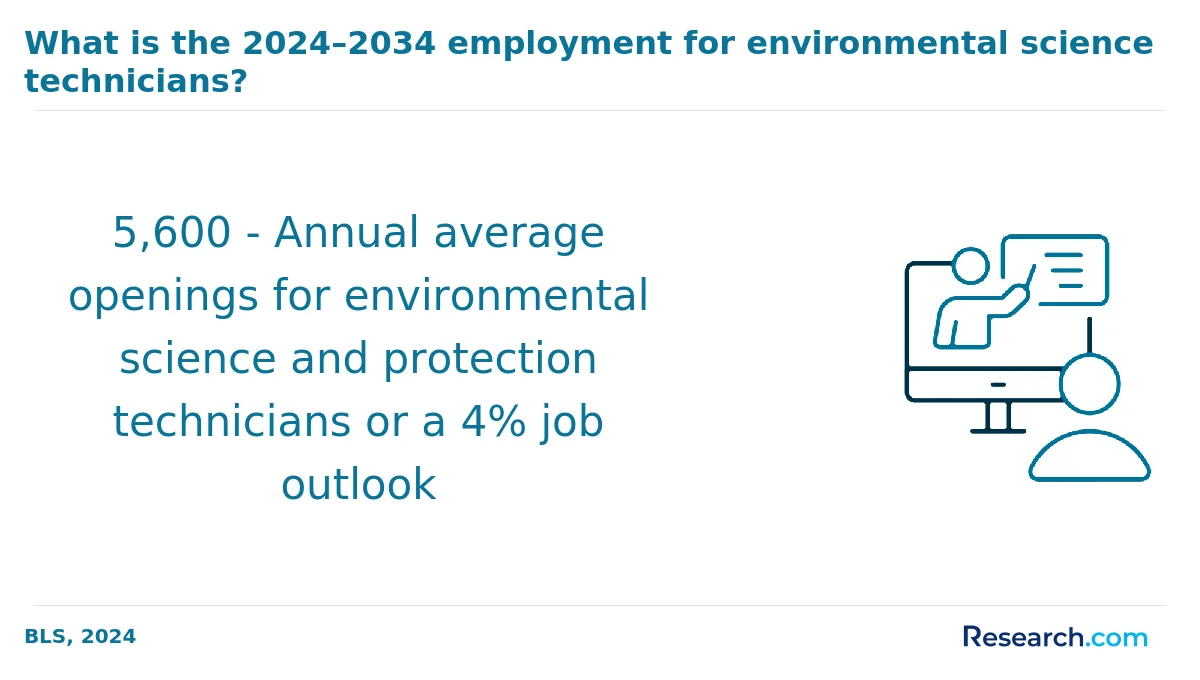
Students enrolled in online environmental science degrees in the Western United States typically encounter a curriculum that balances scientific fundamentals with applied skills. Graduates from well-known Western universities appreciate how courses like Environmental Biology immerse them in real-world ecosystem studies, such as tracking wildlife migration or analyzing watershed health in nearby national parks. This hands-on learning brings ecological concepts to life, making complex theories easier to grasp and more motivating.
Courses in Environmental Chemistry and Geology build a strong understanding of air and soil quality, often contextualized through case studies relevant to Western regions-like wildfire impacts or drought conditions common in states such as California and Colorado. Many students find Environmental Policy and Law classes particularly empowering, as they cover critical regulations-like the Clean Air Act-that directly affect local industries and conservation efforts.
- Environmental Biology and Ecology
- Environmental Chemistry
- Geology and Earth Sciences
- Environmental Policy and Law
- Environmental Ethics and Sustainability
- Statistics and Data Analysis
- Geographic Information Systems (GIS)
GIS training stands out as a favorite, equipping graduates with the ability to interpret spatial environmental data-skills frequently used in government agencies and private firms across the West. These courses prepare students not just for theory, but for tangible, career-ready expertise tailored to the environmental challenges and job markets unique to their region.
Online environmental science degrees in the West typically offer specializations tailored to regional challenges and career growth. Graduates from institutions like Oregon State University often choose Ecology and Conservation Biology, focusing on ecosystem management and biodiversity, which prepares them for roles in wildlife preservation or habitat restoration. Others prefer Environmental Policy and Management, enhancing skills in sustainable development and regulatory frameworks vital to Western states' environmental legislation.
Natural Resource Management is another popular focus, teaching students to balance water, soil, and forest resource protection-key issues in arid Southwest areas. Graduates report that hands-on coursework related to wildfire management or Pacific coastal habitats makes study deeply engaging and relevant. Students also find value in Environmental Chemistry and Toxicology specializations, which concentrate on pollutant analysis and remediation strategies to tackle industrial impacts.
For those seeking additional credentials or diverse career paths, many programs incorporate minors or certificates, such as Geographic Information Systems, enhancing job market competitiveness. Exploring affordable sustainability masters programs can further deepen expertise in areas critical to advancing environmental science degree focus areas western US.
Choosing the best online environmental science degree in the West starts with confirming regional accreditation from bodies like the Northwest Commission on Colleges and Universities. Graduates from respected Western institutions often emphasize how this ensured their degree held value with employers and graduate schools. Cost matters too; many find affordable online environmental science programs Western US especially appealing when tuition fits their budget, and financial aid options are accessible.
Look closely at curriculum flexibility, which is crucial for working students balancing jobs and study. Graduates from programs at universities popular in the West frequently praise asynchronous classes and practical courses like GIS and environmental policy that prepare them for careers. Additionally, seek programs offering internships or fieldwork opportunities, even virtual ones, to gain real-world experience.
Support services on offer greatly influence student satisfaction. Academic advising and career counseling help students develop the skills needed to be a sustainability manager and advance professionally. Prioritize programs that excel in these areas for a rewarding educational journey.
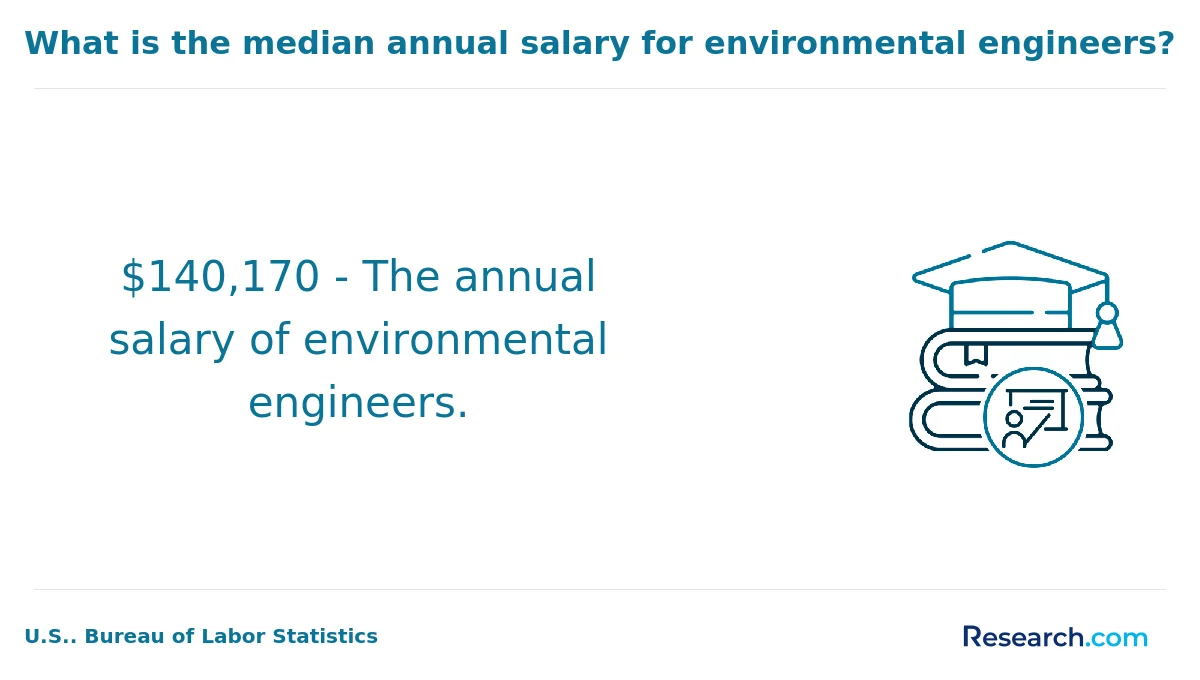
Graduates with an online environmental science degree in the West find diverse career paths that align with the region's focus on sustainability and natural resource management. Many secure roles in environmental consulting firms, evaluating construction and industrial impacts, particularly in states like California and Washington where demand and salaries are high. Others join state or federal government agencies, such as state departments of natural resources or the EPA, taking on policy enforcement and environmental regulation. Alumni from universities in Oregon or Colorado often share how their practical training prepared them well for these roles. For those passionate about community impact, teaching opportunities abound at colleges and K-12 schools focusing on environmental ethics and sustainability education.
Nonprofit organizations and research centers in the West also offer fulfilling positions in climate action, wildlife conservation, and sustainable agriculture. The growing presence of such institutions near major Western universities encourages graduates to pursue these paths. For students considering different program options, exploring online environmental engineering degrees can complement their skills and enhance job opportunities in the broader environmental sector.
The job market for graduates with an online environmental science degree in the West is especially strong thanks to the region's leadership in sustainability and climate initiatives. Graduates from popular Western universities often share how their programs' focus on real-world projects, such as California's renewable energy efforts or Oregon's conservation programs, helped them secure roles quickly in local government agencies and private firms. Many graduates find rewarding positions in state environmental departments or with companies prioritizing sustainable practices.
Environmental science career opportunities West region also include nonprofit organizations and agricultural sustainability, offering diverse paths for students who want to make a direct impact. Salary expectations remain competitive, reflecting the high demand in coastal and urban areas. Those considering an online degree can be confident that their investment aligns with growing job opportunities.
For practical steps on career planning, students often consult resources about how do you become an environmental biologist, which provides guidance tailored to this evolving field and can be especially useful for newcomers navigating the job market.
2027 Best Online Bachelor's in Environmental Science Degree Programs Ranking in the West
Investing in your education is a significant decision that can profoundly impact your future, and the Research.com team is keenly aware of the importance of making well-informed choices. To support prospective students seeking environmental science degrees in the West, we have carefully developed the "2027 Best Online Bachelor's in Environmental Science Degree Programs Ranking in the West." Our dedication to quality, credibility, and accuracy is demonstrated through rigorous analysis and thorough research.
We utilized the following reputable data sources to ensure a comprehensive evaluation of programs:
By examining this ranking, readers will gain valuable insights into top-quality online environmental science programs available in the Western region, empowering them to make confident educational decisions. For a detailed explanation of how this ranking was created, please visit our Research.com methodology page.



Frequently Asked Questions About environmental science
Students pursuing online environmental science degrees in the Western United States can enhance their learning by actively engaging in virtual labs and field simulations offered by many accredited programs. According to the Association of Environmental Science Programs, hands-on experience remains vital despite the online format.
Networking with regional professionals through webinars and local environmental organizations also enriches understanding of Western ecological challenges, such as water scarcity and wildfire management. Additionally, students should leverage university career services to find internships focused on Western ecosystems.
Keeping current with regional government reports, like those from the California Environmental Protection Agency, provides practical insights that complement academic studies.
Emerging niches within the environmental science field reflect growing regional concerns in the Western US. Climate adaptation and resilience are critical, with emphasis on managing droughts, wildfires, and water scarcity. According to the Western Governors' Association, wildfire management jobs are expected to grow 10% through 2030.
Another niche is renewable energy optimization. The West leads in solar and wind energy development, creating demand for experts skilled in environmental impact assessments and sustainable energy technologies. The National Renewable Energy Laboratory reports a 15% annual increase in related job postings.
Urban ecology is also gaining importance as cities like Los Angeles and Seattle focus on green infrastructure and reducing pollution. Professionals versed in ecosystem restoration and environmental policy are increasingly sought in local government and non-profits.
These specializations offer promising career paths for students earning online environmental science degrees in the West.
Graduates with online environmental science degrees in the Western US can enhance their job market readiness by gaining relevant experience through internships or volunteer programs, which 70% of employers in the sector consider vital, according to the Environmental Career Opportunities report (2023).
Networking with local environmental agencies and attending virtual conferences focused on Western ecosystems also increase employment chances. Students should build skills in Geographic Information Systems (GIS) and data analysis, as these are highly requested by employers like California's Department of Environmental Protection. Additionally, earning professional certifications, such as the Certified Environmental Scientist (CES), further strengthens resumes for regional job markets.
Employers in the Western United States highly value environmental science graduates who combine strong technical skills with practical experience. Analytical abilities, such as data interpretation and GIS (Geographic Information Systems), are crucial, reflecting the region's emphasis on managing natural resources and addressing climate challenges.
Communication skills stand out as essential. Graduates must explain complex scientific information clearly to stakeholders, policy makers, and communities. According to the U.S. Bureau of Labor Statistics, demand for environmental scientists is growing faster than average, especially in states like California and Washington, due to progressive environmental policies.
Problem-solving skills and proficiency in environmental regulation knowledge are also frequently sought. Practical experience through internships or research helps graduates stand out in this competitive market.
Finding internships in the Western US related to an environmental science degree often begins with university career centers, which frequently partner with local government agencies and environmental organizations. States like California and Washington have robust environmental sectors offering internships in areas such as conservation, renewable energy, and ecosystem management.
Students should also explore platforms like Handshake and LinkedIn, which list regional opportunities specifically in environmental fields. According to the California Environmental Protection Agency, approximately 15,000 internships are available annually in environmental agencies statewide.
Networking with local chapters of professional groups, like the Sierra Club or the Society for Environmental Toxicology and Chemistry (SETAC), can open doors to hidden internship opportunities.
An online environmental science degree significantly enhances career mobility and advancement opportunities for professionals in the Western United States. The region's growing focus on sustainable energy, conservation, and climate resilience has increased demand for qualified environmental experts.
According to the U.S. Bureau of Labor Statistics, jobs in environmental science are projected to grow 8% from 2022 to 2032, faster than the average for all occupations. Completing a degree online allows students to balance work and study, accelerating their career progression without geographical constraints.
Employers in states like California, Washington, and Oregon value candidates with updated knowledge and skills, which online programs frequently offer through partnerships with research institutions and hands-on virtual labs. This flexibility supports career shifts into emerging fields such as renewable energy management or environmental policy analysis.
Studying for an environmental science degree in the Western U.S. equips students with skills that span various scientific and policy disciplines. Programs emphasize interdisciplinary learning, integrating biology, chemistry, geology, and environmental policy to address complex regional issues like water resource management and wildfire ecology.
Many Western online degrees also incorporate data analysis and GIS (Geographic Information Systems), crucial for roles in environmental consulting and urban planning. According to the Western Association of Schools and Colleges, West Coast institutions often collaborate with local agencies, providing practical experience addressing climate adaptation and land use.
This multifaceted approach prepares graduates for diverse careers in research, government, and industry, where understanding environmental challenges requires blending scientific knowledge with social and economic considerations.
Choosing between a thesis and a non-thesis online environmental science degree in the West depends on your career goals and learning preferences. A thesis program involves conducting original research and writing a detailed project, which is ideal if you plan to enter research, graduate studies, or work in scientific roles. The Western region, with its diverse ecosystems, offers rich research opportunities supporting these programs.
Non-thesis options typically focus on coursework and practical skills, appealing to students seeking quicker entry into environmental consulting, policy, or management roles. According to the Western Academic Consortium, about 40% of students in this region choose non-thesis tracks for their flexibility.
Consider program length, faculty expertise, and how each option aligns with job market demands in states like California and Washington, known for strong environmental sectors.
Students in the Western United States seeking online environmental science degrees have access to several reputable programs offered by universities nationwide. Many Western schools, including the University of Washington and Oregon State University, provide fully online bachelor's options tailored for working adults. These programs often feature coursework on regional ecosystems and sustainability challenges specific to the West.
According to the National Center for Education Statistics (NCES), online enrollment in environmental science programs has grown by over 20% in the West since 2019. This growth reflects increasing demand for flexible education in this field.
Additionally, Western students can enroll in out-of-state online programs offered by accredited institutions, benefiting from diverse curricula and research opportunities. Such degrees typically require fewer on-campus visits, making them practical for remote learners.
Part-time job opportunities in the Western United States can effectively complement an online environmental science degree. Many students find work as field assistants or environmental technicians, gaining hands-on experience in data collection and site analysis. According to the U.S. Bureau of Labor Statistics, the West has a growing demand for environmental science technicians, with California and Washington leading job growth.
Internships with local government agencies or non-profits focused on conservation are also common. These roles help students understand environmental policies and community impact. Additionally, jobs in GIS mapping or sustainability consulting offer practical skills aligned with coursework.
Online environmental science students in the Western US have access to diverse networking opportunities designed to enhance career growth. Many universities offer virtual career fairs and online workshops with local employers and environmental organizations. These events help students connect with professionals in California, Oregon, and Washington, states known for strong environmental industries. Students can also join online chapters of national groups like the Ecological Society of America, which frequently host regional webinars and conferences.
Faculty often facilitate introductions to alumni working in sectors such as renewable energy and conservation. Additionally, platforms like LinkedIn and university-run forums enable students to build professional networks despite geographic distances.
Alumni networks provide valuable support to students pursuing online environmental science degrees in the Western United States. These networks create connections between current students and graduates working in various sectors, including government agencies, NGOs, and private industries focused on sustainability and conservation.
Access to experienced alumni helps students navigate job searches more effectively through mentorship and referrals. According to the National Association of Colleges and Employers (NACE), 85% of jobs are filled through networking, highlighting its importance.
In the West, where environmental concerns are pressing, alumni often share region-specific insights on policies, internships, and career trends, enhancing students' knowledge beyond the classroom.
Participation in these networks also strengthens professional profiles on platforms like LinkedIn, which 70% of hiring managers use to evaluate candidates.
Online environmental science degree programs in the West offer flexible options to customize your studies according to career goals. Many universities allow students to select from various electives, such as renewable energy, conservation biology, or environmental policy, to tailor their knowledge.
Some programs in the West partner with local industries and government agencies, providing opportunities for internships or research projects that align with your interests. For example, Oregon State University's online program emphasizes applied environmental science with regional case studies.
Additionally, students can often pursue certificates or minors in related fields like GIS or sustainability, enhancing their credentials. According to the Bureau of Labor Statistics, environmental science jobs in Western states are expected to grow 8% by 2030, making specialization valuable.
Online environmental science students in the West often face several unique challenges. A primary issue is limited access to local fieldwork opportunities, which are essential for hands-on learning in this discipline. Many programs attempt to offer virtual labs or coordinate regional partnerships, but these cannot fully replace in-person experiences. Additionally, the diverse geography and environmental concerns across Western states demand region-specific knowledge that some online curricula may not fully address.
Students also encounter difficulties balancing coursework with professional or personal commitments, especially given the rigorous scientific content. According to the National Center for Education Statistics (NCES), approximately 35% of online science students report time management as a major challenge.
Technical issues and inconsistent internet access in rural Western areas further complicate study efforts. These barriers highlight the importance of strong institutional support for online learners in environmental science programs.
With an online environmental science degree, you can pursue several professional certifications that enhance your career prospects in the Western U.S. These include the Certified Environmental Scientist (CES) credential offered by the National Registry of Environmental Professionals (NREP). This certification verifies your expertise in environmental principles and regulations. Another option is the Certified Environmental Professional (CEP), which focuses on broad environmental management skills.
Many employers in states like California and Washington value certifications such as the American Academy of Environmental Engineers and Scientists (AAEES) certifications. Obtaining these credentials can lead to higher salaries and improved job opportunities. The U.S. Bureau of Labor Statistics highlights a growing demand for environmental scientists in the West, emphasizing the importance of professional certification.
Crafting a strong application for online environmental science programs in the Western US requires clear emphasis on relevant academic and professional backgrounds. Applicants should highlight coursework in biology, chemistry, and earth sciences, demonstrating solid quantitative skills. Including volunteer or work experience related to environmental conservation or policy can strengthen the profile, reflecting both passion and practical insight.
Admissions committees often value well-written personal statements that connect applicants' goals with regional environmental challenges such as water resource management or wildfire mitigation. According to the Western Interstate Commission for Higher Education, showcasing an understanding of local ecosystems improves candidacy.
Strong letters of recommendation, preferably from science instructors or environmental professionals, also enhance competitiveness. Additionally, meeting or exceeding standardized test scores-if required-and maintaining a GPA above 3.0 is generally advantageous for admission to competitive programs.
The global perspective on a career in environmental science is increasingly positive, reflecting growing concerns about climate change and sustainable development. In the US and Western countries, demand for environmental science professionals is expected to grow 8% from 2020 to 2030, according to the Bureau of Labor Statistics. This growth is driven by the need for expertise in managing natural resources, pollution control, and renewable energy projects.
Environmental scientists often work internationally, collaborating on issues like biodiversity preservation and environmental policy. In the West, especially California and Washington, industries focused on clean energy offer numerous job opportunities.
Graduates with knowledge of global environmental regulations and data analysis tools are particularly valued. Online degrees in environmental science provide flexibility, allowing students to gain skills relevant worldwide while residing in the West.
Gaining practical experience while studying for an online environmental science degree in the West is essential for career readiness. Many programs in this region offer virtual internships with environmental agencies, nonprofits, or private firms. According to the Environmental Protection Agency (EPA), several Western states like California and Washington provide remote opportunities addressing climate change and conservation projects.
Students can also participate in fieldwork organized locally through partnerships between their universities and regional organizations. This hands-on training often encompasses data collection and ecological monitoring, critical skills for the field.
Additionally, some programs integrate virtual labs and simulations to develop technical expertise online.
Choosing the right concentration in an online environmental science degree in the West begins with understanding your career goals and interests. Popular concentrations include sustainability, natural resource management, and environmental policy. According to the Bureau of Labor Statistics, jobs in environmental science, especially in California and Washington, are expected to grow by 8% through 2031, emphasizing sustainability and renewable energy fields.
Next, consider the regional environmental challenges, such as wildfire management in the West or water resource issues in arid states like Arizona. Selecting a concentration that addresses these local concerns can increase your employability.
Review each program's curriculum and faculty expertise to ensure alignment with your interests and the latest industry trends. Accreditation by recognized agencies like the WASC Senior College and University Commission is also vital for program credibility.
- SEEDS Summer 2026 Internships | TREES DLA https://www.trees-dla.ac.uk/seeds-summer-2026-internships
- Explore Environmental Career Profiles | ECO Canada https://eco.ca/career-profiles-index/
- How to Become an Environmental Scientist: 8 Steps to Success - Prereqcourses https://www.prereqcourses.com/environmental-scientist/
- Application Letter to Master's Program in Environmental Science in Germany https://essayforum.com/letters/application-master-program-environmental-86188/
- Alumni Put Environmental Science Degrees to Work at Chesapeake Watershed Initiative https://www.fandm.edu/stories/alumni-put-environmental-science-degrees-to-work.html
- Environmental Science Courses & Degrees https://www.open.edu.au/study-online/science/environmental-science
- Most Popular Online Environmental Science Degrees 2025 https://www.onlineu.com/degrees/environmental-science
- Environmental Certifications for entry-level and career changers https://www.theenvironmentalcareercoach.com/certification-links
- CES - Certified Environmental Scientist https://www.nrep.org/certifications/certified-environmental-scientist-ces
- Bachelor of Arts in Environmental Studies | Batten University Online https://online.batten.edu/undergraduate/bachelor-of-arts-environmental-studies